How to Beat Jet Lag: A Science-Backed Travel Guide

The clock on the cabin wall says 3:00 AM, but your brain insists it is lunchtime. Your eyes feel like dry paper, your stomach is confused, and a dull ache lingers in your temples. This is desynchronosis, the physiological disruption that happens when your internal biological clock is forced to match a new time zone faster than it can naturally adapt. If you want to know how to beat jet lag, you must look past quick fixes and understand the biology of your master circadian pacemaker.
This guide is for independent travelers who want to optimize their transit and arrive ready to explore. We will cover the mechanics of light timing by direction, when to sleep on your flight, how to schedule caffeine, and which evidence-backed tools actually work to reset your body clock.
How to beat jet lag with light timing by direction
Light is the main switch. It is the most powerful external cue, known scientifically as a zeitgeber, that trains your circadian rhythm. When light hits your retinas, it signals the suprachiasmatic nucleus in your brain to stop producing melatonin and start producing cortisol. To shift your clock, you must control when this light enters your eyes. The direction of your flight dictates your light exposure strategy.
When you travel west, you are lengthening your day. This is generally easier for your body to handle. To delay your clock, seek bright light in the late afternoon and early evening of your destination time zone. Avoid bright light in the early morning. This pushes your sleep cycle later, aligning you with the local night. A simple walk in the late afternoon sun can work wonders.
When you travel east, you are shortening your day. This phase advance is much harder. To pull your clock forward, you need bright light in the morning of your destination. However, you must avoid light during the late night and early morning hours of your home time zone, as this can accidentally delay your clock further. If you land in Tokyo at 8:00 AM after an overnight flight from Seoul, step directly into the morning sun. If you are traveling on a much longer eastbound route, use dark sunglasses during the local morning of your home time zone to prevent premature light exposure. Managing this exposure carefully can shave days off your recovery time.
Tip: The Sunglasses Trick
Wear dark sunglasses on your way out of the airport if you arrive during a time when your body clock needs darkness to adjust. This prevents early morning light from resetting your rhythm in the wrong direction.
When to sleep on the plane
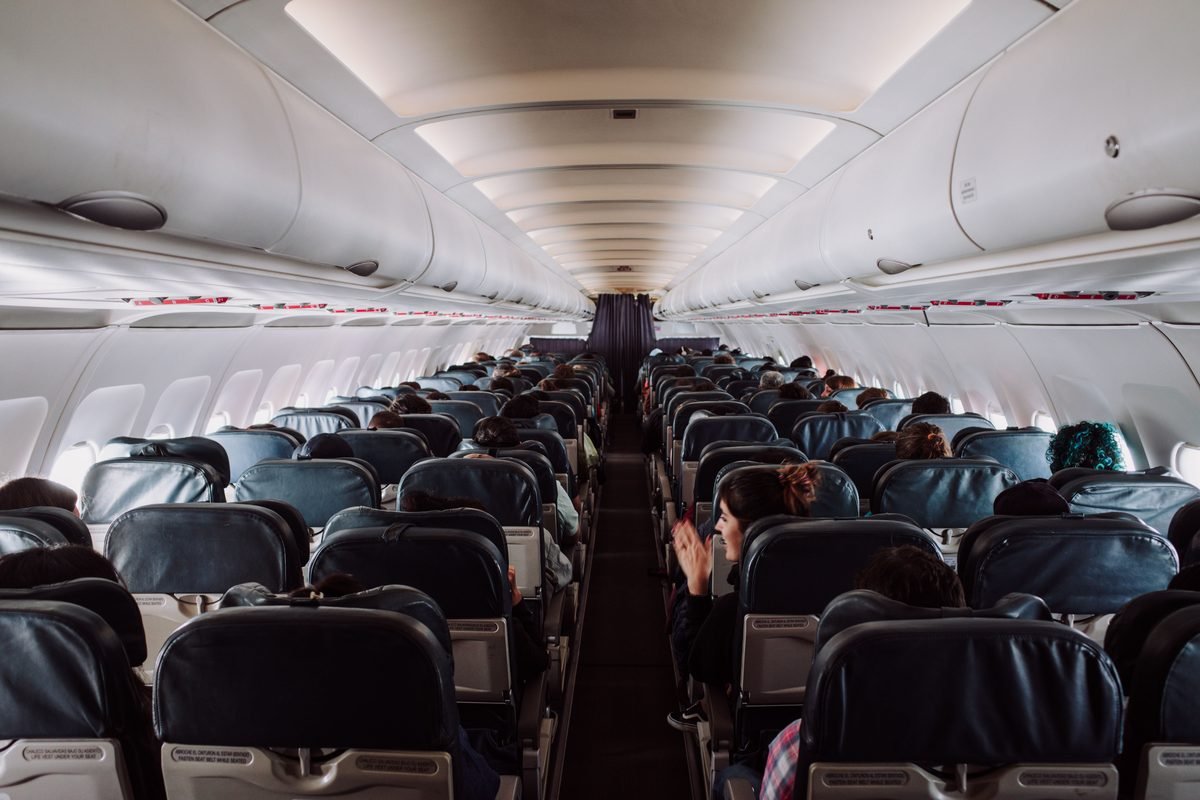
Managing your sleep on a long flight requires immediate mental adjustment. The moment you step onto the aircraft, change your watch to the local time of your destination. Your goal is to align your onboard behavior with that new clock, regardless of what the cabin crew is doing. If the airline serves a hot meal at what is now 3:00 AM in your destination, skip it.
If it is nighttime at your destination, you must attempt to sleep. This is where preparation pays off. Put on a high-quality contoured sleep mask, which costs around ₩25,000 (about $18), and insert earplugs to block out cabin noise. You can read our packing list for long flights to find the best gear for this. Do not watch movies or look at your phone. Even if you only manage to doze or rest quietly, you are signaling to your brain that the active day has ended.
Conversely, if it is daytime at your destination, you must stay awake. Keep your window shade open if possible, or turn on your overhead reading light. Engage your brain with a book or a movie. If you feel incredibly drowsy, limit yourself to a short twenty-minute power nap. Sleeping for hours during what should be your destination’s afternoon will lock you into a cycle of nighttime insomnia. If you are planning a long journey across multiple time zones, learning these strategies is essential for surviving long-haul flights without wasting your first three days in a daze.
Book ahead: Choose the Window Seat
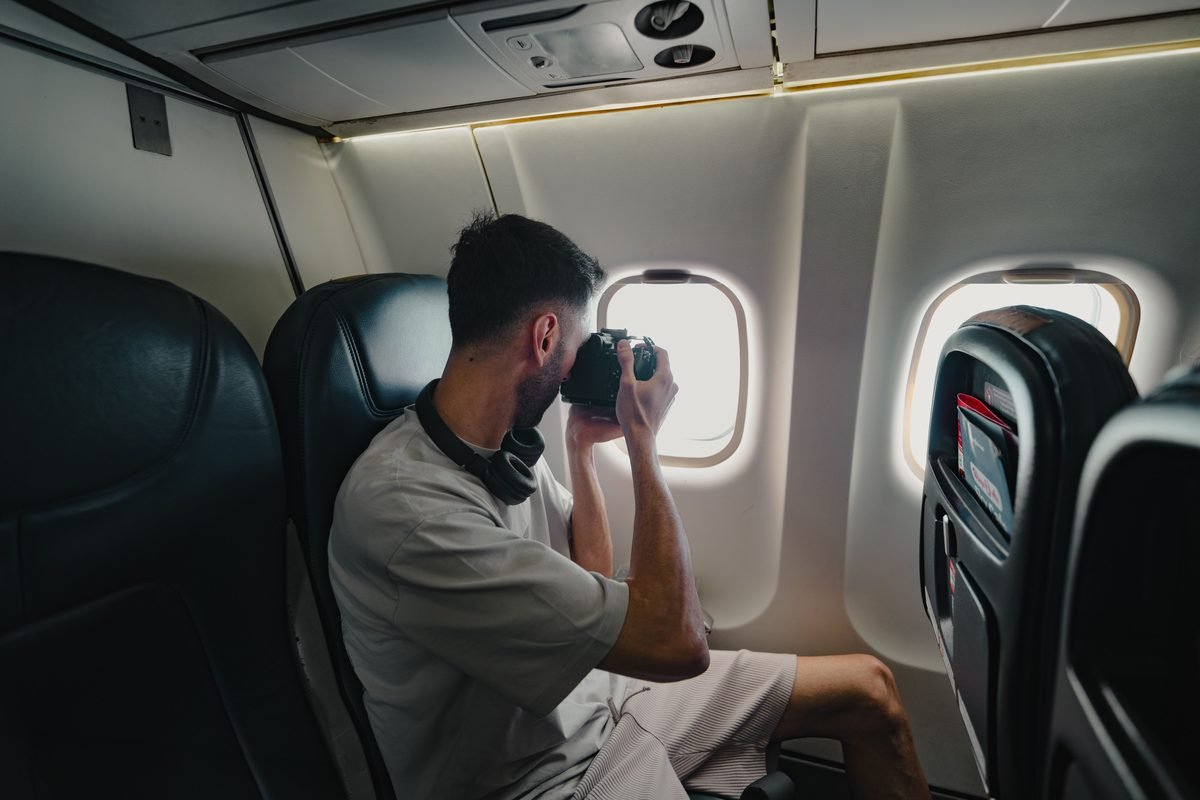
Always book a window seat if you need to sleep on the plane. It gives you a surface to lean against and prevents aisle passengers from waking you up when they need to use the restroom.
Designing your caffeine schedule
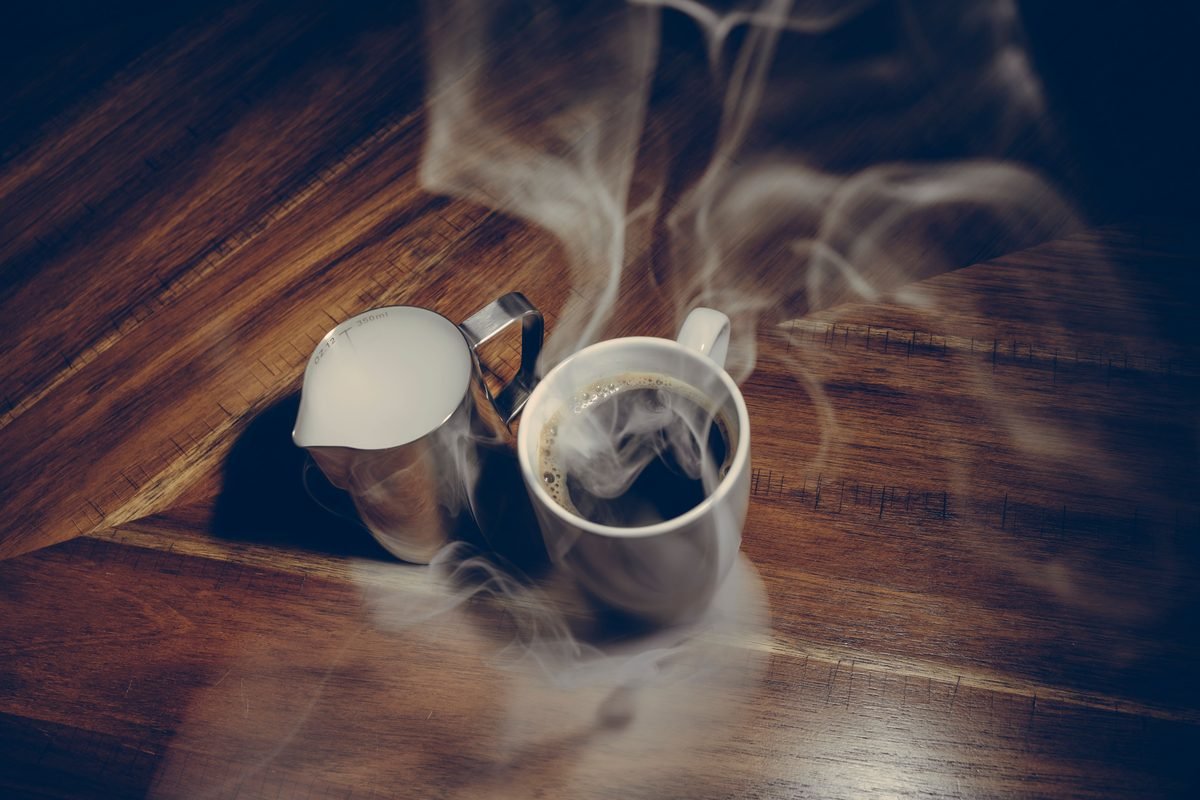
Caffeine is a tool. When used correctly, it can help you stay alert during your target awake hours. When used incorrectly, it will disrupt your sleep architecture and prolong your recovery. The key to using caffeine effectively is understanding its half-life. It takes about five to six hours for your body to eliminate just half of the caffeine you consume.
To use caffeine to your advantage, implement a caffeine fast at least twelve hours before your flight. This increases your sensitivity to the stimulant. Once you begin your journey, only consume caffeine during the morning and early afternoon hours of your destination. If you are trying to stay awake during an afternoon slump in Seoul, a cup of drip coffee for ₩4,500 (about $3) can provide a helpful boost.
Never consume caffeine within six hours of your target bedtime. This includes hidden sources like milk tea, green tea, or chocolate. If you drink a double espresso at 6:00 PM to power through an evening dinner, the stimulant will still be active in your system at midnight. You might fall asleep from sheer exhaustion, but your deep sleep and REM cycles will be severely compromised. Stick to water or herbal tea during the evening hours, and save the strong brews for the following morning when you need to signal to your body that a new day has begun.
Your first-day survival plan on the ground
Your actions during the first twenty-four hours on the ground will decide how quickly your body adapts. Avoid the hotel bed. No matter how tempting it is to lie down for “just a minute” after checking in at 2:00 PM, do not do it. A mid-afternoon nap will reset your progress and guarantee you are wide awake at 3:00 AM.
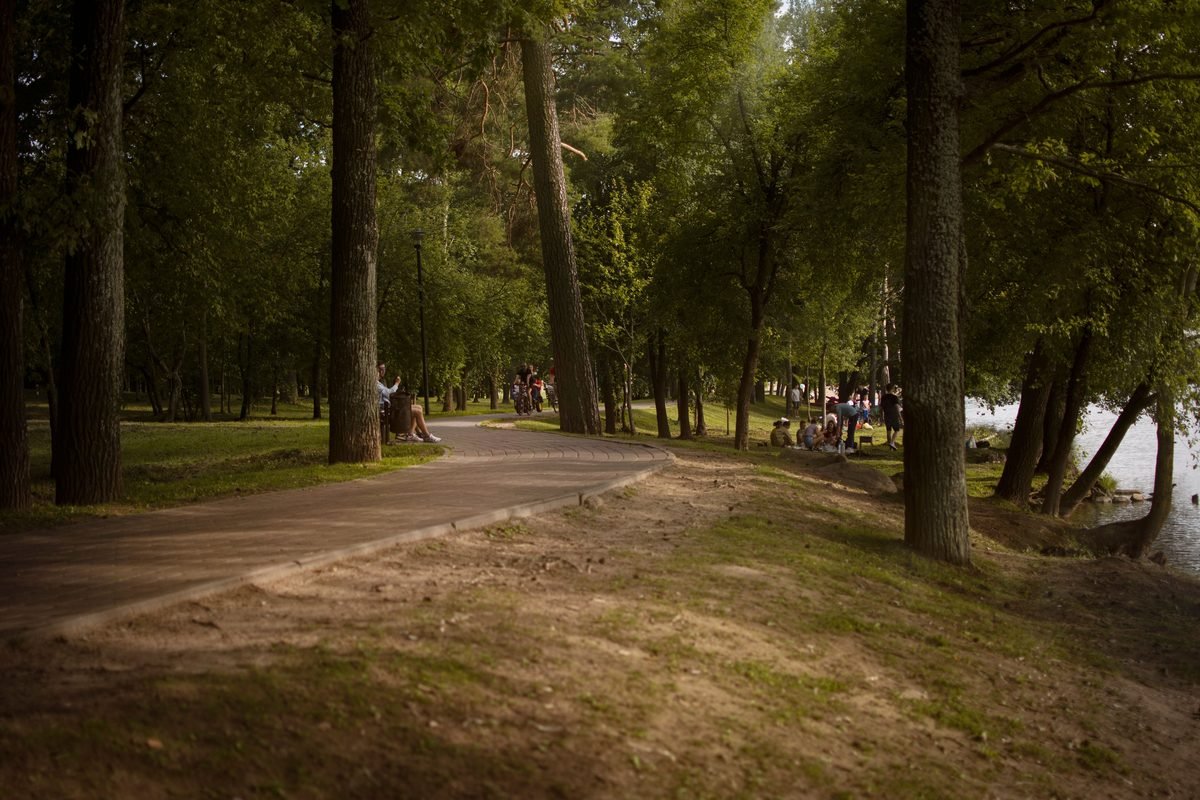
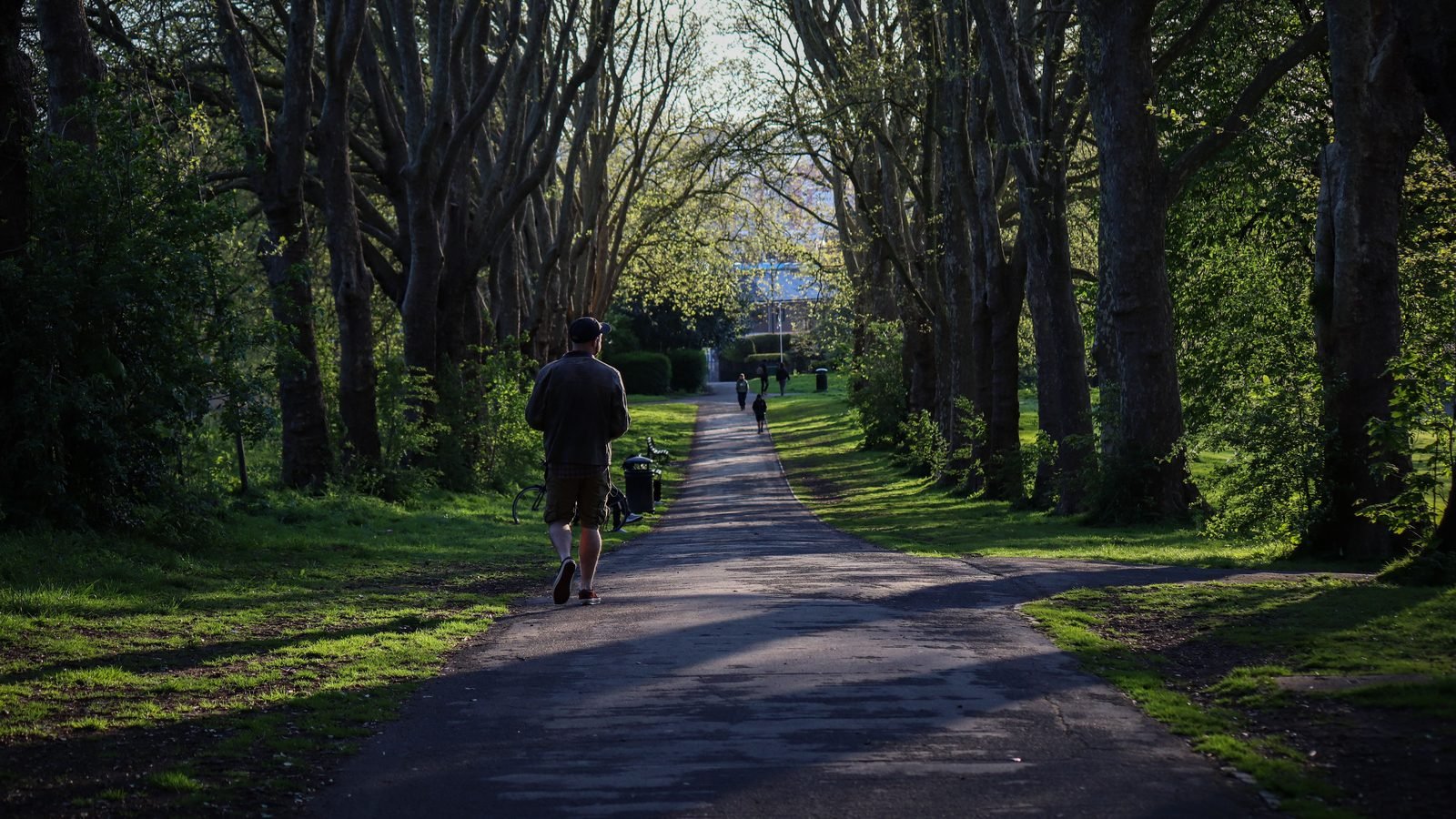
Instead, structure your arrival day around physical movement and outdoor light. If you land in the morning, drop your luggage at your accommodation and head straight outside. Walk through a local park or along the streets. The physical activity increases your body temperature and promotes alertness, while natural sunlight helps recalibrate your master clock. Do not sleep yet. Keep your meals light. Digesting a heavy, high-fat meal requires significant energy and can induce extreme drowsiness. Opt for fresh vegetables, lean proteins, and plenty of water.
If you land in the late afternoon or evening, your goal is to transition smoothly into sleep. Keep the lights in your room dim. Do not turn on the television or scroll on your phone in bed. If your body refuses to sleep at 10:00 PM, stay in bed and rest quietly in the dark. Do not get up to work or eat a heavy midnight snack, as this tells your digestive system and brain that it is daytime. By forcing your body to remain resting during local night hours, you accelerate the synchronization process.
Heads up: The Afternoon Nap Trap
The circadian dip around 2:00 PM to 4:00 PM is highly intense on your first day. If you give in and take a nap during this window, you will severely delay your adaptation to the new time zone.
What actually has scientific evidence behind it
The market is flooded with products claiming to cure jet lag, but very few have clinical evidence supporting them. Homeopathic pills, specialized diets, and herbal patches generally perform no better than placebos in controlled clinical trials. If you want to beat your symptoms, you should focus on the interventions that sleep scientists actually recommend.
Melatonin is the most thoroughly researched sleep aid for circadian shifts. It is a synthetic version of the hormone your brain naturally produces in response to darkness. Taking a low dose of 0.5mg to 3mg can help advance or delay your sleep cycle. The timing of the dose is critical. To advance your clock after an eastbound flight, take melatonin about thirty minutes before your target bedtime in the new time zone. A bottle of high-quality melatonin tablets costs about ₩15,000 (about $11). It takes time to find the exact dosage that works for you, so consult a doctor before your trip.
Hydration is another proven factor. Flying in a pressurized cabin with low humidity causes mild dehydration, which mimics and worsens many jet lag symptoms like headaches, fatigue, and muscle soreness. Drinking water and using electrolyte hydration tablets, which cost about ₩10,000 (about $7) for a pack of ten, will not reset your circadian rhythm, but it will significantly reduce physical fatigue. Combine proper hydration with strategic light exposure and low-dose melatonin for the most effective, evidence-based recovery strategy.
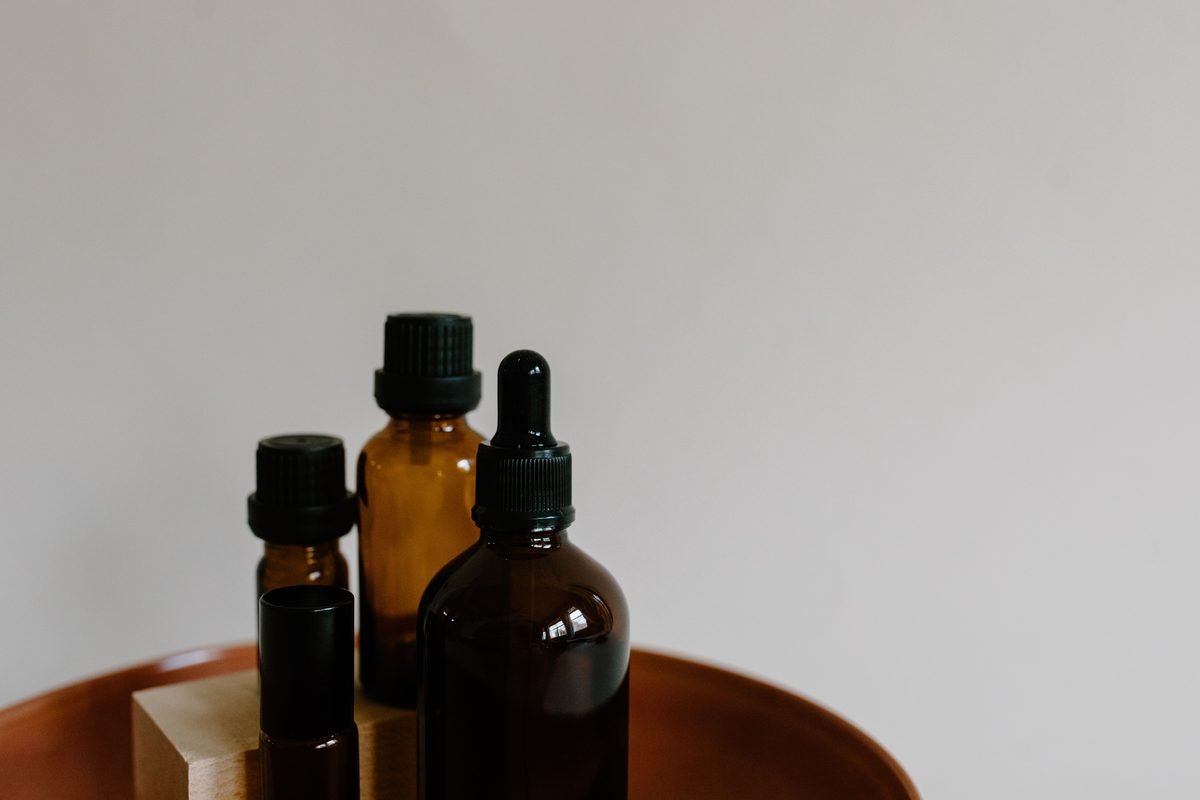

From a local: Melatonin Availability
In South Korea, melatonin is a prescription-only medication. If you are flying into Seoul and plan to use it, make sure to purchase it in your home country before you depart.
Essential tools and technology for long flights
Technology can remove the guesswork from your recovery plan. Several mobile applications use complex mathematical algorithms to calculate exactly when you should seek light, avoid light, sleep, and take melatonin based on your specific flight itinerary. Apps like Timeshifter or Entrain are highly recommended by sleep researchers. An annual subscription to a premium circadian tracking app costs roughly ₩35,000 (about $26) and is worth every penny for frequent travelers.
Physical tools are equally important. A pair of blue-light blocking glasses, which cost about ₩40,000 (about $30), can help you block out the bright blue light emitted by cabin screens and airport terminals when you need to prepare for sleep. Combine these with a high-quality contoured sleep mask that does not press against your eyelids, allowing your eyes to move naturally during REM sleep.
If you have a long layover, consider paying for premium airport lounge access, which costs about ₩65,000 (about $48). Taking a hot shower and sitting in a quiet, dimly lit space can help lower your cortisol levels and prepare your body for rest. By investing in a few key tools and using them systematically, you can take control of your biological clock and minimize the physical toll of long-distance travel.
What this trip costs
| Item | Local price | USD |
|---|---|---|
| High-quality contoured sleep mask | ₩25,000 | $18 |
| Melatonin tablets (60-count bottle) | ₩15,000 | $11 |
| Timeshifter app annual subscription | ₩35,000 | $26 |
| Premium airport lounge entry | ₩65,000 | $48 |
| Blue-light blocking glasses | ₩40,000 | $30 |
| Electrolyte hydration tablets (10-pack) | ₩10,000 | $7 |
| Total preparation package | ₩190,000 | $140 |
Prices checked September 2026. Always confirm with the provider before you book.
Mistakes to avoid
- Napping for several hours immediately after checking in to your hotel in the afternoon.
- Relying on alcohol in the airport lounge or on the plane to help you fall asleep.
- Taking melatonin at random times during the day without calculating your target bedtime.
FAQ
How long does it take to recover from jet lag?
As a general rule, your body adjusts at a rate of roughly one to one and a half time zones per day. This means a nine-hour time difference can take up to six to nine days to fully resolve without active mitigation.
Does drinking water on a plane help prevent jet lag?
Drinking water does not prevent jet lag directly because it does not affect your circadian rhythm. However, staying hydrated significantly reduces physical symptoms like headaches, dry eyes, and muscle fatigue, making the adjustment period much easier.
Is there a secret on how to beat jet lag when flying east?
The best strategy on how to beat jet lag when flying east is seeking bright morning light in your destination while strictly avoiding light in the late evening. You should also take a low dose of melatonin thirty minutes before your new target bedtime to pull your sleep cycle forward.
Should I take sleeping pills during a long-haul flight?
Prescription sleeping pills are generally not recommended for flight transit. They can cause deep, unnatural immobility, which increases the risk of deep vein thrombosis, and they do not help reset your internal clock.
Does sleeping on the plane make jet lag worse?
Sleeping on the plane only makes jet lag worse if you sleep at the wrong time. If you sleep when it is daytime at your destination, you will struggle to adapt; you must only sleep when it is nighttime at your destination.