Gunsan Day Trip from Seoul: A Local Guide to Modern History

The early morning train from Yongsan Station is rarely full on a Tuesday. I often sit with a coffee and watch the city skyline give way to the golden rice fields of the western coast. This quiet port city feels a world away from the neon of Seoul, offering a slower pace and a deep look into the early 20th century. Taking a gunsan day trip from seoul is one of my favorite ways to escape the city rush.
This guide is for independent travelers who want to explore beyond the typical tourist path. I cover the best way to get there, the historic architecture you should not miss, and where to find the most famous red bean buns in the country. We will look at transport costs, local food specialties, and the logistics of navigating this coastal town in a single day.
How to plan a gunsan day trip from seoul
The early morning train from Yongsan Station is rarely full on a Tuesday. I usually grab a coffee at the station before boarding the ITX-Saemaeul. This is the most efficient way to start a gunsan day trip from seoul, even if it takes about three hours. The Janghang Line isn’t as fast as the Seoul to Busan KTX, but the scenery is better. You see the flat rice fields of the western plains roll past the window. A standard seat costs ₩25,300 (about $18). If you want to save money, the Mugunghwa train is ₩17,000 (about $12) but adds thirty minutes to the ride.
I prefer the ITX because the seats are wider and there are power outlets. You should book your ticket on the Korail Talk app at least three days ahead for weekend trips. Once you arrive at Gunsan Station, don’t expect to walk to the sights. The station was moved out of the city center years ago. Walk past the taxi stand to the bus stop. Bus 1, 2, or 7 will take you toward the Modern History Museum for ₩1,500 (about $1.10). If you are in a rush, a taxi costs roughly ₩7,000 (about $5) and takes ten minutes.
Most of the historic sites are clustered in the Wolmyeong-dong neighborhood. This makes the city very walkable once you actually get there. The air usually smells like salt and fried flour. It is a quiet place compared to the capital. You will notice the buildings are lower here. No skyscrapers block the sun in the old town. This low-rise profile is a remnant of the city’s past as a major colonial port. It feels like stepping back into a different century. The train leaves Yongsan early.
Book ahead: Book Your Return Train
Trains from Gunsan back to Seoul are less frequent in the evening; book your return ticket at the same time as your departure to ensure you don’t get stranded.
Exploring the Gunsan Modern History Museum
The Gunsan Modern History Museum stands as a heavy concrete landmark near the old docks. Entry is ₩2,000 (about $1.50), which is a bargain for the scale of the exhibits. I always tell friends to head straight to the third floor. This level features a reconstructed street from the 1930s. You can walk through a grain warehouse, a liquor store, and a small theater. The attention to detail is impressive. They have old advertisements and wooden crates that look aged by time. History feels close here.
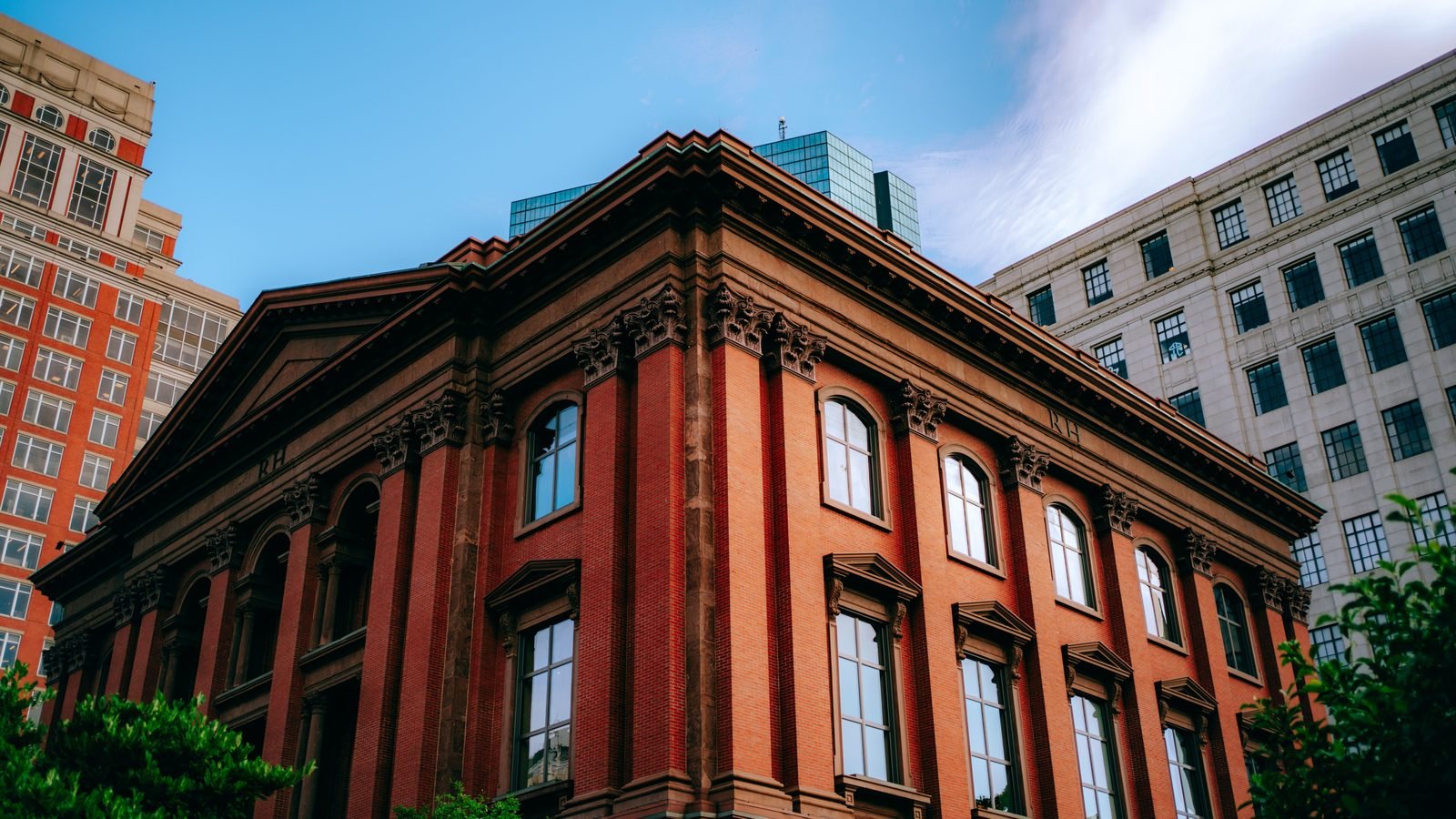
Gunsan was a major hub for rice exports during the Japanese colonial period. This history is heavy and complex. The museum does a fair job of explaining how the city grew while the local population struggled. Outside the main building, you can see the Old Gunsan Customs House. It is a red brick building with a steep roof. It was built in 1908 and is one of the few remaining examples of this style in Korea. The bricks were reportedly imported from Belgium. It looks out of place next to the modern harbor, but that is the charm of this district.
You can buy a combined ticket for ₩2,000 (about $1.50) that includes several other historic buildings nearby. These include the old Bank of Joseon and the Bank of Japan branches. These buildings are now art galleries or local history annexes. I find the architecture fascinating because it blends European and Japanese styles. The high ceilings and thick walls were meant to show power. Today, they are just quiet spaces for tourists to learn. Give yourself at least two hours for this area. The museum closes at 6:00 PM in the summer and 5:00 PM in the winter. Most people start here because it provides the context needed to understand the rest of the city.
Visiting the Hirotsu House and colonial architecture
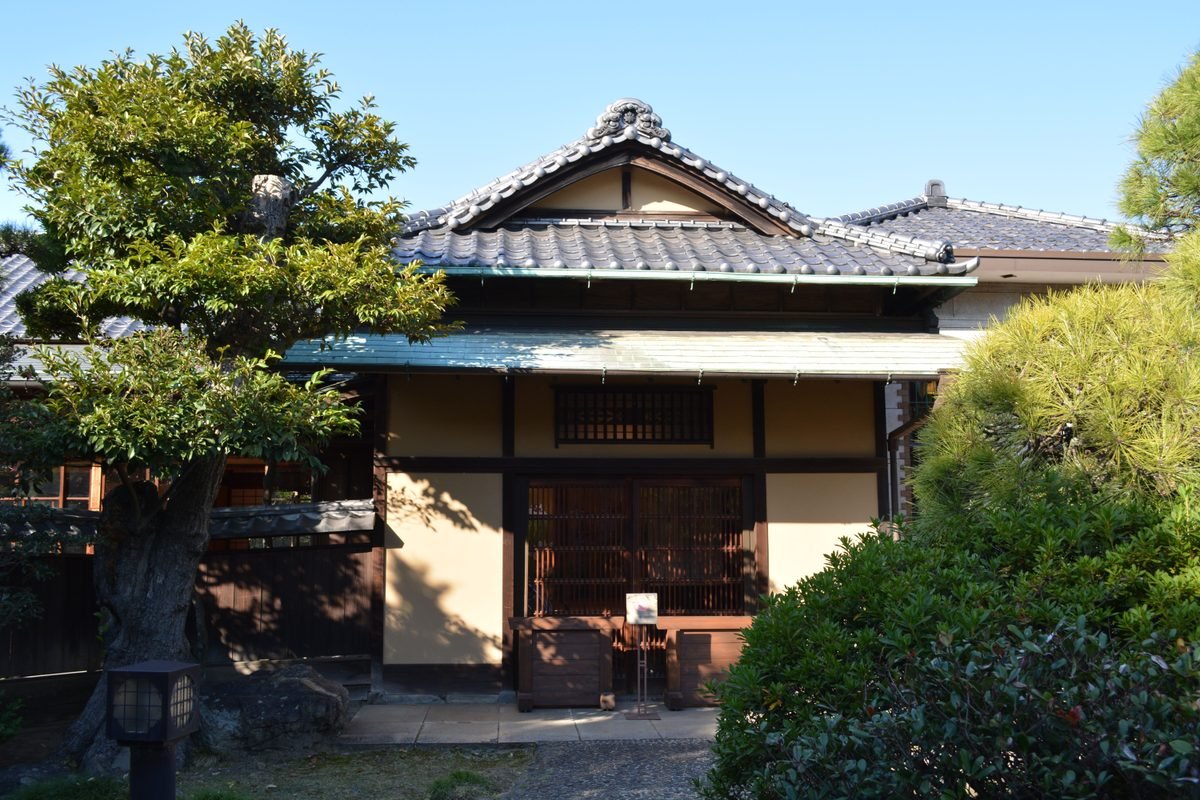
Walking south from the museum for ten minutes brings you to the Sinheung-dong Japanese-style House. Locals still call it the Hirotsu House. It belonged to a wealthy cloth merchant during the colonial era. The house is a two-story wooden structure with a traditional tiled roof. Entry is free. You cannot walk inside the rooms anymore to protect the floors. You can still peer through the large sliding glass windows. The garden is the highlight for me. It features stone lanterns, manicured pine trees, and a small pond.
It is a very peaceful spot on a weekday morning. The house was used as a filming location for movies like Tazza: The High Rollers. You can see the influence of Japanese design in the way the house connects to the garden. Every room was designed to have a specific view. I noticed the shachihoko ornaments on the roof ridges. These are mythical carp-headed lions meant to protect the building from fire. The neighborhood around the house is called the Modern Architecture Street. Many of the surrounding homes have been converted into cafes or guesthouses. They maintain the wooden frames and low fences of the original era.
It feels very different from the concrete apartments of Seoul. The streets are narrow and laid out in a grid. You might see elderly residents sitting on plastic stools outside their doors. They are used to the tourists taking photos of their walls. If you look closely at the foundations of some buildings, you can see the original stonework. This area is best explored slowly. Do not rush from one landmark to another. The joy of Gunsan is in the quiet corners between the famous houses. You will find small murals and tiny flower pots lining the alleys. Walk toward the harbor slowly.
From a local: Respect the Neighborhood
While the Hirotsu House is a museum, many surrounding historic homes are private residences; keep your voice down while exploring these narrow residential alleys.
Where to eat in Gunsan: Lee Seong-dang and Jjamppong
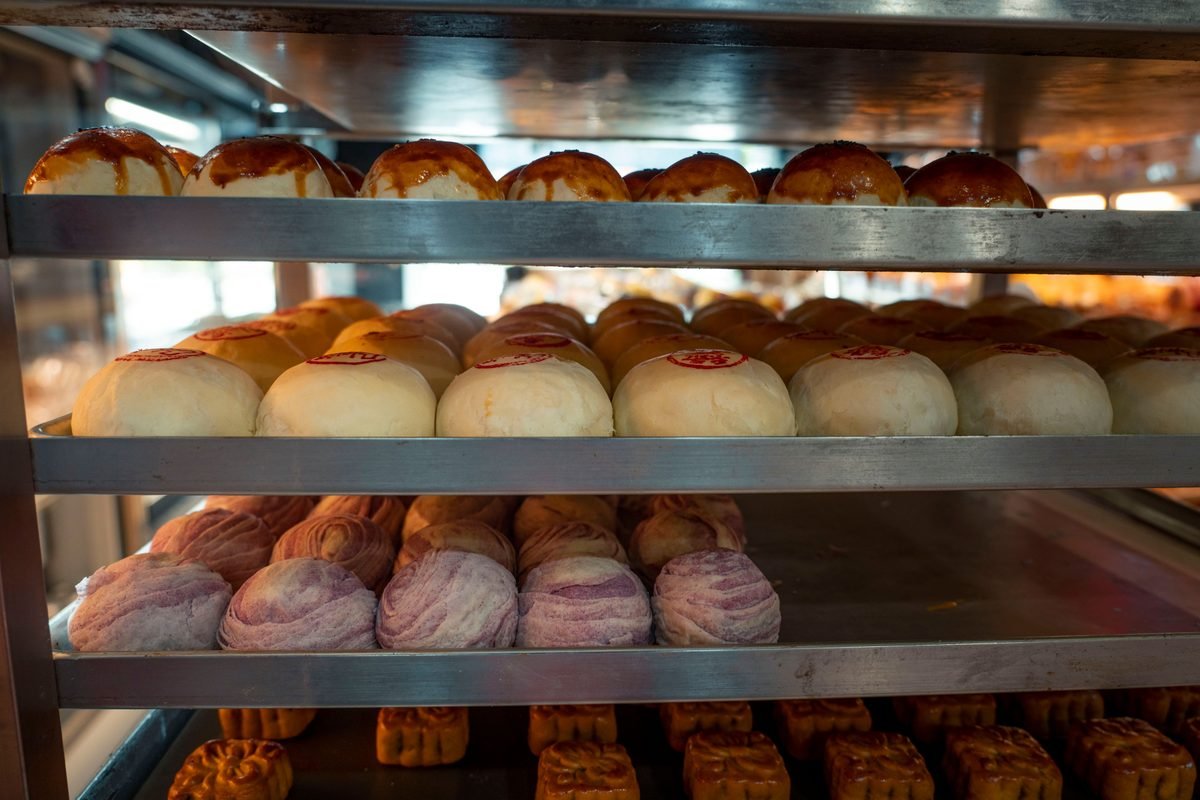
No gunsan day trip from seoul is complete without a yellow paper bag from Lee Seong-dang. This is widely considered the oldest bakery in South Korea. It has been operating under this name since 1945, but the site has been a bakery since 1920. The signature items are the Danpatppang (red bean bread) and the Yachaeppang (vegetable bread). The red bean bun costs ₩2,500 (about $1.80). The vegetable one is ₩3,000 (about $2.20). On weekends, the line for these two specific buns can wrap around the block. The queue starts early.
If you don’t want those two, you can walk right into the shop and buy anything else without waiting. I actually prefer their melon bread and the classic milk bread. The interior feels like a step back in time. There are trays piled high with buns and a busy counter where staff wrap everything in lightning speed. They also have a cafe area where you can sit and eat. I recommend trying the red bean shaved ice in the summer. The bakery is located on Jungang-ro, which is the main artery of the old town.
If the line is too long, there is a second, more modern branch right next door. It often has the same buns with shorter wait times. I usually buy a dozen buns to take back to Seoul for my neighbors. The bread stays soft for a couple of days. The vegetable bun is filled with crunchy cabbage and onions. It is savory and very filling. It is almost like a meal in itself. Many people come to Gunsan just for this bakery. It is a local institution that survived the Korean War and the city’s economic shifts. Even on a rainy day, the smell of baking bread fills the entire street.
Tip: Skip the Bun Line
If you aren’t set on the red bean or vegetable buns, you can bypass the long outdoor queue and enter the bakery directly to buy other delicious pastries.
Photography at Chowon Photo Studio
A few blocks from the bakery, you will find a small white building with a wooden sign. This is Chowon Photo Studio. It was the primary setting for the 1998 film Christmas in August. The movie is a classic of Korean cinema. Even if you haven’t seen it, the studio is a great place for a photo. It is a replica, as the original set was dismantled after filming, but the city rebuilt it due to popular demand. Inside, you can see old cameras and stills from the movie. There is an old green scooter parked outside that fans love to pose with.
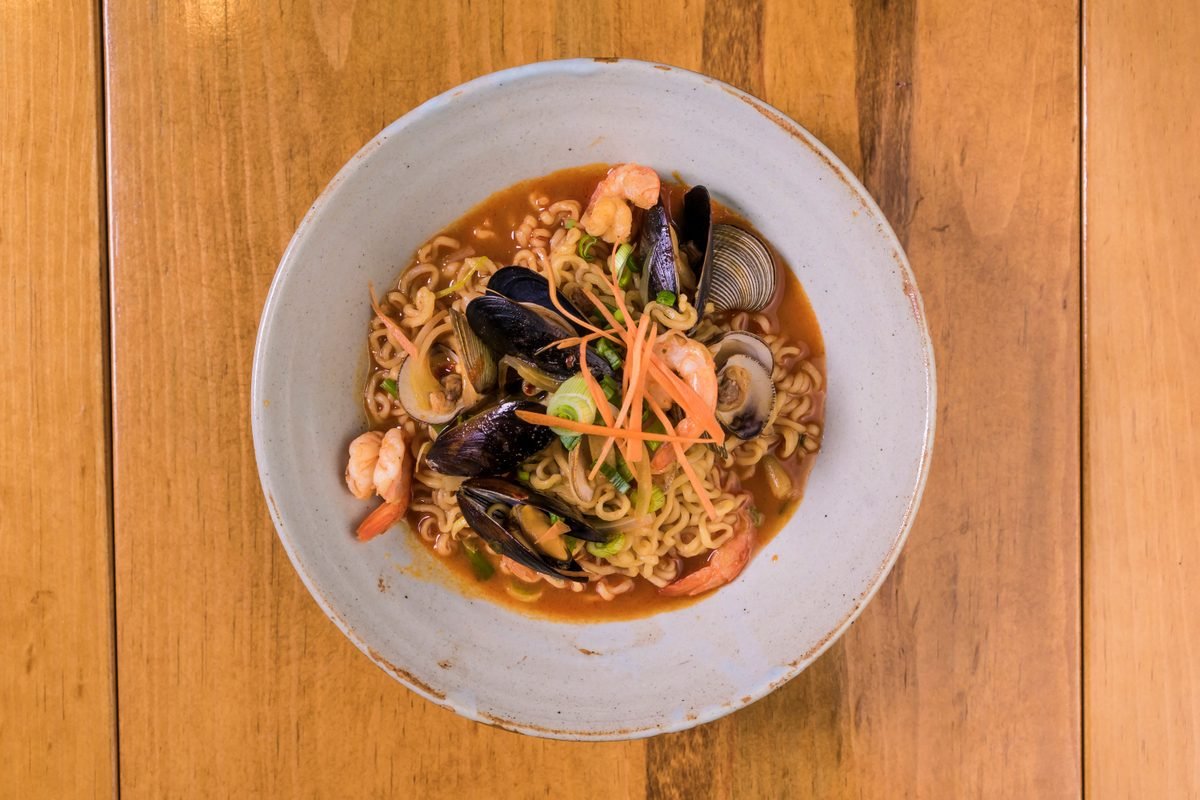
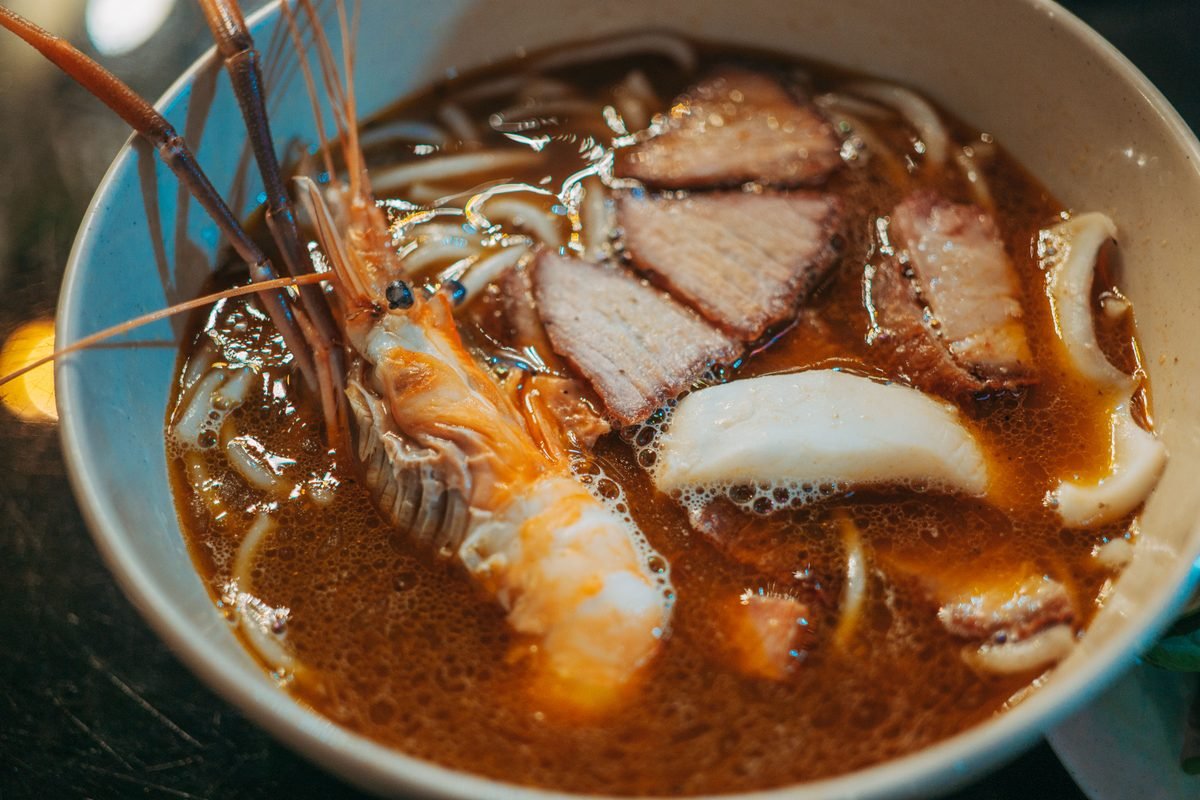
After the photo op, walk toward the Jjamppong Street near the port. Gunsan is famous for this spicy seafood noodle soup. Binhaewon and Jirin-seong are two of the most famous spots. A bowl of Jjamppong costs about ₩10,000 (about $7.20). Be warned that the Go-chu Jjamppong at Jirin-seong is incredibly spicy. I have seen many people give up after three bites. The broth is rich with mussels, squid, and shrimp. It is the perfect lunch for a chilly October day. Try the spicy noodles here.
The city holds a Jjamppong festival every autumn because the dish is so central to their identity. The influence comes from the Chinese community that settled here when the port opened. You will see many old Chinese restaurants with red lanterns and ornate doors. Some have been in the same family for three generations. The portions are usually huge. I recommend sharing a side of Tangsuyuk (sweet and sour pork) if you are with a friend. The pork is fried until very crispy and served with a translucent sauce. It is a staple of the Gunsan food scene. Most restaurants here are very casual and loud.
Heads up: Extreme Spice Warning
The ‘Go-chu Jjamppong’ at Jirin-seong is famous for its extreme heat; only order it if you have a very high spice tolerance.
Walking the Gyeongam-dong Railroad Village
Before you head back to the station, take a short taxi ride to the Gyeongam-dong Railroad Village. This is a unique stretch of track where the train used to run inches away from people’s front doors. The trains stopped running in 2008, and the tracks are now a tourist walk. It is lined with shops selling retro candy and old-fashioned school supplies. You can rent a 1970s school uniform for about ₩10,000 (about $7) and take photos on the tracks. It is a bit touristy, but it captures the nostalgia that Gunsan leans into.
The tracks are about one kilometer long. After the railroad, finish your day at the Jinpo Maritime Theme Park. It is located right on the water. They have decommissioned military planes, tanks, and a large naval ship you can board. The ship is the Wibong-ham, which served in World War II and the Vietnam War. Entry to the ship museum is ₩1,000 (about $0.70). Standing on the deck gives you a great view of the Geumgang River meeting the Yellow Sea. The tracks are old.
The sunset here in October is often very clear. You can see the long industrial cranes of the modern port in the distance. It is a reminder that while the old town is a museum, Gunsan is still a working city. The walk along the coastal path is a good way to digest your lunch before the train ride home. The path is flat and well-paved. You will see local fishermen casting lines into the murky water. It is a very grounded, unpretentious place. From here, it is a ten-minute taxi back to Gunsan Station. I usually aim for the 6:00 PM or 7:00 PM train to get back to Seoul by mid-evening.
What it costs in Gunsan
| Item | Local price | USD |
|---|---|---|
| ITX-Saemaeul Round Trip | ₩50,600 | ($36) |
| Jjamppong Lunch | ₩10,000 | ($7) |
| Lee Seong-dang Bun Haul | ₩15,000 | ($11) |
| Modern History Museum Entry | ₩3,000 | ($2) |
| Local Taxis and Bus | ₩12,000 | ($9) |
| Mid-range lodging (one night) | ₩85,000 | ($61) |
| Total for Day Trip + One Night | ₩175,600 | ($126) |
Prices checked October 2026. Always confirm with the provider before you book.
Where to stay in Gunsan
Budget
Wolmyeong-dong, for guesthouses in historic homes
Wolmyeong-dong is the heart of the historic district and puts you within walking distance of the museum and Lee Seong-dang bakery. This area suits travelers who want to stay in restored wooden buildings for ₩60,000 to ₩90,000 (about $43 to $65) per night.
Mid-range
Eunpa Lake Park, for hotels with water views
Eunpa Lake Park is a scenic area south of the city center known for its nighttime light displays and walking trails. It takes about fifteen minutes by taxi to reach the main sights and offers mid-range hotels priced between ₩120,000 and ₩180,000 (about $86 to $130).
Splurge
Gunsan Harbor, for modern suites near the museum district
Gunsan Harbor offers high-end accommodation options with views of the Geumgang River and easy access to the maritime theme park. This area is perfect for those seeking modern luxury and spacious rooms starting at ₩200,000 (about $144) per night.
Mistakes to avoid
- Waiting in the main outdoor line at Lee Seong-dang when you only want to buy standard bread or pastries.
- Attempting to walk from Gunsan Station to the historic district, as it is several kilometers away and not a scenic route.
- Ordering the ‘Go-chu Jjamppong’ without realizing it is one of the spiciest dishes in the entire country.
FAQ
Is a gunsan day trip from seoul enough time to see everything?
Yes, a day trip is sufficient to see the Modern History Museum, Hirotsu House, the bakery, and the railroad village if you arrive by 10:00 AM and leave after 6:00 PM.
How long is the train from Seoul to Gunsan?
The ITX-Saemaeul train from Yongsan Station takes about 3 hours and 15 minutes, while the Mugunghwa train takes nearly 3 hours and 45 minutes.
What is the most famous food to try in Gunsan?
The city is famous for its spicy seafood jjamppong noodles and the red bean buns from Lee Seong-dang, the oldest bakery in Korea.
Can I use my Seoul T-money card in Gunsan?
Yes, T-money and Cashbee transit cards work perfectly on Gunsan city buses and for paying taxi fares.
When is the best time of year to visit Gunsan?
October is ideal because the weather is cool and clear, perfect for walking between the historic sites, and the autumn harvest adds color to the surrounding fields.