Incheon Airport to Seoul Guide: Best Ways to Go

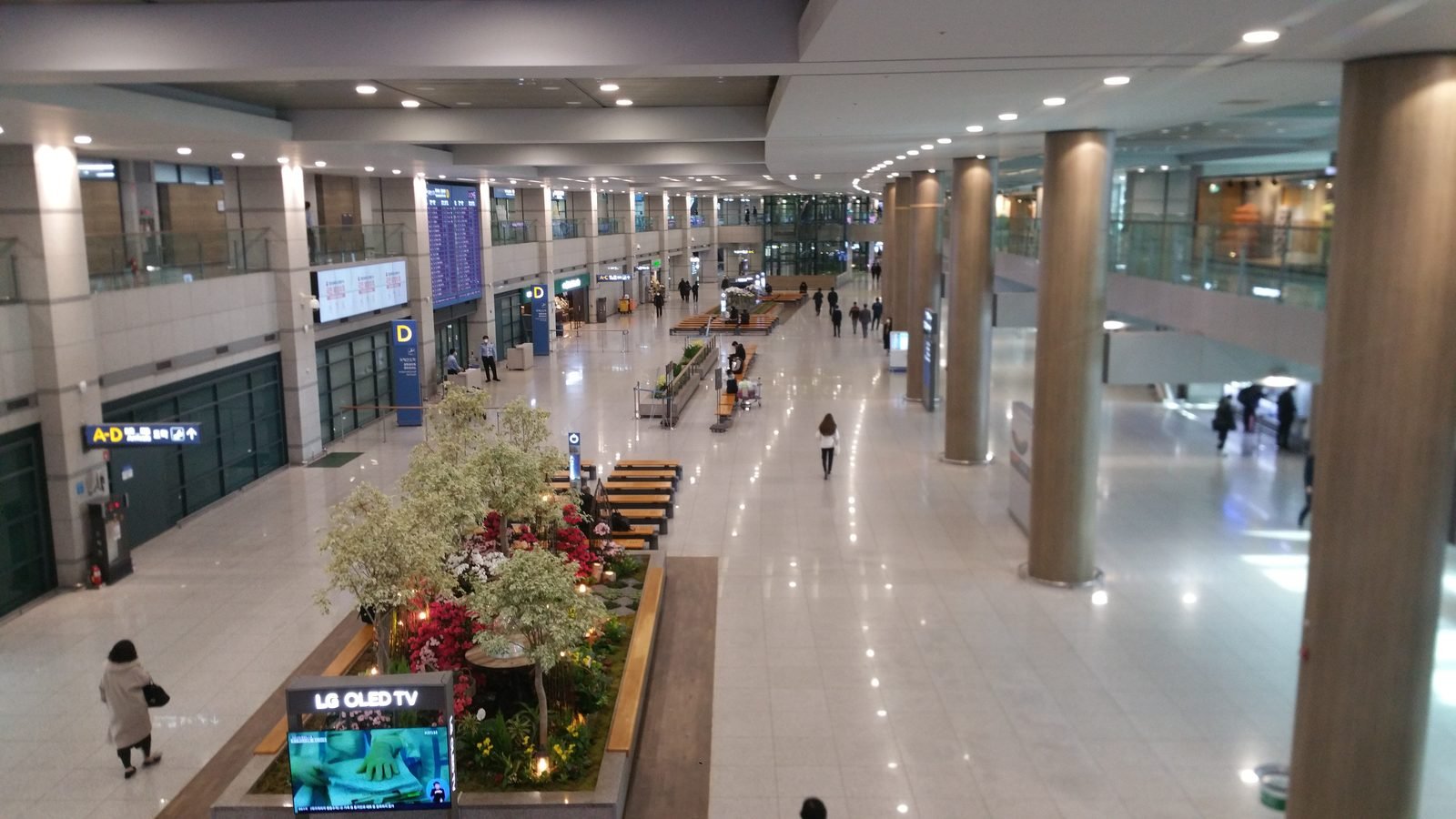
The flight from London lands at Incheon International Airport just as the sun dips below the yellow horizon, and suddenly you are faced with a massive terminal and a long journey to your hotel. Standing in the arrival hall with heavy bags can feel overwhelming if you do not have a clear plan. That is why I wrote this practical Incheon Airport to Seoul guide to help you navigate the system like a local. I have lived in Seoul for years and made this journey dozens of times, testing every possible route so you do not have to guess.
This guide is for independent travelers who want a stress-free transition from the runway to their hotel room. We will compare the high-speed AREX trains, break down the incredibly convenient airport limousine buses, map out late-night options for midnight arrivals, and look at luggage delivery services that let you start exploring immediately. By the end of this article, you will know exactly which transport method fits your budget, arrival time, and hotel neighborhood.
Incheon Airport to Seoul guide: AREX Express vs All-Stop Train
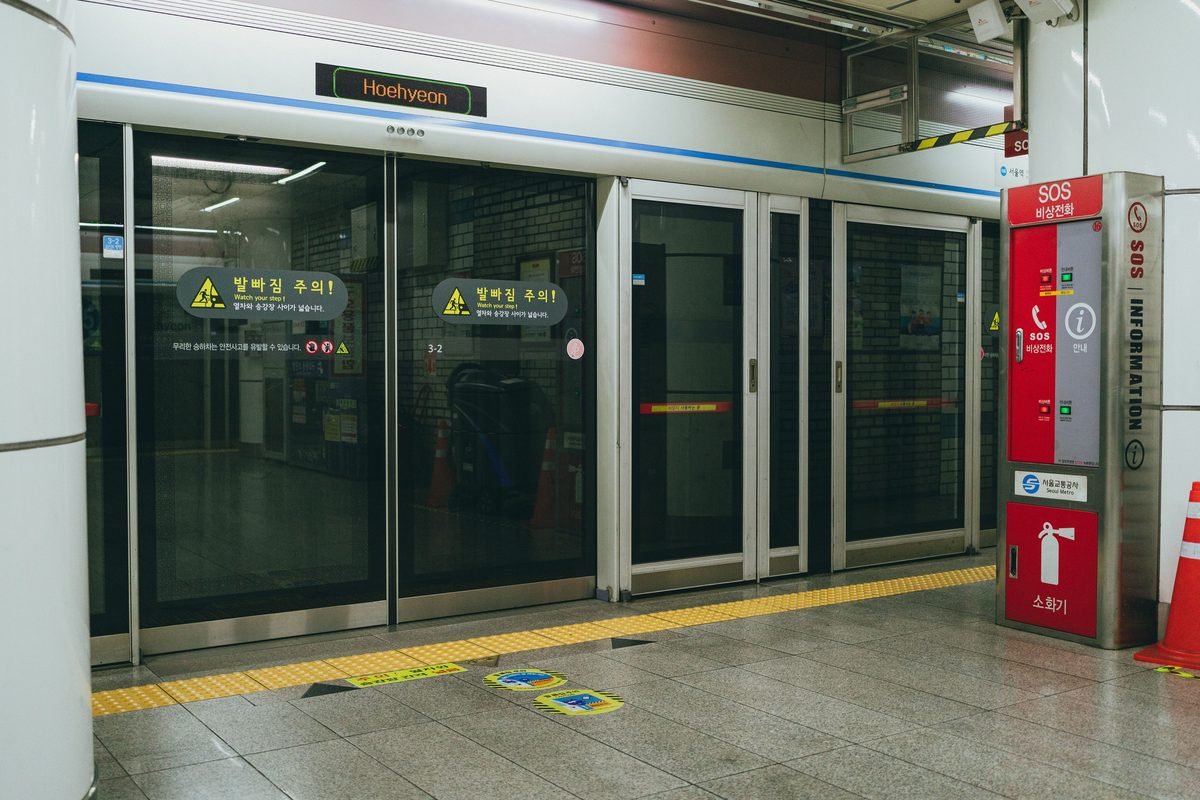
The Airport Railroad Express (AREX) is the backbone of airport transit. You have two distinct choices: the orange Express Train and the blue All-Stop Train. The Express Train runs non-stop from Incheon Terminal 1 or Terminal 2 straight to Seoul Station. It takes just 43 minutes from Terminal 1 and 51 minutes from Terminal 2. A one-way ticket costs ₩11,000 (about $8.20). You get a guaranteed, reserved seat, free Wi-Fi, and dedicated luggage racks. This is the most comfortable option. Buy your ticket online. You can easily book a voucher in advance on travel platforms to save a few dollars.
The blue All-Stop Train is a standard commuter subway line. It stops at ten stations along the way, including Gimpo Airport and Hongik University (Hongdae). It takes about 59 minutes from Terminal 1 to Seoul Station and costs about ₩4,500 (about $3.30). From Terminal 2, it takes 66 minutes and costs about ₩5,100 (about $3.75). You do not get a reserved seat. During morning or evening rush hours, these cars get incredibly crowded with daily commuters. If you have three large suitcases, squeezing onto an All-Stop train can be tough.
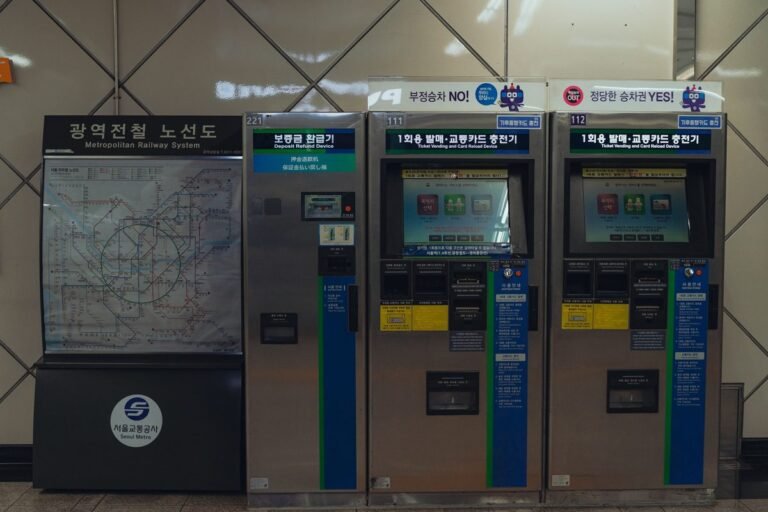
To ride the All-Stop train, you need a T-money card. A blank card costs ₩4,000 (about $3.00) at airport convenience stores like CU or 7-Eleven. You must load it with cash at the station ticket machines because Korean transit readers do not accept foreign credit cards directly. The train is faster. If your hotel is near Seoul Station or Hongdae, the train is almost always your best bet. If you are planning your first visit, check out our Seoul 3-day itinerary to map out your days.
Book ahead: Book Your Express Ticket Early
You can purchase AREX Express tickets online up to two months in advance. Doing so secures your preferred departure slot during busy afternoon landing windows.
How to use the Airport Limousine Bus network
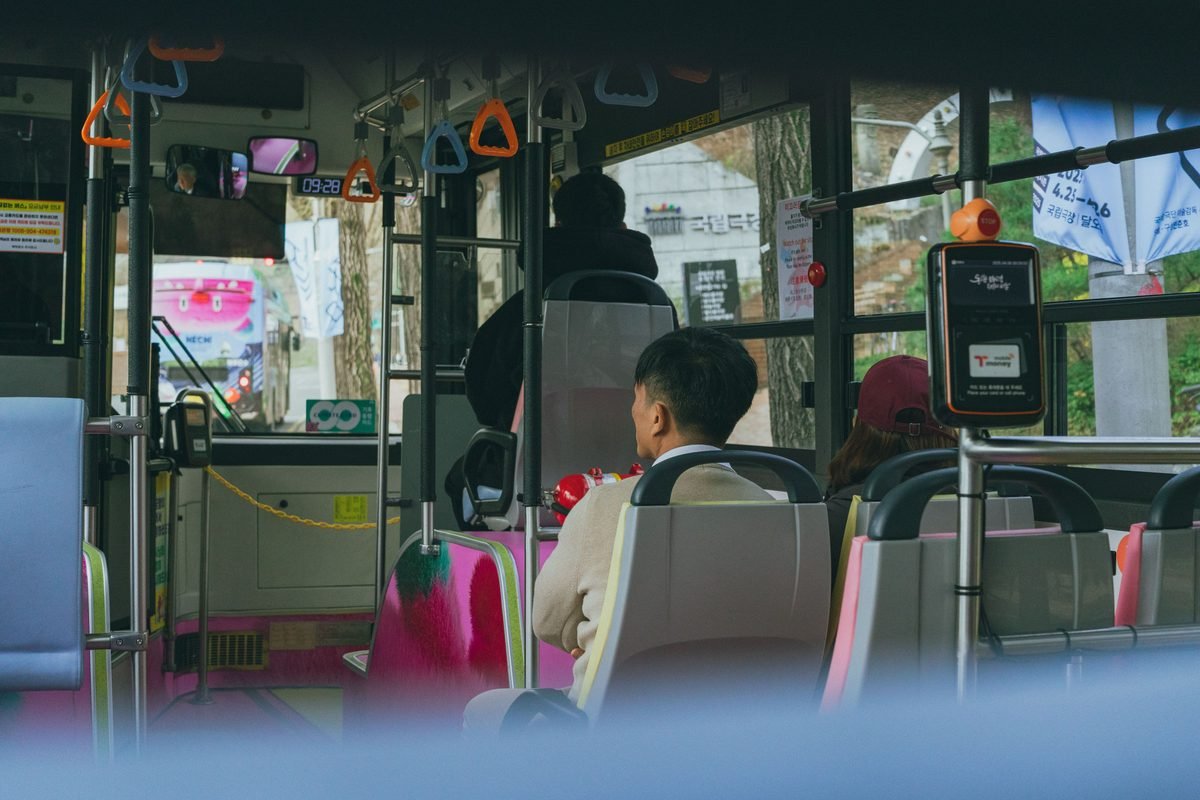
While the train is fast, it only deposits you at a few major hubs. If your hotel is in Myeongdong, Insadong, or Gangnam, taking the train means transferring to the subway with all your bags. This is where the Airport Limousine Bus shines. These are not standard city buses. They are premium coaches with massive, reclining leather seats in a two-by-one configuration. The drivers load your heavy bags into the under-bus cargo hold and give you a luggage tag. You simply sit back and watch the city go by.
The bus network covers almost every major hotel district in Seoul. For example, Bus 6015 runs straight to Myeongdong Station, while Bus 6001 heads to Dongdaemun. If you are staying south of the river, Bus 6009 will take you straight down Gangnam-daero. Tickets cost between ₩17,000 (about $12.70) and ₩18,000 (about $13.50) for deluxe routes. You can buy tickets at the indoor booths or outdoor ticket machines using a foreign credit card, or simply tap your T-money card when boarding.
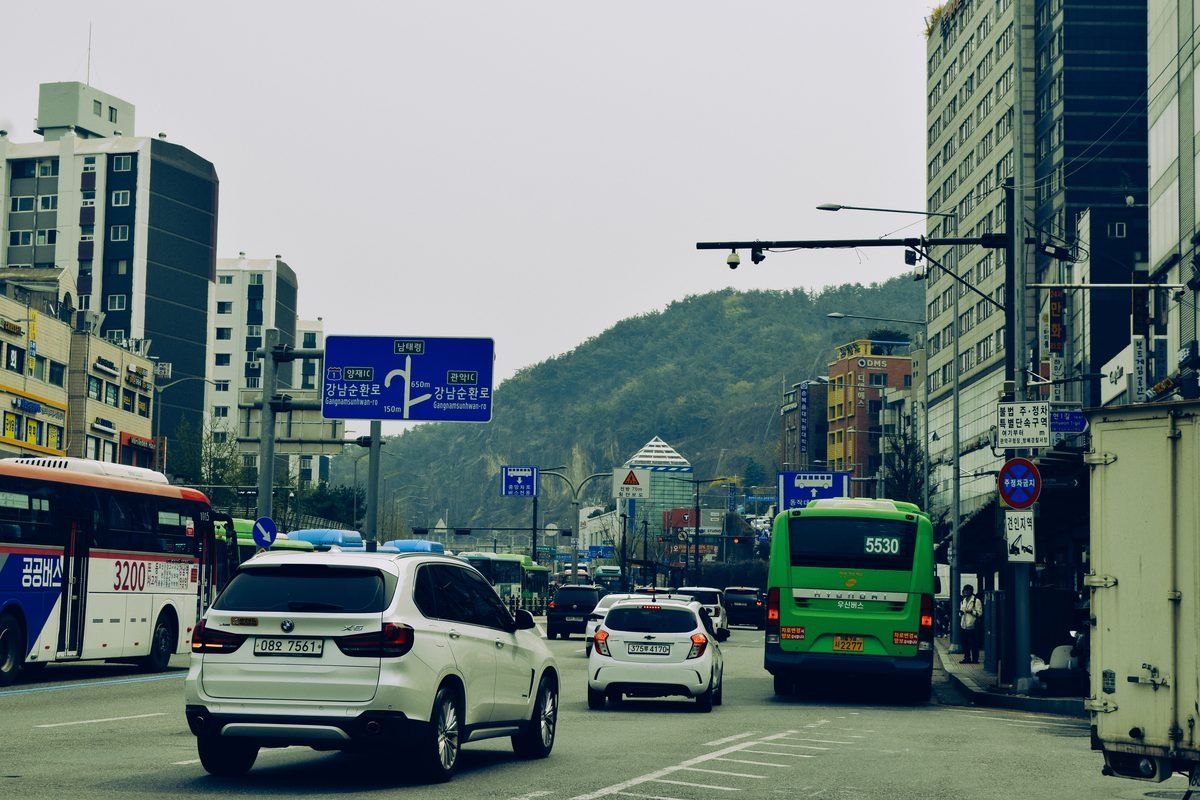
The main drawback of the bus is Seoul’s legendary traffic. During the morning rush hour from 7:30 AM to 9:30 AM, or the evening rush from 5:30 PM to 7:30 PM, the highway can grind to a halt. A trip that normally takes 70 minutes can easily stretch to two hours. However, if you land outside of these peak hours, the sheer convenience of being dropped off steps from your hotel lobby makes the bus a highly attractive option. It saves you from dragging suitcases up steep subway stairs.
From a local: Listen for English Announcements
Most airport limousine buses announce the upcoming stops in both English and Korean, so keep your ears open as you approach your neighborhood.
Late-night arrival options after midnight
Landing after midnight can feel stressful because the regular AREX trains and limousine buses stop running around 11:30 PM. Fortunately, Seoul does not sleep, and you have several solid midnight transit options. The primary choice is the Late-Night Airport Bus network, which operates routes to major city centers. Bus N6000 runs from Terminal 1 to Gangnam Express Bus Terminal south of the river. Bus N6001 runs to Seoul Station via Yongsan, and Bus N6002 connects Terminal 2 and Terminal 1 to Seoul Station.
These night buses cost ₩10,000 (about $7.50) for adults. You can pay with your T-money card or purchase a ticket at the automated kiosks inside the terminal. Be aware that these buses have limited departures, often running only once every 50 to 80 minutes. If you miss one, you might be waiting on a cold platform for a long time. They also fill up quickly, as many budget travelers rely on them.
If the bus schedule does not align with your landing time, you will need to take a taxi. Late-night taxi rides from Incheon to downtown Seoul are subject to a surcharge. Between 11:00 PM and 4:00 AM, the base fare and distance rates increase by 20% to 40% depending on the exact hour. Expect to pay between ₩80,000 (about $60.00) and ₩110,000 (about $82.50) for a late-night ride to central Seoul. If you are traveling in a group of three or four, sharing a taxi can actually be quite economical compared to waiting hours for a night bus. Always use the official taxi stands outside the terminal.
Taking a taxi and understanding rates
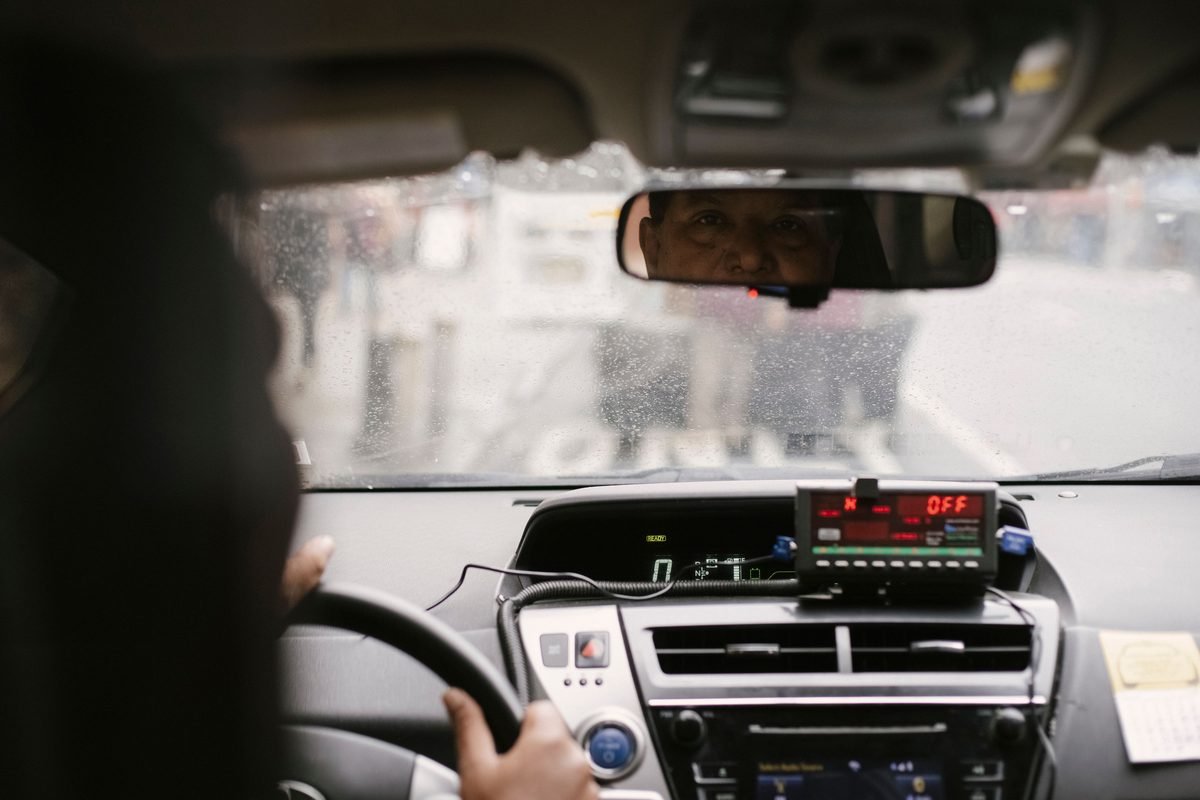
Taxis offer door-to-door comfort, but they are the most expensive way to reach the city. Many travelers ask about flat rates. It is important to know that standard Seoul taxis do not use flat rates from Incheon Airport; they are strictly metered. The meter starts at ₩4,800 (about $3.60) and increases based on distance and time. There are also toll fees for the Incheon Grand Bridge or Yeongjong Bridge, which cost ₩2,000 to ₩3,200 (about $1.50 to $2.40) since the 2023 toll cut and are added to your final fare.
You will see three main types of taxis: Orange/Silver (Standard), Black (Deluxe/Model), and International Taxis. Standard taxis are the cheapest. A ride to Mapo or Hongdae in the west will cost around ₩65,000 (about $48.50) under normal traffic conditions. Heading further east to Jongno or Myeongdong will cost about ₩75,000 (about $56.00). If you need to cross the river to Gangnam or Jamsil, expect the fare to run between ₩85,000 (about $63.50) and ₩100,000 (about $75.00).
Deluxe taxis (black with gold stripes) have highly experienced drivers and much higher rates, starting at ₩7,000 (about $5.20). International Taxis are specifically designated for foreign tourists. Their drivers speak English or Japanese, and these do offer flat-rate fares divided by zones, ranging from ₩70,000 (about $52.50) to ₩95,000 (about $71.00) depending on your destination district. You can book them at the dedicated International Taxi desks inside the arrivals hall. Do not take regular taxis from drivers who approach you in the terminal. These are unlicensed operators who will overcharge you. Always queue at the official outdoor taxi stands.
Heads up: Avoid Unofficial Solicitations
Never follow anyone who approaches you inside the terminal offering a taxi ride. Official taxi staff will only direct you from the marked desks or outdoor queues.
Luggage delivery services and hands-free travel
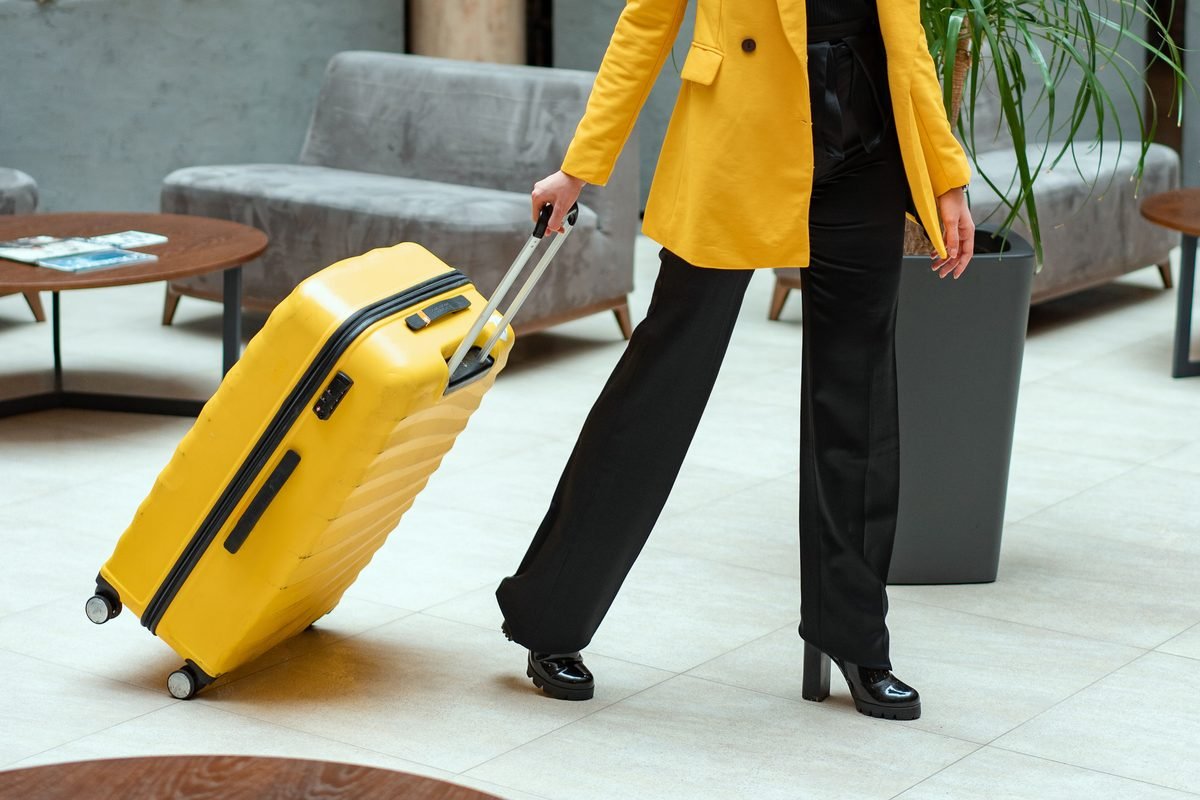
Imagine landing at 8:00 AM, but your hotel check-in is not until 3:00 PM. Instead of dragging your rolling bags through the historic alleys of Bukchon or the cafes of Seongsu-dong, you can use a luggage delivery service. This is one of the best-kept secrets of smart travelers in Korea. Services like Safex, TRIPEASY, and LuggAgent operate counters directly inside Incheon Airport. You drop your bags off in the morning, and they are delivered straight to your hotel lobby by late afternoon.
The process is incredibly simple. You book the service online at least 24 hours in advance. When you land, head to the designated counter in the terminal. They will tag your bags, take a photo for tracking, and give you a receipt. Keep your receipt safe. The cost typically ranges from ₩15,000 (about $11.20) to ₩25,000 (about $18.70) per bag, depending on the size and weight. It is a small price to pay for the freedom of starting your sightseeing immediately.
This service is especially useful if you plan to take the All-Stop train. Squeezing onto a commuter train with large bags is stressful, but riding empty-handed is a breeze. You can hop off at Hongdae, grab a hot bowl of pork soup, and wander around without a care in the world. Once your bags are taken care of, you can head straight to Gwangjang Market to try some local delicacies; see our Korean street food guide for what to order. When you finally arrive at your hotel in the evening, your bags will be waiting for you at the front desk. It is the ultimate way to maximize your first day in Seoul.
Which transport to choose based on your hotel area
Choosing the right transport depends heavily on where you are staying. Seoul is vast. A bad choice can add an hour of stressful transfers to your journey. Let us look at the most popular hotel districts. If your accommodation is in Hongdae or Yeonnam-dong, the choice is simple. Take the blue AREX All-Stop train. It goes directly to Hongik University Station in about 45 minutes. There is no need to pay extra for the Express train, which does not stop there.
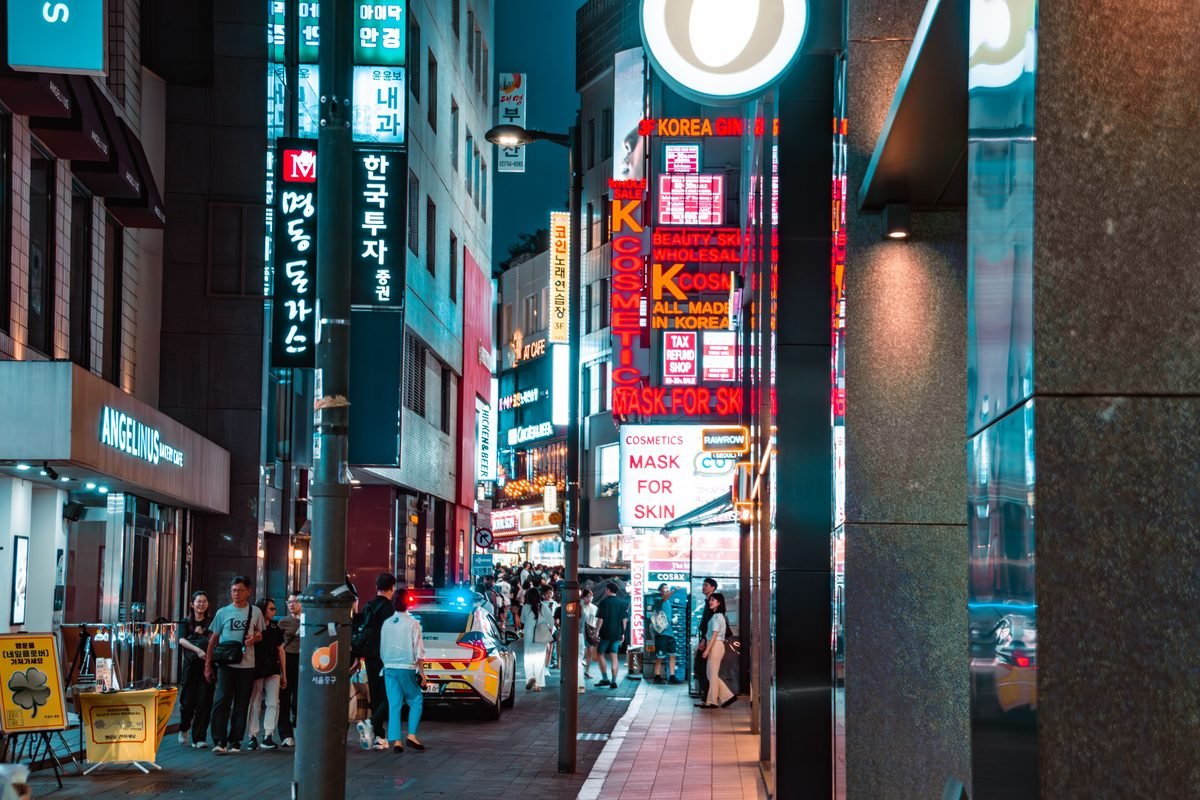
If you are staying in Myeongdong, Euljiro, or Jongno, the Airport Limousine Bus (like Route 6015 or 6002) is usually the best option. These neighborhoods have many narrow streets and subway stations with endless stairs. Taking the train to Seoul Station and then transferring to Subway Line 4 with heavy bags is exhausting. The bus drops you off directly on the main roads right next to the major hotels. It saves your energy for exploring.
For those staying south of the river in Gangnam, Seocho, or Jamsil, the journey is longer. The AREX train to Seoul Station is not ideal because you must then navigate a long subway transfer and cross the river, which takes a lot of time. Instead, take a deluxe limousine bus like Route 6009 or 6200. These buses use the highway network to reach the southern districts directly. If you are traveling as a family of three or more, hiring a private van service or taking a standard taxi is highly recommended for Gangnam. The cost split makes it very reasonable, and you avoid the hassle of navigating one of the world’s busiest subway systems. If you want to escape the city later, there are many best day trips from Seoul easily reached by train.
What it costs in Seoul
| Item | Local price | USD |
|---|---|---|
| AREX Express Train Ticket | ₩11,000 | ($8.20) |
| AREX All-Stop Train Ticket | ₩4,500 – ₩5,100 | ($3.30 – $3.75) |
| Blank T-Money Card | ₩4,000 | ($3.00) |
| Deluxe Airport Limousine Bus | ₩17,000 – ₩18,000 | ($12.70 – $13.50) |
| Late-Night Airport Bus | ₩10,000 | ($7.50) |
| Standard Taxi to Myeongdong (Daytime) | ₩75,000 | ($56.00) |
| Luggage Delivery (One Bag) | ₩15,000 – ₩25,000 | ($11.20 – $18.70) |
Prices checked September 2026. Always confirm with the provider before you book.
Mistakes to avoid
- Trying to use Google Maps for walking or transit directions. Google Maps does not work properly for navigation in South Korea; you must download Naver Map or KakaoMap instead.
- Buying an Express AREX ticket when staying in Hongdae. The Express train does not stop at Hongdae; you would have to ride all the way to Seoul Station and then double back on the subway.
- Not carrying physical cash to load your T-money card. Korean transit ticketing machines do not accept foreign credit cards, so you must withdraw Korean Won at an airport ATM first.
FAQ
Which is better, the AREX Express or the All-Stop train?
The Express train is better if your hotel is near Seoul Station and you want a guaranteed seat with luggage space. The All-Stop train is better if you are staying in Hongdae or traveling on a tight budget.
How do I pay for the airport limousine bus?
You can buy tickets at the indoor ticket booths or outdoor machines using a foreign credit card. Alternatively, you can tap a loaded T-money card directly on the bus reader when boarding.
Where can I find a reliable Incheon Airport to Seoul guide for late-night arrivals?
This Incheon Airport to Seoul guide recommends the late-night airport buses (N6000, N6001, N6002) which run after midnight, or taking an official taxi from the designated outdoor stands.
Can I use my contactless credit card on Seoul subways?
No, foreign contactless credit cards do not work on Seoul transit barriers. You must purchase a physical T-money card and load it with cash at a convenience store or station machine.
How far in advance should I book luggage delivery?
It is best to book luggage delivery services like Safex or TRIPEASY at least 24 hours before your flight departs to ensure a guaranteed slot and smooth drop-off.