Korean Etiquette for Travelers: A Local’s Guide

You are standing at the entrance of a small, family-run restaurant in Seoul. There is a wooden step, a row of neatly lined-up plastic slippers, and a sign in Korean that you cannot read. Your instinct is to walk in, but the local diners are all in their socks. This moment of hesitation is where your journey into local customs begins. Understanding the social fabric here makes the difference between feeling like an intruder and being welcomed as a guest.
This guide is for independent travelers who want to navigate South Korea with confidence and respect. We will cover the silent rules of the subway, the hierarchy of the dinner table, and the specific ways to handle money and photography. Whether you are exploring the palaces of Seoul or the temples of Gyeongju, these tips will help you avoid common social pitfalls and understand the logic behind local behavior.
Navigating Korean etiquette for travelers at the front door
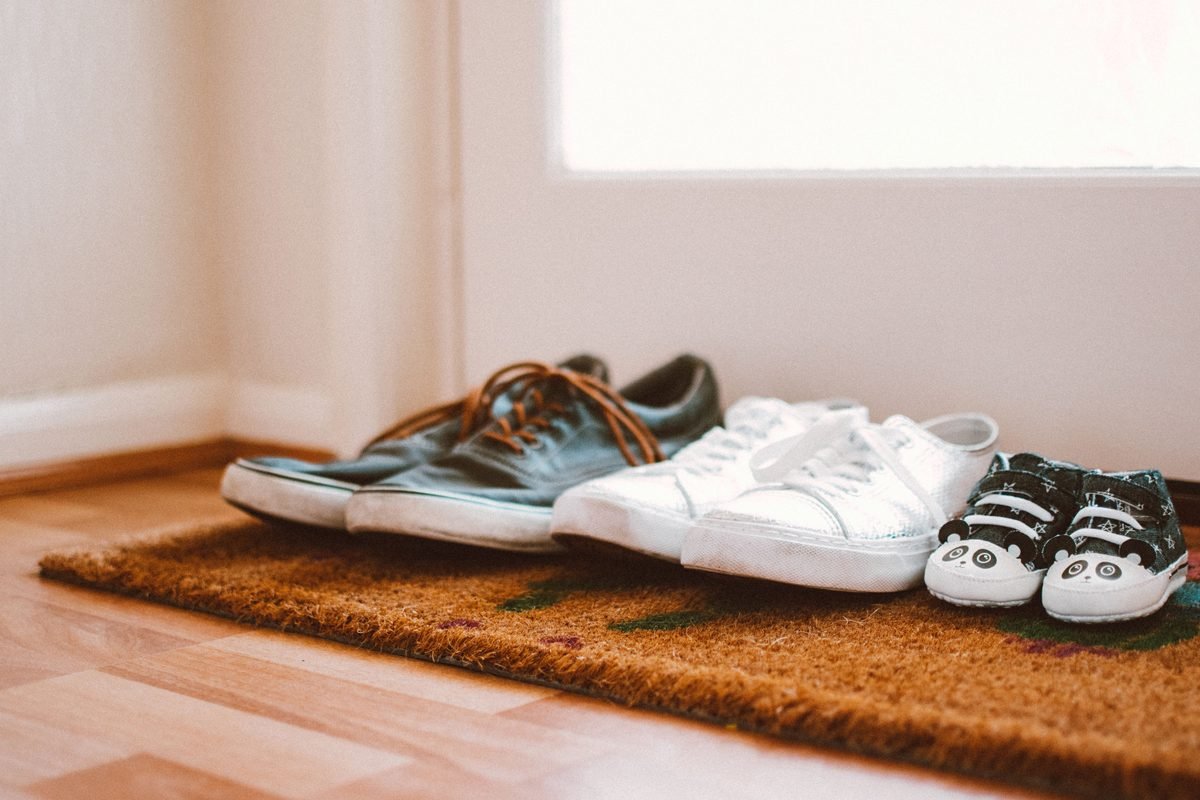
The transition from the street to the indoors is a hard line marked by a physical step. Whether you are entering a traditional hanok guesthouse, a local restaurant with floor seating, or someone’s apartment, your shoes must come off. This is not a suggestion. It is a fundamental part of the culture. I often see travelers hesitate at the threshold, but the rule is simple: if there is a raised wooden floor or a collection of slippers, your boots stay in the entryway. Most places provide a sinbaljang or shoe cabinet. You can tuck your shoes inside or leave them neatly paired on the lower stone or tile area.
Wear clean socks. It is quite simple. Walking around a restaurant in bare feet is generally frowned upon, especially in more traditional settings. If the restaurant provides plastic or rubber slippers, use them for the walk to your table or the restroom. Just remember to swap your indoor slippers for restroom slippers when you enter the bathroom. It is a common mistake to walk back to your dining table wearing the plastic bathroom shoes, which usually results in a few chuckles from the local diners. I have seen many visitors make this mistake in their first week.
In modern Seoul, many restaurants have switched to Western-style tables and chairs, but the most authentic spots still favor the ondol or heated floor system. Sitting on the floor to eat is a communal experience that dates back centuries. If you find yourself at a low table, try to keep your feet tucked under you or to the side. Stretching your legs out under the table can be seen as intrusive to your neighbors. This floor-based lifestyle is why Korean homes are kept so clean; the floor is where people sleep, eat, and relax. Respecting the threshold is the first step in understanding the local way of life. If you are unsure, just watch the person in front of you.
From a local: The Slipper Switch
Always look for a separate pair of slippers inside the bathroom door; you must swap your house slippers for these to keep the living areas hygienic.
Understanding age and the two-hand rule
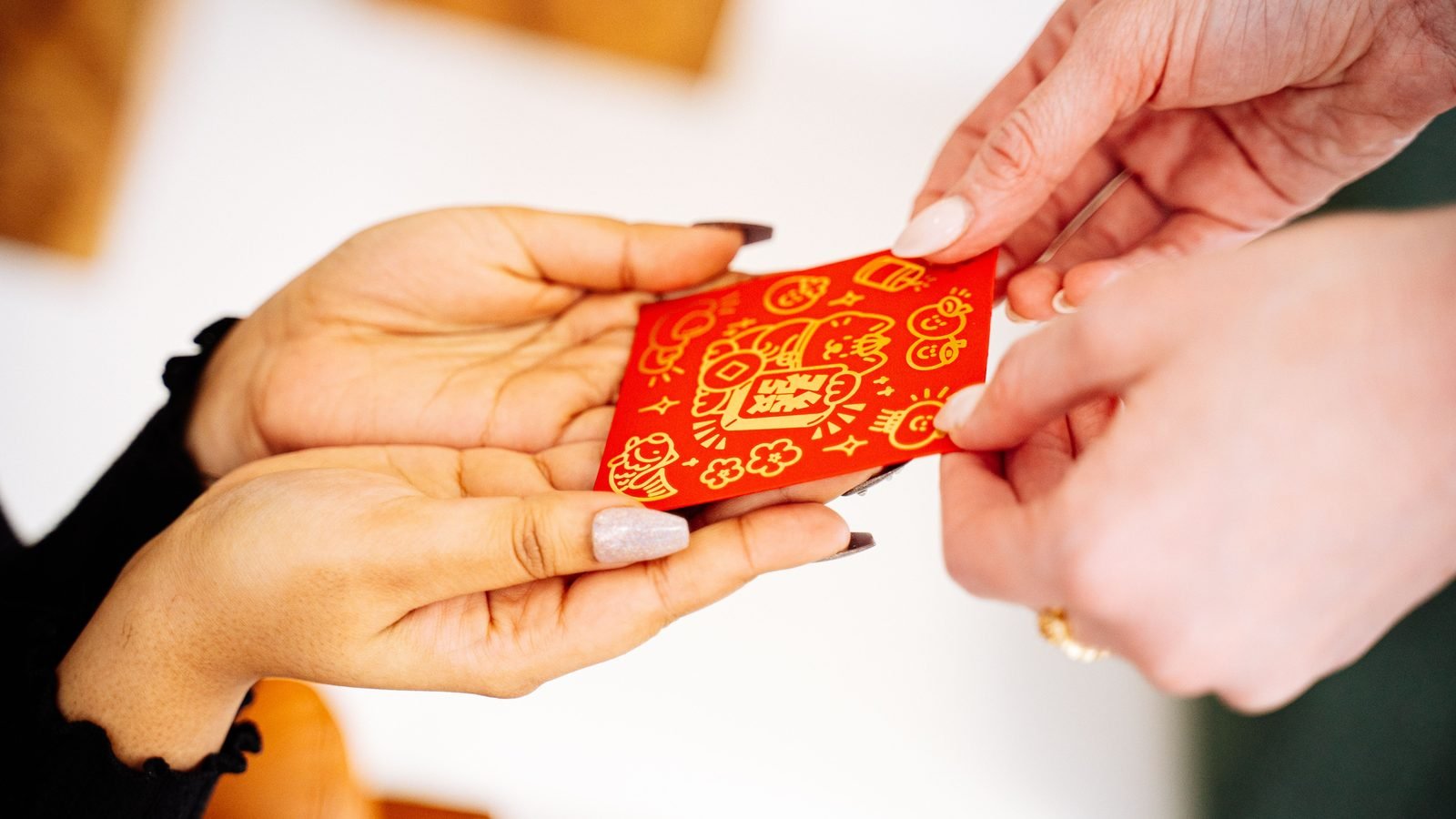
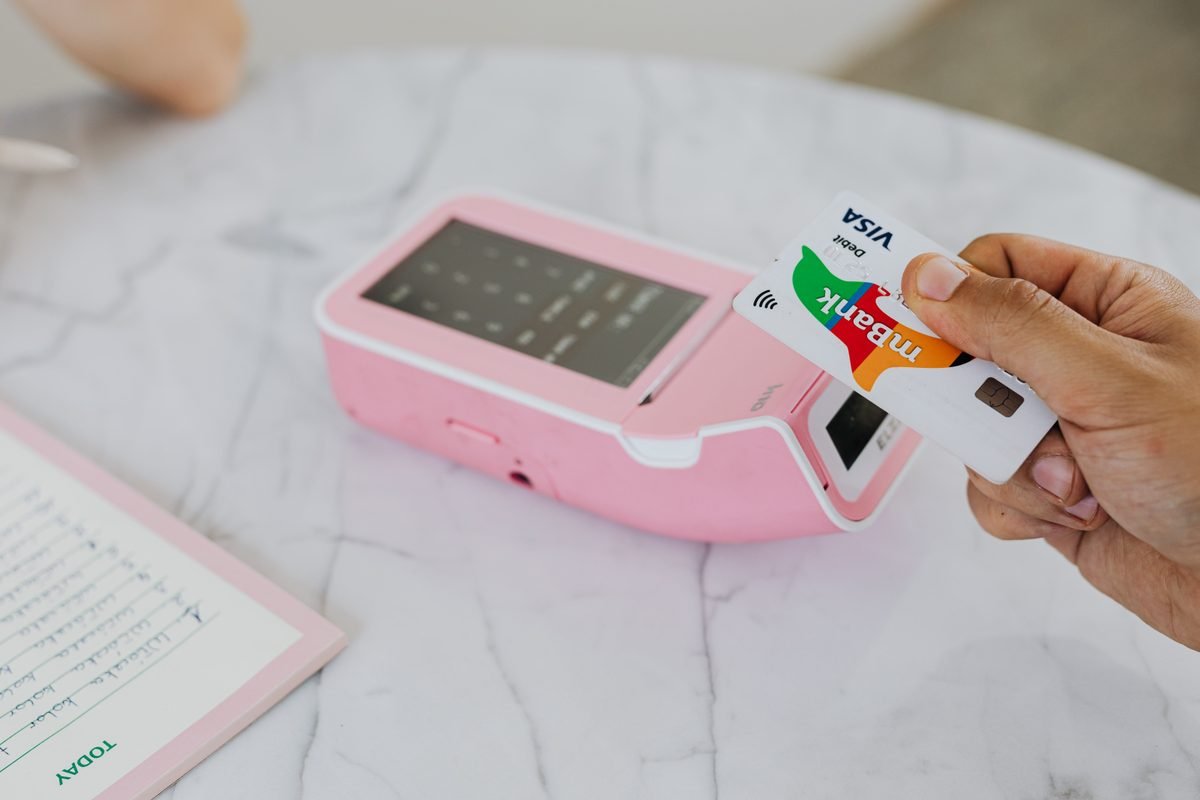
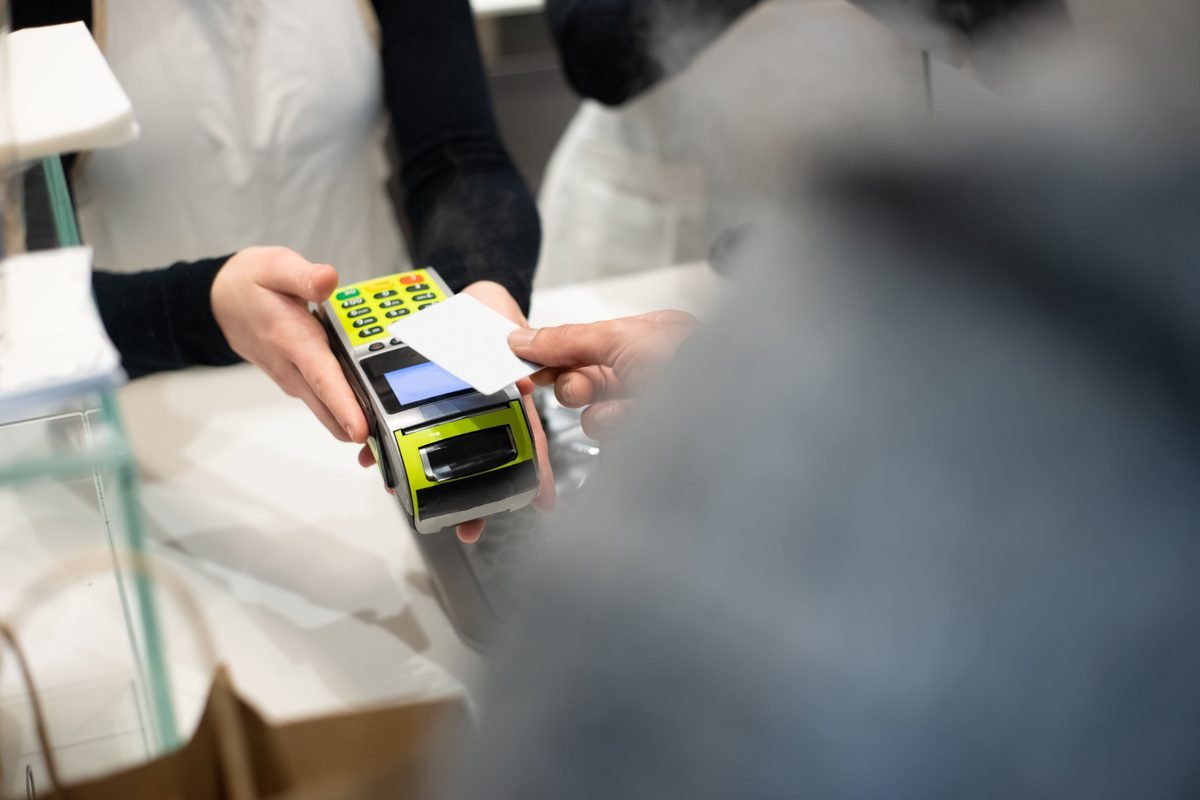
Hierarchy is the invisible skeleton of Korean society. It is primarily built on age and professional status. This is why one of the first questions a local might ask you is, “How old are you?” They aren’t being nosy; they are trying to determine which level of speech and which social manners to use with you. While you aren’t expected to master jondaemal (formal Korean), showing awareness of this hierarchy goes a long way. Use both hands. This is the golden rule of Korean etiquette for travelers. When you give or receive anything—a business card, a gift, or even a credit card at a convenience store—use both hands to show respect.
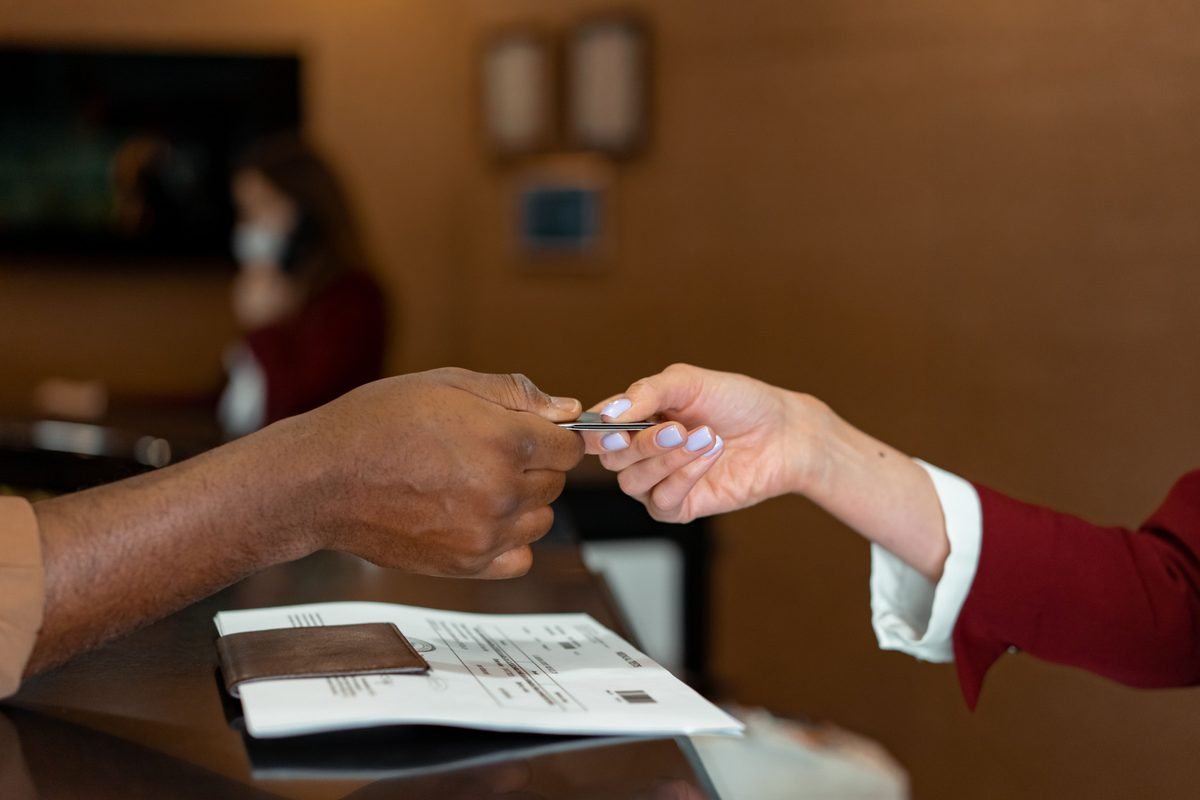
If two hands feel awkward, you can use your right hand to give the item while placing your left hand on your right forearm or over your heart. This signifies that you are fully present in the transaction. When meeting someone for the first time, a slight bow is the standard greeting. You do not need to bend 90 degrees; a 15-degree tilt of the head and shoulders is perfect. Avoid intense, prolonged eye contact with elders, as it can sometimes be interpreted as a challenge rather than a sign of honesty.
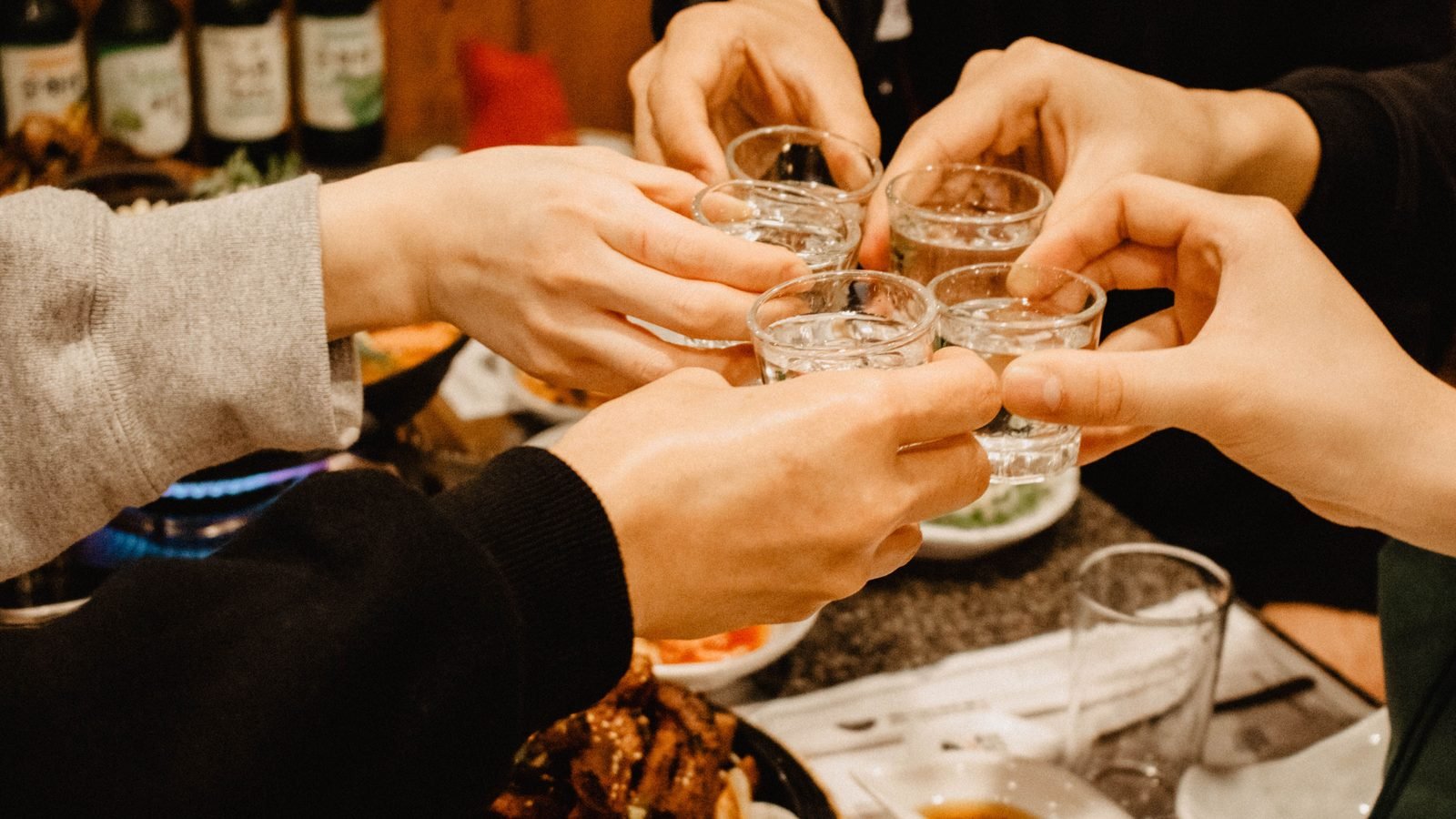
You will also notice that Koreans rarely use first names unless they are very close friends. Instead, they use titles. As a traveler, you can get by with a polite annyeong-haseyo (hello) and a bow. If you are drinking with locals, always pour for others first, starting with the eldest. If an elder pours a drink for you, hold your glass with both hands. It is also polite to turn your head slightly away from them when taking the first sip. These small gestures show that you recognize the social order, and they are deeply appreciated by locals.
Tip: The Forearm Touch
If you only have one hand free, touching your right forearm with your left hand while giving something is a perfectly acceptable way to show respect.
Dining manners and the no-tipping rule
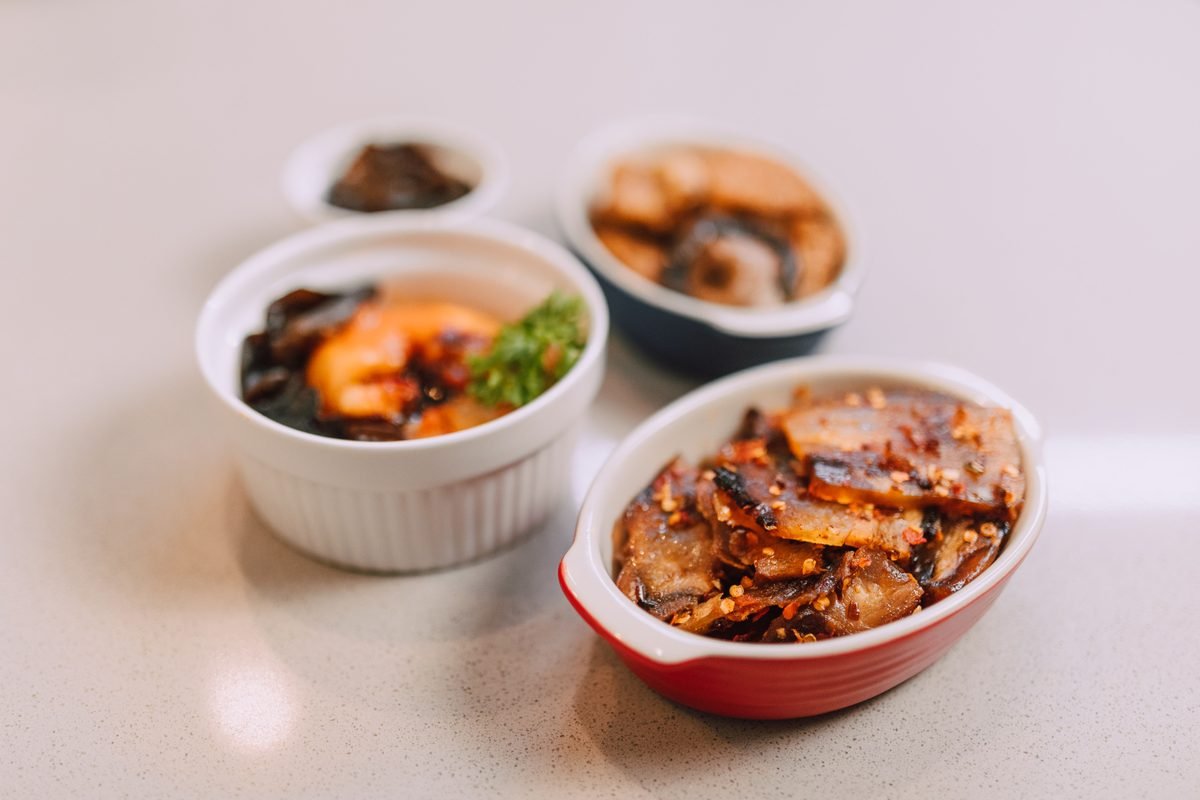
Eating in Korea is rarely a solo activity. Most meals are designed to be shared, with a central main dish and several small side dishes called banchan. When the food arrives, wait for the eldest person at the table to pick up their chopsticks before you start. This is a subtle but important mark of respect. Unlike in some other Asian cultures, it is perfectly fine to pick up your side dishes with chopsticks, but you should never pick up your rice bowl to eat from it. Keep the bowl on the table. Use your spoon for rice and soup, and your chopsticks for everything else.
One of the most common questions I get is about tipping. Tipping is not required. In fact, it is not part of the culture at all. If you leave money on the table at a cafe or restaurant, the server will likely chase you down the street to return it, thinking you forgot your change. Service charges are already included in the price of your meal. Instead of tipping, you can show your appreciation by saying jal-meogeoss-seumnida (I ate well) as you leave. In many casual restaurants, you will see a small red or black button on the table. Press it once to call the server. It is much more efficient than trying to catch their eye.
You might also receive seobiseu (service) at a restaurant. This refers to a free dish or drink given by the owner to show hospitality. It could be a plate of dumplings or a bottle of soda. Do not try to pay for it. Simply say thank you. If you are at a Korean BBQ spot, the staff will often help you snip the meat with scissors. Let them. They know exactly when the pork belly is perfectly crisp. Sharing food is a way of building jeong, a uniquely Korean feeling of social connection and attachment. Don’t be afraid to try the spicy fermented kimchi; it is the heart of every meal.
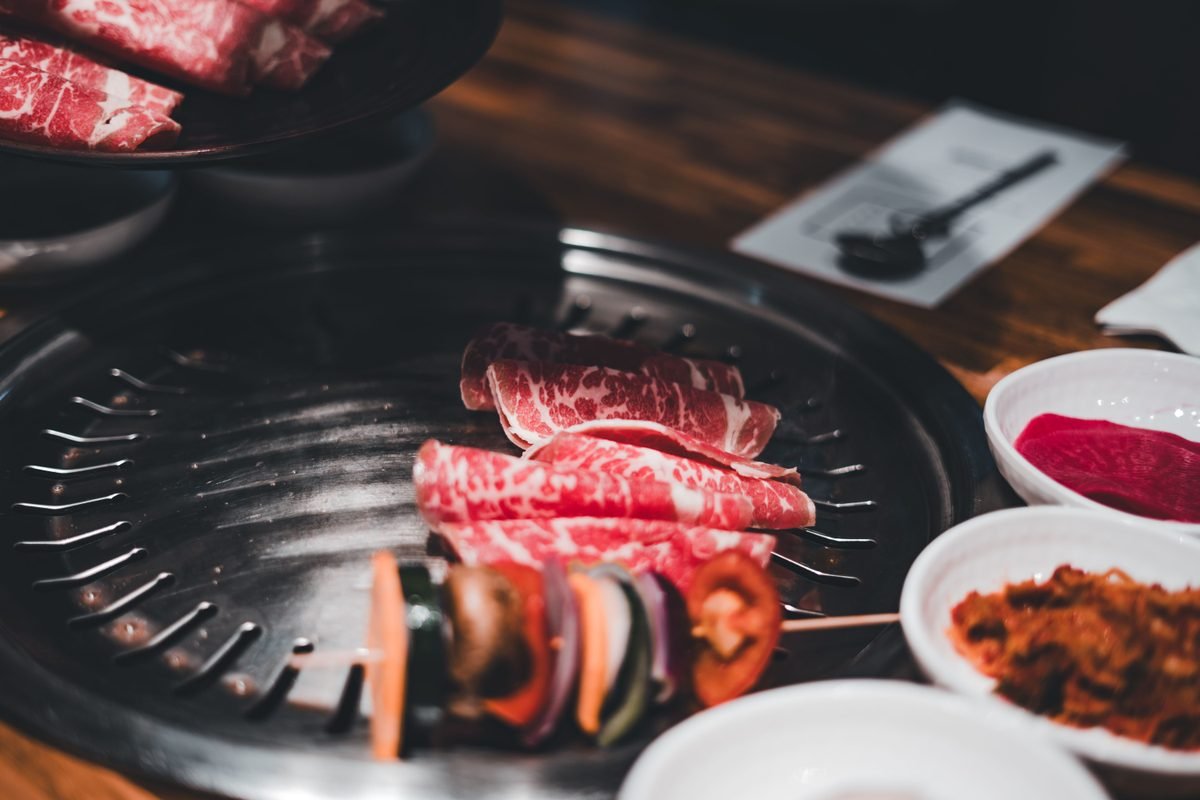
Heads up: Tipping is Not Necessary
Do not leave tips at restaurants or in taxis; it is not expected and can cause confusion for the staff who may think you made a mistake.
Public transport and the silent subway
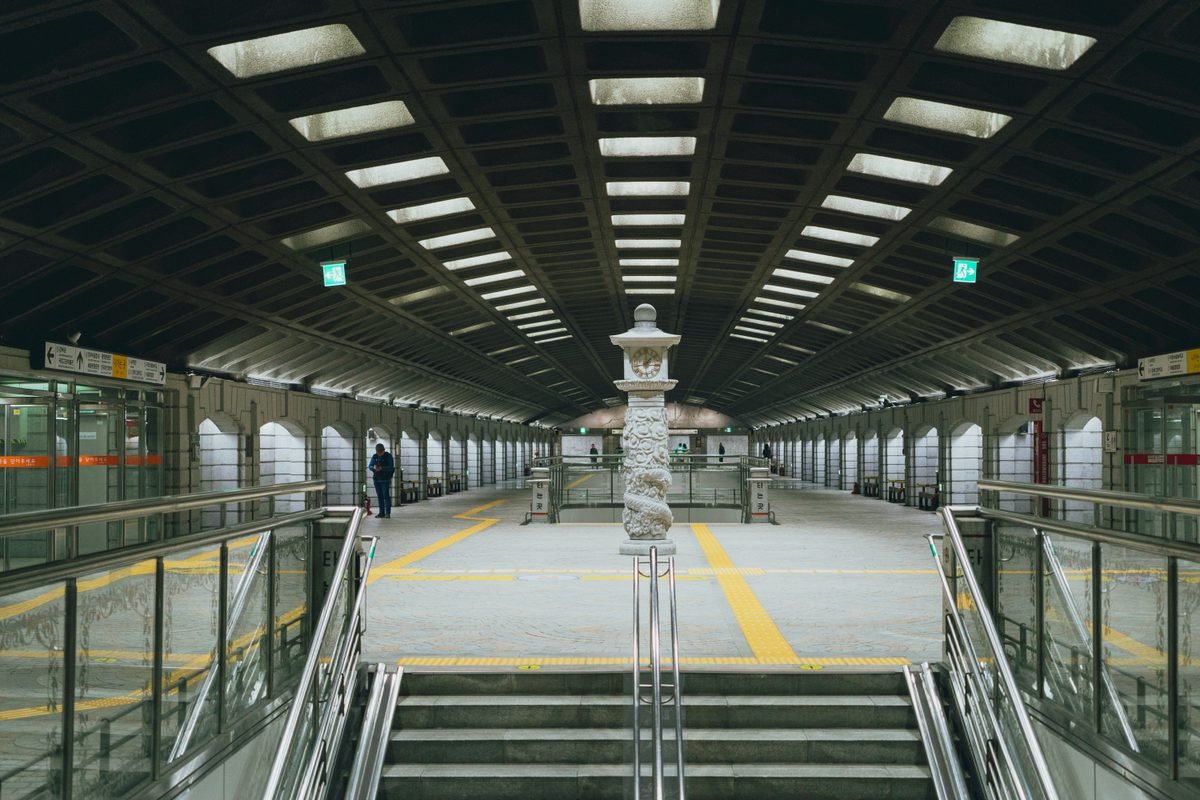
The Seoul subway system is a marvel of efficiency, but it has its own set of unwritten laws. The most obvious one is the noise level. You will notice that even in a packed train, it is remarkably quiet. People generally avoid talking loudly on their phones or with their travel companions. If you must speak, keep your voice at a low whisper. Listening to music or watching videos without headphones is a major social faux pas. The fare starts at ₩1,550 (about $1.10), and you should always tap your T-money card when entering and exiting.
Pay close attention to the seating. At the ends of every subway car, there are designated seats for the elderly, the disabled, and pregnant women. Even if the train is completely full and those seats are empty, locals will usually leave them vacant. As a traveler, you should do the same. Sitting in an elderly seat when you are young and healthy will earn you some very stern looks from the regular commuters. There are also pink-labeled seats specifically for pregnant women. Even if they are empty, it is best to leave them for those who need them most.
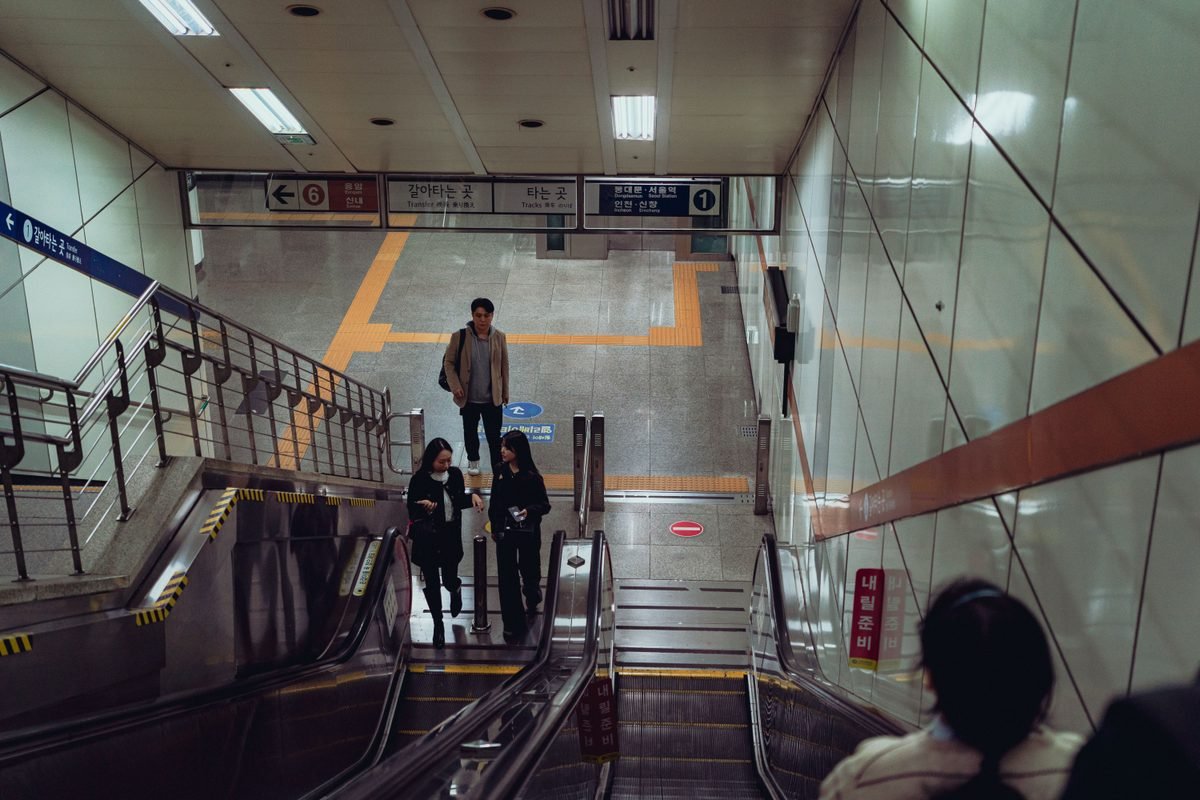
When waiting for the train, stand in the designated lines on the platform. Let passengers exit the train completely before you attempt to board. On escalators, the convention is to stand on the right and walk on the left. This is similar to many European cities, but it is strictly followed here. If you are carrying a large backpack, it is polite to wear it on your front or place it between your feet when the car is crowded. This prevents you from accidentally bumping into other passengers when the train moves. These small adjustments make the commute smoother for everyone in this city of ten million people.
Tip: The Pink Seats
Even if the subway is crowded, avoid sitting in the pink-marked seats; these are strictly reserved for pregnant women in South Korea.
Temple etiquette and photography rules
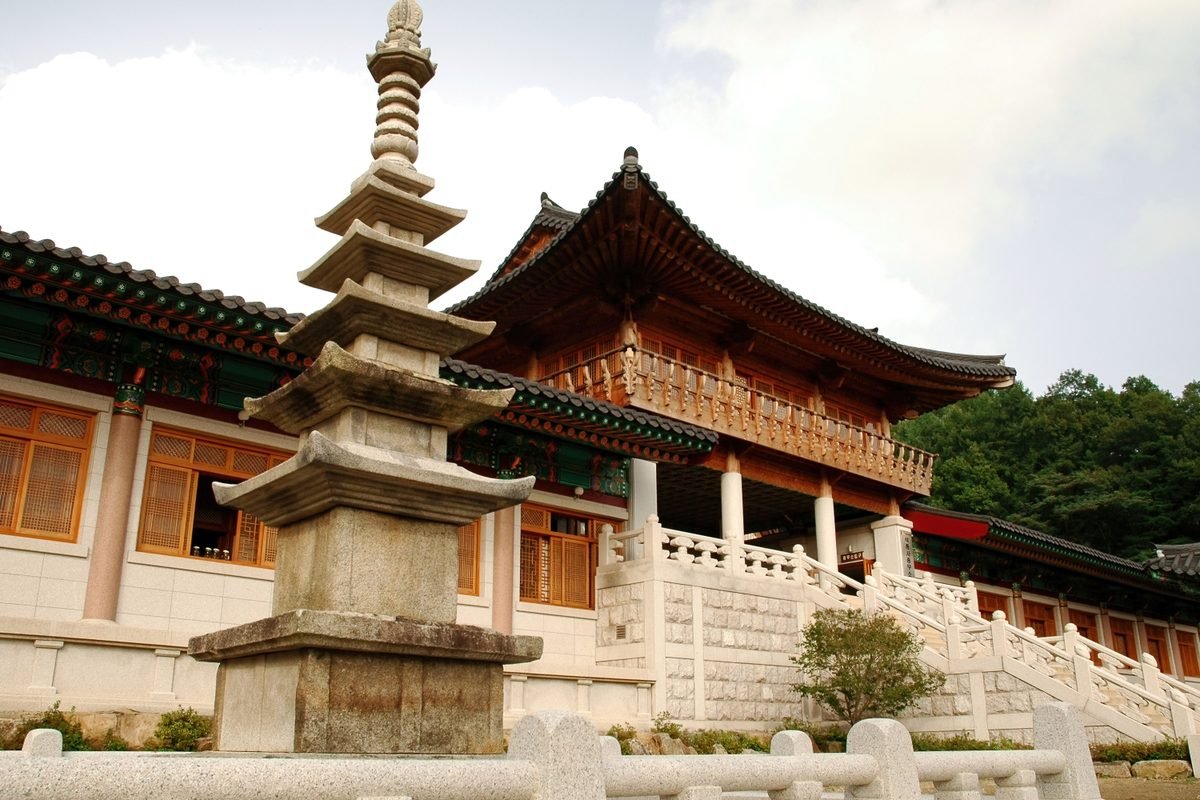
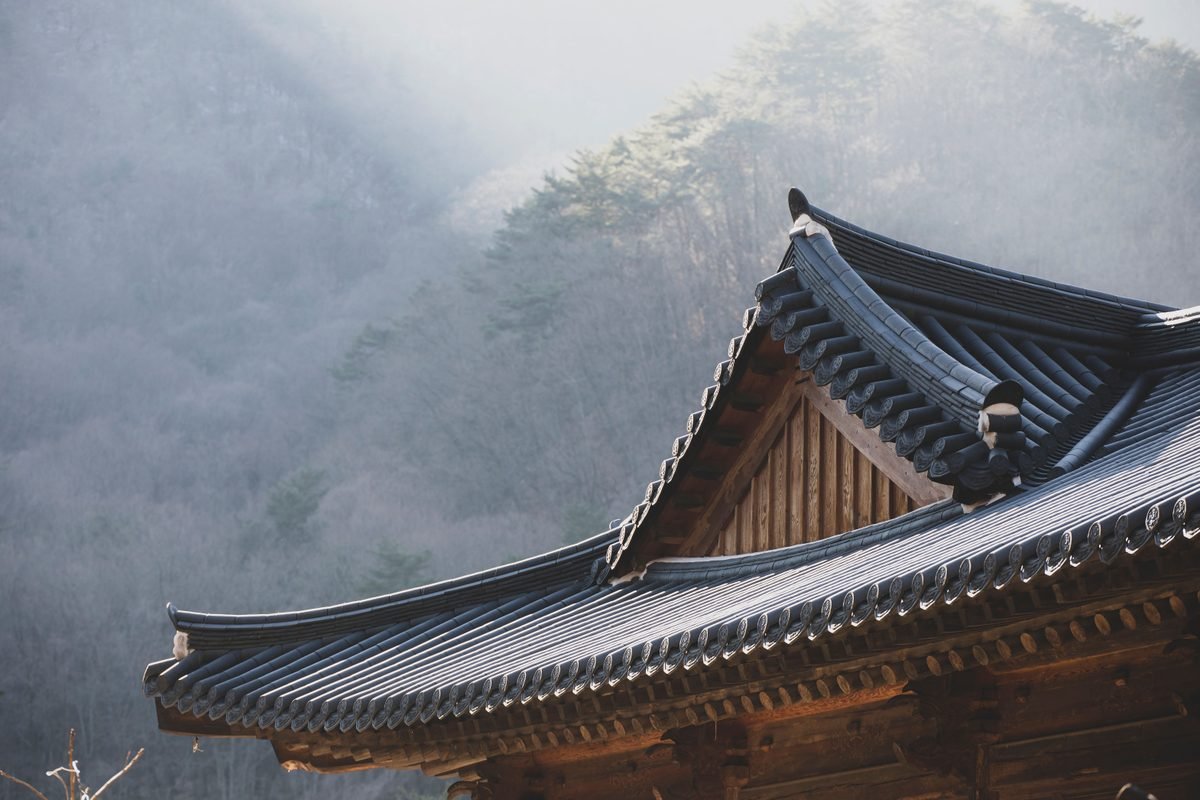
Visiting a Buddhist temple like Bulguksa or Haeinsa is a highlight of any trip to Korea. Since May 2023, admission to most major temples is free, making them very accessible. However, these are active places of worship, not just museums. When you enter the temple grounds through the main gate, you are entering a sacred space. Keep your voice low and avoid running. If you want to enter a prayer hall (the buildings with the large Buddha statues), you must remove your shoes and leave them on the wooden porch outside.
Photography is a sensitive issue. While you are generally free to take photos of the architecture and the beautiful outdoor surroundings, taking photos inside the prayer halls is often prohibited. Look for signs with a camera crossed out. Even if there is no sign, it is respectful to ask or simply refrain if people are prostrating or chanting. Never walk directly in front of someone who is praying. Instead, walk around the perimeter of the room. If you wish to join in, you can perform three prostrations, but it is perfectly fine to just sit quietly at the back.
Dress modestly when visiting temples. While there isn’t a strict dress code like in some parts of Southeast Asia, wearing extremely short skirts or sleeveless tops can be seen as disrespectful. A simple t-shirt and long trousers or a knee-length skirt are fine. If you happen to be there during a ceremony, stay to the sides and do not interrupt the monks. Many temples offer a “Temple Stay” program where you can learn more about monastic life. This is a great way to understand the deeper meanings behind the rituals you see. Always remember that for the people there, the temple is a place of profound spiritual significance.
Heads up: Inside the Prayer Hall
Refrain from taking photos inside temple halls while people are praying, and always enter through the side doors rather than the center door.
Payments, trash, and the concept of Gibun
Handling money in Korea involves more than just the exchange of currency. When you pay for something, remember the two-hand rule we discussed earlier. Even at a busy 7-Eleven, handing over your T-money card or credit card with both hands is a sign of good breeding. Speaking of T-money, a blank card costs about ₩4,000 (about $3) at any convenience store. You can top it up with cash at machines in any subway station. Most businesses in Korea are heavily digitized, and credit cards are accepted almost everywhere, even for small amounts like a ₩5,000 (about $3.60) coffee.
One thing that surprises many travelers is the lack of public trash bins. After the government introduced a volume-based waste disposal system, most public bins were removed to prevent people from dumping household trash. You will often find yourself carrying an empty coffee cup for blocks. Do not leave it on top of a fire hydrant or a random ledge. This is a major local annoyance. Instead, look for bins inside convenience stores, subway stations, or take your trash back to your accommodation. Managing your own waste is considered a basic civic duty here.
Underpinning all of these rules is the concept of gibun. There is no direct English translation, but it refers to a person’s state of mind, face, or inner feelings. In Korean etiquette for travelers, the goal is to maintain the gibun of those around you. This means avoiding public confrontations, not losing your temper, and being mindful of how your actions affect the group. If you make a mistake, a quick apology and a bow will usually solve the problem. Koreans are generally very forgiving of foreigners, provided they see that you are trying to be respectful. Social harmony is the ultimate goal of these etiquette rules.
Book ahead: Cash for Transit
While cards are king for shopping, you must have physical cash (Korean Won) to top up your T-money card at subway stations.
What actually offends and what does not
It is easy to get overwhelmed by all these rules, but it helps to know what actually causes offense versus what is just a minor slip-up. Most Koreans do not expect visitors to know every nuance of their culture. They understand that you are a guest. What truly offends people is a lack of effort or a blatant disregard for local comfort. For example, blowing your nose loudly at a dinner table is considered quite gross. It is better to excuse yourself or turn away and do it as quietly as possible. Similarly, being loud and disruptive in residential areas like Bukchon Hanok Village is a major point of contention for locals.
On the other hand, don’t worry too much about your chopstick skills. As long as you aren’t sticking them vertically into your rice bowl (which resembles incense at a funeral), no one will mind if you struggle to pick up a slippery bean sprout. Likewise, if you forget to bow at the exact right angle, a simple smile and a nod are usually enough. The effort to be polite is what matters most. People here are proud of their culture and are usually happy to help if they see you are curious and respectful. They will often go out of their way to guide you if you look lost.
Public displays of affection (PDA) have become more common among younger generations in Seoul, but heavy making out in public is still looked down upon. Holding hands or a quick hug is perfectly fine. Also, be mindful of where you point your camera. Korea has very strict privacy laws regarding photography. Taking photos of individuals, especially children or people working, without their permission can lead to uncomfortable situations or even legal complaints. If you want to capture the local life, try to take wide shots or ask for consent first. Respecting personal space and privacy is a key part of modern Korean life.
What it costs in South Korea
| Item | Local price | USD |
|---|---|---|
| Blank T-money Card | ₩4,000 | ($3.00) |
| Base Subway/Bus Fare | ₩1,550 | ($1.10) |
| Casual Lunch (e.g., Kimchi Jjigae) | ₩10,000 | ($7.20) |
| Traditional Tea at a Hanok | ₩8,000 | ($5.80) |
| Temple Donation (Optional) | ₩5,000 | ($3.60) |
| Daily Total (Transport + 2 Meals + Coffee) | ₩45,000 | ($32.50) |
Prices checked October 2026. Always confirm with the provider before you book.
Mistakes to avoid
- Sitting in the designated elderly or pregnant women’s seats on the subway even if the train is empty.
- Leaving your chopsticks sticking upright in a bowl of rice, which is a symbol of death and funerals.
- Walking back to your dining table in a traditional restaurant while still wearing the plastic bathroom slippers.
FAQ
Is Korean etiquette for travelers hard to learn?
Not at all. The most important things to remember are using two hands when giving or receiving items, removing your shoes indoors, and keeping your voice low on public transport. Locals are very forgiving of foreigners as long as you show a basic level of respect.
Do I need to tip in South Korea?
No, tipping is not part of the culture in Korea and is not expected in restaurants, taxis, or hotels. In some cases, leaving money behind might even confuse the staff who will think you forgot your change.
Can I use my phone on the Seoul subway?
Yes, you can use your phone for texting or browsing, but it is considered rude to make loud voice calls. Most people keep their phones on silent and use headphones for any audio.
What should I wear when visiting a Korean temple?
Modest clothing is best. While there isn’t a strict uniform, it is respectful to cover your shoulders and wear trousers or skirts that reach at least to the knee.
Is it rude to ask someone's age in Korea?
Actually, it is quite common. Koreans ask for age to determine the correct social hierarchy and speech level. As a traveler, you don’t need to ask, but don’t be offended if a local asks you.