A Complete Budapest Thermal Baths Guide

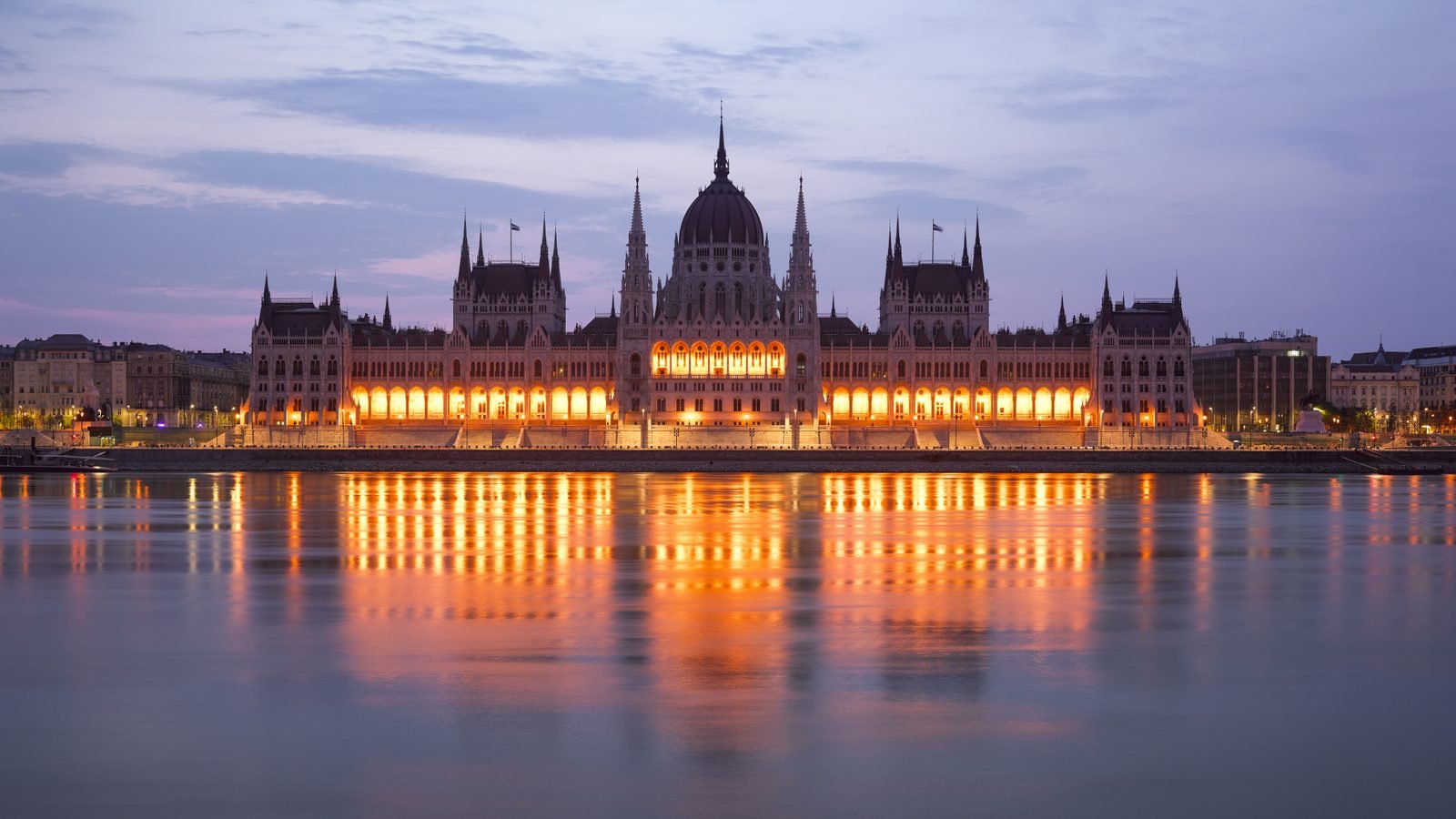
Steam rises from the massive outdoor pools of City Park even when the morning air is sharp enough to bite. Budapest sits atop more than 100 thermal springs, pumping millions of liters of mineral-rich water into the city’s public bathhouses every day. These are not just tourist attractions; they are social hubs where locals play chess in the water and talk politics under neo-Baroque arches. Understanding the system of wristbands, cabins, and gender-segregated days is the difference between a relaxing soak and a confusing afternoon in a wet hallway.
This Budapest thermal baths guide covers the logistics of the three major bathhouses: Széchenyi, Gellért, and Rudas. You will find details on how to choose between a locker and a private cabin, what gear is mandatory to avoid being turned away, and how to combine a soak with the city’s famous ruin bars. Whether you want a late-night party in a pool or a quiet morning in an Art Nouveau palace, this guide explains exactly what to expect when you arrive at the ticket desk.
How to get to the baths in Budapest
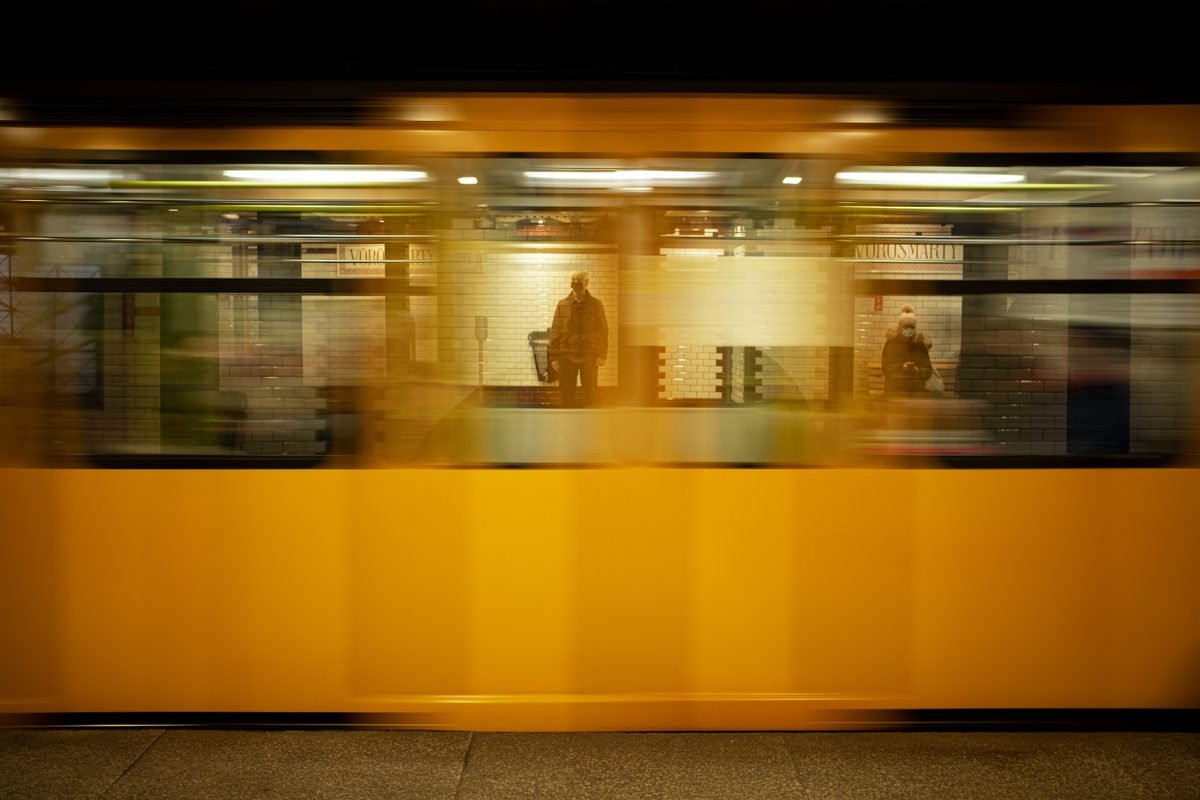
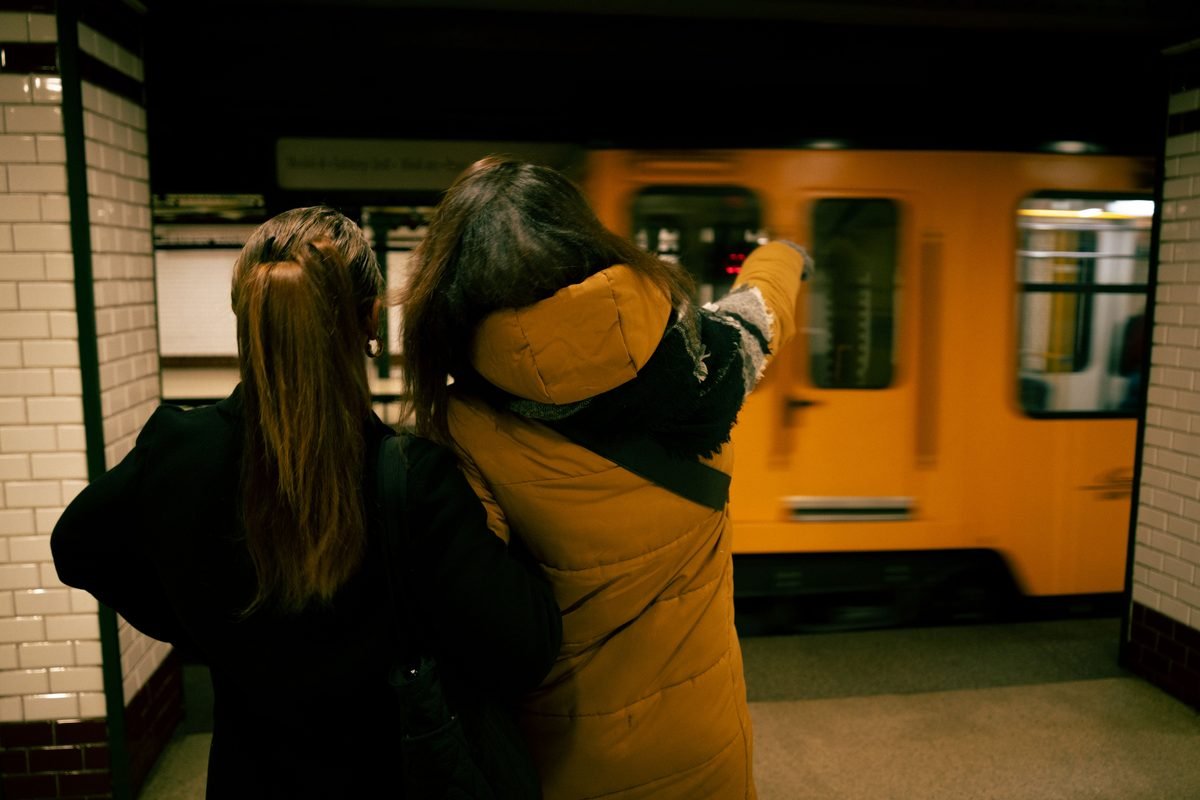
Public transport is the most efficient way to reach any of the major bathhouses. For Széchenyi Thermal Bath, you will use the M1 (Yellow) metro line. This line is a landmark in itself, being the second-oldest underground railway in the world. Board the train toward Mexikói út and get off at the Széchenyi fürdő station. The exit leads you directly into the center of City Park, just steps from the yellow palace entrance. A single BKK transport ticket costs 450 HUF (about $1.25), and you must validate it in the small orange or red machines before boarding the train.
To reach Gellért Thermal Bath, located on the Buda side of the river, take the M4 (Green) metro line or trams 47, 48, or 49 to the Szent Gellért tér stop. The bathhouse is impossible to miss; it is the grand, ornate building right at the foot of the bridge. If you are heading to Rudas Thermal Bath, which is also on the Buda side, take tram 19 or 41. These trams run along the riverbank, providing a clear view of the Parliament building across the water. Rudas is located near the Elisabeth Bridge (Erzsébet híd).
Walking is an option if you are staying in District V, but the distances to Széchenyi are often longer than they look on a map. It is roughly a 45-minute walk from the city center to City Park. For those using the BKK app, you can purchase digital tickets on your phone. Just remember to scan the QR code on the outside of the bus or at the metro entrance to validate your ride. Taxis are available through the Bolt app, which is the most reliable way to get a fair price. A ride from the Jewish Quarter to Széchenyi usually costs around 3,500 HUF (about $10) depending on traffic.
Choosing the right Budapest thermal baths guide
Széchenyi is the most famous of the trio and is often the first choice for travelers. It features 18 pools, including three massive outdoor sections. The atmosphere here is social and loud. You will see groups of friends chatting and the iconic elderly men playing chess on floating boards. It is the best choice if you want the classic Budapest experience and plenty of space to move around. However, it is also the most crowded, especially on weekends. Go early, ideally right when they open at 09:00, to see the pools before the tour groups arrive.
Gellért Thermal Bath offers a completely different vibe. It is part of the Hotel Gellért complex and is famous for its Art Nouveau architecture. Inside, you will find intricate mosaics, marble pillars, and a glass-roofed main hall that feels like a cathedral. The indoor pools are quieter and more focused on relaxation than Széchenyi. While it has an outdoor wave pool, it is only open during the summer months. Gellért is the right choice for photographers and those who prefer a more refined, historic atmosphere over a party-like environment.
Rudas Thermal Bath is the most unique because of its history. The core of the building is a 16th-century Ottoman Turkish bath with an octagonal pool and a dome pierced by tiny holes that let in shafts of light. It also features a modern rooftop pool with a view of the Danube. Rudas is famous for its gender-segregated days during the week. Men only can visit on Mondays, Wednesdays, Thursdays, and Fridays, while Tuesdays are reserved for women. The weekends are mixed-gender. This is the place to go if you want an authentic, historic soak with a view of the skyline.
Understanding cabin vs locker pricing
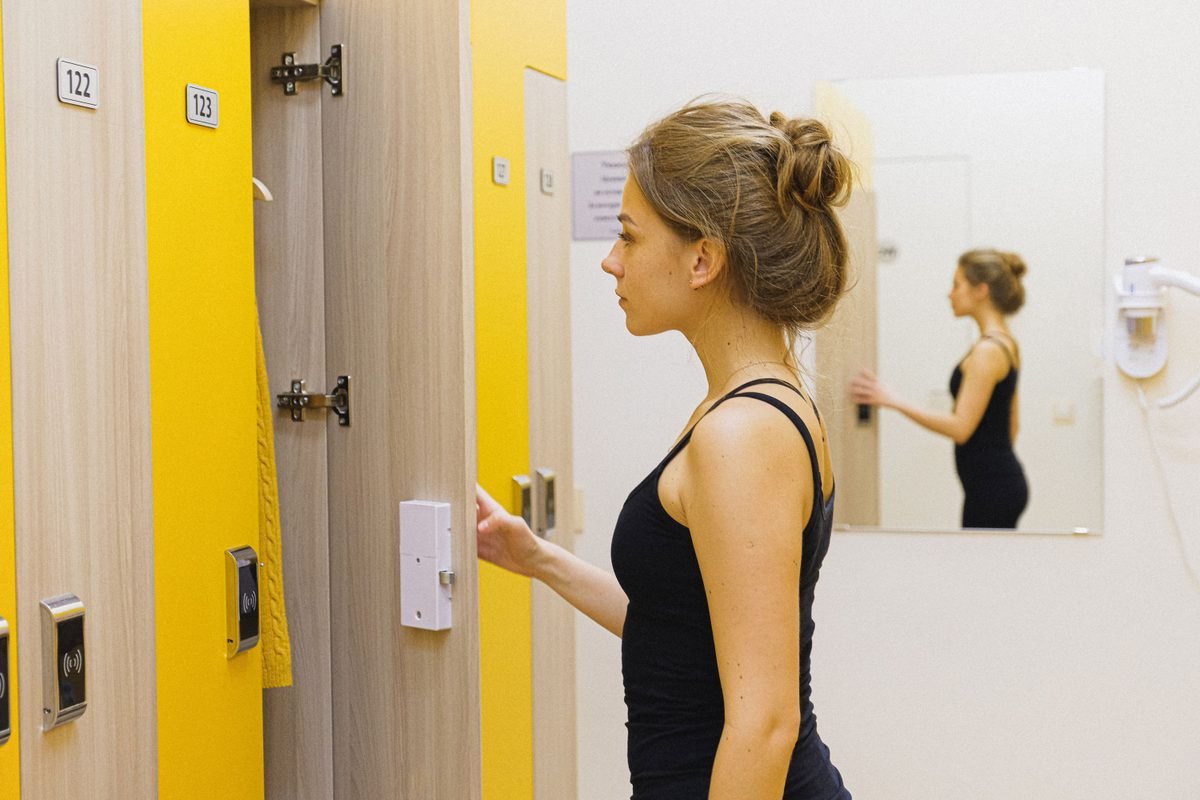
When you buy your ticket, the staff will ask if you want a locker or a cabin. This choice confuses many first-time visitors. A locker is a standard metal or wooden box in a communal changing room. You change in a small curtained cubicle and then move your clothes to the locker. A cabin is a small, private wooden room that serves as both your changing area and your storage space. You keep the key (usually a digital wristband) and your belongings stay inside the room while you soak. Cabins cost roughly 1,000 HUF (about $3) more than a locker.
I recommend paying extra for the cabin. The communal changing areas can be cramped and confusing, especially at Széchenyi where the layout is a labyrinth. Having a private space to leave your bag, dry off, and get dressed in peace is worth the small price increase. If you are traveling as a couple, you can share one cabin to save money, though it will be a tight squeeze. Only one person needs to buy the cabin ticket; the other can buy a standard locker ticket and simply walk into the cabin with their partner.
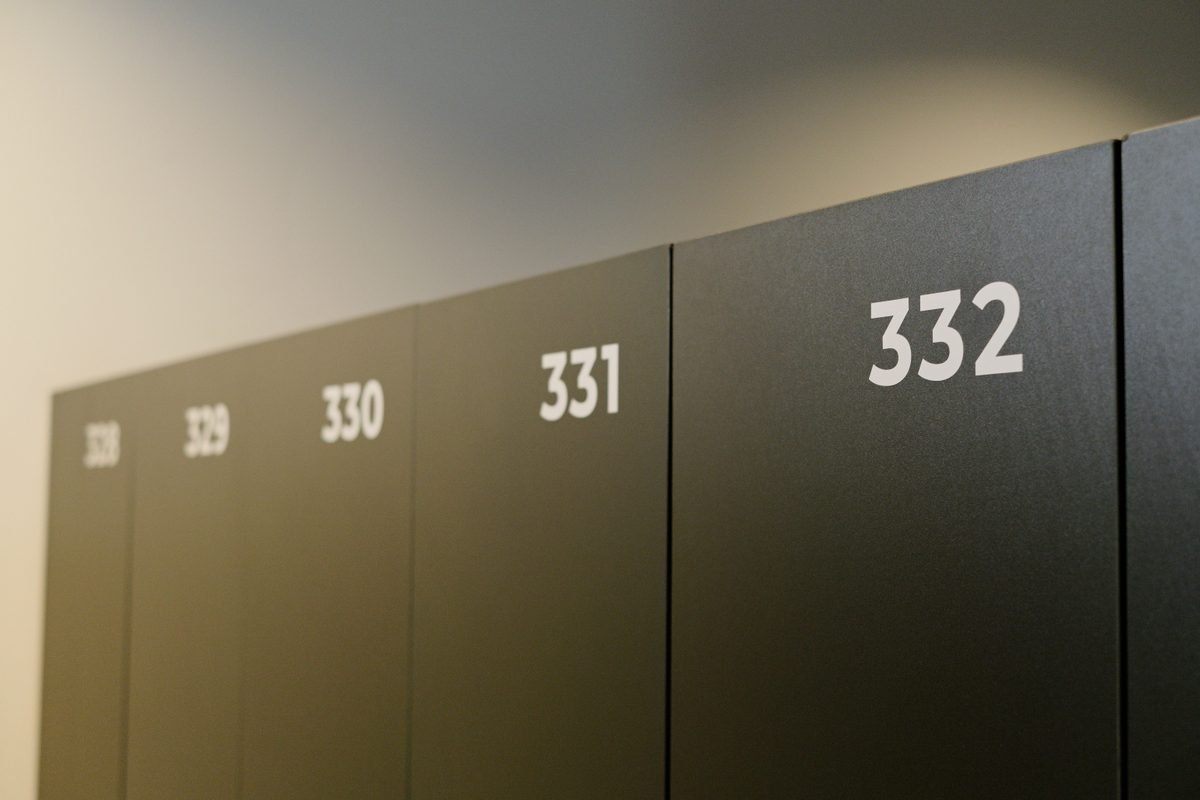
Regardless of which you choose, you will receive a plastic wristband called a proxy. This is your key to everything. You tap it against a sensor to enter the turnstiles and then tap it against a digital reader in the locker room to find your assigned number. At Rudas and Gellért, the system is similar, though some older lockers still use physical keys. Do not lose this band; there is a significant replacement fee if it goes missing. The bands are waterproof, so you can wear them into the saunas and the hottest pools without worry.
What to pack for the thermal baths
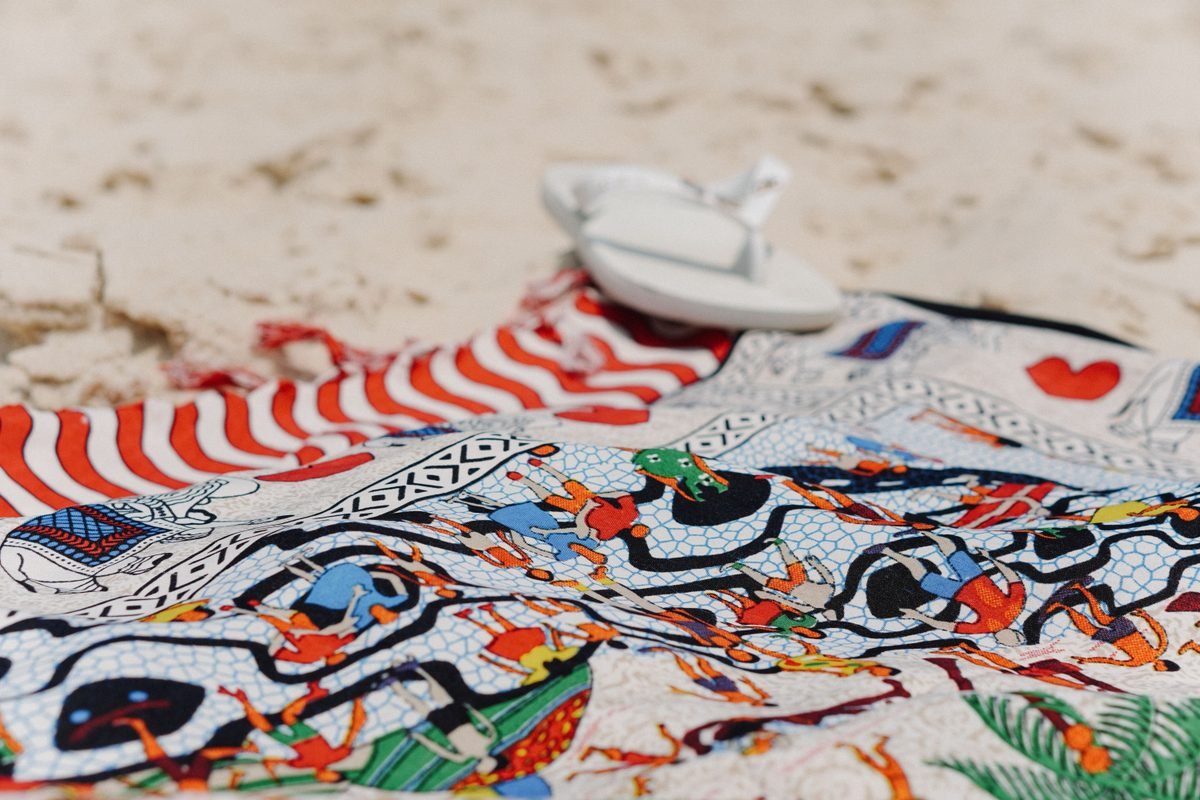
Packing the right gear is essential because renting items at the baths has become expensive and difficult. First, you must bring a pair of flip-flops or plastic sandals. They are mandatory for hygiene reasons, and staff may stop you from entering the pool area if you are barefoot. Second, bring your own towel. While some baths used to offer towel rentals, many have moved toward a purchase-only model where a basic towel can cost 5,000 HUF (about $14) or more. A lightweight microfiber towel is a smart choice for your day bag.
If you plan to swim laps in the designated swimming pools (as opposed to the soaking pools), you must wear a swim cap. This rule is strictly enforced by lifeguards who will blow a whistle at you the moment you dip your head in without one. You can buy a cheap plastic cap at the entrance for about 2,000 HUF (about $5.50), but it is easier to bring your own. Regular swimsuits are required in all mixed-gender areas. At Rudas on gender-segregated days, some locals still use traditional loincloths, but most visitors stick to standard swimwear.
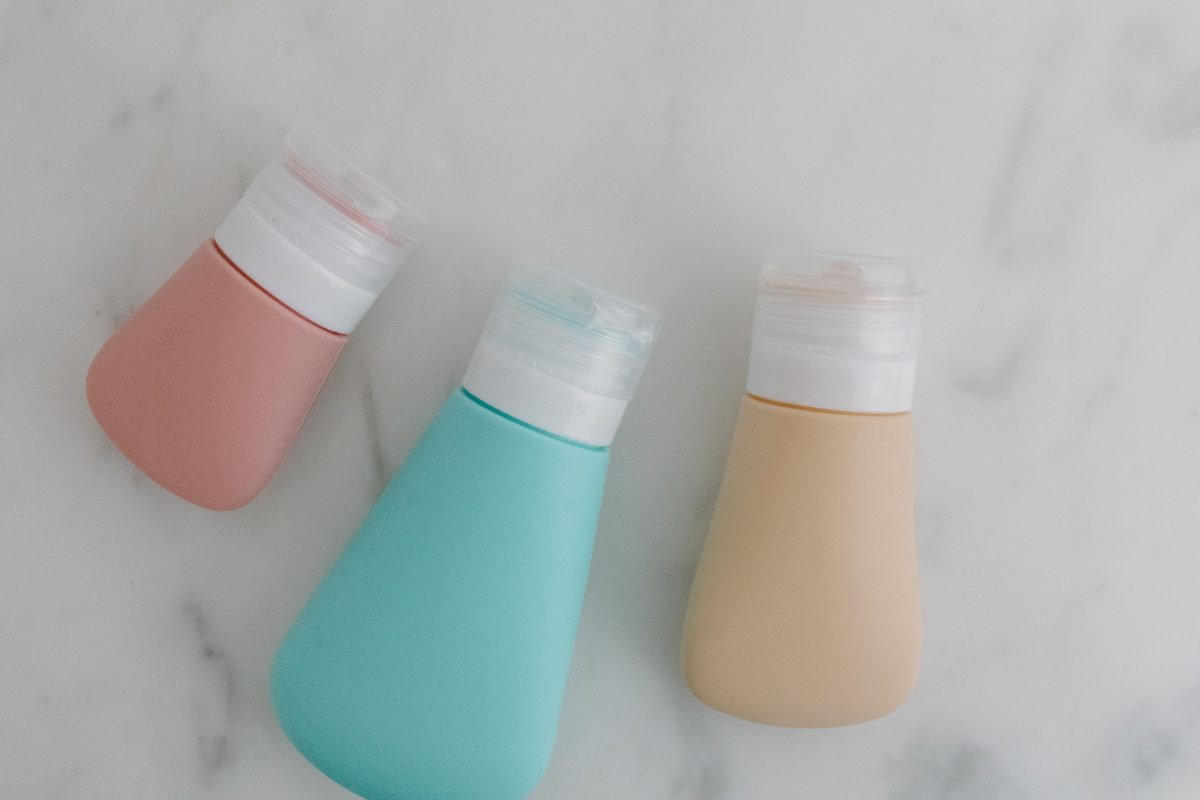
Other useful items include a waterproof bag for your wet gear and a bottle of water. The thermal water can dehydrate you quickly, and while there are fountains, having your own bottle is more convenient. Most baths have hair dryers in the changing areas, but they are often weak. If you have long hair and are visiting in winter, you might want to bring a warm hat to wear after you leave to prevent catching a cold in the freezing air outside. Soap and shampoo are usually not provided in the showers, so bring small travel-sized versions.
Bath etiquette and local rules
Thermal bathing in Hungary has its own set of unwritten rules. The most important one is to shower thoroughly with soap before entering the pools. You will find showers near the changing rooms and at the entrance to the pool decks. This is not just a suggestion; it is expected by the locals who take pool hygiene seriously. Once you are in the water, keep your voice at a moderate level. While Széchenyi can be lively, the indoor thermal sections at Gellért and Rudas are places of quiet relaxation. Loud splashing or shouting is frowned upon.
Pay attention to the temperature signs near each pool. They usually range from 20°C (68°F) in the plunge pools to 40°C (104°F) in the hottest soaking tubs. It is common practice to move between temperatures, often ending with a cold plunge to stimulate circulation. However, do not stay in the hottest pools for more than 15 or 20 minutes at a time. The high mineral content and heat can make you feel lightheaded if you overdo it. If you feel dizzy, sit on the edge of the pool for a few minutes or move to a cooler area.
Photography is generally allowed, but be respectful. Do not point your camera directly at people, and try to keep your phone use to a minimum. In the gender-segregated sections of Rudas, cameras are often discouraged or banned entirely to protect privacy. Finally, remember that the baths are medical facilities for many Hungarians. You will see people performing water exercises or wearing medical wristbands. Give them space and do not block the handrails or stairs, as these are essential for elderly visitors with mobility issues.
Nightlife and the Sparty experience
If you want to combine the baths with Budapest’s famous nightlife, you have two main options. The first is the “Sparty” (Spa Party) held at Széchenyi most Saturday nights. These events turn the neo-Baroque courtyard into a massive outdoor club with laser lights, electronic music, and bars serving drinks in plastic cups. Tickets for these events are separate from daytime entry and are significantly more expensive, often starting around 22,000 HUF (about $60). It is a high-energy experience geared toward young travelers and party-seekers.
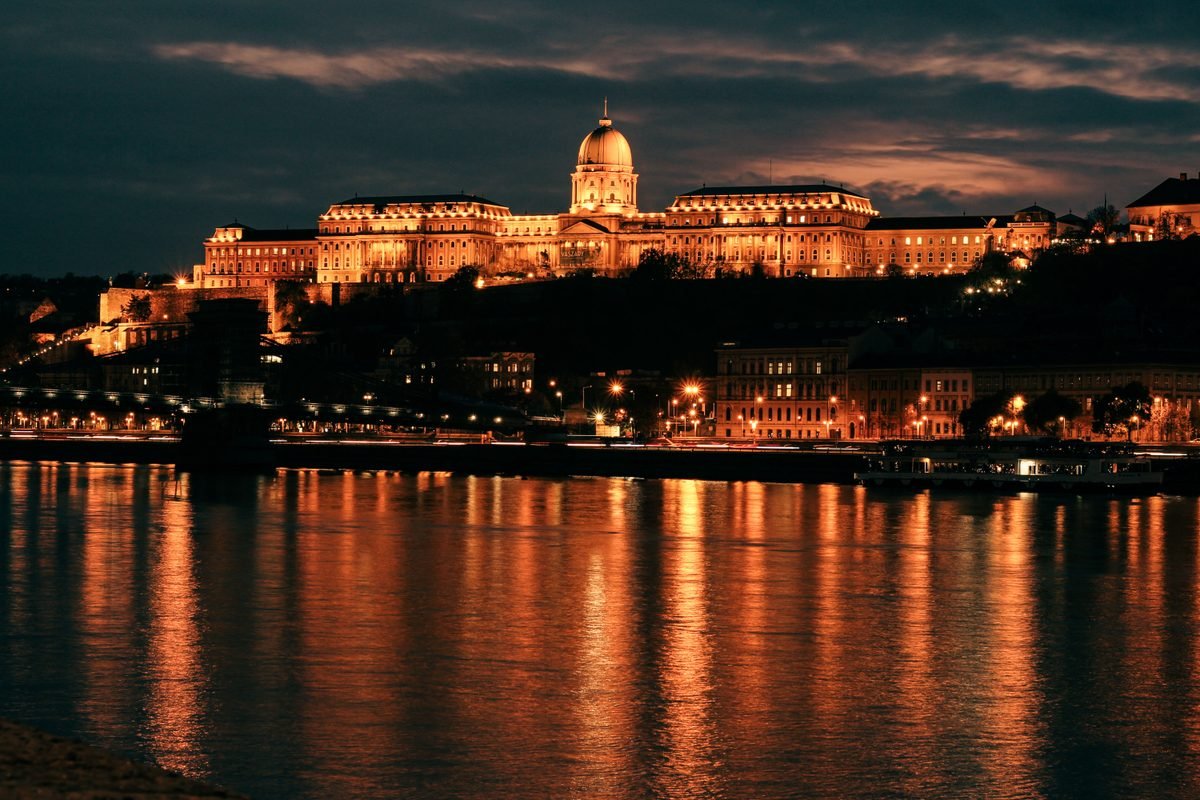
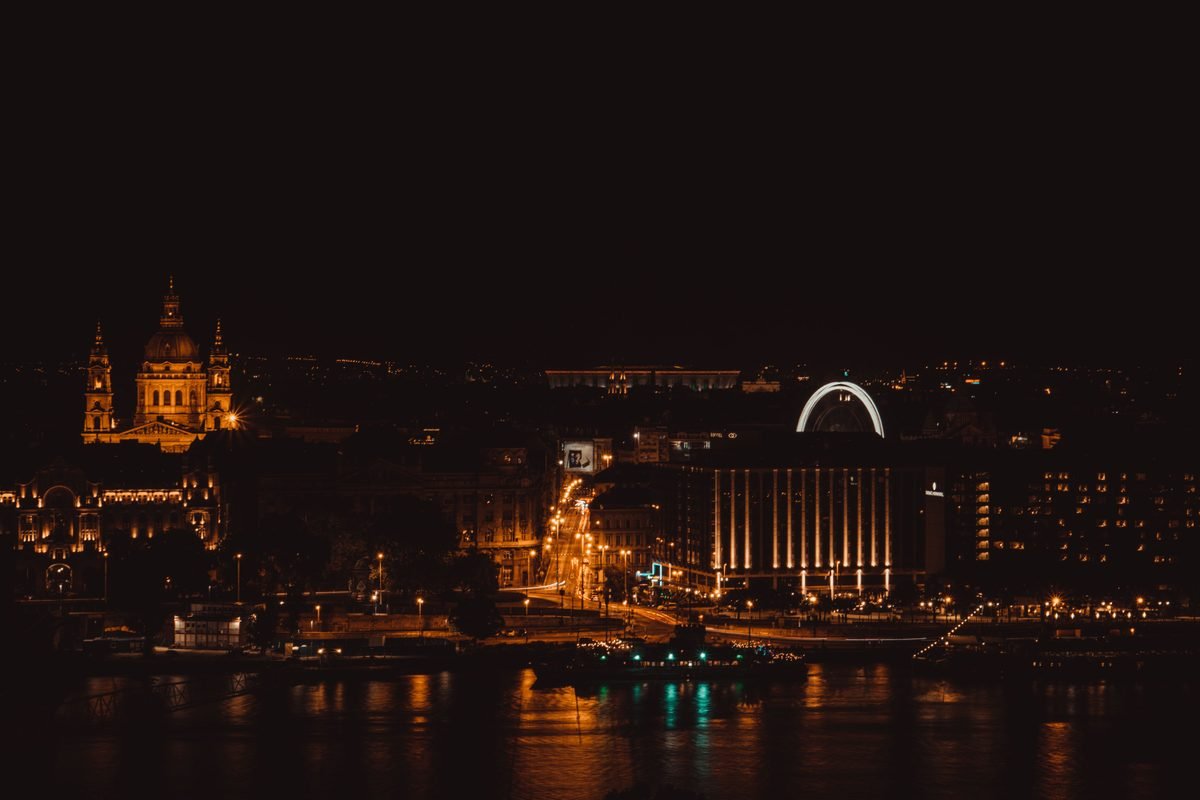
For a more relaxed evening, Rudas offers late-night bathing on Fridays and Saturdays from 22:00 to 03:00. This is a much calmer affair than the Sparty. You can soak in the rooftop hot tub while looking at the lights of the city and the boats passing on the Danube. It is a fantastic way to end a day of sightseeing without the loud music and crowds of a club. You will need a specific night ticket for this, which can be purchased at the door or online. It usually costs about 12,600 HUF (about $35).
Many travelers choose to visit the ruin bars after a daytime soak. The Jewish Quarter (District VII) is the heart of this scene and is only a short tram or metro ride from the baths. You can easily spend the afternoon at Széchenyi, head back to your accommodation to change, and then walk to Szimpla Kert, the most famous ruin bar in the city. The contrast between the historic, quiet bathhouse and the chaotic, neon-lit ruin bars is the quintessential Budapest experience. Just remember that the baths close their doors around 19:00 or 20:00, so plan your transition to the bars accordingly.
What it costs in Budapest
| Item | Local price | USD |
|---|---|---|
| Széchenyi Daily Ticket (with cabin) | 13,000 HUF | $36 |
| Gellért Daily Ticket (with locker) | 10,500 HUF | $29 |
| Rudas Night Bathing Ticket | 12,600 HUF | $35 |
| BKK Single Transport Ticket | 450 HUF | $1.25 |
| Purchase of a basic towel | 5,000 HUF | $14 |
| Simple lunch near City Park | 4,500 HUF | $12.50 |
| Total for one person (Szechenyi + transport + lunch) | 18,400 HUF | $51 |
Prices checked September 2026. Always confirm with the provider before you book.
Where to stay in Budapest
Budget
District VII (Jewish Quarter), near Akácfa utca
This area is perfect for those who want to be within walking distance of ruin bars and the M1 metro line to Széchenyi. You can find many high-quality hostels and small apartments for 18,000–25,000 HUF ($50–$70) per night.
Mid-range
District V (Belváros), near Deák Ferenc tér
This is the central transport hub, making it easy to reach any bathhouse via metro or tram. Expect to pay between 35,000–55,000 HUF ($100–$150) for a modern hotel room in the heart of the city.
Splurge
District XI, near the Gellért Hotel
Staying on the Buda side near the river offers a quieter experience with immediate access to Gellért and Rudas. High-end hotels with river views typically range from 70,000–100,000 HUF ($200–$280) per night.
Mistakes to avoid
- Arriving at Rudas on a weekday without checking which gender is allowed in the thermal section.
- Forgetting to bring flip-flops and being forced to buy an expensive pair at the gift shop.
- Trying to use the swimming lap pools without a swim cap and getting whistled at by the staff.
FAQ
Which bath is best in this Budapest thermal baths guide?
It depends on your goal; Széchenyi is best for the social outdoor experience, Gellért for architecture, and Rudas for history and views. Most first-time visitors prefer Széchenyi for its size and iconic yellow buildings.
Do I need to book tickets in advance?
While you can buy tickets at the door, booking online for Széchenyi is highly recommended on weekends to skip the long entry lines. For Rudas night bathing, booking ahead is almost essential as capacity is limited.
Are the baths clean?
Yes, the water is constantly circulated and treated, and the facilities are cleaned daily by large crews. However, the floors can be slippery and wet, which is why flip-flops are a mandatory requirement.
Can I visit the baths if I have a tattoo?
Yes, tattoos are perfectly acceptable in all Budapest bathhouses and you will see many locals with them. There are no restrictions like those found in some Japanese onsen.
Is the water safe to drink?
The water in the thermal pools is for soaking only and should not be swallowed due to its high mineral content. However, many baths have separate ‘drinking halls’ where you can buy mineral water intended for consumption.