Namhae Island Travel Guide: South Korea’s Coastal Escape

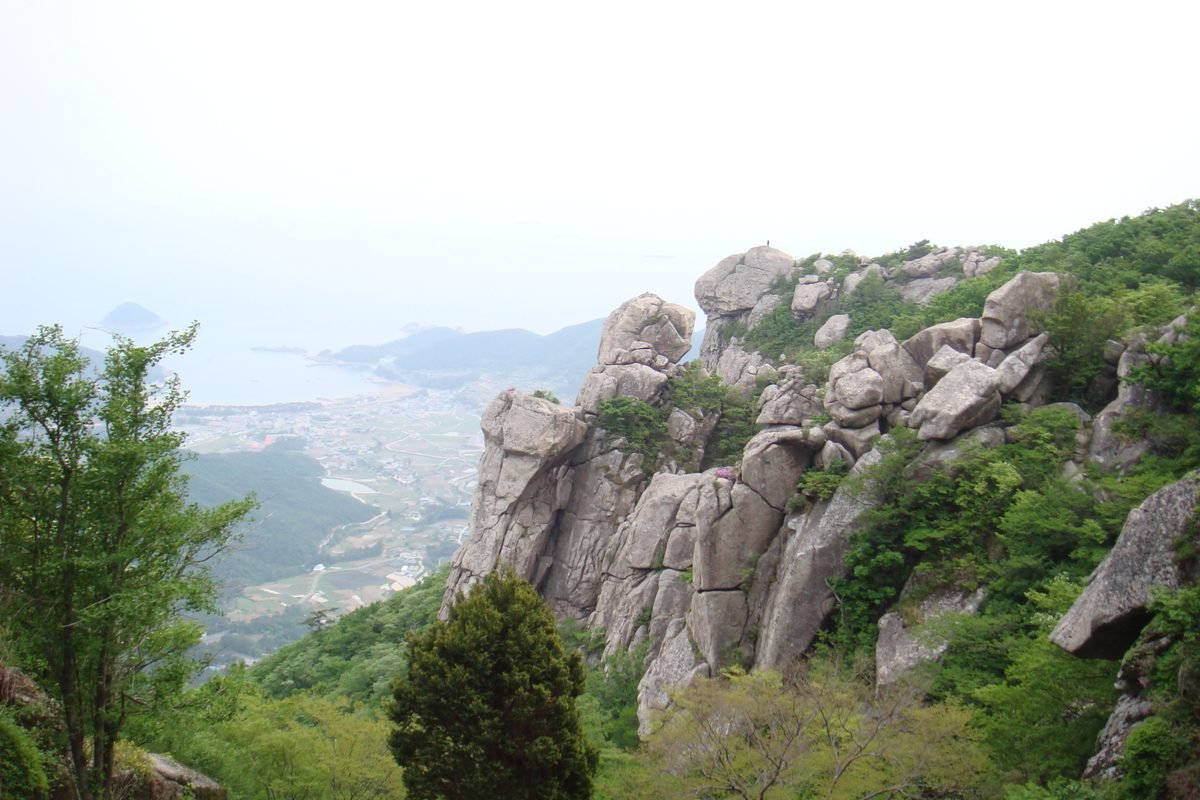
Standing on the high cliffs of Boriam Hermitage as the morning mist rolls over the Namhae Bridge is one of my favorite memories of the southern coast. The smell of salty sea air mixing with pine needles is a world away from the concrete of Seoul. This peaceful island, connected to the mainland by two bridges, is where rugged mountains plunge straight into the deep blue of the South Sea.
I wrote this namhae island travel guide for independent travelers who want to experience Korea beyond the standard tourist trail. We will cover how to navigate the winding coastal roads, where to find the best local food, and how to plan your days between terraced fields and a bizarrely charming German settlement.
How to get to Namhae: A complete Namhae island travel guide
Namhae is connected to the mainland by two bridges, but it lacks its own train station or airport. To get here from Seoul, you have two main choices: drive yourself or take an express bus. The drive from Seoul takes about four and a half hours down Route 35, costing roughly ₩25,000 (about $18) in highway tolls. I always recommend renting a car for this trip. You need a car here. Public buses on the island are infrequent and slow, meaning you will waste hours waiting at dusty roadside stops if you rely on them.
If you prefer public transit, catch an express bus from Seoul Nambu Terminal directly to the Namhae Intercity Bus Terminal. The one-way ticket costs about ₩38,000 (about $28) and takes around four and a half hours. Once you arrive at the terminal, you can rent a car from a local agency nearby. Make sure you download Naver Map or KakaoMap before you leave Seoul. Google Maps does not work for navigation or driving directions in Korea, and you will get lost immediately without the local apps.
The driving routes here are spectacular, especially the coastal road along the west side of the island, which hugs the cliffs and offers clear views of the tiny islets dotting the sea. If you are coming from Busan, the drive is much shorter, taking just under two hours via the Namhae Expressway.
Tip: Rent at the airport or major hubs
Booking a rental car in Seoul or Busan is much easier than trying to secure one on the island, especially during autumn weekends when local tourists head south.
When to visit Namhae Island for the best weather
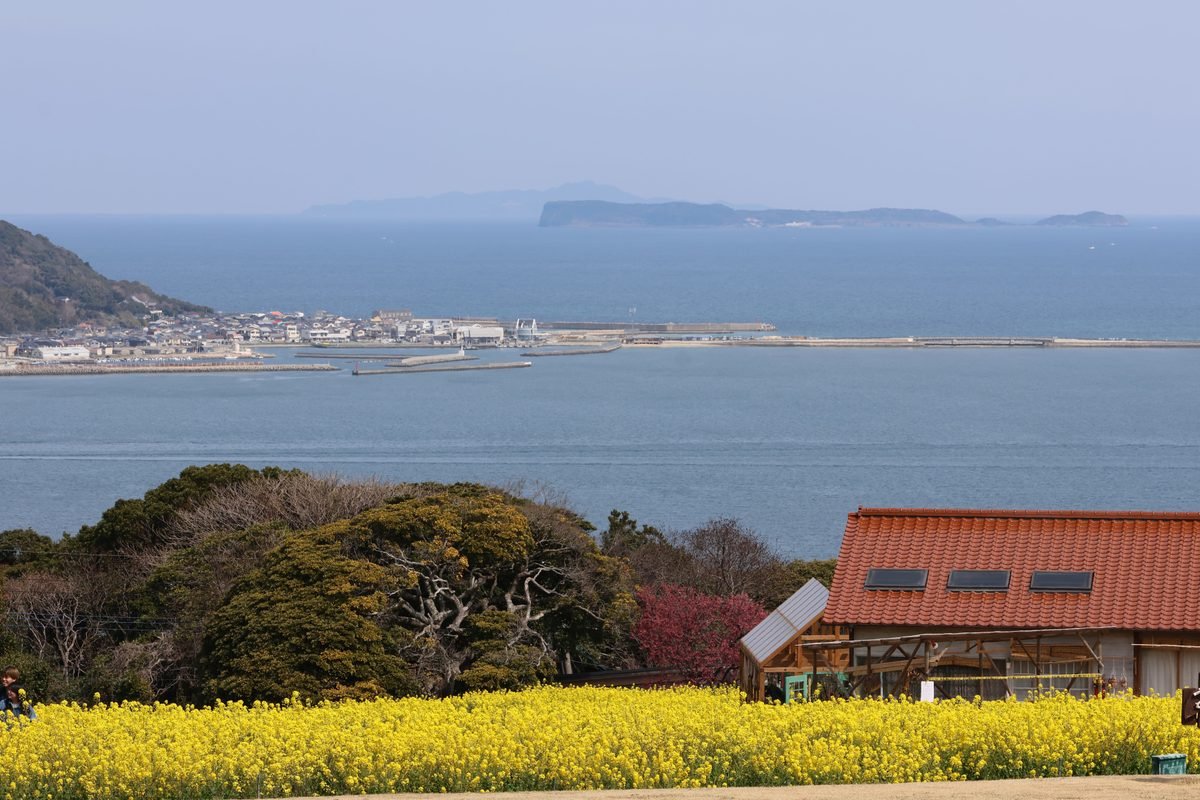
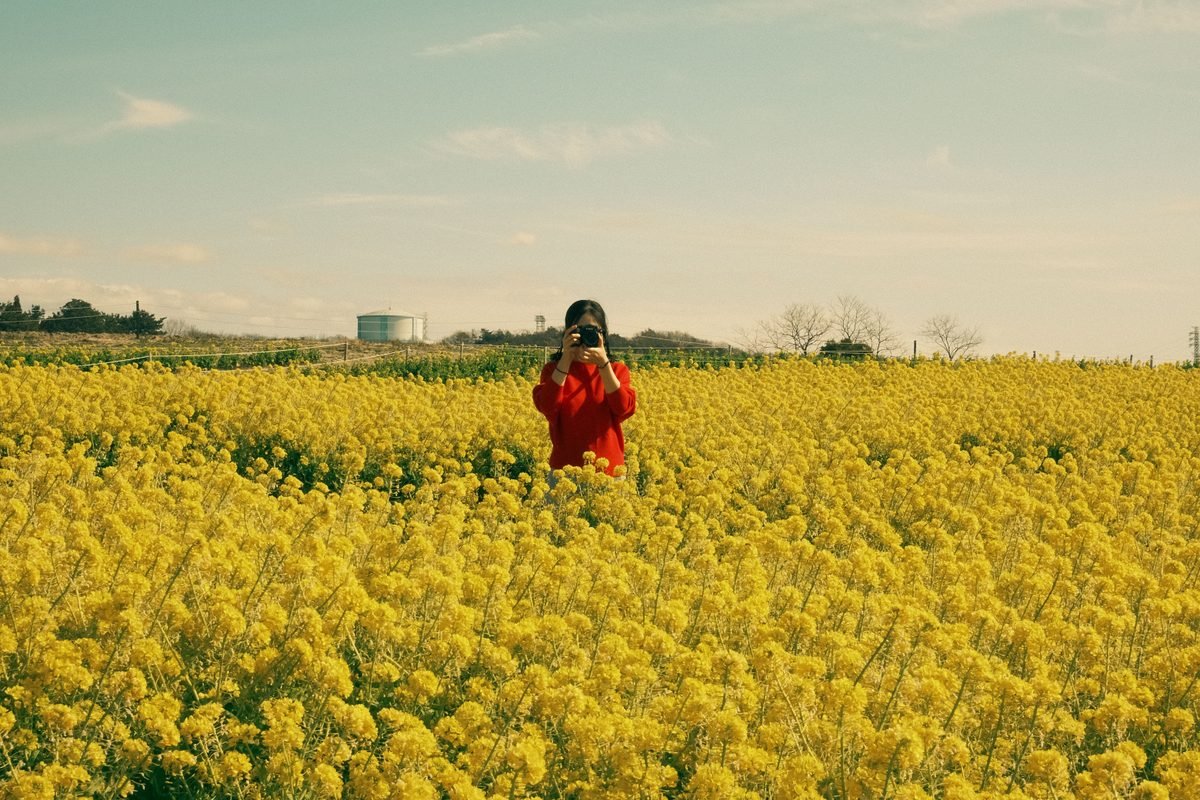
Timing is everything when planning a trip to this part of the country. The absolute best window is from October to November. During these autumn months, the humidity of the southern summer has cleared, leaving crisp, sunny days with temperatures hovering around 18°C (about 64°F). The forests that coat the island’s steep peaks turn shades of orange and deep red, creating a beautiful contrast with the blue sea. Spring, specifically April, is another fantastic choice when the cherry blossoms line the coastal highways and the yellow canola fields are in full bloom.
Summer brings heavy rains and typhoons, particularly in July and August. While the beaches like Sangju Silver Sand Beach are popular then, the intense humidity and sudden downpours can ruin your outdoor plans. Winter is mild compared to Seoul, rarely dropping below freezing, but many of the local cafes and smaller pensions close for the season. If you visit in autumn, you will get the perfect balance of open businesses, pleasant hiking weather, and harvest season colors in the fields.
Keep in mind that weekends are always much busier than weekdays. If you can, schedule your visit for Tuesday through Thursday. You will have the winding coastal roads almost entirely to yourself, and you will not have to fight for parking spaces at the major sights.
From a local: Avoid Chuseok travel
The Korean Thanksgiving holiday (Chuseok) usually falls in September or October. Roads to the southern coast become gridlocked, and accommodation prices triple.
How to visit Boriam Hermitage on the cliffs
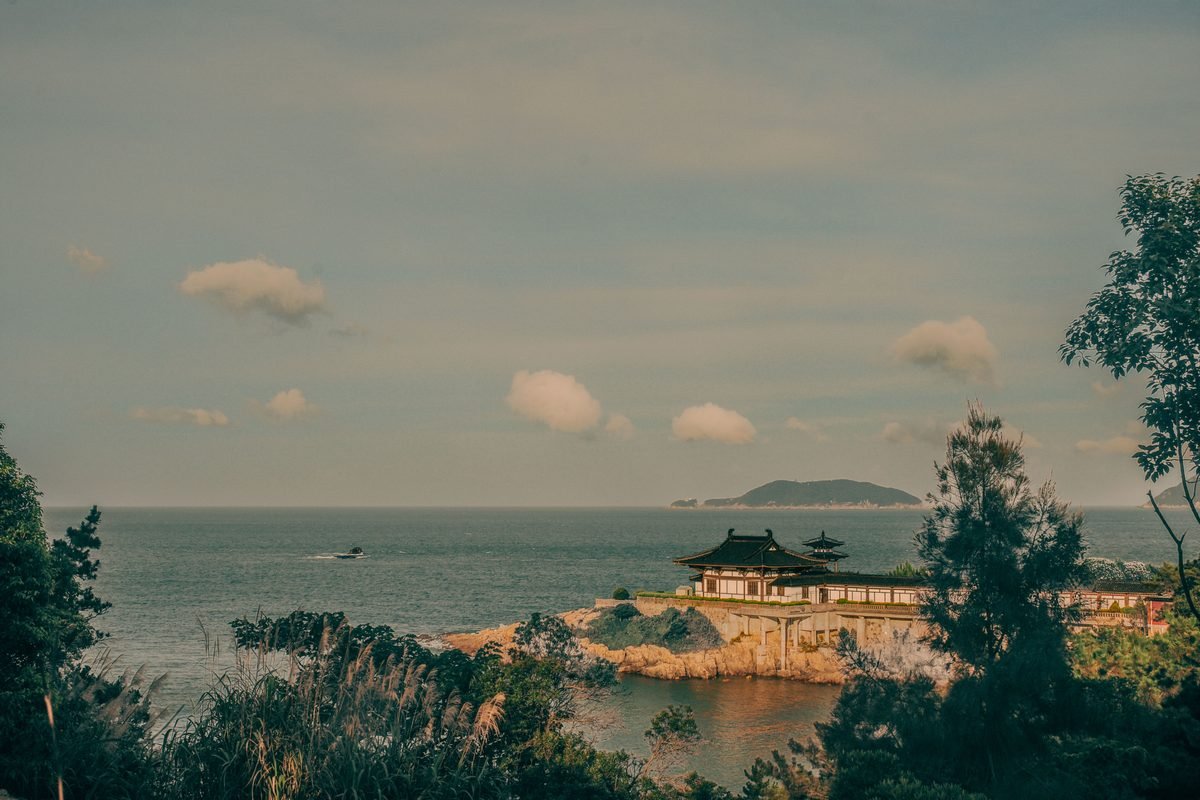
Perched high on the jagged cliffs of Geumsan Mountain, Boriam Hermitage is one of the most spiritually significant and visually striking temples in Korea. Founded in the seventh century, this temple offers panoramic views of the sea and the surrounding islands. The views are incredible. Thanks to a national policy change in May 2023, admission to the temple itself is completely free. However, getting up there still requires a bit of logistical planning and a small fee for transport.
You cannot drive your car all the way to the top temple entrance during busy hours. Instead, you must park at the bottom parking lot, which costs ₩4,000 (about $3). From there, you can either hike up the steep mountain trail or ride the local shuttle bus. The shuttle bus costs ₩3,400 (about $2.50) for a round-trip ticket and saves you a grueling forty-minute uphill walk. Once the shuttle drops you at the upper lot, it is a relatively easy fifteen-minute walk along a paved forest path to the temple.
When you reach the main courtyard, look for the stone pagoda that sits right on the edge of the cliff. Local legend says this pagoda has a magnetic force that prevents compasses from working correctly. Walk up to the giant stone Seawater Great Avalokitesvara Bodhisattva statue that gazes out over the bay. If you feel energetic, continue past the temple up to the Geumsan Mountain summit, where you can find a rustic wooden cabin serving hot noodle soup to hikers.
Book ahead: Go early for sunrise
Boriam is famous for its sunrise. Aim to arrive at the lower parking lot by 05:30 AM to catch the first shuttle and secure a spot on the viewing platform before the crowds arrive.
Where to see the Daraengi terraced rice fields
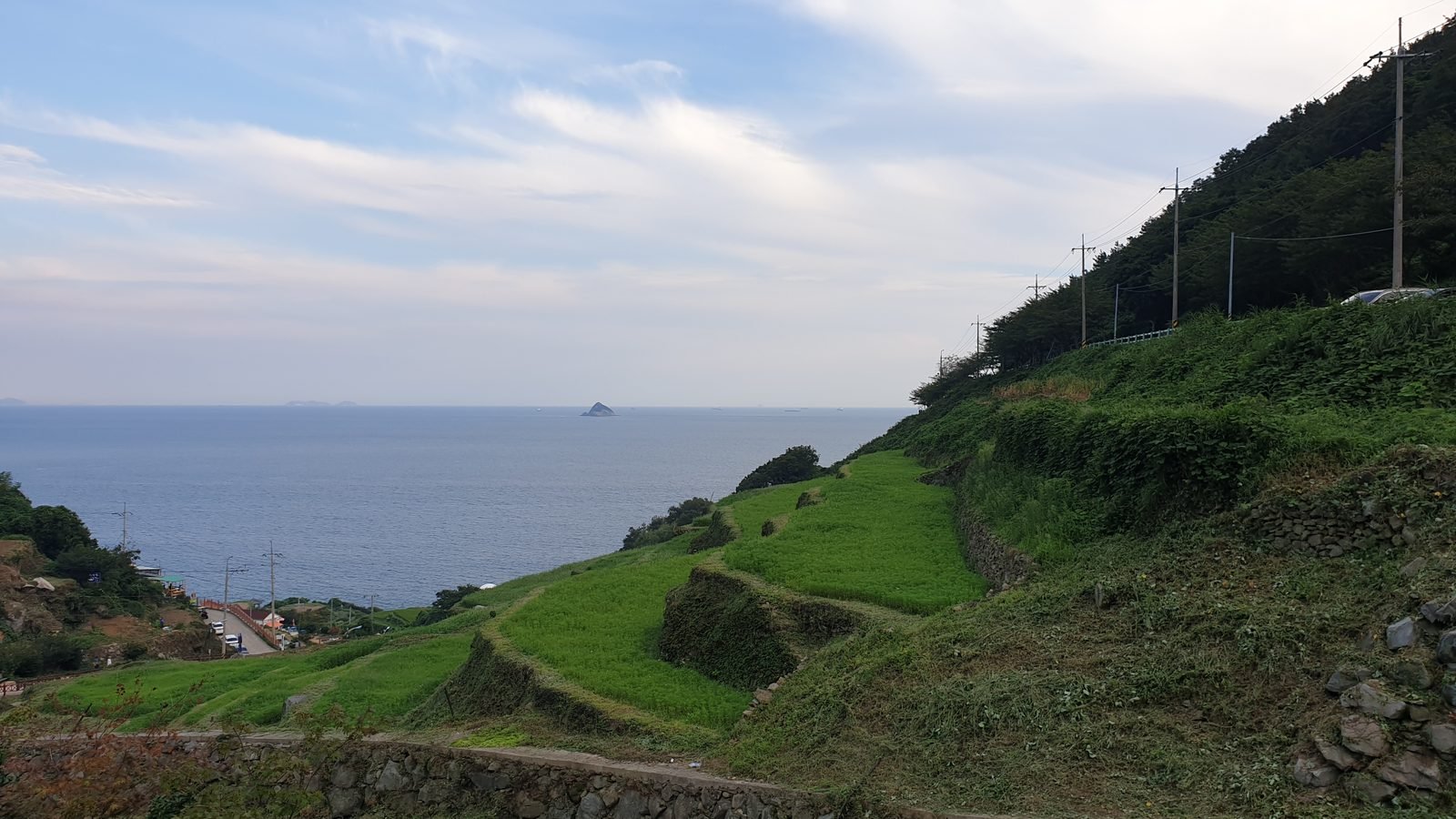
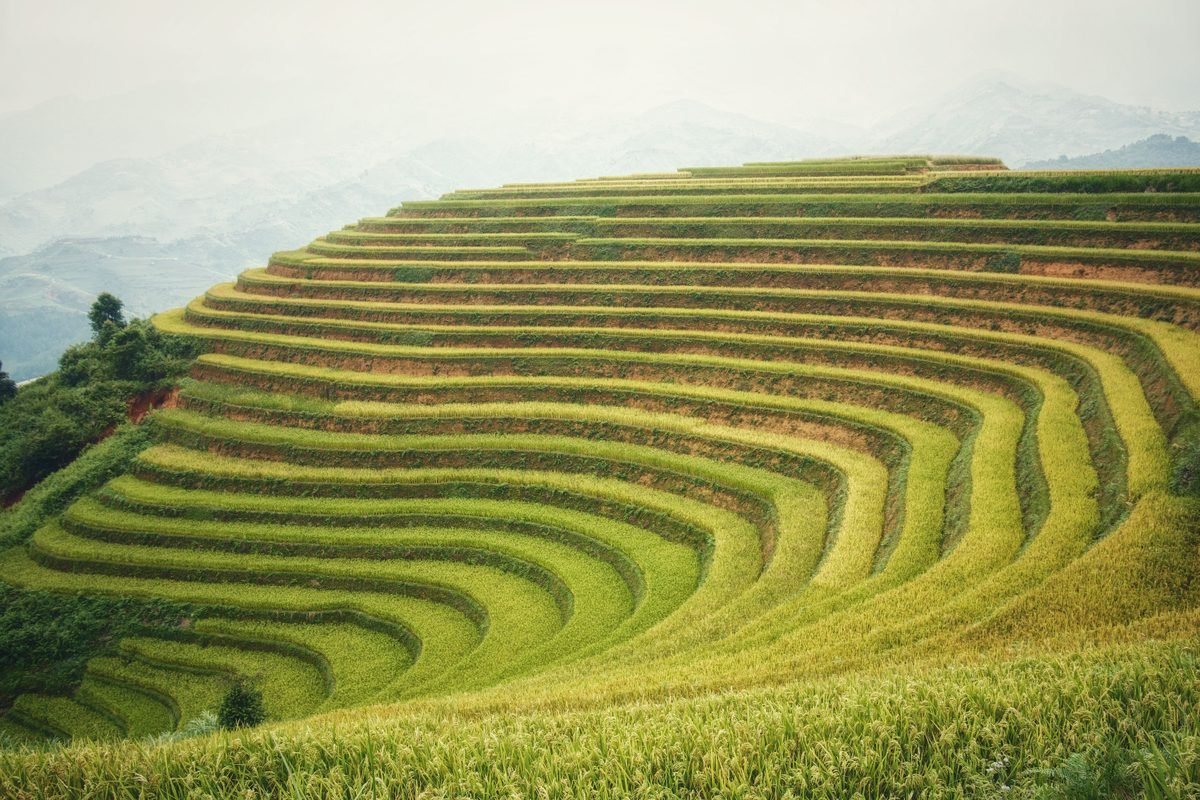
On the southern tip of the island lies Daraengi Village, a tiny farming community built on a steep slope that plunges directly into the ocean. Because the terrain is too steep for modern machinery, generations of farmers have carved over a hundred neat stone-walled terraces by hand. They still use traditional farming methods here, using oxen to plow the narrow strips of land. Expect to walk a lot. The paths winding through the village are incredibly steep, and your calves will feel the burn by the end of the day.
Visiting the village is free, and there is a parking lot at the top of the hill along the main road. From the parking lot, you walk down into the village through narrow alleys lined with colorful murals, small restaurants, and local craft shops. The fields change color dramatically depending on when you visit. In spring, they are filled with water that reflects the blue sky like mirrors; in summer, they are a lush green; and by mid-autumn, they turn a golden yellow just before the harvest.
Follow the paved walking trail all the way down to the rocky coastline. Here, a suspension bridge crosses a narrow ocean gap, allowing you to stand right above the crashing waves. After climbing back up, stop at one of the village cafes for a cup of sweet ginger tea or a bottle of locally brewed makgeolli (traditional rice wine) made with sweet potatoes. It is one of the most relaxing spots on the island.
Heads up: Wear sturdy walking shoes
The descent to the ocean is steep, and the stone steps can be slippery when wet. Leave your sandals in the car and wear shoes with good grip.
Why you should visit the German Village in Namhae
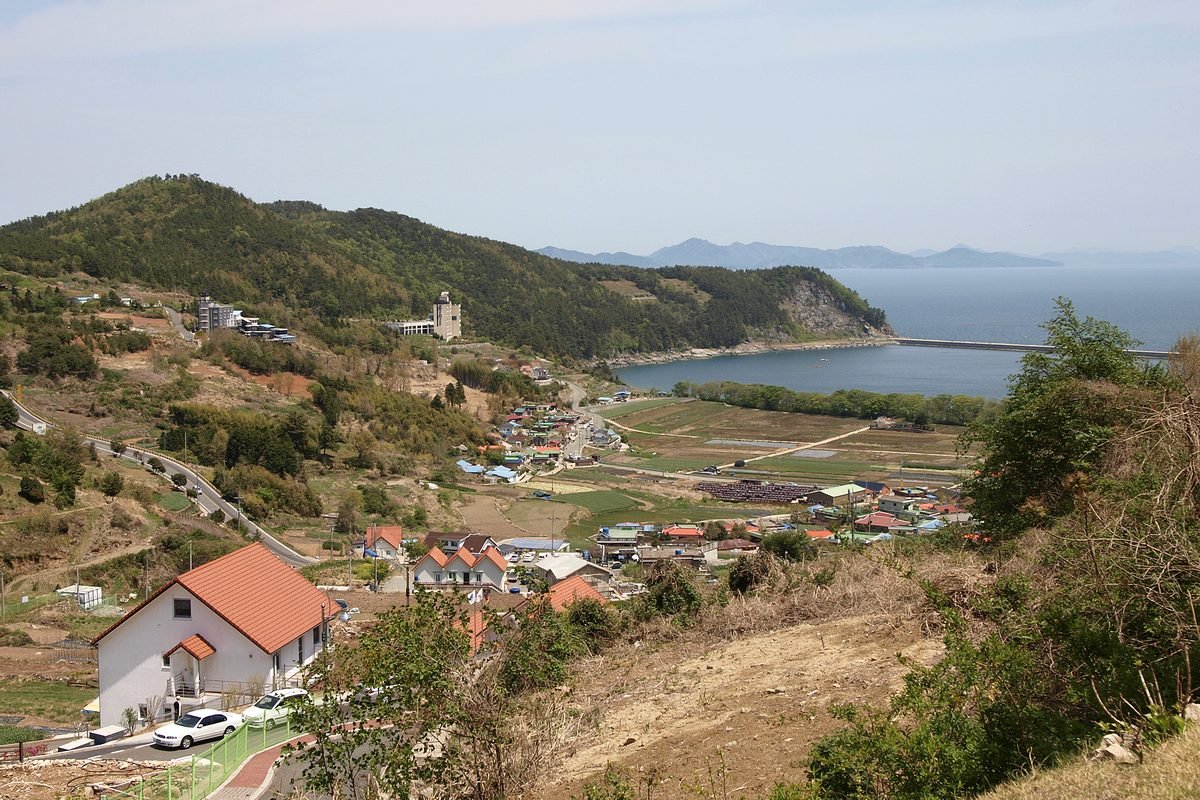
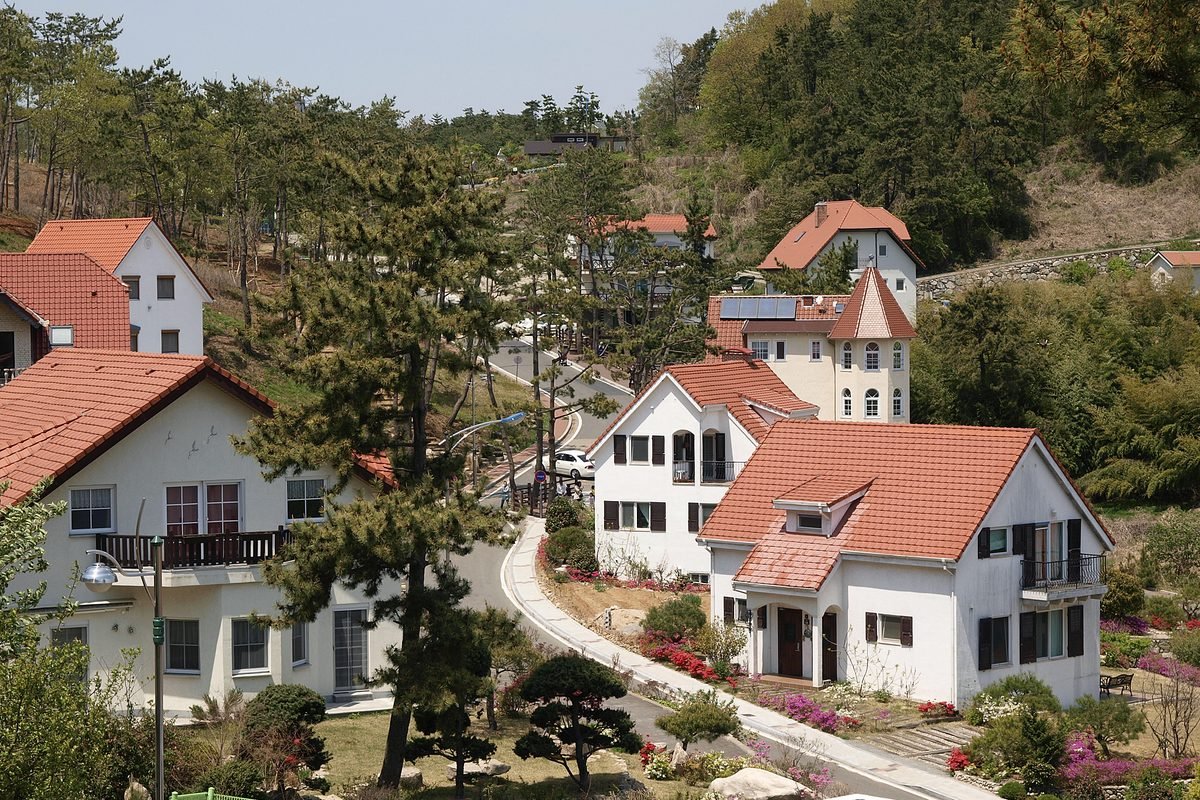
Perhaps the most unusual attraction on the island is the German Village (Dogil Maeul). This collection of white-walled, orange-roofed houses was built in the early 2000s for Korean nurses and miners who had emigrated to Germany in the 1960s and 1970s and wanted to return home to retire. Today, it operates as a unique cultural enclave where you can experience authentic German food, architecture, and hospitality right on the Korean coast.
Walking up the main street feels surreal. You will pass signs for bratwurst and schnitzel written in Korean and German, with classic European gardens overlooking the South Sea. The highlight here is the food. Several restaurants serve excellent German village beer and sausage platters, imported directly or brewed locally. A large platter of grilled sausages with sauerkraut costs around ₩25,000 (about $18), which pairs perfectly with a cold draft weizenbier for ₩8,000 (about $6).
If you visit in October, you might catch the Namhae German Village Oktoberfest. This festival draws thousands of visitors from all over Korea for beer drinking, parade marches, and live music. Even outside the festival, it is a fun place to spend an afternoon. Be sure to visit the German Exhibition Hall at the top of the village to learn about the history of the Korean workers in Germany; entry is just ₩1,000 (about $0.75).
Where to eat local anchovy hot pot in Namhae
While the German sausages are a fun novelty, the true culinary star of the island is myeolchi-ssambap, or local anchovy hot pot served with lettuce wraps. Do not confuse these with the tiny dried anchovies used for broth in Seoul. The anchovies caught in the waters around Namhae are large, plump, and incredibly fresh. They are simmered in a spicy, thick red sauce with garlic, red pepper flakes, and soybean paste.
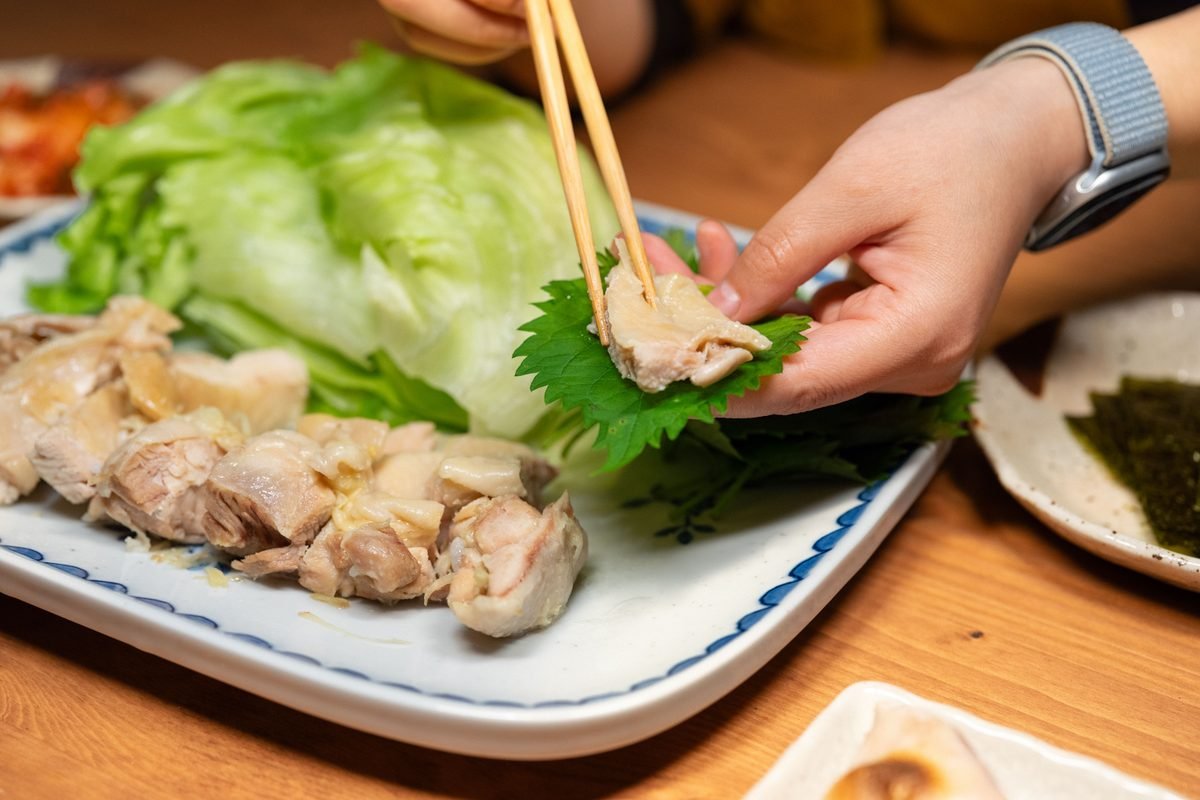
To eat it, you spoon a whole anchovy along with some of the thick sauce into a fresh lettuce or sesame leaf, add a dab of garlic, wrap it up, and eat it in one bite. The broth is intensely savory. Yes, the fish have tiny bones, but they are cooked so long that the bones are completely soft and edible. A standard serving of myeolchi-ssambap costs about ₩15,000 (about $11) per person and usually requires a minimum order of two portions. It is worth the effort.
For the best experience, head to the harbor area of Samdong-myeon or the restaurants near Daraengi Village. Many of these family-run spots have been serving the same recipe for decades. If you are not a fan of seafood, look for restaurants serving Namhae garlic pork, a local specialty made from pigs raised on the island’s abundant garlic crop. The meat is exceptionally tender and lacks the gamey flavor found in standard pork.
What it costs in Namhae
| Item | Local price | USD |
|---|---|---|
| Express bus from Seoul (one-way) | ₩38,000 | (about $28) |
| Car rental (per day, mid-size) | ₩65,000 | (about $48) |
| Boriam Hermitage shuttle & parking | ₩7,400 | (about $5.50) |
| German Village sausage & beer lunch | ₩33,000 | (about $24) |
| Anchovy hot pot dinner (per person) | ₩15,000 | (about $11) |
| Mid-range pension stay (per night) | ₩120,000 | (about $88) |
| Estimated daily total (excluding transport) | ₩200,000 | (about $147) |
Prices checked October 2026. Always confirm with the provider before you book.
Where to stay in Namhae
Budget
Namhae-eup, for local guesthouses near the bus terminal
This is the island's central town, making it the most practical base if you rely on buses or want cheap eats. You can find simple, clean motels and guesthouses here for roughly ₩50,000 (about $37) to ₩70,000 (about $51) per night.
Mid-range
Mulgeon-ri, for pension stays near the German Village
Staying in this coastal area puts you within walking distance of the German Village's restaurants and the quiet harbor. Excellent mid-range pensions with sea views run between ₩100,000 (about $73) and ₩150,000 (about $110) per night.
Splurge
South Cape, for luxury villas on the southern cliffs
This dramatic southern peninsula is home to some of Korea's most exclusive luxury resorts and design hotels. Expect top-tier service, private infinity pools, and dramatic ocean views starting around ₩500,000 (about $367) per night.
Mistakes to avoid
- Relying on Google Maps for driving directions instead of using Naver Map or KakaoMap.
- Trying to explore the island entirely by public bus, which runs infrequently and misses major scenic viewpoints.
- Visiting Boriam Hermitage during mid-day on an autumn weekend, resulting in long shuttle lines and crowded viewpoints.
FAQ
Do I need a car to visit Namhae?
Yes, renting a car is highly recommended. While local buses exist, they run on limited schedules and do not reach many of the best viewpoints or trailheads efficiently.
Is there an entry fee for Boriam Hermitage?
No, admission to Boriam Hermitage has been free since May 2023. However, you will still need to pay ₩4,000 (about $3) for parking and ₩3,400 (about $2.50) for the round-trip shuttle bus if you do not hike up.
How do I find a reliable namhae island travel guide?
You can use this comprehensive guide to plan your route, focusing on key hubs like Daraengi Village, the German Village, and Boriam Hermitage, while using Naver Map to navigate locally.
What is the local specialty food in Namhae?
The most famous local dish is myeolchi-ssambap, a spicy anchovy hot pot eaten with fresh lettuce wraps. Namhae is also famous for garlic-fed pork and fresh seafood.
How many days should I spend in Namhae?
Two full days is the perfect amount of time to see the main sights without rushing. This allows one day for Boriam and the German Village, and a second day for Daraengi Village and the western coast.