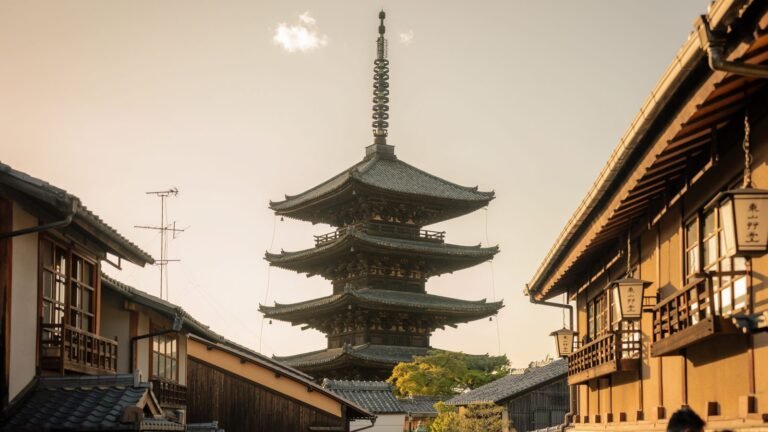
Nami Island and Gapyeong Day Trip: A Local’s Guide

Standing on the platform at Yongsan Station at 7:30 AM, you can feel the shift in energy as commuters make way for travelers carrying cameras and hiking poles. Most of these people are heading to the same place I am. Gapyeong is a county just east of Seoul that feels worlds away from the concrete of Gangnam or the crowds of Myeongdong. It is a place of wide rivers, steep mountains, and the famous half-moon-shaped island that has become a staple for anyone visiting Korea for the first time.
This guide is for independent travelers who want to escape the city for a day without joining a restrictive tour bus. I will cover everything you need for a successful Nami Island and Gapyeong day trip, from booking the fast train to choosing between a ferry and a zipline. We will look at the logistics of the Gapyeong Tour Bus, the best time to see the Garden of Morning Calm, and where to find the most authentic spicy chicken in the region. Since I live in Seoul, I have made this trip many times and know exactly where the bottlenecks happen.
How to get to Gapyeong for your Nami Island and Gapyeong day trip
The most efficient way to start your journey is by taking the ITX-Cheongchun train. This is a high-speed intercity train that runs from Yongsan or Cheongnyangni Station directly to Gapyeong Station. A standard seat from Cheongnyangni costs ₩5,700 (about $4.25) and takes roughly 40 minutes. The train moves fast. It is much better than the regular subway, which takes over 90 minutes and offers no guaranteed seating. You should book your tickets at least a few days in advance through the Korail website or the Korail Talk app, especially if you plan to travel on a weekend. The ITX even has a second-floor seating area which provides a great view of the Han River as you leave the city.
Once you arrive at Gapyeong Station, you need to decide how to move between the sights. The Gapyeong Tour Bus (also called the Circular Bus) is the most popular choice. For ₩8,000 (about $6), you get an all-day pass that lets you hop on and off at Nami Island, Petite France, and the Garden of Morning Calm. You buy the ticket directly from the driver using a transit card or cash. Keep your paper receipt; you must show it every time you re-board. The buses run roughly every hour, but they can get very full during peak seasons like October or May. If you are traveling in a group of three or four, taking a local taxi between sites can sometimes be faster and cost nearly the same as multiple bus passes.
If you miss the ITX, the Gyeongchun Line subway is your backup. It uses the standard Seoul subway fare of ₩1,550 (about $1.15) plus a distance surcharge. However, it stops at every single station. It is a long ride. I always recommend the ITX for the comfort and time saved. If you use the subway to get to the ITX platform, remember to tap your T-money card on the ‘transfer’ machines located right on the platform. This prevents the system from thinking you stayed on the subway for five hours.
Book ahead: Book the ITX early
ITX-Cheongchun tickets for Saturday and Sunday mornings often sell out a week in advance. Use the Korail Talk app to secure a seat early.
Entering Nami Island by ferry or zipline
When you reach the Gapyeong Wharf, you have two ways to reach Nami Island. The standard method is the ferry. Entry to the island, which they call the Naminara Republic, costs ₩16,000 (about $12) for adults. This price includes your round-trip ferry fare. The boats are large and decorated with flags from all over the world. They run every 10 to 20 minutes. The ferry ride is short. It takes less than ten minutes to cross the water. Most people stand on the deck to take photos of the approaching island, which looks like a dense forest floating on the Bukhangang River.
For those who want more excitement, the Nami Island Zip-wire is the alternative. It costs ₩49,900 (about $37), but this price includes your island entry and the return ferry ride. You take an elevator to the top of an 80-meter tower and then slide 940 meters across the river directly onto the island. It is a thrilling way to arrive. You get a bird’s-eye view of the entire area that you simply cannot get from the boat. There are two courses: the ‘Family Course’ is slightly slower and lands on the main dock, while the ‘Adventure Course’ is faster and steeper. You should buy this now if you are certain you want to do it, as slots are limited per hour.
I usually recommend the zipline to friends who aren’t afraid of heights, as it cuts out the wait for the ferry and starts the day with a rush. However, if it is very windy or raining, the zipline will close for safety. If you take the ferry, try to grab a spot at the very front or back of the boat for the best views. The island entry process is very smooth, and you do not need a physical passport, even though they use the ‘Republic’ branding for fun. Just show your digital ticket or pay at the booth.
Tip: Zipline weight limits
The Zip-wire has a weight limit between 35kg and 120kg. If you are outside this range, you will have to take the ferry.
Things to do on Nami Island
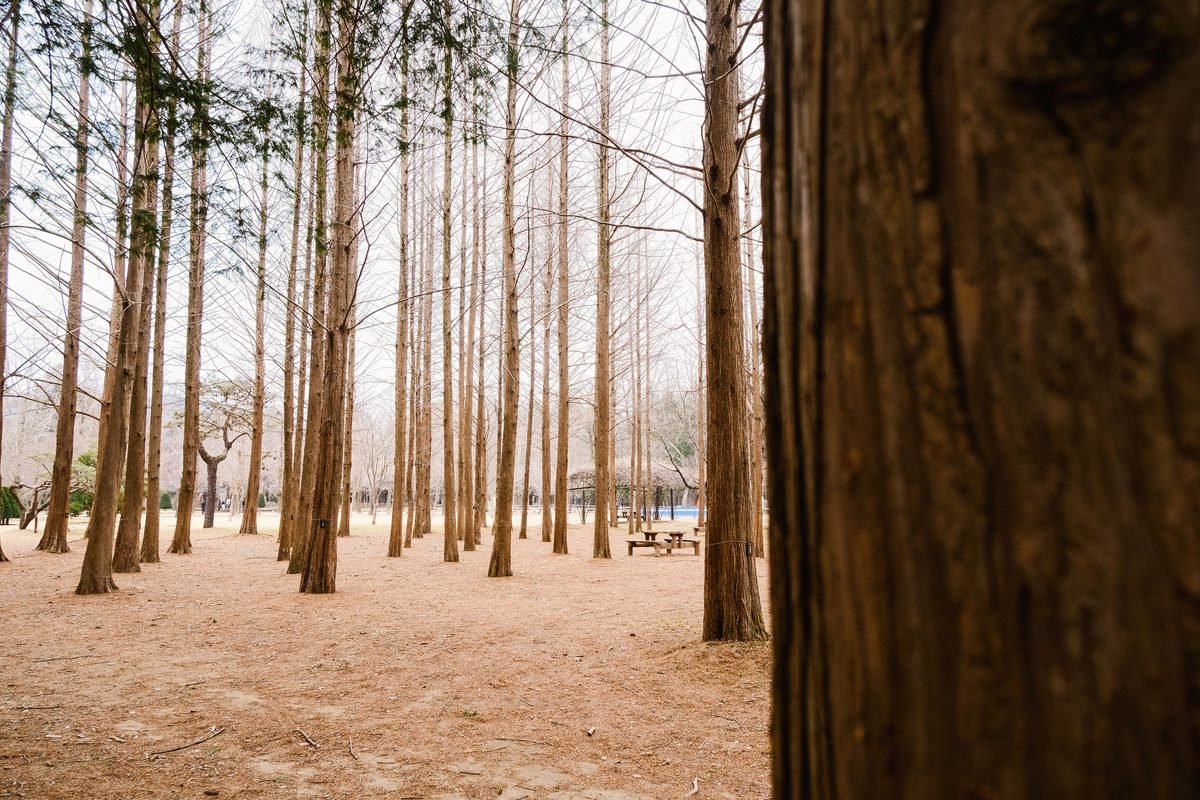
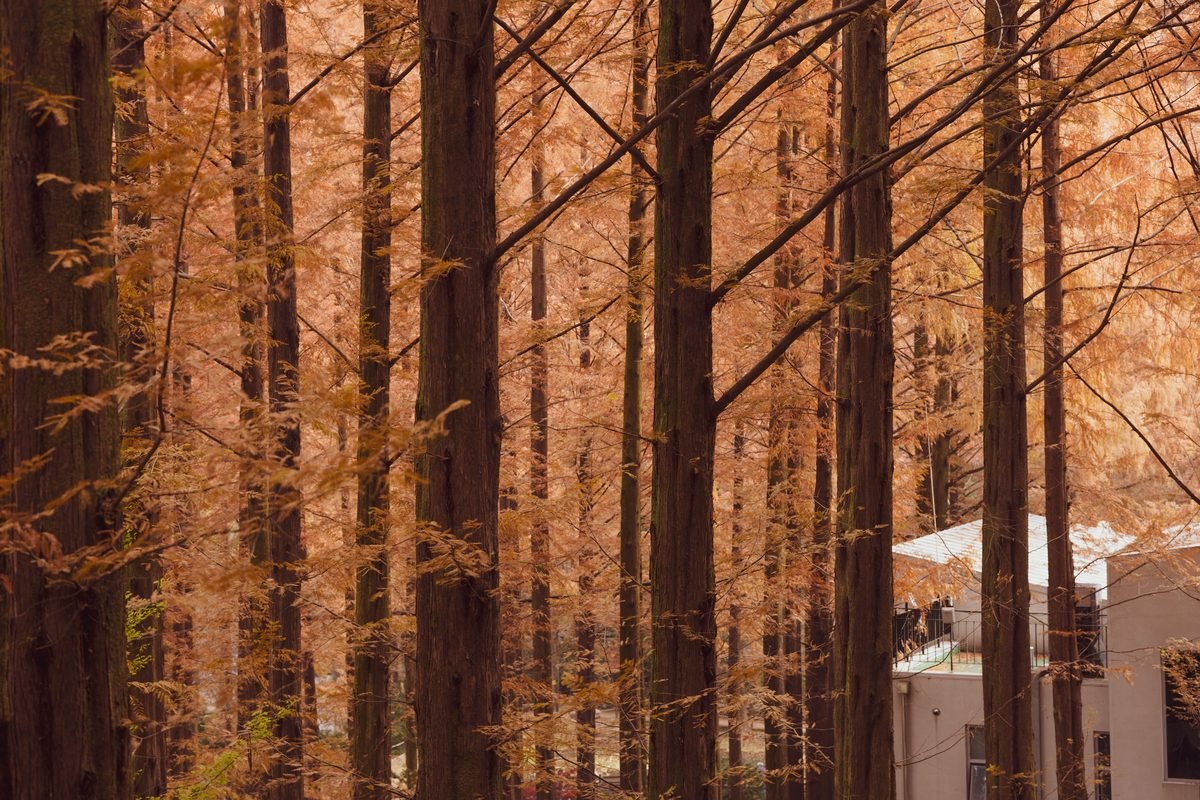
Once you step off the ferry, the scale of the island becomes apparent. It is larger than it looks from the shore. The first thing most people do is head to the Metasequoia Lane. These are the tall, straight trees that appeared in the famous drama Winter Sonata. The trees are very tall. Walking between them feels like being in a natural cathedral. Because this is the most popular spot, it gets crowded quickly. If you arrive early, go here first before the tour groups arrive around 11:00 AM. It is worth the wait for a clear photo, but don’t spend your whole day there.
Renting a bicycle is the best way to see the rest of the island. There is a rental center near the middle of the island where a single bike costs about ₩5,000 (about $4) for 30 minutes or ₩8,000 (about $6) for an hour. There are also tandem bikes for couples. I like to ride along the southern tip of the island where the paths are quieter and you can see the river through the birch trees. You might even spot the ostriches that live on the island; they are fenced in now but still a strange sight to see in the middle of a Korean forest. The paths are flat and easy to navigate.
For food on the island, there are several small cafes and stalls. You should try the ‘snowman’ hotteok, which are sweet pancakes filled with brown sugar and nuts, shaped like the characters from the drama. They cost about ₩3,500 (about $2.50). There are also full-service restaurants serving traditional Korean food, but I usually suggest saving your appetite for the dakgalbi back on the mainland. Nami Island is about the atmosphere and the stroll. Take your time to explore the small art galleries and the ‘Unicef Hall’ which often has interesting paper crafts on display.
Visiting the Garden of Morning Calm
The Garden of Morning Calm is often the final stop on a Nami Island and Gapyeong day trip. It is located about 50 minutes away from Nami Island by the tour bus. Admission is ₩11,000 (about $8). This is not just a simple park; it is a massive botanical garden with over 5,000 species of plants. The garden is divided into different themed sections like the Sunken Garden, the Moonlight Garden, and the Bonsai Garden. The layout is designed to highlight the natural curves and beauty of the Korean landscape. It is very quiet here compared to the island.
Timing is everything when visiting this garden. If you are visiting in the autumn, the maples and ginkgo trees are brilliant. If you are here in the winter, you must stay until the sun goes down. From December to March, the garden hosts the Lighting Festival. Millions of LED lights cover the plants and trees, turning the entire valley into a glowing wonderland. It is very cold here in winter. You should dress in heavy layers. The lights usually turn on around 5:00 PM or 5:30 PM. Seeing the ‘Sea of Blue’ lights in the Sunken Garden is a highlight that makes the long bus ride worth it.
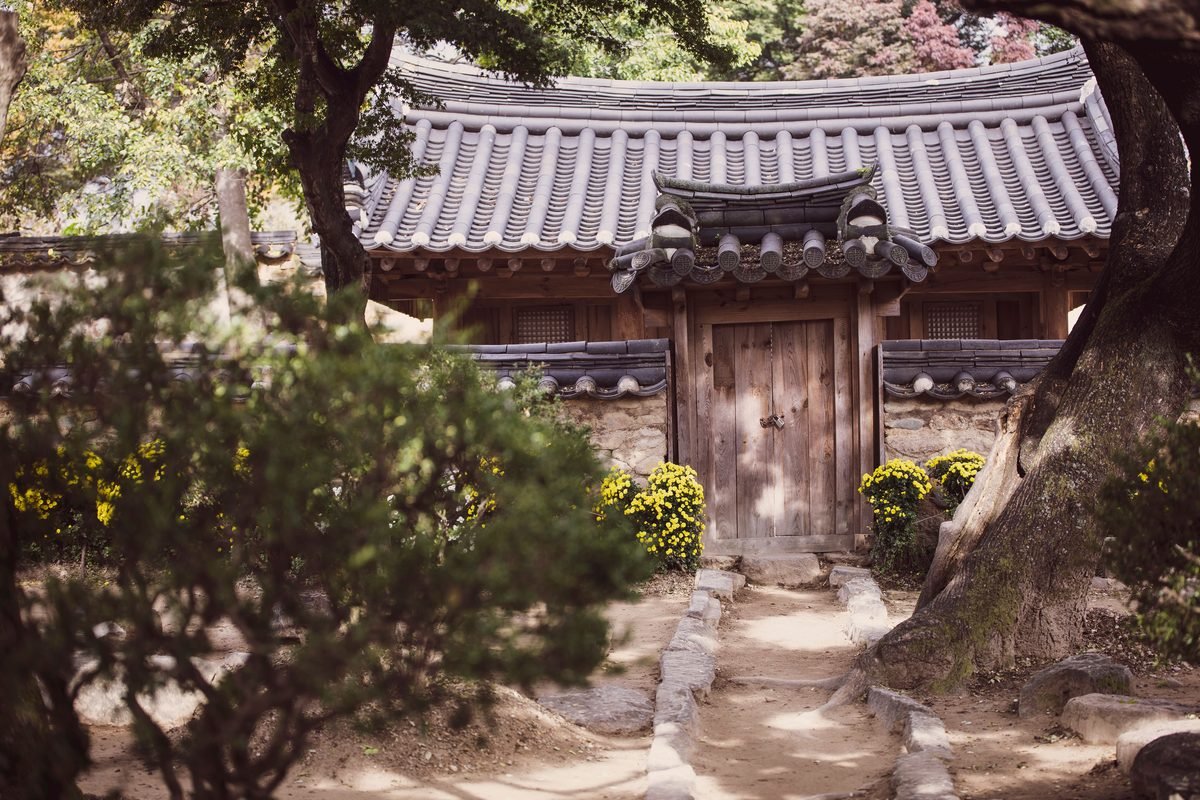
Inside the garden, there is a traditional Korean tea house called Seohyangga. It is built in the hanok style and sits overlooking a small pond. It is a great place to rest your legs and try some ginger tea or jujube tea for about ₩8,000 (about $6). The walk through the garden involves some hills and stairs, so wear comfortable shoes. Most people spend about two hours here before heading back to Gapyeong or Cheongpyeong Station for the train home. Note that the last tour bus of the day usually leaves the garden around 7:00 PM or 8:00 PM depending on the season, so check the schedule at the entrance when you arrive.
From a local: The last bus
The last Gapyeong Tour Bus from the Garden of Morning Calm often fills up. Arrive at the stop 15 minutes early to ensure you get a spot.
Exploring Petite France and Pinocchio Village
Between Nami Island and the Garden of Morning Calm sits Petite France and the newly added Italian Village (Pinocchio & Da Vinci). These are theme parks designed to look like European villages. Admission for both is usually sold as a bundle for around ₩12,000 to ₩15,000 (about $9 to $11). Petite France is inspired by the book ‘The Little Prince’ and features bright pastel-colored buildings, a memorial hall for Antoine de Saint-Exupéry, and various galleries of French dolls and antiques. It has been a filming location for several famous K-dramas like ‘My Love from the Star’.
The Italian Village is right next door and is much larger. It features a giant Pinocchio statue at the entrance and architecture that mimics a Tuscan town. There are puppet shows and performances throughout the day. While these spots are very photogenic, they can feel a bit kitschy to some travelers. If you are short on time, I would prioritize Nami Island and the Garden of Morning Calm over these villages. However, if you are traveling with children or you are a big fan of K-dramas, you will likely enjoy the 90 minutes it takes to walk through both. The views of Cheongpyeong Lake from the upper balconies of the buildings are quite nice.
One thing to keep in mind is that these parks are built on a steep hillside. There is a lot of walking up and down ramps and stairs. There aren’t many places to sit and rest compared to the other stops. If you do visit, try to catch one of the marionette performances in the outdoor theater; they are included in the ticket price and are quite charming. The gift shops sell a lot of Little Prince merchandise, which makes for a unique souvenir. Just keep an eye on your watch so you don’t miss the next tour bus to the Garden of Morning Calm.
Where to eat dakgalbi in Gapyeong
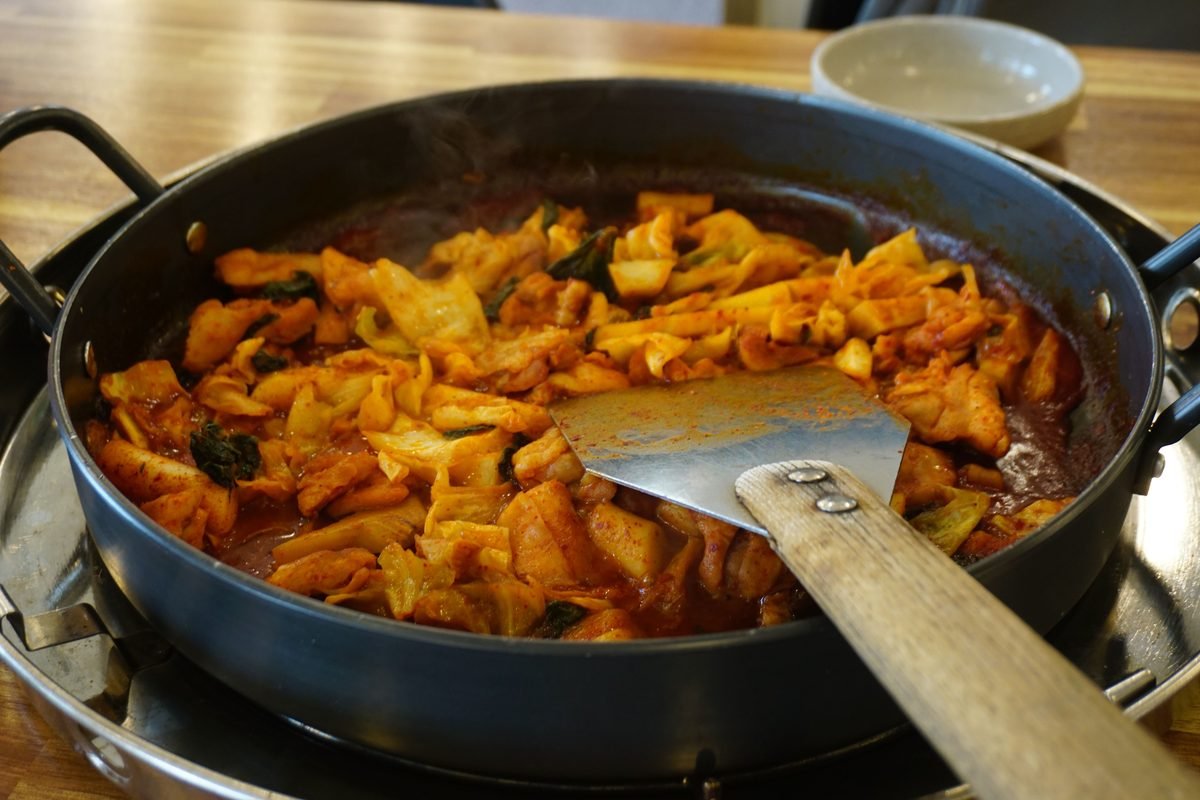
You cannot finish a Nami Island and Gapyeong day trip without eating dakgalbi. This is a dish of diced chicken marinated in a gochujang-based sauce, stir-fried with cabbage, sweet potatoes, and rice cakes. While it originated in nearby Chuncheon, Gapyeong has some of the best dakgalbi restaurants in the country. Most of them are clustered around the Nami Island ferry wharf. You will see two main styles: the traditional pan-fried version (cheolpan) and the charcoal-grilled version (sutbul). The chicken is spicy. If you prefer less heat, ask for it to be ‘sunhan-mat’ (mild).
I personally prefer the charcoal-grilled version because it gives the meat a smoky flavor. You grill the marinated thighs over hot coals yourself, which is a very traditional Korean experience. A portion of dakgalbi usually costs around ₩15,000 (about $11). You must order at least two portions if you are a party of two. Don’t forget to order a side of Makguksu, which are cold buckwheat noodles in a tangy broth. They are the perfect refreshing balance to the spicy, hot chicken. The noodles usually cost around ₩8,000 (about $6).
If you choose the pan-fried version, there is a very important step at the end. When you have finished most of the chicken, ask the server for ‘bokkeumbap’ (fried rice). They will bring out rice, seaweed, and sesame oil and fry it right in the leftover sauce on the pan. This is often the best part of the meal. The rice gets slightly crispy on the bottom. It is very filling. Most restaurants in this area are used to tourists and have menus with pictures. Some even offer ‘cheese dakgalbi’ where they melt a thick layer of mozzarella over the chicken, which helps cut the spiciness. It is a hearty meal that will fuel you for the rest of your sightseeing.
Heads up: Avoid the lunch rush
The restaurants right next to the ferry wharf get incredibly busy between 12:00 PM and 1:30 PM. Walk five minutes further away to find a quieter spot with better service.
Best time for a Nami Island and Gapyeong day trip
Gapyeong changes drastically with the seasons. If you want to see the famous autumn foliage, the best time is usually from late October to early November. This is when the maple trees turn deep red and the ginkgo trees become bright yellow. It is the most popular time for a Nami Island and Gapyeong day trip, so expect very large crowds. The air is crisp and cool, perfect for walking. If you can, visit on a Tuesday or Wednesday during this period to avoid the worst of the congestion. The weekend traffic in autumn can turn a 1-hour drive into a 3-hour ordeal.
Winter is the second most popular season, specifically for the Lighting Festival at the Garden of Morning Calm. Nami Island also looks beautiful when it snows, as the white powder settles on the pine trees. It is very cold here. Temperatures in Gapyeong are often 5 degrees Celsius lower than in Seoul. You must wear a heavy coat, gloves, and a hat. The sight of the frozen Han River is impressive. Many people come in January to see the ice sculptures and the ‘frozen’ waterfalls at the nearby Ewhawon garden. It is a different kind of beauty, focused on light and silence rather than green leaves.
Spring brings cherry blossoms and tulips, usually in mid-April. The Garden of Morning Calm is particularly beautiful then. Summer is the least comfortable time to visit because of the high humidity and heavy rain during the monsoon season in July and August. However, if you enjoy water sports, the Gapyeong area is the hub for ‘Bungee jumping’ and ‘Gapyeong Water Leisure’ where you can ride banana boats on the river. No matter when you go, always check the weather forecast. A clear day makes a huge difference for the views from the ITX and the zipline.
Heads up: Weekend traffic
Avoid taking a bus or taxi from Seoul to Gapyeong on a Saturday morning. The traffic is legendary. Stick to the ITX train.
What it costs in Gapyeong
| Item | Local price | USD |
|---|---|---|
| ITX-Cheongchun Round Trip | ₩13,800 | $10 |
| Gapyeong Tour Bus Pass | ₩8,000 | $6 |
| Nami Island Entry & Ferry | ₩16,000 | $12 |
| Garden of Morning Calm Entry | ₩11,000 | $8 |
| Dakgalbi Lunch with Rice | ₩18,000 | $13 |
| Bike Rental (1 hour) | ₩8,000 | $6 |
| Total per person | ₩74,800 | $55 |
Prices checked September 2026. Always confirm with the provider before you book.
Where to stay in Gapyeong
Budget
Gapyeong Station Area, for pensions and guesthouses
This area is perfect for those arriving late by train who want to start their trip early the next morning. You can find simple, clean rooms and local guesthouses within a 10-minute walk of the station for ₩50,000-₩70,000 per night.
Mid-range
Nami Wharf, for proximity to the ferry and restaurants
Staying near the wharf allows you to be the first person on the ferry at 7:30 AM before the crowds arrive from Seoul. There are several modern hotels and large 'pensions' with river views ranging from ₩90,000-₩140,000 per night.
Splurge
Garden of Morning Calm, for quiet valley retreats
This area features high-end private villas and luxury pensions with private pools or outdoor spas. It is much quieter than the wharf area and suits travelers looking for a nature-focused stay for ₩200,000-₩350,000 per night.
Mistakes to avoid
- Visiting on a Saturday or Sunday, when the crowds on Nami Island make it difficult to enjoy the scenery or take photos.
- Relying on Google Maps for walking or bus directions in Gapyeong; you must use Naver Map or KakaoMap for accurate local data.
- Trying to fit more than three major sites into one day, which results in spending more time on the bus than actually seeing the attractions.
FAQ
How do I book tickets for a Nami Island and Gapyeong day trip?
You should book your ITX-Cheongchun train tickets via the Korail Talk app at least 5-7 days in advance. Entry tickets for Nami Island and the Garden of Morning Calm can be bought on-site at the ticket booths or online via travel platforms.
Is the zipline to Nami Island worth the price?
If you enjoy heights and want a unique view of the river, yes. It saves you from waiting in the ferry line and includes your island entry fee, making the ‘extra’ cost about ₩33,000 ($25) compared to the standard ferry.
Can I do this trip without the tour bus?
Yes, you can use local taxis, which are plentiful at Gapyeong Station and the Nami Wharf. A taxi from the station to Nami Wharf costs about ₩5,000 ($4), but a taxi all the way to the Garden of Morning Calm can cost ₩25,000 ($18).
When is the best time to see autumn leaves in Gapyeong?
The peak foliage usually occurs between October 20th and November 5th. During this window, the metasequoia and ginkgo trees on Nami Island are at their most colorful.
Are there vegetarian food options in Gapyeong?
While dakgalbi is the main dish, many restaurants can prepare a vegetable-only stir-fry if you ask, or you can find Bibimbap and Makguksu (buckwheat noodles) which are naturally vegetarian-friendly.