Bali first time guide: Essential tips for your arrival


The thick scent of clove cigarettes and frangipani blossoms hits you the moment you exit the sliding glass doors of Ngurah Rai International Airport. It is a humid, heavy heat that signals you have finally arrived in the Tropics. After dozens of trips through Southeast Asia, I still find the initial chaos of the Denpasar taxi queue both overwhelming and strangely welcoming. Drivers wave signs and call out destinations while the salt air from nearby Kuta Beach hangs in the breeze. This island has a way of pulling you in immediately, but it requires a bit of preparation to navigate smoothly.
This Bali first time guide is written for independent travelers who want to skip the tourist traps and understand how the island actually works in 2026. I will cover the essential entry requirements, including the international tourism levy, and help you decide whether to base yourself in the surf camps of Canggu, the cultural heart of Ubud, or the quiet shores of Sanur. We will also dig into the reality of transport, from the dangers of renting a scooter to the logistics of hiring a private driver for the day. My goal is to help you land on your feet with confidence.
Bali first time guide to entry and the new tourist tax
Entering Indonesia has become a multi-step process that you should ideally start before you even leave home. As of September 2026, most travelers from the US, UK, and Europe will need to purchase a Visa on Arrival (VOA) which costs Rp 500,000 (about $32). You can pay for this in cash or by card at the airport, but I highly recommend applying for the e-VOA online through the official immigration website at least 48 hours before your flight. This allows you to bypass one of the longest queues in the arrivals hall and head straight to the immigration counters. It is a simple step that saves about thirty minutes of standing in a humid room.
The most significant change for travelers is the International Tourism Levy, often called the Bali tourist tax. This fee is Rp 150,000 (about $10) per person and applies to every international visitor. The government uses these funds for waste management, infrastructure improvements, and the preservation of Balinese cultural heritage. You are supposed to pay this via the Love Bali website or app before arrival. Once paid, you receive a QR code on your phone that officials may scan at the airport or at major attractions. If you forget to pay online, there are counters near the luggage carousels, but they often have lines. Always keep a digital copy of your receipt.
Finally, do not forget the electronic Customs Declaration (e-CD). Indonesia no longer uses paper forms for customs. You must fill this out online within three days of your arrival. After completing the form, you will get another QR code. You cannot leave the airport without scanning this code at the final checkpoint before the exit. I usually do this while waiting for my flight at the gate so I do not have to mess with airport Wi-Fi while tired. The process is efficient if you have your codes ready. Traffic is heavy outside.
Tip: Save your QR codes
Take screenshots of your e-VOA, tourist tax receipt, and customs QR code. Airport Wi-Fi can be spotty, and having them in your photo gallery prevents stress at the checkpoints.
Choosing your base: Canggu, Ubud, or Sanur
Deciding where to sleep is the most important choice you will make for your trip. Bali is not a small island, and the traffic makes traveling between districts a time-consuming ordeal. If you want a social atmosphere with high-end cafes, beach clubs, and surfing, Canggu is the primary choice for many. It has transformed from a quiet village into a dense hub of digital nomads and travelers. The streets around Batu Bolong are packed with boutique shops and restaurants serving avocado toast and craft cocktails. It is energetic and loud. However, the infrastructure has not kept up with the growth, and the narrow roads are often gridlocked with scooters.
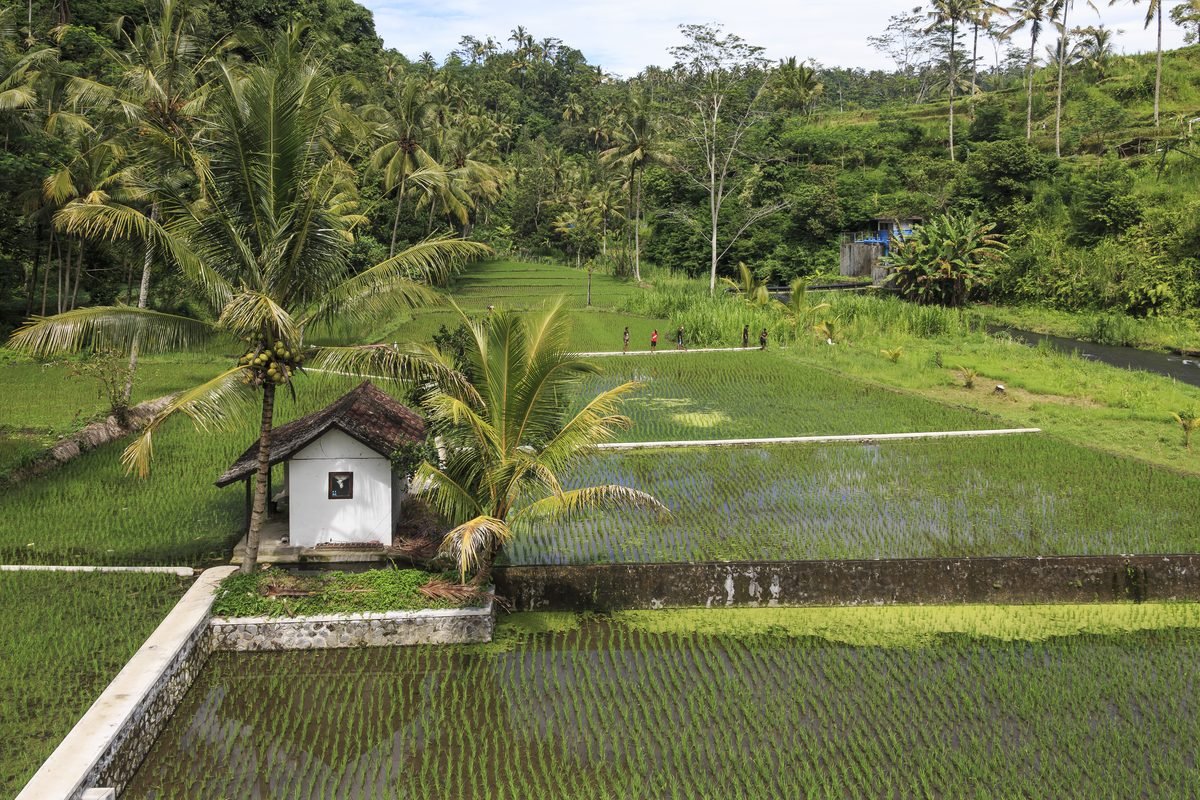
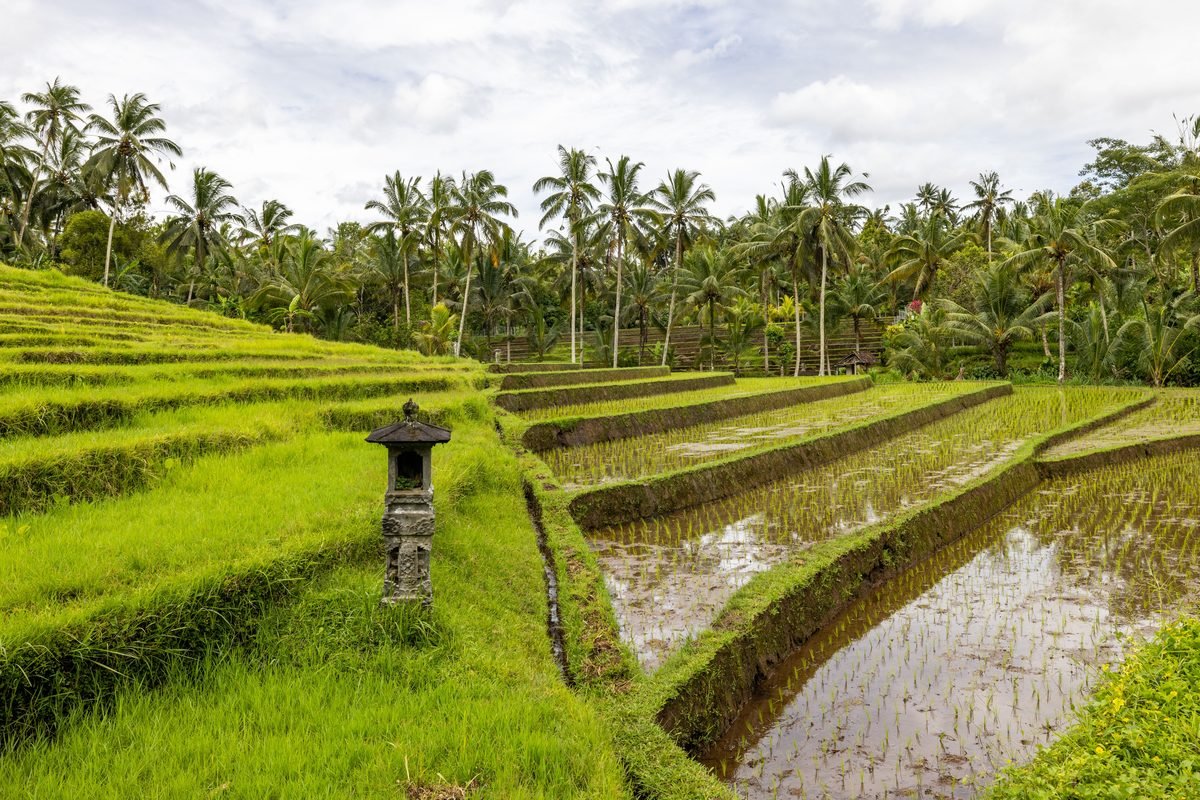
For those seeking greenery and traditional culture, Ubud is the cultural center. It is situated in the highlands, surrounded by rice terraces and steep ravines. While the main town area around the Monkey Forest is very crowded, you can find peace by staying just ten minutes away in Penestanan or Nyuh Kuning. Ubud is where you go for yoga retreats, art galleries, and the famous Tegalalang rice fields. The air is slightly cooler here, and the mornings are often misty. It feels more spiritual than the coast, with the sound of gamelan music drifting from local compounds in the evenings. It is a place for slow mornings.
If you prefer a slower pace and a swimmable beach, Sanur is the better alternative. Located on the east coast, it is one of the oldest resort areas on the island. It features a long, paved boardwalk that stretches for miles along the sand, perfect for sunrise walks or cycling. The water is protected by a reef, making it calm and safe for swimming, unlike the rough surf in Canggu. Sanur attracts families and older travelers who want a quieter experience. It also serves as the main gateway for fast boats to the Gili Islands and Nusa Penida. Book ahead for the best spots.
From a local: The Canggu Shortcut
The famous narrow bridge connecting Berawa and Canggu is a rite of passage. It is barely wide enough for two scooters to pass, so be prepared for a tight squeeze if you are on two wheels.
The scooter reality check and hiring private drivers
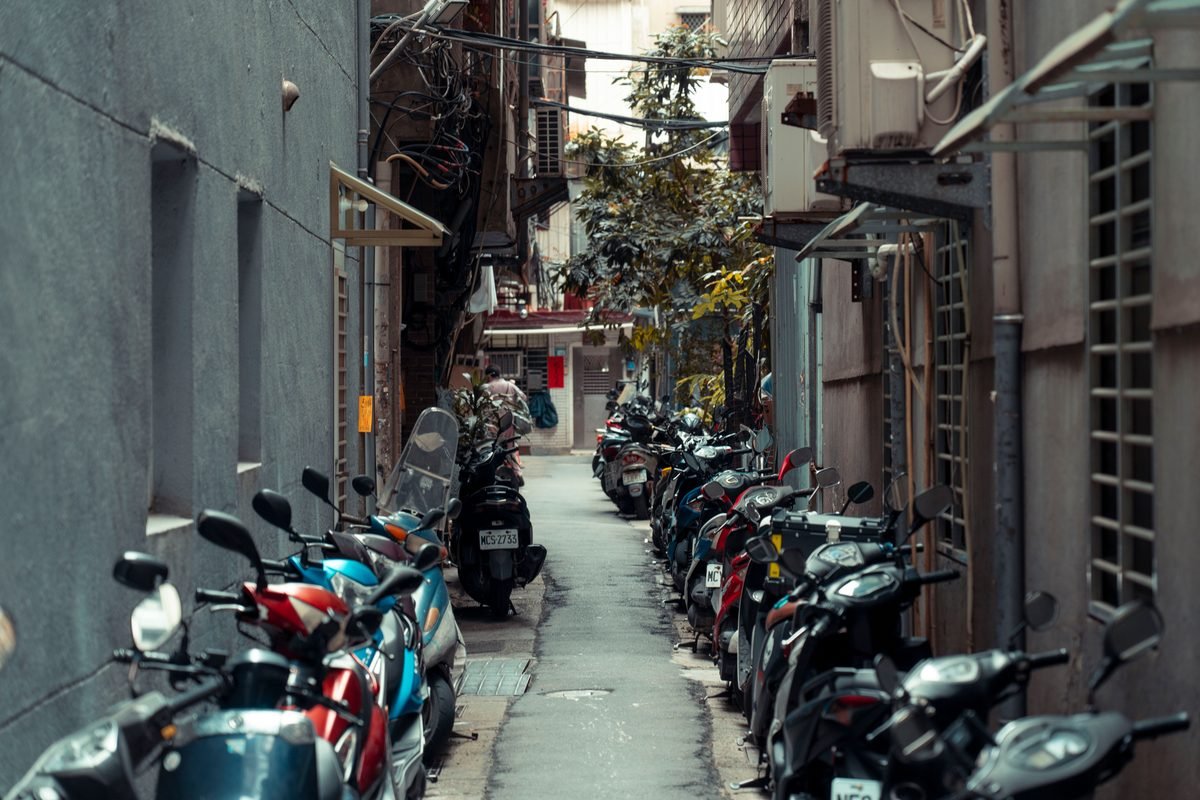
Transport in Bali is a polarizing topic. You will see thousands of tourists zipping around on scooters, and while it looks like freedom, the reality is often different. Bali’s roads are narrow, potholed, and governed by an informal set of rules that can be terrifying for a novice. I have seen far too many travelers with “Bali tattoos”—large bandages covering road rash from scooter accidents. If you have never ridden a motorbike at home, Bali is not the place to learn. Furthermore, your travel insurance is likely void if you do not have a valid motorcycle license from your home country and an International Driving Permit (IDP). Police frequently set up checkpoints to fine foreigners without the correct paperwork.
A scooter rental typically costs between Rp 80,000 and Rp 150,000 (about $5 to $10) per day. It is the fastest way to get through traffic, but it comes with high risk. For longer trips or day tours, hiring a private driver is the superior option. A full-day hire (8 to 10 hours) usually costs between Rp 600,000 and Rp 800,000 (about $38 to $51), which includes the car, petrol, and the driver’s time. This is incredibly affordable when split between two or more people. It allows you to sit in air-conditioned comfort while a local expert navigates the chaotic intersections. You can find drivers through hotel recommendations or apps like Grab and Gojek.
For short hops within a town, use the Grab or Gojek apps. They function just like Uber and are very reliable. You can book a car or a “bike taxi” where you hop on the back of a professional rider’s scooter. This is a great middle ground; you get the speed of a scooter without the stress of driving it yourself. A short bike taxi ride often costs less than Rp 20,000 (about $1.30). Always wear a helmet. Respect the local culture. It makes a big difference.
Heads up: Insurance and Licenses
Check your policy carefully. Most insurers require you to have a license that is valid for the specific engine capacity of the scooter you are renting, usually 125cc or 150cc.
Navigating temple etiquette and dress codes
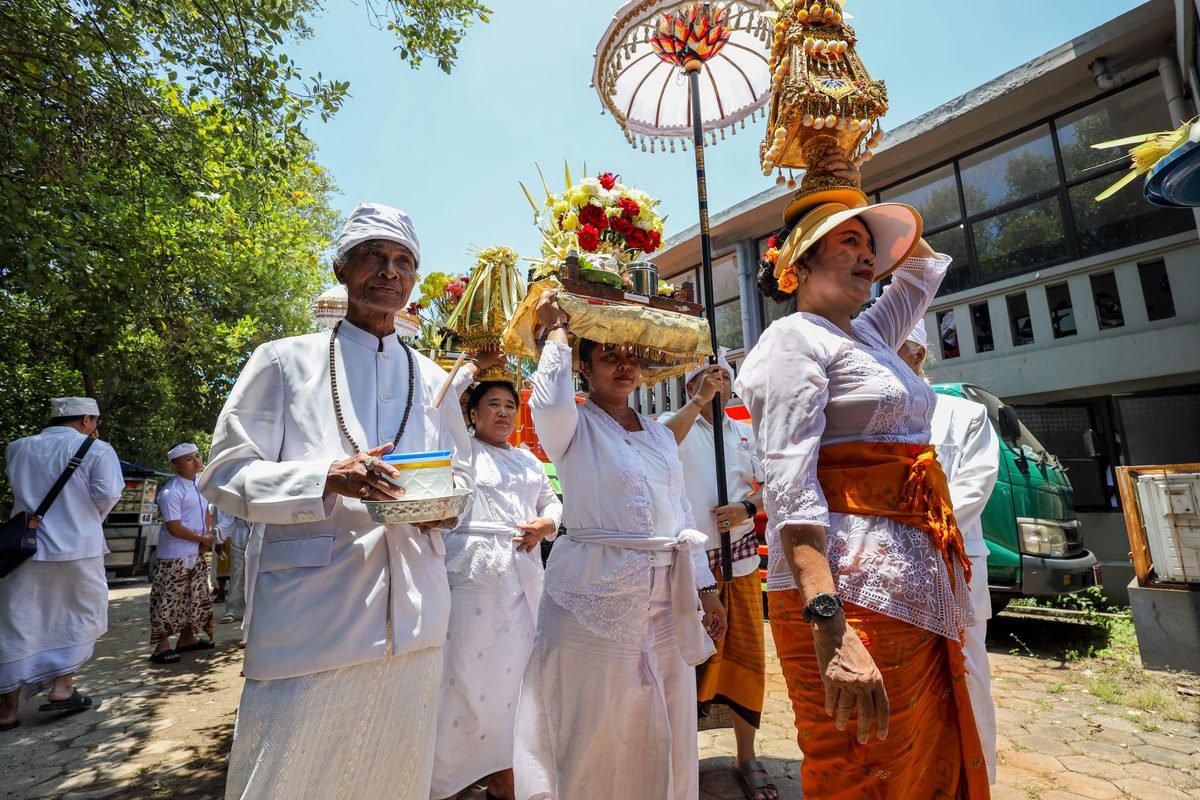
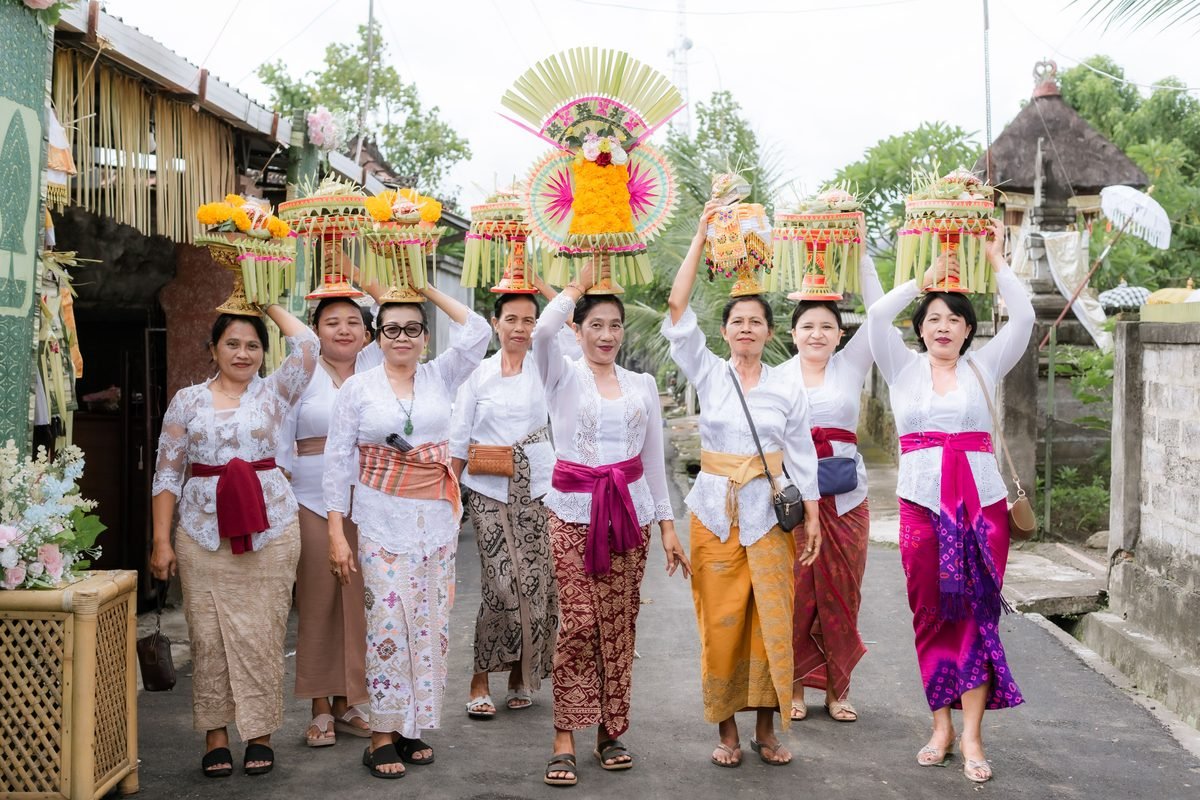
Balinese Hinduism is the heartbeat of the island, and visiting a temple (called a Pura) is a highlight for most travelers. However, these are active places of worship, not just tourist attractions. Every temple requires a specific dress code. Both men and women must wear a sarong that covers their legs below the knee. You must also wear a sash around your waist. Even if you are wearing long pants, you are still expected to wrap a sarong over them as a sign of respect. Most major temples like Pura Besakih or Uluwatu offer sarong rentals at the entrance for a small fee of Rp 10,000 to Rp 20,000 (about $0.60 to $1.30).
Beyond clothing, there are other rules to observe. You should never stand higher than the priest or the offerings during a ceremony. Avoid walking in front of people who are praying. You will notice small palm-leaf baskets filled with flowers and incense on the ground everywhere—these are called Canang Sari. Be careful not to step on them, as they are daily offerings to the gods. If you see a ceremony in progress, it is usually fine to watch from a distance, but keep your voice low and do not use flash photography. Some temples have signs prohibiting entry to women who are menstruating; while this is not enforced by physical checks, it is a deeply held local belief that visitors are asked to respect.
One of the most famous sites is the Uluwatu Temple, perched on a cliff edge. It is an impressive sight at sunset, especially during the Kecak fire dance performance. Be warned that the monkeys at Uluwatu are notorious for stealing sunglasses, hats, and even phones. Keep your belongings in your bag and avoid eye contact with the macaques. The entry fee for Uluwatu is currently Rp 50,000 (about $3.20), with the dance performance costing an additional Rp 150,000 (about $10). Wear a sarong. It is mandatory.
Where to eat: From local warungs to beach clubs
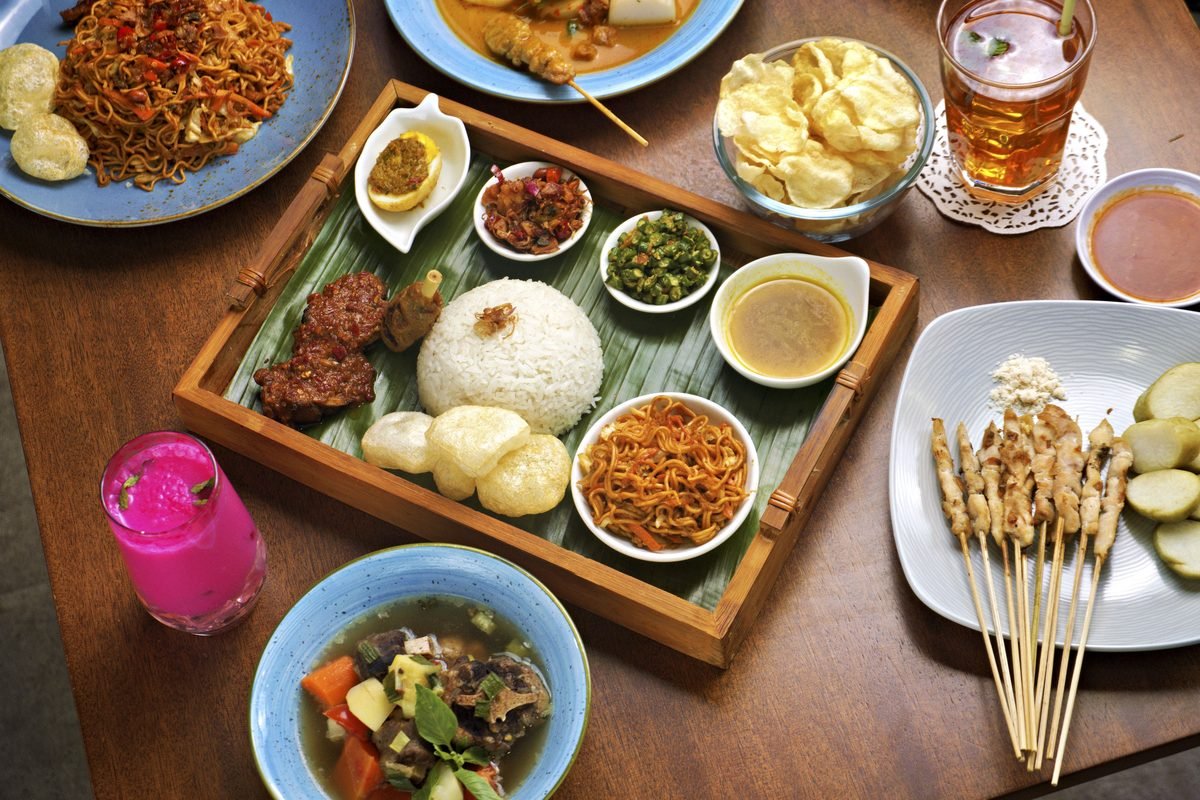
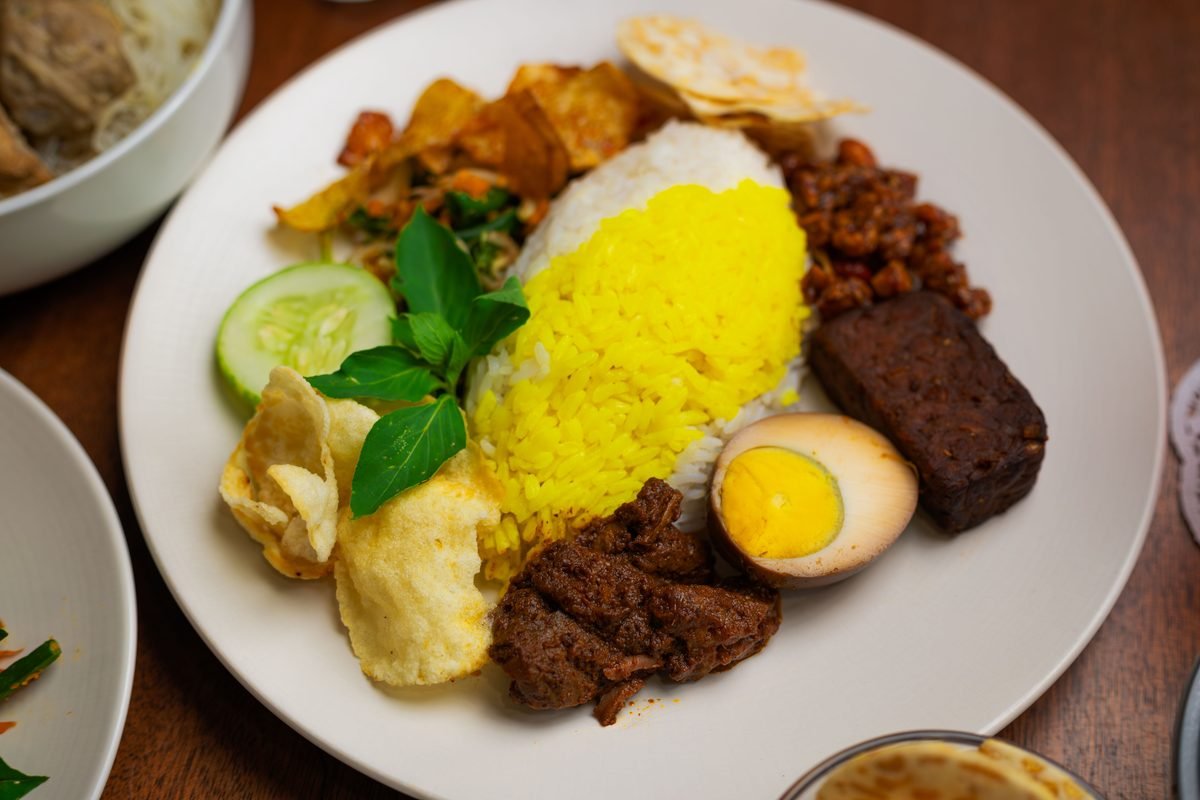
The food scene in Bali is exceptionally diverse, ranging from humble roadside stalls to world-class fine dining. To get a true taste of the island, you must eat at a warung. These are small, family-run eateries serving traditional Balinese and Indonesian dishes. The most common meal is Nasi Campur, which translates to “mixed rice.” You get a scoop of white rice surrounded by small portions of different dishes like spiced chicken, green beans with coconut, fried tempeh, and a dollop of sambal (chili paste). A plate of Nasi Campur at a local spot will cost you around Rp 25,000 to Rp 45,000 (about $1.60 to $2.90). It is delicious and filling.
Another iconic dish is Babi Guling, or Balinese suckling pig. Unlike the rest of Indonesia, which is predominantly Muslim, Bali is Hindu, and pork is a local specialty. The pig is stuffed with a spice paste of turmeric, coriander seeds, lemongrass, and galangal, then spit-roasted for hours. The result is tender meat and incredibly crispy skin. For the best Babi Guling, head to Gianyar or look for specialized warungs in Ubud. If you prefer seafood, the beach at Jimbaran is famous for its sunset dinners. You can choose fresh fish, prawns, or lobster from iced displays, and they grill it over coconut husks right on the sand.
On the other end of the spectrum are the famous beach clubs in Seminyak and Canggu, like Potato Head or La Brisa. These venues feature swimming pools, international DJs, and extensive cocktail menus. While they are expensive by local standards—a single cocktail can cost Rp 150,000 (about $10)—they offer a polished experience and front-row seats for the sunset. Most have a minimum spend if you want to book a daybed, often starting around Rp 1,000,000 (about $64). Drink bottled water. It is safer for your stomach. Whether you are at a high-end club or a plastic-chair warung, the flavors of Bali are a highlight of any trip.
Book ahead: Book Jimbaran Seafood
If you want a front-row table on the sand at Jimbaran, call ahead or message the restaurant on WhatsApp by 4:00 PM. The best spots fill up fast before the 6:00 PM sunset.
Avoiding common pitfalls and staying healthy
One of the biggest concerns for a Bali first time guide is health, specifically the dreaded “Bali Belly.” This is a form of traveler’s diarrhea usually caused by contaminated food or water. While hygiene standards have improved significantly, you should still never drink tap water. Use bottled water for drinking and even for brushing your teeth if you have a sensitive stomach. Most reputable cafes and restaurants now use ice made from purified water, so cold drinks are generally safe. If you do get sick, most pharmacies (Apotek) sell charcoal tablets and oral rehydration salts which help immensely. For serious cases, there are excellent international clinics that can provide IV drips.
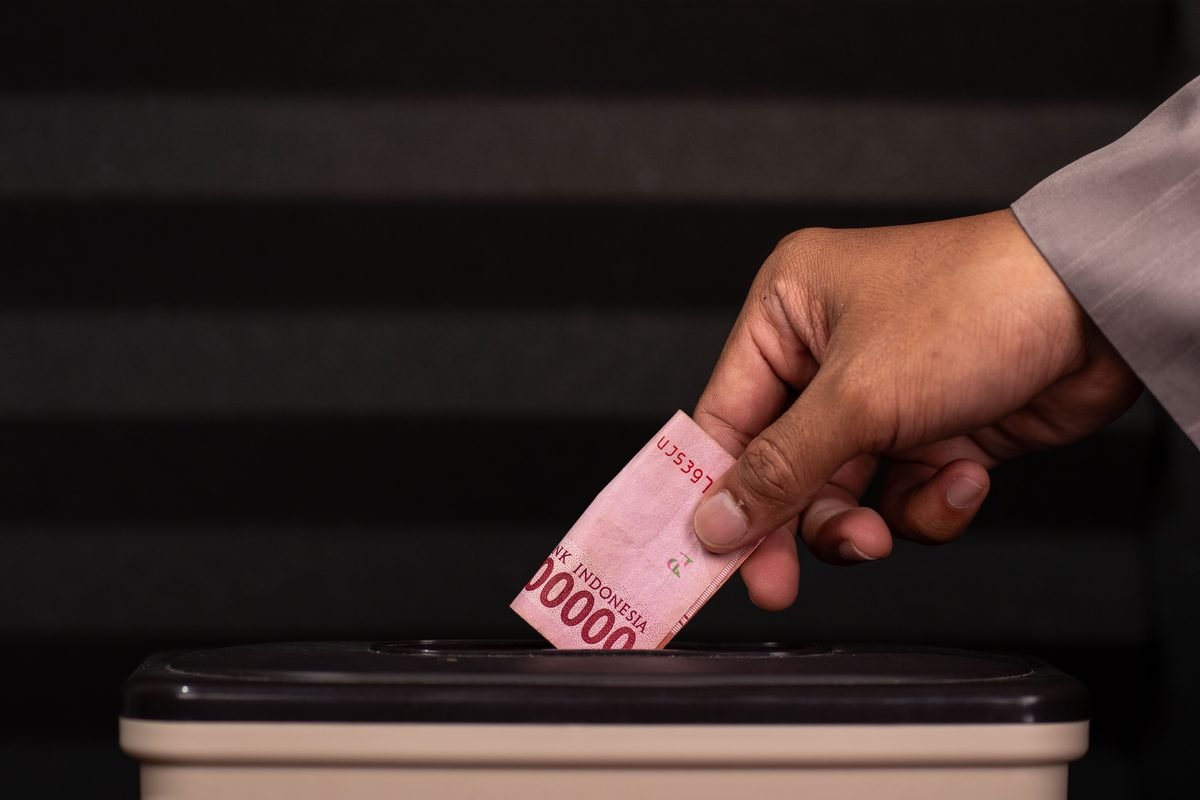
Money is another area where travelers run into trouble. The Indonesian Rupiah has many zeros, and it is easy to get confused. A Rp 100,000 note is worth about $6.40, but it looks very similar to the Rp 10,000 note in low light. Always double-check your change. When using ATMs, stick to those located inside bank branches like BCA, BNI, or Mandiri. Street-side ATMs are more prone to skimming devices. Also, be wary of small money exchange booths that offer rates significantly higher than the official market rate; these are often scams where the teller uses sleight of hand to shortchange you. Always carry cash.
Finally, respect the local environment. Bali is struggling with a massive plastic waste problem. Many shops no longer provide plastic bags, so bring a reusable tote in your Southeast Asia packing list. In 2026, the island is pushing harder for sustainable tourism, and you will see more water refill stations in hotels and cafes. Using a refillable bottle is a small gesture that helps reduce the millions of plastic bottles that end up in the ocean every year. Small actions matter. Enjoy the island responsibly.

What it costs in Bali
| Item | Local price | USD |
|---|---|---|
| Visa on Arrival (e-VOA) | Rp 500,000 | ($32) |
| International Tourism Levy | Rp 150,000 | ($10) |
| Private Driver (Full Day) | Rp 700,000 | ($45) |
| Nasi Campur at a Warung | Rp 35,000 | ($2) |
| Scooter Rental (Per Day) | Rp 100,000 | ($6) |
| Temple Entry Fee (Uluwatu) | Rp 50,000 | ($3) |
| Mid-range Hotel Room | Rp 1,200,000 | ($77) |
| Daily Total (Mid-range) | Rp 1,800,000 | ($115) |
Prices checked September 2026. Always confirm with the provider before you book.
Where to stay in Bali
Budget
Canggu, for hostels and guesthouses near Pererenan
This area is slightly quieter than the main drag of Batu Bolong but still walking distance to the surf. You can find clean, modern dorms and private rooms for Rp 300,000 to Rp 600,000 ($19 to $38) per night.
Mid-range
Ubud, for jungle-view villas in Nyuh Kuning
Nyuh Kuning is a peaceful village just south of the Monkey Forest with excellent local cafes. Expect to pay Rp 1,000,000 to Rp 2,000,000 ($64 to $128) for a private villa with a pool.
Splurge
Sanur, for beachfront resorts near the night market
The southern end of Sanur offers high-end international resorts with direct beach access and manicured gardens. Rates here typically range from Rp 3,500,000 to Rp 7,000,000 ($225 to $450) per night.
Mistakes to avoid
- Renting a scooter without a valid international driving permit and motorcycle endorsement.
- Changing money at small, unofficial booths that offer ‘too good to be true’ exchange rates.
- Forgetting to pay the International Tourism Levy online and having to wait in extra airport lines.
FAQ
Do I need a visa for Bali?
Most travelers need a Visa on Arrival (VOA) which costs Rp 500,000 (about $32) and is valid for 30 days. You can apply for this online as an e-VOA before you travel to save time at the airport.
What is the new Bali tourist tax?
Since February 2024, all international visitors must pay a one-time fee of Rp 150,000 (about $10) for the International Tourism Levy. This Bali first time guide recommends paying it through the Love Bali website before you arrive.
Can I drink the tap water in Bali?
No, you should never drink tap water in Bali. Stick to bottled water or use a refillable bottle with a high-quality filter to avoid ‘Bali Belly’.
Is it safe to ride a scooter in Bali?
Riding a scooter is common but risky due to heavy traffic and poor road conditions. If you choose to ride, you must have a valid motorcycle license, an IDP, and always wear a helmet.
When is the best time to visit Bali?
The dry season from April to October is the best time to visit, with September offering great weather and slightly fewer crowds than July or August.