Seoraksan Hiking Guide: Ulsanbawi, Cable Cars, and Foliage

I usually start my Seoraksan trips at the Sokcho Intercity Bus Terminal at 6:30 AM. The air is sharp and smells of the East Sea, even though the mountains are still a short bus ride away. As a Seoul local, I have made this trip many times, watching the seasons shift from the deep greens of summer to the fiery crimsons of late October. Seoraksan National Park is the crown jewel of Korea’s mountain ranges, offering a mix of accessible paths and grueling granite climbs that test even the most experienced hikers.
This Seoraksan hiking guide is for independent travelers who want to navigate the park without a tour group. I will cover the logistics of getting here from Seoul, the best weeks for autumn foliage, and the practical choice between the cable car and the iconic Ulsanbawi climb. Whether you are looking for a gentle walk to a giant Buddha or a steep ascent up eight hundred metal stairs, this guide provides the specific details you need for a smooth day in the mountains.
How to get to Seoraksan from Seoul and Sokcho
Getting to the park is straightforward if you know which terminal to use. From Seoul, your best option is the express bus. You can depart from either the Seoul Express Bus Terminal (Gyeongbu Line) or the Dong Seoul Bus Terminal near Gangbyeon Station. The ride to Sokcho takes roughly two hours and thirty minutes, depending on traffic. A standard seat costs about ₩20,000 (about $15), while a premium bus with reclining seats is roughly ₩28,000 (about $21). I recommend booking through the Kobus or T-money GO apps if you have a Korean phone number, but foreign cards often work better at the terminal kiosks.
Once you arrive at the Sokcho Express Bus Terminal, look for city bus 7 or 7-1. These buses run frequently and take you directly to the park entrance in about 30 to 40 minutes. The fare is ₩1,500 (about $1.10) and you can use your T-money card. The bus accepts T-money. If you are staying near the Intercity Bus Terminal instead, the same buses pass through the main downtown road. Taxis are also plentiful and cost roughly ₩15,000 (about $11) from downtown Sokcho to the park gate. It is a quick ride.
If you prefer the train, take the KTX-Eum from Seoul Station or Cheongnyangni to Gangneung Station. This takes about two hours and costs ₩27,600 (about $20). From Gangneung, you will need to take a local bus or a taxi to the Gangneung Intercity Terminal, then a bus to Sokcho. This route is more scenic but takes longer than the direct bus from Seoul. For most travelers, the express bus is the most efficient choice. Always check Naver Map for real-time bus arrivals as Google Maps is not reliable for transit in Korea.
When to visit for autumn colors and clear skies
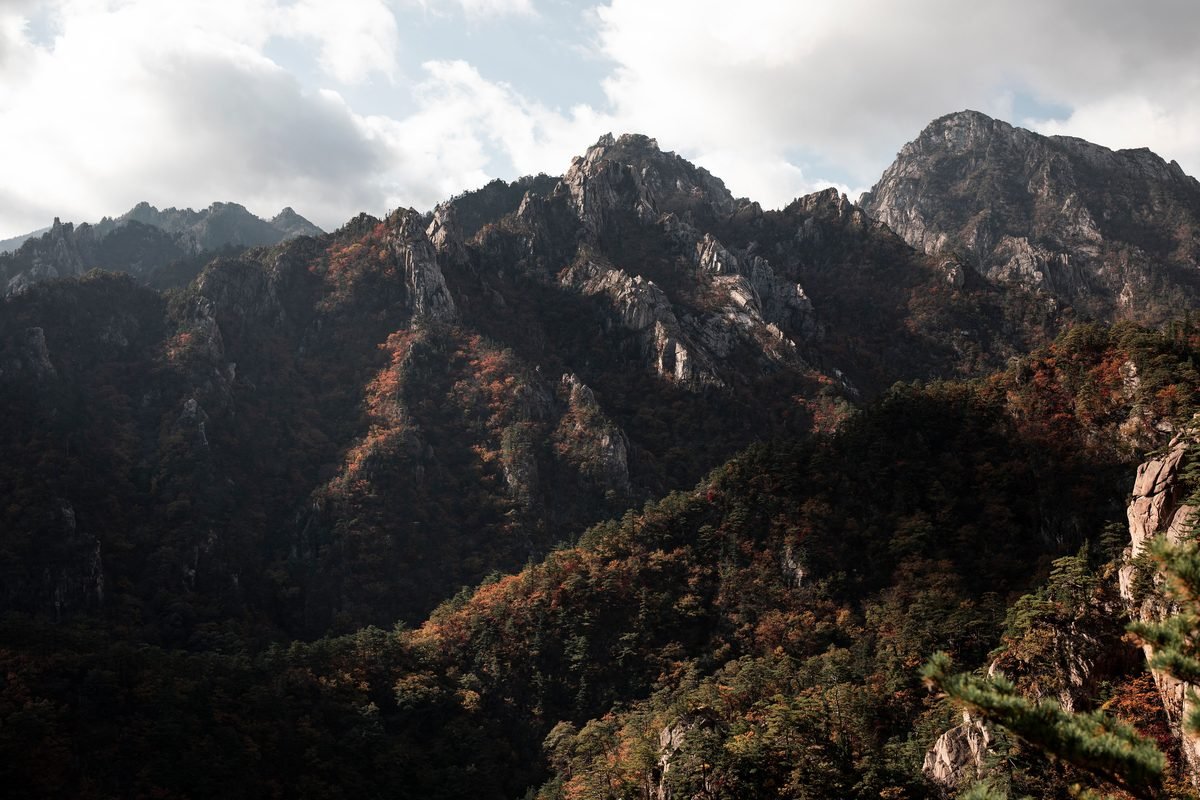
Timing is everything when planning a trip to Seoraksan. While the park is open year-round, the most famous window is during the autumn foliage season. This usually begins in late September at the highest peaks and reaches the main valley floors by the third week of October. If you want to see the maples at their peak, aim for October 15th to October 25th. Be warned that this is the busiest time of the year. The trails become very crowded. You will be hiking in a line of people, but the colors are truly remarkable.
September is a fantastic alternative if you prefer milder weather and fewer crowds. The mountains are still lush and green, and the humidity of the Korean summer has usually broken by then. Daytime temperatures hover around 20°C (68°F), which is perfect for the steep climb to Ulsanbawi. In winter, the park turns into a snowy landscape, but many of the higher trails close for safety due to ice. If you visit in spring, wait until May; the park often closes trails from March to mid-May to prevent forest fires during the dry season.
I always suggest visiting on a weekday. Tuesday or Wednesday are the quietest days. Avoid weekends and public holidays at all costs during October. If you must go on a Saturday, arrive at the park gate by 7:00 AM. By 10:00 AM, the line for the cable car can be two hours long, and the local buses from Sokcho will be standing-room only. The morning light on the granite peaks is also much better for photography before the midday haze sets in. Pack a light jacket. Even in summer, the wind at the top of the ridges can be chilly.
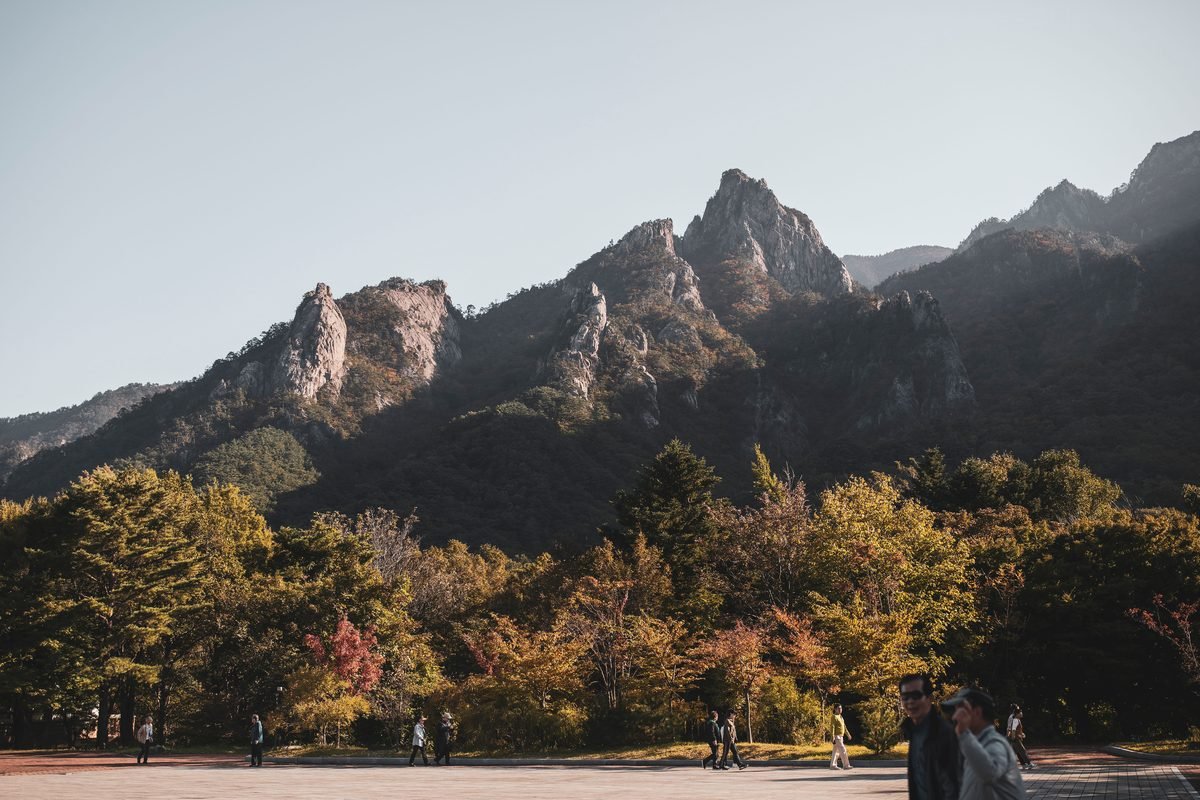
Tip: Check the Foliage Forecast
Visit the Korea Meteorological Administration website in September to see the official foliage forecast, which predicts the exact dates for first colors and peak bloom for each mountain.
Hiking the Ulsanbawi trail: What to expect
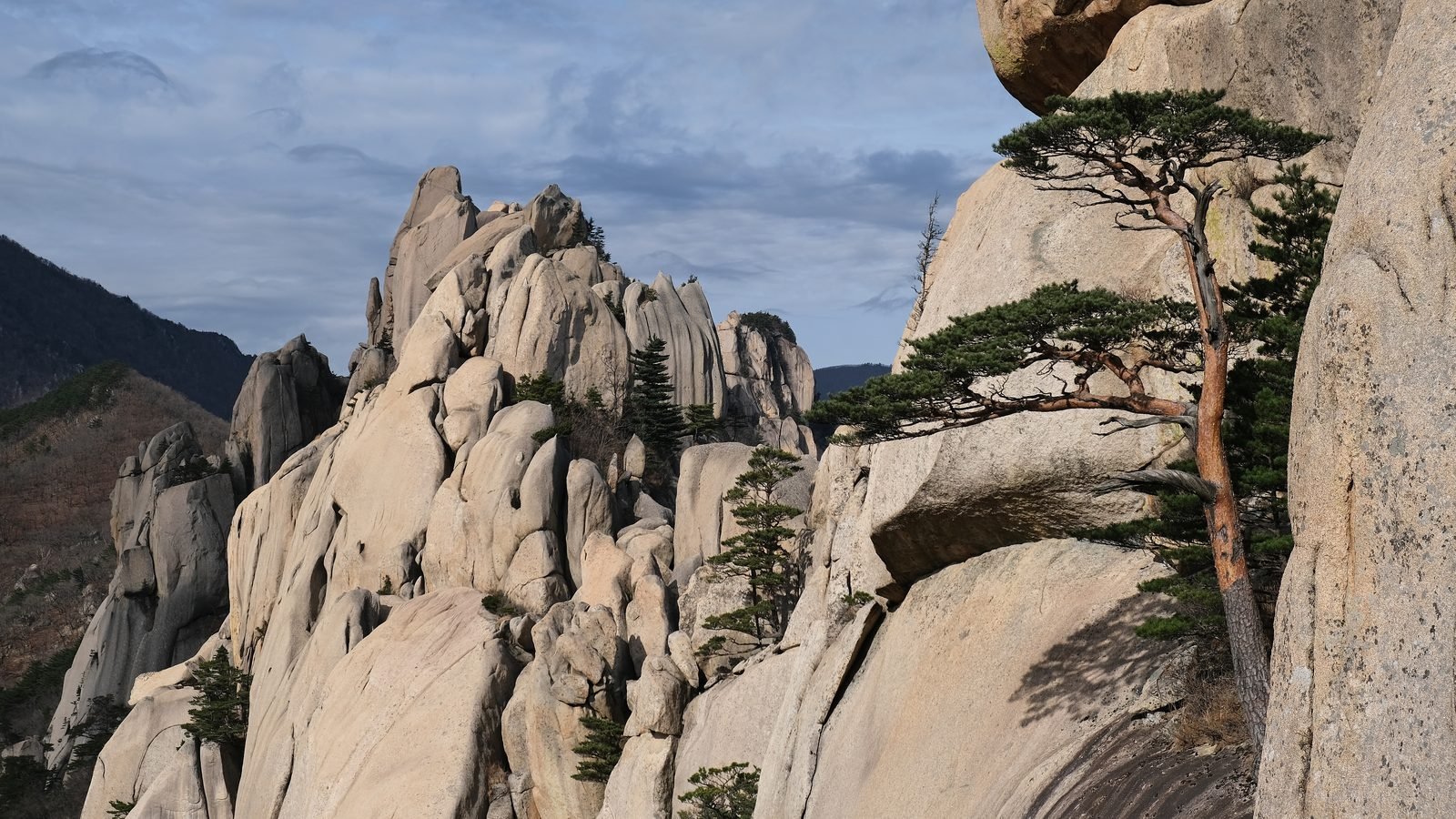
The hike to Ulsanbawi is the most iconic experience in the park. Ulsanbawi is a massive granite rock formation consisting of six peaks. The trail is approximately 3.8 kilometers (2.4 miles) one way from the park entrance. The first half of the hike is relatively flat, taking you past Sinheungsa Temple and through a forested valley. You will cross several small bridges over rocky stream beds. This part is easy for most fitness levels. The real challenge begins after you pass Heundeulbawi, a famous spherical rock that people try to push over.
From Heundeulbawi, the trail turns into a vertical ascent. You will climb over 800 metal and wooden stairs built directly into the side of the cliff. The steps are steep. Your legs will burn, but the path is very secure with sturdy handrails. I recommend taking frequent breaks at the small landing platforms to catch your breath. It usually takes about two hours to reach the summit from the temple. Once you reach the top, you are rewarded with a panoramic view of the East Sea and the jagged ridges of Inner Seorak. On a clear day, you can see all the way to Sokcho city.
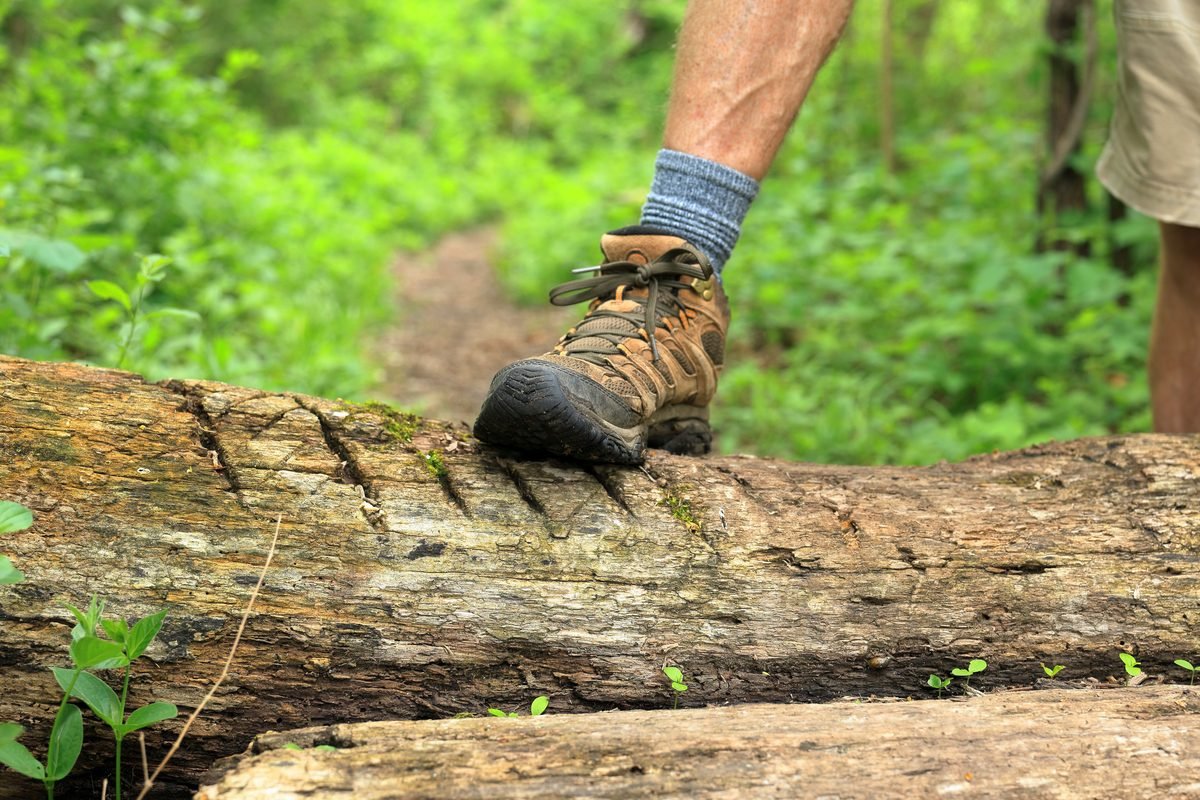
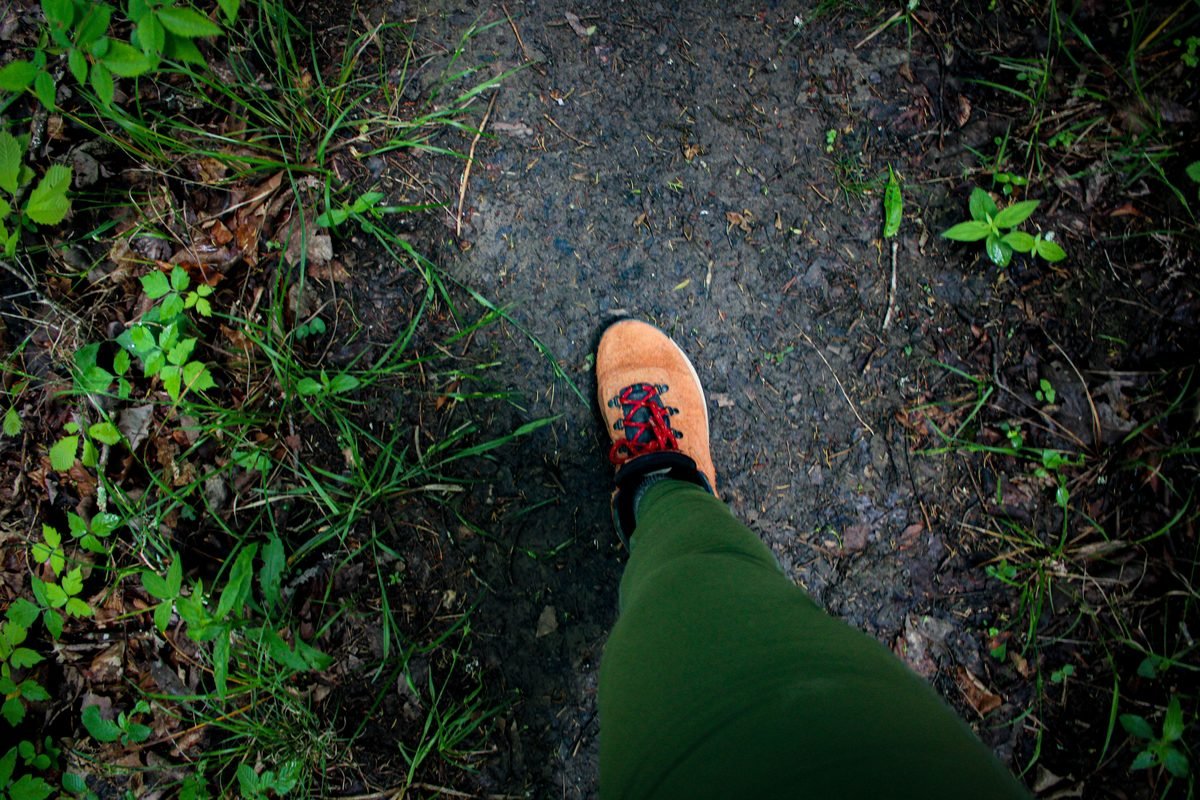
There is no entrance fee for the park or the trail, as temple entry fees were abolished in 2023. You only need to pay for parking or your bus fare. I suggest wearing proper hiking boots or trail runners with good grip. The granite can be slippery if it has rained recently. Bring at least one liter of water per person. There are no shops or water fountains once you start the final stair climb. The descent is easier on the lungs but harder on the knees, so take it slow on the way down.
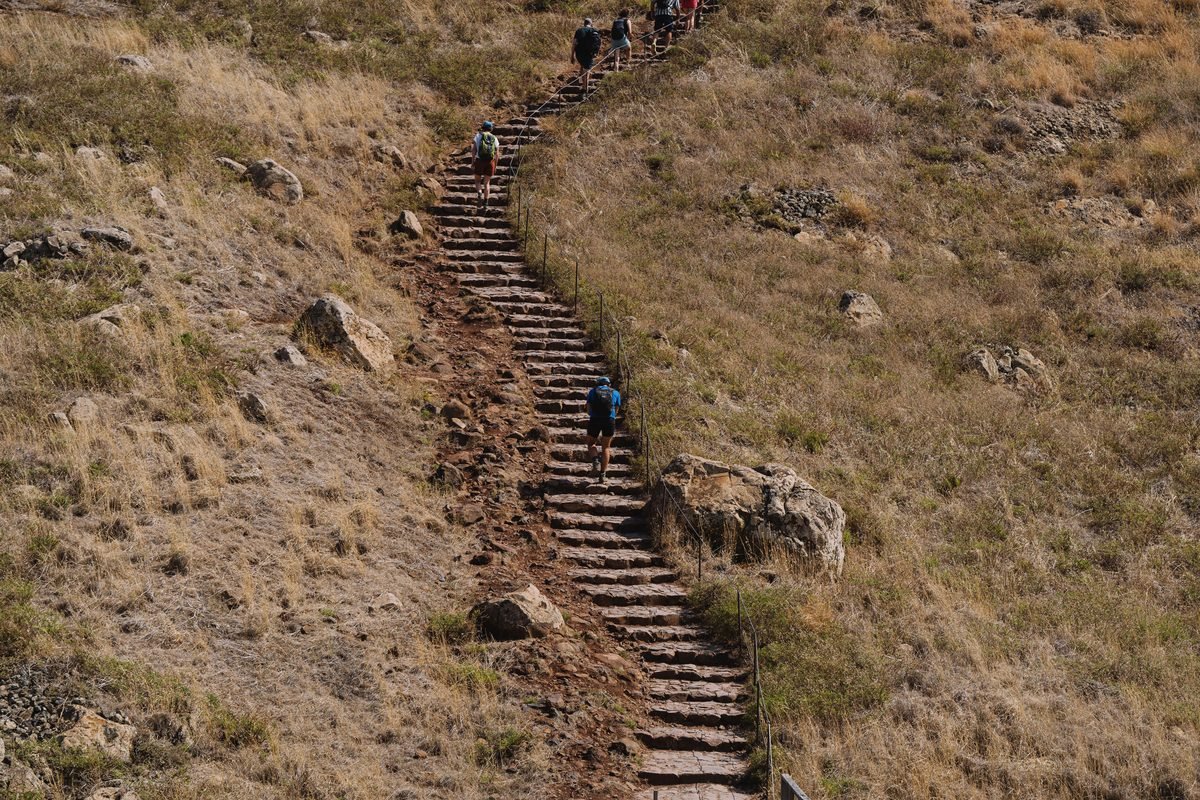
Heads up: Knee Protection
If you have sensitive knees, bring collapsible trekking poles. The 800-step descent from Ulsanbawi is high-impact and can be taxing on your joints.
Taking the Seoraksan Cable Car to Gwongeumseong
If you are not in the mood for a strenuous hike, the Seoraksan Cable Car is the best way to see the park from above. The boarding station is located about a five-minute walk from the main park entrance. A round-trip ticket costs ₩15,000 (about $11) for adults. You cannot book these tickets in advance online; they are sold on a first-come, first-served basis at the ticket office. During peak autumn weekends, tickets for the entire day can sell out by noon. I always go to the cable car office first thing to check the next available time slot.
The ride takes about five minutes and whisks you up to the Gwongeumseong Fortress site. There is very little left of the actual fortress, but the stone plateau offers incredible views of the mountain range. From the upper station, it is a short, ten-minute walk up a rocky path to the very top. There are no guardrails on some parts of the rock, so be careful with your footing. You can sit on the boulders and watch the clouds roll over the peaks. It is a great spot for a snack, but remember to carry all your trash back down with you.
The cable car is also a practical choice for families with small children or older travelers who want to experience the high-altitude scenery without the physical toll of the Ulsanbawi stairs. Even if you plan to hike elsewhere, the cable car provides a different perspective of the park’s scale. If the wind is too strong, the cable car will stop operating for safety. You can check the operational status on the Seorak Cable Car website or at the entrance gate. It is a reliable service.
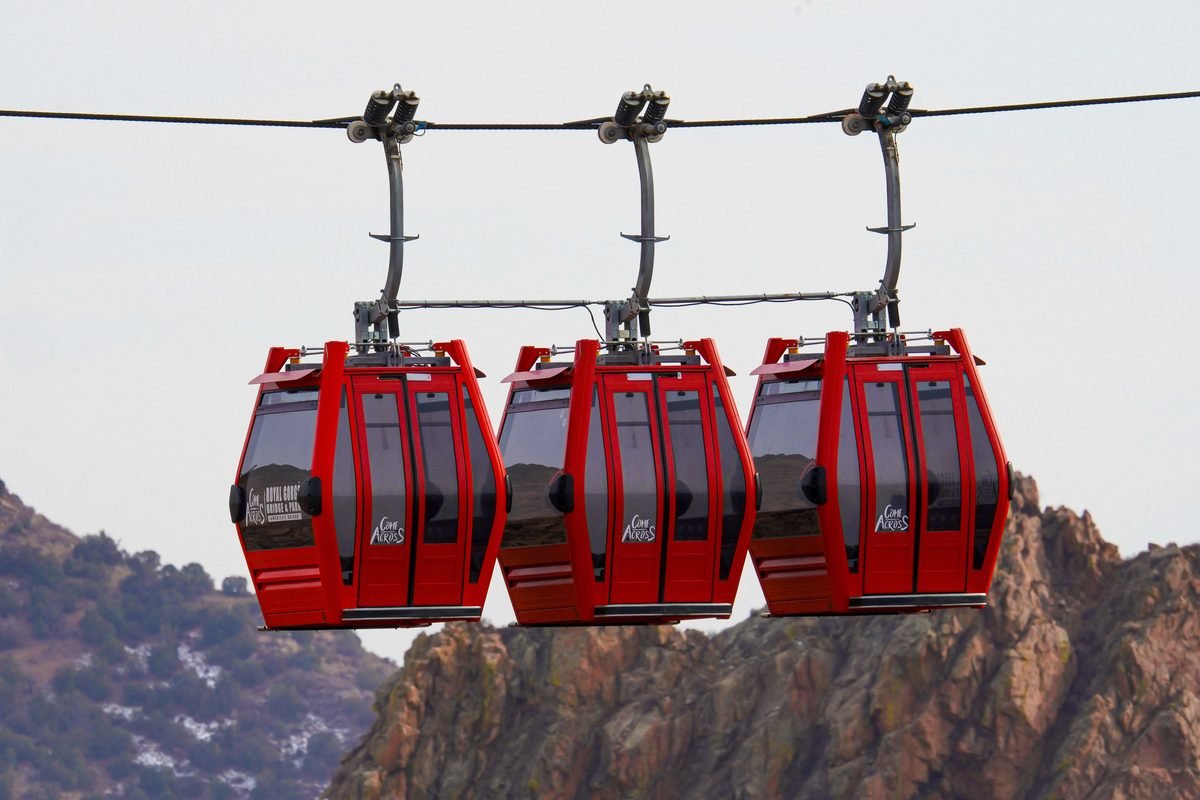
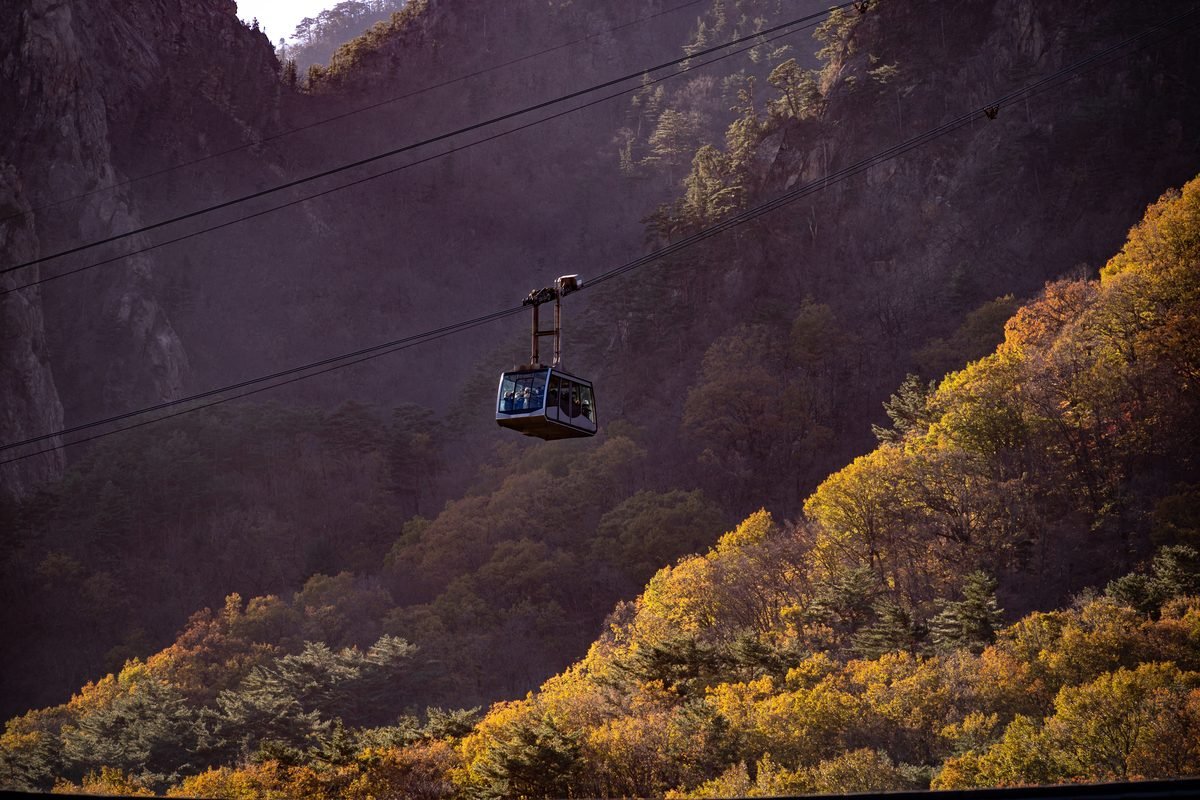
Book ahead: Buy Tickets Early
In October, buy your cable car ticket as soon as you enter the park, even if your slot is two hours away. You can visit the temple or the Great Buddha while you wait.
Exploring Sinheungsa Temple and the Great Buddha
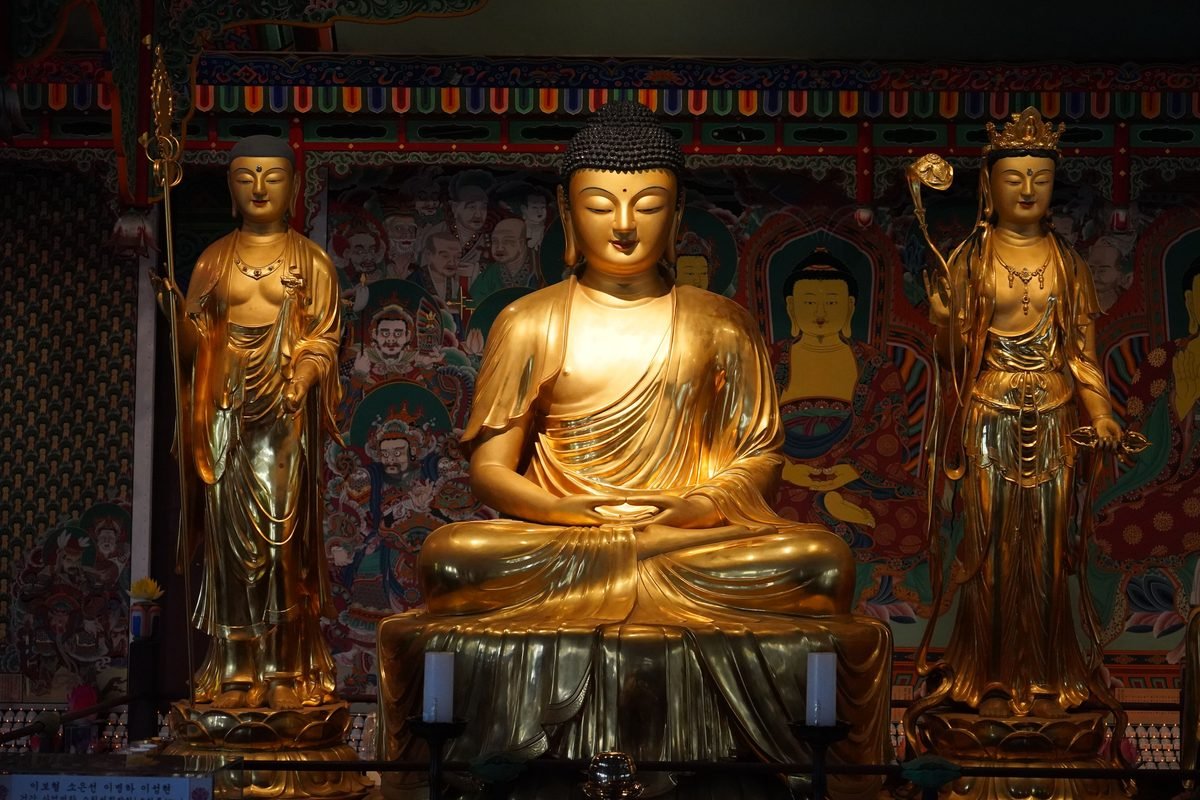
Located just a short walk from the main entrance, Sinheungsa is one of the oldest Seon (Zen) Buddhist temples in the world. Before you even reach the main temple buildings, you will encounter the Tongil Daebul, or the Great Unification Buddha. This massive bronze statue stands over 14 meters high and represents the Korean people’s hope for the reunification of North and South Korea. It is a powerful sight, especially with the jagged peaks of the mountains rising behind it. Many visitors stop here to offer a prayer or simply take in the scale of the craftsmanship.
Continuing past the Buddha, you will cross a bridge over a wide, stony riverbed to reach the main temple complex. The architecture is classic Korean, with intricate dancheong (colorful paintwork) under the eaves and heavy tiled roofs. Sinheungsa is an active monastery, so you might see monks walking between the halls. It is a peaceful place to wander, particularly in the early morning before the tour groups arrive. Entry is free. You can also find a small tea house within the temple grounds where you can enjoy traditional ginger or jujube tea for about ₩6,000 (about $4.50).
If you have more time and want a flatter walk, follow the path past the temple toward Biryong Falls. This trail is much easier than Ulsanbawi and follows the river through the forest. It takes about 45 minutes to reach the falls. The path includes a dramatic suspension bridge that crosses a deep gorge. It is a great option for those who want to see water features rather than just granite peaks. The sound of the rushing water is very relaxing. The trail is well-maintained and mostly level.
Where to eat in and around the park
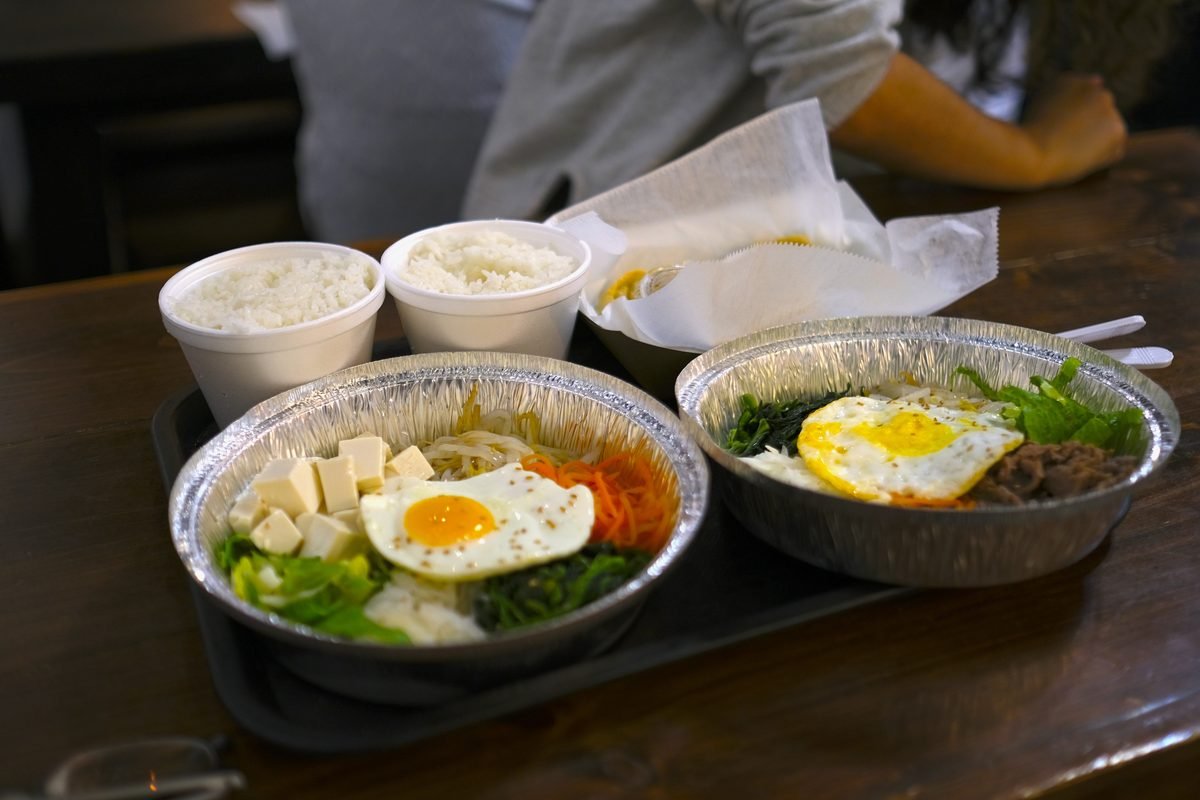
Hiking works up a massive appetite, and the food around Seoraksan is specialized for mountain visitors. Just inside the park entrance, there is a cluster of restaurants serving traditional Korean mountain food. The most popular dish is Sanchae Bibimbap, which is rice topped with various wild roots and vegetables foraged from the local area. A bowl usually costs around ₩12,000 (about $9) and comes with several side dishes. It is a healthy, filling meal that gives you plenty of energy for the trails. I also love the Haemul Pajeon, a savory pancake filled with green onions and seafood.
If you want a local experience, try the corn makgeolli (rice wine). This region is famous for it, and it has a slightly sweet, nutty flavor that pairs perfectly with the salty pajeon. A bottle is roughly ₩5,000 (about $3.70). For something more substantial, look for restaurants in the nearby village of Seorak-dong, just outside the park gates, that serve Hwangtae-guk (dried pollack soup). This is a specialty of the Gangwon-do region and is known for its light, savory broth. It is very comforting after a cold morning hike.
In Sokcho city, you should head to the Sokcho Jungang Market for dinner. This is where you will find the famous Dakgangjeong (sweet and spicy fried chicken). A large box costs about ₩20,000 (about $15) and is enough for two or three people. The market also has incredible fresh seafood, including grilled squid and stuffed squid sausages known as Ojingeo Sundae. Eating in Sokcho is significantly cheaper than eating inside the national park, so I often pack a few gimbap rolls from a convenience store for my lunch and save my big meal for when I get back to the city.
From a local: Try the Squid Sausage
In Sokcho, don’t miss Ojingeo Sundae. It is a squid mantle stuffed with glass noodles and vegetables, then sliced and pan-fried in egg batter.
Packing essentials and trail etiquette
Preparing your pack correctly will make your Seoraksan experience much better. Even if you are only doing the cable car, wear sturdy shoes. The granite plateaus are uneven. If you are hiking Ulsanbawi, proper hiking boots with ankle support are highly recommended because of the steep stairs and rocky sections. I always carry a lightweight, waterproof windbreaker. The weather in the mountains can change in minutes, and it is often ten degrees cooler at the summit than at the base. Pack a light jacket.
Water is your most important item. While there are some small stalls near the temple, there is no water available on the Ulsanbawi climb. I bring two liters of water for a full day of hiking. Snacks like energy bars, nuts, or chocolate are helpful for the final push up the stairs. You will also see many Koreans eating gimbap or fruit at the rest stops. It is a social atmosphere. Most people are very friendly. They might even offer you a piece of orange or a cup of coffee. It is a nice tradition.
Trail etiquette is important in Korea’s national parks. Stay on the marked paths to protect the vegetation. If you are faster than the person in front of you on the stairs, wait for a wider landing area to pass rather than pushing through. Always carry out your trash. There are very few trash cans inside the park, so bring a small plastic bag to store your wrappers and bottles until you return to the entrance. Finally, remember that smoking and alcohol are strictly prohibited on the trails. The park rangers do patrol, and the fines are heavy. Respect the mountain and the other hikers.
What it costs in Seoraksan
| Item | Local price | USD |
|---|---|---|
| Express Bus (Seoul to Sokcho) | ₩20,000 | $15 |
| Local Bus (Sokcho to Park) | ₩1,500 | $1.10 |
| Cable Car (Round trip) | ₩15,000 | $11 |
| Sanchae Bibimbap Lunch | ₩12,000 | $9 |
| Traditional Tea at Temple | ₩6,000 | $4.50 |
| Sokcho Market Fried Chicken | ₩20,000 | $15 |
| Mid-range Hotel (Sokcho) | ₩90,000 | $67 |
| Total Daily Budget | ₩164,500 | $122.60 |
Prices checked September 2026. Always confirm with the provider before you book.
Where to stay in Seoraksan
Budget
Sokcho Intercity Bus Terminal area, for convenient transport
This area is perfect for those arriving late or leaving early, with many clean guesthouses and hostels within walking distance of the bus. Expect to pay ₩35,000 to ₩50,000 (about $26-$37) per night for a private room.
Mid-range
Sokcho Beach, for sea views and seafood
Stay here if you want to combine your mountain trip with a morning walk on the sand and easy access to the Abai Village ferry. Modern hotels here range from ₩80,000 to ₩130,000 (about $60-$97) per night.
Splurge
Seorak-dong, for immediate access to the park gate
There are several upscale hotels located right at the entrance of the national park, allowing you to be the first on the trail. Rates typically start around ₩200,000 (about $148) and include excellent mountain views.
Mistakes to avoid
- Arriving at the cable car after 10:00 AM on an October weekend and finding a three-hour wait.
- Wearing flat-soled sneakers for the Ulsanbawi climb, which can lead to slipping on the granite.
- Assuming there are trash cans along the trails; you must carry all waste back to the entrance.
FAQ
How long does it take to hike Ulsanbawi?
For most hikers, the round trip takes about 3.5 to 4 hours starting from the Sinheungsa Temple area. This includes time for photos at the summit and a few breaks on the 800-step staircase.
Is Seoraksan National Park free to enter?
Yes, as of May 2023, the entry fees for major temples like Sinheungsa have been abolished, meaning you can enter the park and use the main trails for free.
Can I do a day trip from Seoul in this Seoraksan hiking guide?
Yes, it is possible if you take a 6:00 AM or 7:00 AM express bus from Seoul. You will arrive by 9:30 AM, have six hours to explore, and can return to Seoul on an evening bus.
What is the best month for autumn leaves in Seoraksan?
The peak foliage usually occurs between October 15th and October 25th. Late September has early colors at the peaks, while early November sees the leaves falling in the lower valleys.
Is the Seoraksan cable car wheelchair accessible?
The cable car itself and the boarding stations are accessible, but the trails at the top of Gwongeumseong are rocky and uneven, making them difficult for those with limited mobility.