Chuncheon Dakgalbi Day Trip: A Seoul Local’s Guide

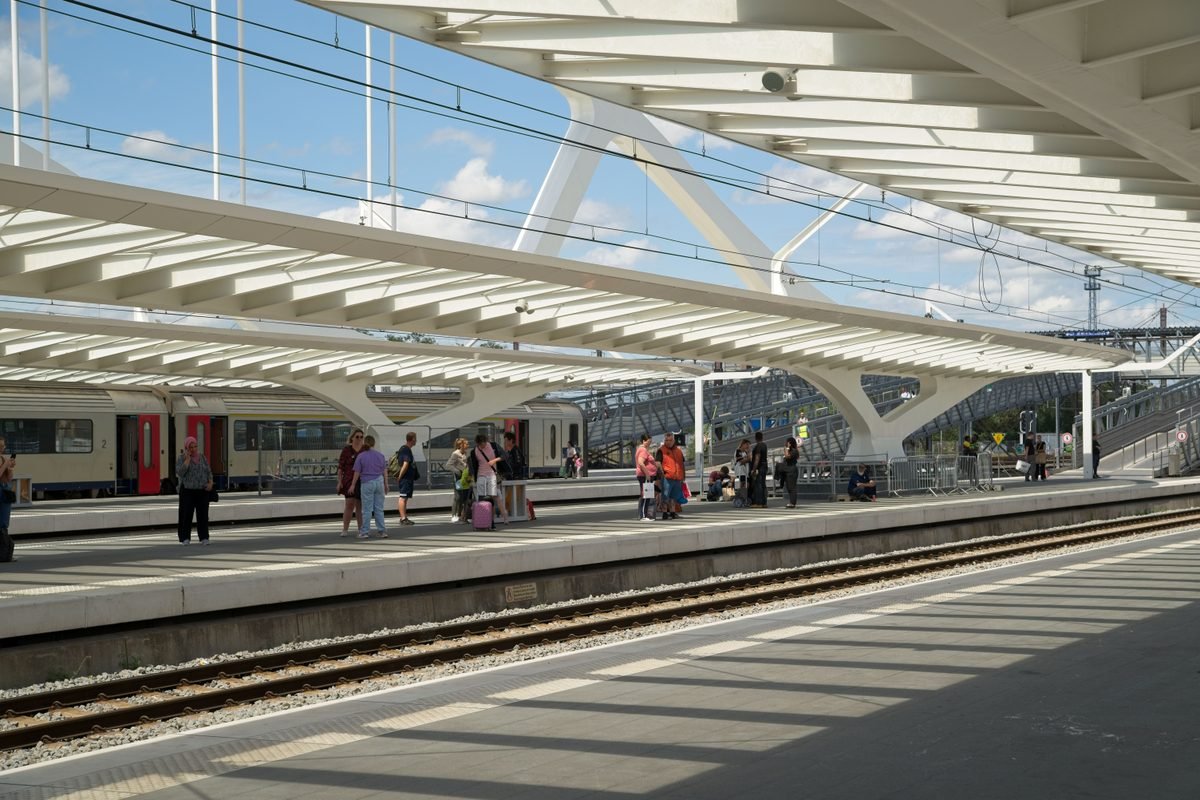
The platform at Yongsan Station feels different when you are waiting for the ITX-Cheongchun. While the KTX carries people to distant cities like Busan, this double-decker train is the gateway to the mountains and lakes of Gangwon-do. I often take this ride on Saturday mornings when I need to escape the gray concrete of Seoul for a few hours. The air in Chuncheon always feels a few degrees cooler and much cleaner than the air in the city. It is a place that moves at its own pace, defined by the slow curves of the Soyang River.
This guide is for travelers who want a perfect Chuncheon dakgalbi day trip from Seoul. I will cover how to navigate the train system, where to find the best spicy chicken, and how to spend an afternoon by the water. We will also look at how to pair this trip with a stop in Gapyeong for those who want to see Nami Island. Whether you are a solo traveler or with a group, this itinerary ensures you eat the best food and see the best sights without the stress of planning.
How to get to Chuncheon from Seoul
The journey begins at Yongsan Station or Cheongnyangni Station in Seoul. You must look for the ITX-Cheongchun, which is the only train in Korea with double-decker cars. A standard seat from Yongsan to Chuncheon costs ₩6,900 (about $5) and takes roughly 75 minutes. I always recommend booking through the Korail Talk app at least three days in advance, especially for weekend trips. These trains sell out quickly because Chuncheon is a favorite weekend getaway for locals. If you cannot find a seat, you can buy a standing ticket, but standing for over an hour is not the best way to start your day.
Once you board, try to get a seat on the second floor of cars 4 or 5. The view of the Han River as you leave the city and head into the green valleys of Gyeonggi-do is much better from the higher vantage point. The train is fast. It skips many of the smaller stops that the regular Gyeongchun Line subway makes. While you can take the subway for about ₩3,000 (about $2.20), it takes nearly two hours and the seats are less comfortable. Grab a window seat. You will see the landscape transition from high-rise apartments to forested peaks and wide river basins.
When you arrive at Chuncheon Station, do not rush out. Take a moment to look at the map outside the exit. The city is walkable, but the main food street is about a 15-minute walk or a quick ₩4,800 (about $3.50) taxi ride away. I usually walk if the weather is clear. The path takes you past local shops and gives you a sense of the slower pace here. If you are planning to visit other sites like the Soyanggang Skywalk, the local buses are frequent. Use Naver Map to check the live bus arrivals, as the timing can vary on weekends. The train is fast. It makes the whole trip feel like a breeze.
Book ahead: Reserve Your Seat Early
Weekend ITX tickets to Chuncheon often sell out days in advance. Use the Korail Talk app to book your return trip at the same time you book your departure.
Where to find the best Chuncheon dakgalbi
You might be confused when you hear the name Myeong-dong. It is not the same as the shopping district in Seoul. In Chuncheon, Myeong-dong refers to the central neighborhood where the most famous food street is located. This narrow alley is packed with dozens of restaurants all serving the same dish: dakgalbi. The tradition started in the 1960s as a cheap snack to go with drinks for soldiers stationed nearby. It was originally grilled over charcoal, but today most places use large circular iron pans. The history of the dish is tied to the city’s identity as a military and educational hub.
The smell of fermenting chili paste and roasting chicken hits you before you even see the street. A large golden chicken statue marks the entrance to the alley. While many tourists flock to the most famous names, I find that almost any restaurant on this street provides a high-quality experience. They all use fresh chicken from the region and local vegetables. Look for a place where you see local families eating; that is usually the best sign of quality. The chicken is tender. It melts in your mouth when cooked properly with the signature red sauce.
The interior of these restaurants is often simple. You will see round tables with a large burner in the center. Most places provide plastic bags or storage stools for your coats and bags. This is essential because the smell of the spicy sauce will cling to your clothes. The atmosphere is social. It is a place meant for sharing a meal with friends or family. You will notice that many restaurants have photos of celebrities on the walls, as this street is a staple for Korean television shows. Despite the popularity, the prices remain reasonable, usually around ₩15,000 (about $11) per person. This makes it an accessible feast for everyone.
From a local: The Other Myeong-dong
Locals call this area Myeong-dong because it was the first place in the city to have bright street lights, just like the famous district in Seoul.
What to expect when ordering dakgalbi
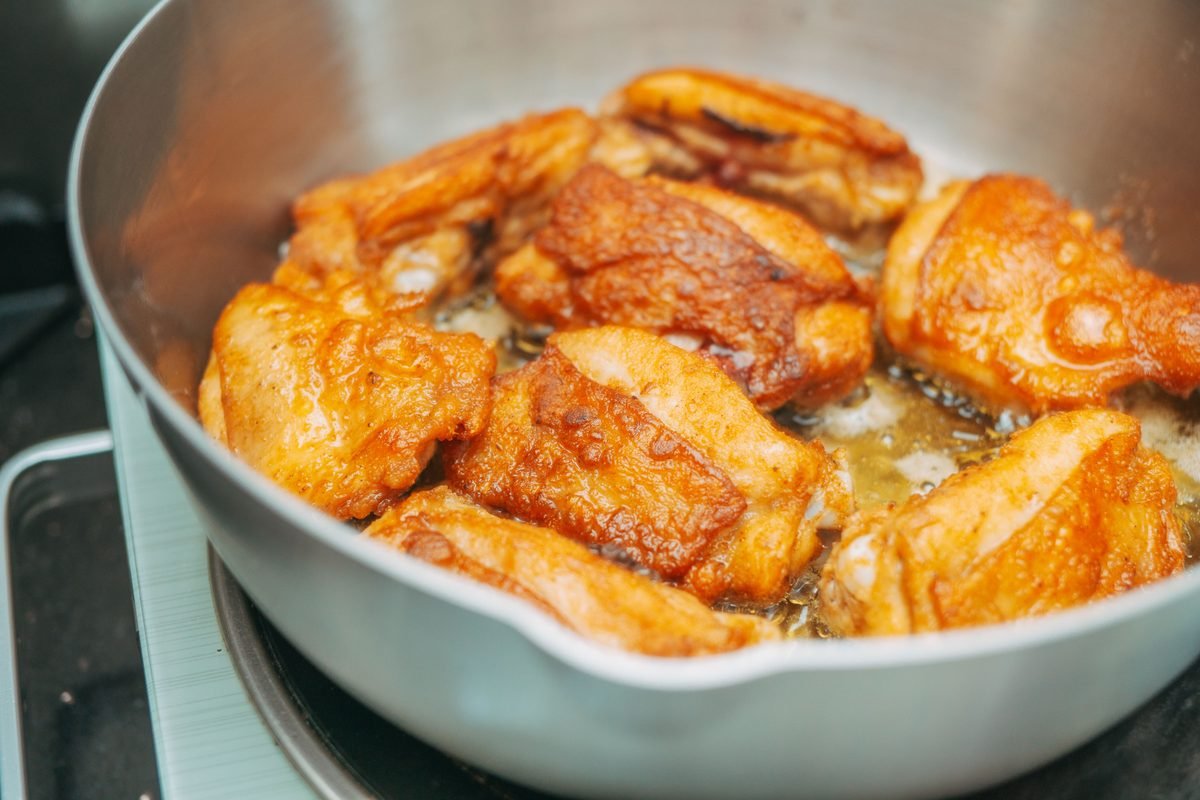
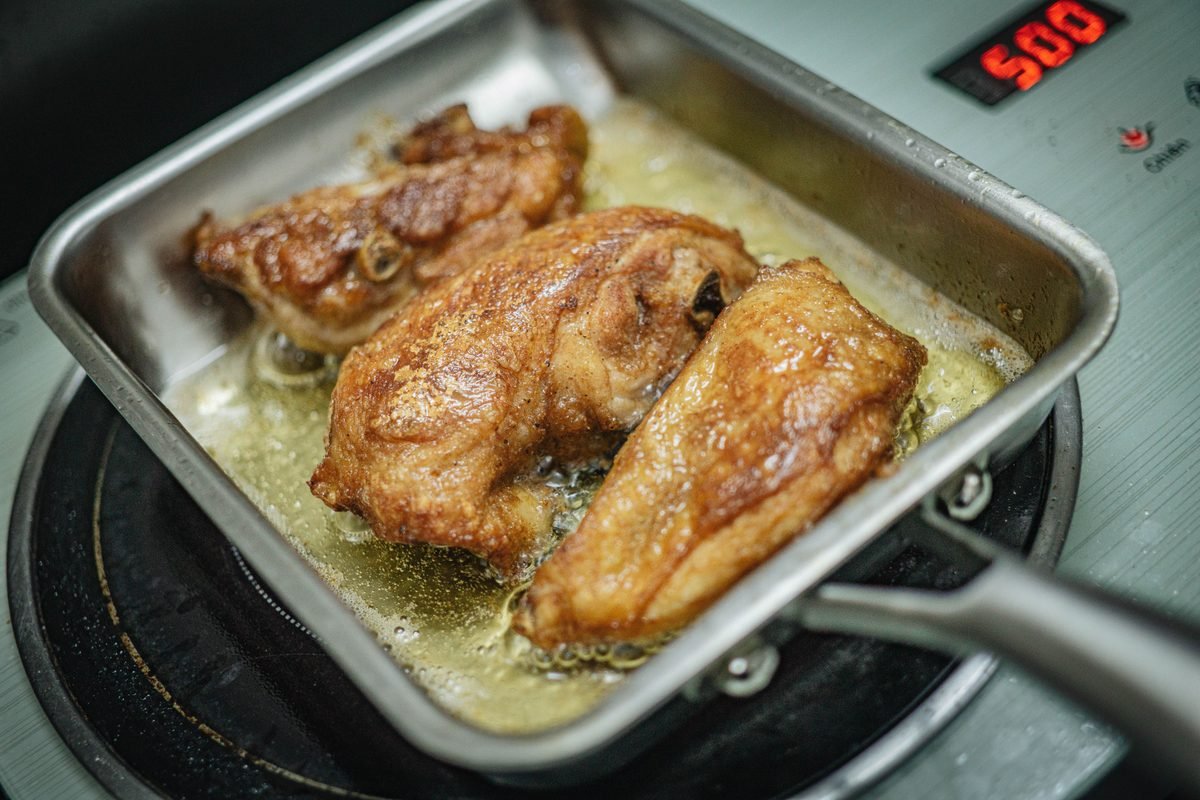
Ordering dakgalbi is straightforward, but there are a few things to know. The menu is usually priced per person, and most places require a minimum order of two portions. The base dish includes marinated chicken, thick slices of cabbage, sweet potatoes, and “tteok” or chewy rice cakes. The sauce is a blend of gochujang, garlic, ginger, and sugar. If you are sensitive to heat, you can ask the server to make it “sunhan-mat” (mild), but the standard version is what most people come for. The sauce is spicy. It has a slow build that warms you up from the inside.
You should also consider adding “sari” or extra toppings. My favorite is “ramyeon sari” (instant noodles) or “udong sari” (thick wheat noodles). These are added halfway through the cooking process. Another popular choice is “cheese sari,” where a thick layer of mozzarella is melted over the chicken at the end. It helps cut through the spiciness of the sauce. The server will do all the work for you. They come by periodically with a large metal spatula to flip and stir the ingredients. The pan is hot. You should keep your hands away from the rim while they work.
Do not try to cook it yourself. The staff has a specific rhythm to ensure the sweet potato is soft while the chicken stays juicy. They will tell you when it is okay to start eating the rice cakes and vegetables first. The chicken takes a bit longer. While you wait, you will be served “dongchimi,” a cold radish water kimchi. This sour, refreshing liquid is the perfect palate cleanser between bites of the spicy chicken. It is meant to be sipped directly from the bowl. Once the server gives the final okay, you can start wrapping the chicken in lettuce or perilla leaves with a bit of raw garlic and ssamjang. It is a perfect bite every time.
Heads up: Mind the Splatter
Dakgalbi sauce is notorious for staining. Most restaurants provide aprons; make sure to wear one before the server starts stirring the pan.
Why you must finish with bokkeumbap
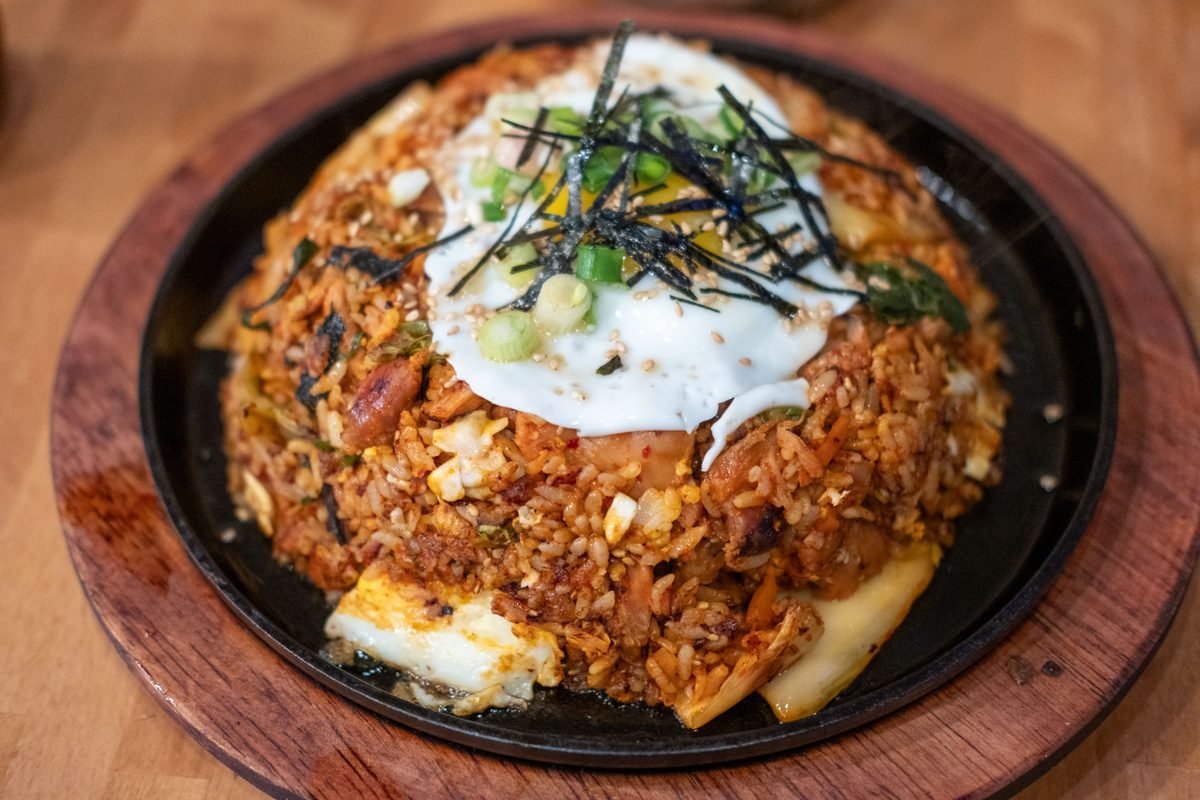
The most important rule of a Chuncheon dakgalbi day trip is to save room for the end. In Korea, we call bokkeumbap the “dessert” of the meal. When you have finished about 80% of your chicken and vegetables, do not finish the sauce. You need that leftover flavor for the fried rice. Call the server and order “bokkeumbap” for ₩3,000 (about $2) per portion. They will bring a bowl of rice, seaweed flakes, sesame oil, and sometimes a fresh egg or more greens. Order the fried rice. You will regret it if you don’t.
The server will use the spatula to scrape the caramelized bits off the bottom of the pan. These bits are full of concentrated flavor. They then mix the rice into the remaining sauce with a rhythmic clinking of metal on iron. They will spread the rice out into a thin layer and let it sit for a minute. This creates a crispy crust on the bottom called “nurungji.” This texture is the best part of the entire experience. It provides a smoky crunch that contrasts with the soft rice on top. The pan is hot. Be careful not to touch it while scraping the rice.
Some places offer a heart-shaped rice service for tourists, but the flavor is what matters. The combination of the smoky, spicy sauce with the nutty sesame oil and the crunch of the rice is addictive. It is the proper way to conclude the savory part of your journey. If you are still thirsty, this is the time to try “Makgeolli,” the local rice wine. Chuncheon and the surrounding Gangwon province are known for corn-flavored makgeolli, which has a subtle sweetness that pairs perfectly with the spicy rice. By the time you scrape the last grain of rice from the pan, you will understand why people travel from Seoul just for this one meal.
Things to do near the Soyang River
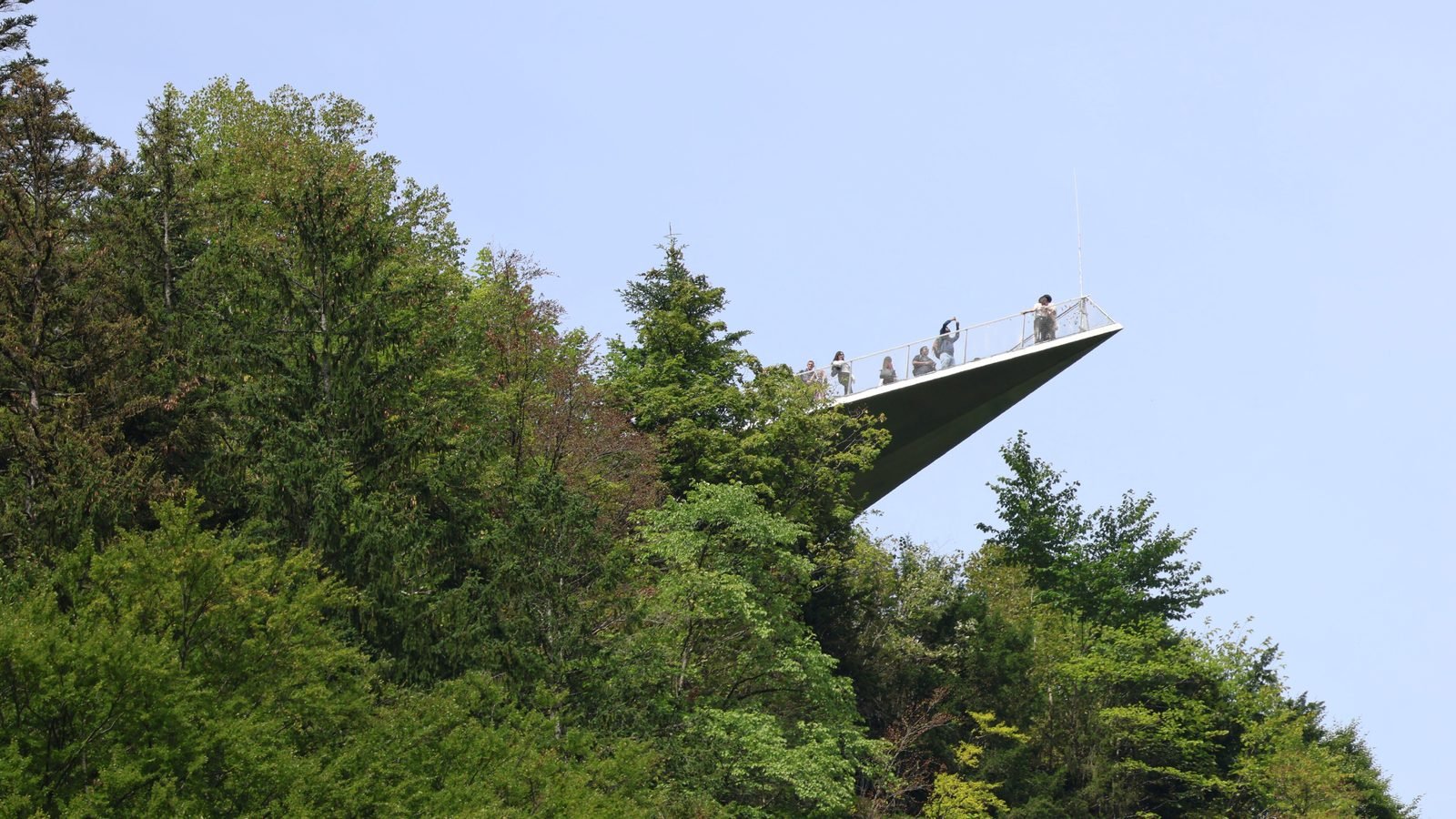
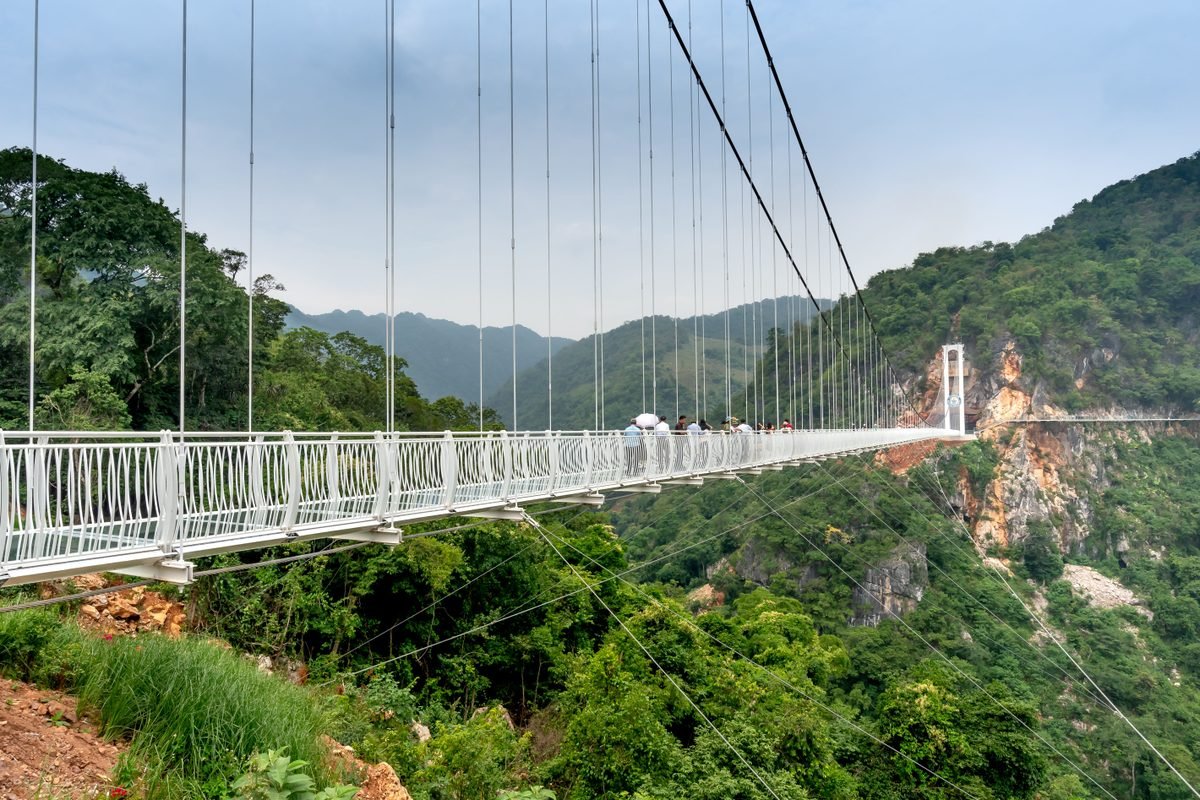
After a heavy meal, you need to walk. The best place to go is the Soyang River area. You can take a short bus ride or a 10-minute taxi to the Soyanggang Skywalk. Entry costs ₩2,000 (about $1.50), but the city gives you back a ₩2,000 “Chuncheon Love Gift Certificate.” You can use this voucher at almost any cafe or shop in the city, making the entry essentially free. The skywalk is a long glass bridge that extends over the water. You must wear protective cloth covers over your shoes to prevent scratching the glass. Walk toward the water. The view is worth the effort.
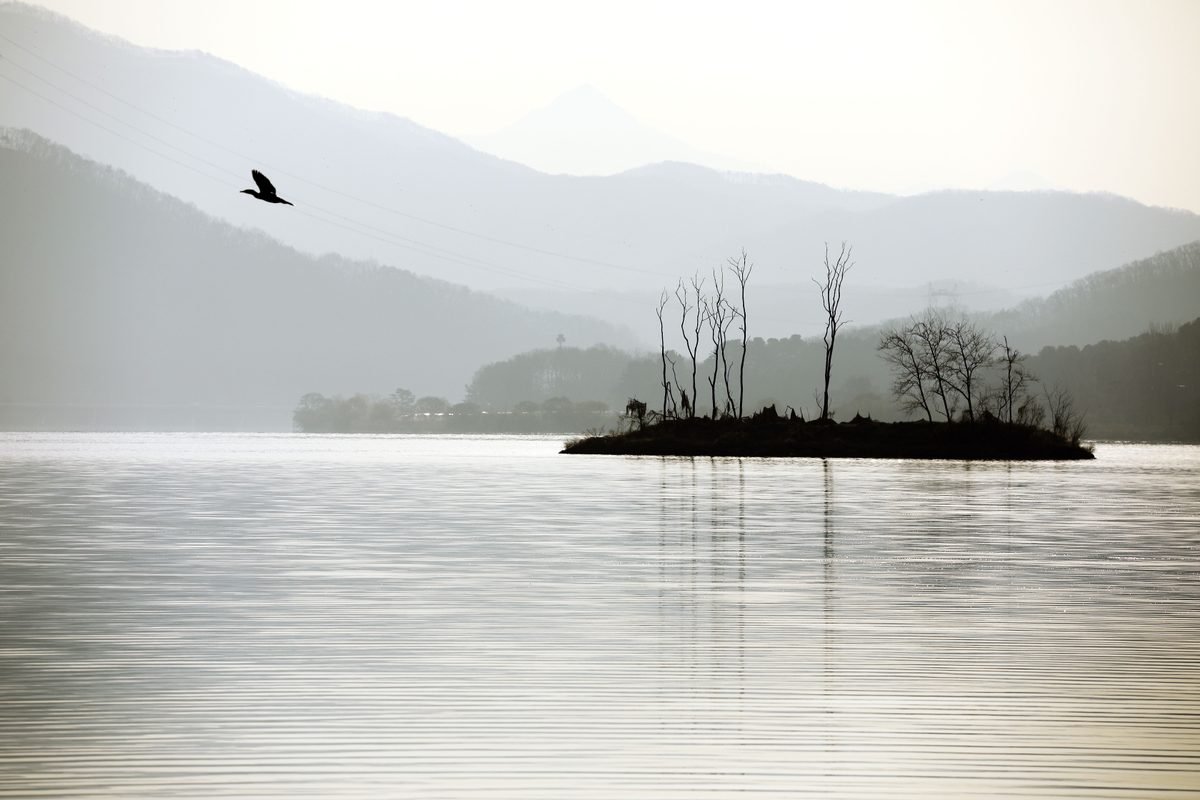
Walking over the clear glass can be a bit nerve-wracking if you are afraid of heights, but the view of the lake and the surrounding mountains is peaceful. At the end of the bridge, you can see the “Soyanggang Maiden” statue nearby. She is a famous figure from a classic Korean song, representing a girl waiting for her lover. The statue is quite tall and looks particularly good as the sun begins to set. The breeze off the river is refreshing, especially after the heat of the dakgalbi restaurant. It clears your head instantly.
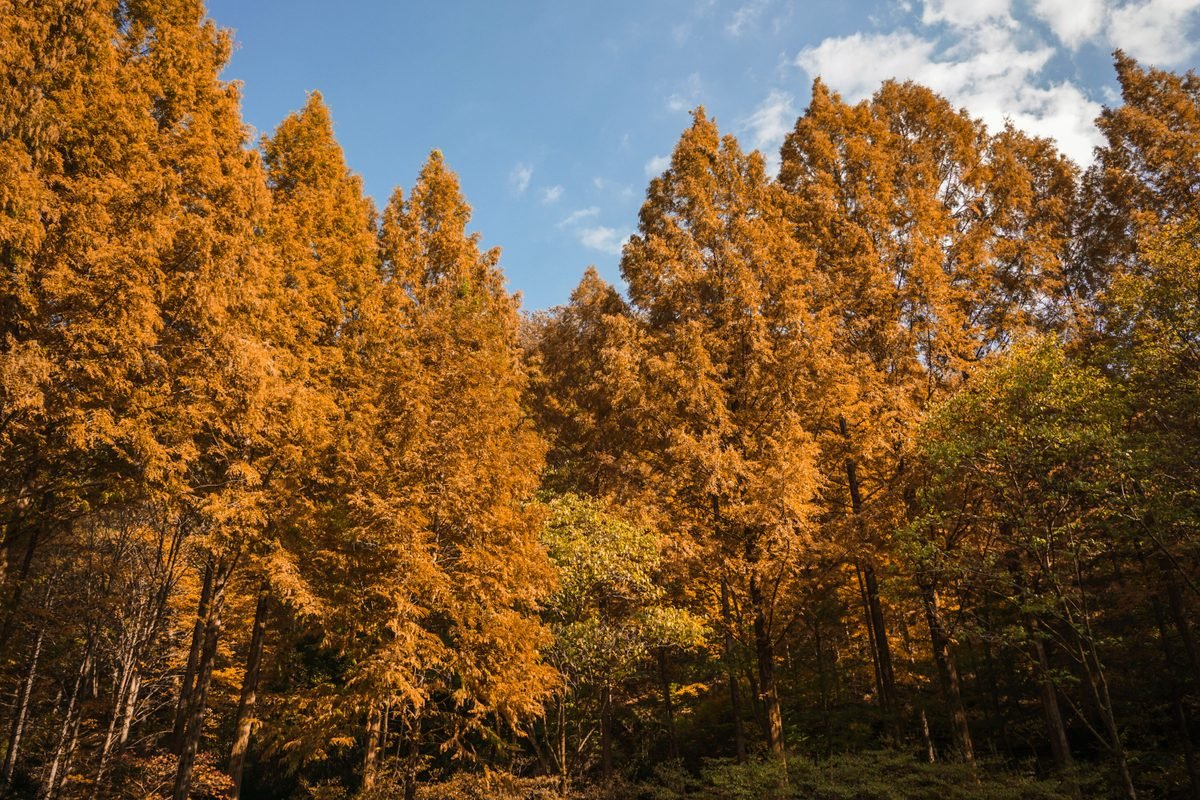
If you have more time, you can walk along the riverside path toward the Gongjicheon Sculpture Park. This area is popular with local joggers and families. There are several floating cafes on the river where you can sit and watch the swan boats go by. It is a much slower pace of life than what you find in Seoul. If you visit in October, the leaves on the mountains surrounding the lake will be turning shades of orange and red. This natural beauty provides a nice contrast to the urban food scene you experienced earlier in the day. The water is calm. It reflects the sky like a mirror.
Tip: Use Your Vouchers
Don’t lose the ₩2,000 voucher you get at the skywalk. It is valid at most local coffee shops along the riverbank.
Combining Chuncheon with a Gapyeong stop
Many travelers choose to combine Chuncheon with a stop in Gapyeong. Gapyeong is the station right before the Chuncheon area on the ITX line. It is the jumping-off point for Nami Island, Petite France, and the Garden of Morning Calm. If you want to do both in one day, I suggest starting early. Take the train to Gapyeong first, spend your morning on Nami Island, and then take the ITX or the local subway the rest of the way to Chuncheon for a late lunch. This maximizes your Seoul day trips potential.
The Gapyeong Tour Bus is the easiest way to get around the Gapyeong sites. A day pass costs ₩8,000 (about $6) and allows you to hop on and off at all the major tourist spots. However, be aware that Nami Island can be very crowded on weekends. If you prefer a quieter trip, skip Gapyeong and spend your entire day in Chuncheon. You can visit the Animation Museum or the Chuncheon National Museum instead. These sites are less crowded and offer a deeper look into the local culture. The bus is convenient. It stops right outside the station exit.
When you are ready to head back to Seoul, make sure you have your return ITX ticket booked. The last few trains of the evening are almost always full. If you find yourself stuck without a seat, the Gyeongchun Line subway is your fallback option. It runs until late at night and will get you back to Sangbong or Cheongnyangni Station. While it is slower, it is a reliable way to end your day. The ride back is usually quiet, filled with tired hikers and full-bellied foodies heading back to the city lights. You will likely sleep the whole way back. The day is long. It is a rewarding experience.
What it costs in Chuncheon
| Item | Local price | USD |
|---|---|---|
| ITX-Cheongchun (Round trip) | ₩13,800 | ($14) |
| Dakgalbi (1 person) | ₩15,000 | ($11) |
| Ramyeon Sari (Topping) | ₩2,000 | ($1.50) |
| Bokkeumbap (Fried rice) | ₩3,000 | ($2) |
| Soyanggang Skywalk | ₩2,000 | ($1.50) |
| Local Bus/Taxi | ₩10,000 | ($7) |
| Mid-range hotel night | ₩90,000 | ($66) |
| Total (Day trip only) | ₩45,800 | ($38) |
Prices checked October 2026. Always confirm with the provider before you book.
Where to stay in Chuncheon
Budget
Chuncheon Station area, for guesthouses near the rail line
This area is perfect for those arriving late or leaving early, with several clean hostels within a ten-minute walk of the tracks. Expect to pay between ₩30,000 and ₩50,000 per night.
Mid-range
Soyang-dong, for business hotels near the government district
This central neighborhood offers modern rooms and easy access to the dakgalbi street and local markets. Nightly rates usually fall between ₩80,000 and ₩120,000.
Splurge
Gongjicheon, for hotels with views of the Uiamho Lake
If you want a view of the water and mountains, this is the best spot for higher-end accommodation and boutique stays. Prices range from ₩150,000 to ₩250,000 depending on the season.
Mistakes to avoid
- Not booking ITX-Cheongchun tickets in advance for weekend travel, leading to a two-hour standing subway ride.
- Eating all the chicken and vegetables before ordering the bokkeumbap, which needs the leftover sauce for flavor.
- Attempting to use Google Maps for walking directions in Chuncheon instead of Naver Map or KakaoMap.
FAQ
How long is the Chuncheon dakgalbi day trip from Seoul?
The train ride takes about 75 minutes each way, and a typical itinerary including lunch and a visit to the river takes about 6 to 8 hours.
Can I eat dakgalbi alone in Chuncheon?
Most restaurants have a two-portion minimum for the iron pan, so solo travelers usually have to pay for two servings or find a partner.
Is Chuncheon dakgalbi very spicy?
It is moderately spicy, but most restaurants can adjust the heat level to ‘sunhan-mat’ (mild) if you ask the server.
What is the best time of year for a Chuncheon dakgalbi day trip?
October is ideal because the weather is cool and the autumn foliage around the Soyang River and Nami Island is at its peak.
Do I need a reservation for the dakgalbi restaurants?
Generally no, as the restaurants on the main street are large and have high turnover, though you might wait 15 minutes on a busy Saturday.