The Ultimate Local Jeonju Bibimbap Guide

I still remember the first time a heavy brass bowl of warm rice, seasoned mung bean jelly, and raw beef was placed in front of me in Jeonju. It was autumn, and the air had just turned crisp. The complex aroma of toasted sesame oil and fermented chili paste immediately made it clear that this was not the standard fare you find in food courts back home.
This Jeonju bibimbap guide is for independent travelers who want to skip the tourist traps and find the real culinary soul of the city. We will cover how to take a fast day trip from Seoul by KTX, where locals actually eat, and how to navigate the famous makgeolli alleys.
How to get to Jeonju from Seoul
Getting to Jeonju from Seoul is remarkably simple, making it one of the best day-trip or weekend destinations in South Korea. The absolute best way to travel is by taking the Korea Train eXpress (KTX) from Yongsan Station or Seoul Station. The train ride is fast. It takes roughly 1 hour and 40 minutes to reach Jeonju Station. A standard one-way KTX ticket costs about ₩34,400 (about $26). You should buy your tickets online through the official Korail website or app up to a month in advance, especially if you plan to travel on a Friday afternoon or during the weekend, as these trains sell out quickly.
If you are on a tight budget, you can opt for the slower Mugunghwa train, which costs around ₩18,900 (about $14) but takes closer to three and a half hours. Once you arrive at Jeonju Station, the historic Hanok Village is still a short distance away. Do not try to walk it. The easiest option is to step outside the station and head straight to the taxi stand. A taxi ride to the edge of the Hanok Village takes about fifteen minutes and costs roughly ₩7,000 (about $5). Alternatively, you can hop on local bus 79 or 119 right outside the terminal for ₩1,500 (about $1.15). Make sure you have your T-money card ready to tap as you board.
Book ahead: Booking your KTX tickets
Weekend KTX trains from Seoul to Jeonju sell out fast. Book exactly one month ahead on the official Korail website.
When to visit Jeonju for food
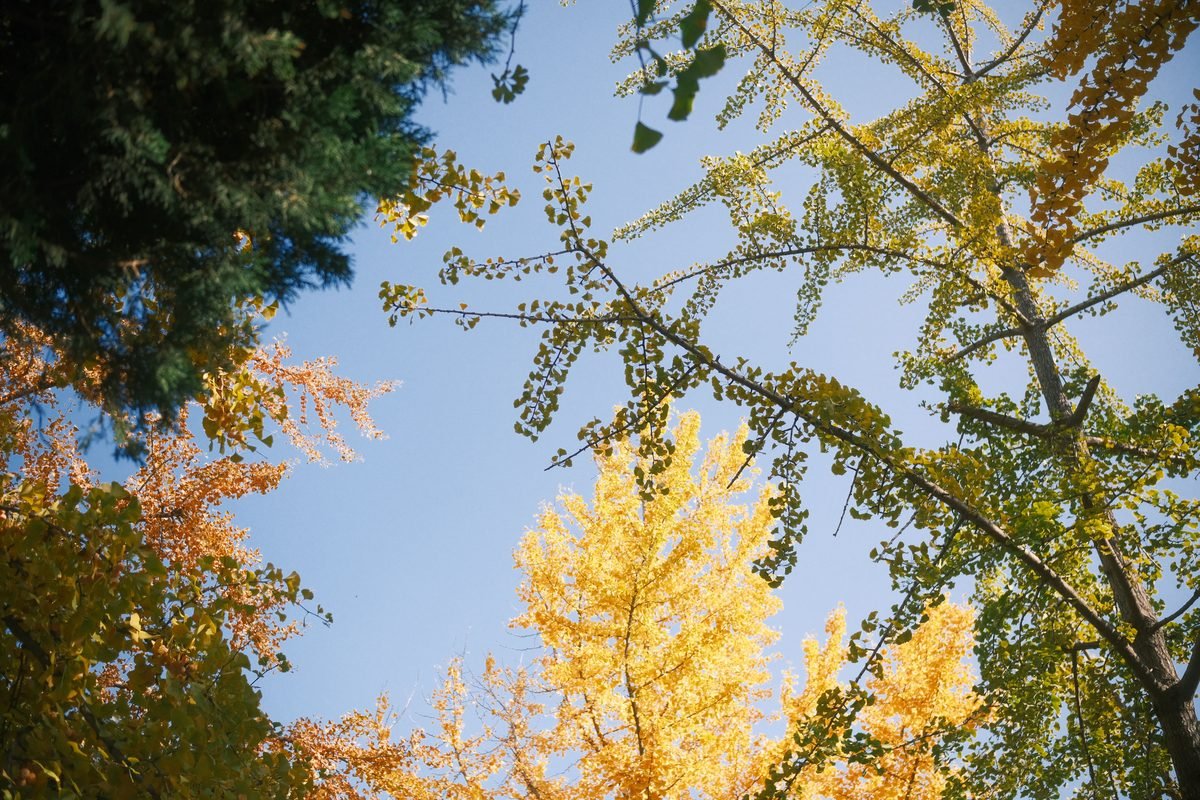
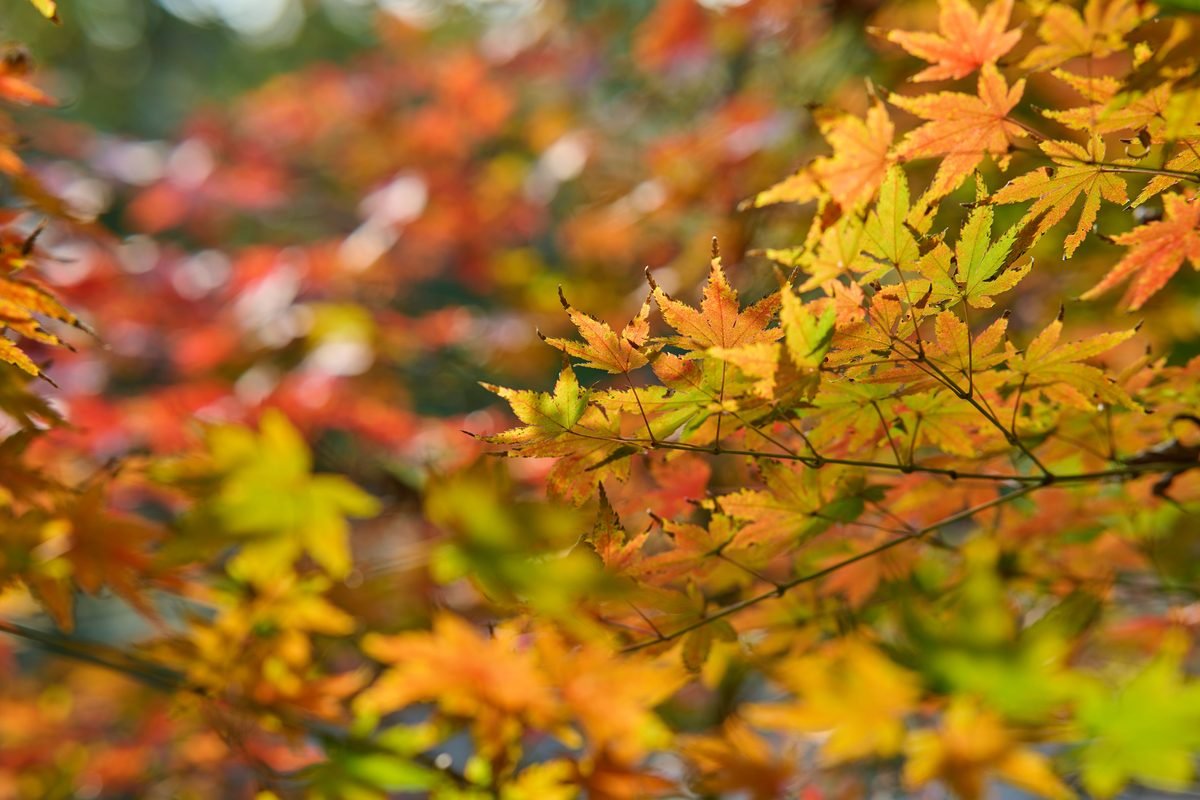
Timing your visit to Jeonju is crucial to getting the most out of your culinary adventure. While you can find incredible food throughout the year, the shoulder seasons of autumn and spring offer the most pleasant conditions for walking between restaurants. Autumn, particularly from late September through November, is highly recommended. The summer heat has cleared, the air is crisp, and the ginkgo trees around Gyeonggijeon Shrine turn a brilliant gold. Walking through the stone-walled alleys with a cool breeze makes the heavy, warm meals even more satisfying.
Spring, from April to June, is another fantastic window when cherry blossoms and wild flowers bloom across the province. You should try to avoid the peak summer months of July and August. The humidity in Korea during this time can be draining, and walking through the crowded streets of the Hanok Village becomes uncomfortable. Winter brings its own quiet charm, and eating a steaming bowl of local soup while watching snow fall on traditional tiled roofs is beautiful, but some smaller street food vendors may close early. To avoid massive crowds, aim to visit on a weekday. Tuesdays and Wednesdays are particularly quiet, allowing you to get tables at famous restaurants without waiting in long lines.
The ultimate Jeonju bibimbap guide
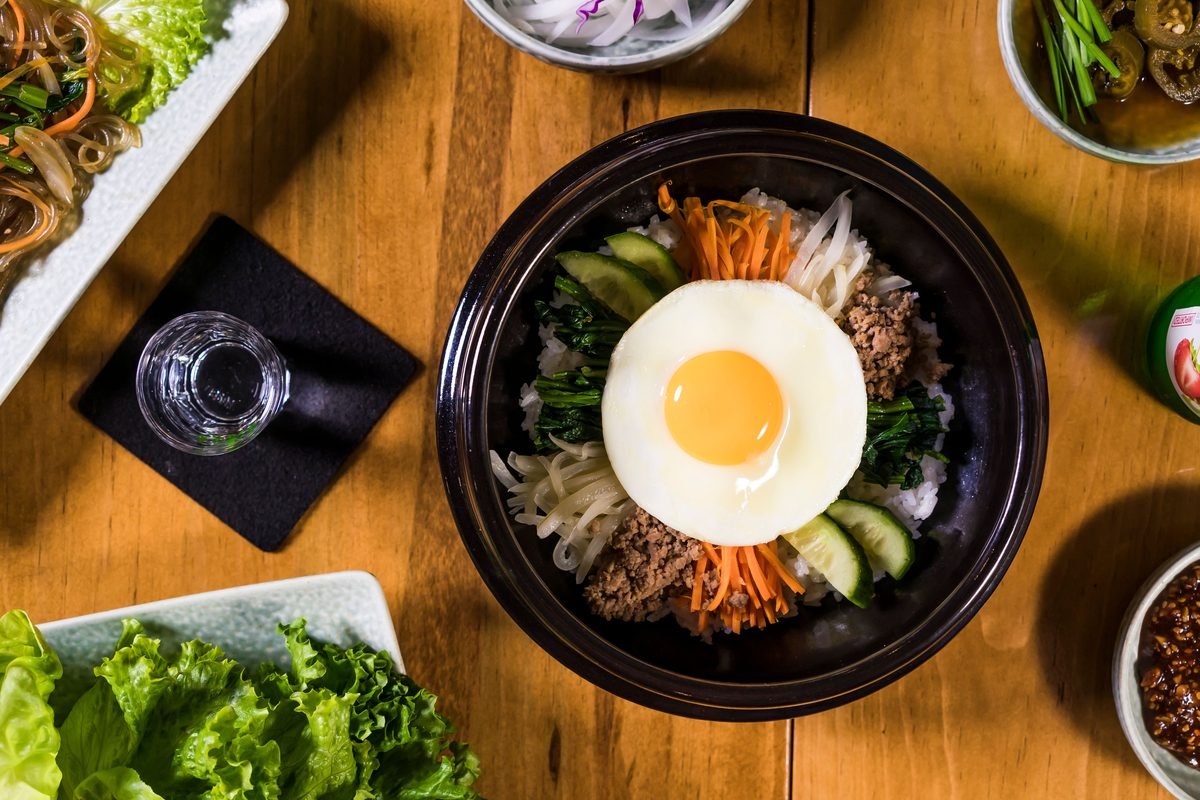
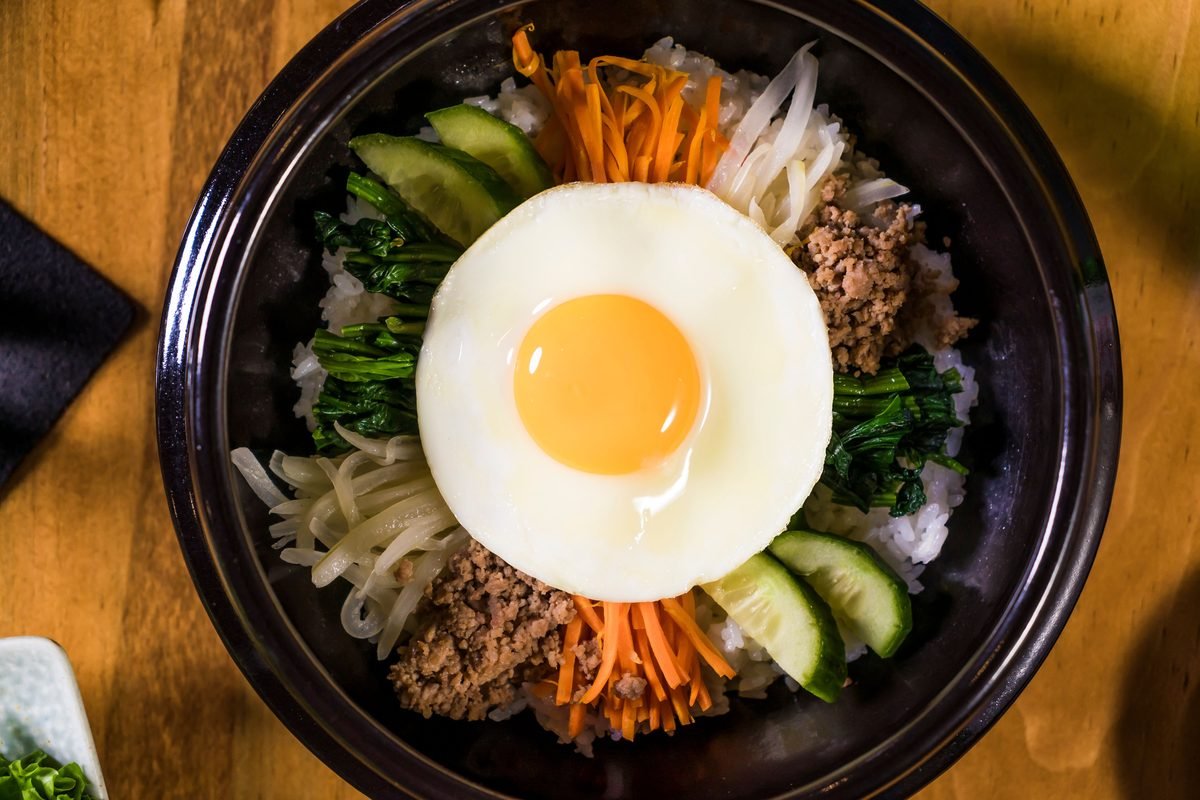
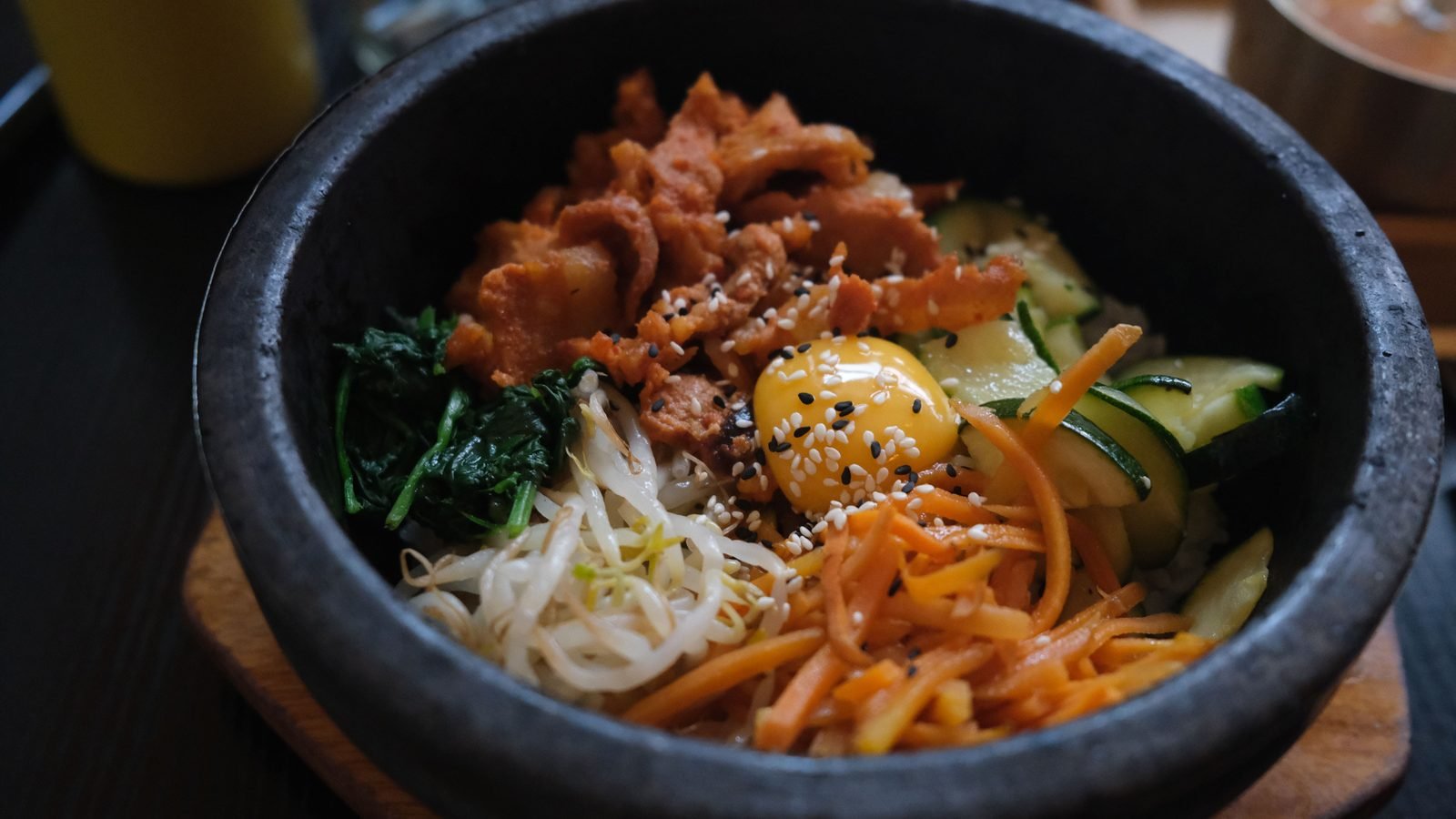
Jeonju is the spiritual birthplace of Korea’s most famous culinary export, but finding the right bowl requires knowing where to look. This Jeonju bibimbap guide will help you separate the tourist-oriented versions from the authentic local preparations. True Jeonju bibimbap is distinguished by several key elements. The rice is cooked in a rich beef flank broth rather than plain water, giving every grain a savory depth. It is then topped with up to thirty different ingredients, including local bean sprouts, wild fernbrake, and hwangpomuk, a yellow mung bean jelly unique to this region.
The yellow brass bowl is heavy. It is heated before serving to keep the ingredients warm without scorching the rice at the bottom. I always order the original. When you eat it, the traditional way is to mix the ingredients gently using chopsticks rather than a spoon, which keeps the delicate vegetables from turning into mush. While many visitors head straight to the flashy restaurants inside the Hanok Village, some of the absolute best bowls are found just outside its borders. Establishments like Hanguk Jip, which has been operating since 1952, or Gajok Hoegwan, run by a designated master of traditional Korean food, offer an authentic taste. Expect to pay about ₩15,000 (about $11) for a standard bowl, or ₩17,000 (about $13) for the premium version topped with fresh raw beef, known as yukhoe bibimbap.
From a local: How to mix your bowl
Never use your spoon to mix bibimbap. Locals use chopsticks to toss the ingredients gently so the rice stays fluffy and the vegetables don’t get crushed.
What to do in Jeonju Hanok Village
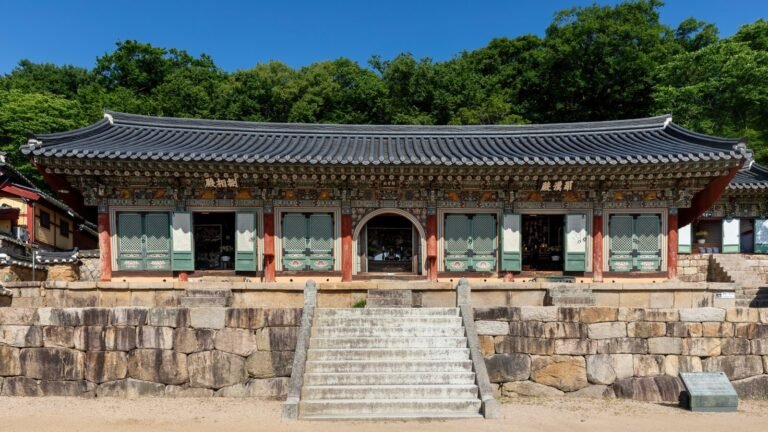
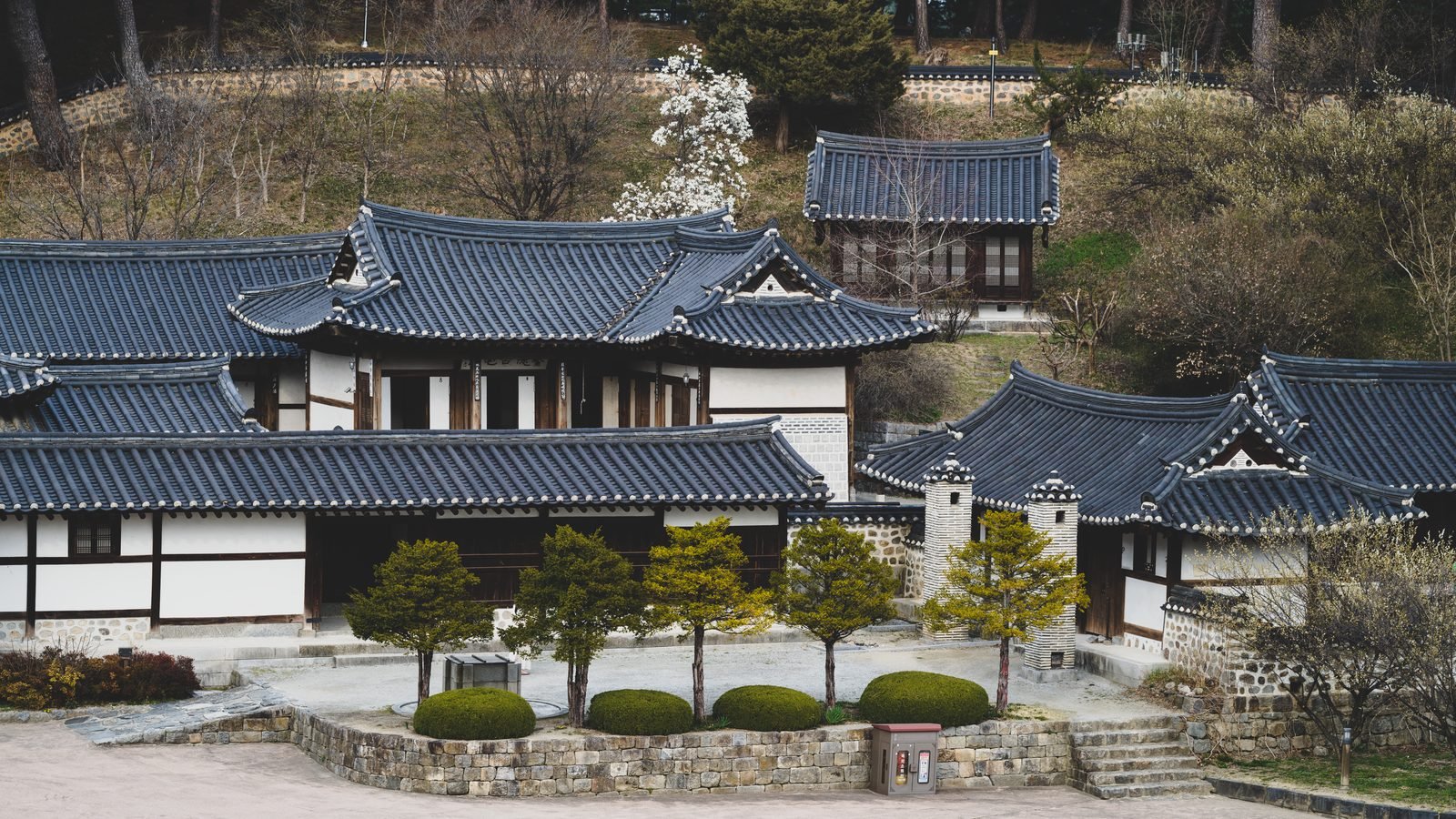
While food is the main draw, the historic architecture of the city provides the perfect backdrop for your meals. The Jeonju Hanok Village is home to over eight hundred traditional Korean houses, characterized by their elegant, upturned tiled roofs. Start your exploration at Gyeonggijeon Shrine, built in 1410 to hold the portrait of King Taejo, the founder of the Joseon Dynasty. Admission to the shrine grounds is ₩3,000 (about $2.30). Walking through the bamboo groves inside the shrine walls feels like stepping back in time. Directly opposite the shrine stands the striking Jeondong Cathedral, a red-brick structure completed in 1914 that blends Romanesque and Byzantine architectural styles.
For a panoramic view of the entire village, make the short uphill climb to the Omokdae Pavilion. It is especially beautiful at sunset when the lights of the traditional houses begin to flicker on. If you want to experience a quieter side of the city, head slightly east to the Jaman Mural Village, where steep alleys are decorated with colorful local artwork. While wandering, you will notice many visitors wearing rented traditional hanbok. If you wish to join in, rental shops are everywhere, charging roughly ₩20,000 (about $15) for a couple of hours. Keep in mind that major Buddhist temples in the wider province are now free to enter, though the historic sites within the city center still charge small, nominal fees.
Where to eat in Jeonju beyond bibimbap
Jeonju is a food city. Once you have tried the classic rice bowls, it is time to dive into the legendary drinking culture. The city is famous for its Makgeolli Alleys, with Samcheon-dong being the most popular district. The system here is unique and incredibly generous. You do not order individual dishes; instead, you order a copper kettle of local, unfiltered rice wine, which costs about ₩30,000 (about $23). With that kettle comes a massive spread of free side dishes that completely covers your table. We are talking about everything from steamed tofu with kimchi and savory pancakes to boiled octopus, grilled fish, and spicy stews.
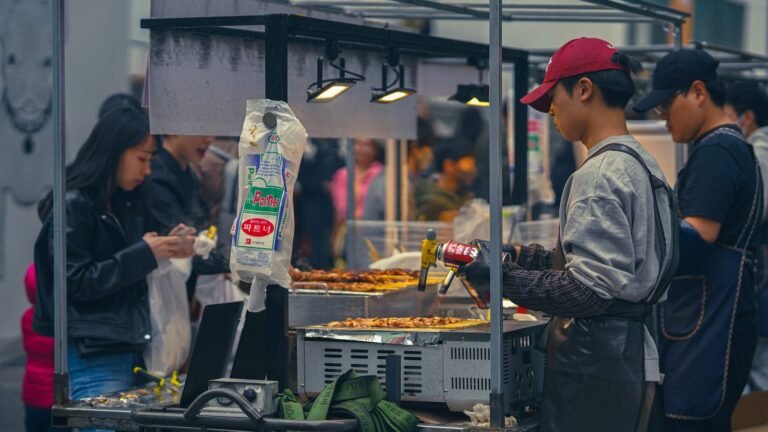
The magic happens when you order a second kettle. A second round costs about ₩20,000 (about $15) and prompts the kitchen to bring out an entirely new set of higher-end dishes, such as soy-marinated raw crab or freshly grilled meats. It is an incredibly social, noisy, and fun way to spend an evening. For breakfast the next morning, do as the locals do and head to the Nambu Market. Here, you must try kongnamul gukbap, a hot bean sprout soup served with a poached egg on the side. A bowl at the famous Hyundaiok stall inside the market costs about ₩8,000 (about $6) and is the ultimate local remedy for a late night in the makgeolli alleys.
Practical tips for your Jeonju trip
Navigating Jeonju smoothly requires adjusting to a few local digital realities. Do not use Google Maps. It does not work well for walking directions or public transit routes anywhere in South Korea. Instead, download Naver Map or KakaoMap before you arrive. These local apps are highly accurate, offer English interfaces, and will show you exactly which bus to take and where to get off. Make sure your phone is fully charged, and consider carrying a portable power bank, as you will be using these mapping apps constantly to find tucked-away restaurants.
While South Korea is highly digital and credit cards are accepted almost everywhere, it is still wise to carry some cash. Smaller street food vendors inside Nambu Market or elderly merchants selling snacks in the Hanok Village may prefer cash transactions. You can easily withdraw Korean Won from ATMs at convenience stores like GS25 or CU. Keep your T-money card topped up with at least ₩10,000 (about $8.00) for local bus rides and quick taxi payments. Finally, remember that many of the most authentic restaurants do not have English signs. Look for the Korean characters for bibimbap (비빔밥) or bean sprout soup (콩나물국밥) to guide your way.

Heads up: Avoid Google Maps
Google Maps will not give you walking directions in Jeonju. Download Naver Map or KakaoMap before leaving Seoul to avoid getting lost.
What it costs in Jeonju
| Item | Local price | USD |
|---|---|---|
| KTX train (one-way, Seoul to Jeonju) | ₩34,400 | $26.00 |
| Local taxi ride (Station to Hanok Village) | ₩7,000 | $5.30 |
| Traditional Jeonju Bibimbap | ₩15,000 | $11.40 |
| Gyeonggijeon Shrine entry fee | ₩3,000 | $2.30 |
| First kettle of Makgeolli with food spread | ₩30,000 | $22.80 |
| Nambu Market bean sprout soup | ₩8,000 | $6.10 |
| Average daily budget (excluding accommodation) | ₩95,000 | $72.00 |
Prices checked September 2026. Always confirm with the provider before you book.
Mistakes to avoid
- Visiting only the restaurants inside the main tourist strip of the Hanok Village, which are often overpriced and adjusted for tourist palates.
- Attempting to navigate the city using Google Maps, which lacks accurate walking routes and updated bus schedules for Jeonju.
- Forgetting to book your weekend KTX return tickets to Seoul in advance, leaving you stranded or forced to take a slow four-hour bus.
FAQ
Is Jeonju worth a day trip from Seoul?
Yes, Jeonju is highly worth a day trip, especially since the KTX gets you there in under two hours. You can easily see the main Hanok Village sights and eat a couple of fantastic meals before heading back.
Where can I find the best Jeonju bibimbap guide tips?
This Jeonju bibimbap guide recommends looking for historic restaurants just outside the Hanok Village, such as Hanguk Jip or Gajok Hoegwan. These spots use traditional brass bowls and high-quality local ingredients like yellow mung bean jelly.
How much does a meal cost in Jeonju?
A standard bowl of bibimbap costs about ₩15,000 (about $11). A bowl of breakfast bean sprout soup is roughly ₩8,000 (about $6), while a massive makgeolli table feast starts at around ₩30,000 (about $23).
Can you walk around Jeonju Hanok Village for free?
Yes, walking around the Hanok Village streets is completely free. Only specific historic sites inside the village, like Gyeonggijeon Shrine, charge a small entry fee of ₩3,000.
What is the best way to get around Jeonju?
Taxis and local buses are the most efficient ways to get around. A taxi ride from the train station to the historic center is very affordable, usually costing around ₩7,000.