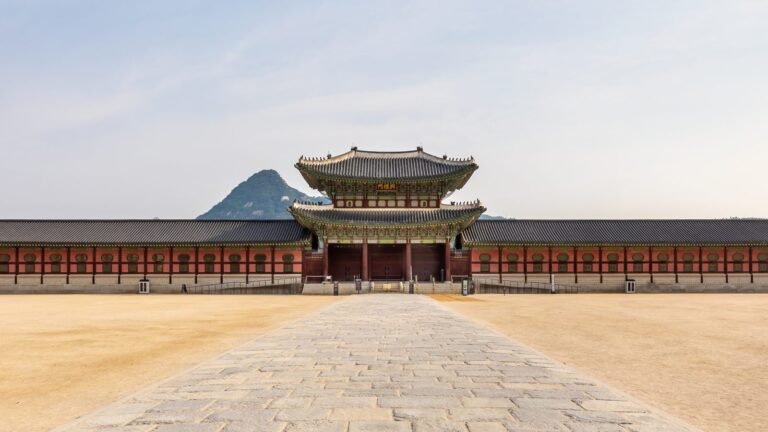
Seoul Traditional Korean Medicine Market Guide

Step out of exit 2 at Jegi-dong Station and the air changes immediately. It smells of scorched earth, bitter roots, cinnamon bark, and sweet dried jujubes. You are standing on the edge of Seoul Yangnyeongsi, a historic marketplace that handles roughly 70 percent of South Korea’s raw herbal medicine trade. Crates of gnarled ginseng, sacks of astragalus root, and bundles of dried angelica spill across the sidewalks in deep brown heaps. The alleyways hum with electric herb-slicing machines, wooden mortar thuds, and wholesale merchants checking burlap sacks.
This Seoul traditional Korean medicine market guide is designed for independent travelers who want to explore beyond tourist gift shops. Whether you want to browse loose botanicals, steep your feet in medicinal decoctions, or sit down with an English-friendly practitioner for a traditional constitution reading, here is how to navigate the alleys, purchase authentic Korean roots, and decode the herbal medicine capital of Seoul.
Seoul Traditional Korean Medicine Market Guide to History and Layout
Yangnyeongsi owes its location to Joseon Dynasty charity. During the reign of King Taejong in the early fifteenth century, the royal court established Bojewon just outside the eastern city wall. Bojewon served as a relief clinic, providing shelter, boiled medicine, and food to sick travelers and poor residents entering the capital. The modern herbal trade took root around Jegi-dong in the 1960s, when herbalists, gatherers from the Gangwon-do mountains, and farmers from Gyeonggi converged near Cheongnyangni train terminal to sell mountain crops directly to city apothecaries.
The market spans several blocks along Gosanja-ro and Wangsan-ro in Dongdaemun-gu. Over 800 businesses operate here today, including wholesale herb warehouses, retail dispensaries, traditional processing workshops, and licensed Korean medicine (hanuiwon) clinics. Walking the streets is remarkably sensory. You will see enormous rotary slicing blades shaving tree barks into paper-thin strips. Wooden apothecary chests lined with brass ring pulls dominate shopfronts. Many vendors still use hand-held wooden scales balanced with brass weights to measure ingredients down to the gram.
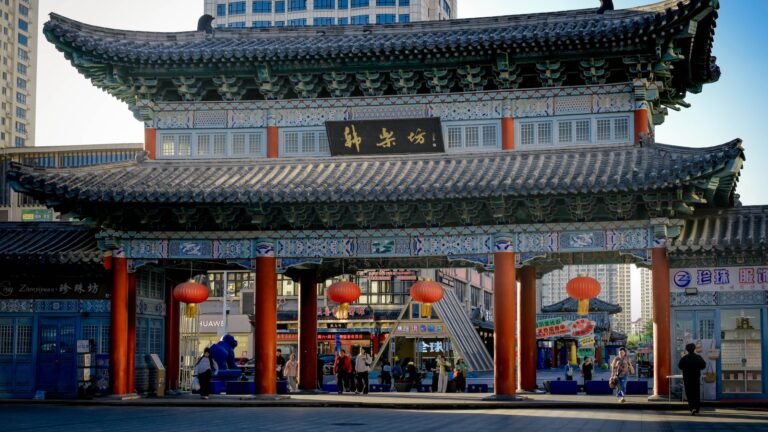
Getting here is simple via public transit. Take Seoul Subway Line 1 to Jegi-dong Station and leave through exit 2. The monumental traditional gate of Yangnyeongsi rises just sixty meters ahead. Base subway fare is ₩1,550 (about $1.15) using a transit card. If you are learning how to use T-Money card Seoul on public transit, simply tap through the turnstiles and follow the herbal scent up the exit stairs. The core market runs Monday through Saturday from roughly 09:00 to 18:00. Most wholesalers close on Sundays.
Tip: Visit on weekday mornings
Wholesale slicing and processing peak between 09:30 and 13:00 on weekdays. Arrive before noon to watch merchants cut roots, pack decoction pouches, and negotiate wholesale sacks.
How to Buy Fresh Ginseng, Red Ginseng, and Medicinal Roots
Ginseng is the centerpiece of Yangnyeongsi. Korean ginseng (insam) is classified primarily by how it is processed. Fresh, raw roots are known as susam. Dried white roots are baeksam, and roots steamed and cured until deep crimson are hongsam (red ginseng). For cooking nourishing soups like samgyetang, fresh susam is standard. You can purchase fresh roots by the geun (600 grams) or individually. Three to four plump roots suitable for cooking typically cost between ₩10,000 and ₩15,000 (about $7.50 to $11.25).
Look closely at the root structure before choosing. High-grade roots have firm, smooth bodies, well-defined main taproots, and intricate networks of fine feeder roots intact. Avoid roots that feel spongy or show dark, wet bruising. If you intend to take ginseng home internationally, remember that almost every customs border prohibits raw agricultural produce with soil attached. Raw, dirt-coated roots will be confiscated at airport customs. Instead, opt for vacuum-sealed processed red ginseng, sliced honeyed roots, or vacuum-dried roots with official phytosanitary packaging, which run from ₩40,000 to over ₩120,000 (about $30 to $90) depending on root age and grade.
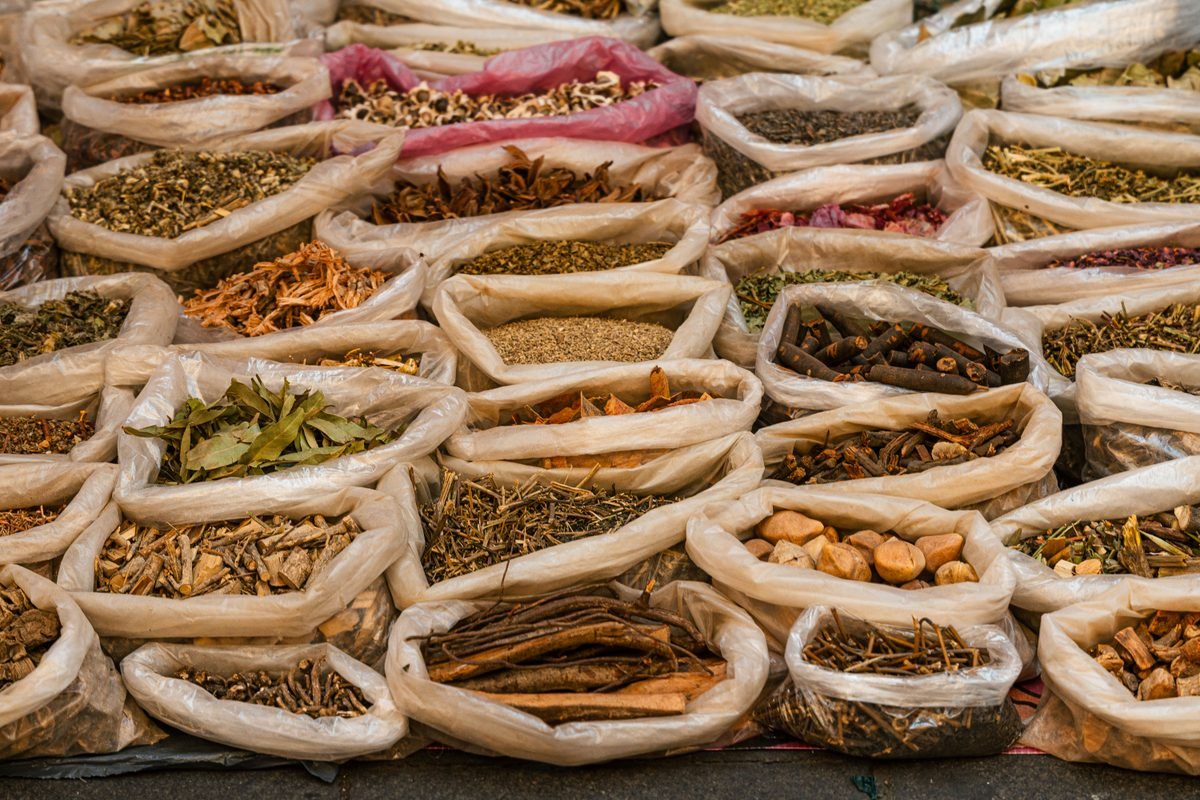
Beyond ginseng, the market is a treasure trove of dried therapeutic roots. Hwanggi (milk vetch or astragalus) is piled in thick straw-like bundles, selling for roughly ₩8,000 (about $6) per pack; it adds sweetness and immune-supporting warmth to braised chicken. Danggui (Korean angelica root) offers an unmistakable spicy-sweet aroma used to support blood circulation. Vendors are accustomed to home cooks and will gladly bundle soup kits containing dried jujubes, astragalus, ginkgo nuts, and dried licorice root (gamcho) for ₩5,000 (about $3.75).
Heads up: Raw soil customs trap
Do not buy unwashed, dirt-covered fresh ginseng if you plan to fly back home. Purchase certified vacuum-sealed red ginseng products or dried culinary root packs instead.
Exploring the Seoul K-Medi Center and Footbaths
Right in the center of the market stands the Seoul K-Medi Center (Seoul Yangnyeongsi Hanuiyak Museum). It is an expansive multi-story complex built in classic hanok architectural style, complete with curved tiled eaves and pale timber colonnades. It serves as an accessible cultural sanctuary amidst the frantic market commerce. General admission to the Seoul Yangnyeongsi Herb Medicine Museum inside is just ₩1,000 (about $0.75). The permanent exhibition explains the history of Bojewon, displays antique brass balances and porcelain boiling pots, and features interactive kiosks that help you identify the primary four body constitution types defined in traditional Sasang medicine.
The highlight of the K-Medi Center is the open-air herbal footbath experience located on the second-floor outdoor terrace. Visitors sit along clean wooden decking, overlooking the tile roofs, with their feet submerged in individual stone basins filled with warm, aromatic water infused with seasonal medicinal herbs. Depending on the time of year, staff brew decoctions of mugwort, dried ginger, mint, or angelica root to ease fatigue and stimulate circulation. The footbath costs ₩6,000 (about $4.50) for a twenty-minute session, including clean towels and disposable shoe bags. It is blissful after hours of walking on city pavement.
You can also sign up for practical wellness workshops on-site. Visitors can craft custom herbal soaps, mix traditional insect-repellent sachets, or assemble natural bath salts scented with Korean medicinal botanicals for roughly ₩3,000 to ₩5,000 (about $2.25 to $3.75). The center features clean lockers, multilingual pamphlets, and helpful staff who speak English, making it the most approachable first stop for any independent visitor.
Book ahead: Footbath weekend slots fill early
Weekend footbath sessions at the Seoul K-Medi Center sell out fast. Register at the second-floor reception desk the moment you arrive to claim your preferred time slot.
How to Book a Consultation at a Local Herbal Medicine Clinic
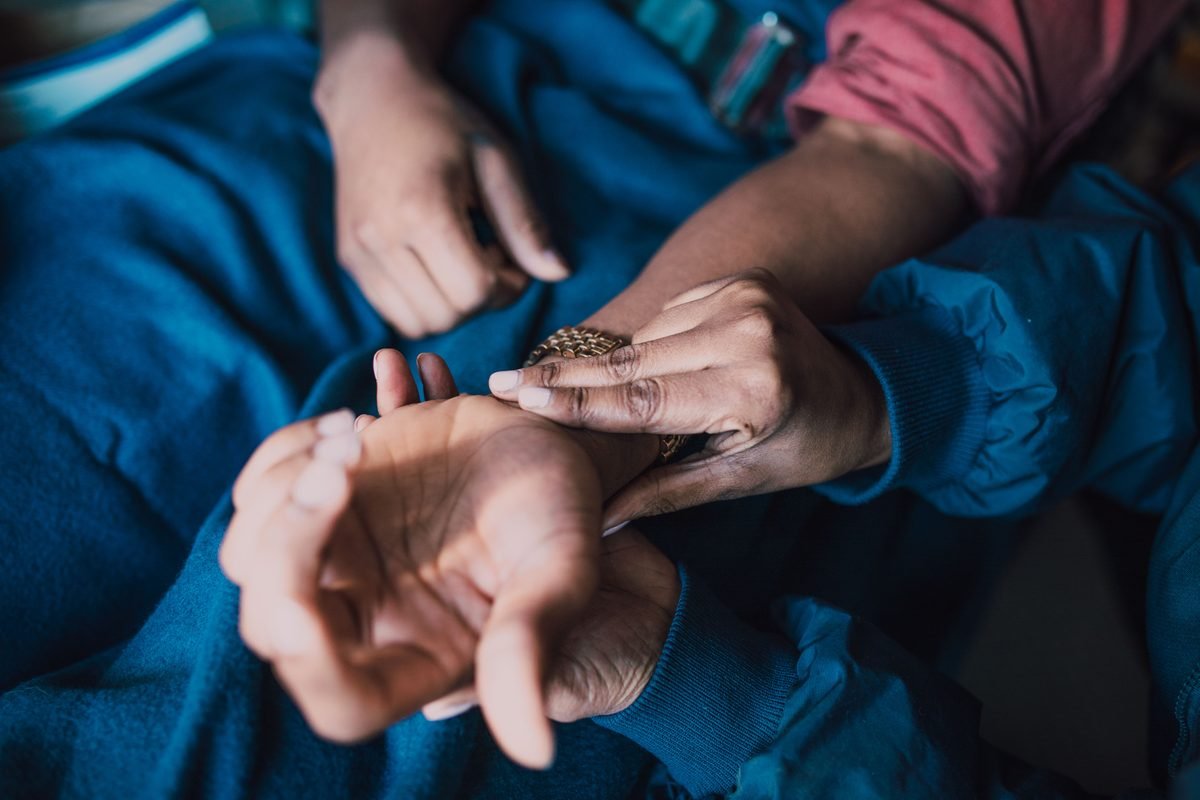
Around Jegi-dong, traditional clinics are known as hanuiwon. Unlike Western hospitals, these clinics focus on systemic balance, diagnosing physical patterns using pulse diagnosis (maekjin), tongue inspection, and an evaluation of your Sasang constitution. Several larger clinics around the market perimeter cater to international patients, occasionally with staff who speak conversational English or Japanese. Consultations take thirty to forty-five minutes and offer fascinating personal insight into Korean holistic health practices.
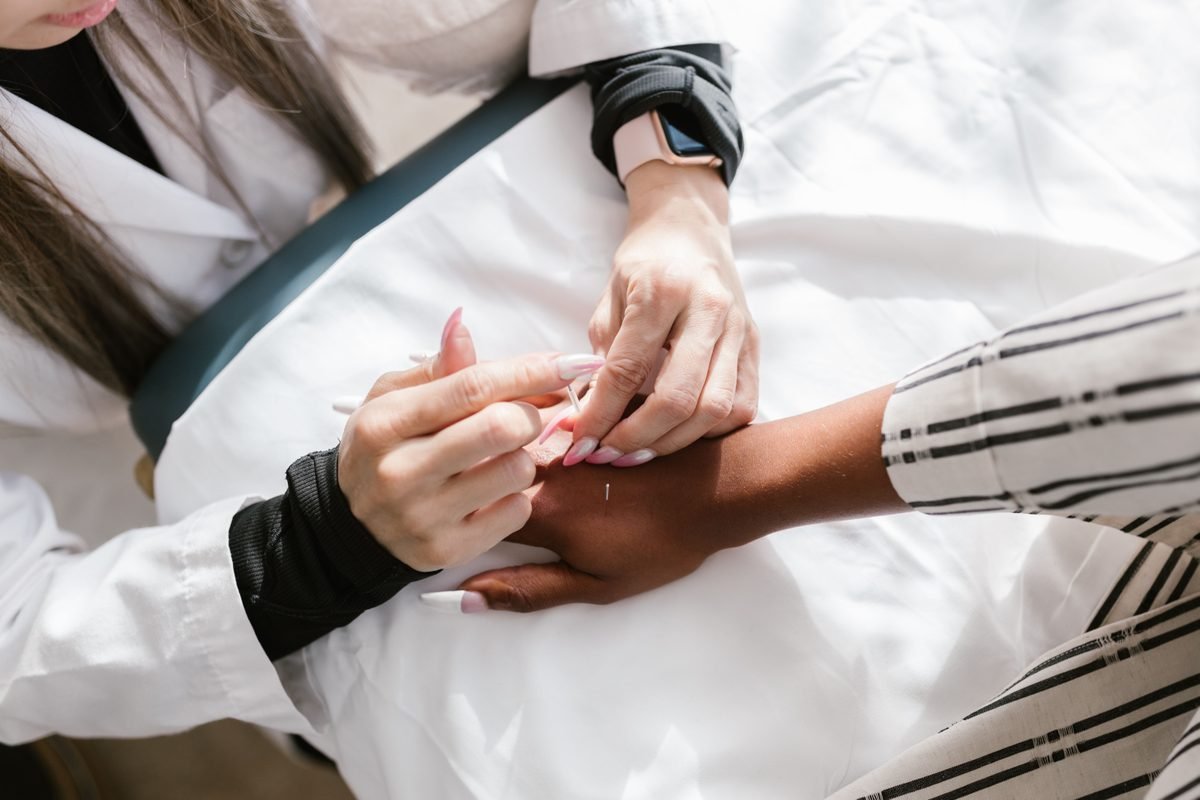
A typical initial consultation begins with an assessment of your sleep, digestion, cold tolerance, and energy cycles. The doctor will press two or three fingers gently over your radial arteries to read the depth, rhythm, and tension of your pulse. They may also inspect the color and coating of your tongue. Based on this diagnosis, the practitioner might administer gentle acupuncture (chim), infrared warming therapy, or cupping (buhwang) along muscle tension lines. A standard diagnostic consultation with localized acupuncture generally costs between ₩25,000 and ₩50,000 (about $18.75 to $37.50) for uninsured foreign travelers.
If you choose to purchase custom boiled medicinal tonics (hanyak), the cost rises considerably. These formulas are simmered in giant stainless steel extractors behind the clinic, concentrated, and vacuum-sealed into foil pouches meant to be warmed and consumed twice daily. A standard fifteen-day supply tailored to chronic fatigue or joint stiffness generally runs between ₩150,000 and ₩300,000 (about $112.50 to $225). Clinics can arrange express delivery directly to your Seoul hotel within twenty-four to forty-eight hours.
Where to Eat and Drink: Ssanghwatang and Market Street Food
No trip to Yangnyeongsi is complete without drinking a scalding bowl of ssanghwatang. This deep mahogany herbal tonic is brewed from peony root, rehmannia, angelica, cnidium, cinnamon, and licorice. It was traditionally served to battle winter chills and recover from exhaustion. Along the covered alleys, you will encounter classic tea parlors (dabang) marked with vintage hand-painted signs. Inside, the tea is simmered for hours in heavy stone cauldrons. The server will bring it boiling hot in a heavy earthenware bowl, topped with pine nuts, dried jujube slivers, and sliced pumpkin seeds. Many traditional parlors drop a raw egg yolk into the center upon request. A bowl typically costs ₩6,000 to ₩8,000 (about $4.50 to $6.00). If you enjoy historic atmospheres, explore our Seoul traditional tea house guide for other character-rich hanok spots across town.
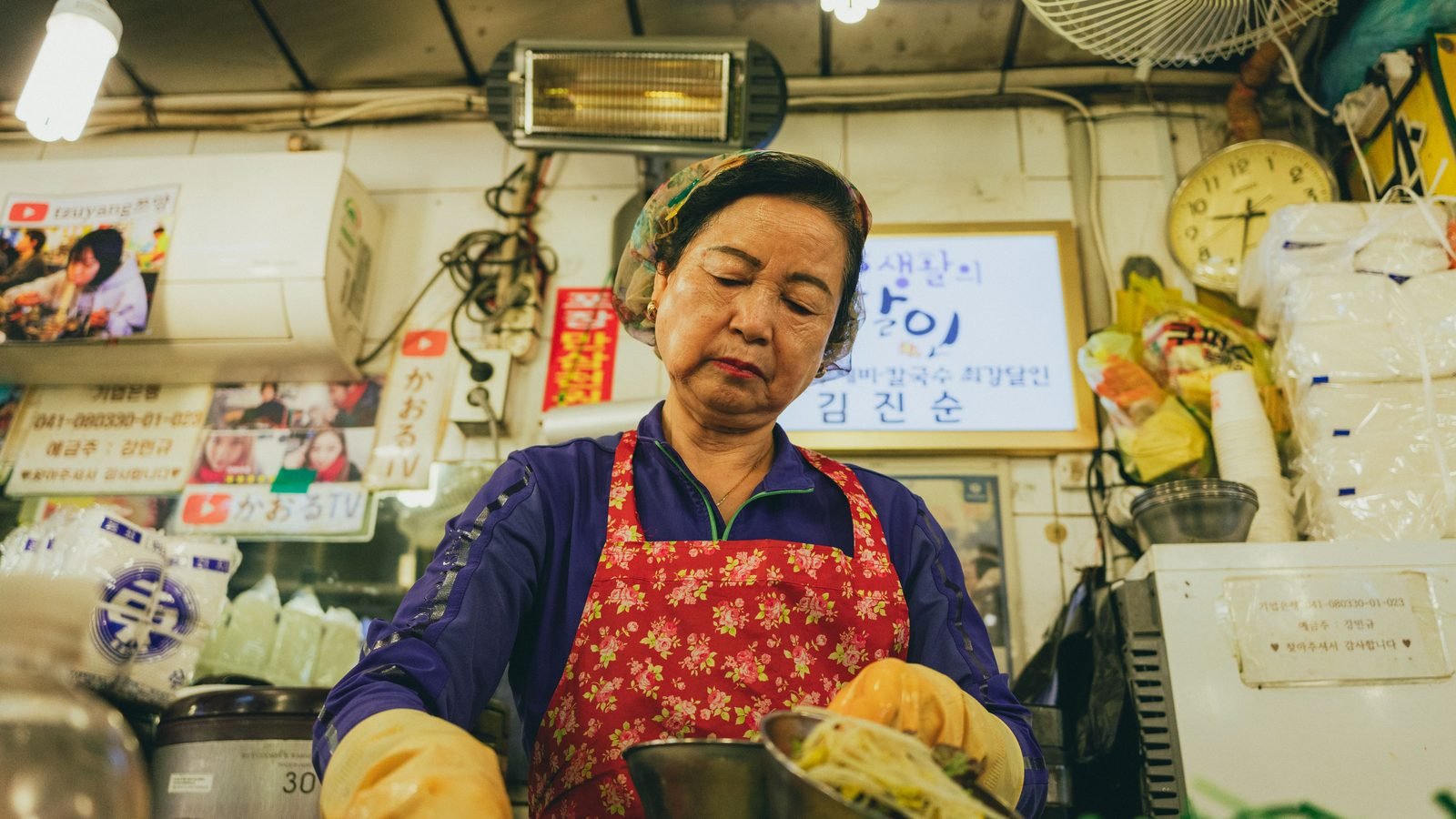
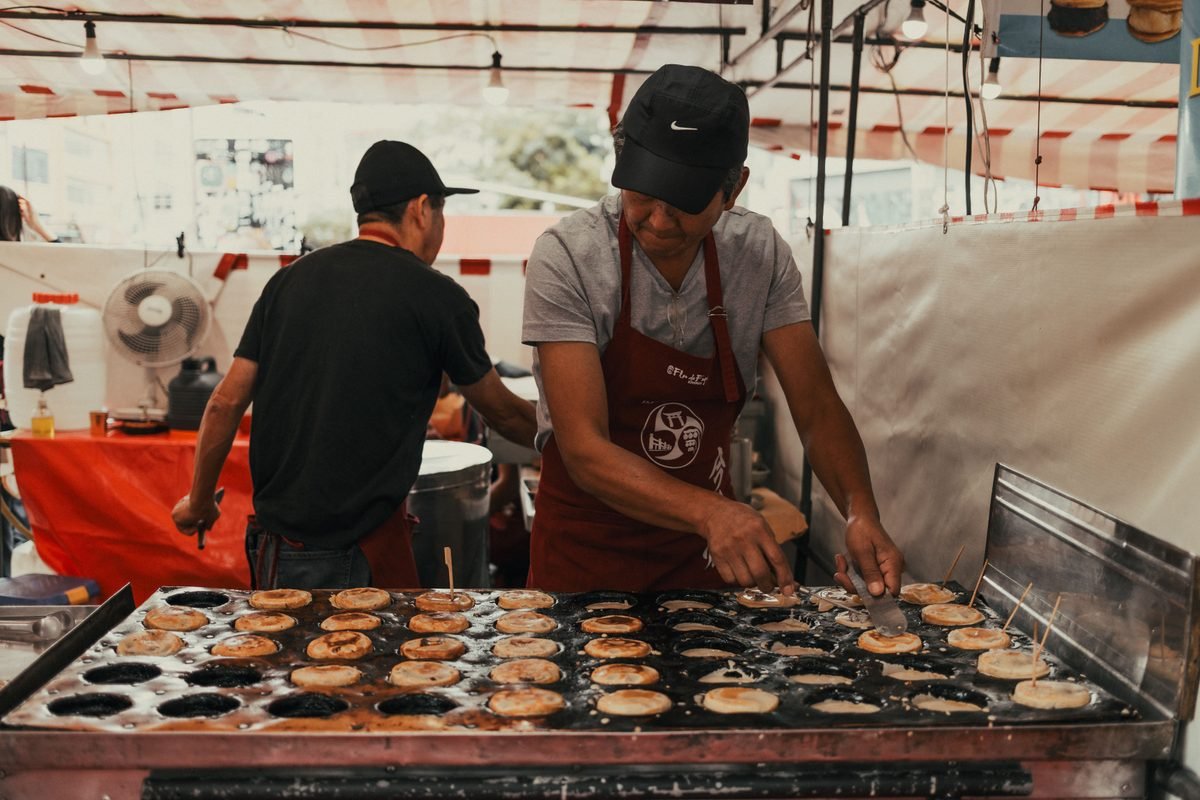
For a hearty lunch, walk directly south through the market underpass into Gyeongdong Market. This adjoining traditional market is an absolute feast for the senses. Stallholders flip crispy mung bean pancakes (bindaetteok) on sizzling iron plates for ₩5,000 (about $3.75). Small basement eateries serve piping bowls of handmade knife-cut noodle soup (kalguksu) with fiery freshly cut kimchi for around ₩7,000 (about $5.25).
On the third floor of an old section of Gyeongdong Market, an abandoned 1960s movie theater was transformed into Starbucks Gyeongdong 1960. The venue preserves the original timber theater rafters, concrete projection booth, and tiered auditorium seating. Sitting in a vintage theater balcony sipping a flat white after walking through herbal spice stalls makes for a surreal contrast.
From a local: How to drink ssanghwatang with egg
Do not whip the raw egg yolk immediately or the bitter broth turns cloudy. Let the scalding tea gently poach the yolk for two minutes, then scoop it up whole with your ceramic spoon.
Practical Tips and Navigation Around Jegi-dong
Navigating Jegi-dong requires patience and comfortable shoes. The streets can be crowded with handcarts, forklift pallets, and bicycle couriers laden with oversized boxes. Sidewalks are narrow, and burlap sacks of dried mushrooms or roots frequently spill into pedestrian paths. Keep your eyes open. Watch for electric utility carts swinging around blind corners. English signage is sparse once you leave the main avenue and the K-Medi Center, though major herbal names are often displayed in Korean hangeul and traditional Chinese characters (hanja).
For navigation, remember that foreign map apps struggle here. As explained in our comparison of Naver Map vs Kakao Map for tourists, install Naver Map or KakaoMap before setting out. Searching for “Seoul Yangnyeongsi” or “Seoul K-Medi Center” inside Naver Map provides accurate street routing, building entrances, and active subway exit indicators. The entire district is pedestrian-dense, so walking is far faster than flagging a taxi through the market corridors.
Payment habits here reflect a blend of old and new. Established shops, modern clinics, and the K-Medi Center accept international Visa and Mastercard without hesitation. However, street-corner stalls, elderly growers selling loose herbs from plastic basins, and small dabang tea spots heavily prefer cash or local bank transfer. Keep at least ₩30,000 to ₩50,000 (about $22.50 to $37.50) in physical banknotes in your pocket. There are ATMs inside Jegi-dong Station and at the Woori Bank branch opposite market gate 1.
What it costs in Seoul
| Item | Local price | USD |
|---|---|---|
| Subway fare to Jegi-dong Station (Line 1, single ride) | ₩1,550 | $1.15 |
| Seoul K-Medi Center museum admission | ₩1,000 | $0.75 |
| Herbal footbath session (20 minutes) | ₩6,000 | $4.50 |
| Bowl of traditional ssanghwatang herbal tea | ₩7,000 | $5.25 |
| Fresh cooking ginseng (susam, 3-4 roots) | ₩12,000 | $9.00 |
| Packaged herbal soup broth kit (samgyetang herbs) | ₩5,000 | $3.75 |
| Traditional clinic consultation & acupuncture (uninsured) | ₩35,000 | $26.25 |
| Crispy mung bean pancake (bindaetteok) lunch | ₩5,000 | $3.75 |
Prices checked October 2026. Always confirm with the provider before you book.
Where to stay in Seoul
Budget
Dongdaemun, for boutique hostels near Line 1 and Line 4
Dongdaemun puts you just two subway stops from Jegi-dong Station on Line 1 while granting easy late-night dining access. Clean private hostel rooms and modern capsule dorms run between ₩45,000 and ₩75,000 (about $34 to $56) per night.
Mid-range
Insadong and Jongno 3-ga, for central business hotels near historic gates
Staying near Jongno 3-ga provides a straight ten-minute ride on Line 1 straight to the herbal market without transfers. Mid-range business hotels here average ₩110,000 to ₩180,000 (about $83 to $135) per night.
Splurge
Gwanghwamun, for upscale luxury hotels near Cheonggyecheon stream
This district features premier international hotels within walking distance of royal palaces and scenic stream trails that connect east toward Jegi-dong. Five-star nightly rates typically range from ₩350,000 to ₩600,000 (about $263 to $450).
Mistakes to avoid
- Buying unwashed raw ginseng with garden soil attached to take on international flights, which customs will seize at the airport.
- Visiting on a Sunday when over eighty percent of herbal wholesalers, grinding mills, and dispensaries are closed.
- Relying solely on foreign credit cards at small outdoor street stalls where vendors deal exclusively in physical cash.
- Rushing through the market without climbing to the second-floor terrace of the Seoul K-Medi Center for the medicinal footbath.
FAQ
How do you get to Yangnyeongsi market in Seoul?
Take Seoul Subway Line 1 to Jegi-dong Station and come out through exit 2. Walk forward roughly sixty meters, and you will see the large traditional market gate on your left.
Can tourists take ginseng bought at the medicine market back to their home country?
Raw fresh ginseng with dirt or living root matter is barred by most customs authorities worldwide. However, commercially dried roots, processed red ginseng in factory-sealed tins, and vacuum-packaged extracts are generally permitted.
Do you need an appointment for the Seoul K-Medi Center footbath?
Appointments cannot be booked online for foreign individual tourists, so you must register in person at the second-floor counter. On weekends, walk in early in the morning to reserve your slot before spots sell out.
Is English spoken widely by herbal vendors in Jegi-dong?
Most elderly herb merchants speak little English, though they are friendly and communicative using hand gestures, calculators, and basic ingredient cards. The Seoul K-Medi Center museum has thorough English signage and English-speaking reception staff.