
How to Use T-Money Card Seoul: Complete Transit Guide

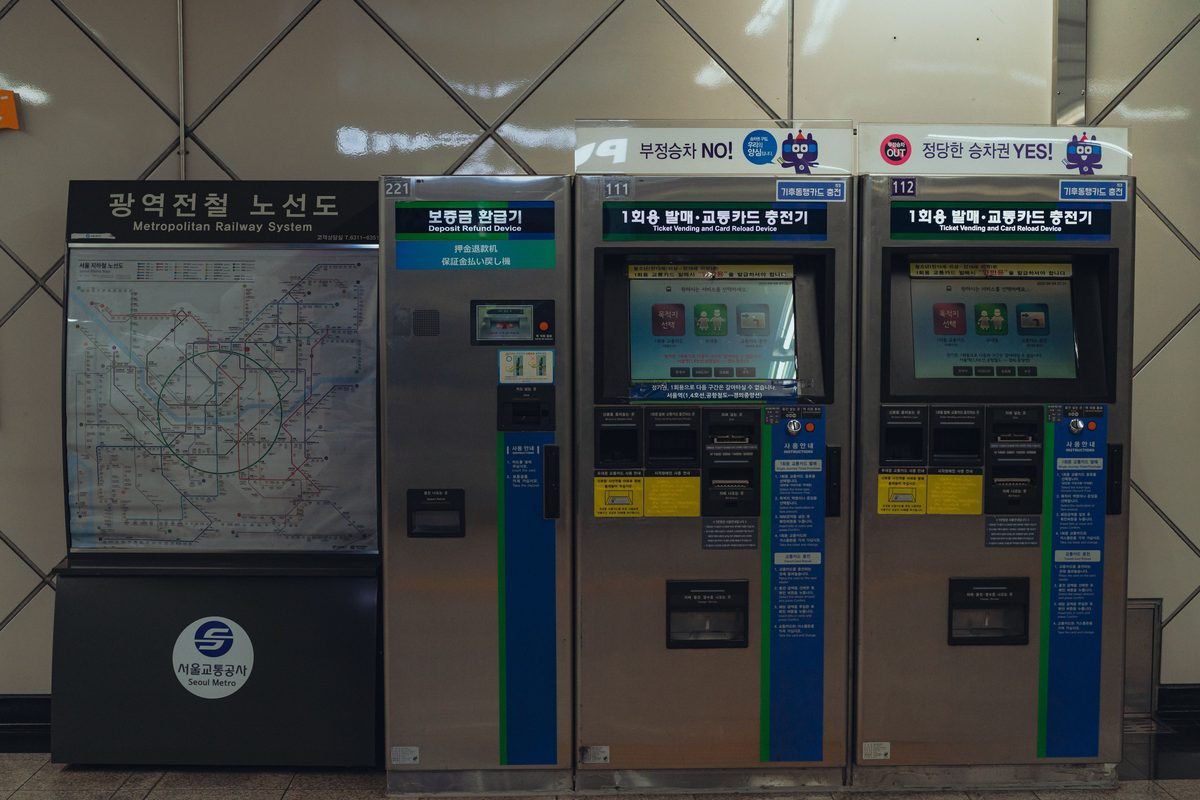
You step through the arrivals exit at Incheon Airport, walk down to the rail station, and hit your first real decision in Korea: buying transit access. Learning how to use a T-money card in Seoul will save you time, confusion, and pocket change from your very first hour in the country. The base subway fare in Seoul sits at ₩1,550 (about $1.15), and tapping a plastic card makes navigating the capital’s massive rail network entirely frictionless.
This guide is built for independent travelers arriving in Seoul who want an exact, hassle-free walkthrough of the system. We will cover where to buy the card, how cash reloads work, the mechanics of bus and subway transfer discounts, and the simple steps to refund your remaining balance before your flight home.
Where to Buy and How to Use T-Money Card Seoul
A T-money card is a rechargeable smart card accepted across virtually every transit system in South Korea. It eliminates the need to queue for single-journey tickets at every subway station. You can purchase an uncharged card inside Incheon Airport (Terminal 1 or Terminal 2) at convenience stores like GS25, CU, 7-Eleven, or Emart24. Cards are also sold at airport transit customer centers and subway station vending machines throughout Seoul.
A standard, blank card costs ₩4,000 (about $3.00). Special editions featuring Kakao Friends characters, Line Friends, or K-pop designs usually cost between ₩5,000 and ₩8,000 (about $3.75 to $6.00). The purchase price covers only the plastic card itself and comes with a balance of zero won. You must load cash onto the card before you can tap through a turnstile.
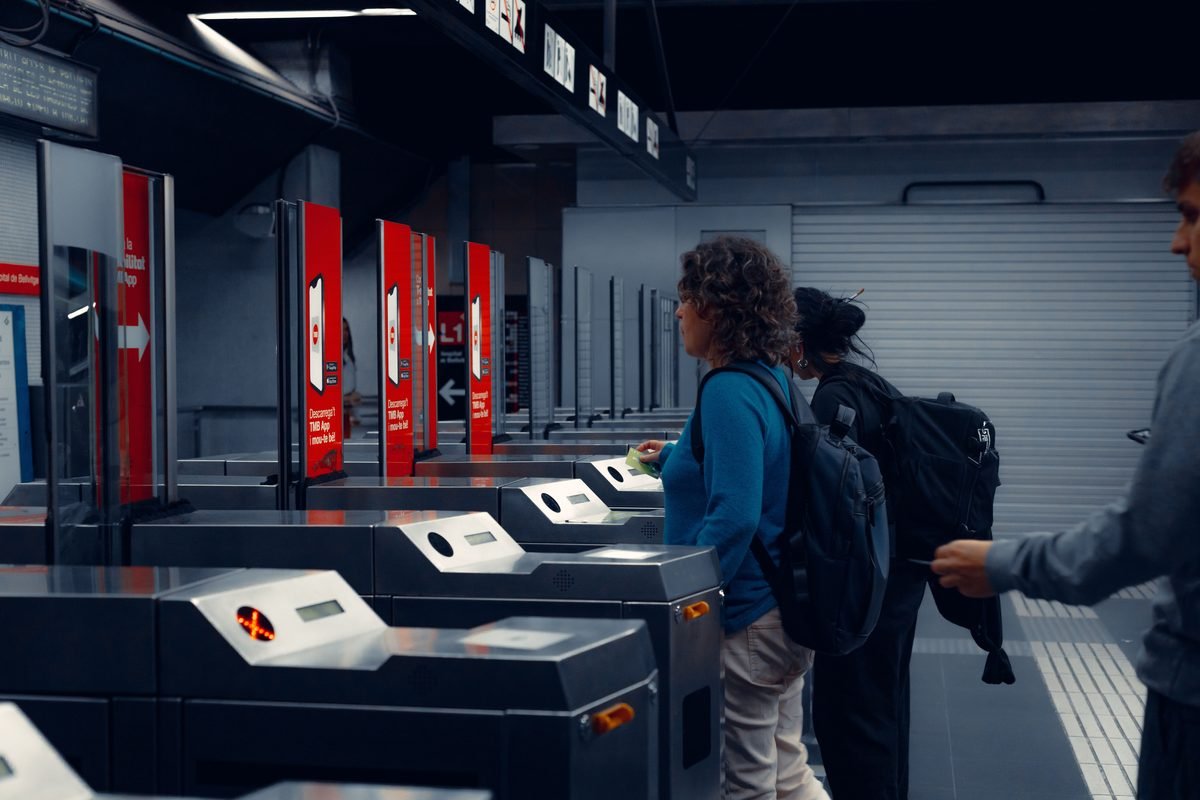
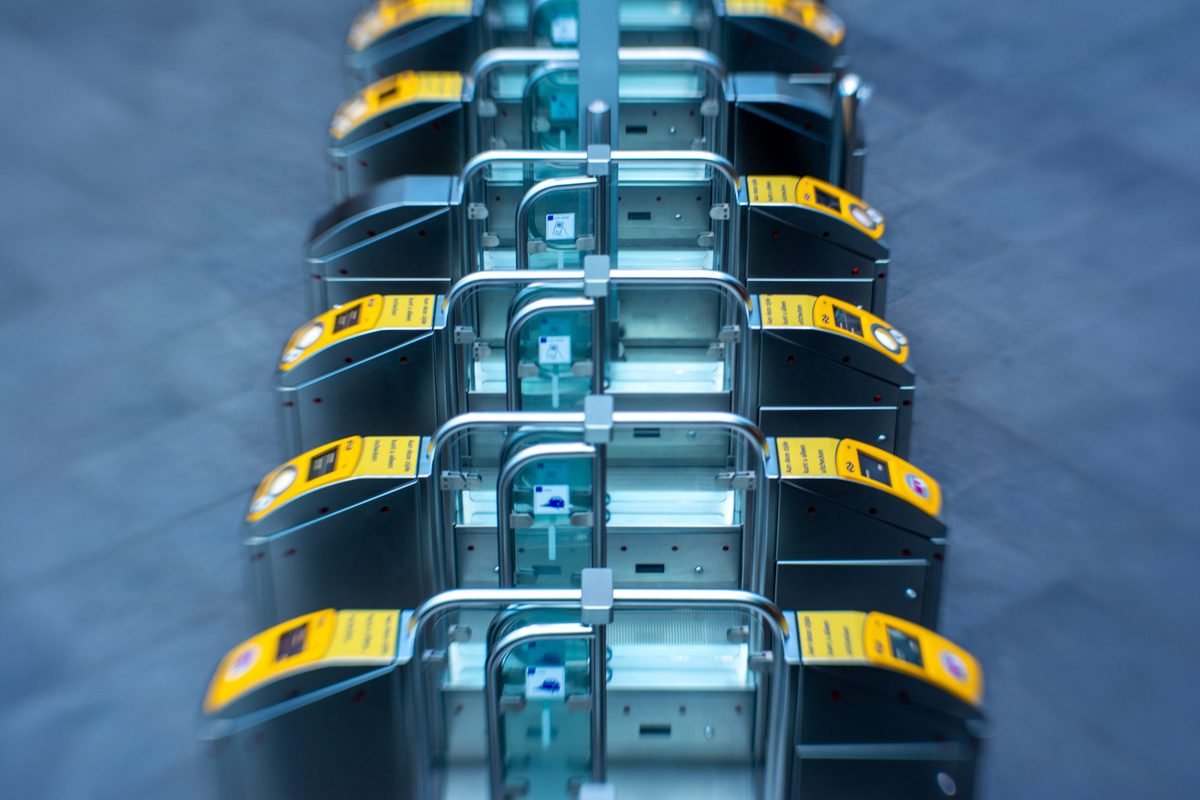
Using the card is straightforward. Approach the turnstile gate at any subway station and hold your card flat against the illuminated sensor pad with the T-money logo. The machine will beep once, display your remaining balance on the screen, and open the gate. Tap the reader directly. It reads through thin wallet leather, but holding the card bare avoids card clash errors if you carry contactless credit cards.
Tip: Get Korean Won Cash First
Subway card vending machines and convenience store card reloads accept Korean Won cash only. Withdraw ₩20,000 to ₩50,000 from an airport ATM before heading to the train line.
How to Top Up Your T-Money Card with Cash
Foreign credit cards cannot be used to load standard T-money cards at subway ticket kiosks or convenience store counters. Cash is mandatory here. You will need paper Korean Won banknotes (₩1,000, ₩5,000, ₩10,000, or ₩50,000 bills) whenever you want to add funds.
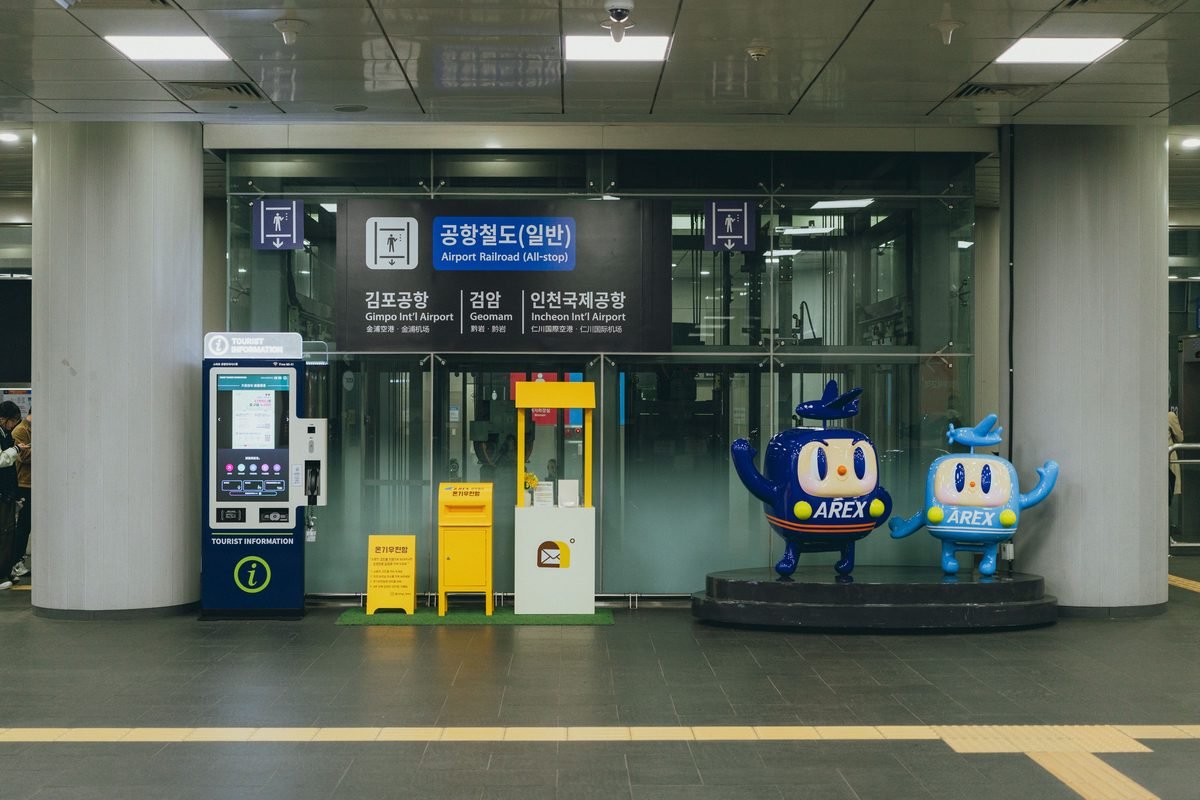
To reload at a subway station, locate the automated ticket machine labeled ‘Ticket Vending and Card Reload Device’. These kiosks offer full English menus. Select your language on the main screen, press the ‘Reload Transit Card’ button, and place your card in the designated tray below the screen. The machine will read your card and display deposit options from ₩1,000 up to ₩90,000. Select your desired amount, insert the cash into the bill slot, and wait three seconds for the system to process the update. Do not remove the card until the screen confirms completion.
You can also reload your card at any convenience store counter across the country. Hand your card and cash to the clerk and say ‘Chung-jeon hae-ju-se-yo’ (please charge this) or simply state the amount in English. The clerk places your card on their desktop terminal and completes the reload in seconds. A starting deposit of ₩20,000 (about $15.00) is usually plenty for three to four days of heavy sightseeing around central Seoul.
Heads up: Cash Only for Card Reloads
Do not expect to tap your foreign Visa or Mastercard at station kiosks. Always carry a small reserve of cash bills specifically for transit top-ups.
Riding the Subway and City Buses with Transfer Discounts
Seoul’s public transit system uses an integrated distance-based fare structure. The base subway fare is ₩1,550 (about $1.15) for the first 10 kilometers. Blue and green city buses charge a base fare of ₩1,500 (about $1.10). An additional ₩100 is charged for every 5 kilometers traveled between 10 and 50 kilometers, and ₩100 for every 8 kilometers beyond 50 kilometers. Traveling across town is remarkably cheap.
The system rewards riders with free transfer discounts across different lines and transit types. You can transfer up to four times (five separate legs) within a single journey without paying a new base fare. The transfer window is 30 minutes from the moment you tap off your previous vehicle (extended to 60 minutes between 21:00 and 07:00). You pay only the small distance surcharge for your total continuous route instead of paying another base fee.
To qualify for transfer discounts, you must tap your card on the reader when boarding and when exiting. City buses have card readers at both the front entrance and the middle exit doors. Enter through the front door, tap your card on the sensor, and tap out on the exit reader as you step off the back door. Even if you do not plan to transfer to another bus, always tap off. Failing to tap off results in a maximum-distance penalty charge on your next trip.
From a local: Always Tap Out on Buses
Locals tap the bus exit sensor right before the bus stops. Always tap off when exiting a bus, even on your final ride of the day, to avoid an automatic maximum-distance penalty fare.
Using T-Money on Airport Trains, Taxis, and Nationwide
Your T-money card works immediately upon landing at Incheon International Airport. The AREX All-Stop Train, which stops at 14 stations between Incheon Airport and Seoul Station, accepts standard T-money card taps directly at the gates for roughly ₩4,750 (about $3.55). However, the AREX Express Train (the non-stop service that reaches Seoul Station in 43 minutes) requires a dedicated seat ticket costing ₩11,000 (about $8.20). You cannot simply tap through the orange Express gates with standard T-money credit.
T-money is not restricted to Seoul. It works seamlessly on the subway and bus networks in Busan, Daegu, Daejeon, Gwangju, and across Jeju Island. If you take the KTX train down to Busan, the exact same card in your pocket will pay for the Busan metro (single ride ₩1,600, about $1.20) and local coastal buses without any reconfiguration or regional card swaps.
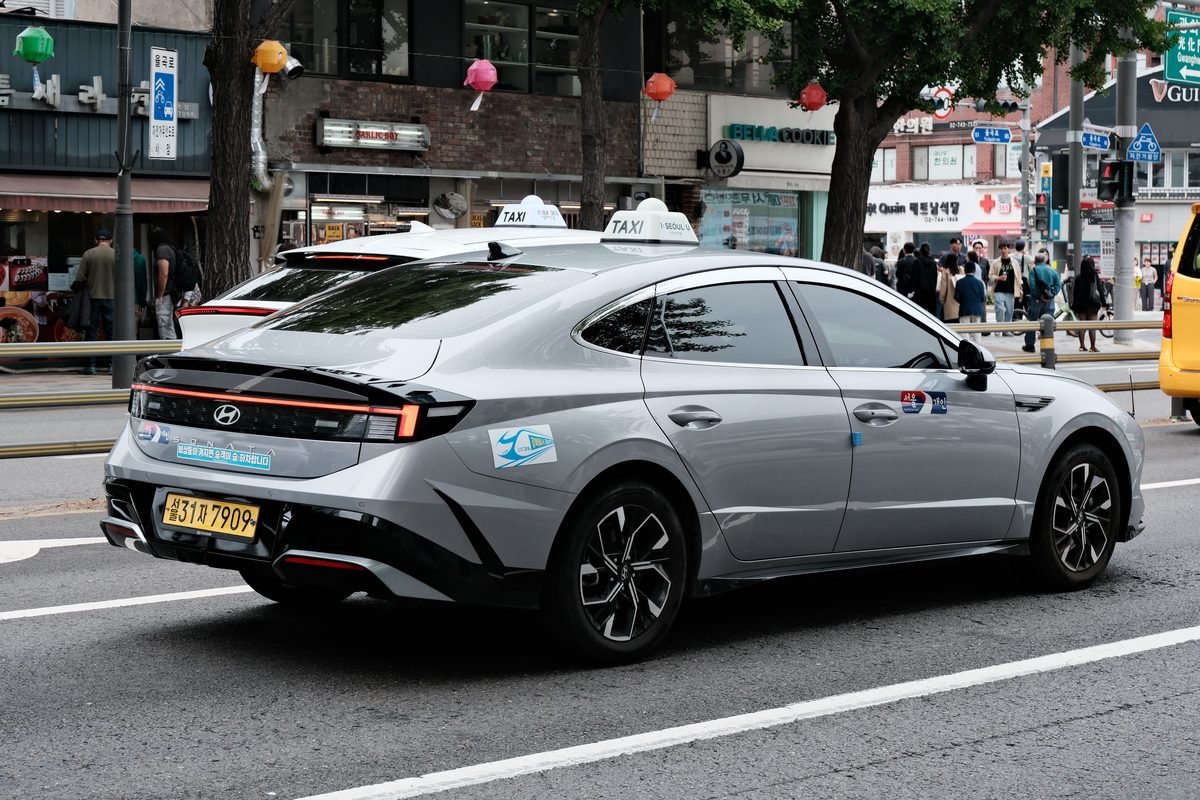
You can also use your stored T-money balance beyond public transit. Most orange, silver, and black Seoul taxis feature a T-money reader mounted between the front seats. When you reach your destination, tell the driver you want to pay by card and tap your T-money card against the terminal. Convenience stores, bakery chains like Paris Baguette, and select vending machines across Korea also accept T-money as a quick cashless payment method.
Checking Your Balance and Getting a Card Refund
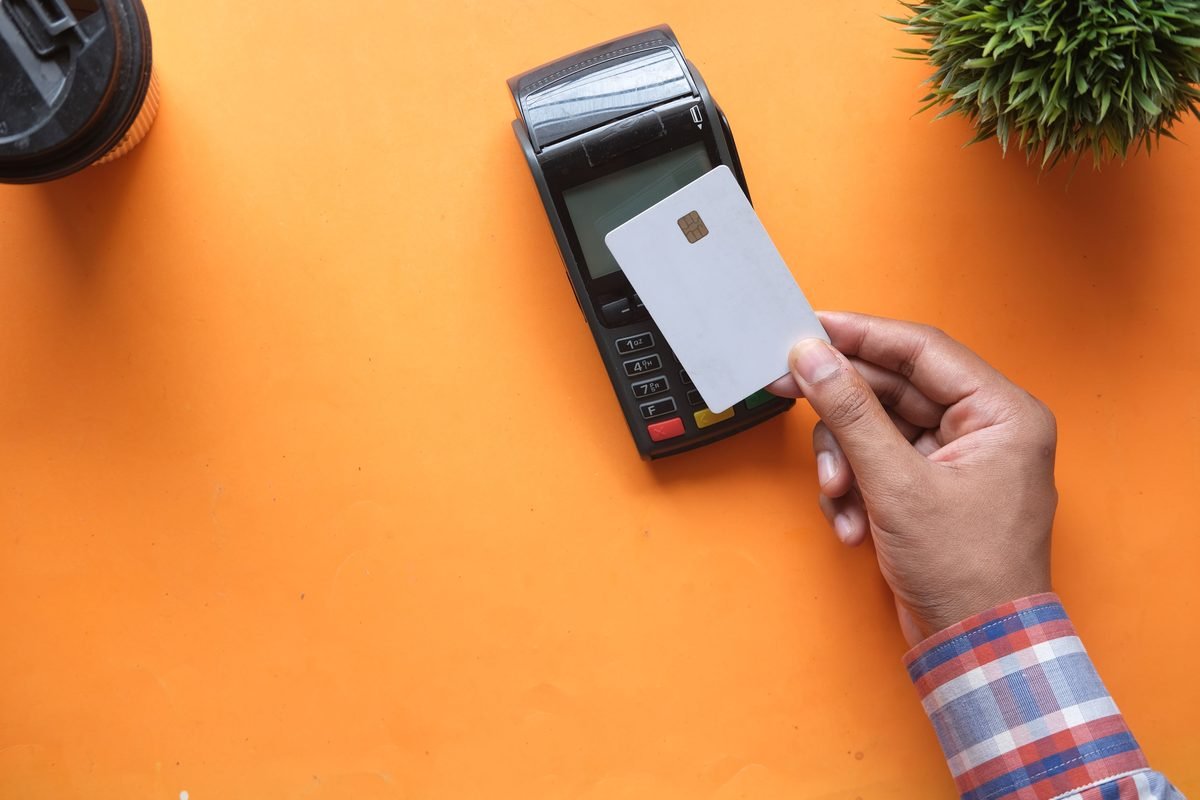
Keeping track of your card balance is simple. Every time you tap in or tap out at a subway gate or bus reader, the small digital screen displays the fare charged on top and your remaining balance below. You can also view your exact remaining funds on subway ticket kiosks by placing your card in the cradle, or by using mobile apps like ‘BucaCheck’ or ‘Korea Transit Card’ via your smartphone’s NFC sensor.
When your trip concludes, you have two choices: keep the card or cash out your remaining balance. If you plan to return to Korea within a few years, simply take the card home. The physical card and stored cash value do not expire. It makes a practical souvenir that is ready to use the moment your next flight touches down.
If you prefer a cash refund, visit any major convenience store (GS25, CU, 7-Eleven, Emart24) and request a transit card refund. For balances under ₩20,000 (about $15.00), the store clerk will instantly hand you your remaining cash balance minus a small processing fee of ₩500 (about $0.38). For balances between ₩20,000 and ₩50,000, visit a customer service center inside a Seoul subway station. Keep in mind that the initial ₩4,000 purchase price of the blank card is non-refundable.
T-Money Alternatives and Essential Navigation Apps
Travelers often wonder whether to pick a T-money card or newer alternatives like the Climate Card (Gihudonghaeng Card) or Wowpass. The Climate Card offers unlimited rides within Seoul for fixed periods (e.g., ₩5,000 for 1 day, ₩10,000 for 3 days). However, the Climate Card does not cover trips that cross municipal borders into Gyeonggi province, nor does it work on the AREX train from Incheon Airport or on transit in Busan. For first-time visitors traveling beyond central Seoul, the standard T-money card remains the most versatile, reliable option.
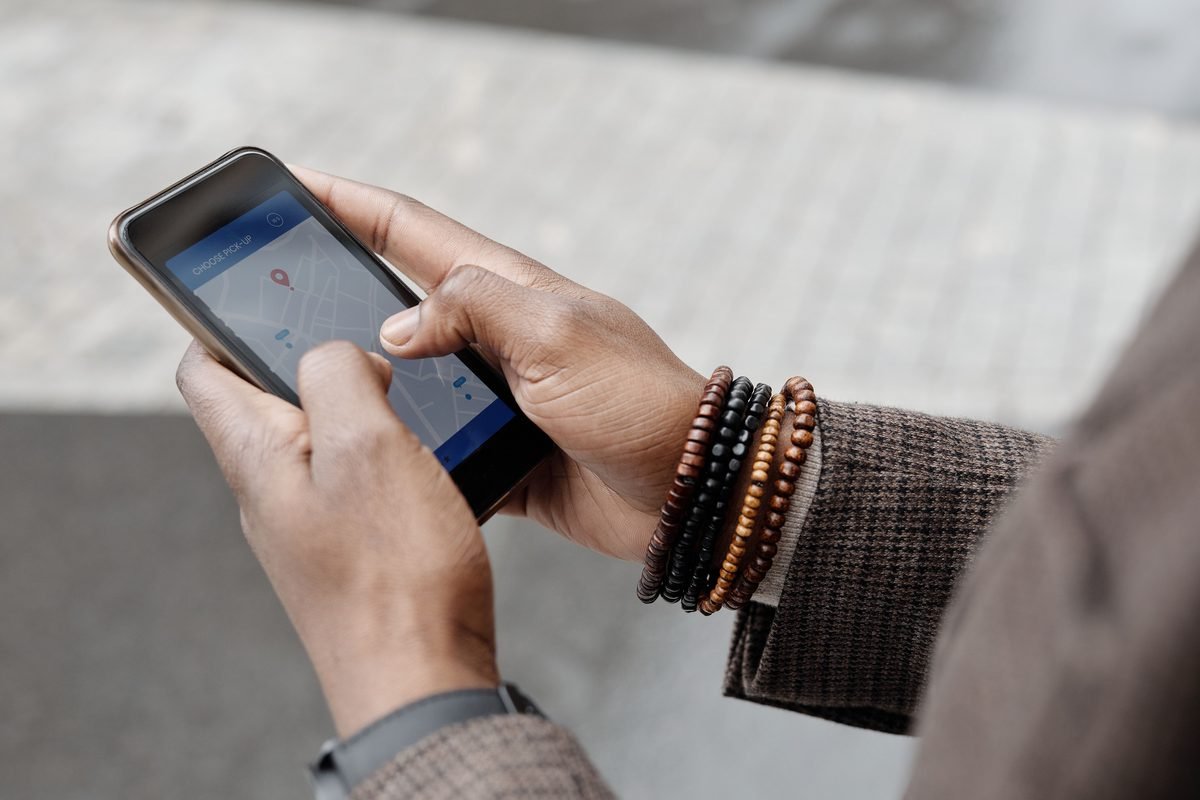
Navigating the Seoul transit web requires the right smartphone tools. Google Maps does not provide accurate walking or transit routing in South Korea due to national security map data regulations. Download Naver Map or KakaoMap before your trip. Both applications offer comprehensive English interfaces, real-time bus arrival tracking, subway transfer car recommendations, and precise door-to-door walking paths.
Subway stations in Seoul are thoroughly signposted with English, Korean, and numbered exit systems. Station names also feature unique 3-digit numbers (e.g., Myeongdong is station 424 on Line 4). When boarding trains, pay attention to the overhead signs indicating the direction of travel and the designated transfer cars to minimize walking during station interchanges.
Tip: Set Up Naver Map Ahead of Time
Download Naver Map and switch the language setting to English before landing. It provides real-time platform directions and bus arrival countdowns down to the second.
What it costs in Seoul
| Item | Local price | USD |
|---|---|---|
| Blank T-money card (standard edition) | ₩4,000 | $3.00 |
| Seoul subway base fare (first 10 km) | ₩1,550 | $1.15 |
| Seoul city bus base fare (Blue/Green bus) | ₩1,500 | $1.10 |
| AREX All-Stop Train (Incheon T1 to Seoul Station) | ₩4,750 | $3.55 |
| AREX Express Train ticket (assigned seat) | ₩11,000 | $8.20 |
| Card balance refund service fee | ₩500 | $0.38 |
| Estimated daily transit spend (4 rides + transfer) | ₩6,200 | $4.65 |
Prices checked September 2026. Always confirm with the provider before you book.
Mistakes to avoid
- Attempting to reload your T-money card at subway kiosks using an international credit card instead of carrying paper Korean Won bills.
- Forgetting to tap your card on the exit reader when stepping off city buses, which cancels transfer discounts and applies an automatic distance penalty.
- Buying a fixed-zone Climate Card expecting it to cover the entire AREX train ride from Incheon Airport or regional transit trips down to Busan.
FAQ
Can two people share one T-money card in Seoul?
On city buses, you can tell the driver you have two people before tapping, but you cannot share a single card on the Seoul subway system. Each subway passenger must tap their own individual card at the turnstiles.
How to use T-money card Seoul on buses and subways?
Hold the card flat against the reader on subway turnstiles or bus entrance doors until it beeps and shows your balance. When exiting, tap the card again on the gate or rear bus reader to complete the ride and secure your transfer discount.
Can I use my Seoul T-money card in Busan or Jeju?
Yes, T-money is a nationwide card accepted on subways, public buses, and taxis throughout South Korea, including Busan, Daegu, Daejeon, Gyeongju, and Jeju Island.
What happens if my T-money balance runs out during a trip?
If your balance is insufficient to exit a subway station, find the ‘Fare Adjustment Machine’ located next to the turnstiles. Place your card on the machine, insert cash to cover the deficit, and tap out through the gate.
Does a T-money card expire?
No, physical T-money cards and their stored Korean Won balances do not expire. You can safely keep the card and use the remaining funds on your next trip to South Korea.




5 Comments