Korea Public Holidays Travel: A Local Survival Guide

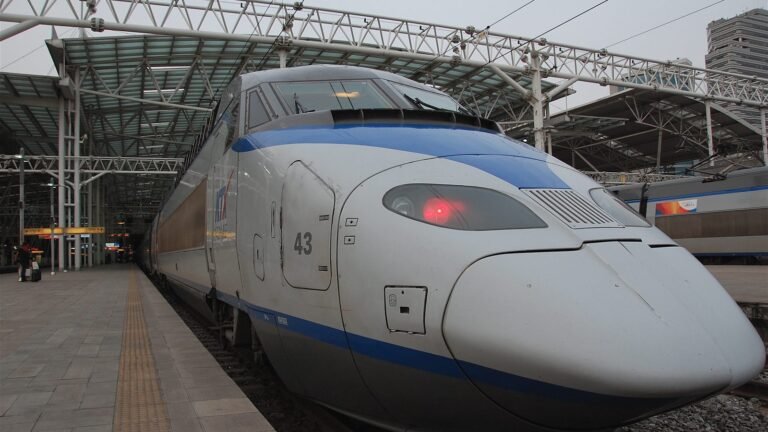
It is 6:00 PM on the eve of Chuseok, and the platform at Seoul Station is an absolute sea of rolling suitcases and gift boxes wrapped in gold silk. I am holding a paper cup of warm barley tea, watching thousands of families rush to catch trains heading south to Busan and Daegu. If you happen to be in town during one of these major holiday seasons, the energy is palpable, but the logistics can easily overwhelm you.
This guide is for independent travelers trying to navigate Korea public holidays travel without getting stranded or starved. We will cover the massive national migrations of Seollal and Chuseok, explain which minor holidays spike hotel rates, and give you practical strategies to keep your trip on track when half the country shuts down.
How to get around during Korea public holidays travel
The transport network in Korea is legendary for its efficiency, but major holidays push it to the absolute limit. During Seollal and Chuseok, millions of people leave Seoul simultaneously to visit their ancestral homes. This mass migration is known locally as Gwiseong. If you plan to travel between cities during these times, you must prepare weeks in advance. KTX train tickets usually sell out within minutes of being released. Holiday tickets go on sale in a special advance window several weeks ahead, and the best departures are gone within minutes.
Do not rely on trains. If you cannot secure a KTX ticket from Seoul to Busan, which costs about ₩59,800 (about $44.50), your alternatives are express buses or domestic flights. However, the expressways during these holidays become giant parking lots. A typical four-hour drive to Busan can easily stretch into eight or ten hours. Traffic slows to a crawl.
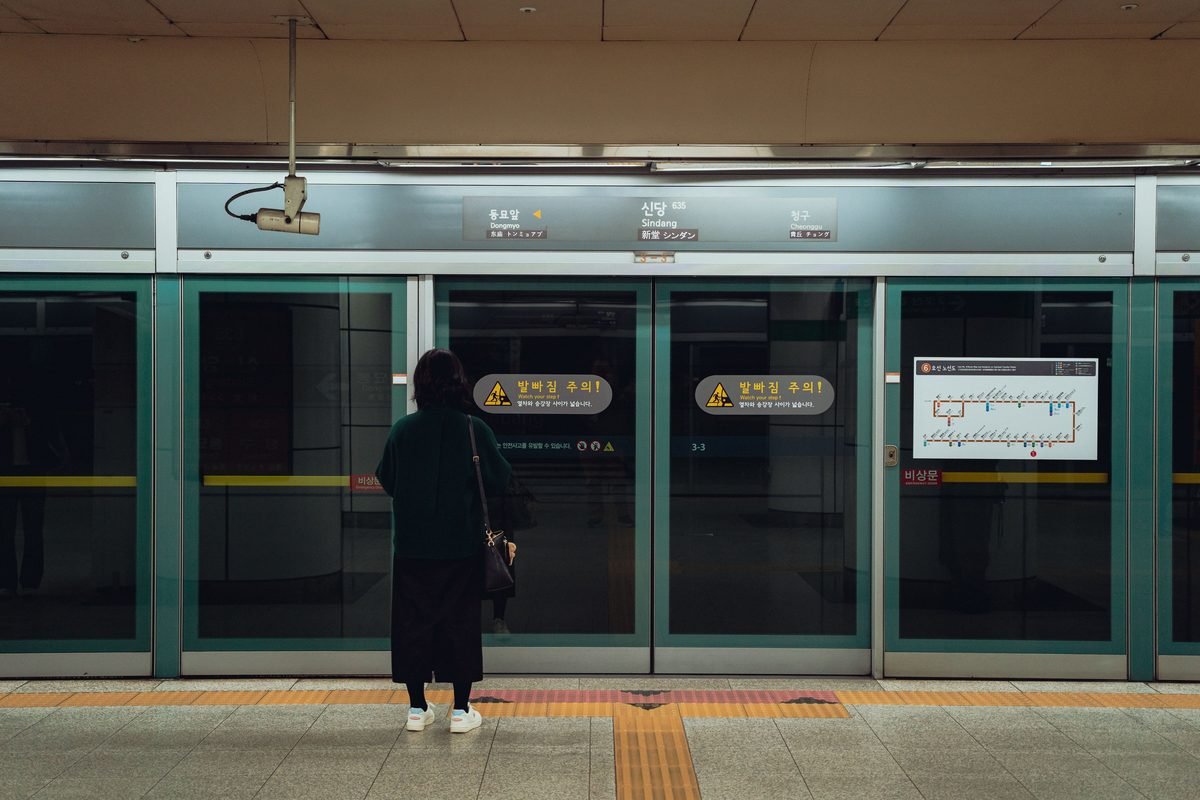
For local travel within Seoul, the subway system is your best friend. Subways run on modified schedules during major holidays, often extending their operating hours past midnight to accommodate late-night travelers. A single ride on the Seoul subway costs ₩1,550 (about $1.15), making it incredibly affordable to zip around the empty city. If you find yourself in Busan instead, the local subway fare is ₩1,600 (about $1.20). Taxis are incredibly difficult to hail on the street, so having Kakao T installed on your phone is essential. Remember that Google Maps does not work for transit or walking directions here. You must download Naver Map or KakaoMap before you arrive to navigate the routes successfully. For more transit tips, read our T-money card and Seoul subway guide.
Heads up: Avoid Highway Travel on Holiday Eves
Never book long-distance express buses on the day before or the final day of Seollal or Chuseok. You will spend your precious vacation day stuck in bumper-to-bumper traffic on the highway.
When to plan your trip around major holidays
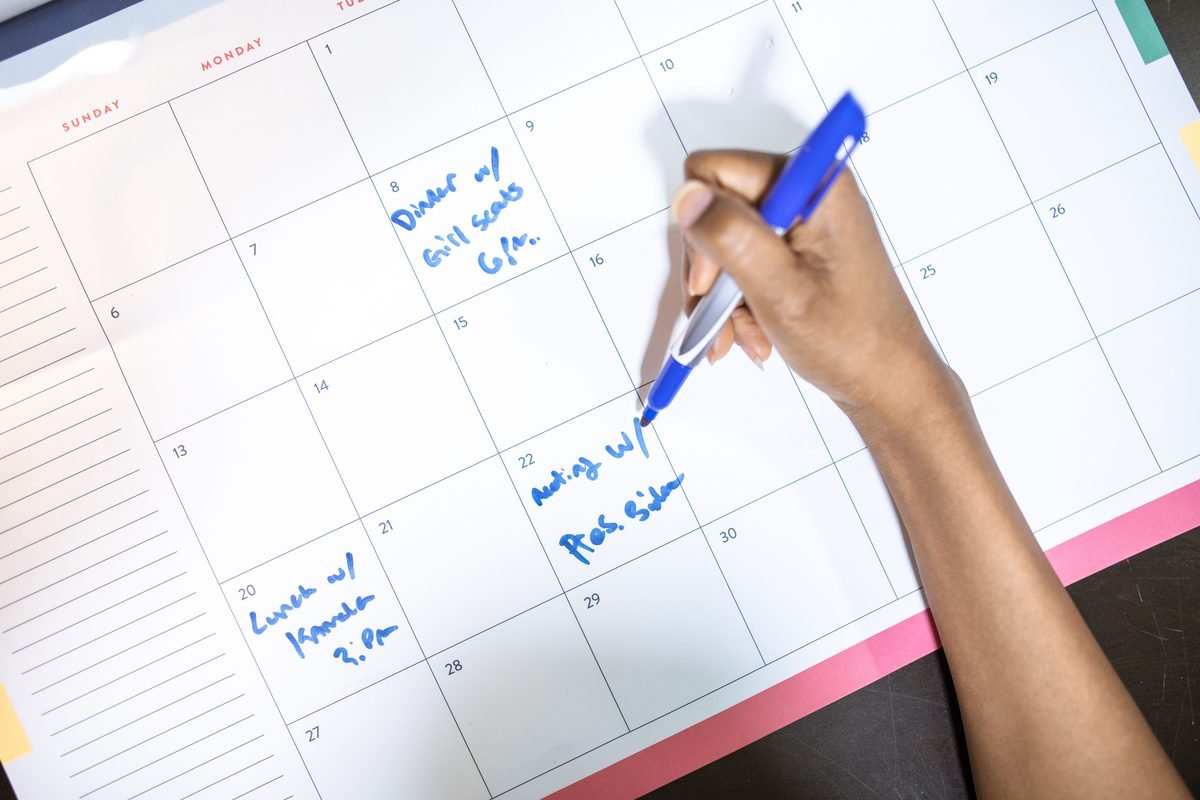
To plan effectively, you must understand the two distinct types of holidays in Korea. The first are solar calendar holidays, which fall on the same date every year. These include Children’s Day on May 5, Liberation Day on August 15, and Hangul Day on October 9. When these holidays land on a Tuesday or Thursday, many locals take a bridge day off to create a four-day weekend. The second type are lunar holidays, specifically Seollal and Chuseok. Because these follow the lunar calendar, their dates shift every year. Seollal typically falls in late January or February, while Chuseok occurs in September or October.
These lunar holidays last for three consecutive days, but if they overlap with a weekend, the government designates a substitute holiday on the following weekday. During these three-day stretches, the country undergoes a massive demographic shift. Seoul becomes incredibly quiet, while coastal destinations like Gangneung, Sokcho, and Jeju Island experience a massive influx of domestic tourists. Hotel rates in these resort areas can easily double or triple during these periods.
When entering the country, keep in mind that you should check the current list of exempt countries for the temporary K-ETA exemption, which runs through December 31, 2026. If you are not exempt, the fee is ₩10,000 (about $7.40) on the official website. Alternatively, make sure to file your online e-Arrival Card up to three days before landing to breeze through customs. If you prefer a slow, quiet urban exploration, visiting Seoul during Chuseok is actually highly recommended. However, if you want to explore the countryside, you should avoid these lunar holiday periods entirely to escape the crowds and inflated accommodation prices.
Tip: Check the Lunar Calendar Dates
Always check the exact lunar dates for Seollal and Chuseok at least six months before booking your flights, as they change every year.
What to see in Seoul when the city empties
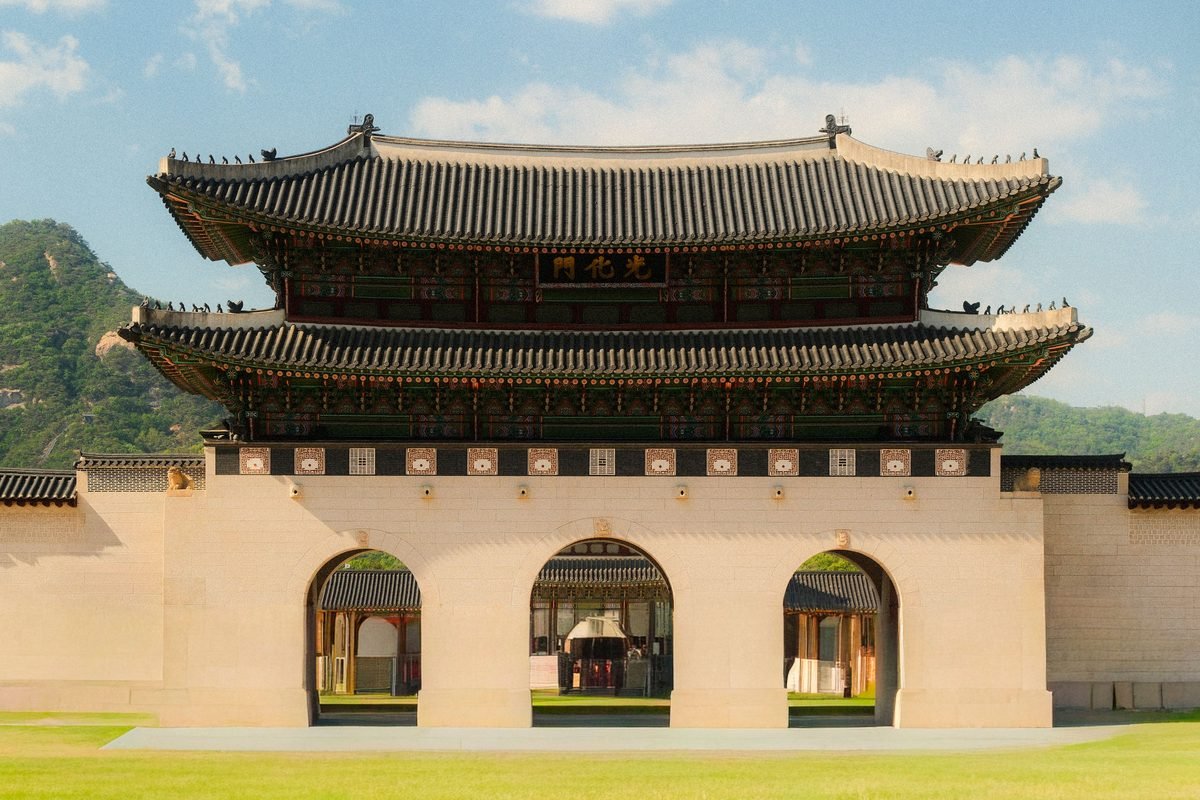
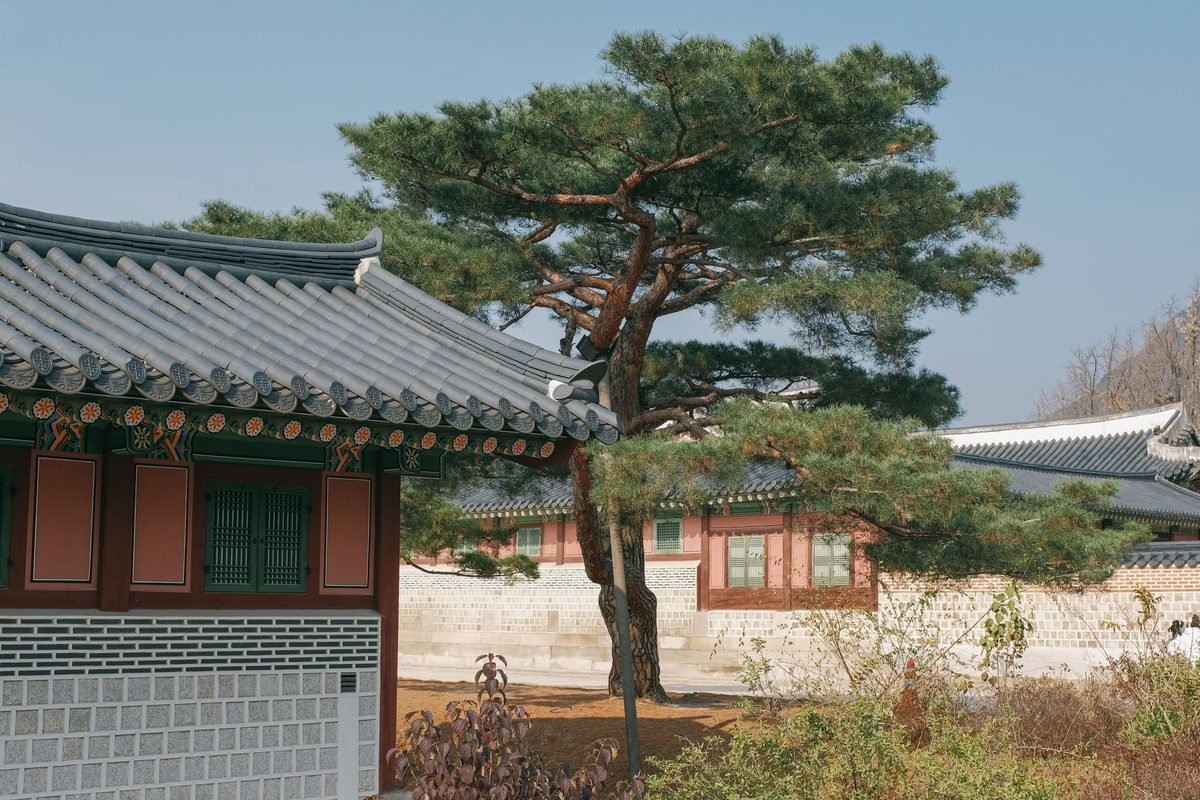
When the local population departs for the holidays, Seoul undergoes a remarkable transformation. The usually packed streets of Jongno and Euljiro fall silent. Seoul empties out. For independent travelers, this is a rare opportunity to experience the capital without the usual crowds. The grand Joseon Dynasty palaces, including Gyeongbokgung, Changdeokgung, and Deoksugung, remain open throughout the major holidays. In fact, the government often waives the standard admission fees during Seollal and Chuseok. The palace entry is free.
Walking through the empty courtyards of Changdeokgung on a quiet autumn morning during Chuseok is an experience you will not easily forget. The palaces also host traditional cultural festivals, where you can watch folk performances, try your hand at traditional games like yutnori, and see locals dressed in beautiful hanbok.
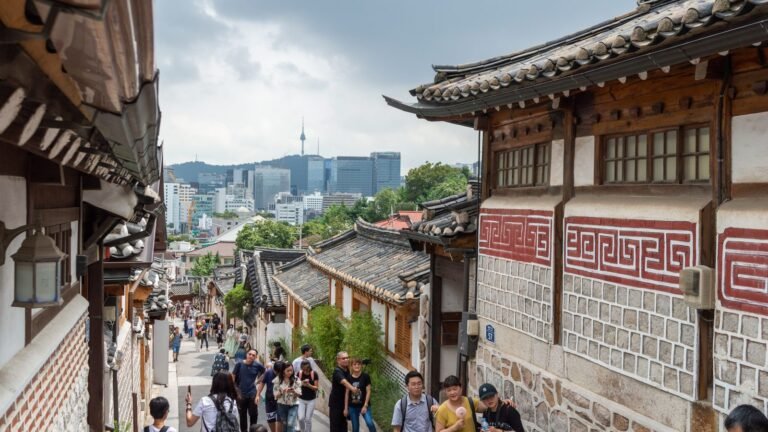
Beyond the palaces, the historic Bukchon Hanok Village and the narrow alleys of Ikseon-dong—both located north of the Han River—are highly walkable during these days, though many of the trendy cafes inside the hanok buildings may close on the actual day of the holiday. Public parks like Namsan Park and the Hangang Park along the river remain open and are popular gathering spots for those who stay behind. It is a peaceful, slow-paced side of Seoul that most tourists never get to see. You can easily stroll through these northern districts without the usual sea of selfie sticks and tour groups.
From a local: Palace Events and Free Entry
Take advantage of the free entry at Seoul’s royal palaces during Seollal and Chuseok, and look out for special tightrope walking and drumming performances inside the grounds.
Where to travel in Korea during minor holidays
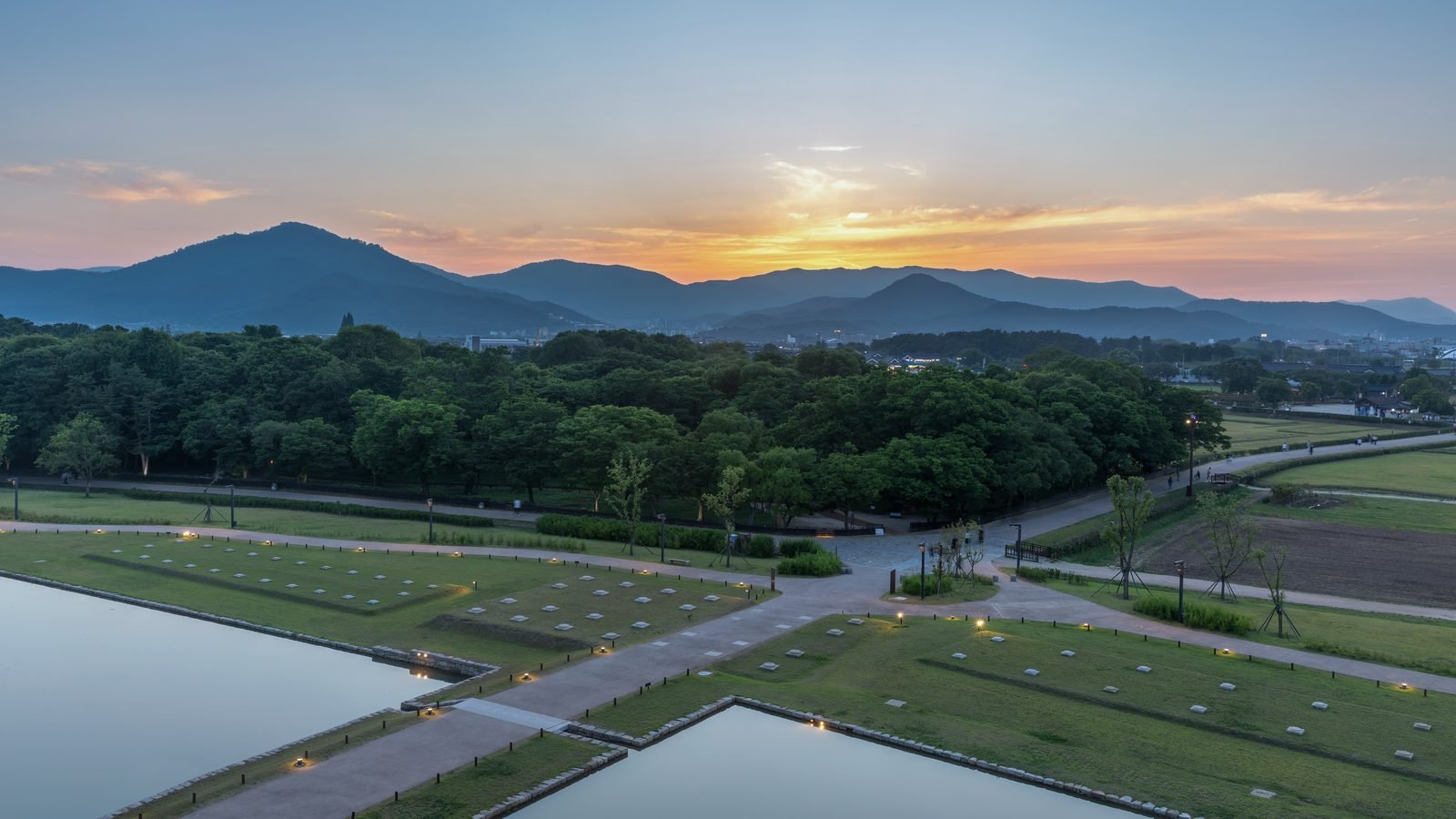
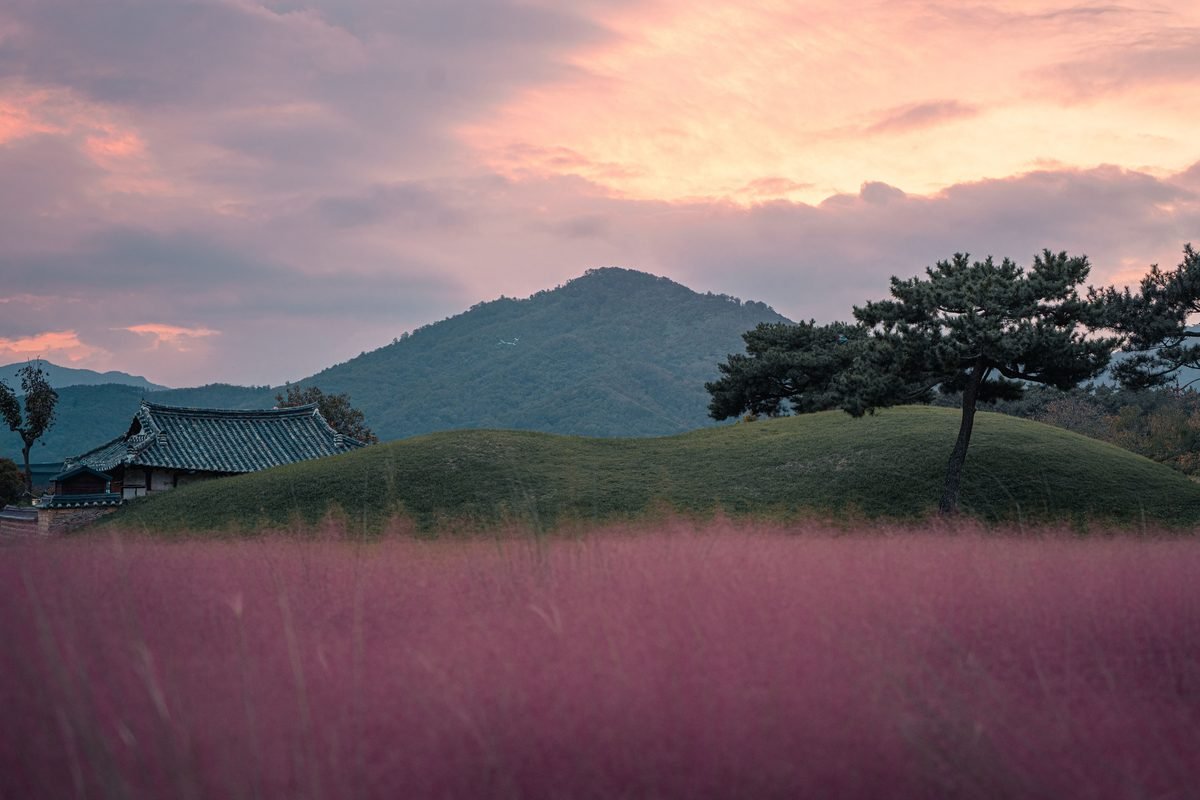
If you are traveling during minor public holidays like Memorial Day or National Foundation Day, the dynamics are completely different from the lunar holidays. Cities do not empty out; instead, locals use the long weekends to take short trips across the country. Gyeongju, the ancient capital of the Silla Kingdom, is a highly popular destination for these quick getaways. You can wander through Daereungwon Tumuli Park, which is completely free to enter, and pay a small fee of ₩3,000 (about $2.20) to step inside the famous Cheonmachong tomb. However, popular historical sites like these will be heavily crowded.
If you want to escape the crowds during a minor holiday, head to the national parks or historic Buddhist temples. Major temples like Bulguksa in Gyeongju or Haeinsa in Hapcheon are now completely free to enter, as their admission fees were abolished in May 2023. Bukhansan National Park, located on the northern edge of Seoul, has numerous hiking trails that can absorb large numbers of visitors. Alternatively, you can visit quieter coastal towns in Jeollanam-do, such as Yeosu or Mokpo, which see fewer domestic tourists than Jeju Island or Busan.
When planning your itinerary around these minor holidays, try to visit the most famous landmarks early in the morning, ideally before 9:00 AM. This allows you to enjoy the sights before the tour buses and domestic road-trippers arrive. Always purchase your intercity bus or KTX tickets as soon as the booking window opens to secure your preferred travel times. You can read more about these ancient tombs in our Gyeongju 2-day itinerary.
Where to eat when local restaurants close down
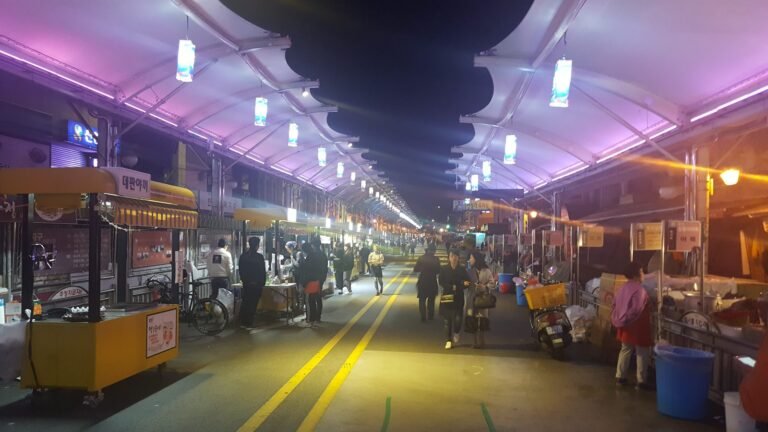
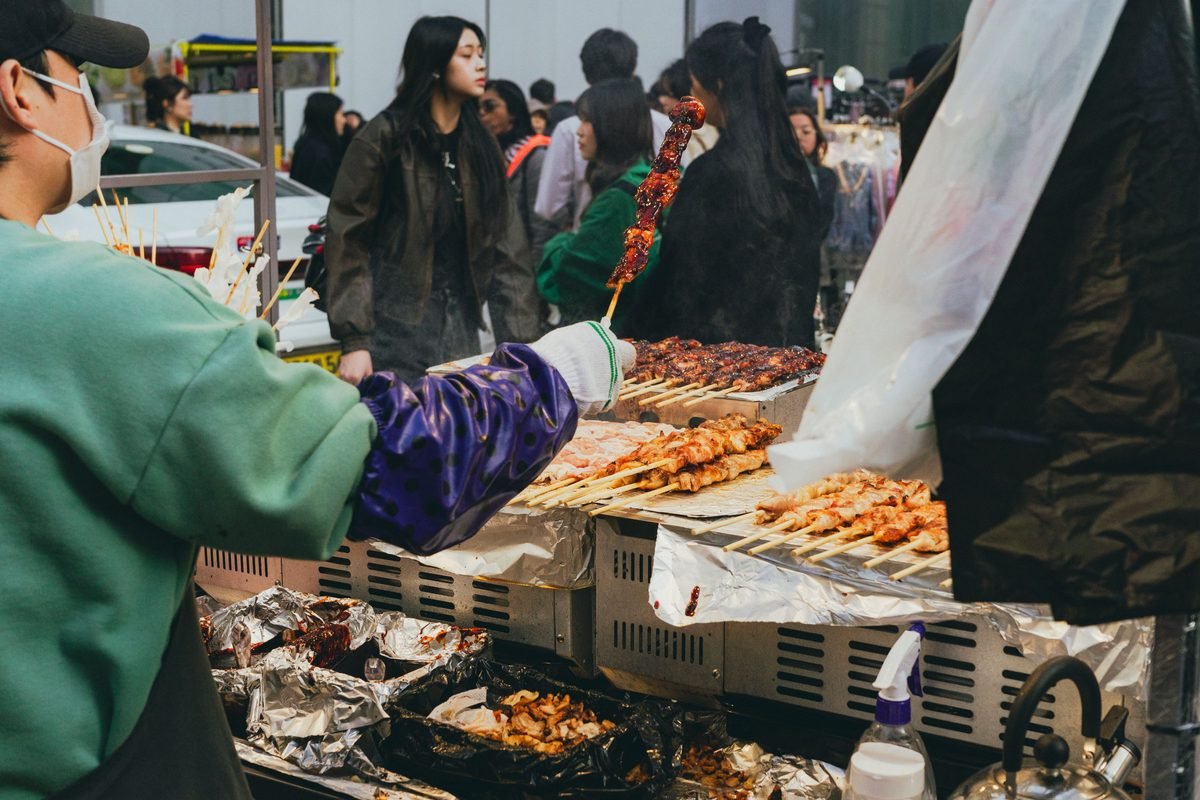
One of the biggest concerns for travelers during Seollal or Chuseok is finding food. Traditional markets and family-run restaurants often close for the entire three-day holiday period so owners can spend time with their families. Plan your meals carefully. Fortunately, you will not starve. Major modern districts like Myeongdong, Itaewon, and Hongdae remain highly active, with many international restaurants and modern cafes operating regular hours. Large shopping malls like COEX in Samseong-dong or Lotte World Mall in Jamsil stay open, offering massive food courts with dozens of dining options.
If you want a more traditional experience, head to Gwangjang Market in Jongno. While the textile and vintage clothing stalls will be closed, many of the famous food stalls serving mung bean pancakes (bindaetteok) and hand-cut noodles (kalguksu) remain open to feed hungry visitors. For a quick and cheap meal, Korea’s convenience stores like GS25, CU, and 7-Eleven are open 24/7. They stock high-quality lunch boxes (dosirak) for around ₩5,000 (about $3.70) that can be heated up on-site. These meals are surprisingly delicious and feature rice, side dishes, and main meats like spicy pork. If you have your heart set on a specific local restaurant, check their operating hours on Naver Map or have your hotel front desk call them ahead of time to confirm if they will open during the holiday. For more culinary inspiration, see our Gwangjang Market food guide.
Book ahead: Reserve Holiday Dining in Advance
If you plan to dine at high-end restaurants or hotel buffets during major holidays, book your table at least three to four weeks in advance as locals celebrate family meals there.
How to manage your budget and hotel bookings
Budgeting for a trip during Korean public holidays requires careful planning, as prices for certain services fluctuate wildly. While public transportation fares remain completely fixed—a subway ride in Seoul is always ₩1,550 (about $1.15) and a city bus is ₩1,500 (about $1.10)—accommodation costs are highly volatile. During long holiday weekends, hotels in tourist hotspots like Haeundae Beach in Busan or the pension houses in Jeju Island can see price increases of fifty percent or more. Book your room early.
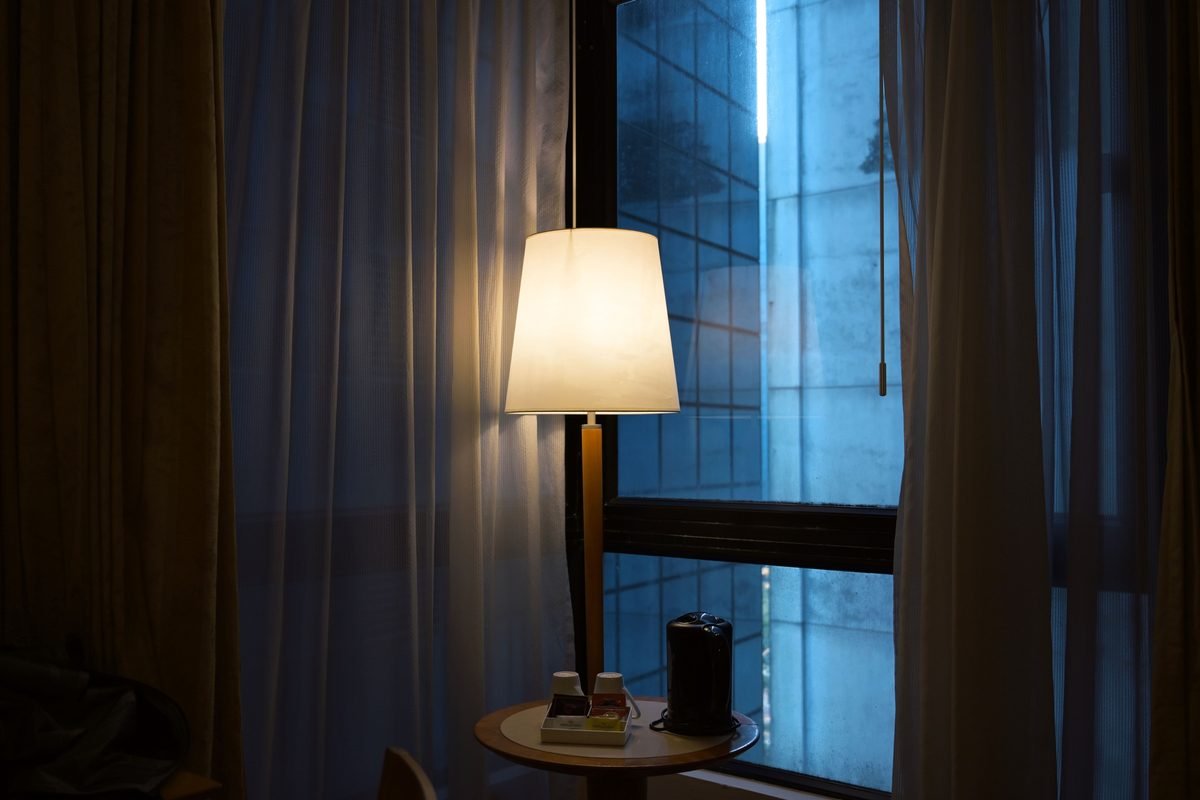
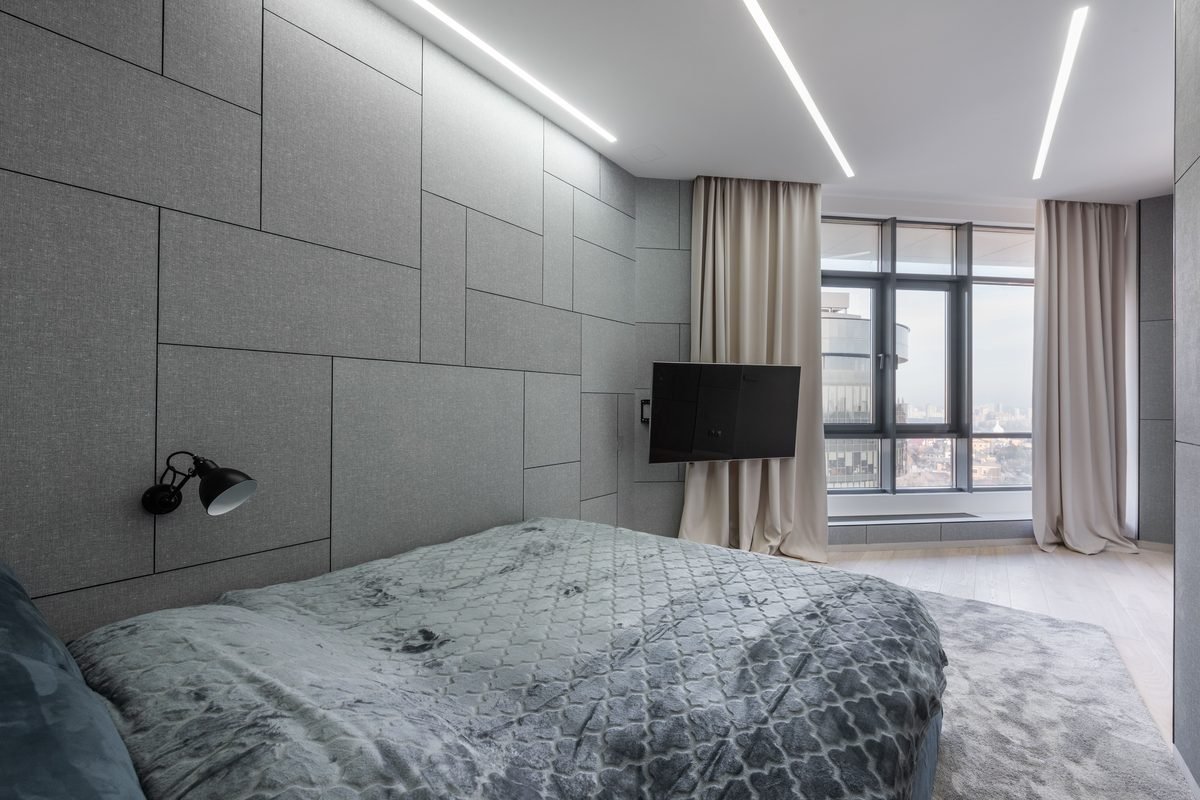
If you are on a tight budget, the best strategy is to base yourself in Seoul during the major lunar holidays. Since Seoul experiences a mass exodus, business hotels in districts like Euljiro and Mapo often offer excellent promotional rates to attract the remaining travelers. You can secure a highly rated mid-range hotel room for around ₩120,000 (about $89.00) per night, which is significantly cheaper than what you would pay for a similar room in Busan during the same weekend.
Additionally, plan for slightly higher food expenses, as cheap local diners might be closed, forcing you to eat at slightly pricier Western restaurants or hotel dining rooms. Keep a stash of cash or a loaded T-money card, which costs about ₩4,000 (about $3.00) empty, to easily handle subway and convenience store purchases without any hassle. This ensures you can always grab a quick bite or jump on a train without waiting in long queues at the station ticket machines.
What it costs in Korea
| Item | Local price | USD |
|---|---|---|
| Seoul Subway Single Fare | ₩1,550 | about $1.15 |
| KTX Train (Seoul to Busan, One Way) | ₩59,800 | about $44.50 |
| T-money Card (Empty) | ₩4,000 | about $3.00 |
| Convenience Store Lunch Box (Dosirak) | ₩5,000 | about $3.70 |
| Cheonmachong Tomb Entry (Gyeongju) | ₩3,000 | about $2.20 |
| Mid-range Hotel Room in Seoul (Per Night) | ₩120,000 | about $89.00 |
| Estimated Daily Budget (Solo Traveler) | ₩180,000 | about $134.00 |
Prices checked September 2026. Always confirm with the provider before you book.
Mistakes to avoid
- Assuming you can easily buy a KTX ticket on the day of travel during Chuseok or Seollal.
- Heading to coastal resort towns like Gangneung without booking accommodation months in advance.
- Relying on Google Maps for walking and transit directions instead of downloading Naver Map or KakaoMap.
FAQ
Are shops and restaurants open during Seollal and Chuseok?
Major department stores, shopping malls, and franchise cafes stay open, while smaller, family-run restaurants and traditional market stalls typically close for two to three days. Tourist-heavy areas like Myeongdong and Itaewon remain highly active.
What is the best way to plan Korea public holidays travel?
The best approach is to stay in Seoul during major lunar holidays to enjoy the quiet streets and free palace entries, while avoiding intercity travel on the exact holiday eves when highways and trains are completely booked.
Do public buses and subways run during major Korean holidays?
Yes, public transit continues to run, though sometimes on a slightly reduced weekend schedule. In Seoul, the city often extends subway and bus operating hours past midnight on the actual day of the holiday to help people get home.
Is it free to visit Seoul palaces during holidays?
Yes, the cultural heritage administration usually waives admission fees for major royal palaces like Gyeongbokgung and Changdeokgung during the Seollal and Chuseok holiday periods, making it an excellent time for sightseeing.
Should I avoid traveling to Korea during Chuseok?
Not necessarily. While you should avoid traveling between cities due to heavy traffic, staying in Seoul during Chuseok offers a incredibly peaceful experience with fewer crowds, cultural events, and open major attractions.