
Seoul to Busan KTX Guide: Fares, Apps & Train Tips

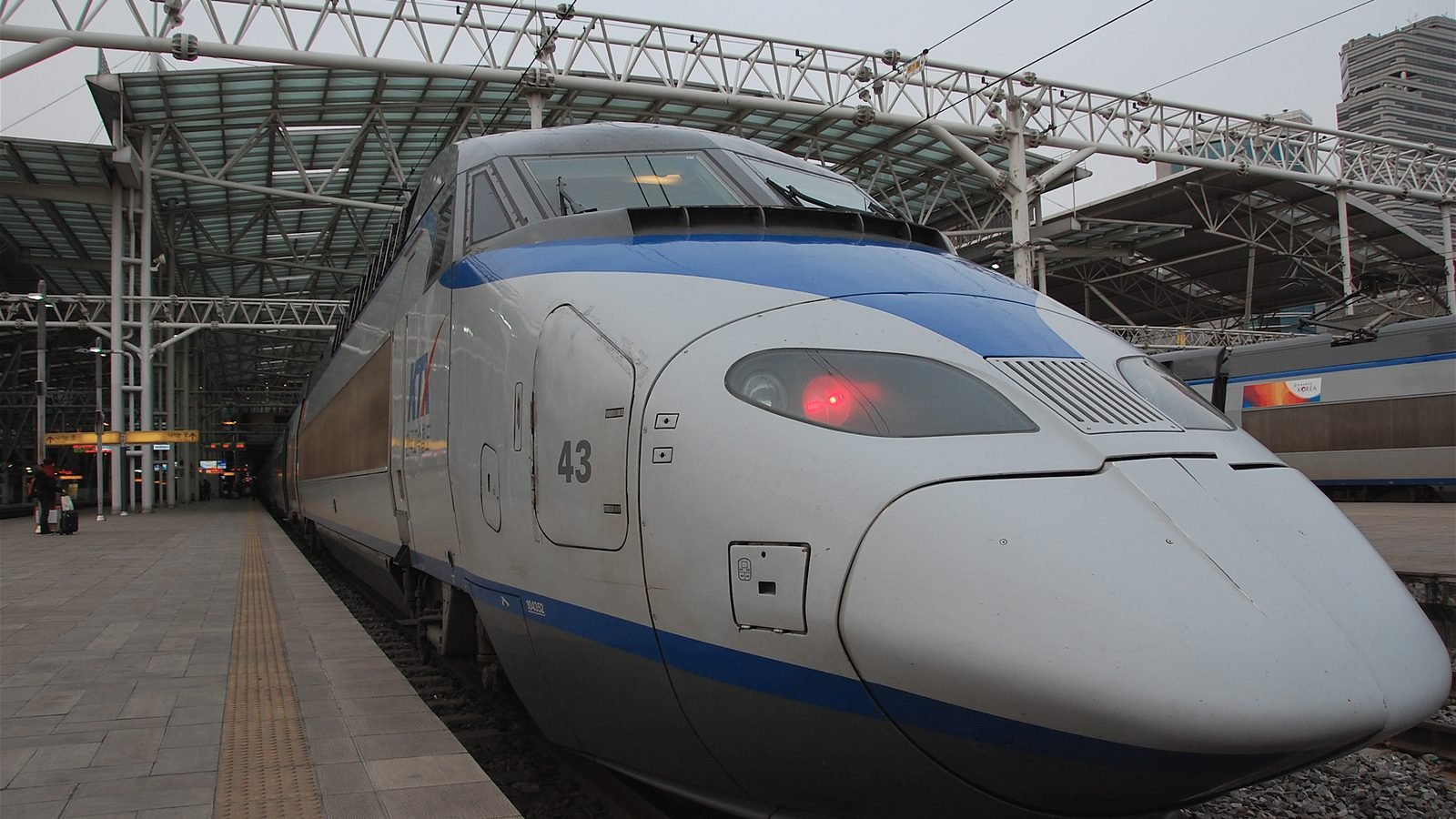
High-speed trains make moving between South Korea’s two biggest cities seamless and fast. Whether you are catching morning ocean views at Haeundae or heading south for a seafood weekend, this complete Seoul to Busan KTX guide breaks down schedules, seat classes, and exact fares. Korea runs on trains. Understanding how the rail system works saves you money, time, and unwanted transit hassle.
This independent guide is written for travelers planning their own trips across South Korea. It covers high-speed KTX train options, SRT alternative departures from Gangnam, foreign credit card booking apps, baggage storage rules, and backup routes by express bus or domestic flight.
Seoul to Busan KTX guide: train options, times, and fares
The high-speed rail connection between Seoul and Busan is the backbone of travel in South Korea. Covering roughly 325 kilometers in as little as two hours and fifteen minutes, the KTX (Korea Train eXpress) makes travel between the capital and the southern coast effortless. Trains run from early morning until late at night, with departures leaving Seoul Station every ten to fifteen minutes during peak hours. Standard single-ride tickets for a regular seat cost ₩59,800 (about $45), while First Class seats cost ₩83,700 (about $63). First class is spacious. It gives you wider single seats, extra legroom, free bottled water, and small snacks handed out by train staff.
Most KTX trains bound for Busan depart from Seoul Station in central Seoul, though select services also leave from Yongsan Station or Yeongdeungpo Station. When searching schedules, pay attention to the train route code. Trains running along the dedicated high-speed Gyeongbu High-Speed Line finish the journey in two hours and fifteen minutes to two hours and thirty minutes. However, a few daily KTX trains route through older conventional tracks via Suwon or Gupo, which adds thirty to forty-five minutes to the journey while saving only a few thousand won. Unless you specifically need to stop in Suwon, always pick the direct Gyeongbu high-speed route.
Onboard amenities across standard class include fold-down seatback tables, power outlets, USB ports, and free Wi-Fi connection. The Wi-Fi works well for messaging and reading articles, though streaming video can lag inside tunnels. Drinks and snack vending machines sit in the vestibules between cars, though major train station platforms have well-stocked convenience stores where you can pick up a lunchbox before boarding. If you plan to travel on a Friday afternoon or Sunday evening, tickets routinely sell out days ahead. Secure seats as soon as your travel dates are set.
Book ahead: Booking train tickets during Korean holidays
KTX tickets for national holidays like Chuseok and Lunar New Year open on special advance sales days and sell out in minutes. If traveling during holiday weeks, reserve express buses or domestic flights as soon as your dates are locked in.
SRT versus KTX: when Suseo Station makes more sense
While the KTX from Seoul Station is the default choice for most international travelers, South Korea operates a second high-speed train network called the SRT (Super Rapid Train). The SRT runs along almost identical high-speed tracks down to Busan, but it originates from Suseo Station in southeastern Seoul rather than central Seoul Station. A standard seat on the SRT costs ₩52,500 (about $39), making it roughly ten percent cheaper than the KTX. Travel time is virtually identical, ranging between two hours and ten minutes to two hours and twenty-five minutes depending on express stops.
Choosing between KTX and SRT comes down entirely to where you stay in Seoul. If your base is in northern or central districts like Myeongdong, Hongdae, Jongno, or Itaewon, Seoul Station is a short subway ride away. Taking the SRT from central Seoul requires navigating south across the Han River to Suseo, which can take forty-five minutes on Subway Line 3 or the Suin-Bundang Line. Conversely, if your hotel sits in Gangnam, Jamsil, Yeoksam, or Seongnam, starting at Suseo Station saves considerable time and transit stress. Suseo is a modern terminal. Navigating its compact layout is much easier than tackling the sprawling multi-level complex at Seoul Station.
SRT trains use modern Hyundai Rotem trainsets that offer generous legroom and power outlets beneath every seat. The ticketing system is managed separately from Korail through the SR corporation website and app. While international credit cards are accepted on the official SRT English website, the mobile app interface can occasionally reject foreign cards. If you run into card processing issues for SRT tickets, third-party booking portals like Trip.com allow foreign cards without hassle. For popular travel windows, both KTX and SRT reach full capacity quickly, so check both options before finalizing your itinerary.
How to book Korea train tickets in English
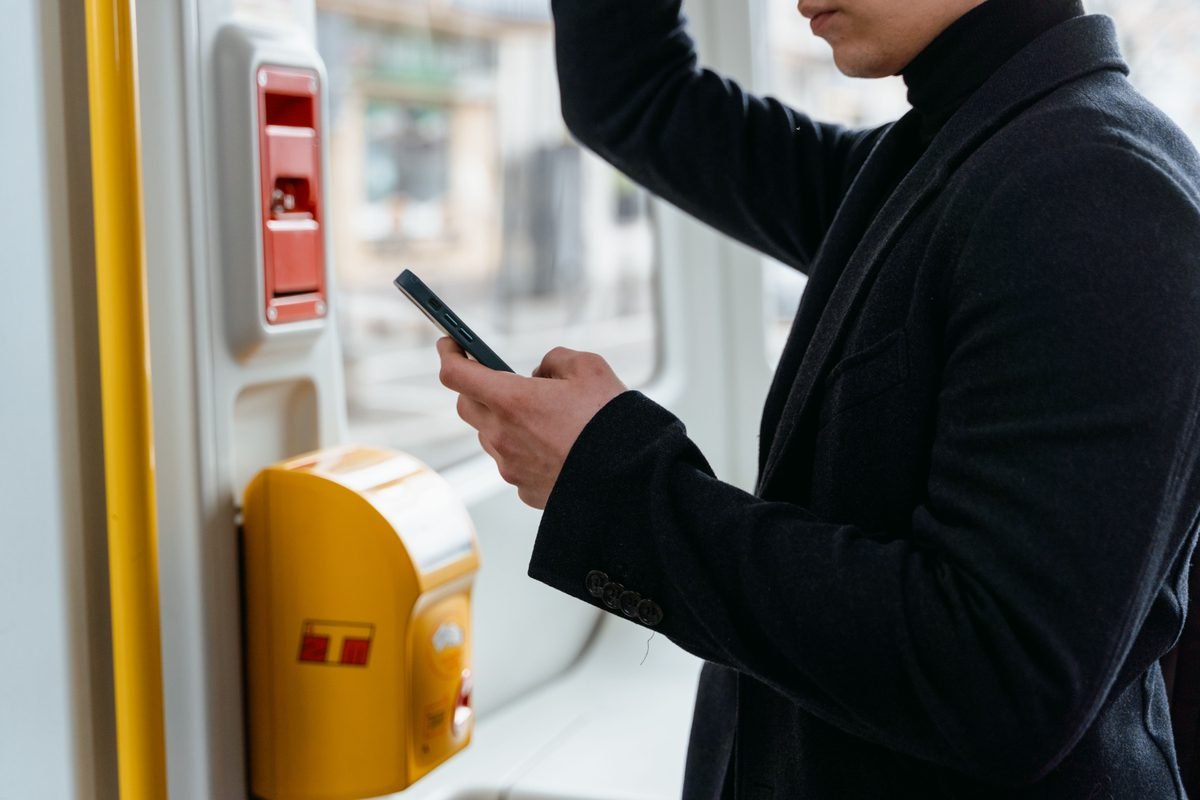
Booking train tickets in South Korea is straightforward once you know where to look. Train reservations open one month before departure in the morning Korean Standard Time (KST). Korail manages all KTX, ITX, and Mugunghwa services through its official English website (letskorail.com) and the official mobile application, KorailTalk. You do not need to register for an account to buy tickets on either platform; you can simply check out as a guest using your passport number and email address. Once purchased, you receive a digital ticket with a QR code and seat assignment. There is no need to print physical tickets or clear ticket barriers at Korean stations. You simply walk onto the platform and sit in your assigned seat.
When using the KorailTalk app, make sure to set the language to English in the app settings before searching routes. The interface allows you to select seats from an interactive train car layout. If standard seats sell out on your preferred departure time, look for ‘Standing/Non-reserved’ (Ipseok) tickets, which become available when all seated capacity is filled. Standing tickets allow you to board the train and stand in the vestibule spaces between cars, where small fold-down jump seats are available on a first-come, first-served basis.
Foreign credit cards (Visa and Mastercard) are accepted on Korail websites, but security verification steps like 3D Secure can occasionally fail on older foreign banking apps. If you encounter repeated payment errors on Korail, book through third-party platforms like Trip.com. Third-party sites add a modest service fee of roughly ₩2,000 to ₩4,000 ($1.50–$3.00), but their payment processing accepts almost all international credit cards and digital wallets. If you need to make last-minute travel changes after arriving in Korea, automatic ticket vending machines with full English language options are available inside Seoul Station, Yongsan Station, and Busan Station.
Tip: Ticket validation in South Korea
South Korea does not use turnstiles or physical ticket barriers for KTX train platforms. Conductors use handheld devices to monitor reserved seats, so you only need to show your digital ticket if requested.
Luggage limits, storage space, and train etiquette
Navigating baggage space on Korean high-speed trains requires a little advance planning if you travel with large suitcases. Korail rules state that passengers can bring up to two pieces of luggage, provided total dimensions do not exceed 160 centimeters (length plus width plus height) per bag and weight remains under 30 kilograms. In practice, train conductors do not weigh or measure bags at the platform. Pack light if possible. However, floor and rack space inside the passenger cabins can fill up quickly on popular departure times.
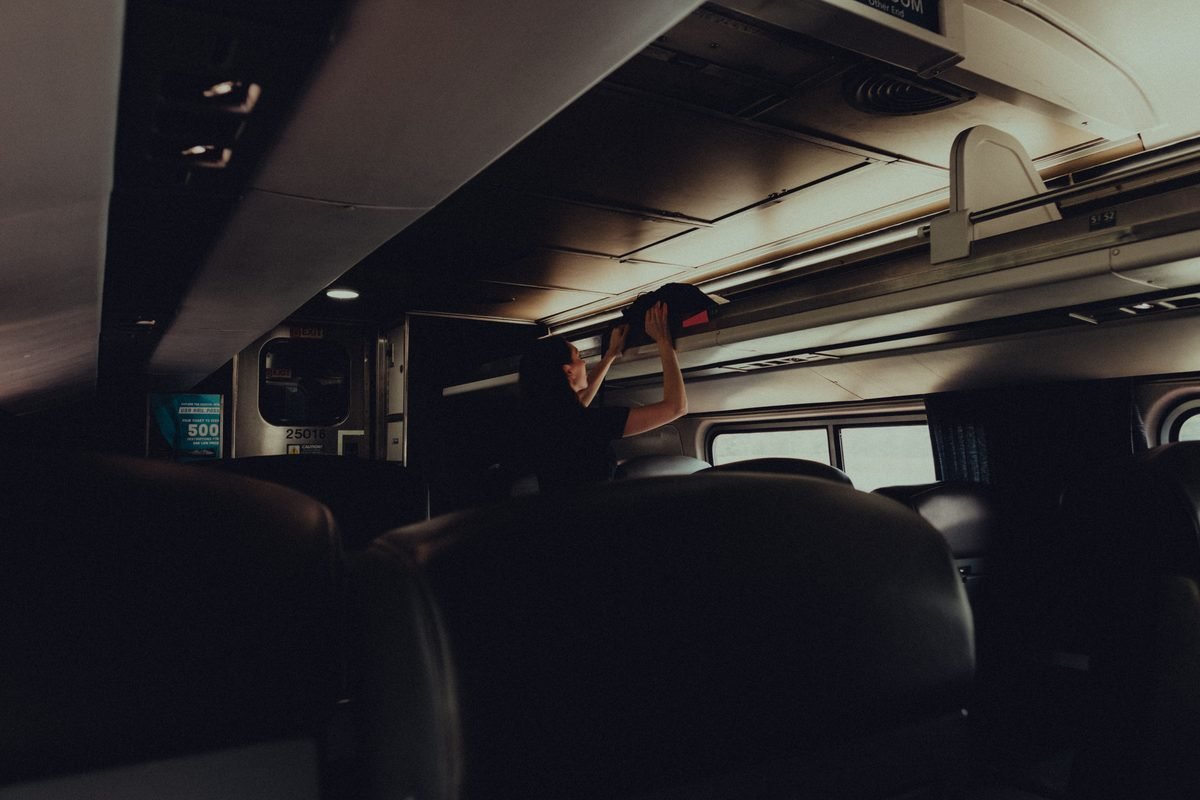
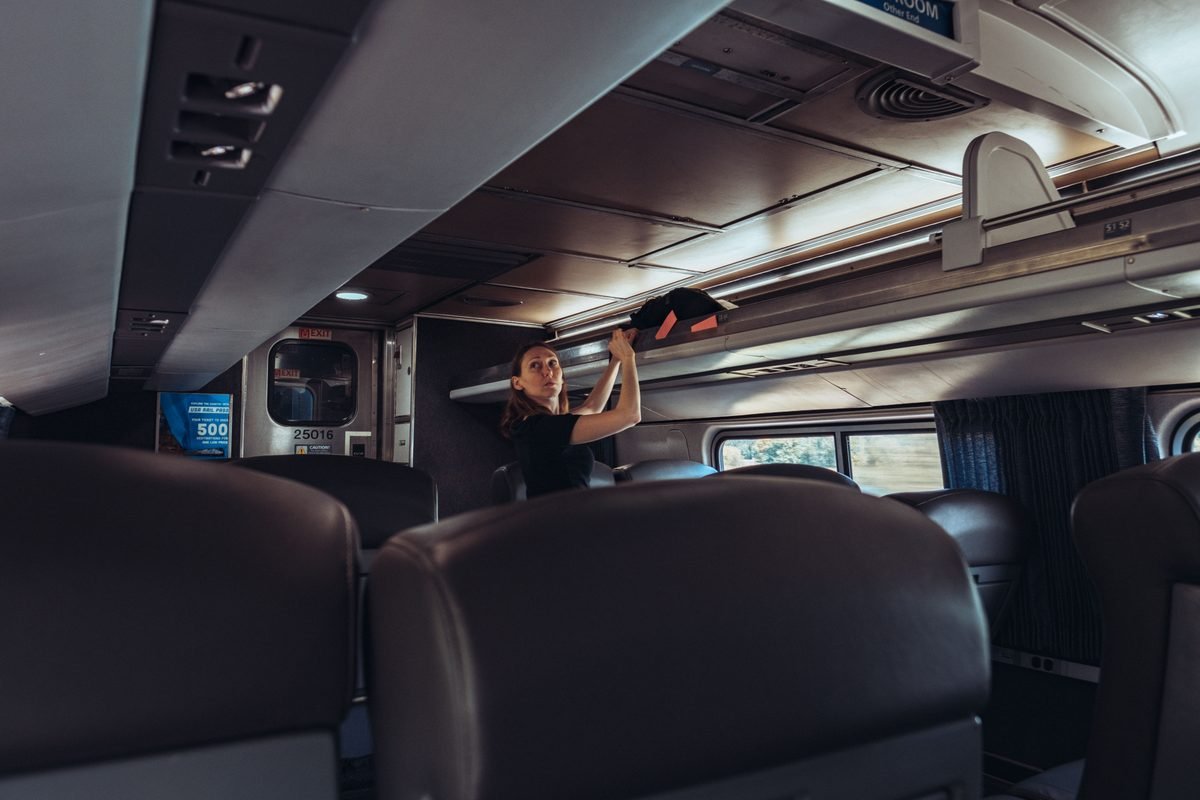
Standard carry-on rolling bags and medium backpacks easily fit onto the overhead luggage racks running above the seats. The overhead racks are wide and sturdy enough to accommodate 24-inch suitcases safely. If you travel with heavy 28-inch or 30-inch hard-shell bags, look for the dedicated luggage storage racks located in the vestibules between train carriages. Because these end-of-car luggage racks fill on a first-come, first-served basis, board your train as soon as boarding opens—usually ten to fifteen minutes before departure time. If all luggage racks are full, you can store your suitcase upright behind the last row of seats in your carriage, provided you do not block the recline of the passengers in front of you.
Korean train cars maintain a distinctly quiet, orderly atmosphere. Keep your voice low. Phone calls should always be taken outside the passenger cabin in the connecting vestibule areas between train cars. Set all mobile devices to silent or vibrate mode before departure, and use headphones whenever listening to music or watching video content. While light snacks and bottled beverages are permitted at your seat, hot food with strong odors is frowned upon by fellow passengers. Cleaning crews clear the trains quickly at terminal stops, so take all personal trash with you when exiting at Busan Station.
From a local: Quiet car etiquette
If you need to make a phone call or take a video call, step into the vestibule area between train cars where small jump seats and fold-out tables are available.
Budget train alternatives: ITX-Saemaeul and Mugunghwa
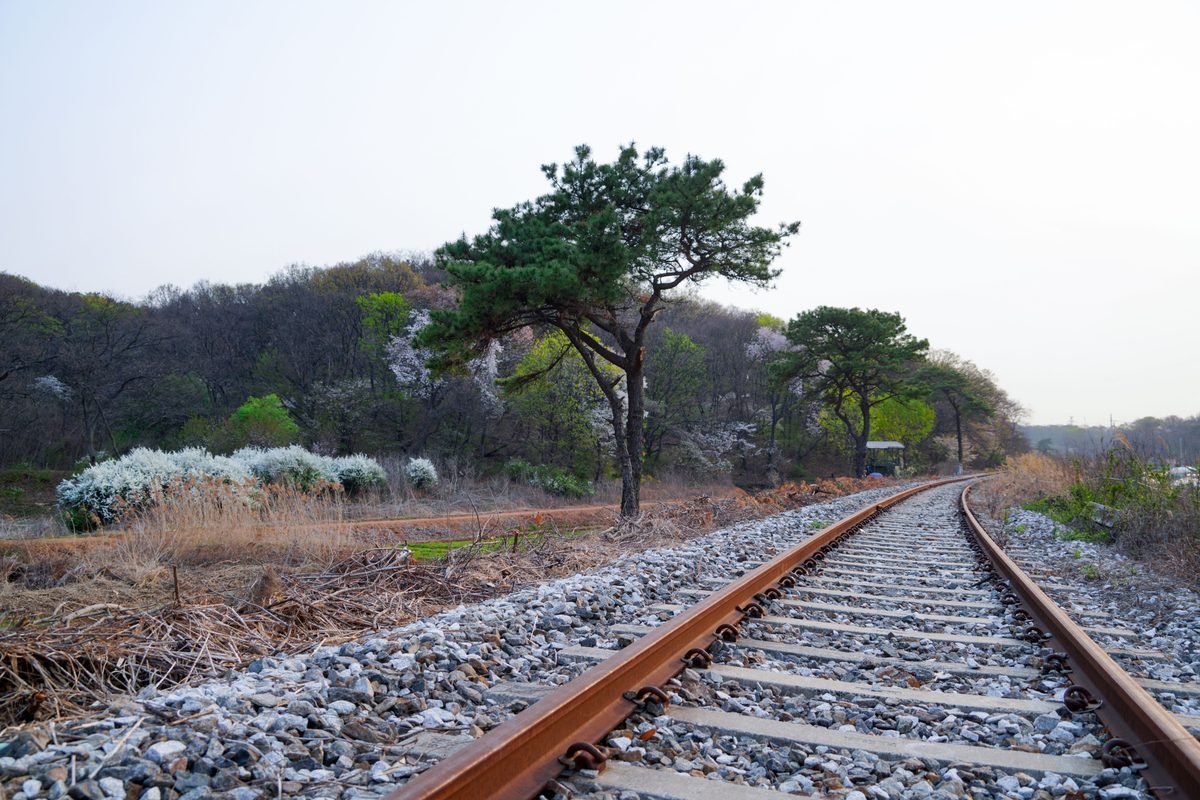
If high-speed KTX tickets are fully booked or your daily travel budget is tight, South Korea’s conventional rail lines offer reliable, low-cost options between Seoul and Busan. The two main slow train services along the Gyeongbu line are the ITX-Saemaeul and the Mugunghwa train. While high-speed rail cuts travel time down to two and a half hours, these classic trains follow original track routes, giving budget-conscious travelers an affordable way to see the Korean countryside.
The ITX-Saemaeul is a modern, comfortable electric train that reaches speeds up to 150 kilometers per hour. A standard seat ticket from Seoul Station to Busan Station costs ₩42,600 (about $32) and takes roughly four hours and forty-five minutes. Seats on the ITX-Saemaeul feature comfortable padding, generous recline angles, fold-down tables, and power outlets at every seat, making the journey pleasant if you are not in a rush. The train stops at intermediate regional cities like Daejeon, Dongdaegu, and Miryang, providing a glimpse of small-town life away from major metropolises.
For absolute rock-bottom travel costs, the Mugunghwa is Korail’s iconic long-distance commuter train. A one-way ticket from Seoul to Busan on the Mugunghwa costs just ₩28,600 (about $21), making it less than half the price of a standard KTX ticket. The catch is travel time: the trip takes roughly five hours and thirty minutes to six hours due to frequent stops at local rural stations. Mugunghwa train cars are older, but they offer wider seat pitches than standard economy air travel, with plush cloth seats and large picture windows. Booking slow trains is also a smart backup strategy during peak holiday travel periods when high-speed rail sells out weeks in advance.
Bus and domestic flight alternatives to the KTX
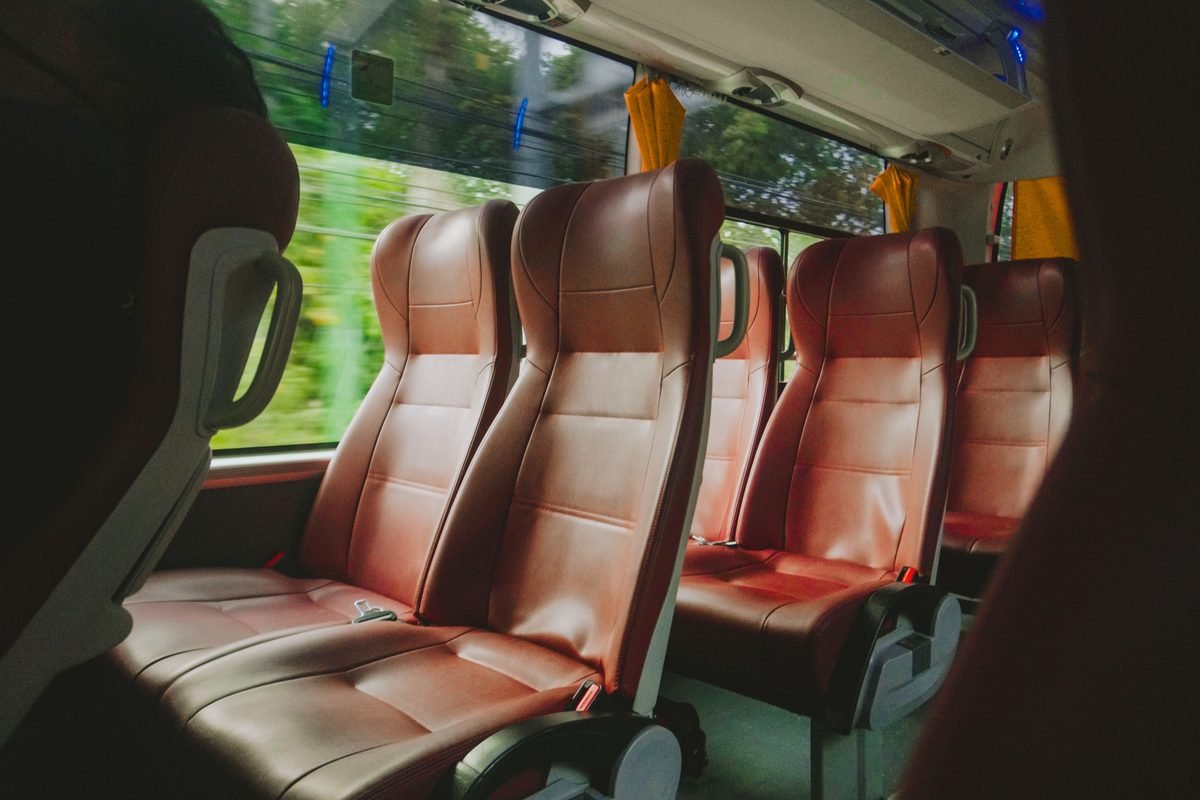
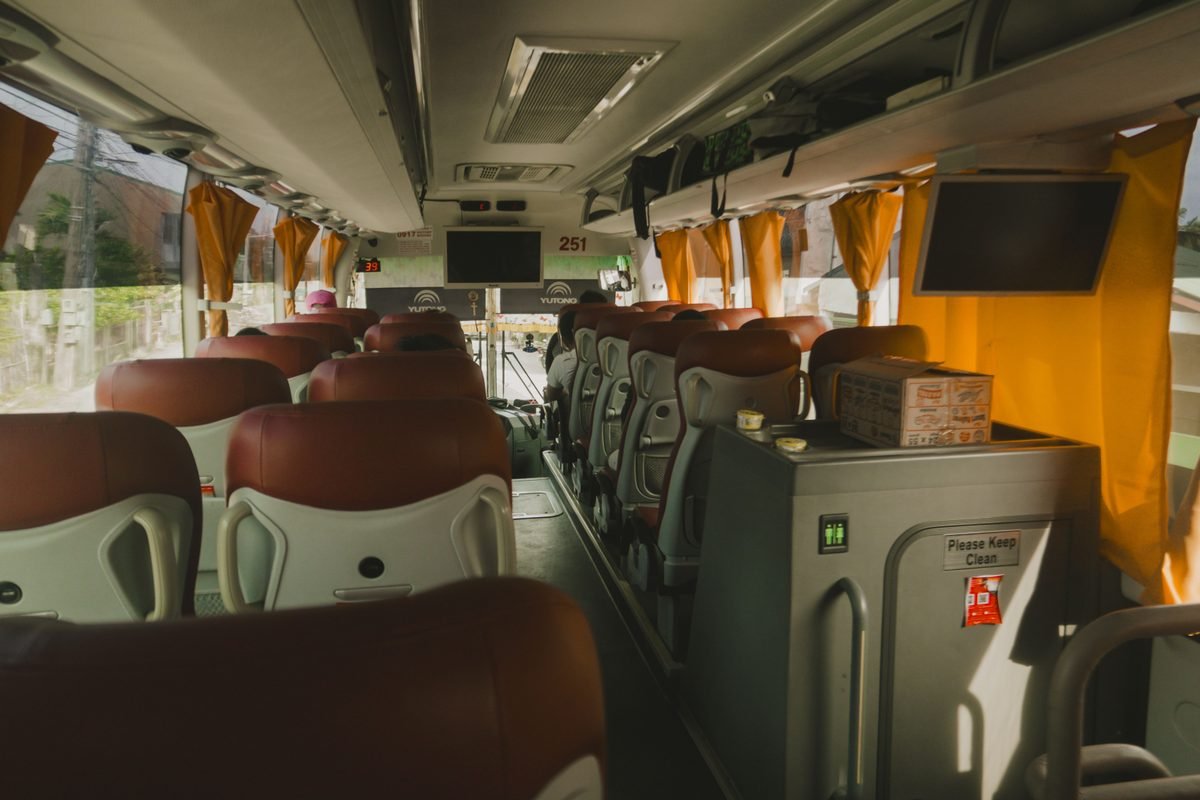
Beyond rail travel, highway express buses and domestic flights offer alternative ways to travel from Seoul to Busan. Buses arrive at Busan Central Bus Terminal (Nopo Station) on the northern edge of Busan. Travel time by bus takes approximately four hours to four hours and fifteen minutes, depending on traffic conditions along the Gyeongbu Expressway. Standard bus tickets cost ₩26,800 (about $20), while Excellent (Udeung) buses cost ₩39,200 (about $29). For maximum comfort, Premium buses cost ₩41,800 (about $31) and feature individual privacy curtains, wide leather lie-flat recliners, personal video screens, and wireless phone chargers.
Domestic flights connect Seoul’s Gimpo International Airport (GMP) directly to Busan’s Gimhae International Airport (PUS). Major carriers including Korean Air, Asiana Airlines, Jeju Air, and Air Busan operate frequent hourly flights between the two cities. Flight time in the air is only one hour, with one-way fares ranging from ₩35,000 to ₩85,000 (about $26–$64) depending on airline promotions and season. However, total transit time from central Seoul to central Busan by air often equals or exceeds the train. You must factor in forty minutes on the subway or airport train to reach Gimpo Airport, check-in and security buffer times, and a forty-five-minute subway or taxi ride from Gimhae Airport into downtown Busan districts like Haeundae or Seomyeon.
Comparing all transport options, the KTX remains the fastest, most convenient, and most stress-free choice for most travelers. Train stations sit directly in the city centers of both Seoul and Busan, eliminating airport transit hassle. However, if you travel during major national holidays when train seats disappear immediately, booking a Premium express bus or domestic flight serves as a reliable backup option.
What it costs in South Korea
| Item | Local price | USD |
|---|---|---|
| KTX Standard Seat (Seoul Station) | ₩59,800 | $45 |
| KTX First Class Seat (Seoul Station) | ₩83,700 | $63 |
| SRT Standard Seat (Suseo Station) | ₩52,500 | $39 |
| ITX-Saemaeul Seat | ₩42,600 | $32 |
| Mugunghwa Slow Train Seat | ₩28,600 | $21 |
| Premium Express Bus | ₩41,800 | $31 |
| Domestic Flight (Gimpo to Gimhae) | ₩35,000 – ₩85,000 | $26 – $64 |
Prices checked September 2026. Always confirm with the provider before you book.
Mistakes to avoid
- Assuming Google Maps will give walking or transit directions to train stations in Korea—use Naver Map or KakaoMap instead.
- Booking an SRT train from Suseo Station when staying in northern Seoul, which adds nearly an hour of subway travel across the Han River.
- Selecting a KTX train that routes through Suwon or Gupo, which adds up to 45 extra minutes to your journey for minimal savings.
FAQ
How far in advance can I book KTX tickets from Seoul to Busan?
KTX train ticket reservations open one month before departure in the morning Korean Standard Time (KST). Popular departure times during weekends and national holidays sell out quickly, so it is best to book as soon as the booking window opens.
Is the KTX faster than flying from Seoul to Busan?
Yes, when factoring total travel time. While a flight from Gimpo Airport to Gimhae Airport takes only one hour in the air, travel to the airport, security checks, and airport transfers into central Busan bring total travel time to nearly 3.5 hours, compared to 2.5 hours downtown-to-downtown on the KTX.
Where can I find a complete Seoul to Busan KTX guide for foreign credit card payments?
Foreign credit cards are accepted directly on the official Korail website (letskorail.com) and the official KorailTalk app. If your foreign bank card triggers payment errors during checkout, you can easily purchase the exact same tickets on third-party sites like Trip.com with full English support.
What is the difference between KTX First Class and Standard Class?
KTX First Class features a 2+1 seating arrangement with wider seats and extra legroom, compared to standard 2+2 seating. First Class passengers also receive complimentary bottled water, small snacks, and access to special seat recline controls.
Can I bring large suitcases on the KTX train?
Yes, you can bring up to two pieces of luggage per passenger. Overhead racks hold carry-on sized bags, while large 28-inch or 30-inch hard-shell suitcases fit on dedicated end-of-car luggage storage racks located in the vestibules between train carriages.


One Comment