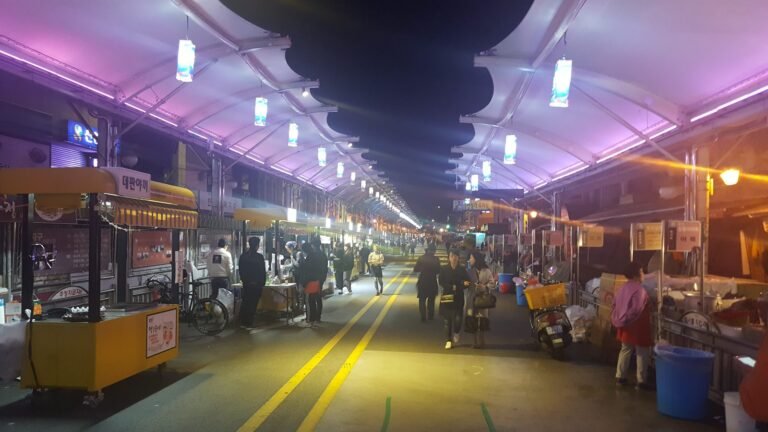
Travel Insurance Guide: Credit Cards vs Standalone

A single night in a foreign hospital can easily cost thousands of dollars. It happens in seconds: a missed step on a wet staircase, a sudden fever, or a scooter slide on a gravel road. You are left staring at a medical bill, wondering if your credit card coverage will save you. For most independent travelers, understanding what is actually covered is an afterthought.
This comprehensive travel insurance guide is designed to demystify the complex world of travel protection. We will break down what credit card policies actually cover, the critical difference between medical and cancellation insurance, common exclusions that lead to denied claims, and how to file a claim that actually gets paid.
How to use this travel insurance guide
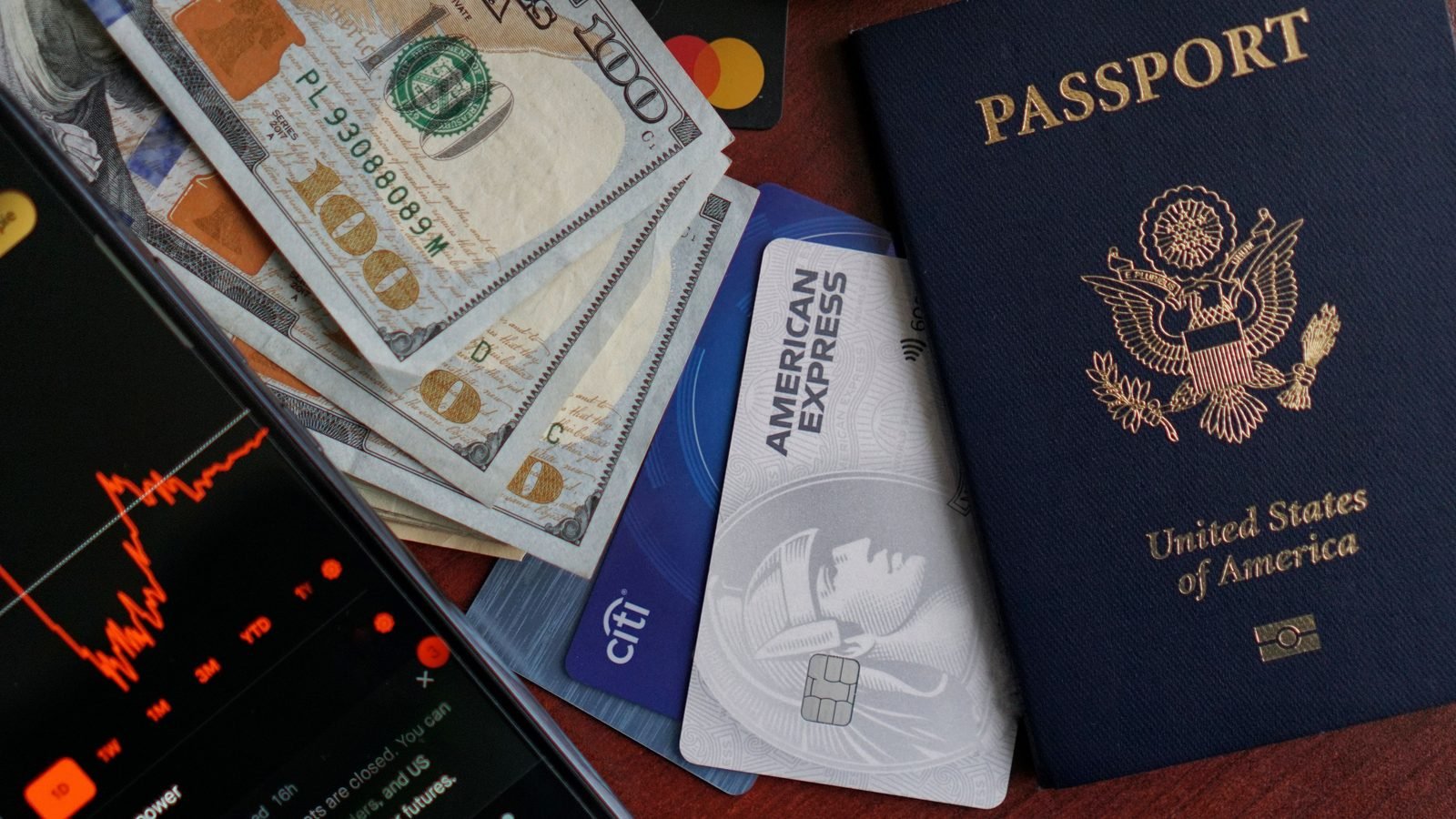
When you book a trip using a premium credit card, it often promises built-in protection. This leads many travelers to believe they do not need standalone insurance. However, credit card coverage is rarely as comprehensive as it seems. Most credit card travel protection is secondary. This means you must first exhaust your primary health insurance or seek refunds directly from the airline before the card company pays a cent. Read the fine print. It is not always free.
Furthermore, these policies only kick in if you charge the entire cost of your transport to that specific card. If you used points, a different card, or cash for part of the booking, you might invalidate the coverage entirely. The limits are also surprisingly low. While a premium card might offer up to $10,000 (about ₩13,400,000) for trip interruption, its baggage delay coverage might cap out at $500 (about ₩670,000). If your bags are lost while following a packing list for Japan, that amount will barely cover a decent jacket and a change of clothes.
Additionally, card companies enforce strict time limits. A trip delay benefit might only trigger after a continuous delay of six or twelve hours. If your flight is delayed for five hours, you cannot claim the cost of your airport meal. You must also obtain a written statement from the airline confirming the delay, which is incredibly difficult to get once you leave the terminal. Card companies also require you to submit claims within 20 or 30 days of the incident, which is incredibly difficult when you are still traveling. For true peace of mind, relying solely on a credit card is a risky strategy that often leaves travelers paying out of pocket.
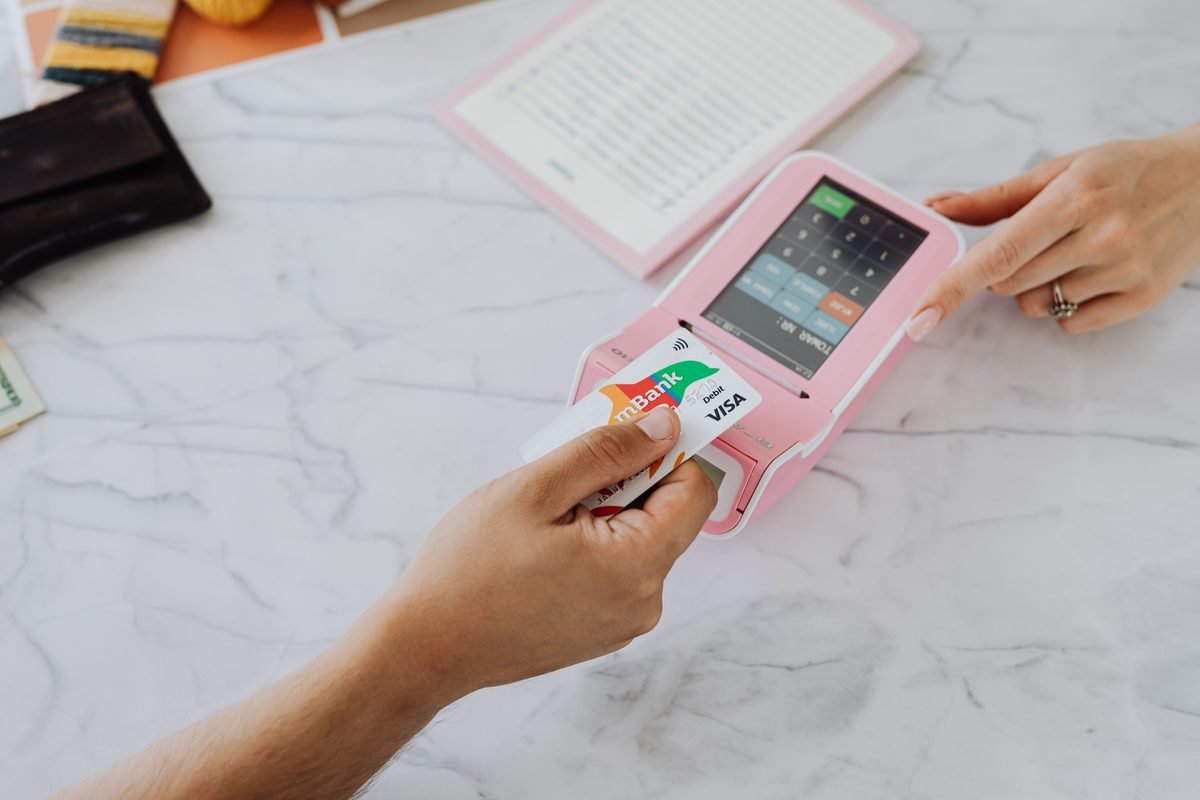

Heads up: Secondary Coverage Trap
Always check if your credit card travel protection is primary or secondary. Secondary coverage requires you to file a claim with your personal health insurance first, which can take months of paperwork.
The difference between travel medical and trip cancellation
Travelers often treat travel insurance as a single, all-encompassing product. In reality, it is split into two distinct pillars: emergency medical coverage and trip cancellation protection. Understanding this division is crucial when deciding what policy to buy. Do not mix these up. Medical coverage saves lives.
Emergency medical insurance covers hospital stays, doctor visits, surgeries, and emergency medical evacuation. If you get appendicitis in Bangkok, this is the policy that pays the surgeon. Medical evacuation is especially critical; if you need to be flown to a higher-quality hospital or repatriated home on a medical flight, the bill can easily reach $150,000 (about ₩200,000,000). Standalone medical-only plans are highly affordable, sometimes costing as little as $2 (about ₩2,700) per day. They are ideal for budget backpackers who own very little but want protection against catastrophic medical bills.
Trip cancellation and interruption insurance, on the other hand, protects your pre-paid, non-refundable financial investments. If you must cancel your trip because you or a close family member falls seriously ill, this policy reimburses your flights and hotels. It typically costs between 5% and 10% of your total trip value. If you are booking non-refundable luxury stays or expensive train passes, cancellation coverage is highly recommended. However, if your trip consists of flexible hostel bookings and cheap local transit, paying for cancellation insurance is often a waste of money. Emergency dental care is another minor sub-category of medical coverage. It is designed to address sudden, severe pain rather than routine checkups. Focus your budget on robust medical coverage instead.
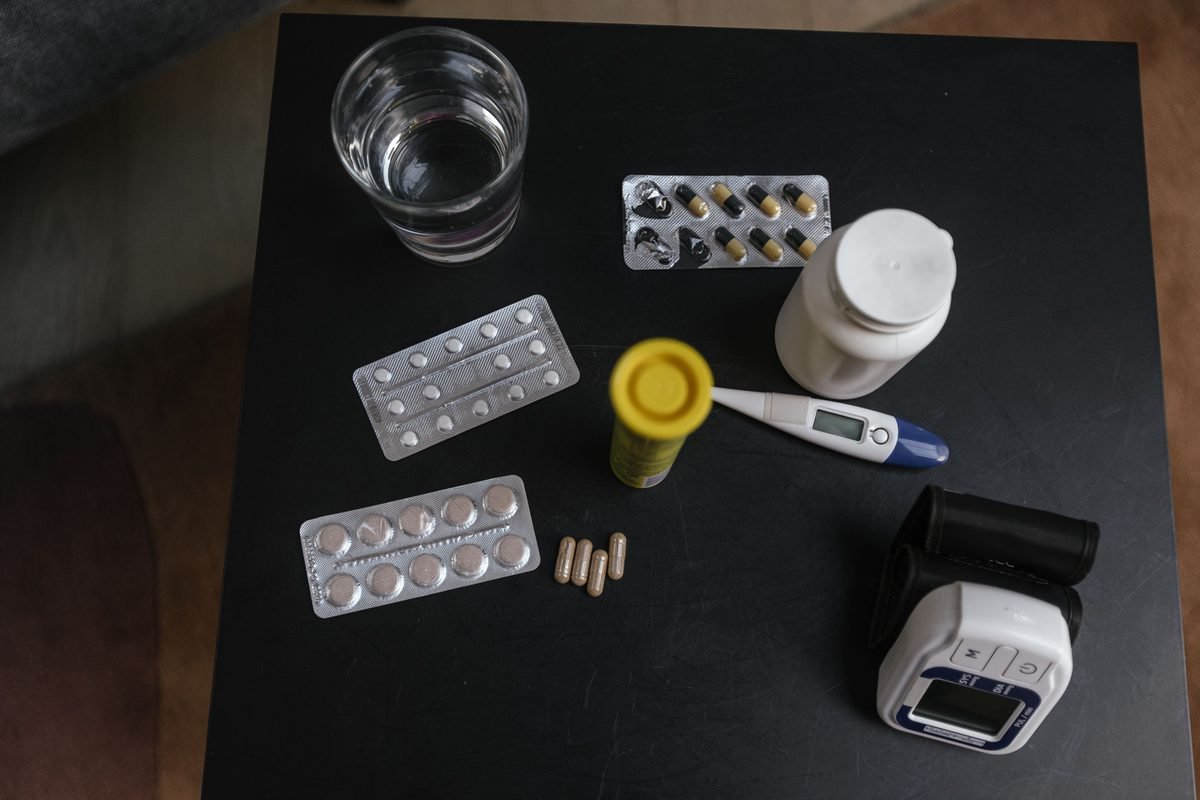
When does travel insurance actually pay out
Insurance companies are businesses, and they do not pay out claims simply because your vacation did not go as planned. They operate on a strict list of “covered reasons.” If your situation does not match one of these reasons exactly, your claim will be denied. They need hard proof. Read the policy definitions.
For trip cancellation, standard covered reasons include sudden severe illness or injury, the death of an immediate family member, jury duty, or your home becoming uninhabitable due to a natural disaster. If you cancel because you had a fight with your travel partner, or because the weather forecast predicts rain for your entire beach holiday, you will not receive a dime. Even if the airline cancels your flight, your travel insurance might not pay if the airline offers you a voucher or an alternative flight. You must prove financial loss that cannot be recovered elsewhere.
For medical claims, the trigger must be an acute, unexpected emergency. If you experience a sudden tooth infection while traveling, a basic policy will cover emergency pain relief up to a small limit, usually around $500 (about ₩670,000). However, it will not pay for a full root canal or cosmetic crowns. The goal of travel medical insurance is to stabilize you so you can safely return home, not to provide comprehensive healthcare abroad. Understanding these triggers prevents frustration during the claims process.
Flight delay payouts are similarly restrictive. If you miss a connection because you spent too long in the duty-free shop, you are on your own. The insurer will demand a formal report from the airline showing the exact cause of the delay, such as mechanical failure or severe weather. Without this documentation, your claim is dead on arrival. Natural disasters like typhoons or volcanic eruptions are only covered if the policy was purchased before the storm was officially named. If you buy insurance after a typhoon is forecasted, you cannot claim for any disruptions.



Common exclusions in travel insurance policies
The most critical part of any insurance policy is the exclusions section. This is where most travelers get caught off guard. The most common exclusion is pre-existing medical conditions. If you have sought treatment, changed medications, or visited a doctor for a specific health issue within the last 60 to 180 days, that condition is excluded from coverage. If you suffer a relapse abroad, you must pay the entire bill yourself. To avoid this, you must purchase a policy with a pre-existing condition waiver, which usually requires buying the insurance within 14 days of making your initial trip deposit.
Another massive trap involves adventure sports and activities. Riding a scooter is a classic example. If you rent a scooter in Bali or Thailand and get into an accident, your insurance will not cover you unless you hold a valid motorcycle license in your home country and an International Driving Permit. Check the scooter rules. Alcohol cancels your coverage. If you have even a moderate amount of alcohol in your system during an accident, the insurer has the legal right to deny your claim entirely.
Other common exclusions include extreme sports like skydiving, scuba diving below 30 meters, and high-altitude trekking. If you plan to hike above 3,000 meters, you must purchase a specialized adventure sports rider or high-altitude policy. Standard travel insurance treats high-altitude hiking as an extreme risk. Always read the exclusions list before purchasing, as a single unapproved activity can leave you with a $20,000 (about ₩26,800,000) medical bill.
Additionally, claims arising from civil unrest, acts of war, or traveling to countries under active government travel warnings are routinely excluded. If your home government advises against all travel to a specific region, your policy becomes invalid the moment you cross the border.
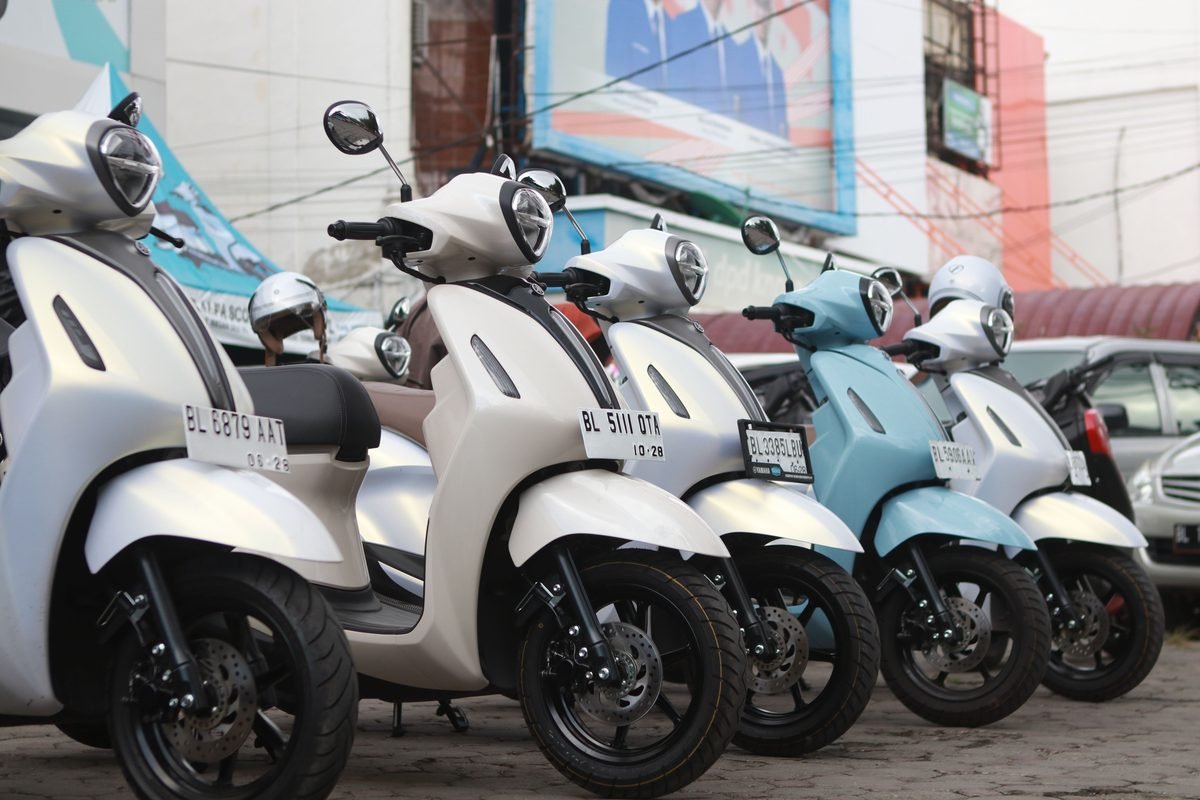

From a local: Scooter License Warning
If renting a scooter in Southeast Asia, your home country driver’s license must specifically show a motorcycle endorsement. A standard car license will void your insurance coverage if you crash.

How to file a travel insurance claim
Filing a claim is a highly bureaucratic process that requires meticulous organization. If you make a mistake or miss a document, the insurer will delay or deny your claim. Keep every single receipt. File reports immediately.
If you require medical treatment, you must contact your insurer’s emergency assistance hotline as soon as possible. For major emergencies, they can often arrange direct payment to the hospital so you do not have to pay thousands of dollars upfront. If you pay out of pocket for a minor clinic visit, you must collect an itemized medical report, a formal diagnosis from the attending doctor, and an official receipt showing payment. A simple credit card slip is not enough; the insurer needs to see exactly what services and medications you were billed for.
For baggage issues or flight delays, you must obtain official documentation before leaving the airport. If the airline loses your bag, file a report at the baggage service desk and keep the physical copy of the Property Irregularity Report. If you must buy emergency toiletries and clothes, keep every single receipt, even a ₩5,000 (about $3.70) toothbrush. When you submit your claim online, write a clear, unemotional, chronological timeline of the events. Explain exactly what happened, list the costs, and reference your attached documents. This makes it easy for the claims adjuster to approve your payout quickly.
Remember that insurers will cross-reference your flight dates and booking confirmations. Ensure all dates on your medical reports and receipts align perfectly with your travel itinerary. Any discrepancy, even by a single day, can trigger an investigation and stall your reimbursement for months.


How to choose a standalone travel insurance policy
If your credit card coverage is insufficient, a standalone policy is the best way to protect yourself. When comparing plans, look at the medical limit first. For international travel, look for a minimum of $100,000 (about ₩134,000,000) in emergency medical coverage and $250,000 (about ₩335,000,000) in emergency evacuation. These numbers might seem high, but medical transportation costs can be astronomical. Look at the medical limit. Annual plans save money.
Next, check if the policy is primary or secondary. A primary policy is far superior because it pays out first, sparing you from having to file claims with your home health insurance provider. This saves weeks of administrative hassle. You should also consider your travel frequency. If you take more than three international trips a year, a multi-trip annual policy is highly cost-effective. An annual policy typically costs around $250 (about ₩335,000) and covers all trips taken within a 12-month period, provided each individual trip is under 30 or 45 days. When calculating your overall Korea travel budget, factoring in the cost of a standalone insurance policy is a smart move.
Finally, look at the deductible, which is the amount you must pay out of pocket before the insurance kicks in. A higher deductible will lower your premium, but it means you will pay for minor doctor visits yourself. Choose a deductible that matches your budget. Always buy your policy as soon as you book your flights. This ensures you are covered for any pre-departure cancellations that might occur due to unexpected illness or family emergencies.
Do not wait until the last minute to purchase your plan. Many insurers will not cover events that are already known, such as an approaching tropical storm or a planned airline strike, if you purchase the policy after the news becomes public.


Book ahead: Purchase Window
Book your travel insurance policy within 14 days of making your first trip deposit. This is usually the only way to get a pre-existing medical condition waiver.
What this trip costs
| Item | Local price | USD |
|---|---|---|
| Basic Standalone Medical (Daily) | ₩2,700 | $2 |
| Premium Card Delay Limit | ₩670,000 | $500 |
| Emergency Medical Limit (Standard) | ₩134,000,000 | $100,000 |
| Emergency Evacuation Limit | ₩335,000,000 | $250,000 |
| Annual Multi-Trip Policy | ₩335,000 | $250 |
| Average Scooter Accident Bill (Out of Pocket) | ₩26,800,000 | $20,000 |
| Typical Minor Claim Receipt (Toothbrush/Toiletries) | ₩5,000 | $3.70 |
Prices checked September 2026. Always confirm with the provider before you book.
Mistakes to avoid
- Assuming your credit card travel protection is primary, which leads to massive delays when you are forced to claim through your home health insurance first.
- Riding a scooter or motorcycle abroad without a valid motorcycle endorsement on your home country license, which completely voids your medical coverage.
- Waiting to purchase your travel insurance policy until after a major storm or strike is named, making any related disruptions unclaimable.
FAQ
Does my credit card travel protection cover medical emergencies?
Most credit cards only offer secondary medical coverage, meaning you must claim through your home health insurance first. Additionally, the coverage limits are often much lower than standalone policies, sometimes capping out at just a few thousand dollars.
What is the most important tip in this travel insurance guide?
The most important tip in this travel insurance guide is to purchase your policy within 14 days of your first trip deposit. This is the only way to secure a pre-existing conditions waiver, which protects you if a chronic health issue flares up while you are away.
Will travel insurance pay out if I decide to cancel my trip?
Standard travel insurance only pays out for specific ‘covered reasons’ like sudden illness, injury, or jury duty. If you want the flexibility to cancel for any reason, you must purchase a specialized ‘Cancel for Any Reason’ (CFAR) add-on, which usually costs significantly more.
Does travel insurance cover scooter accidents in Southeast Asia?
Only if you hold a valid motorcycle license in your home country and an International Driving Permit. If you ride with a standard car license, or if you were not wearing a helmet, the insurance company will deny your medical claim entirely.
How long does it take to get reimbursed for a travel insurance claim?
A standard claim takes anywhere from two to eight weeks to process, depending on the complexity and how quickly you provide the required documents. Having itemized medical receipts, police reports, and airline delay statements will speed up the payout significantly.