How to Beat the Crowds: Ikseon-dong and Bukchon Guide

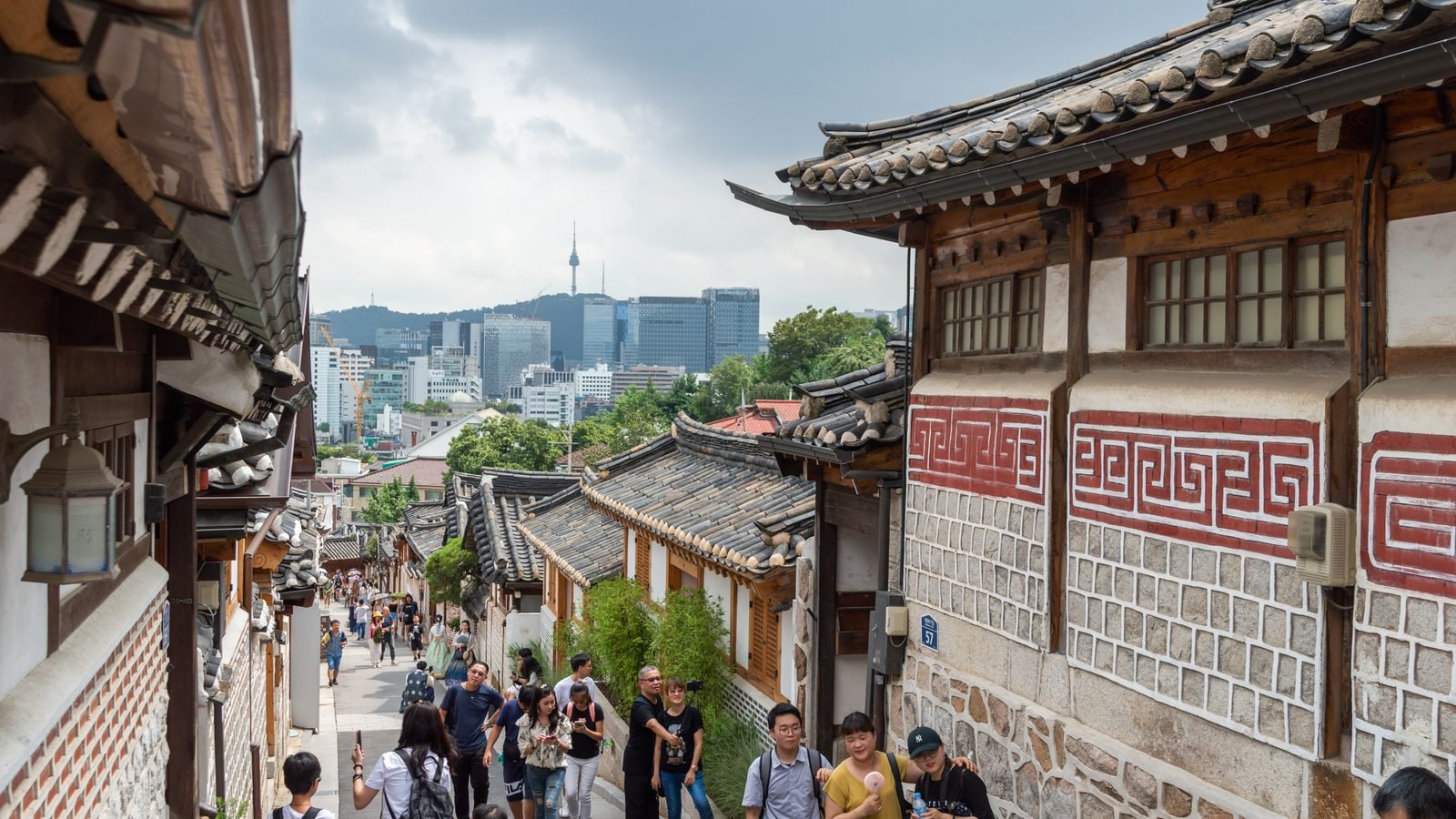
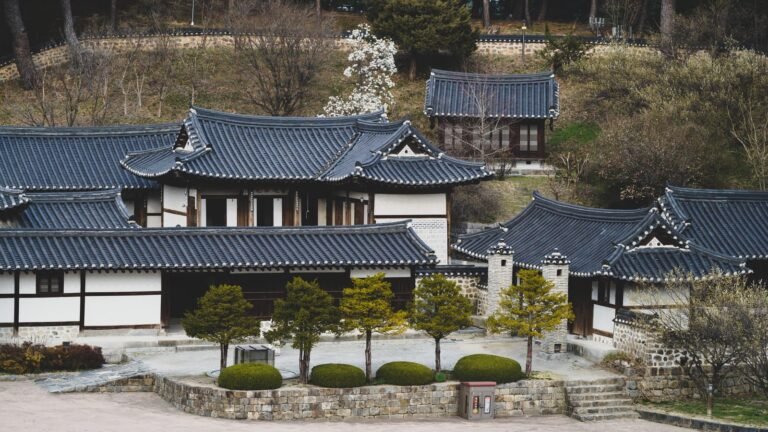
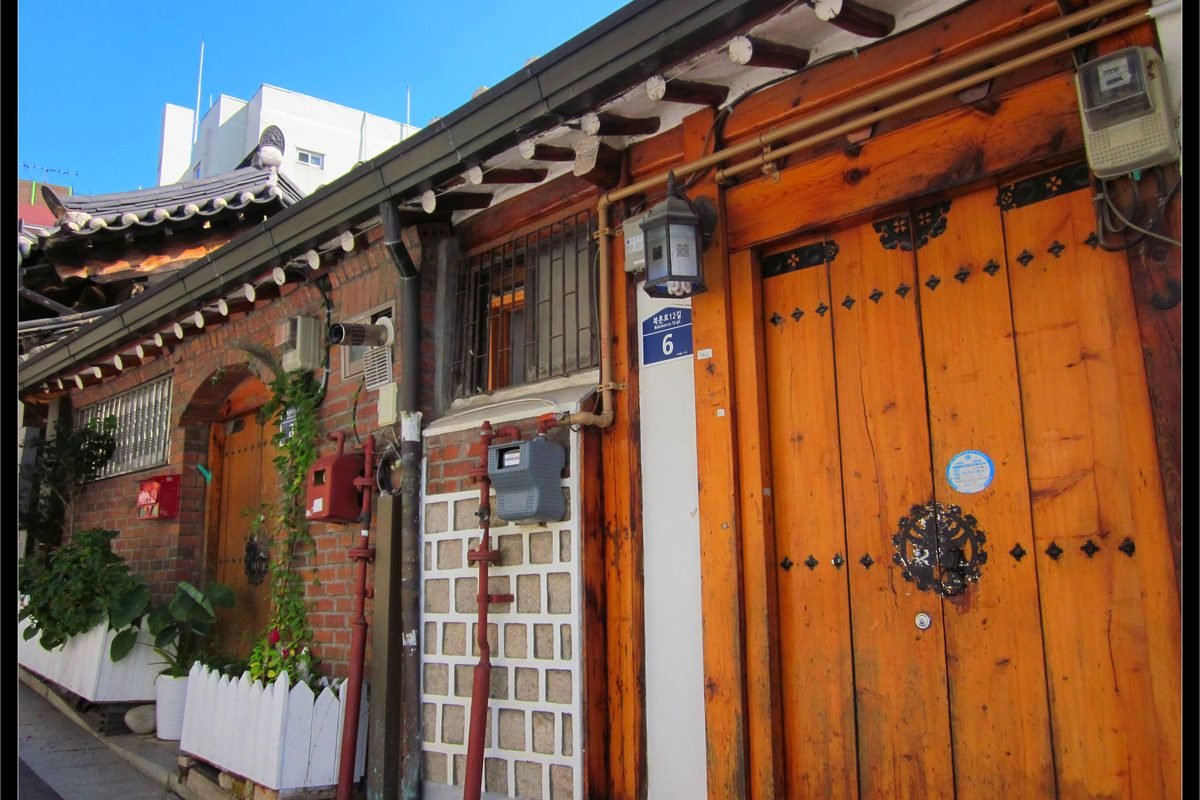
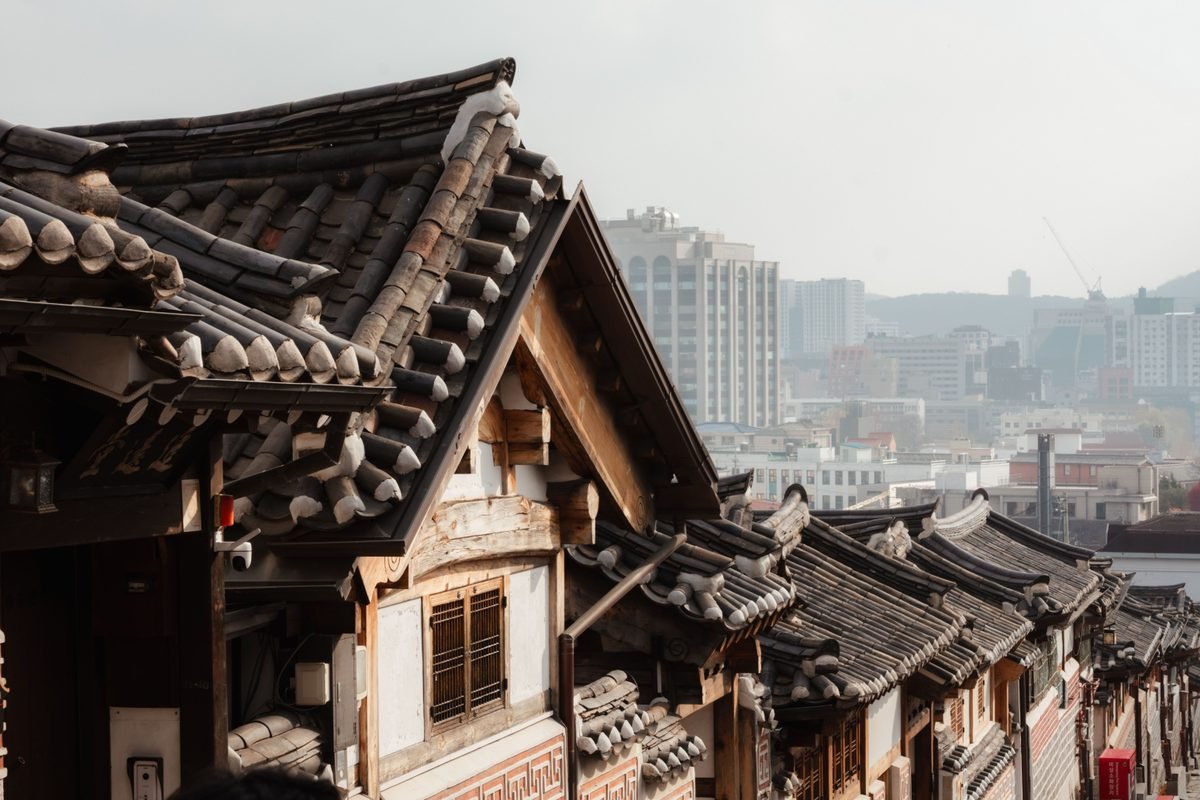
I still remember standing on the creaking wooden porch of a traditional hanok house in Bukchon as the early morning sun hit the dark clay roof tiles. The air was cool, the streets were completely empty, and the only sound was the distant hum of Seoul waking up. It is a rare moment of peace in a city of ten million people, but it is entirely possible if you know exactly when and where to go.
This comprehensive Ikseon-dong and Bukchon guide will show you how to navigate these two historic neighborhoods without the massive tourist crowds. We will cover the best weekday visiting windows, the strict new quiet-hours rules in Bukchon, how to combine your walk with a visit to nearby Changdeokgung Palace, and where to find the best local food along the way.
How to use this Ikseon-dong and Bukchon guide to beat the crowds
To get the most out of your visit, you must understand that these two historic areas are completely different in character despite being located right next to each other. Bukchon is a quiet, hilly residential neighborhood where people still live in centuries-old traditional homes. Ikseon-dong is a flat, dense grid of narrow alleys filled with modern cafes, boutiques, and restaurants. Trying to visit both during peak weekend hours is a recipe for frustration, as the streets become packed with tour groups and selfie sticks.
The secret to a peaceful visit is careful timing. Go on a Tuesday. Avoid the weekends entirely. You should plan to arrive at Bukchon Hanok Village early in the morning, ideally between 08:30 and 10:00. This gives you time to wander the historic streets before the daytime crowds arrive and before the local shops open. To get here, take Seoul Subway Line 3 to Anguk Station. A single transit card fare costs ₩1,550 (about $1.15). Exit 2 or 3 will put you right at the entrance of the historic district.
Once you finish your morning walk through Bukchon, you can easily walk south across the main road to Ikseon-dong. Most of the cafes and shops in Ikseon-dong do not open their doors until 11:00. By starting your day early in Bukchon and transitioning to Ikseon-dong just as the shops open, you will stay one step ahead of the crowds. This timing also positions you perfectly for an early lunch at one of the excellent local noodle shops nearby.
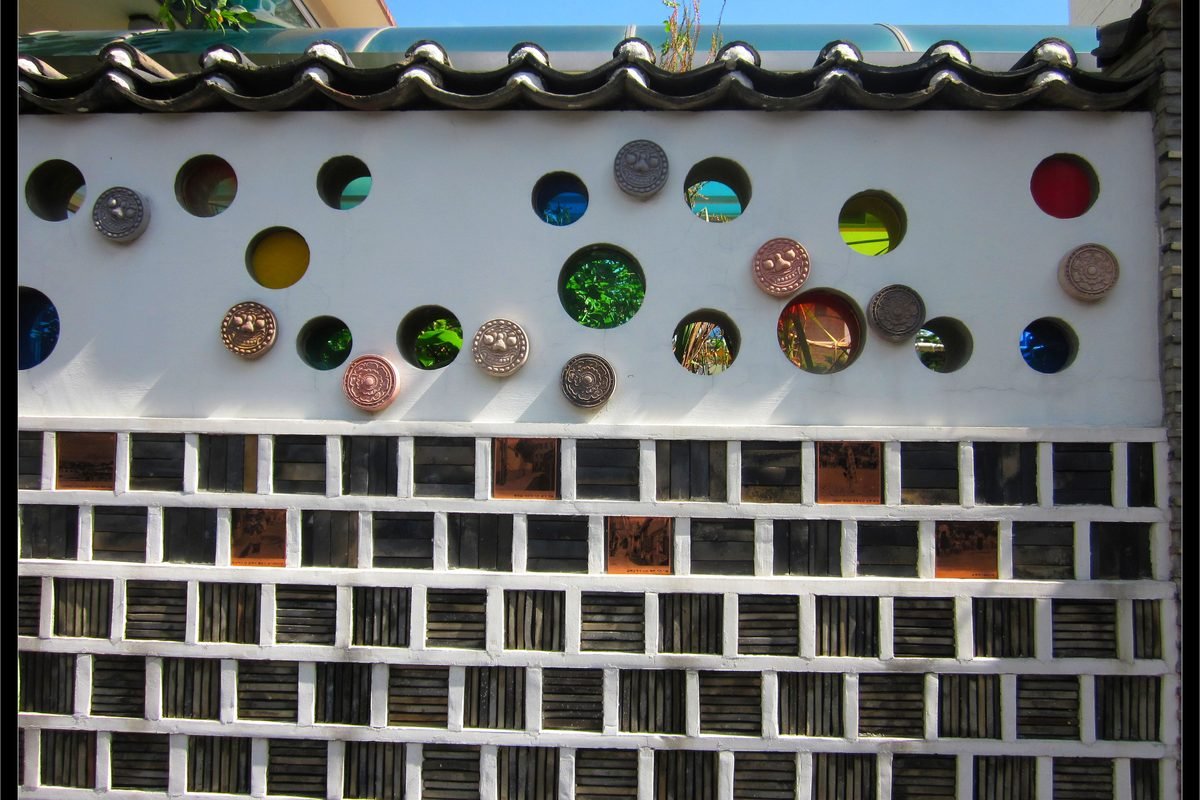
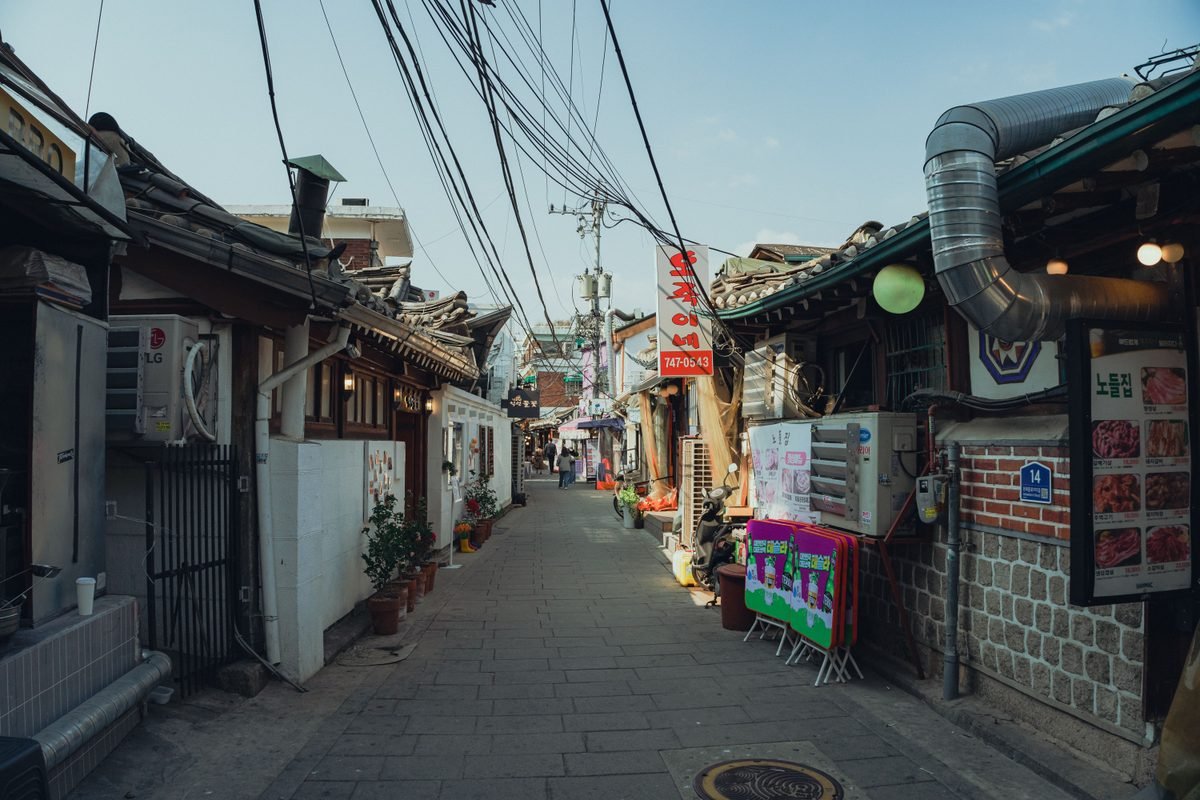
Tip: The Perfect Morning Route
Start your walk at Anguk Station Exit 3 at 08:30, walk north through the quietest residential alleys of Bukchon, and then head south toward Ikseon-dong by 10:45 to arrive just as the cafes open.
Navigating Bukchon quiet hours and avoiding heavy fines
Bukchon Hanok Village is not an open-air museum. It is a real, living neighborhood where local residents go about their daily lives. Over the years, the massive influx of tourists has caused significant noise, litter, and privacy issues for the people who live here. In response, the Seoul Metropolitan Government has established strict rules to protect the neighborhood, and visitors must follow them carefully to avoid serious penalties.
The most important rule to remember is the designated visiting hours. Tourists are only allowed to enter the main residential zones of Bukchon Hanok Village between 10:00 and 17:00, Monday through Saturday. On Sundays, the primary residential alleys are completely closed to tourists to give the residents a day of peace. There are now designated quiet zones marked with red signs. If you make excessive noise, shout, play music, or trespass onto private staircases and porches to take photos, you can face an on-the-spot fine of up to ₩100,000 (about $74).
Keep your voice down. People actually live here. When walking through these streets, you will see local resident volunteers wearing bright red vests. They are there to help guide visitors, but they also monitor noise levels and enforce the quiet-hours rules. Respect their instructions, keep your camera pointed away from private windows, and stick to the public stone paths. By being a respectful traveler, you help ensure that these beautiful historic homes remain open to the public for years to come.
Heads up: Strict Sunday Closures
Do not plan your Bukchon visit on a Sunday. The main residential alleys are strictly closed to tourists, and local wardens will turn you away at the entrance.
Finding the best Ikseon-dong hanok cafe alleys
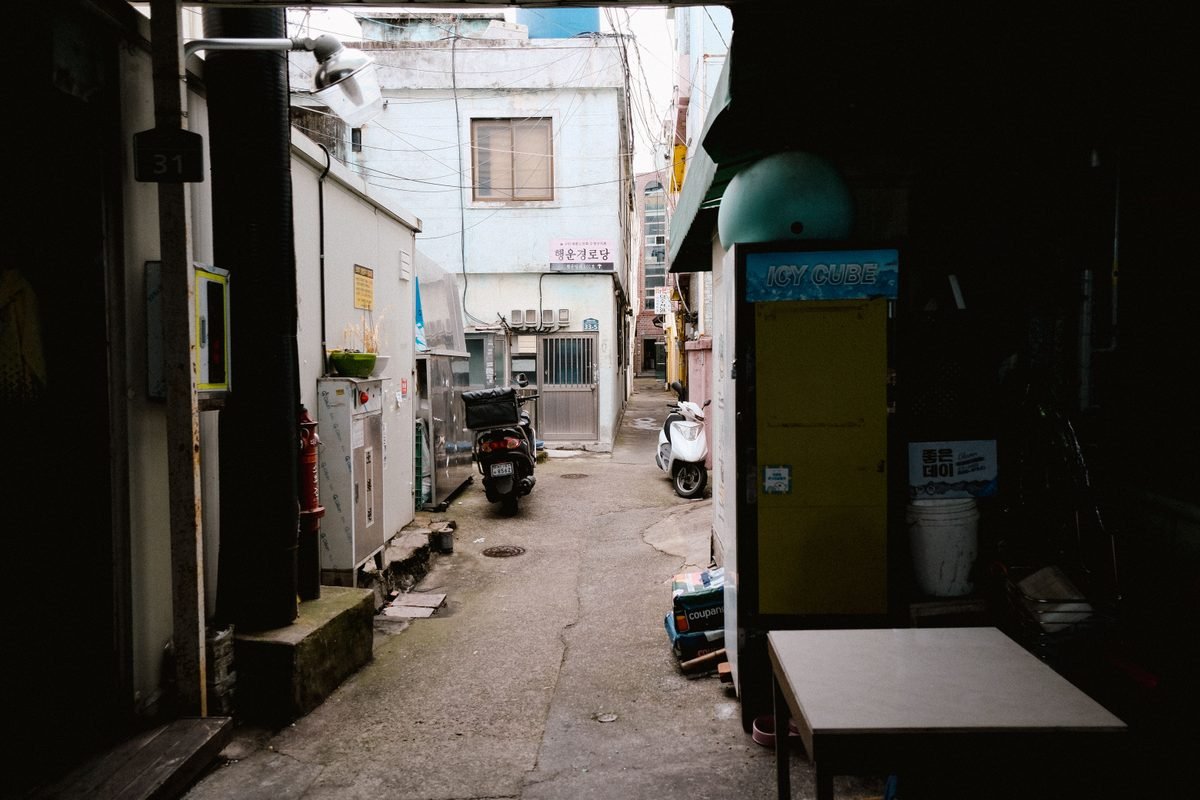
Just a fifteen-minute walk south of Bukchon lies Ikseon-dong, a tiny neighborhood that was saved from demolition and transformed into one of the most creative design districts in Seoul. Unlike Bukchon, which is residential, Ikseon-dong is entirely commercial. The alleys are incredibly narrow. They form a tight maze of restored hanok structures that house some of the most innovative coffee shops, bakeries, and craft stores in the country.
Coffee here is an art. Many of the cafes feature distinctive architectural designs that blend traditional Korean wooden beams with modern glass ceilings, indoor gardens, and running water features. You can sit beside a miniature indoor stream while sipping a hand-dripped coffee, or watch automated espresso machines prepare your drink. Because of the premium design and popularity of these spaces, prices are higher than average. Expect to pay around ₩7,500 (about $5.50) for a specialty latte and up to ₩15,000 (about $11) for a plate of famous fluffy soufflé pancakes.
To enjoy these spaces without waiting in long lines, you must arrive early. Most cafes open their doors at 11:00. If you show up at 10:50, you can often be the first in line and secure a seat next to the best garden views. By 13:00, the narrow alleys become highly crowded, making it difficult to walk, let alone find an empty table. Take your time exploring the smaller side alleys, as some of the most interesting tea houses are tucked away in the quietest corners of the grid.
From a local: Look Up for the Best Views
Many Ikseon-dong cafes have installed glass roofs over their traditional courtyards. This allows you to enjoy the historic wooden architecture while staying warm and dry in any weather.
Combining your walk with a Changdeokgung Palace visit
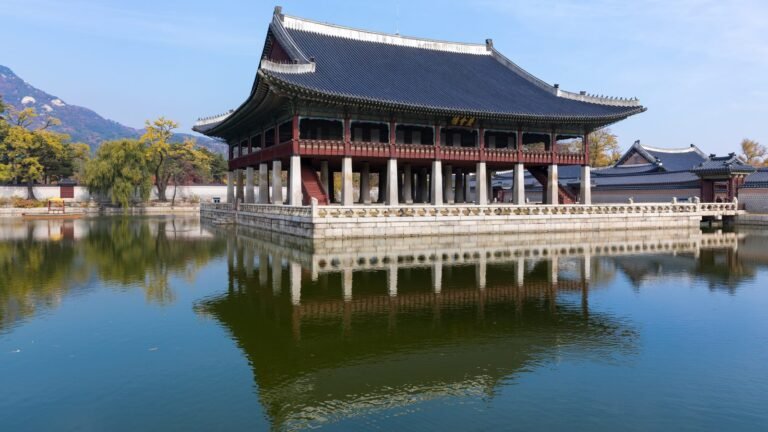
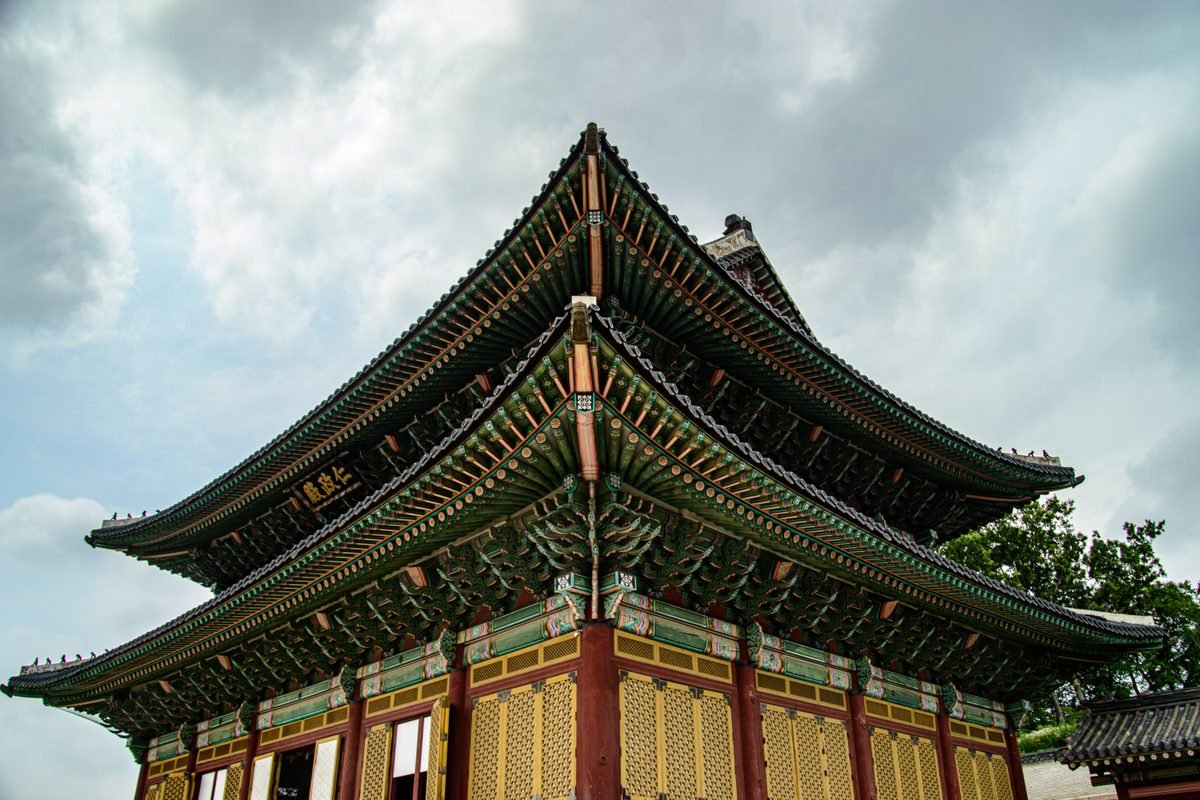
If you are already visiting Bukchon and Ikseon-dong, you are in the perfect position to visit Changdeokgung Palace. It is my favorite palace. Located directly between the two neighborhoods, this UNESCO World Heritage site is famous for its harmonious integration with the surrounding natural landscape. The main entrance, Donhwamun Gate, is a simple ten-minute walk from either Anguk Station or the edge of Ikseon-dong.
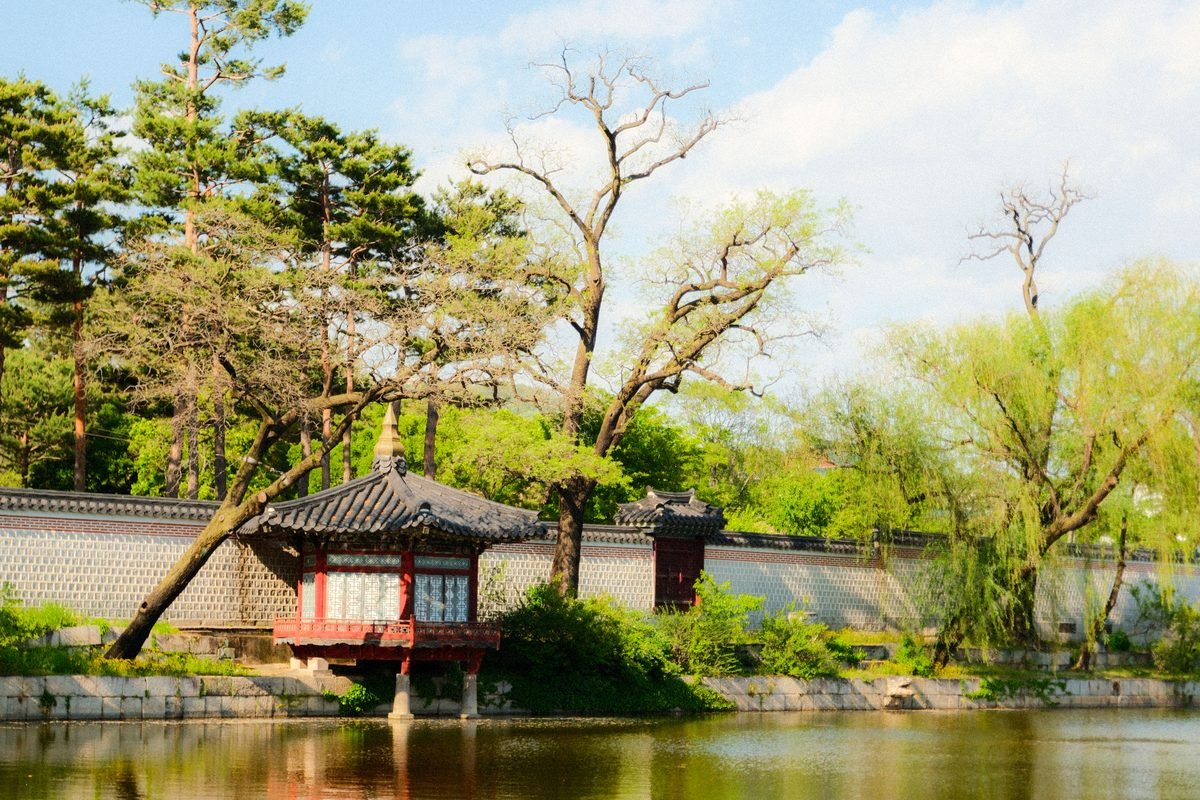
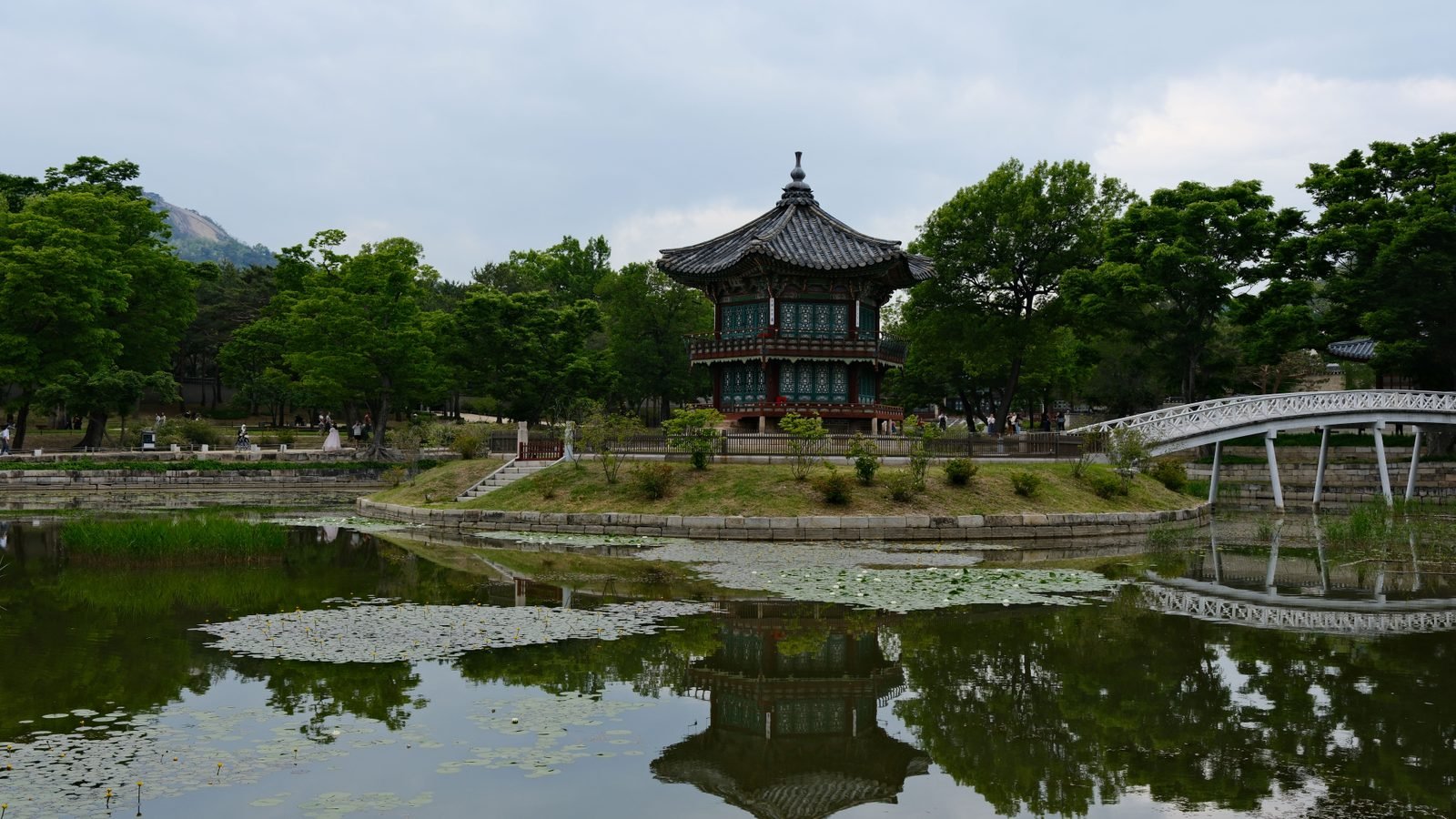
General admission to the main palace grounds costs ₩3,000 (about $2.20), which allows you to explore the historic throne halls, royal living quarters, and administrative buildings. However, the absolute highlight of Changdeokgung is the Secret Garden, known locally as Huwon. This massive rear garden was built for the royal family as a place of rest and contemplation. It features quiet lotus ponds, wooden pavilions, and ancient trees that have stood for hundreds of years.
You cannot enter the Secret Garden on your own. You must join an official guided tour, which costs an additional ₩5,000 (about $3.70). Book the secret garden early. Tickets are strictly limited and often sell out weeks in advance online, especially during the peak autumn foliage season in October. If you cannot secure an online ticket, a small number of same-day tickets are sold at the palace box office starting at 09:00, but you must line up early to get one.
Book ahead: Reserve Secret Garden Tickets Online
Secret Garden tour tickets open on the official Changdeokgung Palace website exactly six days in advance at 10:00 KST. Set an alarm, as they sell out within minutes.
Where to eat in Ikseon-dong and Bukchon
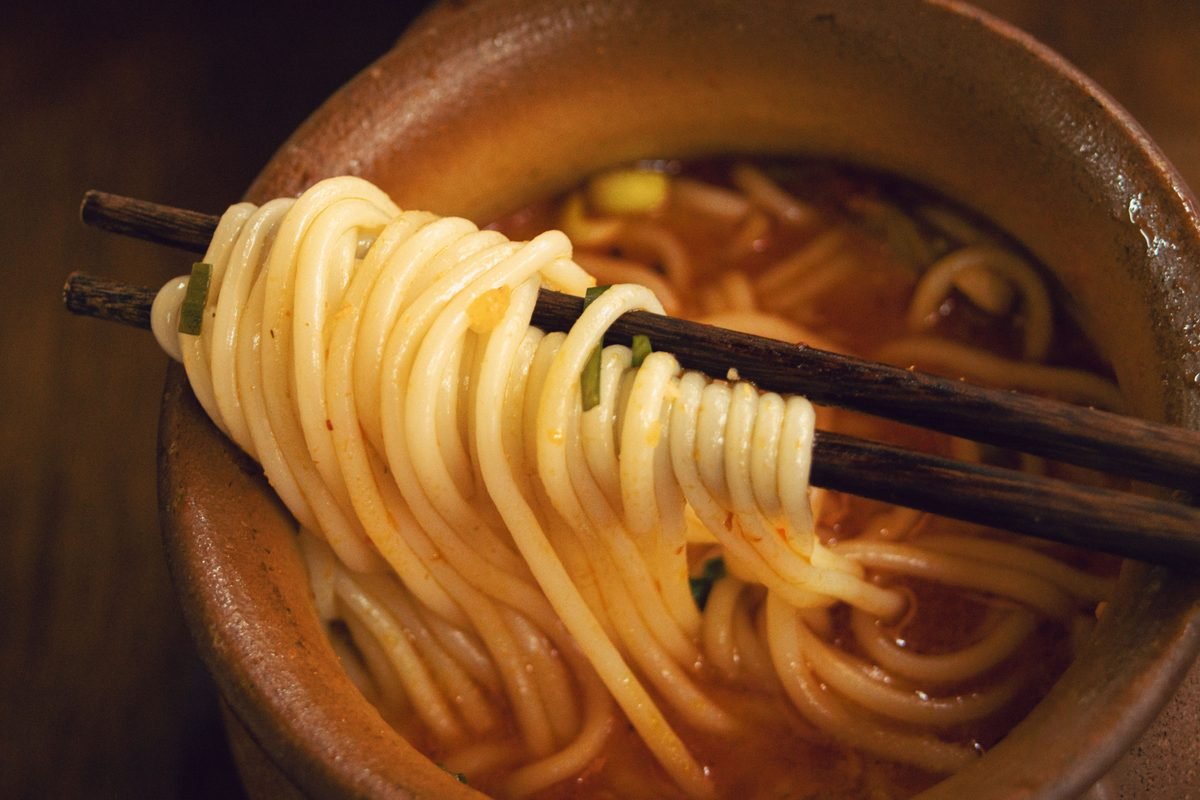
All that walking will make you hungry, and fortunately, this area is home to some of the best traditional and modern food in Seoul. If you want a classic, comforting Korean meal after your morning walk in Bukchon, look for the small restaurants near Anguk Station that specialize in kalguksu. These are warm, hand-cut wheat noodles served in a rich, savory seafood or anchovy broth. Try the hand-cut noodles. The broth is rich. A steaming bowl typically costs around ₩10,000 (about $7.40) and comes with fresh, garlic-heavy kimchi.
For a more modern dining experience, head into the heart of Ikseon-dong. The neighborhood features several highly rated restaurants serving modern interpretations of Korean classics. You can find places serving high-quality Korean barbecue, where you sit inside a beautifully renovated hanok and grill thick cuts of pork neck over charcoal for about ₩18,000 (about $13.30) per portion. It is a fantastic way to experience traditional dining with a contemporary twist.
If you prefer spicy food, search the side alleys of Ikseon-dong for small shops serving dakdoritang, which is a spicy braised chicken stew cooked with potatoes, onions, and lots of garlic in a thick red pepper sauce. A shared pot for two people usually costs around ₩30,000 (about $22). For a lighter bite, look for traditional mandu shops. These hand-folded dumplings are steamed in large bamboo baskets right on the street and cost about ₩8,000 (about $5.90) for a generous plate of six.
From a local: Look for the Steam
The best dumpling shops in Ikseon-dong have large metal steamers placed right at their entrance on the street. Follow the giant clouds of white steam to find them.
Practical tools and neighborhood navigation
Navigating the historic, winding streets of Seoul can be challenging if you rely on standard international travel applications. Do not use Google Maps. Due to strict national security laws regarding geographic data, Google Maps does not provide accurate walking or transit directions in South Korea. It will often show incorrect paths or fail to load transit schedules entirely, which can easily cause you to get lost in the maze of Ikseon-dong.
Download Naver Map instead. This is the most accurate and widely used navigation tool in South Korea. It has a comprehensive English interface, provides real-time subway and bus schedules, and offers highly accurate walking directions down to the smallest alleyway. KakaoMap is another excellent alternative that works perfectly. Having one of these local apps installed on your phone before you arrive is essential for a stress-free trip.
To pay for your transit seamlessly, buy a standard T-money card for ₩4,000 (about $2.95) at any convenience store when you arrive in the city. You can load it with cash at any subway station ticket machine. Use this card to tap in and out of the subway and city buses. It saves you the hassle of buying single-use tickets, and it automatically applies transfer discounts when you switch between the subway and buses within forty minutes.
What it costs in Seoul
| Item | Local price | USD |
|---|---|---|
| Seoul Subway Fare (Round Trip) | ₩3,100 | $2.30 |
| T-Money Transit Card (Blank) | ₩4,000 | $2.95 |
| Changdeokgung Palace Entry | ₩3,000 | $2.20 |
| Secret Garden Guided Tour | ₩5,000 | $3.70 |
| Specialty Coffee in Ikseon-dong | ₩7,500 | $5.50 |
| Kalguksu Noodle Lunch | ₩10,000 | $7.40 |
| Mid-Range Hanok Stay (One Night) | ₩180,000 | $133.00 |
| Estimated Total | ₩212,600 | $157.05 |
Prices checked October 2026. Always confirm with the provider before you book.
Where to stay in Seoul
Budget
Insadong, for affordable guesthouses
This cultural neighborhood sits directly between Bukchon and Ikseon-dong, making it incredibly convenient. You can find clean, simple guesthouses and private rooms here for roughly ₩55,000 to ₩85,000 (about $40 to $63) per night.
Mid-range
Anguk, for modern hanok stays
Staying right next to Anguk Station puts you within walking distance of all major historic sites. Beautifully restored mid-range hanok properties here typically cost between ₩150,000 and ₩250,000 (about $111 to $185) per night.
Splurge
Jongno, for premium boutique hotels
Located just south of the historic districts, this area features high-end hotels with excellent views of the city skyline and palaces. Expect to pay upwards of ₩350,000 (about $259) per night for a premium room with full amenities.
Mistakes to avoid
- Visiting Bukchon Hanok Village on a Sunday, when the main residential streets are strictly closed to tourists to protect resident privacy.
- Relying on Google Maps for walking directions through the narrow, maze-like alleyways of Ikseon-dong instead of using Naver Map.
- Arriving in Ikseon-dong before 11:00 AM expecting to find open cafes, as almost all businesses there start their service late in the morning.
FAQ
What is the best time to visit Ikseon-dong and Bukchon?
The best time is weekday mornings. Arrive in Bukchon around 08:30 to enjoy the quiet streets, then walk to Ikseon-dong by 11:00 just as the cafes open.
Are there entry fees for Bukchon Hanok Village?
No, Bukchon Hanok Village is a public residential neighborhood and is entirely free to walk through, though you must respect the strict quiet hours.
What are the quiet hours in Bukchon?
The designated visiting hours are 10:00 to 17:00, Monday through Saturday. The main residential streets are closed to tourists on Sundays.
Can you recommend a walking route for this Ikseon-dong and Bukchon guide?
Start at Anguk Station Exit 3, walk north through Bukchon Hanok Village, head east past Changdeokgung Palace, and finish with lunch and coffee in Ikseon-dong.
How do I get to Ikseon-dong from Bukchon?
You can easily walk between them in about fifteen minutes. Simply head south from Bukchon, cross Yulgok-ro road, and walk past the western wall of Changdeokgung.