Long Haul Flight Tips Economy: Surviving the Cabin

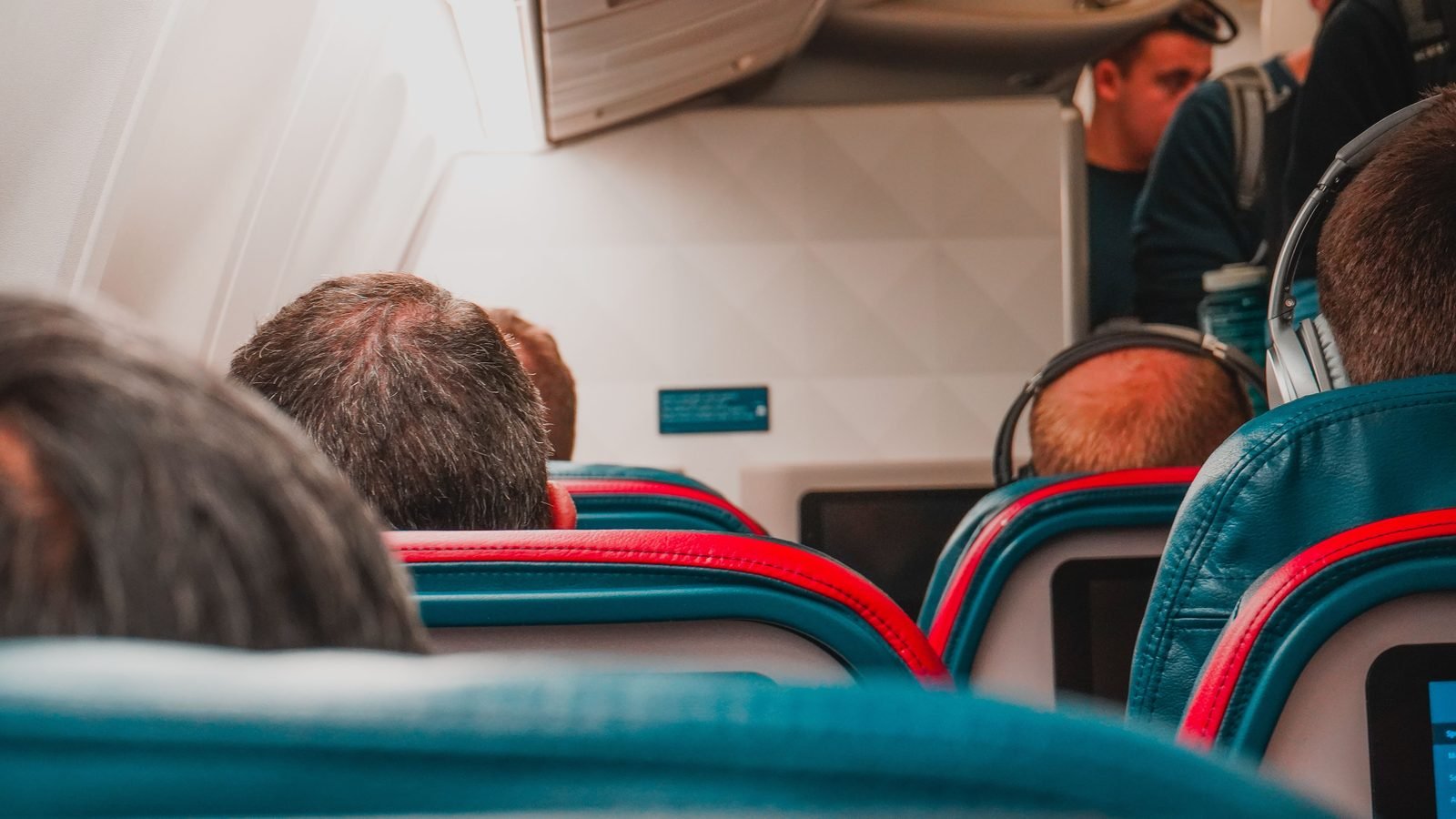
The cabin lights dim while the low hum of the engines settles into a steady drone that will last for the next fourteen hours. You are squeezed into a middle seat, your knees are inches from the plastic shell in front of you, and the plastic-wrapped blanket feels like a suggestion rather than a comfort. It is a long way. This is the reality of the back of the plane, but it does not have to be a test of endurance that leaves you ruined for the first two days of your trip.
This guide is for the independent traveler who wants to step off the plane feeling like a human being instead of a crumpled receipt. We will cover the best long haul flight tips economy flyers can use to manage their space, time, and biology. From why your seat choice matters more than the airline to the specific items you should never leave in the overhead bin, we are going to break down how to arrive functional and ready to explore.
Long haul flight tips economy: Choosing your route
When you are looking at a flight from Seoul to London or Singapore to New York, you face a choice between the speed of a direct flight and the break of a layover. A direct flight is often the most efficient way to travel, but being trapped in a metal tube for fifteen hours straight is a massive physical toll. I often find that if the price is similar, a well-timed layover in a hub like Incheon or Changi can actually be a blessing. It allows you to stretch your legs, use a bathroom that isn’t the size of a closet, and reset your mind before the next leg.
If you choose a layover, aim for a window of three to five hours. Anything shorter than two hours is a risk; one minor delay and you are sprinting through a terminal you don’t know. If the layover is longer than eight hours, consider leaving the airport. For example, at Incheon Airport (ICN), you can hop on the AREX express train for ₩11,000 (about $8) and be at Seoul Station in 43 minutes from Terminal 1, or about 51 minutes from Terminal 2. A quick walk around a park and a fresh meal can make the second half of your journey much more bearable. It is worth checking if your transit hub offers free city tours or transit hotels where you can book a room by the hour.
The direct flight mental game
If you do go direct, you need to prepare for the long game. The psychological weight of seeing “12 hours remaining” on the seatback screen is real. I suggest breaking the flight into chunks: the first meal, the sleep window, the movie window, and the final descent. Never look at the total time; only look at the time until the next event. If you are flying into a vastly different time zone, the direct flight is often better for forcing your body to adjust quickly, provided you can manage your sleep timing correctly. Direct flights also mean less chance of your luggage going missing during a transfer, which is a peace of mind you cannot ignore.
From a local: The Incheon Reset
If you have a long layover at Incheon, head to the free nap zones or the shower facilities in Terminal 2; a ₩15,000 (about $11) shower is the best money you will spend between flights.
Seat selection strategy for maximum space
Your seat is your entire world for the duration of the flight, so do not leave it to the airline’s whim. The most important of all long haul flight tips economy travelers should follow is to check the seat map the moment you book. While most airlines now charge for seat selection—often around ₩40,000 to ₩68,000 (about $30 to $50) for a standard seat on a long haul leg—it is an investment in your sanity. Use sites that show the specific layout of your aircraft to avoid seats that don’t recline or those located right next to the galley or toilets.
The debate between the window and the aisle is eternal. The window seat gives you a wall to lean against, which is essential for sleep, and you won’t be woken up by neighbors needing the bathroom. However, you are trapped. The aisle seat gives you the freedom to move whenever you want and a tiny bit of extra legroom if you angle your feet into the aisle (until the drink cart comes by). I generally recommend the aisle for anyone over 180cm (about 5’11”) because the ability to stretch your legs periodically is more valuable than a headrest. Avoid the middle seat at all costs; it is a recipe for physical and mental fatigue.
Exit rows and bulkheads
If you can afford the upgrade, an exit row seat offers significant legroom, but there are trade-offs. You cannot keep any bags at your feet during takeoff and landing, and the tray tables are often tucked into the armrests, making the seat slightly narrower. Bulkhead seats also offer more knee room but often have fixed armrests and are frequently where the bassinet positions are located. This means you are more likely to be sitting near infants. If you are a light sleeper, the extra legroom might not be worth the potential for noise. Always weigh the physical space against the noise levels of the surrounding rows.
Book ahead: Check the Map Early
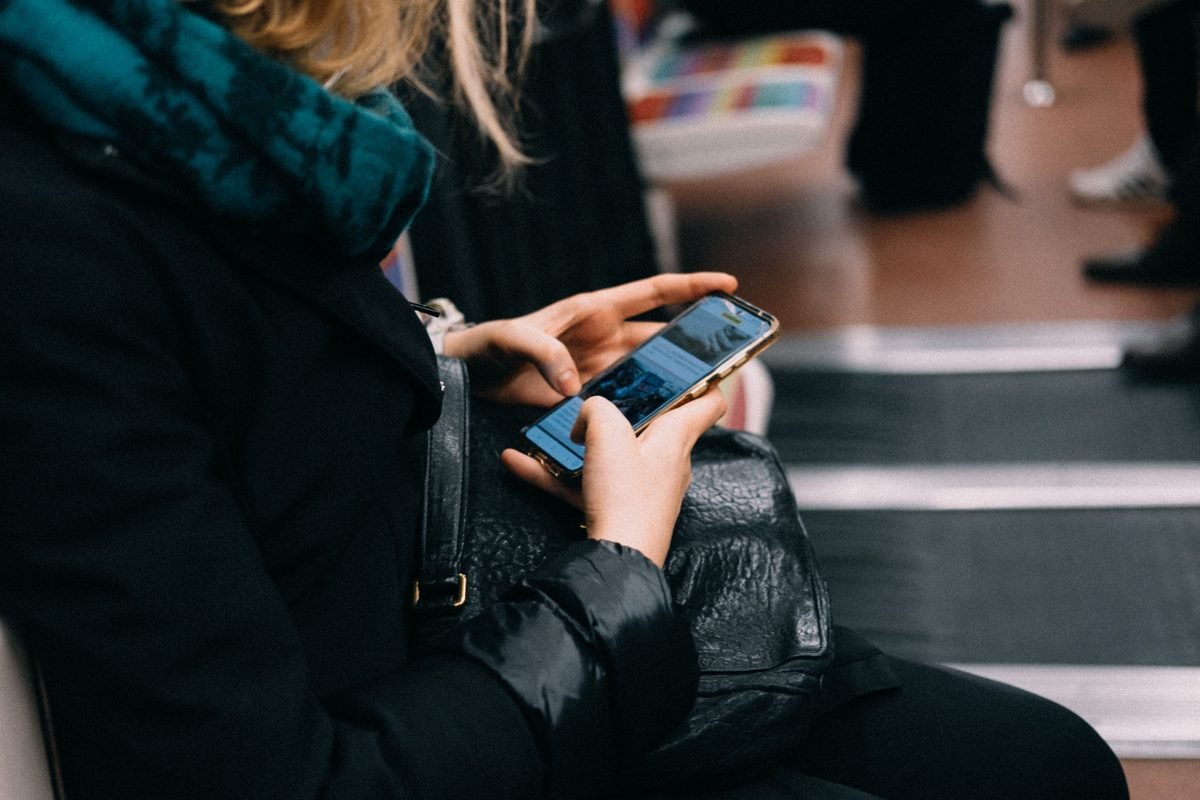
Check your seat assignment 24 hours before departure; airlines often release blocked-off seats in the front of the cabin during the online check-in window.
What to pack in your seat pocket
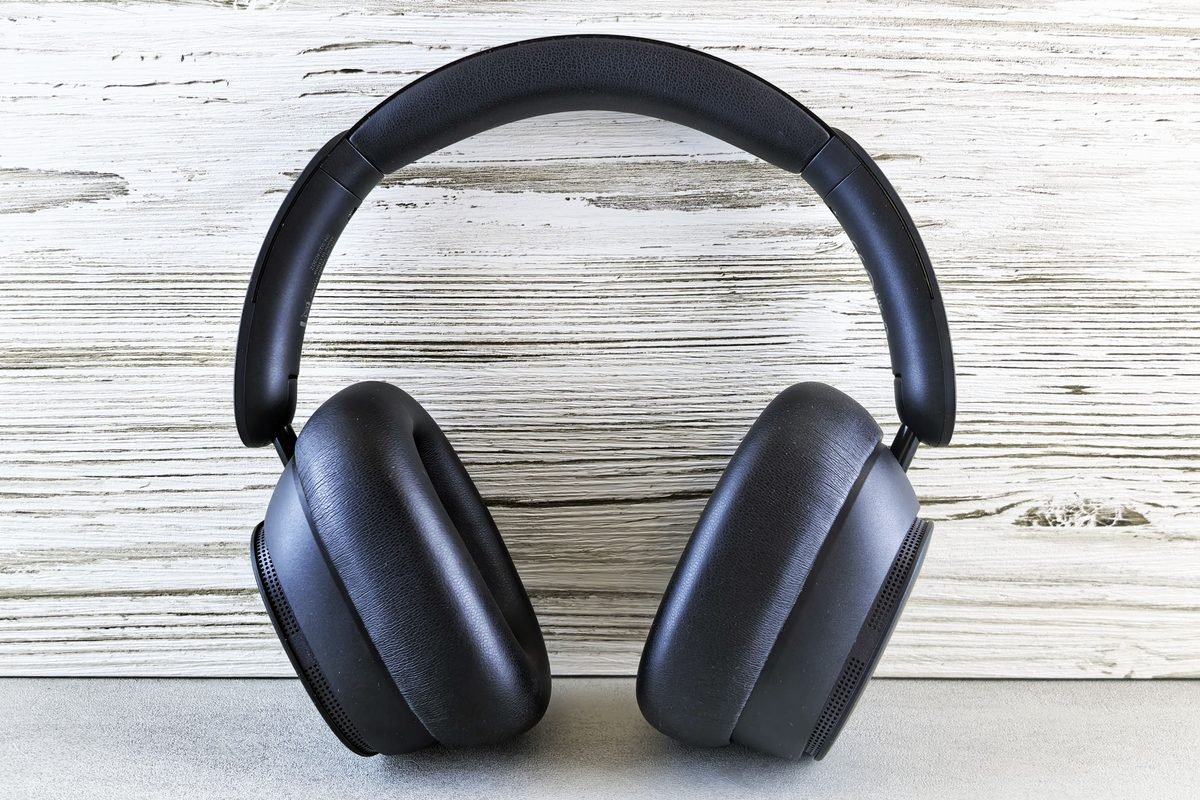
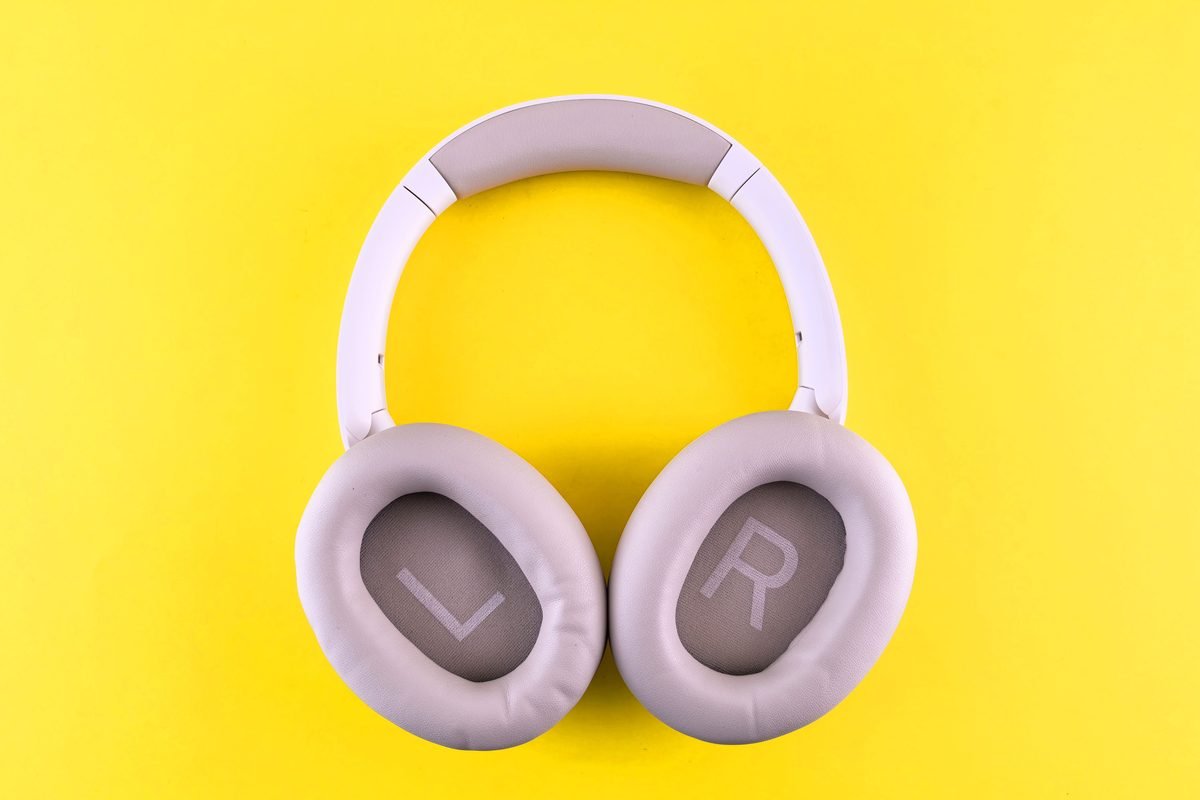
The overhead bin is for things you need at your destination; the seat pocket and the small bag under the seat in front of you are for survival. Do not rely on the airline to provide everything you need. Noise is the enemy. A pair of high-quality noise-canceling headphones is the single best investment you can make for long-haul travel. They don’t just block out the crying baby three rows back; they cut the constant low-frequency drone of the engines, which significantly reduces your fatigue levels. If you don’t want to carry bulky headphones, silicone earplugs are a cheap and effective alternative.
Create a small “survival kit” in a clear pouch that fits easily into the seat pocket. This should include:
- Lip balm and a small moisturizer (the cabin air is incredibly dry).
- A portable power bank, as seat-back USB ports are notoriously slow or broken.
- A pen for arrival forms, though many countries now use digital entries.
- A pack of tissues and some hand sanitizer.
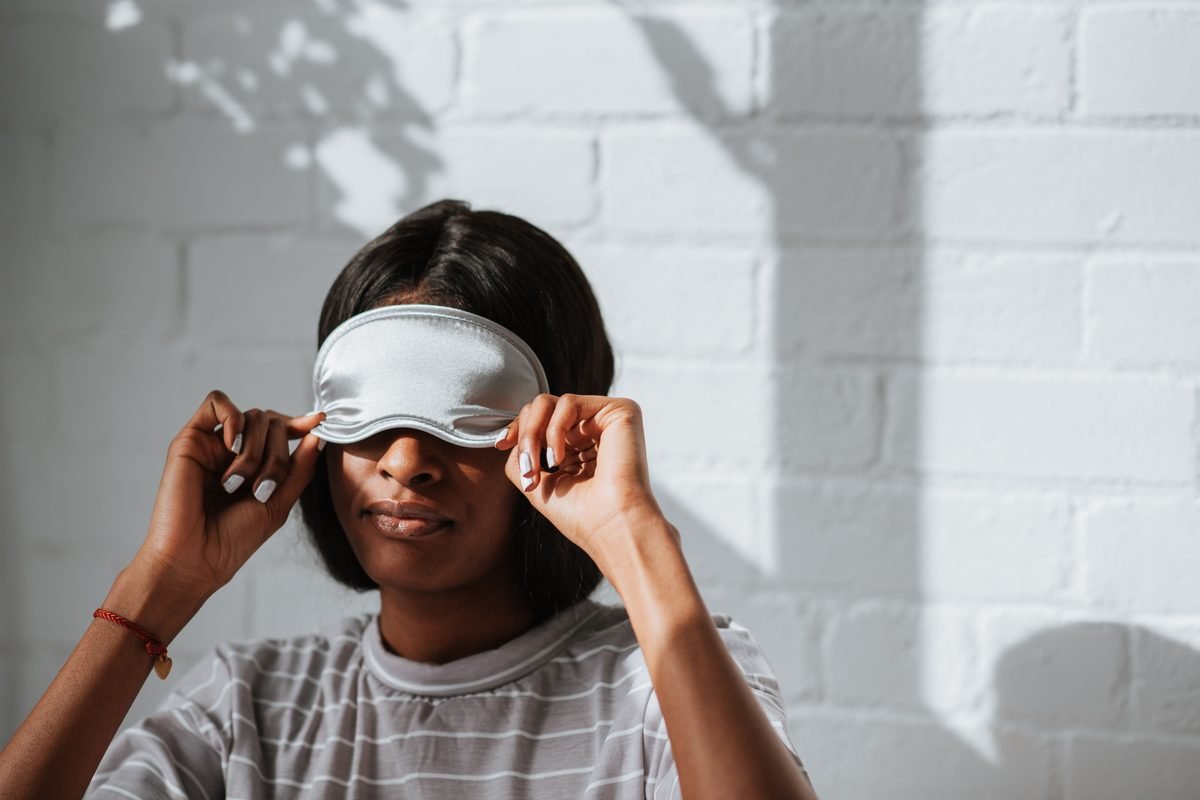
- Your own high-quality eye mask that doesn’t put pressure on your eyelids.
Entertainment and comfort
Never assume the in-flight entertainment will work or have something you like. Download a few movies, a long podcast series, or a couple of books to your device before you leave home. I also suggest bringing a light scarf or a compact travel blanket. The airline blankets are thin and often don’t cover your feet properly. If you are flying in September, the cabin can fluctuate between freezing and stuffy. Layering is key. Wear comfortable, loose-fitting clothes made of natural fibers. I always wear a pair of compression socks; they might look silly, but they prevent your feet from swelling and reduce the risk of deep vein thrombosis on those 12-hour stretches.
Tip: Entertainment Backup
Always download the airline’s own app before you board; many modern planes now stream entertainment directly to your personal device rather than using seat-back screens.
Hydration and the plane food trap
Plane food is designed to be edible at 35,000 feet, which means it is packed with salt and sugar to compensate for your dulled sense of taste. This salt is what makes you feel bloated and sluggish upon arrival. While it is tempting to eat every meal offered to pass the time, listen to your body. If you aren’t hungry, skip the mid-flight snack. I often pack my own protein bars or unsalted nuts to avoid the sodium-heavy processed snacks the crew hands out. It is also wise to request a special meal (like the Hindu or Vegan option) when you book; these are often served first, allowing you to finish eating and get to sleep while others are still waiting for their trays.
Drink more water than usual. The humidity in an airplane cabin is often lower than 20%, which is drier than the Sahara Desert. Avoid the temptation of the free bar. Alcohol and caffeine are diuretics that will dehydrate you further and mess with your sleep cycle. If you do have a coffee or a glass of wine, match it with at least two glasses of water. I always bring a large, empty reusable water bottle through security and fill it at a fountain before boarding. This way, you don’t have to wait for the cabin crew to come around with those tiny plastic cups that barely hold a sip.
The electrolyte secret
If you find yourself feeling particularly drained during long flights, try adding electrolyte tablets to your water. They help your body retain moisture more effectively than plain water alone. This is one of those long haul flight tips economy travelers often overlook, but it makes a massive difference in how your head feels when you land. Avoid sugary sodas and juices, which can lead to energy crashes. Stick to water, herbal tea, or the occasional tomato juice—which actually tastes better at altitude because of the way the air pressure affects our perception of savory flavors.

Heads up: Avoid Excessive Caffeine
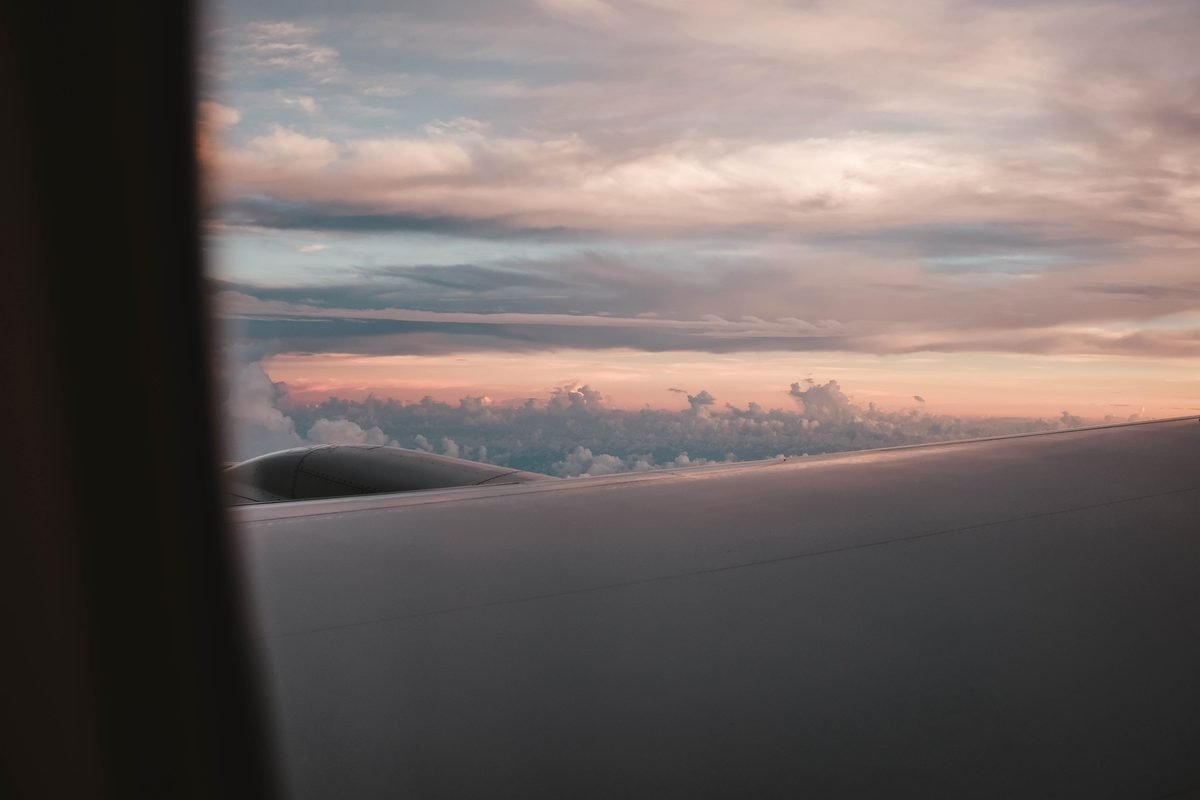
Stop drinking caffeine at least six hours before your intended sleep time on the flight to avoid being wide awake when the cabin lights go down.
Managing sleep timing and jet lag
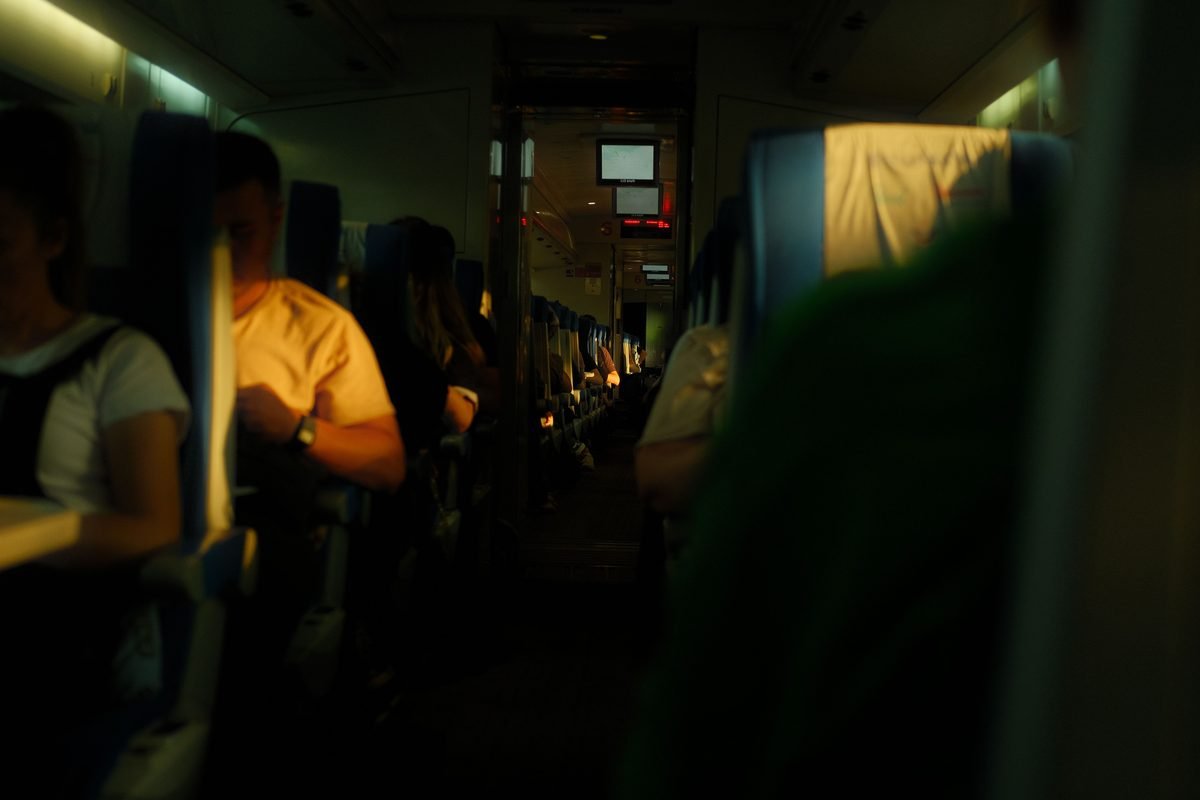
The goal of any long-haul flight is to arrive as close to the local time as possible. Sleep when it is dark. This sounds simple, but it requires discipline. As soon as you board, set your watch or phone to the time zone of your destination. If it is nighttime there, try to sleep immediately after the first meal service. If it is daytime at your destination, stay awake as long as possible. Use the cabin lighting as your guide; airlines usually dim the lights to match the destination’s night. If you struggle to sleep in a chair, a melatonin supplement can help signal to your brain that it is time to rest, but always test it at home first.
Light exposure is the most powerful tool for resetting your internal clock. When you want to stay awake, keep your window shade open or turn on your overhead light. When you want to sleep, use your eye mask to create total darkness. Even the small blue light from your neighbor’s screen can disrupt your melatonin production. If you can’t sleep, don’t stress about it. Rest your eyes, listen to a calm podcast, and keep your body still. The stress of not sleeping is often more exhausting than the lack of sleep itself. Just staying horizontal (or as close as you can get) is beneficial for your circulation.
The first day strategy
When you land, the real work begins. No matter how tired you are, do not take a long nap in the middle of the day. If you arrive in the morning, stay outside in the sunlight. Natural light helps your body realize it is time to be awake. A short 20-minute power nap is okay, but set an alarm. If you sleep for four hours at 2:00 PM, you will be wide awake at 3:00 AM, and the cycle of jet lag will continue for days. Eat your meals at the local times, even if you aren’t hungry. This helps your digestive system sync up with the new environment. It usually takes one day per hour of time difference to fully adjust, but these steps can cut that time in half.
Arriving functional: Movement and hygiene
Sitting still for ten or more hours is not what the human body was designed for. Move your legs often. Every two hours, get up and walk the length of the aisle. If the seatbelt sign is on, you can still do small exercises in your seat. Rotate your ankles, lift your knees, and stretch your arms. This isn’t just about comfort; it is about preventing blood clots. Many travelers find that wearing compression socks reduces the heavy, achy feeling in their legs upon arrival. These socks usually cost around ₩20,000 (about $15) and are a vital part of my long-haul wardrobe.
About an hour before landing, head to the bathroom for a quick refresh. Brush your teeth, splash some water on your face, and put on a fresh shirt if you have one in your carry-on. This small ritual acts as a psychological reset, signaling to your brain that the journey is ending and a new day is beginning. I also recommend a quick application of moisturizer or face oil. The dry cabin air strips your skin of its natural barriers, and you will feel much more present if your face doesn’t feel like parchment paper. It is a simple way to transition from “airplane mode” back to the real world.
The first two hours on the ground
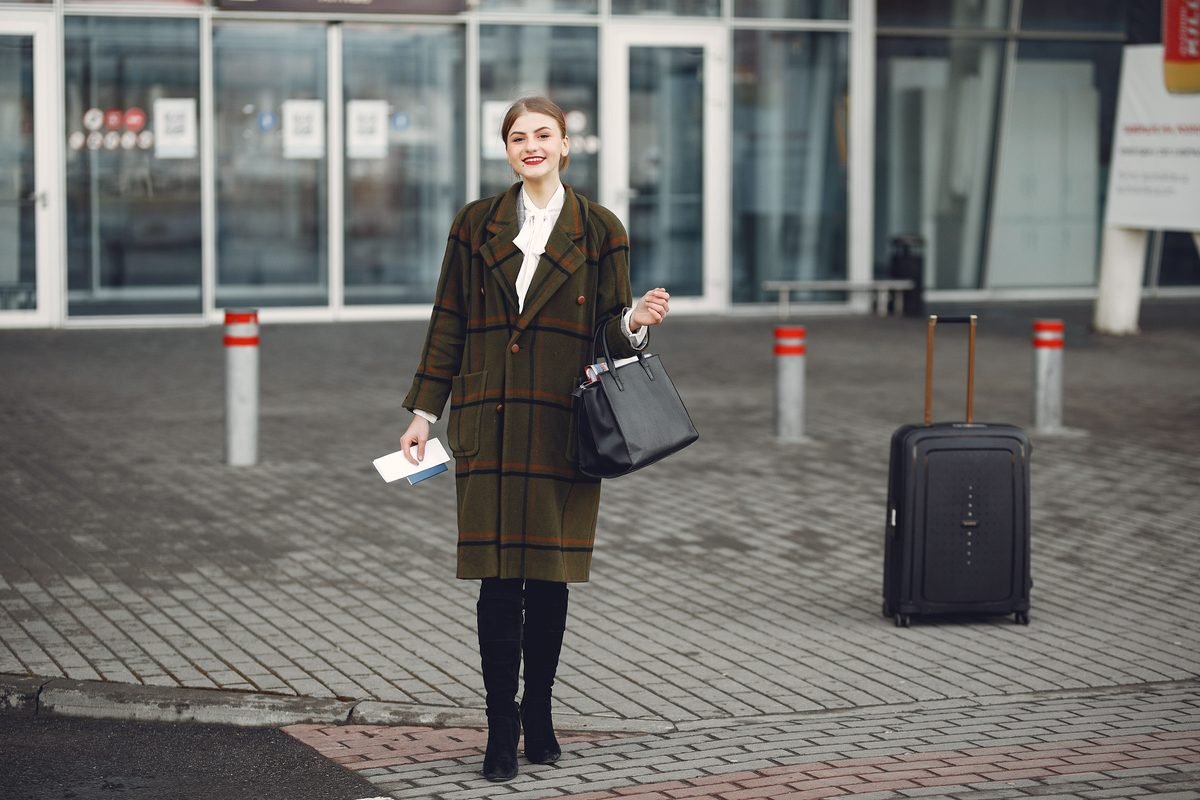
Once you clear customs and grab your bags, resist the urge to take a taxi directly to your hotel and collapse. If you are in a city with good transit, like Seoul, use the subway. A single ride is ₩1,550 in Seoul or ₩1,600 in Busan (about $1.20) and the physical act of navigating the station keeps you moving and alert. If you have a packing list for Asia ready, you should have your transit card or local currency easily accessible. Getting some fresh air and walking the last few blocks to your accommodation will do wonders for your circulation. Your goal is to reach the evening before you finally allow yourself to sleep in a real bed.
What this trip costs
| Item | Local price | USD |
|---|---|---|
| Standard Seat Selection | ₩40,000 | $30 |
| Exit Row Upgrade | ₩95,000 | $70 |
| Noise-Canceling Headphones | ₩350,000 | $260 |
| Compression Socks | ₩20,000 | $15 |
| Airport Shower (Incheon) | ₩15,000 | $11 |
| In-flight Wi-Fi (Full Flight) | ₩25,000 | $19 |
| Approximate Prep Total | ₩545,000 | $405 |
Prices checked September 2026. Always confirm with the provider before you book.
Mistakes to avoid
- Relying on the airline-provided headphones, which offer poor sound quality and zero noise cancellation.
- Drinking alcohol or multiple coffees to pass the time, leading to severe dehydration and disrupted sleep.
- Leaving all your essentials in the overhead bin, forcing you to disturb neighbors every time you need a lip balm or a pen.
FAQ
What are the best long haul flight tips economy travelers should know?
The best tips include selecting your seat early to avoid middle rows, staying hydrated with electrolytes, and bringing your own noise-canceling headphones. Breaking the flight into mental chunks and moving your legs every two hours are also essential for physical and mental health.
How do I survive a 14 hour flight in economy?
Surviving a 14-hour flight requires a combination of good gear and a solid routine. Wear compression socks, bring a high-quality eye mask, and pack a small ‘survival kit’ for the seat pocket to avoid frequent trips to the overhead bin.
Is it worth paying for seat selection on a long flight?
Yes, paying for a seat is usually worth the cost on flights over eight hours. It allows you to secure an aisle or window seat and avoid being placed near high-traffic areas like the galleys or toilets, which can significantly impact your ability to rest.
What should I eat during a long haul flight?
Try to eat light, low-sodium foods and avoid the heavy, salty snacks provided by the airline. Bringing your own unsalted nuts or protein bars can help you manage your energy levels and reduce the bloating caused by high-sodium plane meals.
How can I prevent jet lag after a long flight?
To prevent jet lag, immediately set your watch to the destination time zone upon boarding and align your sleep and meals accordingly. Once you land, stay awake until the local evening and spend as much time as possible in natural sunlight.