Korea Autumn Foliage Guide: When and Where to See the Colors

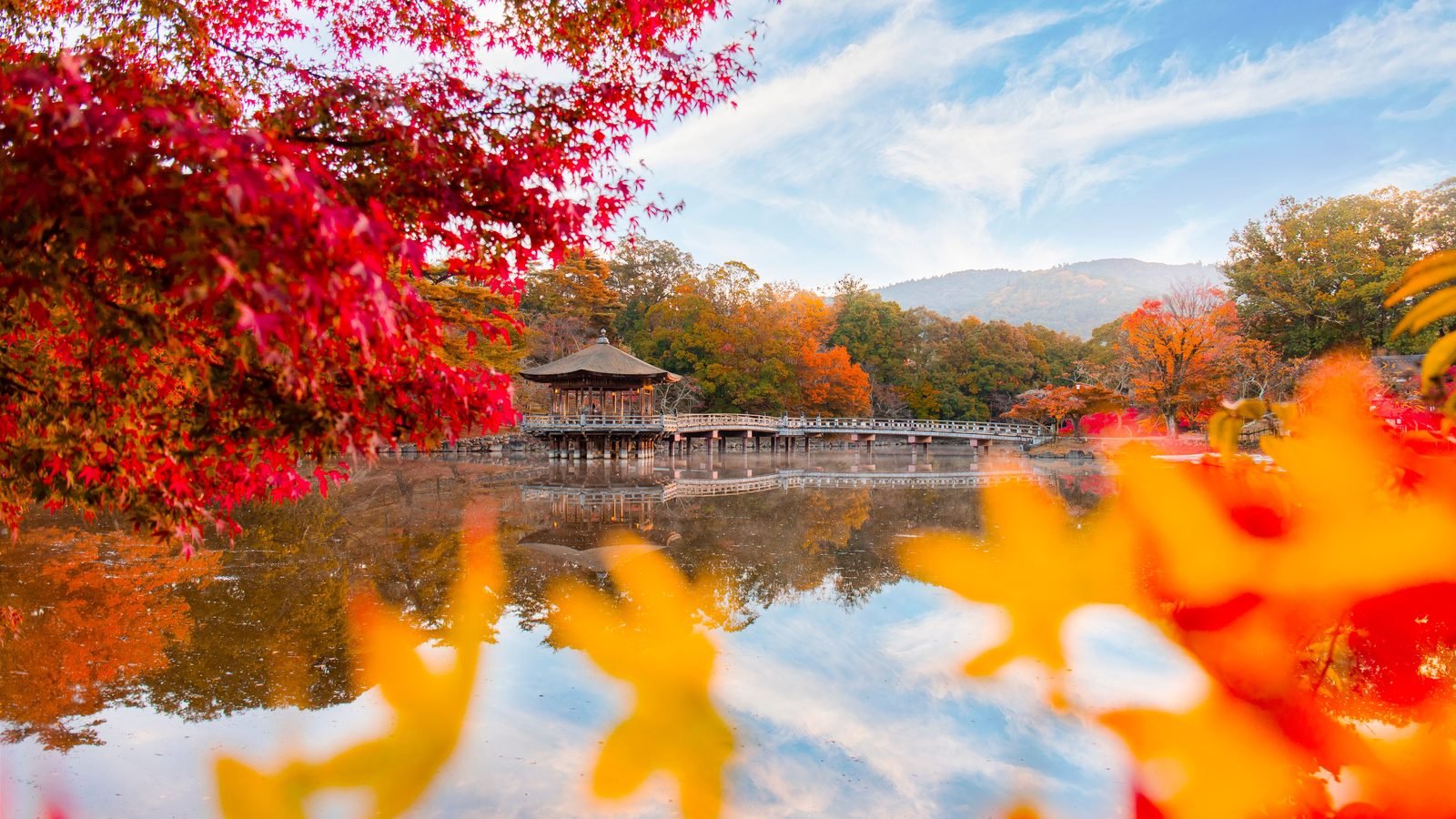
The morning air in Seoul has just started to lose its humidity. By the middle of September, I usually notice the first hint of crispness when I step outside my apartment. This shift marks the start of the most visual season in the country, when the green mountainsides transform into deep reds and burnt oranges. It is a predictable wave that starts in the cold northern mountains and rolls south over the course of about six weeks.
This Korea autumn foliage guide is for independent travelers who want to time their visit perfectly without getting stuck in the logistics. I will cover the peak dates for 2026, the best national parks like Seoraksan and Naejangsan, and how to navigate the massive Chuseok holiday travel rush. Whether you want to hike rocky ridges or just walk through a golden palace garden in Seoul, this guide explains how to see the best of the season.
Understanding the Korea autumn foliage guide timing
Foliage timing in Korea is a science tracked by local weather agencies like Kweather and Weather-i. The colors do not appear all at once. Instead, they follow the cooling temperatures from north to south. The process begins at the top of the highest mountains in Gangwon-do, specifically Seoraksan, usually in the final week of September. From there, the colors descend the slopes and move toward the southern provinces. It takes about two to three weeks for the “peak” to reach Seoul and central Korea, and another week or two to hit the far south in Jeolla-do and Gyeongsang-do.
Mountains turn red very fast. In the context of this guide, “peak” refers to the period when about 80% of the trees have changed color. This usually happens about two weeks after the first leaves turn. For 2026, you can expect the northern peaks to hit their stride in mid-October. Central areas like Seoul and the surrounding Gyeonggi-do province typically peak between late October and the first few days of November. If you are visiting in the second week of November, you should head south to places like Naejangsan or Gyeongju, where the maples stay bright later into the month.
Weather plays a massive role in how long the colors last. A sudden cold snap or a heavy rainstorm can strip the leaves from the branches in a single night. I always tell friends to aim for the middle of the predicted peak window to give themselves a buffer. If you arrive too early, the mountains are still mostly green; if you arrive too late, you are looking at bare branches. The air feels different now. It is dry and cool, which makes for perfect hiking weather even if you miss the absolute peak by a few days.
How to visit Seoraksan National Park in October
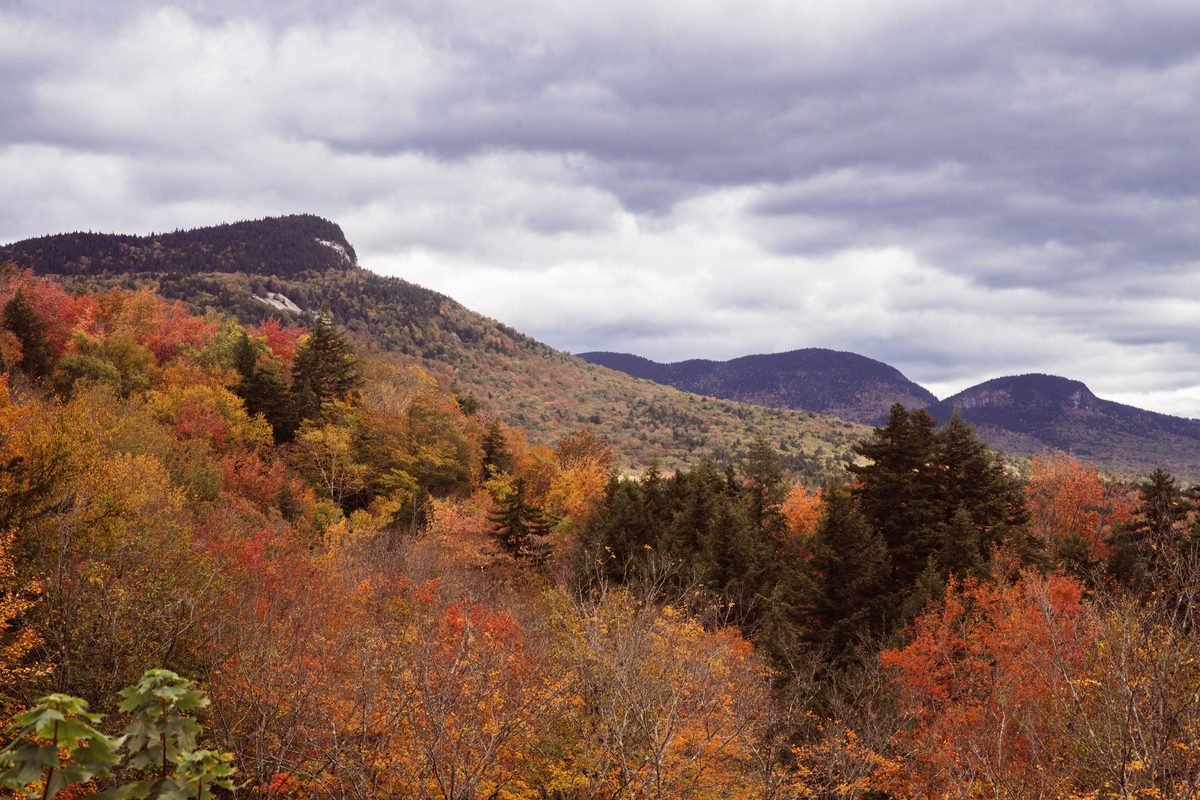
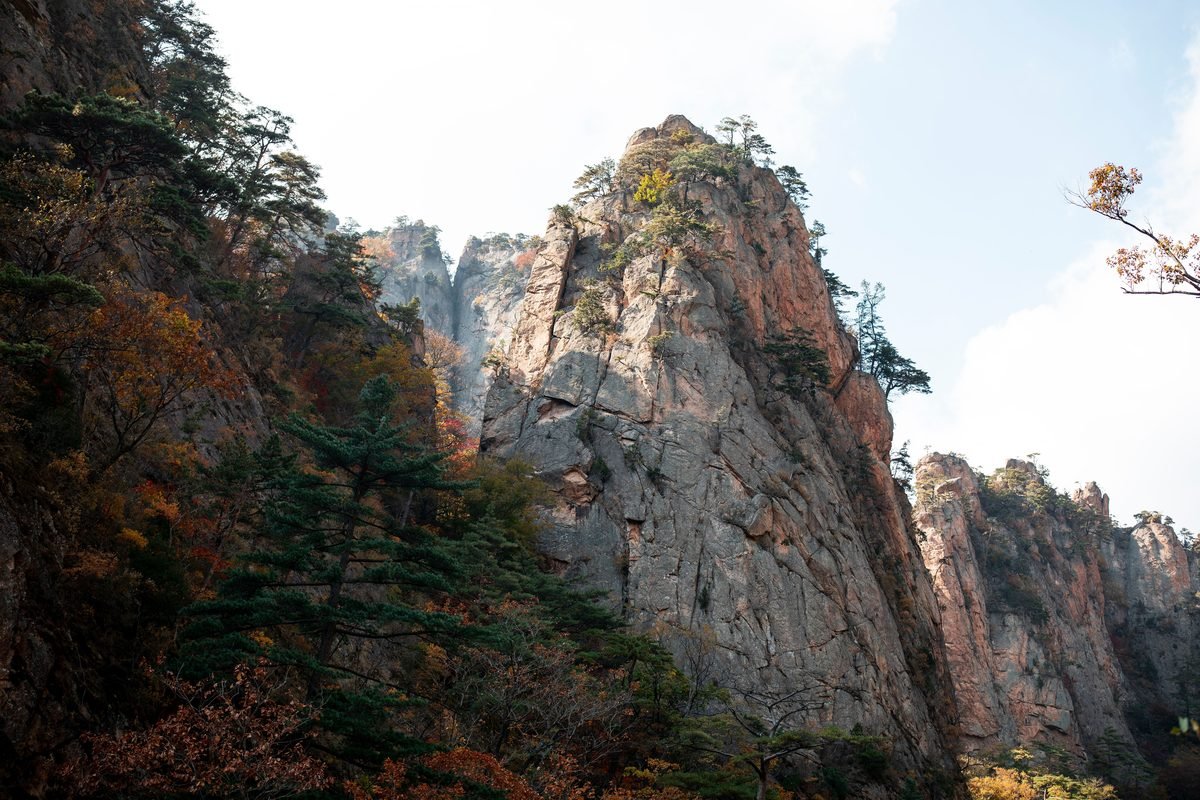
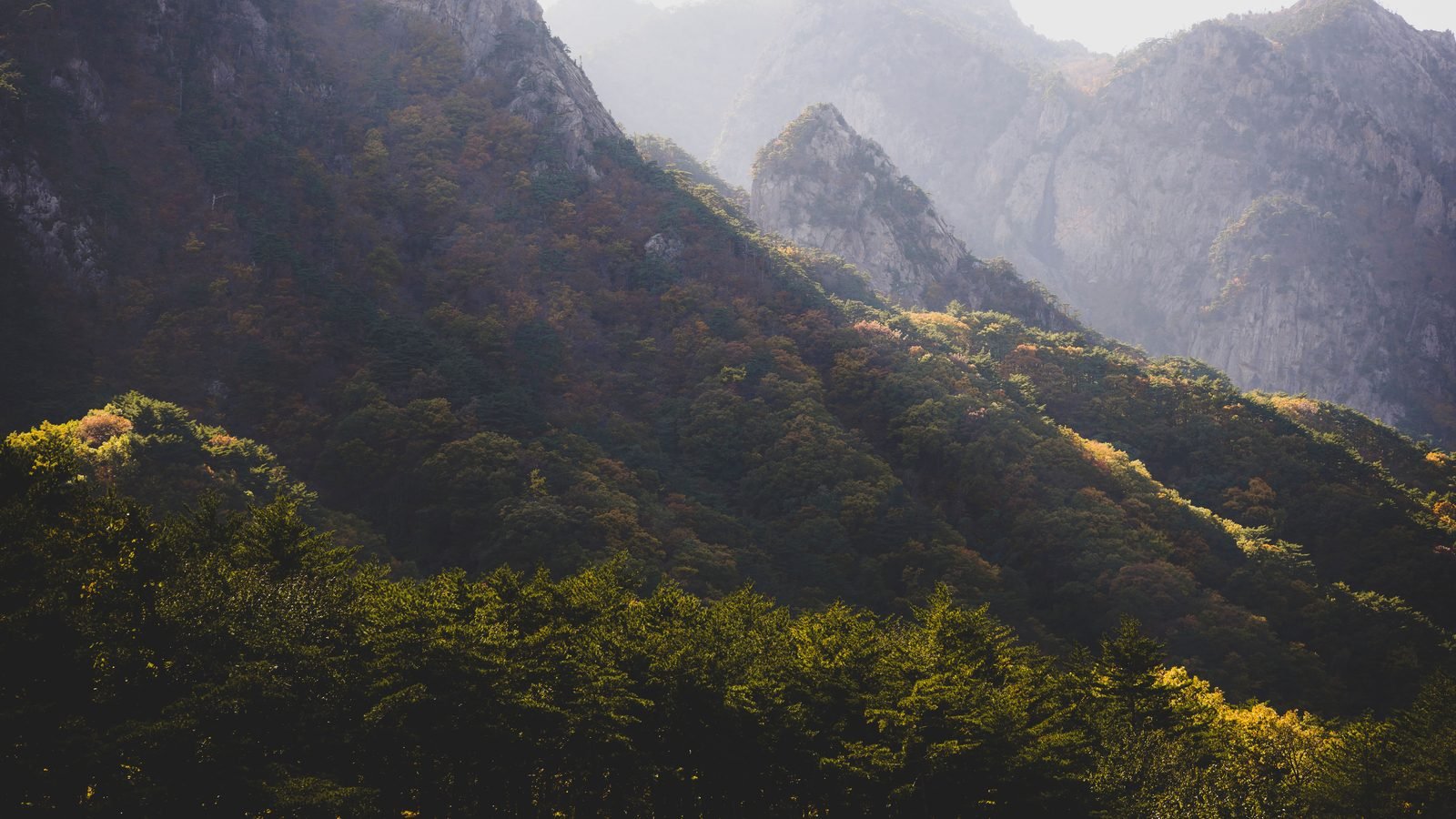
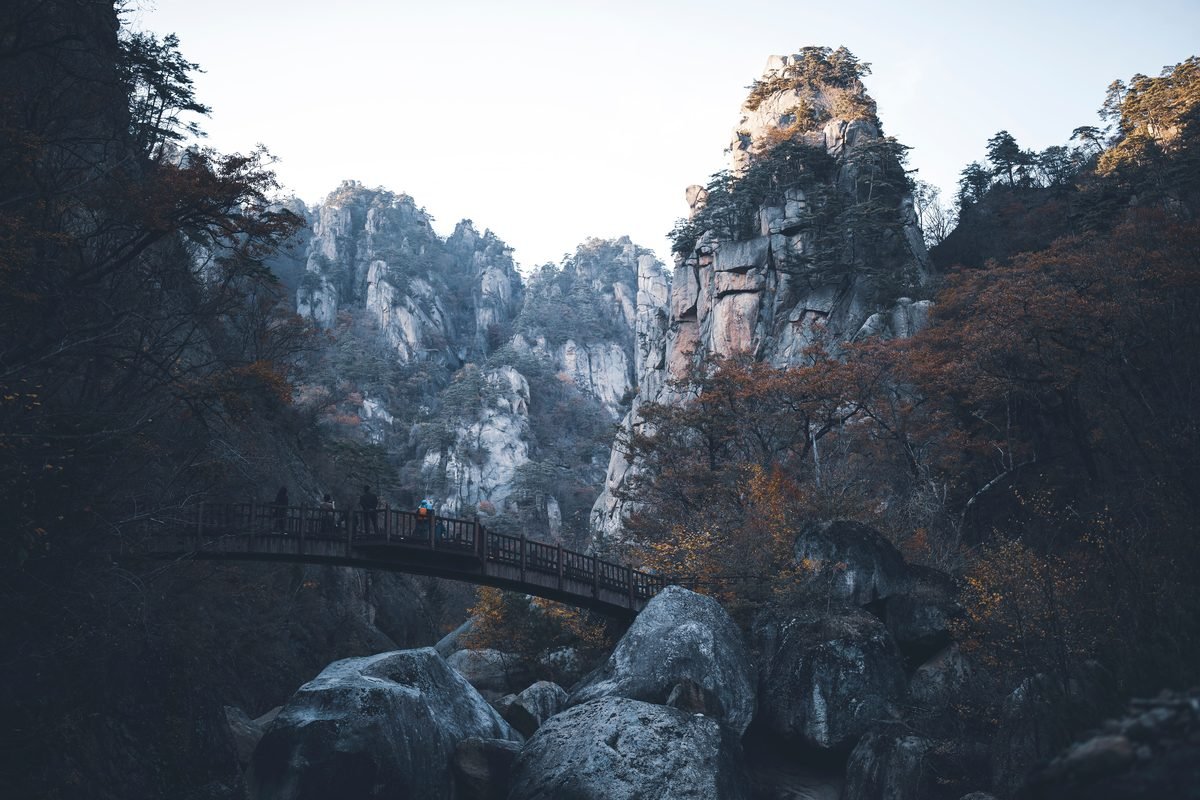
Seoraksan is the heavyweight champion of the autumn season. Because it is located in the northeast, it is the first major park to show color. To get there from Seoul, you need to take an express bus from the Seoul Gyeongbu Terminal or the East Seoul Terminal (Dong Seoul) to Sokcho. The ride takes roughly 2 hours and 30 minutes and costs about ₩21,000 (about $16). Once you are in Sokcho, local bus 7 or 7-1 will take you directly to the park entrance for ₩1,200 (about $1). I recommend staying in Sokcho the night before so you can reach the park gates by 7:00 AM.
The most popular way to see the colors without a grueling hike is the Gwongeumseong Cable Car. It costs ₩15,000 (about $11) for a round trip and takes you up to a stone plateau with views of the outer park. In October, the wait for the cable car can be three hours or more if you arrive after 10:00 AM. There is no online booking for the cable car; you must buy tickets at the window on-site. If you prefer walking, the trail to Ulsanbawi is iconic. It is a steep climb involving hundreds of stairs, but the view of the granite peaks against the orange forest is worth the effort.
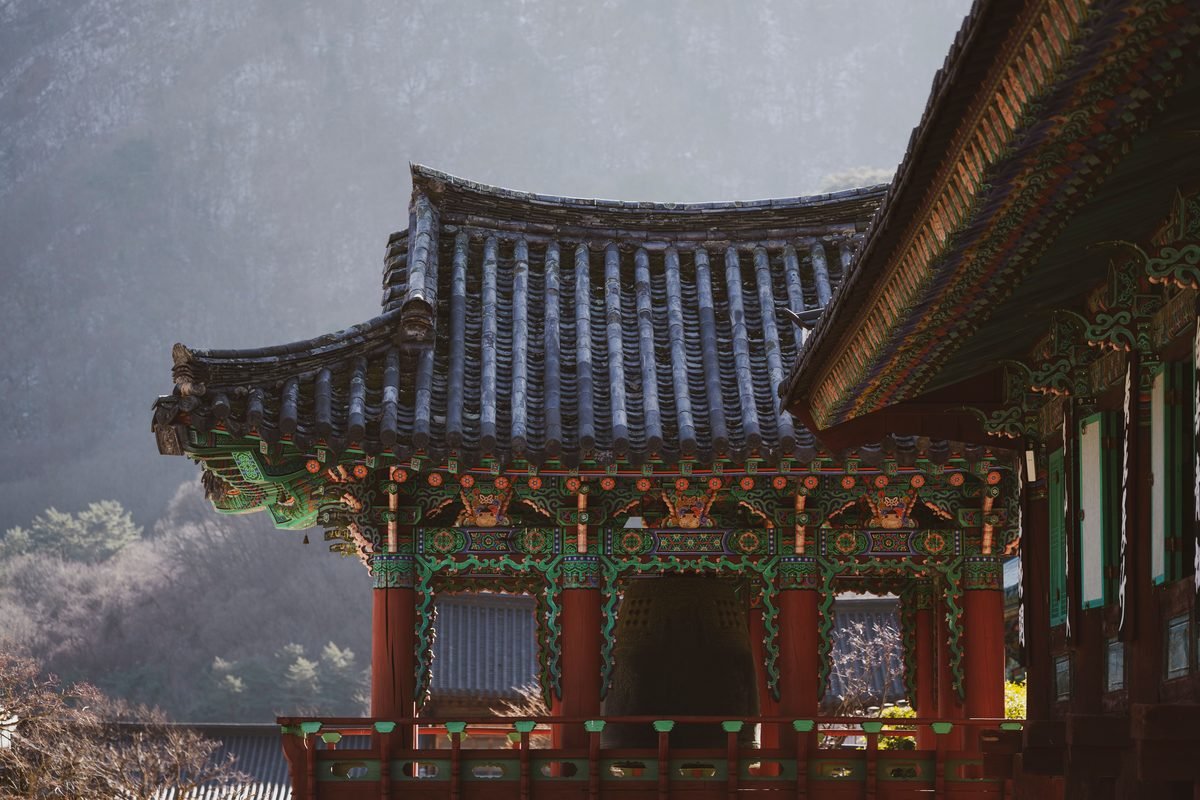
While the mountain is the main draw, do not skip Sinheungsa Temple near the entrance. The Great Unification Buddha statue is a massive bronze landmark that looks particularly sharp against the autumn backdrop. Admission to the temple is free. If the main trails are too crowded, try the path toward Biseondae. It follows a stream with clear pools and giant boulders, and the gradient is much flatter than the climb to the peaks. Wear sturdy shoes for hiking. The terrain is rocky and can be slippery if there is morning dew on the fallen leaves.
Tip: Arrive Early
The Seoraksan cable car does not take reservations. On October weekends, tickets often sell out for the entire day by noon. Aim to be at the ticket office by 7:30 AM.
Finding the best colors at Naejangsan National Park
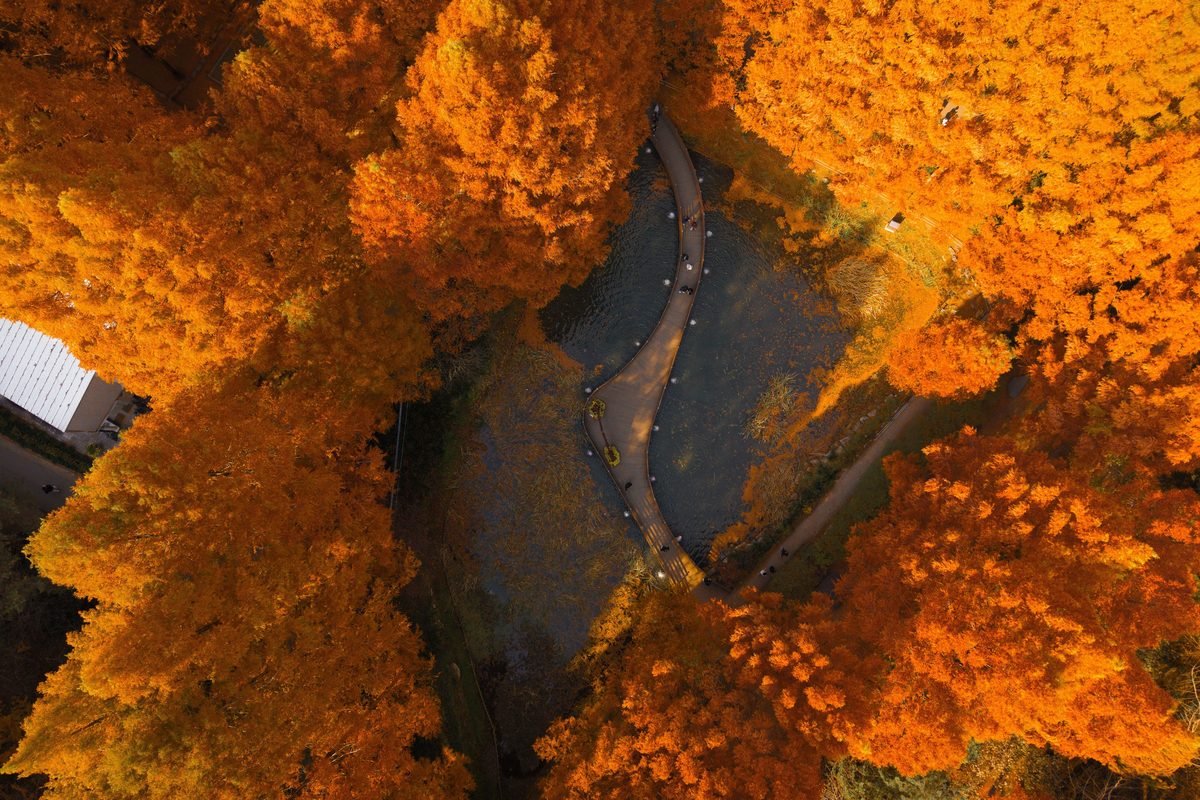
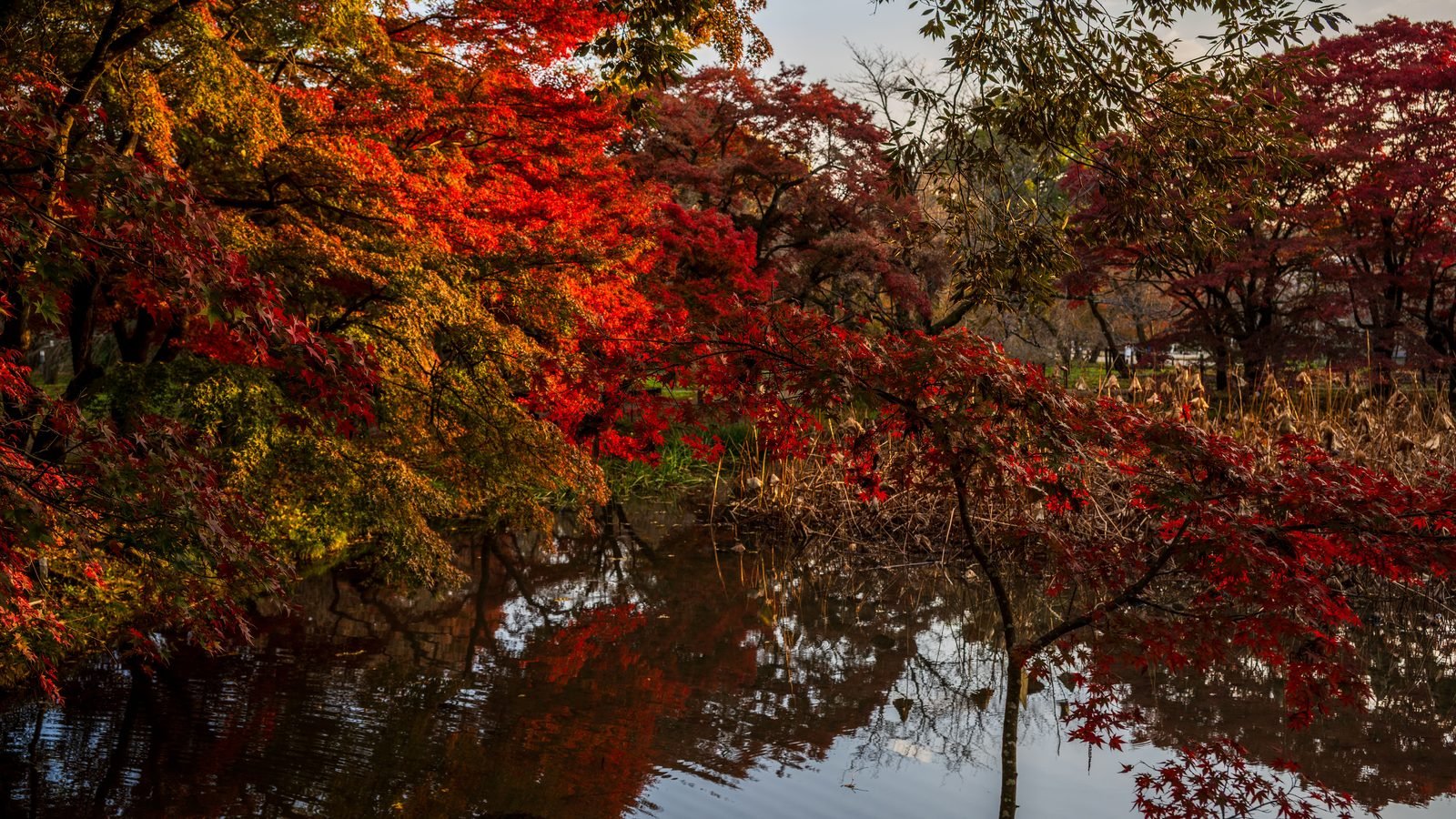
If Seoraksan is famous for its rugged peaks, Naejangsan is famous for its maples. This park in the southwest is widely considered the best spot in the country for autumn colors because of the variety of maple species. The “Maple Tunnel” is the star attraction here. It is a long stretch of road and walking path where the trees arch over to create a canopy of deep crimson. The peak here is much later than in the north, usually falling in the first week of November. This makes it a great choice if your trip happens later in the season.
Getting to Naejangsan is straightforward if you use the KTX high-speed train. Take a train from Seoul Station or Yongsan Station to Jeongeup Station. A standard seat costs about ₩34,400 (about $26) and takes roughly 1 hour and 40 minutes. From Jeongeup Station, you can take local bus 171 to the park entrance. During the peak foliage weeks, this bus is incredibly crowded. I often suggest taking a taxi from the station instead; it costs roughly ₩15,000 (about $11) and saves a lot of standing time. The park entry fee was abolished in 2023, so access to the trails and the temple area is now free.
Inside the park, the Uhwajeong Pavilion is the most photographed spot. It sits in the middle of a small lake, reflecting the surrounding red trees. There is also a cable car here that goes up to the Yeonjabong Peak observatory for ₩10,000 (about $7.50). Like Seoraksan, the lines are long, but the view of the valley is spectacular. For a quieter experience, walk past the main temple, Naejangsa, and follow the trails into the deeper woods. The crowds tend to thin out significantly once you get a kilometer away from the cable car station.
From a local: The Baby Maples
Naejangsan is famous for ‘ae-gi danpung’ or baby maples. These leaves are smaller and turn a much more intense red than the standard varieties found elsewhere.
Autumn foliage spots inside Seoul city limits
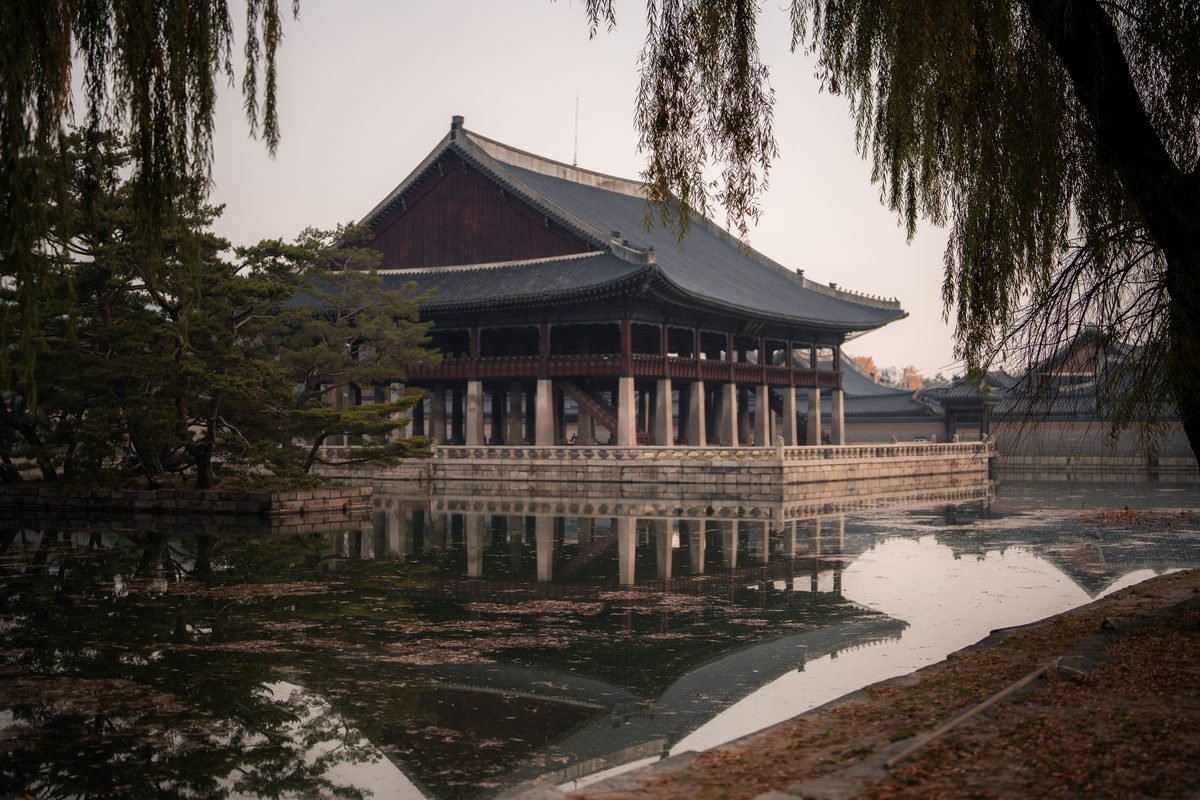
You do not have to leave the capital to see world-class foliage. Seoul is one of the greenest major cities I have lived in, and the palaces are the best places to start. Gyeongbokgung is the most famous, but for autumn, Changdeokgung is superior because of its Huwon, or Secret Garden. This landscaped garden was designed for the royal family and features a series of ponds and pavilions tucked into the woods. The Secret Garden requires reservations. You should book these on the official website exactly eight days in advance at 10:00 AM. Tickets cost ₩5,000 (about $4) in addition to the ₩3,000 (about $2) palace entry fee.
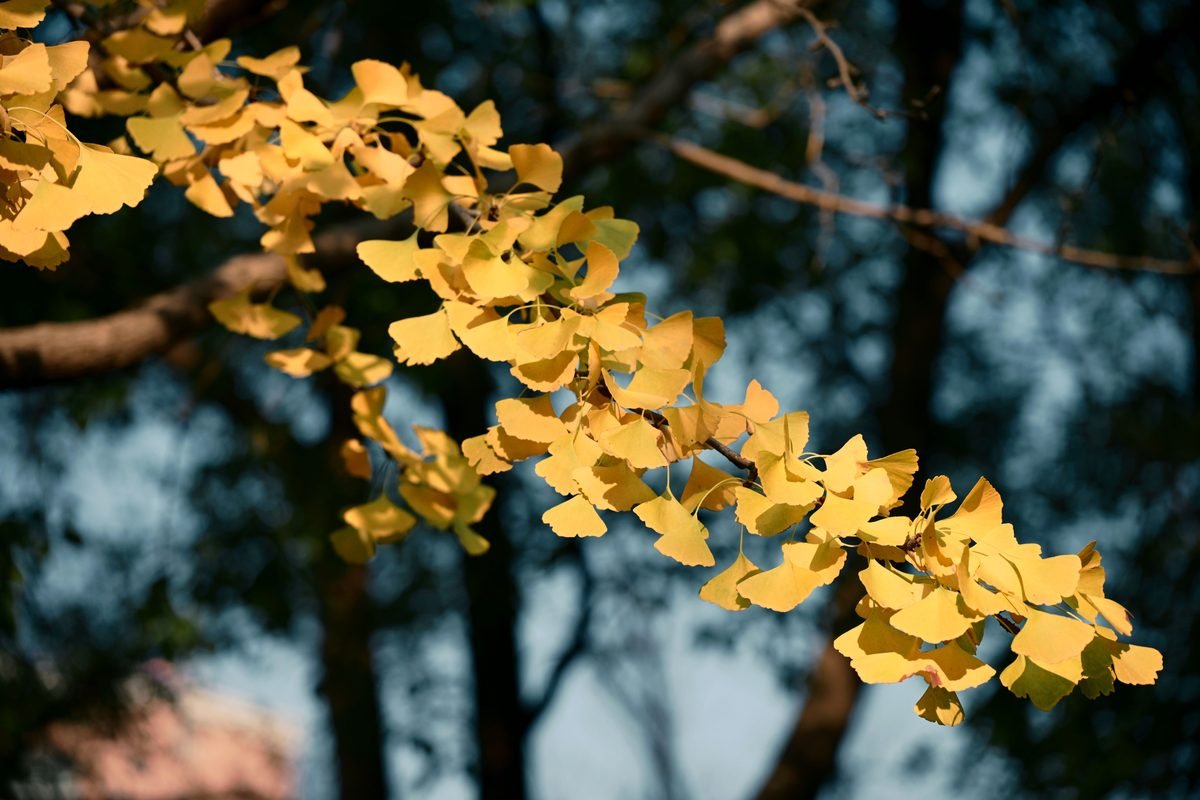
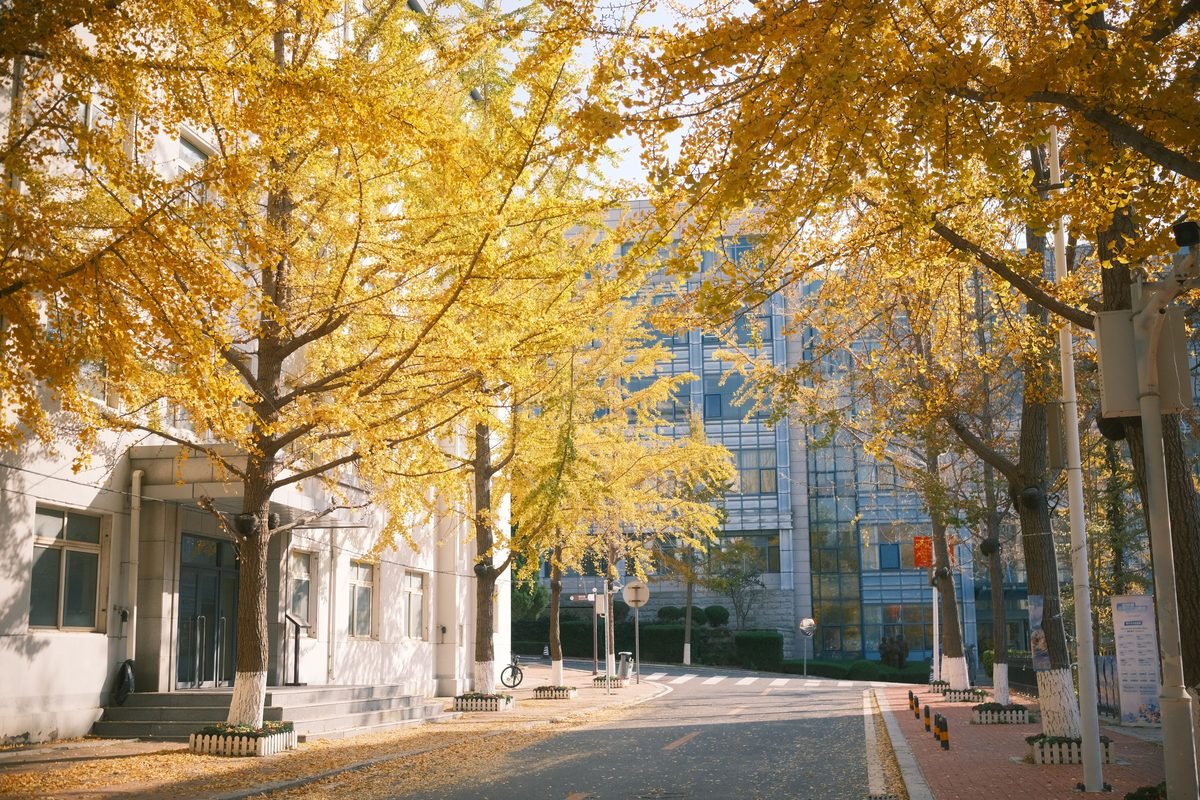
Another great city spot is the Deoksugung Stone Wall Path. It is a curved road lined with yellow ginkgo trees that runs alongside the palace walls. It is a popular spot for office workers during lunch, but if you go on a weekday morning, it is peaceful. For a more expansive park experience, head to Seoul Forest in Seongdong-gu. The ginkgo forest there turns a solid, brilliant gold in late October. It is a flat, easy area to walk, and the nearby neighborhood of Seongsu-dong has some of the best coffee shops in the city for warming up after a walk.
If you want a view from above, Namsan Mountain is the place to be. You can take the Namsan Cable Car or ride the yellow shuttle bus to the base of the N Seoul Tower. The entire mountain is covered in broadleaf trees that turn various shades of yellow and orange. I prefer walking down the path toward the Namsan Library rather than taking the bus back. The trail is paved and easy on the knees, and it puts you right under the canopy of the changing leaves. It is one of the few places where you can see the modern skyline framed by ancient-looking autumn colors.
Book ahead: Secret Garden Tickets
Reservations for the Changdeokgung Secret Garden open 8 days before the tour date. They sell out in minutes during the autumn peak, so set an alarm for 10:00 AM KST.
Booking trains and navigating Chuseok 2026
Planning an autumn trip to Korea in 2026 requires looking at the lunar calendar. Chuseok, the Korean harvest festival, is the most important holiday of the year. In 2026, Chuseok falls on Friday, September 25. This means the holiday period will run from Thursday, September 24, through Saturday, September 26, with the Sunday following. This creates a four-day weekend where millions of people leave Seoul to visit their hometowns. Transport during this window is a logistical nightmare for those who do not plan ahead.
Book your train tickets early. For the KTX and other Korail trains, tickets usually open 30 days before departure. During Chuseok, there is often a special booking window for locals, but remaining tickets are released to the general public shortly after. If you are traveling during this week, you must be online the moment tickets go on sale. If you cannot get a KTX seat, look into the SRT (Super Rapid Train) which departs from Suseo Station in southern Seoul, or check the express bus schedules. Buses have more frequent departures, though they will be stuck in heavy traffic on the expressways.
While transport is difficult, Seoul itself can be quite pleasant during Chuseok. Many shops and restaurants close on the day of Chuseok itself, but the palaces and museums usually stay open and often offer free admission or traditional cultural performances. If your goal is to see the foliage in the northern mountains like Seoraksan, I recommend doing so either well before September 24 or after September 28 to avoid the peak travel rush. The prices for accommodation in mountain towns also spike significantly during the holiday, so keep that in mind for your budget.
Heads up: Holiday Closures
While palaces stay open, many independent restaurants and markets (like Gwangjang or Seomun) close for 1-3 days during Chuseok. Check Instagram or Naver Map for holiday hours.
Essential gear and food for autumn hiking
Autumn hiking in Korea is as much about the food as it is about the scenery. When you visit any national park, you will find a cluster of restaurants at the entrance. The traditional “hiker’s meal” consists of haemul pajeon (seafood green onion pancake) and dotori-muk (acorn jelly salad). These are almost always paired with makgeolli, a milky, sparkling rice wine. A large pancake usually costs about ₩18,000 (about $13) and is meant to be shared. It is the perfect way to reward yourself after a long walk through the woods.
In terms of gear, the most important thing to remember is layers. The temperature in October and November can swing wildly. It might be 5°C (41°F) when you start your hike at dawn and 18°C (64°F) by midday. I recommend a moisture-wicking base layer, a light fleece, and a windbreaker. Many Korean hikers take their gear very seriously, showing up in full professional trekking outfits, but for most established trails, a good pair of sneakers with grip or light hiking boots is sufficient. Do not forget to bring a reusable water bottle; most temples and park entrances have mountain spring water taps that are safe to drink from.
Finally, make sure you have the right apps on your phone. Google Maps does not work for walking or transit directions in Korea. You should download Naver Map or KakaoMap. Both have English interfaces and are much more accurate for finding bus stops and trailheads. If you are planning to hike in the national parks, the KakaoMap app often shows the specific hiking trails more clearly than other platforms. Having a portable power bank is also a good idea, as cold weather can drain phone batteries faster while you are out taking photos of the leaves all day.


What it costs in South Korea
| Item | Local price | USD |
|---|---|---|
| KTX Seoul to Jeongeup (Naejangsan) | ₩34,400 | $26 |
| Express Bus Seoul to Sokcho (Seoraksan) | ₩21,000 | $16 |
| Seoraksan Cable Car (Round trip) | ₩15,000 | $11 |
| Changdeokgung Secret Garden Tour (plus ₩3,000 palace entry) | ₩5,000 | $6 |
| Haemul Pajeon (Large pancake) | ₩18,000 | $13 |
| Mid-range hotel night (Sokcho/Seoul) | ₩120,000 | $90 |
| Daily Total (Mid-range travel) | ₩200,000 | $150 |
Prices checked September 2026. Always confirm with the provider before you book.
Mistakes to avoid
- Arriving at national park entrances after 9:00 AM on October weekends, which results in massive crowds and sold-out cable car tickets.
- Relying on Google Maps for walking directions to trailheads instead of using Naver Map or KakaoMap.
- Underestimating the temperature drop at high altitudes; the peaks are significantly colder than the city centers.
FAQ
When is the best time for Korea autumn foliage?
The peak season generally runs from mid-October in the northern mountains like Seoraksan to early November in southern areas like Naejangsan. Seoul usually sees its best colors in the last week of October.
Is the Korea autumn foliage guide accurate for 2026?
Yes, this guide accounts for the 2026 lunar calendar and Chuseok holiday dates. While exact peak dates depend on weather, the north-to-south progression remains consistent every year.
Do I need to pay for national park entry in Korea?
As of May 2023, admission fees for major Buddhist temples located within national parks have been abolished. Entry to the parks themselves is free, though you still pay for cable cars and parking.
How do I avoid the crowds during foliage season?
The best way to avoid crowds is to visit on weekdays and start your hikes at sunrise. Popular spots like the Naejangsan Maple Tunnel become very packed by 10:00 AM.
What should I wear for autumn in Korea?
Dress in layers. The mornings and evenings are cold, but the afternoons are often warm and sunny. A windbreaker and a light fleece are essential for mountain hiking.