How to Choose a Travel Credit Card No Foreign Fees

Banks often hide the true cost of international travel in the fine print of your monthly statement. When you swipe your card outside your home country, most standard banks apply a foreign transaction fee, usually around 3%. If you spend $3,000 on a two-week trip, you are effectively handing over $90 to your bank for doing nothing more than a digital currency conversion. It feels like a tax on your curiosity.
This guide is for independent travelers who want to stop wasting money on bank surcharges. I will cover how a travel credit card no foreign fees works, the psychological tricks of currency conversion at the register, and the specific ways I manage my money while traveling through Asia and beyond. We will look at why credit beats debit for security and how to build a backup strategy so you are never left stranded without a way to pay.
Why you need a travel credit card no foreign fees
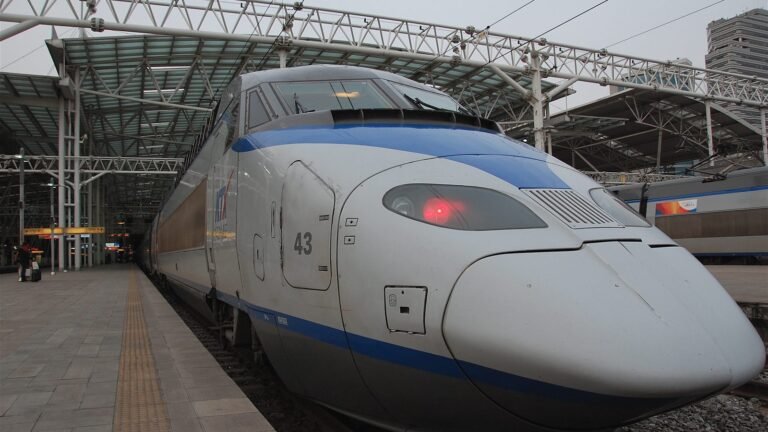
Banks love these fees because most travelers never notice them until they get home and look at their bank history. A foreign transaction fee is a surcharge added to every purchase you make outside your home country. While 3% might sound small, it adds up quickly over the course of a flight, several hotel stays, and daily meals. If you are in Seoul and buy a ₩59,800 (about $45) KTX ticket to Busan, that fee is about $1.35. Multiply that by every coffee, souvenir, and museum entry, and you have lost the price of a nice dinner before the trip is even over.
A travel credit card no foreign fees is specifically designed to waive this surcharge. These cards use the network exchange rate set by Visa or Mastercard, which is very close to the mid-market rate you see on financial news sites. In my experience living in Seoul, having a card that respects this rate is the single easiest way to save money. Some cards might claim to have no fees but then use a “house rate” that is slightly worse than the official one. Always verify that your card uses the network rate. Over a long trip, the savings are significant. You could use that extra cash for a few extra nights in a comfortable guesthouse or an upgrade on your transport.
It is not just about the big purchases either. Even small daily spends, like a ₩5,000 (about $4) coffee, add up when a fee is tacked onto every single one. Before you leave, call your bank or check their mobile app to confirm your specific card tier includes this benefit. If it does not, it might be worth opening a new account specifically for your travels. Many modern digital banks offer these accounts with no monthly maintenance costs, making them a low-risk addition to your wallet.
Tip: Check the Network
Before applying for a card, check if it uses the Visa or Mastercard network rate, as these are generally the most transparent and fair for travelers.
How to avoid the Dynamic Currency Conversion trap
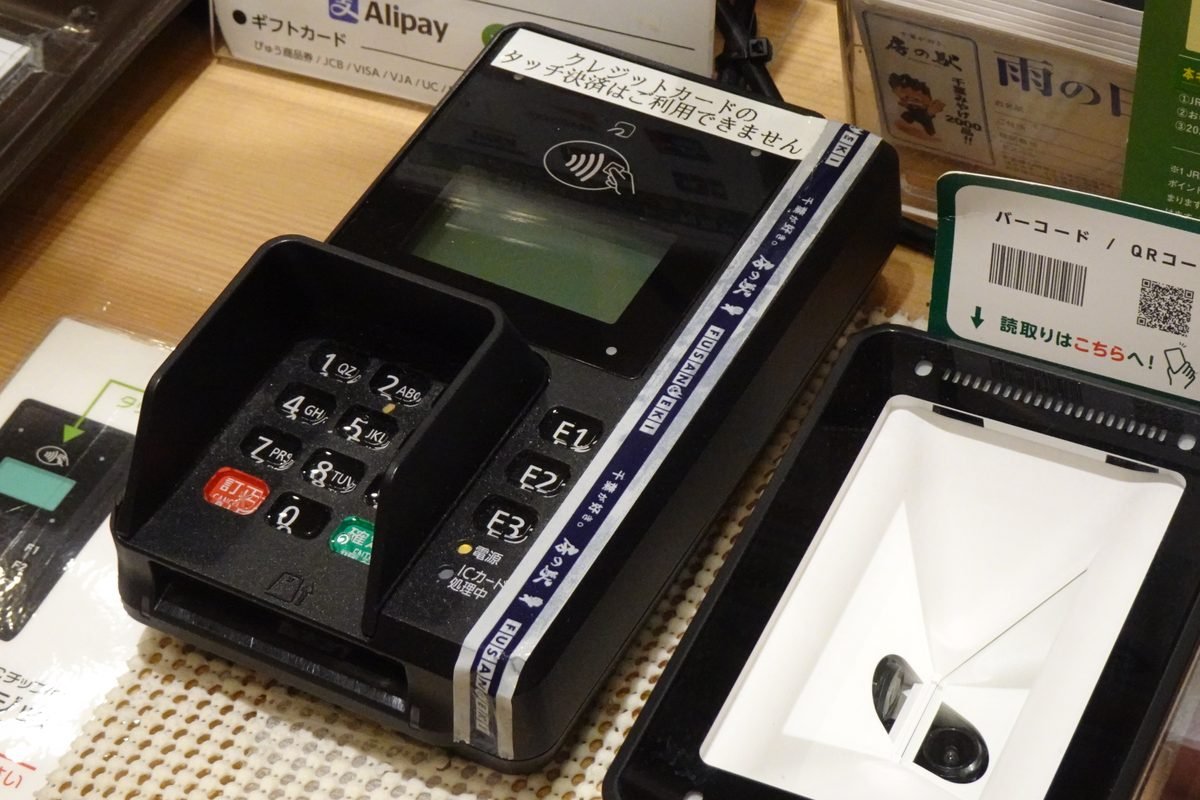
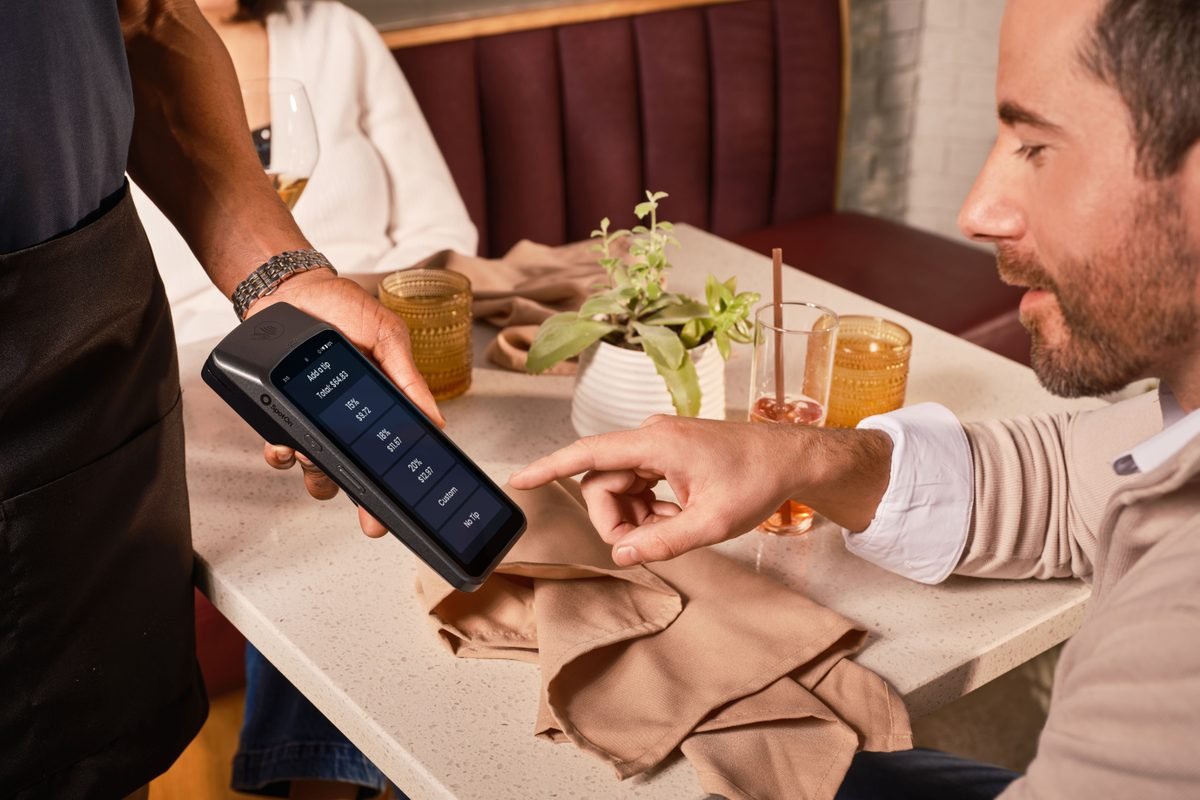
Dynamic Currency Conversion, or DCC, is a clever trap that happens at the point of sale. You might be paying for a €30 (about $33) entry to the Acropolis in Athens or a ₩150,000 (about $112) dinner in Gangnam. When the waiter hands you the card machine, a prompt appears asking if you want to pay in the local currency or your home currency. The screen often promises a “guaranteed exchange rate” and shows you the exact amount in your own currency. This is a common trap. While it looks helpful, the exchange rate offered by the merchant’s bank is almost always terrible.
They typically add a markup of 5% to 7% on top of the real rate. If you choose your home currency, you are giving the shop or their bank a tip that you did not intend to give. Always choose local currency. This forces the transaction to be processed by your own bank back home. If you are using a travel credit card no foreign fees, your bank will convert the ₩150,000 using the fair market rate without any extra surcharges. I have seen travelers get confused by this in Japan too. A ¥10,000 (about $66) hotel bill can easily cost an extra $5 if you hit the wrong button on the terminal.
Some machines are designed to make the “home currency” option look like the default choice, often highlighting it in green. Do not be fooled. Always look for the option that says “Pay in KRW” or “Pay in JPY.” It might feel slightly more uncertain because you do not see the final dollar amount immediately, but your bank statement will thank you later. If a merchant insists that you must pay in your home currency, you can technically ask them to void the transaction and try again. Mastercard and Visa rules generally require they give you the choice, though in small shops, it is often easier just to insist on the local currency button yourself.
Heads up: The DCC Trap
Never choose your home currency on a payment terminal. It can add up to 7% in hidden fees to your purchase.
Why credit cards are safer than debit cards abroad
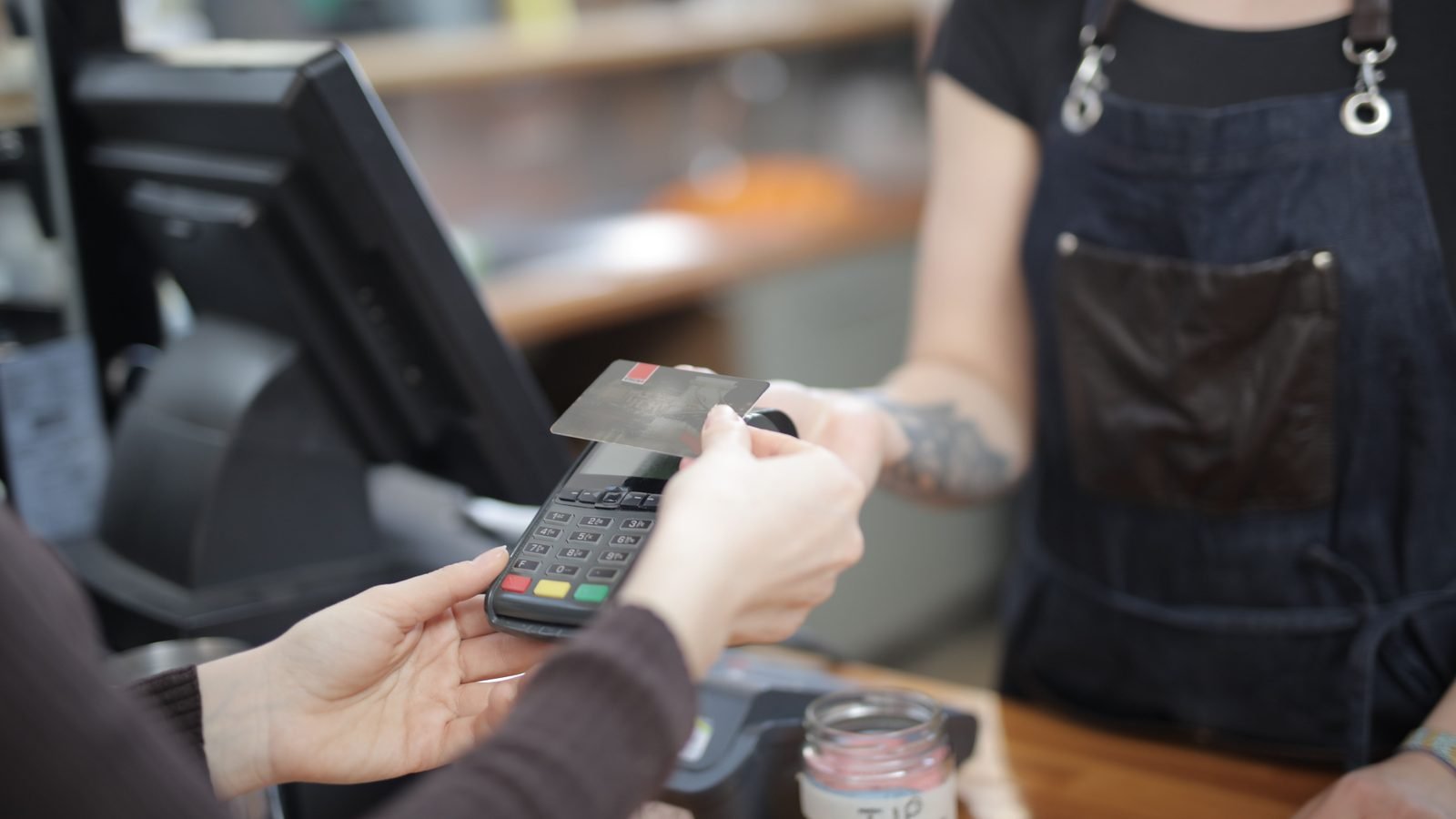
Credit cards are your shield when you travel. If someone skims your card at a night market in Bangkok, and you used a debit card, that money is gone from your checking account immediately. You have to fight to get it back while your balance is at zero. This can be devastating if you still have a week of travel left. With a credit card, you are spending the bank’s money. You just flag the transaction, and the bank removes it while they investigate. You are not out of pocket during the process.
Also, hotels and car rental agencies often place a “hold” on your card to cover potential incidentals. If you use a debit card, that ₩200,000 (about $150) hold is actual cash you cannot spend until you check out and the bank processes the release, which can take days. On a credit card, it just reduces your available credit limit temporarily. This is why I always use a credit card for check-ins and major bookings. It keeps my actual cash liquid for things that require it.
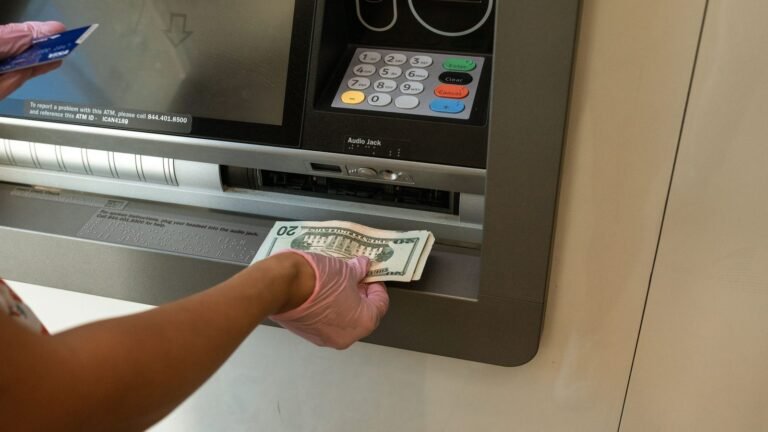
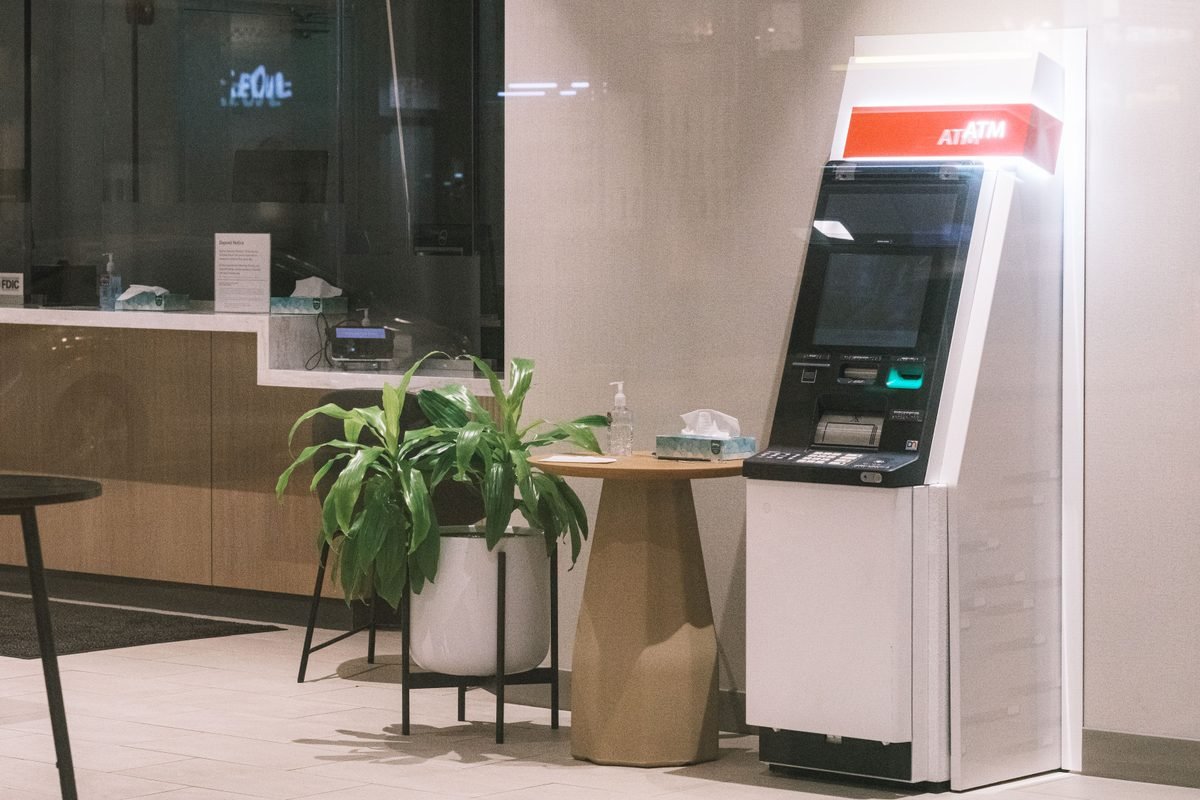
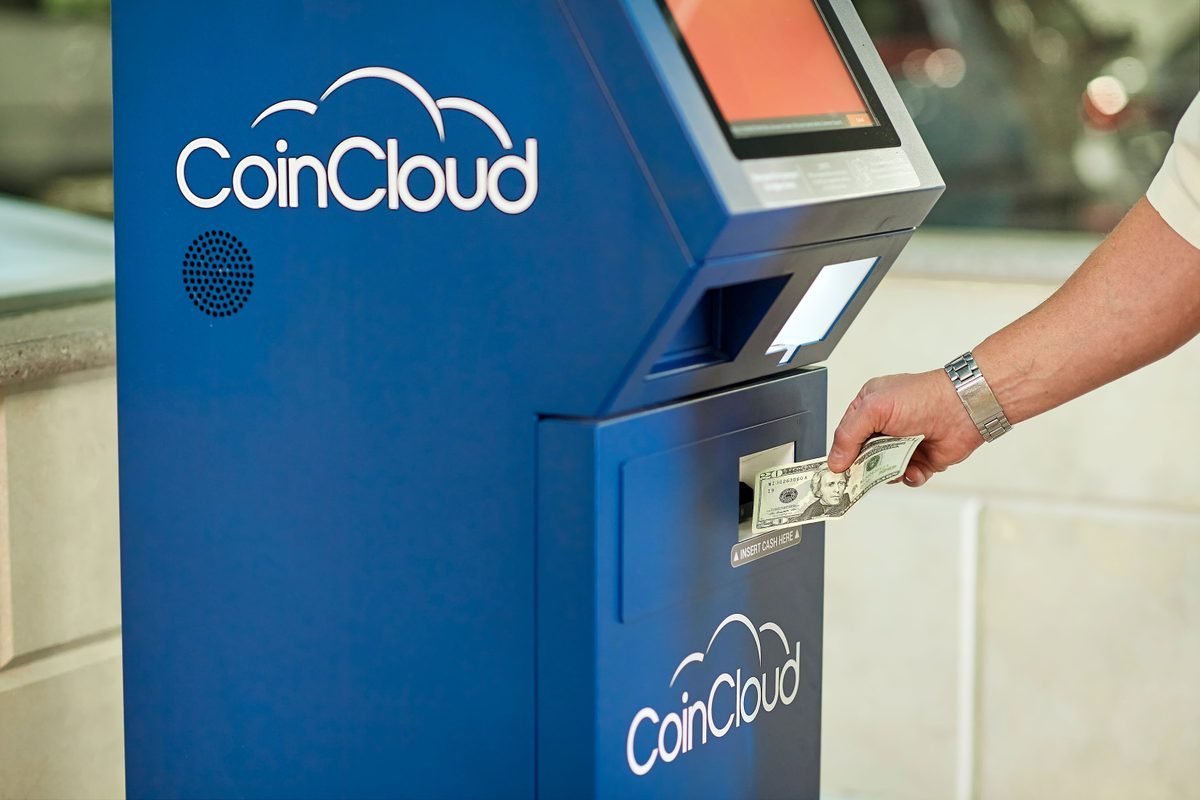
Use debit only for ATMs, and even then, find one inside a bank branch for better security. ATMs in high-traffic tourist areas are more likely to have skimmers attached. When you use a debit card at an ATM, look for a card that offers ATM fee reimbursement. Some premium travel accounts will pay you back for the fees charged by the local bank, which can be ¥500 (about $3.50) or more per withdrawal in Japan. This allows you to take out smaller amounts of cash more frequently rather than carrying a large, risky bundle of bills. Credit cards should generally not be used for cash withdrawals as they usually charge high interest rates from the moment the cash is in your hand.
Building a backup card strategy
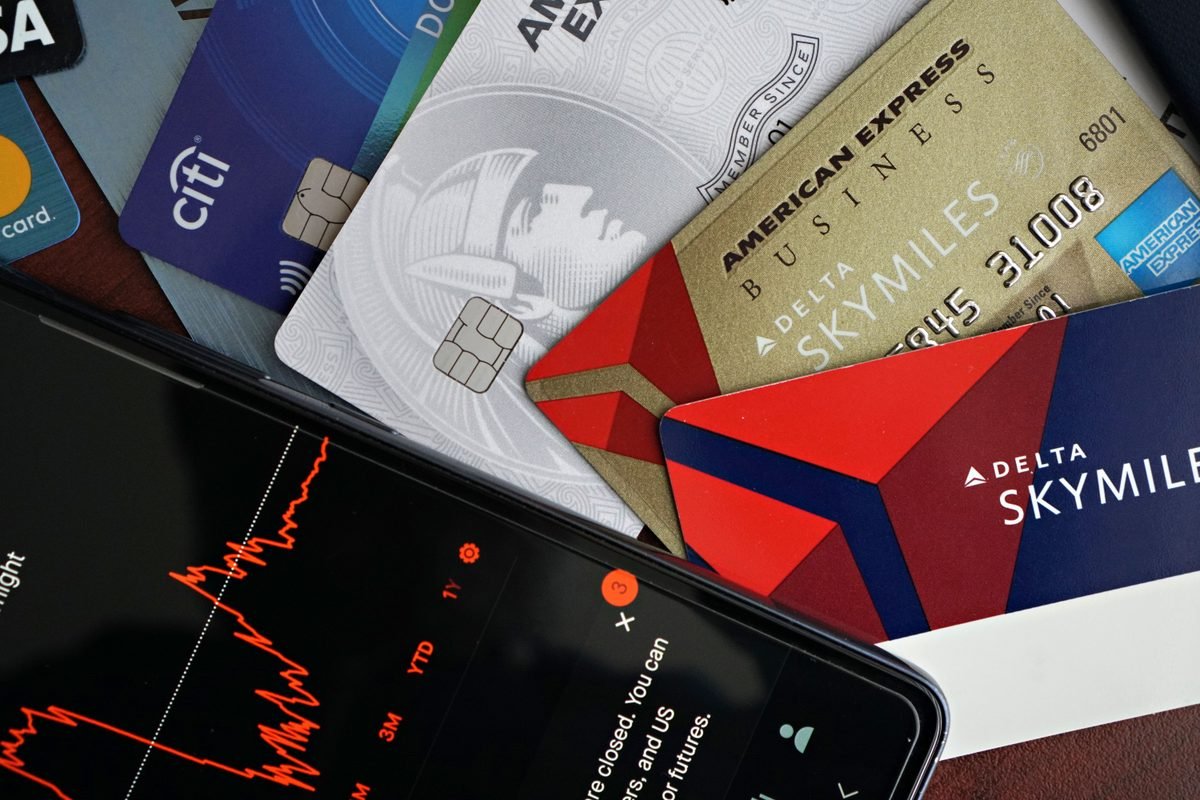
One card is a single point of failure. I have seen travelers get stranded because their only card was swallowed by an ATM or blocked by a fraud department. I carry three. One stays in my wallet. The second stays in a zipped pocket in my day bag. The third stays in the hotel safe. This way, if my wallet is stolen, I still have two ways to pay. If my bag is taken, I still have the safe. This redundancy is the key to stress-free travel. One card is never enough.
I also make sure they are from different networks. If Visa has a network-wide outage—which is rare but happens—my Mastercard still works. I also set up Apple Pay and Google Pay on my phone. In places like Seoul or London, you can tap your phone for almost everything. Picture the platform at a Lisbon metro station. You tap your phone for a €1.80 (about $2) fare and walk through the gate without ever touching a ticket machine. It is incredibly efficient. However, remember that if your phone dies or gets stolen, you need that physical plastic.
Another tip is to use different banks for your cards. If one bank has a technical glitch or freezes your account for suspicious activity, you can switch to the card from the other bank while you resolve the issue. Before you leave home, take a photo of the back of each card and store it in a secure, encrypted cloud folder. This gives you the international customer service numbers and your card details if you need to report them lost. Just make sure the folder is protected by two-factor authentication so a thief cannot access your financial data if they get hold of your phone.
Tip: The Hotel Safe Card
Always leave one backup card in your hotel safe. If you lose your wallet, you won’t be left without any funds.
What to do when your card is blocked
Banks are aggressive about fraud. If they see a sudden charge for a ₩10,000 (about $7.50) K-ETA fee in Korea followed by a dinner in Tokyo, they might lock the card to protect you. This is a common trap for those who forget to notify their bank. Most modern banking apps let you set a “travel notice.” Do this a week before you fly. This tells the bank’s algorithm that you are the one spending money in a foreign country, not a thief. It only takes a minute but saves hours of frustration.
If the card does get blocked, do not panic. Find the international customer service number. It is usually on the back of the card. Save this number in your phone contacts before you leave home. If you cannot call, try the bank’s chat feature in their app. Usually, they just need you to confirm the last few transactions to unlock it. This is why having that backup card is so important; it gives you the breathing room to fix the first one without missing a meal or a train.
Sometimes, a block happens because of the merchant’s machine rather than your bank. If a card is declined, try it one more time. If it fails again, try a different card. Do not keep swiping the same failed card, as this can trigger a more permanent security lock. If you are in a situation where you need to call your bank from abroad, use a VoIP service like Skype or Google Voice to avoid massive roaming charges on your phone bill. Many banks have toll-free numbers for international callers, but these often only work from local landlines. Having a small amount of cash on hand is also a life-saver during these moments.

Local cash vs plastic in East Asia
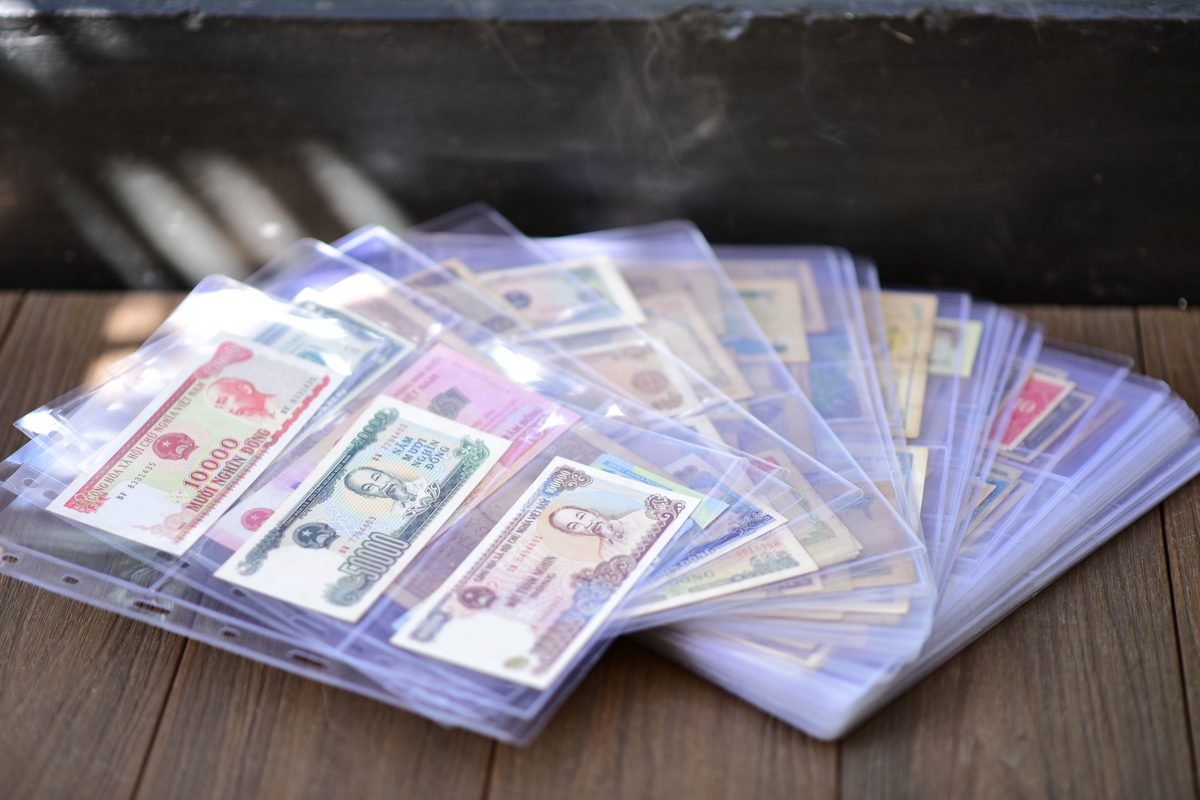
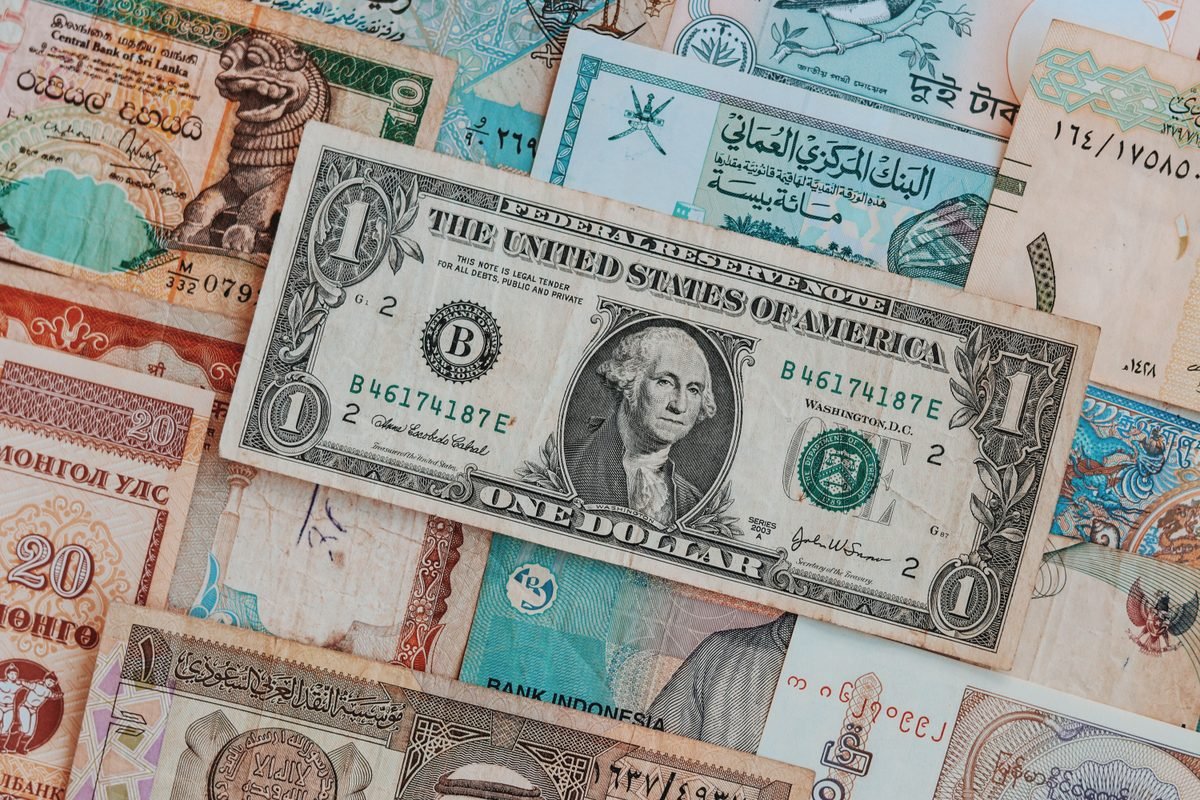
Understanding the local landscape is key to managing your money. In Seoul, I almost never carry cash. Even the smallest kimbap shop takes cards. However, you still need cash for specific things. You cannot top up your T-money card, which costs ₩4,000 (about $3), with a foreign credit card at the subway machines. You need physical Won for that. You use this card for the subway, where a base fare is ₩1,550 (about $1.15). Cash is still king here for street food and certain traditional markets.
In Japan, things are changing, but many small ramen shops or temples still require physical Yen. A ¥1,000 (about $7) bowl of noodles might be cash-only. I always carry at least ¥10,000 (about $66) in my wallet when I am exploring Tokyo or Kyoto. In Southeast Asia, like Vietnam or Thailand, cards are great for hotels and big stores, but the street food and local markets are strictly cash. Always have a small amount of local currency for that first taxi or a bottle of water when you land at the airport.
When withdrawing cash, always use a bank-affiliated ATM. In Korea, look for ATMs labeled “Global” as these are the ones that consistently accept foreign cards. In Japan, 7-Eleven and Japan Post ATMs are the most reliable for international travelers and usually have English menus. Be aware of the withdrawal limits. Some ATMs might only let you take out ¥30,000 or ¥50,000 at a time. If you need more, you will have to do multiple transactions, which means paying the ATM fee multiple times. This is where a travel credit card no foreign fees paired with a good debit card becomes your most powerful tool.
From a local: T-money Cash Rule
In Korea, you must use cash to top up your T-money transport card at subway stations. Foreign credit cards won’t work for this.
What this trip costs
| Item | Local price | USD |
|---|---|---|
| Foreign Transaction Fee (Standard Card) | 3% | About $3.00 per $100 |
| DCC Markup (Merchant Bank) | 5-7% | About $6.00 per $100 |
| Seoul Subway Base Fare | ₩1,550 | About $1.15 |
| Lisbon Metro Single Ticket | €1.80 | About $2.00 |
| Acropolis Entry Fee | €30 | About $33.00 |
| T-Money Card (Blank) | ₩4,000 | About $3.00 |
| K-ETA Fee | ₩10,000 | About $7.50 |
Prices checked October 2026. Always confirm with the provider before you book.
Mistakes to avoid
- Choosing your home currency at a terminal or ATM instead of the local currency.
- Carrying only one card and no backup in case of loss or a security block.
- Using a debit card for hotel deposits, which ties up your actual cash for several days.
FAQ
What is a travel credit card no foreign fees?
It is a credit card that does not charge a surcharge, usually 3%, on purchases made in a foreign currency. Using a travel credit card no foreign fees ensures you get the fair market exchange rate without extra bank costs.
Should I pay in local or home currency?
Always choose the local currency (like KRW or JPY) on the payment terminal. Choosing your home currency triggers Dynamic Currency Conversion, which includes a hidden markup of 5% to 7%.
Is it better to use a credit or debit card abroad?
Credit cards are better for purchases due to superior fraud protection and handling hotel deposits. Debit cards should be reserved for withdrawing cash from ATMs.
What happens if my card is blocked?
Call the international customer service number on the back of the card or use the bank’s app chat. Having a backup card from a different bank is essential to avoid being stranded.
How much cash should I carry in Asia?
In Korea, carry enough for your T-money card and street food. In Japan, carry more for temples and small shops. Always have enough for a taxi and a meal in case cards fail.