The Ultimate Japanese Convenience Store Food Guide

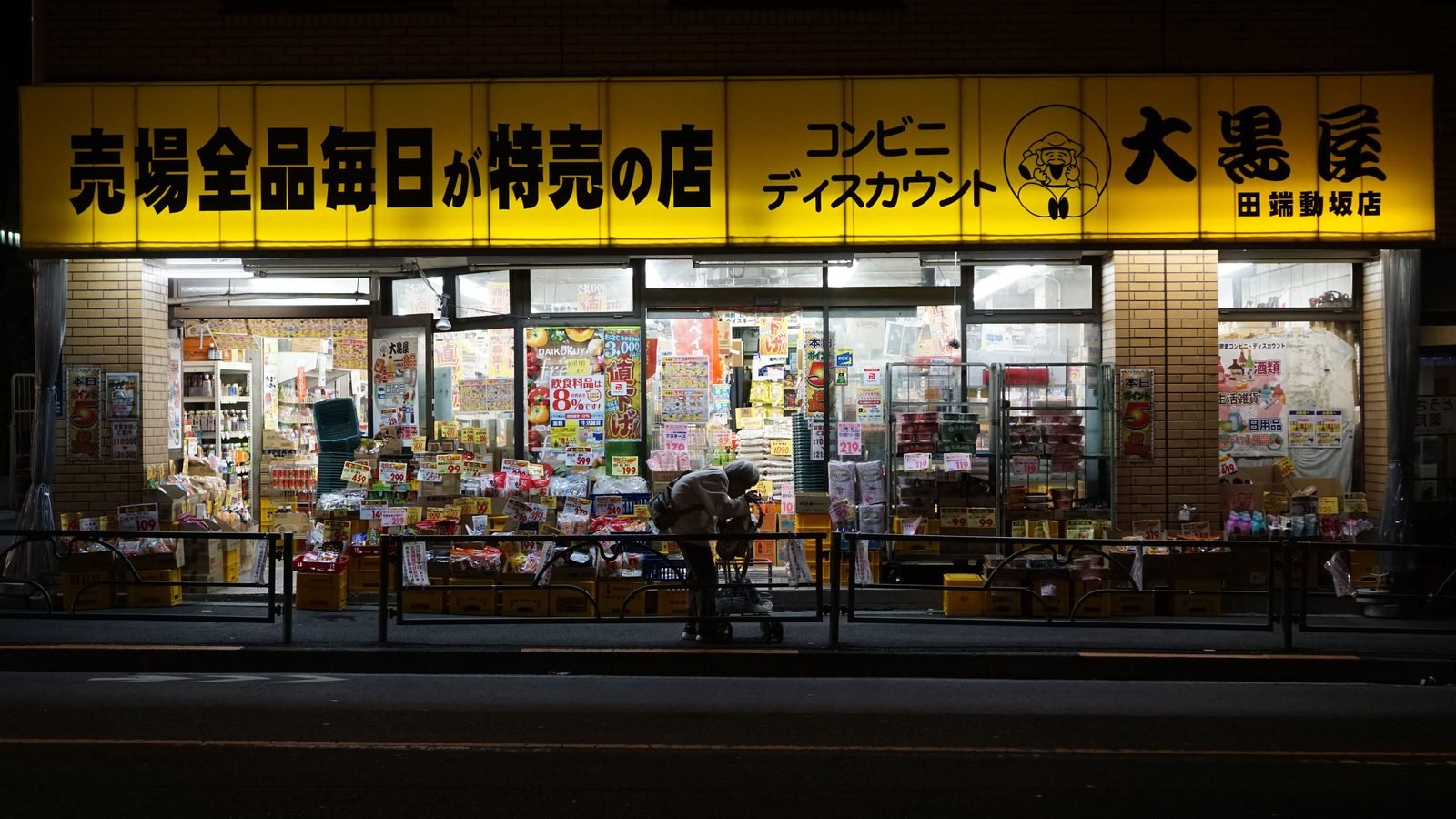
It is midnight in Tokyo, and the streets are quiet except for the bright, glowing sign of a local convenience store down the block. Inside, the shelves are packed with immaculate rows of rice balls, steaming containers of savory broth, and rows of perfectly packaged bento boxes. For anyone traveling through Japan, these stores are not just a place to grab a quick bottle of water; they are a culinary destination in their own right.
This Japanese convenience store food guide is designed for independent travelers who want to navigate these aisles like a local. We will cover the differences between the major chains, decipher the best items on the shelves, explain how to handle the payment process, and share the unspoken rules of eating your purchases.
Your Japanese convenience store food guide to the big three
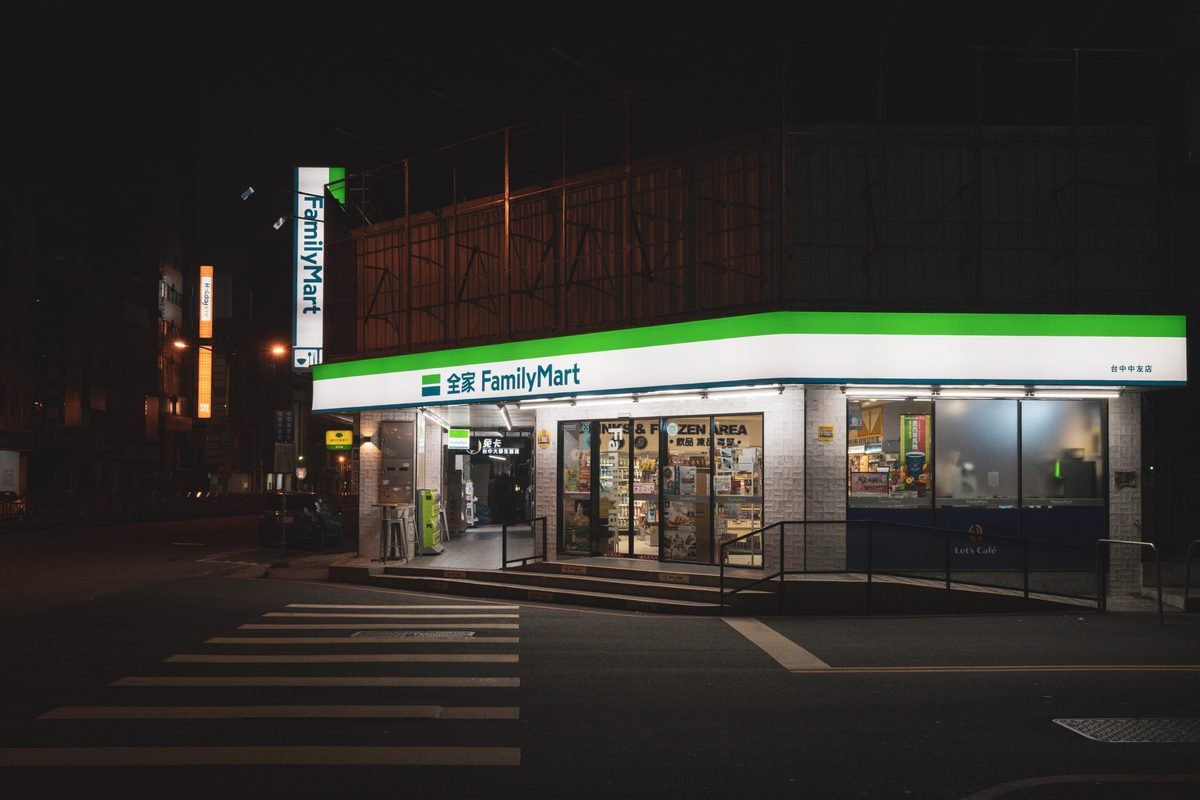
To get the most out of your culinary adventures, you must first understand the landscape of Japanese convenience stores, known locally as konbini. The market is dominated by three giant chains: 7-Eleven, Lawson, and FamilyMart. While they might look similar from the outside, each has its own distinct strengths and cult-following items. You will find them on almost every street corner in major cities like Tokyo and Kyoto.
7-Eleven is widely considered the king of savory meals. Their private label, Seven Premium, offers high-quality ingredients that rival casual restaurants. Their bento boxes, pasta dishes, and noodle bowls are consistently excellent. Grab a basket first. If you want a hearty lunch of beef gyudon or chicken katsu over rice, 7-Eleven is your best bet.
Lawson is the undisputed champion of the dessert aisle. Their Uchi Café sweet line is famous across the country. They are also known for their bakery items and high-quality fresh sandwiches. If you are craving something sweet after dinner, find a Lawson.
FamilyMart occupies a comfortable middle ground but holds a legendary status for its hot fried chicken, known as Famichiki. They also have an excellent selection of baked goods and unique seasonal collaborations.
Timing your visit is key to getting the freshest food. Konbini receive deliveries of fresh items three times a day. The shelves are usually fully stocked by 7:00 AM for the breakfast rush, and again just before 11:30 AM for the lunch crowd. If you visit late at night, the selection might be thin, but you can often find discounted items marked with red stickers.
Decoding the Japanese convenience store food guide onigiri shelf
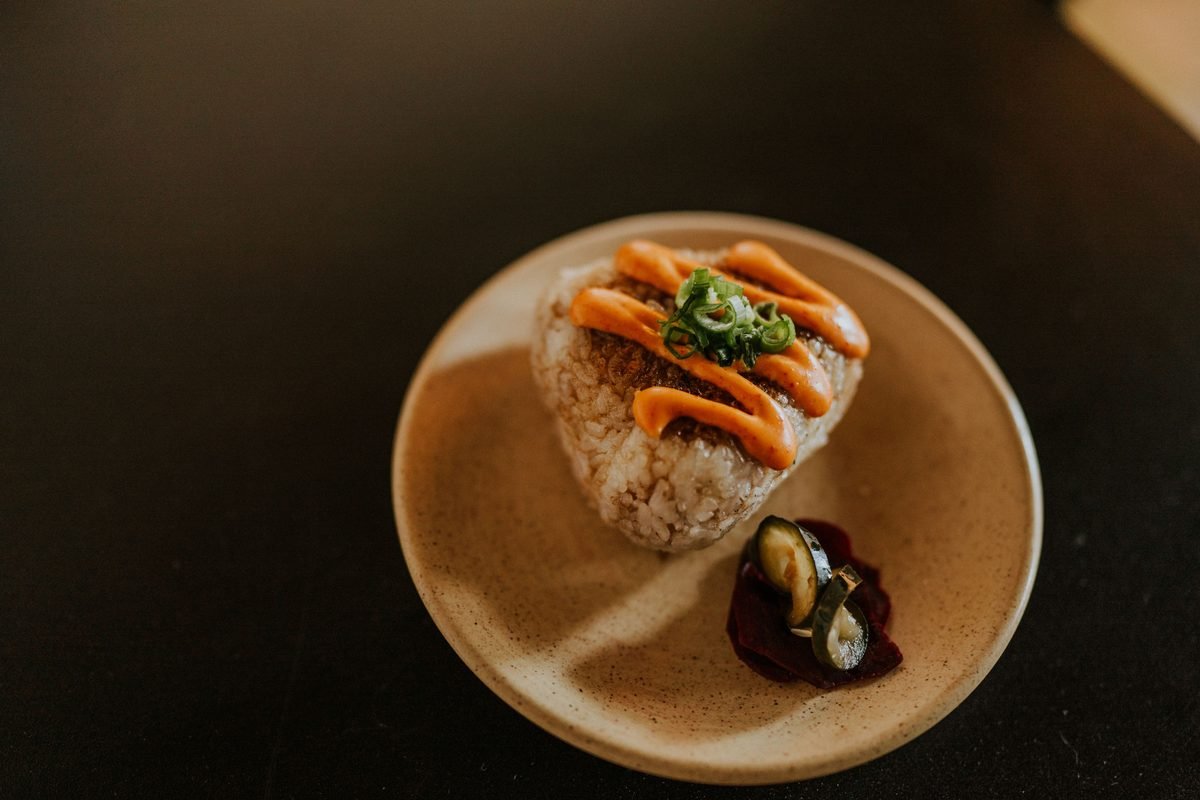
Onigiri, or rice balls, are the ultimate Japanese comfort food and the backbone of any konbini run. They are cheap, filling, and incredibly delicious. However, standing in front of the onigiri shelf can be intimidating because most labels are written in Japanese. Understanding the layout and the packaging is the first step to a great meal.
The most common type of onigiri is wrapped in a sheet of crisp nori seaweed. The packaging is designed with a clever plastic barrier that keeps the seaweed dry and crispy until the moment you open it. The system is simple. You pull the tab marked 1 down the middle, then gently pull side 2 and side 3 to slide the plastic out. It takes a couple of tries to master, but it ensures a perfect crunch every time.
For beginners, look for tuna mayonnaise, which is a savory crowd-pleaser. Another classic is salmon, which features flaked, salted fish inside the rice. If you want something with a bit of a kick, try spicy cod roe. For a traditional, tart option, look for pickled plum, which has a bright pink center. It is incredibly cheap.
Prices for standard onigiri range from ¥130 (about $0.90) to ¥180 (about $1.25). You can also find premium versions wrapped in high-quality seaweed or filled with grilled pork belly for about ¥220 (about $1.50). They are always fresh. They make the perfect quick breakfast or a light snack to keep in your daypack while exploring temples.
From a local: Spotting the Best Onigiri
Look for the gold-label premium onigiri series at 7-Eleven. They cost slightly more but use regional rice varieties and high-grade seafood fillings.
What to buy at the sandwich and hot food counters
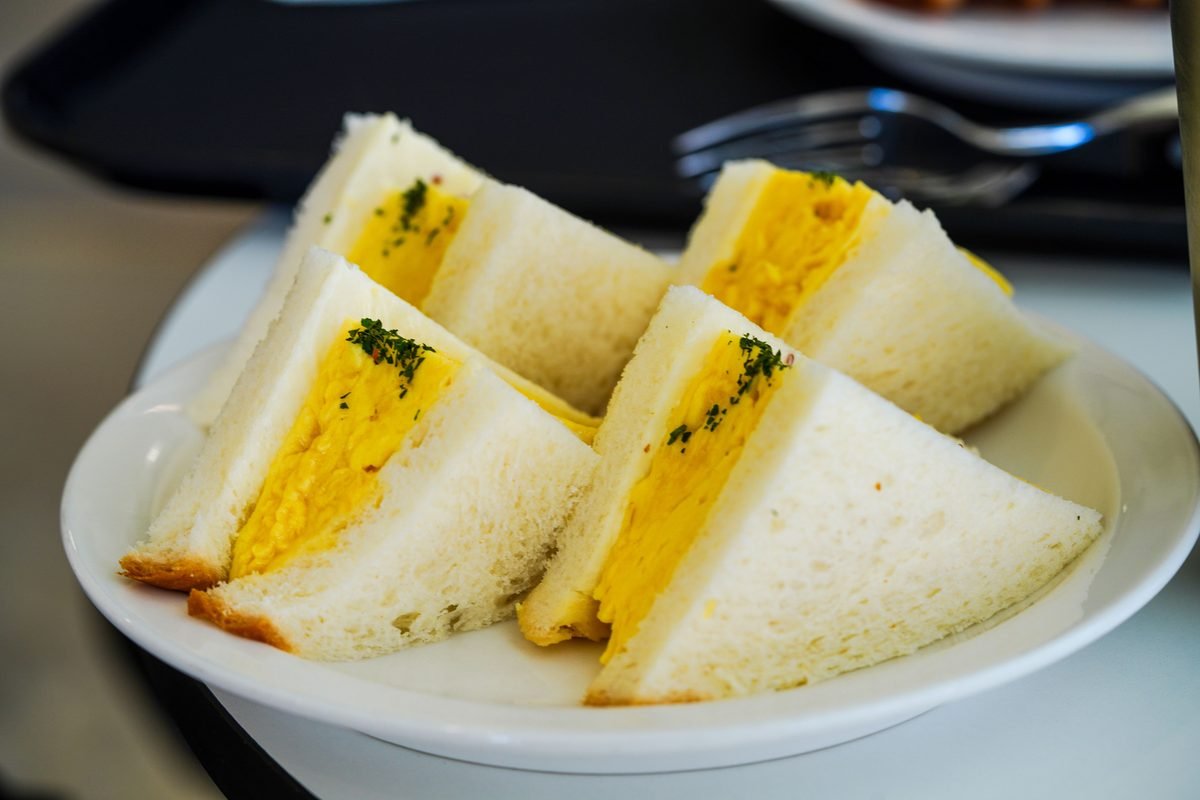
The refrigerated sandwich section is home to one of Japan’s most famous viral food items: the egg salad sandwich, or tamago sando. Made with incredibly soft, thick-cut white milk bread called shokupan, these sandwiches are filled with a rich, creamy egg salad made with Japanese Kewpie mayonnaise. Lawson’s version is particularly famous for its pillowy texture and deep yellow, flavorful yolk mixture, costing around ¥250 (about $1.70). 7-Eleven offers a slightly more savory version with a hint of white pepper.
Once you have selected your sandwich, turn your attention to the glass display case next to the cash register. This is where the hot fried foods are kept, and they are prepared fresh throughout the day. To order, you simply point at the item you want through the glass when you reach the counter.
The absolute star of the hot bar is FamilyMart’s Famichiki, priced at ¥230 (about $1.60). It is boneless, seasoned with a blend of spices, and incredibly juicy. Lawson counter-attacks with Karaage-kun, which are bite-sized chicken nuggets sold in a distinctive paper box with a cartoon chicken on it, costing about ¥240 (about $1.65). They come in flavors like regular, red spicy, and cheese. 7-Eleven offers Nana-chiki, a crispy fried chicken breast that is equally delicious. These hot snacks are perfect for a quick afternoon pick-me-up when your energy levels start to dip.
How to find the best seasonal snacks and desserts
One of the most exciting aspects of shopping at a Japanese convenience store is the constant rotation of limited-edition and seasonal items. The inventory changes almost weekly to reflect the micro-seasons of the Japanese calendar. If you visit in autumn, the shelves will be filled with warming flavors like sweet potato, chestnut, and pumpkin.
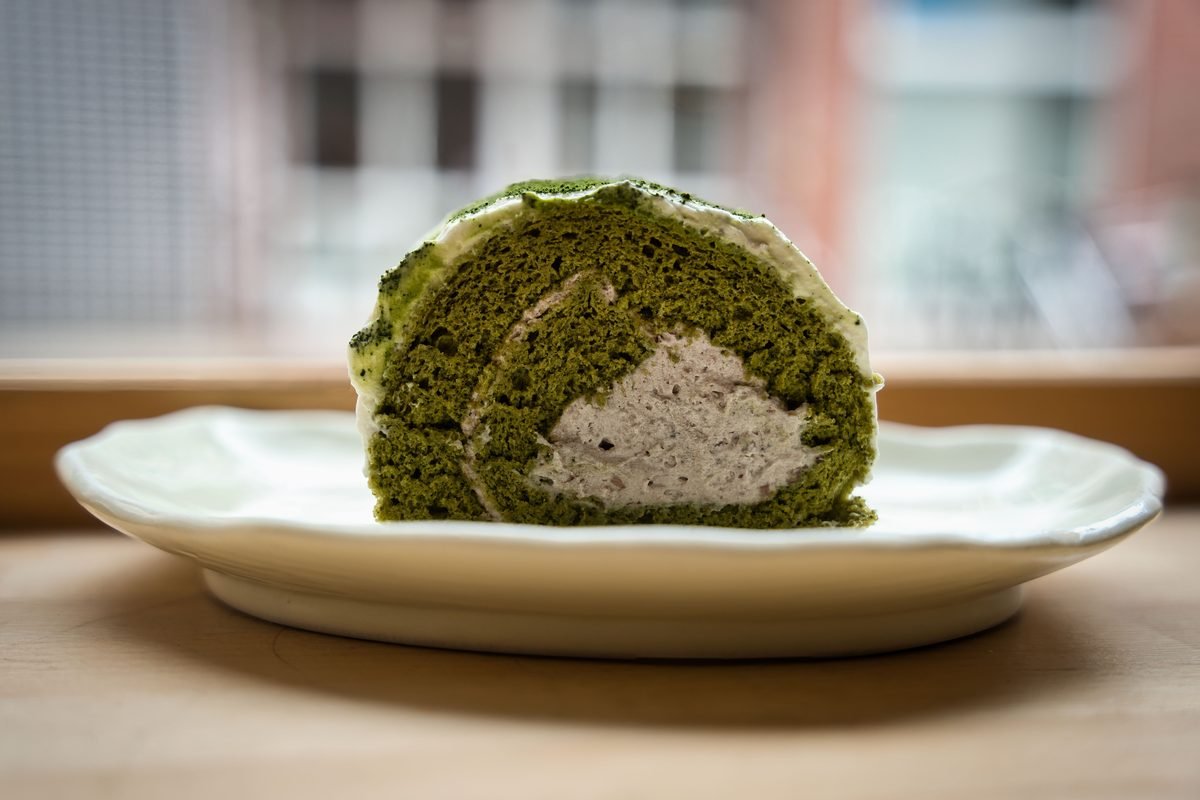
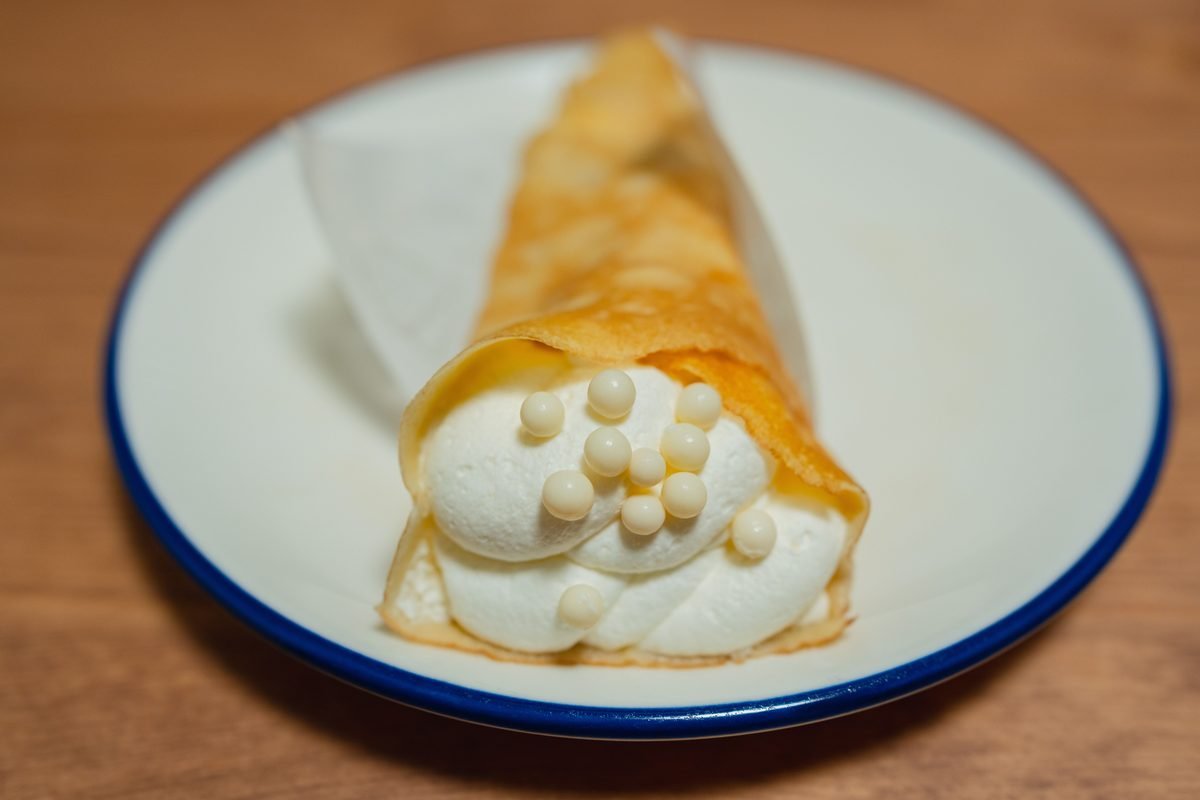
In the dessert fridge, look out for Lawson’s signature Premium Roll Cake, which costs about ¥220 (about $1.50). This dessert features a ring of incredibly light sponge cake filled to the brim with fresh, airy whipped cream. It is so delicate that you have to eat it with a spoon. 7-Eleven is famous for its double cream puffs, filled with both custard and whipped cream, priced at roughly ¥160 (about $1.10).
Do not skip the freezer aisle, especially during warmer months. You will find unique ice cream treats like Yukimi Daifuku, which are balls of vanilla ice cream wrapped in soft, chewy mochi. Another favorite is the Coolish pouch, which is a squeezable soft-serve ice cream that comes in flavors like vanilla, Belgian chocolate, and melon soda, costing around ¥170 (about $1.15). For a traditional treat, look for dango skewers coated in a sweet soy glaze, usually sold in packs of three for about ¥130 (about $0.90) near the bakery section.
How to heat pay and eat your convenience store food
Navigating the checkout process in a foreign country can be stressful, but Japanese convenience stores have made the system incredibly efficient. When you bring your items to the counter, the clerk will scan them quickly. If you have purchased a meal that is meant to be eaten warm, like a bento box, pasta, or soup, the clerk will point to it and ask, “Atatame-masu ka?” This means “Would you like me to heat this up?”
Simply reply with “Hai, onegai shimasu” (Yes, please) or a simple nod. They will pop the meal into a high-powered commercial microwave for a few seconds. If you prefer to heat it later at your accommodation, you can say “Daijoubu desu” (It is fine).
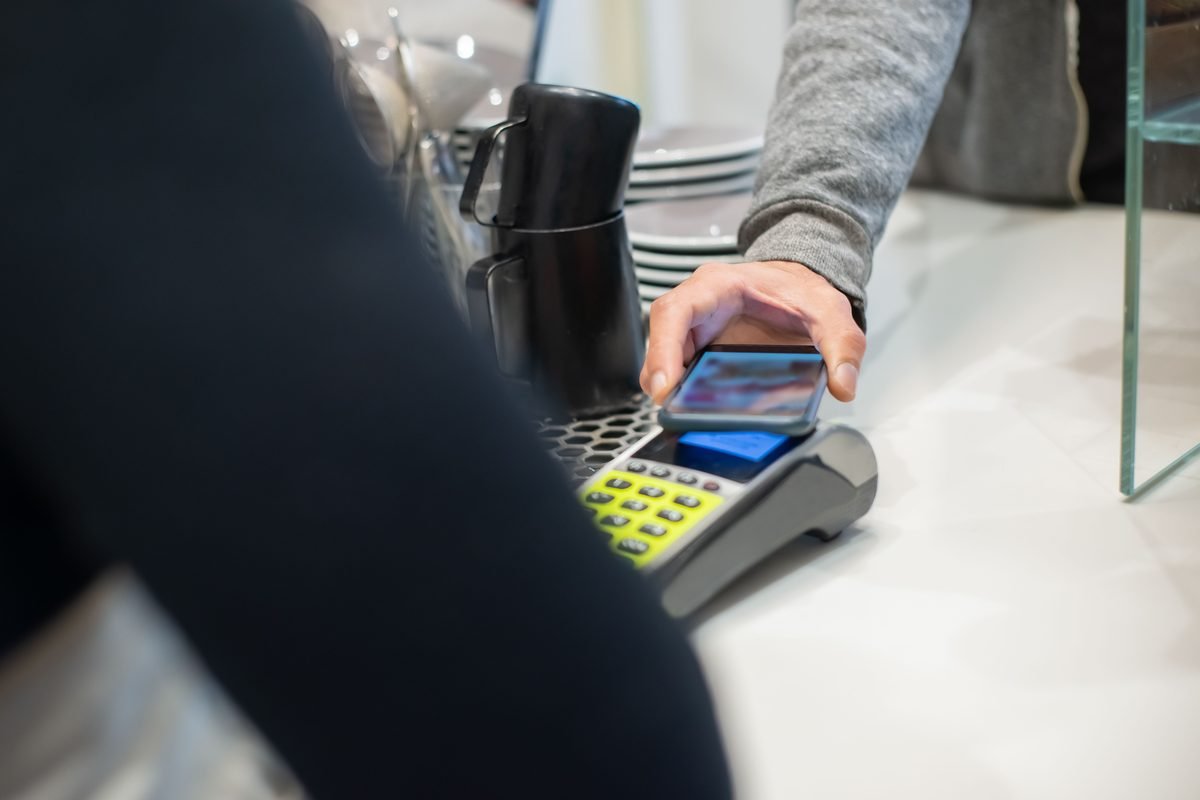
When it comes to payment, cash is still widely accepted, but electronic payments are much faster. You can use your digital IC card, such as Suica or Pasmo, which you can load onto your phone’s digital wallet. Simply tap your phone on the reader when the clerk prompts you. Credit cards are also accepted at almost all locations.
Once you have your food, you must follow local etiquette. Do not eat while walking. Walking and eating is considered impolite in Japan because of the risk of spilling food on others and the lack of public trash cans. Instead, eat your food in the designated eat-in area inside the store if one is available. Alternatively, take your meal to a nearby park or back to your hotel room. Always carry a small plastic bag with you to hold your trash, as public bins are rare.
Heads up: The Eat-In Tax Difference
If you use the store’s seating area, you must tell the cashier. The consumption tax increases from 8% to 10% for dine-in meals.
Practical tips for shopping at Japanese convenience stores
To make your konbini runs even smoother, there are a few practical habits to keep in mind. First, pay attention to the drink cases. While you will find familiar Western sodas, the real treasure lies in the massive selection of unsweetened teas. Try Oi Ocha for a classic green tea experience, or mugicha (barley tea) for a caffeine-free, roasty flavor. These typically cost around ¥150 (about $1.00) for a large bottle. For a morning boost, grab a small can of Boss Coffee or Georgia Coffee from the heated drink section, which keeps the cans piping hot.
Plastic bags now cost a small fee of about ¥3 to ¥5 (about $0.02 to $0.04) across Japan. It is highly recommended to carry a small, reusable tote bag in your pocket. If you do not want a bag, you can tell the clerk “Fukuro wa irimasen” (I don’t need a bag). They will place a small piece of tape on your items to show they have been paid for.
If you have specific dietary requirements or food allergies, shopping can be a bit of a challenge. Download a translation app with a camera function before your trip. You can hold your phone over the ingredient lists on the back of the packaging to check for hidden ingredients like pork, gelatin, or dairy. Finally, remember that these stores are also great places to withdraw cash. The ATMs inside 7-Eleven stores accept international cards with low fees.
What it costs in Japan
| Item | Local price | USD |
|---|---|---|
| Onigiri (Rice Ball) | ¥150 | $1.00 |
| Egg Salad Sandwich | ¥250 | $1.70 |
| Famichiki Fried Chicken | ¥230 | $1.60 |
| Katsu Bento Box | ¥550 | $3.80 |
| Unsweetened Green Tea (500ml) | ¥150 | $1.00 |
| Premium Roll Cake | ¥220 | $1.50 |
| Realistic Daily Food Budget (3 meals + snacks) | ¥1,550 | $10.60 |
Prices checked September 2026. Always confirm with the provider before you book.
Mistakes to avoid
- Eating your food while walking down the street, which is considered impolite and risks spilling on others.
- Throwing plastic wrappers and cans into the wrong recycling bins, as waste separation is strictly enforced.
- Assuming you can find public trash cans easily on the street, meaning you should carry a small plastic bag to hold your garbage.
FAQ
Which Japanese convenience store has the best food?
It depends on what you are looking for. 7-Eleven is widely considered the best for savory meals and high-quality bentos, while Lawson excels at desserts and fresh bakery items. FamilyMart is the go-to spot for hot fried chicken.
How do you heat up food at a Japanese convenience store?
The cashier will usually ask if you want your food heated up by saying “Atatame-masu ka?”. If you say yes, they will microwave it for you at the counter. Some stores also have self-service microwaves near the eating area.
Can you eat inside convenience stores in Japan?
Some larger stores have small eat-in counters with stools, but many smaller locations do not. Keep in mind that eating inside incurs a slightly higher consumption tax of 10% compared to the 8% take-out tax.
What is the most popular item in a Japanese convenience store food guide?
The most popular items mentioned in any Japanese convenience store food guide are the egg salad sandwich (tamago sando) and the crispy seaweed-wrapped rice balls (onigiri). FamilyMart’s hot fried chicken (Famichiki) is also exceptionally popular with both locals and travelers.
How do you pay at a Japanese convenience store?
You can pay with cash, major credit cards, or digital IC cards like Suica and Pasmo. To pay with an IC card, simply tap your phone or card on the reader at the register when prompted by the clerk.