Rome Public Transport Guide: Save Money and Avoid Fines


Stepping out of Termini Station at 8:00 AM, the roar of Rome hits you immediately. The air smells of espresso and diesel, and a sea of yellow taxis competes with red city buses. Navigating this historic maze can feel overwhelming to any newcomer trying to decipher tram tracks and metro gates.
This Rome public transport guide is designed for independent travelers who want to explore the city efficiently. We will break down the airport express trains, the ticket validation rules, the math behind multi-day passes, and the routes where walking is actually your fastest option.
How to get to Rome from the airport
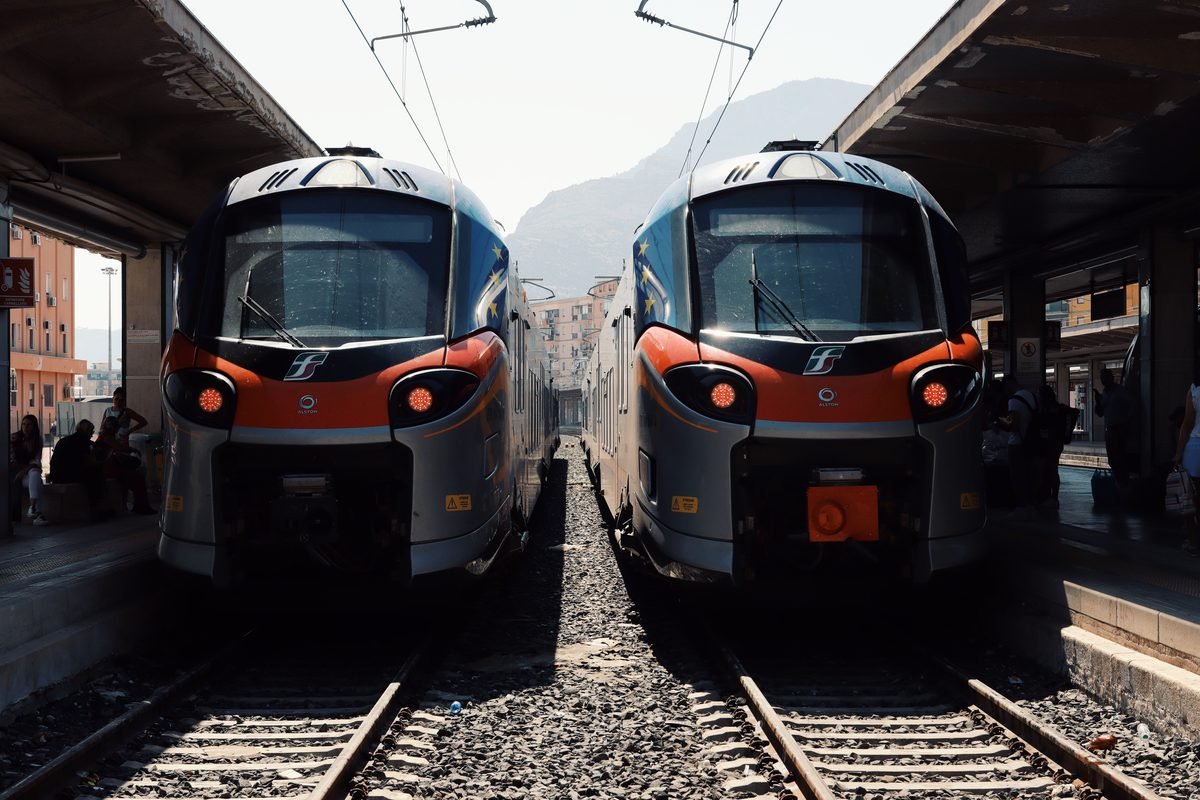
Landing at Fiumicino Airport (FCO) presents you with three distinct routes to the city center. The fastest and most convenient option is the Leonardo Express. This dedicated airport train runs directly to Termini Station every 15 to 30 minutes. The journey takes exactly 32 minutes and costs €14.00 (about $15.50) one way. The train is much faster. It bypasses the notorious Roman highway traffic entirely. Keep in mind that regional train tickets are not valid on this express route.
For travelers staying in southern or western neighborhoods like Trastevere or Testaccio, the FL1 regional train is a smarter choice. It costs €8.00 (about $8.85) and stops at major stations including Roma Ostiense and Roma Trastevere. However, it does not stop at Termini. If you are on a tight budget, several shuttle bus companies like Terravision and SIT operate from the terminal hubs. These buses cost roughly €6.00 to €7.00 (about $6.65 to $7.75) and take about an hour, depending heavily on the morning rush hour.
If you land at Ciampino Airport (CIA), options are slightly different. You can take a local ATRAL bus to the Anagnina metro station on Line A, which costs €1.20 (about $1.35), and then take the metro into town. Alternatively, direct shuttle buses run straight to Termini for about €6.00 (about $6.65). Taxis from both airports have flat-rate fares to the city center, which are currently set at €50.00 (about $55.30) from Fiumicino and €31.00 (about $34.30) from Ciampino. Always ensure you board an official white taxi at the designated stand rather than accepting rides from drivers waiting inside the terminal.
Book ahead: Book Train Tickets Online
Book the Leonardo Express tickets online in advance to bypass the long queues at the Termini station ticket windows.
When to use Rome transit and peak hours
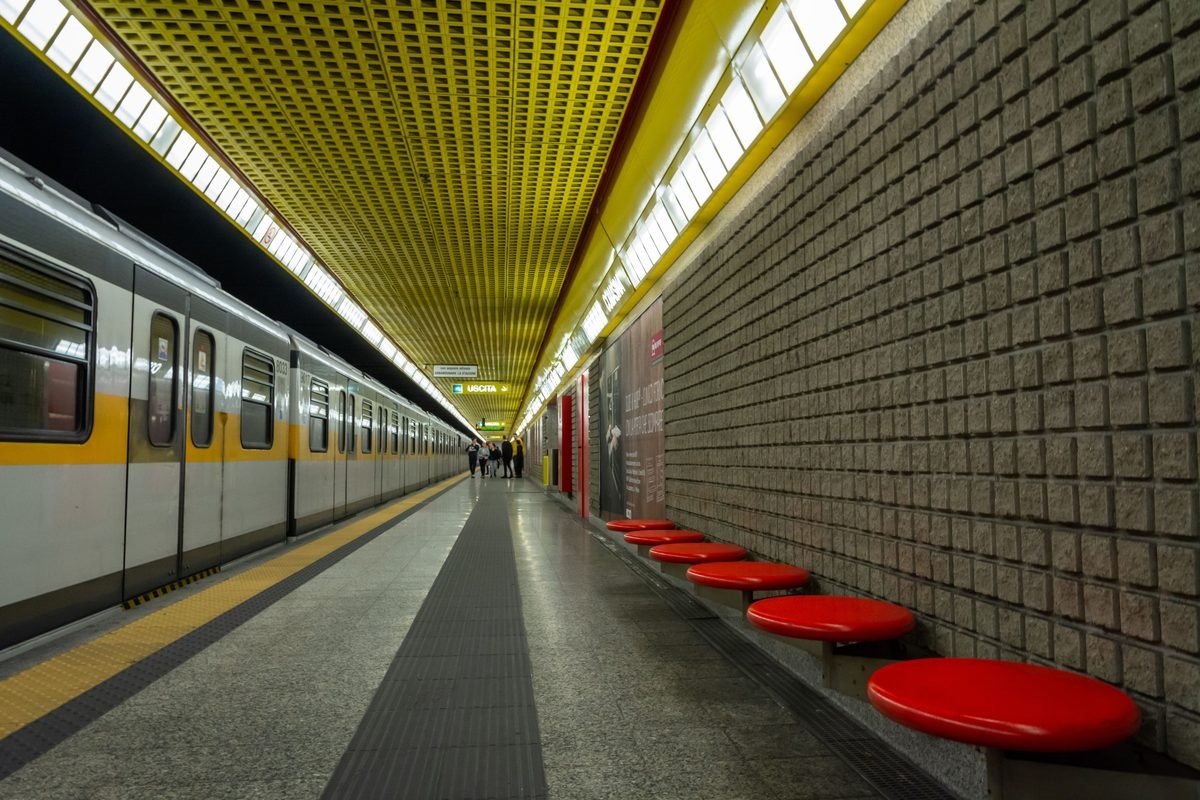
Timing your transit usage in Rome can make the difference between a pleasant ride and being wedged under someone’s armpit. Peak commute hours run from 8:00 AM to 9:30 AM and again from 5:30 PM to 7:30 PM on weekdays. During these windows, Metro Lines A and B operate at maximum capacity. If you must travel during these hours, consider walking short distances or using the tram network, which tends to feel slightly less claustrophobic.
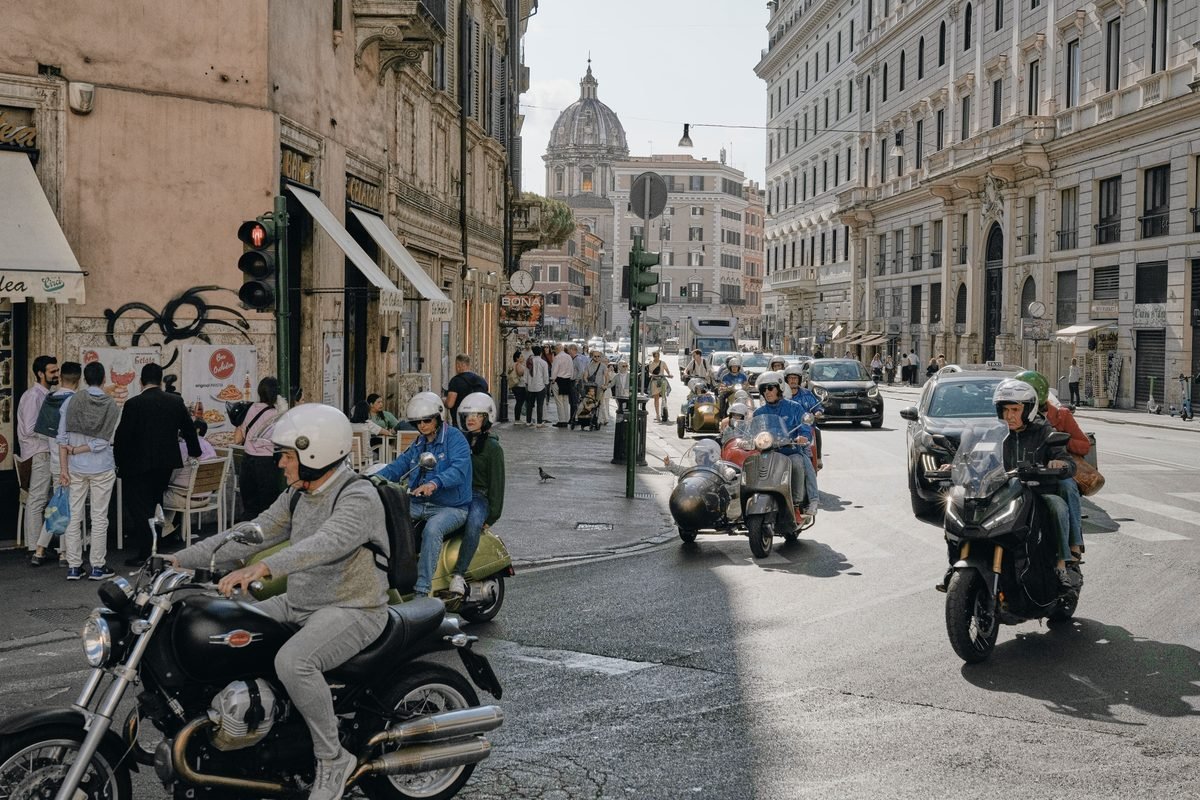
Strikes are a regular occurrence. Nationally coordinated transport strikes, known locally as ‘sciopero’, frequently happen on Fridays. Italian law requires transit agencies to guarantee minimum service during peak commuting hours, typically from 5:30 AM to 8:30 AM and from 5:00 PM to 8:00 PM. Outside of these guaranteed windows, metro stations will close, and buses will simply stop running. It is wise to monitor local news or check the Italian Ministry of Transport website a few days before your trip to see if any actions are planned.
Summer transit presents its own challenges. While the metro cars on Line A and Line B are generally air-conditioned, the underground stations themselves are incredibly hot and humid. Buses are hit-or-miss; older models often have broken air conditioning units, making afternoon journeys in July and August highly uncomfortable. During the late evening, bus frequencies drop significantly. After 10:00 PM, waiting times for a bus can easily stretch to 30 minutes or more. For late-night travel, the metro runs until 11:30 PM from Sunday to Thursday, and until 1:30 AM on Friday and Saturday nights, making it a reliable option for getting back to your lodging.
Heads up: Watch Out for Sciopero
Always check the Italian Ministry of Transport’s official strike portal before your trip to avoid getting stranded during a planned transit strike.
Rome public transport guide to tickets and routes
Understanding how to buy and use tickets is the most critical part of using the Roman transit system. The standard single-ride ticket is called the BIT, which costs €1.50 (about $1.65) and is valid for 100 minutes from the moment of validation. This ticket allows you to transfer between buses and trams as many times as you like, but it is only valid for a single entry into the metro system. Always validate your paper ticket. You must insert it into the yellow machines onboard buses and trams immediately upon boarding. If you enter the metro, the turnstile validates it automatically.
Rome has embraced contactless payments with its ‘Tap & Go’ system. You can tap your contactless credit card, debit card, or smartphone at the metro turnstiles and on reader machines installed on most buses and trams. If you tap on a bus, you must tap again only if you transfer to another vehicle. Never buy from unauthorized sellers. Ticket inspectors wear plain clothes but carry official electronic badges. They regularly board buses and fine passengers €50.00 (about $55.30) plus the ticket cost if they catch you with an unvalidated ticket or an unpaid fare.
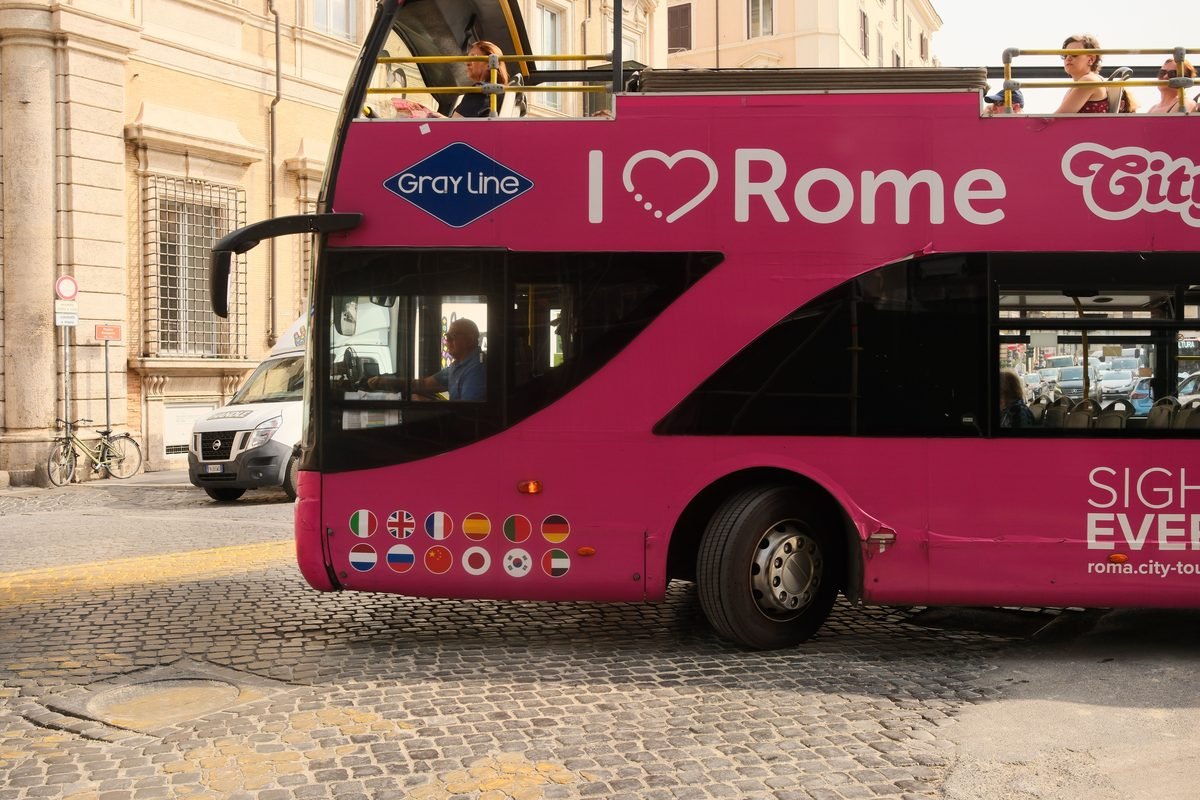
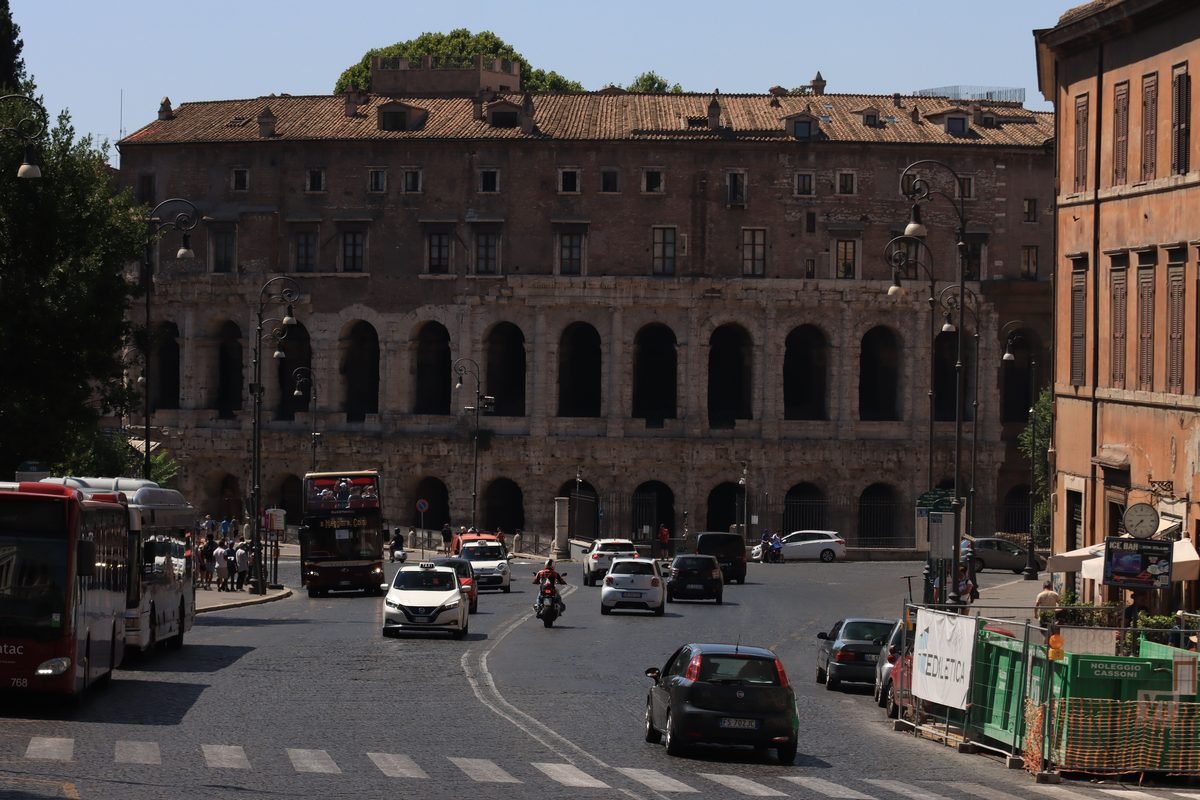
The metro network is simple. Line A (orange) runs from the northwest to the southeast, stopping near the Vatican, Spanish Steps, and Termini. Line B (blue) runs from northeast to south, passing the Colosseum and Tiburtina station. They intersect only at Termini. Trams are highly useful but often ignored by tourists. Route 3 acts as a scenic semi-circle around the historic center, linking Trastevere, Testaccio, the Colosseum, and San Lorenzo. Route 8 connects Trastevere directly to Piazza Venezia, making it one of the most practical lines for sightseeing.
From a local: Use the Same Contactless Card
If you use Tap & Go, make sure you use the same card or device for your entire journey to avoid being charged multiple times for transfers.
Is the 72 hour Rome transport pass worth it
ATAC, the municipal transit agency, offers several multi-day passes. The 24-hour pass costs €7.00 (about $7.75), the 48-hour pass is €12.50 (about $13.80), and the 72-hour pass is €18.00 (about $19.90). There is also a weekly pass, the CIS, which costs €24.00 (about $26.50). To make the 72-hour pass financially viable, you must take at least 13 trips over three days. For most independent travelers, this math simply does not add up because Rome is surprisingly compact.
Most iconic sights are clustered close together in the historic center. For example, walking from the Pantheon to the Trevi Fountain takes roughly 10 minutes. Walking from the Spanish Steps to Piazza Navona takes about 15 minutes. If you try to take transit between these points, you will spend more time walking to the nearest bus stop, waiting for the vehicle, and navigating traffic than you would by simply walking. The historic center lacks metro stations because digging underground inevitably uncovers priceless Roman ruins, which halts construction immediately.
Walking is not just faster; it is also the best way to experience the city’s architecture. When you rely solely on buses or the metro, you miss the quiet alleyways, the sudden views of ancient obelisks, and the small neighborhood cafes. Save your transit usage for longer journeys, such as traveling from Termini to the Vatican, or heading down to the Appian Way. For general sightseeing within the historic bend of the Tiber River, your own feet are the most efficient and rewarding mode of transport. Use single-ride tickets or contactless taps for those few moments when your feet are truly exhausted at the end of a long day.


Best places to eat near Termini and Ostiense
Transit hubs are notorious for overpriced, mediocre food, but Rome offers some stellar exceptions if you know where to look. If you find yourself at Termini Station with an hour to spare before your train, avoid the tourist-trap cafes outside the main entrance. Instead, head inside to Mercato Centrale Rome, located on the Via Giolitti side of the station. This high-end food hall features stalls run by some of the city’s finest artisanal food producers. You can grab a trapizzino—a thick, triangular pocket of pizza dough stuffed with classic Roman ingredients like chicken cacciatore or oxtail stew—for about €5.00 (about $5.50).
If you are transiting through Ostiense station, you are in luck. This station sits right next to the Garbatella and Testaccio neighborhoods, which are famous for traditional Roman cuisine. Just a short walk from the tracks is the massive Eataly Rome store, housed in an old air terminal. It features multiple floors of restaurants serving high-quality pasta, wood-fired pizza, and fresh seafood. For a more traditional experience, walk ten minutes into Testaccio to visit the local market. Here, stalls like Mordi & Vai serve legendary beef tripe and simmered beef sandwiches for under €6.00 (about $6.65).
Near the Flaminio metro station, just north of Piazza del Popolo, skip the busy piazzas and head down the side streets. A short walk leads to small local trattorias serving exceptional plates of cacio e pepe and amatriciana for roughly €12.00 to €15.00 (about $13.30 to $16.60). Always look for places where the menus are printed only in Italian and the dining room is filled with locals rather than tourists carrying guidebooks.


Practical safety tips for Rome buses and metro
Navigating Roman transit requires a blend of street smarts and digital tools. Pickpockets love crowded buses. The most notorious route is Bus 64, which runs from Termini to the Vatican and is constantly packed with distracted tourists. Keep your bags in front. Never put your wallet or phone in your back pocket. If you are boarding a crowded metro car, hold your backpack on your chest and keep a hand over the zippers. Be particularly alert during the chaotic moments when people are pushing to get on or off the train.
To navigate the system like a local, download the right smartphone apps. While Google Maps is decent for basic routes, it often fails to account for real-time bus delays or route deviations. Citymapper and Moovit are far more accurate for Rome’s transit network. They provide real-time arrival estimates and will warn you about active strikes or construction detours. You can also use the MooneyGo app to purchase digital tickets directly on your phone, which saves you from searching for a working ticket kiosk or a tobacco shop (‘Tabacchi’) open late at night.
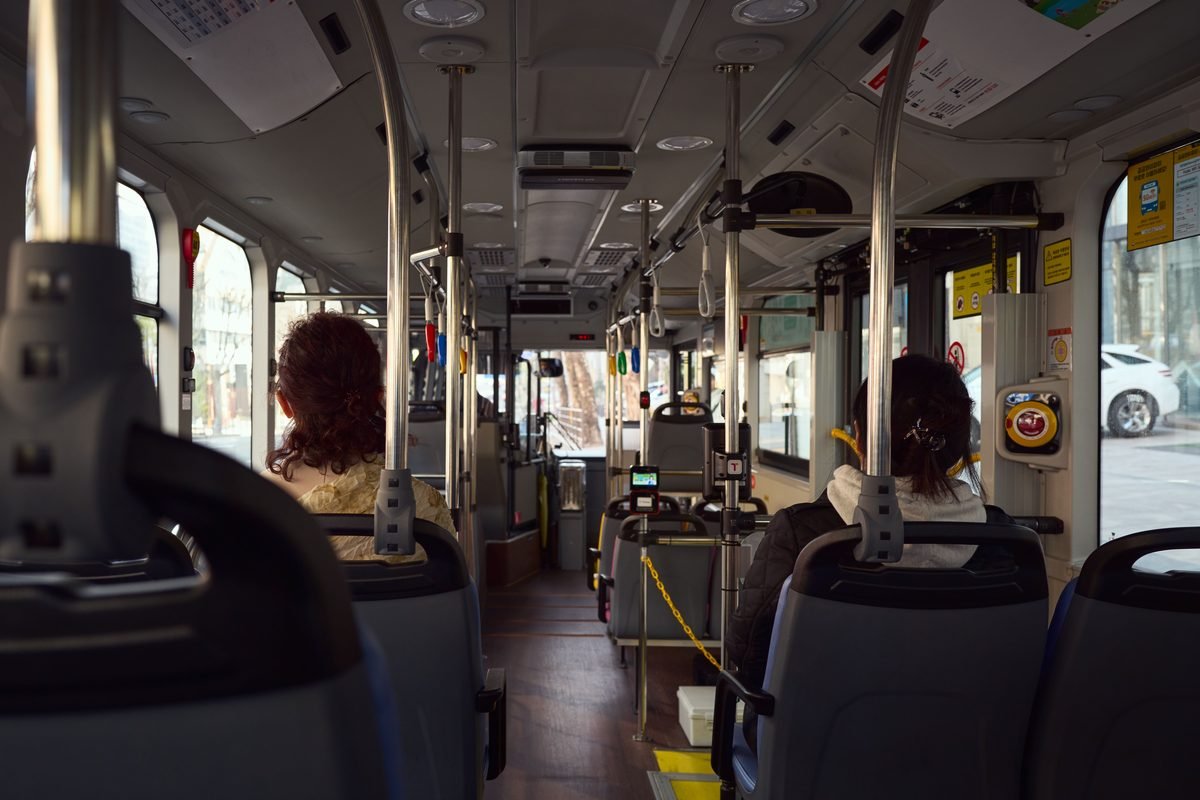
Keep in mind that bus drivers do not sell tickets onboard. You must have a pre-purchased ticket or use a contactless card before boarding. If you choose to use paper tickets, always buy a couple of extra ones to keep in your wallet for emergencies. Tobacco shops, marked with a large ‘T’ sign, are the most reliable places to buy tickets, but they often close early on Sundays. If you find a station ticket machine that is broken or out of order, do not assume you can ride for free; you are still expected to find an alternative way to pay before boarding.

What it costs in Rome
| Item | Local price | USD |
|---|---|---|
| Single transit ticket (BIT) | €1.50 | ($1.65) |
| Leonardo Express (one way) | €14.00 | ($15.50) |
| FL1 regional train (one way) | €8.00 | ($8.85) |
| 72-hour transit pass | €18.00 | ($19.90) |
| Taxi from Fiumicino Airport (flat rate) | €50.00 | ($55.30) |
| Espresso at a cafe bar (standing) | €1.20 | ($1.35) |
| Plate of pasta at a local trattoria | €13.00 | ($14.40) |
| Realistic daily transit & food budget | €45.00 | ($49.75) |
Prices checked September 2026. Always confirm with the provider before you book.
Mistakes to avoid
- Forgetting to validate paper tickets on buses and trams, which leads to immediate €50 fines.
- Buying a multi-day transit pass when planning to stay entirely within the highly walkable historic center.
- Taking unofficial taxis or failing to confirm the flat-rate fare from the airport before getting in.
FAQ
How do I pay for the bus in Rome?
You can pay by tapping a contactless credit card, debit card, or smartphone on the reader machines inside the bus. Alternatively, you can purchase a paper BIT ticket from a tobacco shop (‘Tabacchi’) or station kiosk before boarding and validate it in the yellow machine onboard.
Can I use contactless cards on the Rome metro?
Yes, all metro stations in Rome support contactless payments. Simply tap your card or smartphone at the orange turnstiles to enter, and there is no need to tap out when exiting.
Is there a Rome public transport guide for airport transfers?
Yes, this Rome public transport guide recommends taking the Leonardo Express train for €14.00 (about $15.50) to Termini Station, or the FL1 regional train for €8.00 (about $8.85) if you are staying in Trastevere or Ostiense.
What is the fine for not validating a ticket in Rome?
The standard fine for riding with an unvalidated ticket is €50.00 (about $55.30) if paid on the spot, plus the cost of the ticket. If you refuse to pay immediately, the fine can increase significantly.
Does Google Maps work well for Rome buses?
Google Maps works decently for basic routing, but it often misses real-time transit delays and route changes. For the most accurate real-time timetables and strike alerts, download Citymapper or Moovit.