Barcelona Pickpocket Safety Tips: How to Outsmart Thieves

Picture the crowded platform at Diagonal metro station on a weekday afternoon. The train pulls in, the crowd surges for the doors, and someone nudges your left shoulder. By the time you reach for your front pocket, another hand is already halfway inside. This is how fast it happens.
This guide is for independent travelers who want to enjoy the Catalan capital without becoming a statistic. We will cover essential Barcelona pickpocket safety tips, dissecting the exact methods thieves use on Metro L3, the beaches, and outside major landmarks like the Sagrada Familia. You will learn how to carry your gear, spot common scams, and react if something goes missing.
Essential Barcelona pickpocket safety tips for the metro
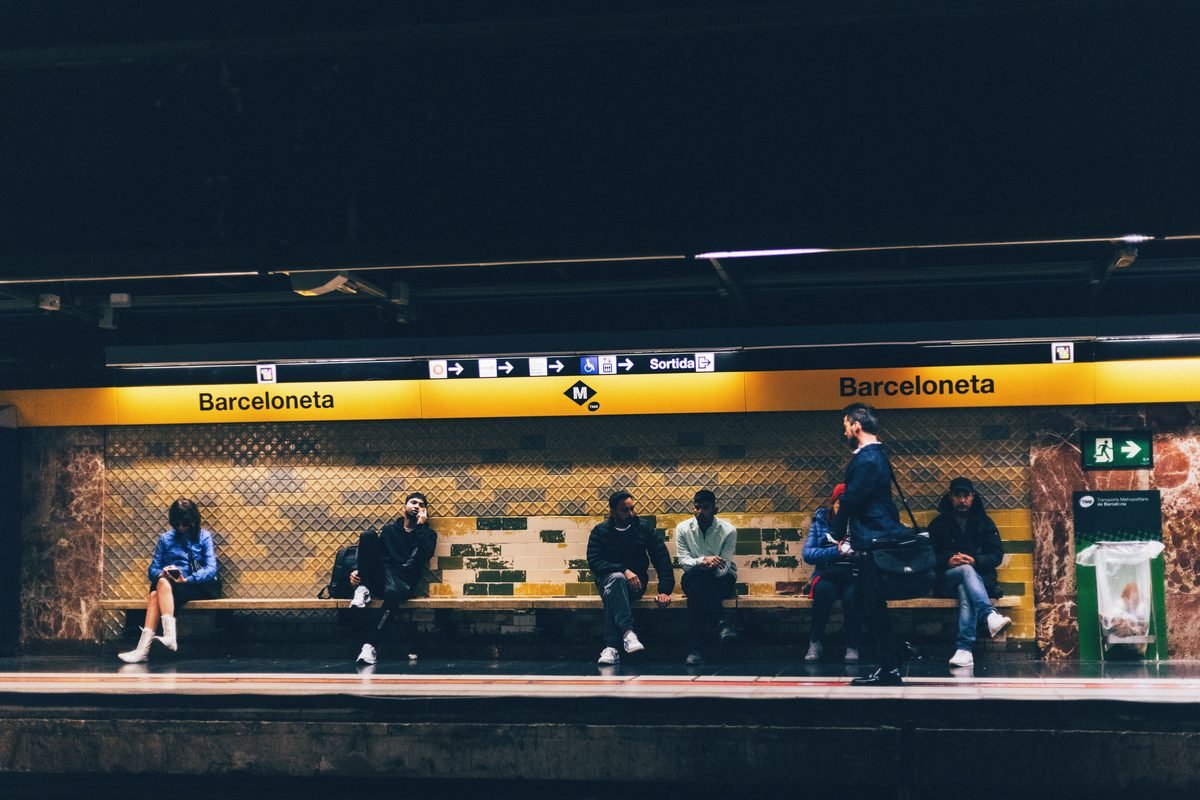
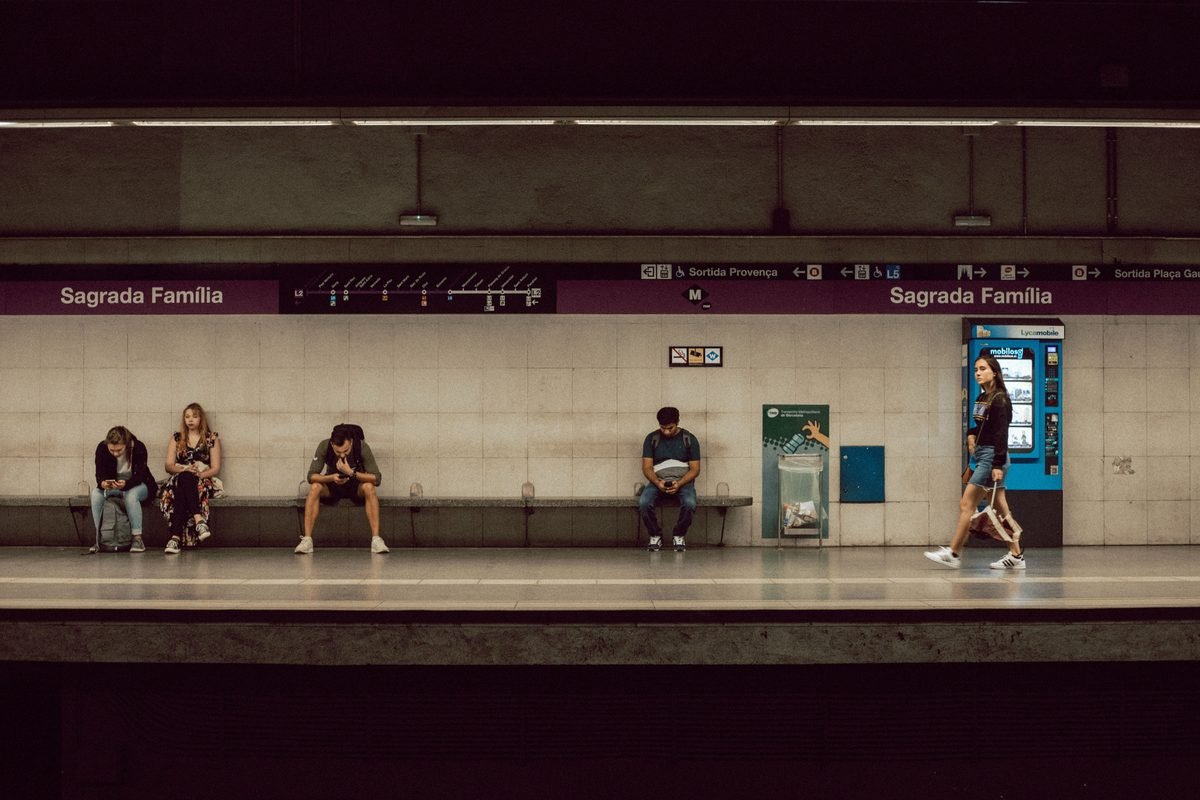
Navigating Barcelona is incredibly easy, but the transit system is the primary playground for professional pickpockets. The green line, Metro L3, is notorious because it links major transit hubs like Sants Station and Plaça d’Espanya with tourist hotbeds like Liceu and Passeig de Gràcia. When you board these trains with heavy luggage, you become an immediate target. Thieves look for the telltale signs of a newly arrived traveler: eyes glued to the map, hands full of bags, and a distracted expression.
The most common tactic on Metro L3 is the “block and bump,” locally known as the tapón. As you attempt to board a crowded carriage, the person directly in front of you will suddenly stop or drop a coin, blocking the doorway. While you are momentarily stuck, their accomplice behind you pushes forward, pretending to be impatient. In that brief second of physical contact, your pockets are cleared. It happens in seconds, and most victims do not notice until the train has pulled away.
To protect yourself, never stand near the carriage doors. Move deep into the train car where there is less foot traffic. If someone crowds you on an empty train, move away immediately. Keep your backpack on your chest, wrapping your arms over it. When taking the Aerobús from El Prat Airport, which costs €6.75 (about $7.40) one way, keep your small valuables with you at your seat rather than leaving them in the luggage racks near the doors. If you use the R2 Nord train, remain highly alert during stops, as thieves often grab bags from seats just as the doors are closing and run onto the platform. Always buy your tickets at the official TMB machines. The standard single ticket costs €2.55 (about $2.80), but most visitors opt for the T-casual card at €12.15 (about $13.35) for ten rides. Keep your transit card in an easily accessible but secure inner pocket so you do not have to pull out your entire wallet at the turnstiles.
Heads up: Watch the escalator handrails
Thieves often stand on the step above you on long escalators, reaching down into your shoulder bag while you look forward. Always hold your bag in front of your waist when riding escalators.
When to visit Barcelona and how crowds affect safety
Choosing when to visit Barcelona involves balancing pleasant weather with crowd sizes. The peak summer months of July and August bring intense heat and a massive influx of tourists. This high density of visitors creates an ideal environment for pickpockets, who blend seamlessly into the crowds. September is a beautiful time to visit, with warm sea temperatures and slightly fewer tourists. However, late September hosts the massive La Mercè festival, which fills the streets with free concerts, fire runs, and human towers. During these crowded public celebrations, theft rates spike significantly.
The shoulder seasons of spring (April to May) and autumn (October to November) offer the best balance. The weather is comfortable for walking, and the streets are less congested, making it much easier to spot suspicious behavior. In winter, tourism slows down, but you still need to be cautious around major shopping streets during the Christmas holidays.
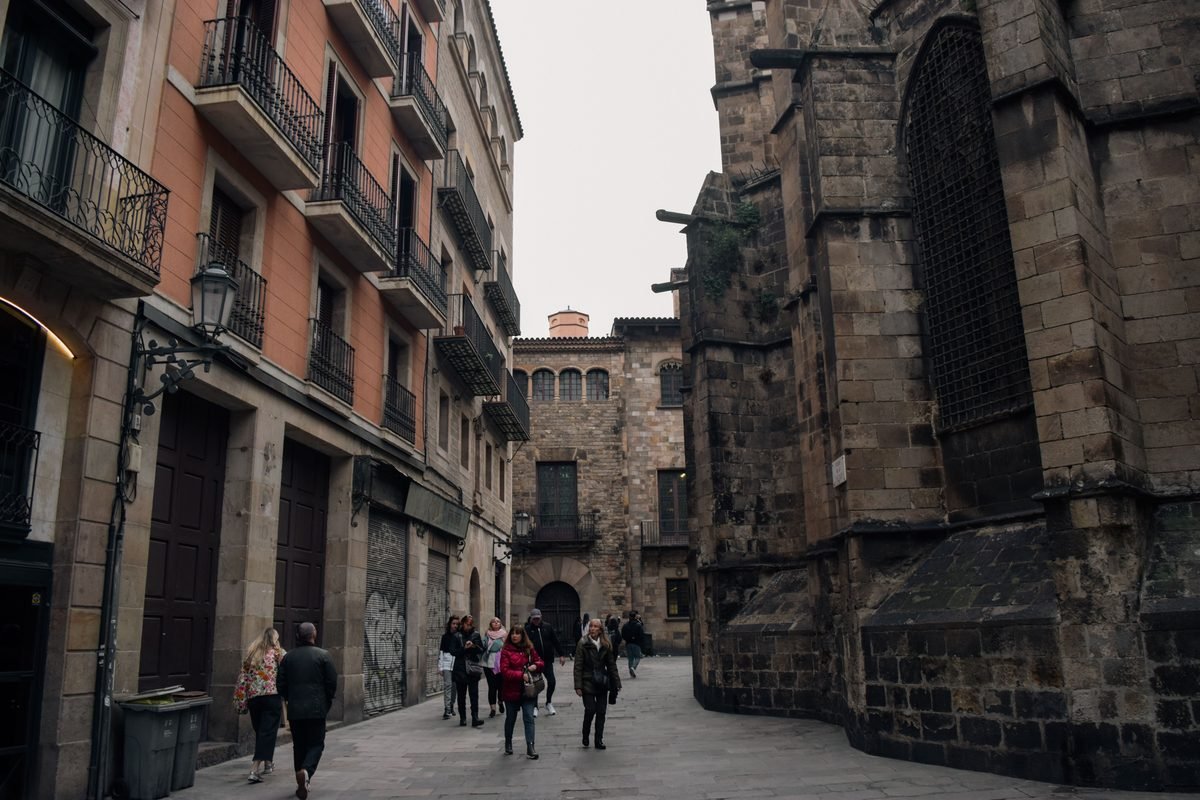
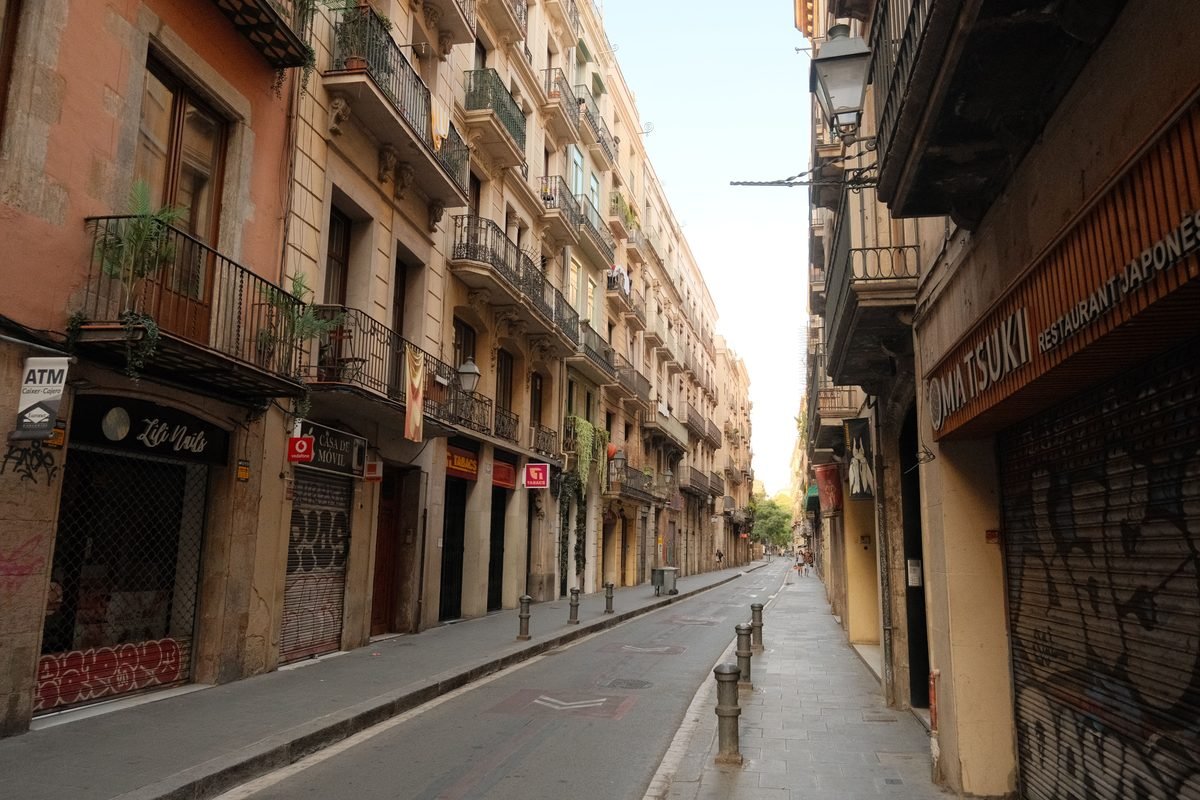
Regardless of the season, time of day plays a major role in safety. The hours between 2:00 PM and 5:00 PM are prime times for street theft. This is when travelers are tired from walking, perhaps slightly sluggish after a heavy lunch, and less observant. Keep your wits about you. Nighttime brings different challenges, especially around the nightlife districts of El Raval and the Gothic Quarter. After midnight, pickpockets shift their tactics from stealthy dips to aggressive distractions, often targeting travelers who have had a few drinks. If you plan to enjoy the local nightlife, take a registered black-and-yellow taxi back to your accommodation. A typical ride within the city center costs between €10.00 and €15.00 (about $11.00 to $16.50), which is a small price to pay for peace of mind.
Tip: The golden hour warning
Sunset is the most popular time for photos, but holding your phone up high makes you vulnerable. Grip your phone firmly with two hands, and never leave it on a ledge while posing.
What to do at Barcelona hotspots and beaches to avoid theft
Barcelona is home to some of the world’s most famous landmarks, but places like La Rambla, Barceloneta beach, and the plazas around the Sagrada Familia require constant vigilance. La Rambla is famous for its flower stalls and street performers, but it is also the most concentrated area for pickpockets in Europe. Avoid stopping to watch three-card monte games or street performers unless your hands are firmly gripping your valuables. These performances are frequently staged by groups where accomplices work the crowd, slicing pockets while eyes are fixed on the show.
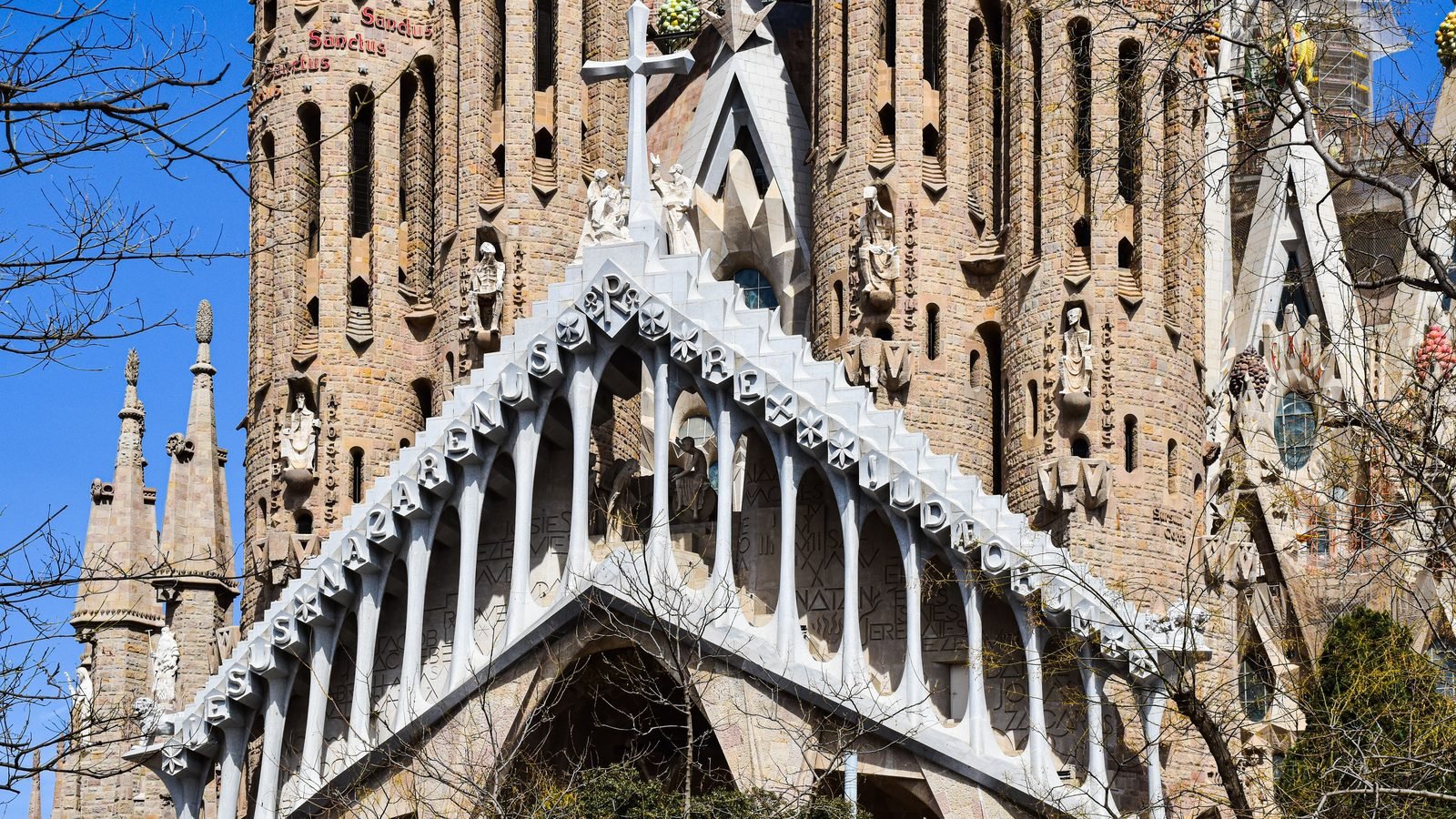
At the Sagrada Familia, the danger zone is not inside the basilica, but in the surrounding parks and ticket queues. Scammers often approach visitors holding maps, asking for directions or pretending to sell cheap souvenirs. Some may wear fake official-looking lanyards and offer to “help” you scan your digital tickets, only to snatch your phone or demand a high fee. Always buy your tickets directly from the official Sagrada Familia website weeks in advance; standard entry is €26.00 (about $28.50).
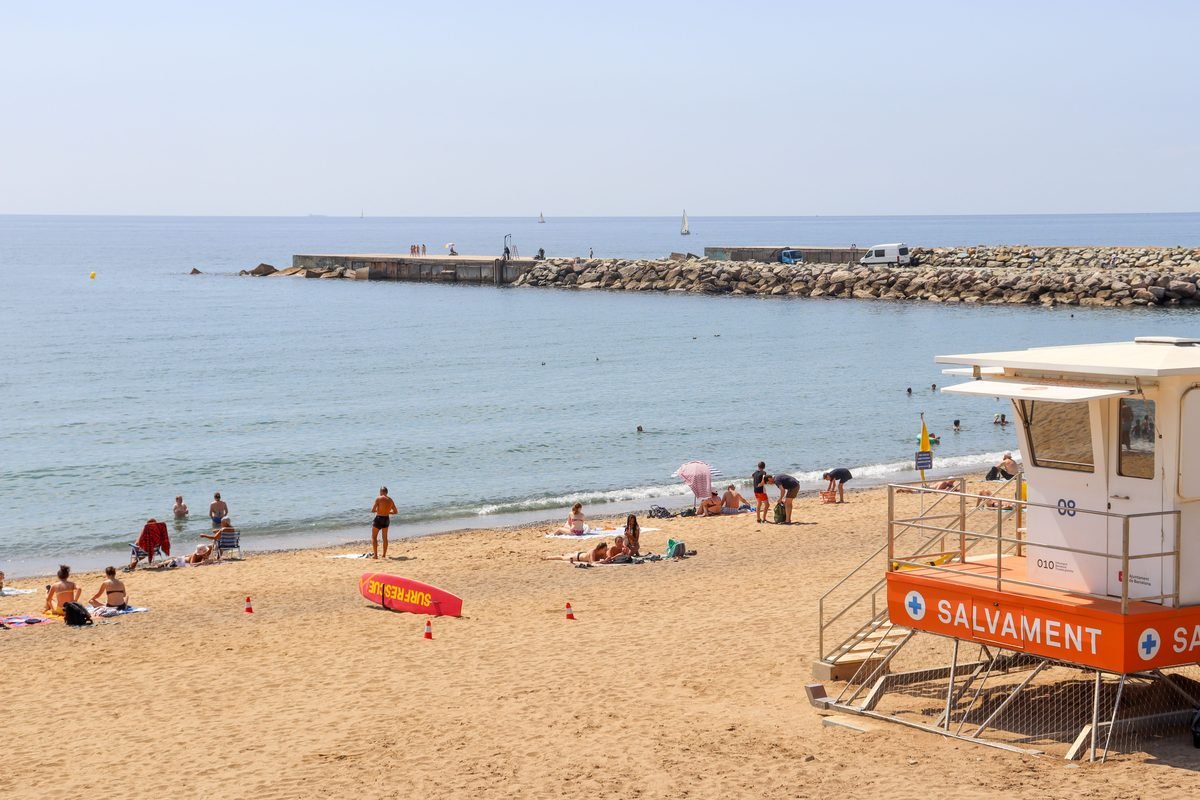
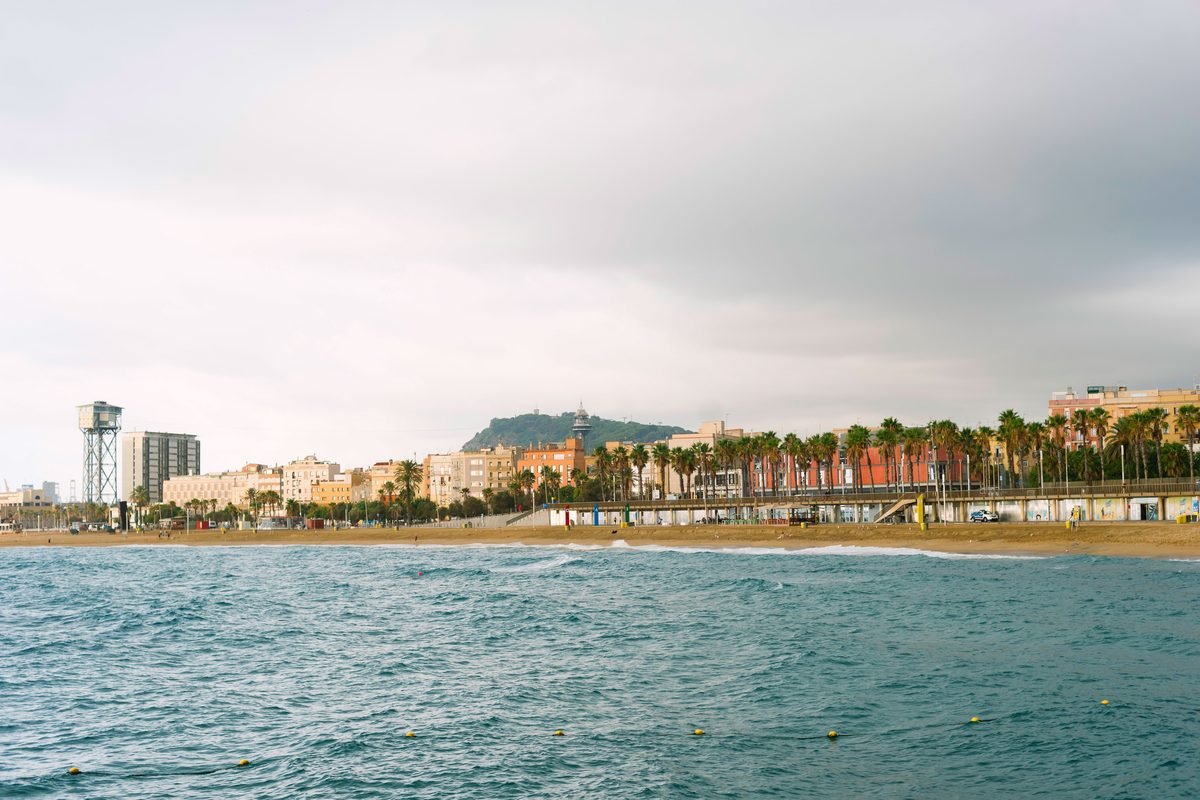
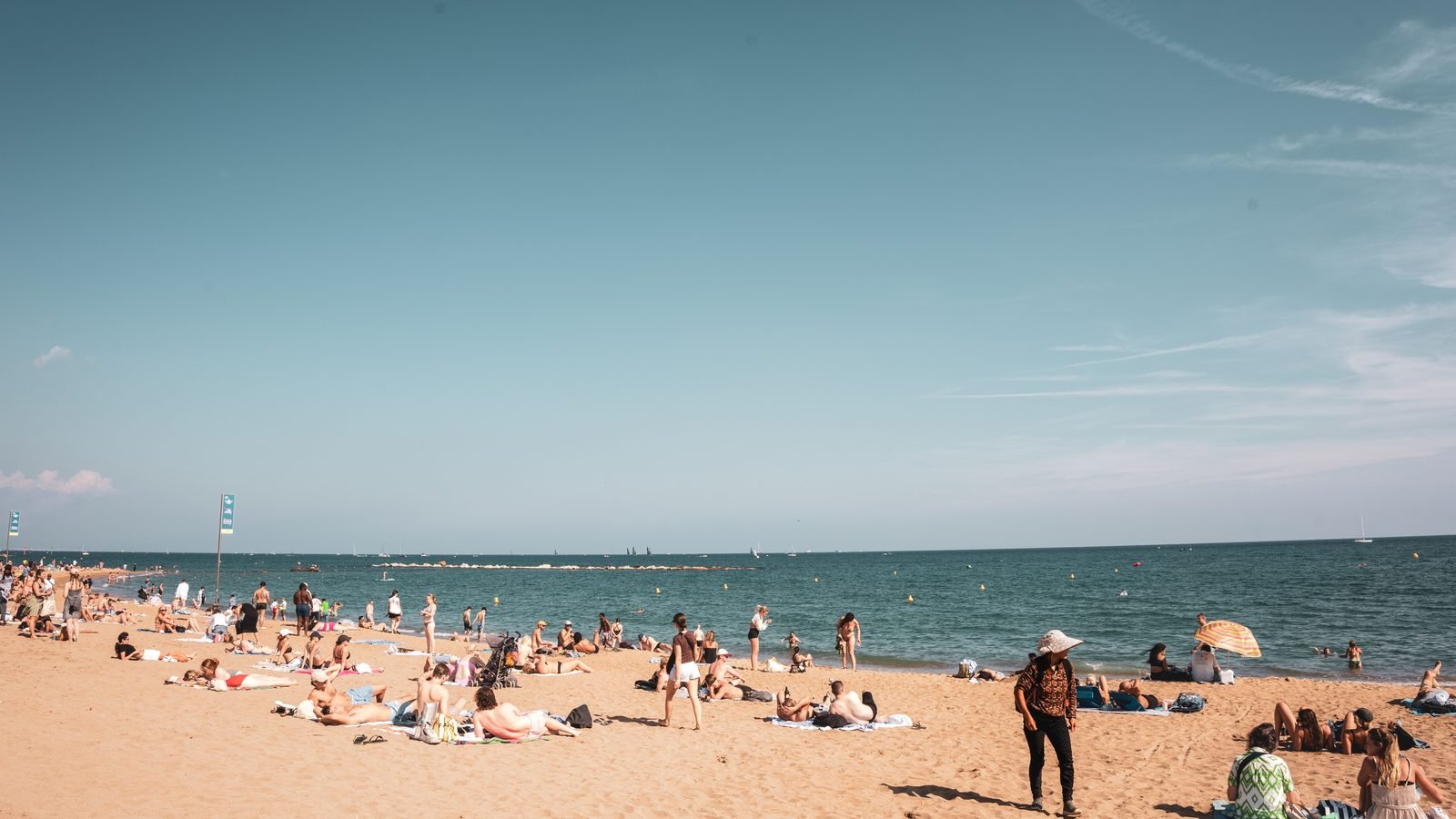
The beach is another high-risk zone. Barceloneta and Bogatell beaches are heavily patrolled, yet thefts occur constantly. The classic mistake is leaving your belongings on your towel while you go for a swim. Thieves watch the sand from the boardwalk, waiting for you to enter the water. They can scoop up a tote bag in a fraction of a second. If you are traveling alone, do not go into the water unless a neighbor on the beach agrees to watch your things, though even this is risky. Alternatively, use a waterproof pouch for your phone and cash, and leave your expensive camera at your hotel. Never put bags down on the sand without anchoring them to your beach chair or wrapping the strap around your ankle.
From a local: The 'mojito' beach sellers
Avoid buying drinks from unlicensed vendors walking the sand. Apart from health risks, these interactions are often used to distract you while an accomplice grabs your bag from behind your towel.
Where to eat in Barcelona safely
Dining in Barcelona is a highlight of any trip, whether you are enjoying fresh tapas in El Born or seafood in Barceloneta. However, outdoor terraces are primary targets for opportunistic thieves. When you sit down at an outdoor table, you naturally let your guard down. This is exactly what thieves rely on.
The most common restaurant scam is the “paper distraction.” While you are looking at the menu, someone will approach your table holding a map, a petition, or a cardboard sign. They will place the paper directly over your phone, which is sitting on the table. They will speak rapidly, asking for signatures or directions. When you politely refuse and they lift the paper, your phone is gone, hidden underneath the sheet. I always do this: keep my phone in a zipped pocket or bag, never on the table. If you must use your phone, grip it tightly and put it away immediately after.
Inside restaurants, the danger does not disappear. Never hang your jacket or purse on the back of your chair. Thieves walk through busy dining rooms pretending to look for a table or a restroom, sliding their hands into the pockets of jackets draped over chairs as they pass. Keep your bag on your lap, or place it on the floor between your feet with your chair leg looped through the strap. When paying for your meal, do not pull out large bundles of cash. A typical meal of tapas and a drink costs around €20.00 to €30.00 (about $22.00 to $33.00). Most places accept contactless card payments, which is much safer than carrying physical Euros.
Be particularly cautious in crowded food markets like La Boqueria. While the colorful fruit displays and ham stalls are incredibly tempting, the narrow aisles force shoppers close together. This physical proximity makes it incredibly easy for a pickpocket to open a backpack zipper without the owner realizing. Enjoy the food, but remain aware of your surroundings.

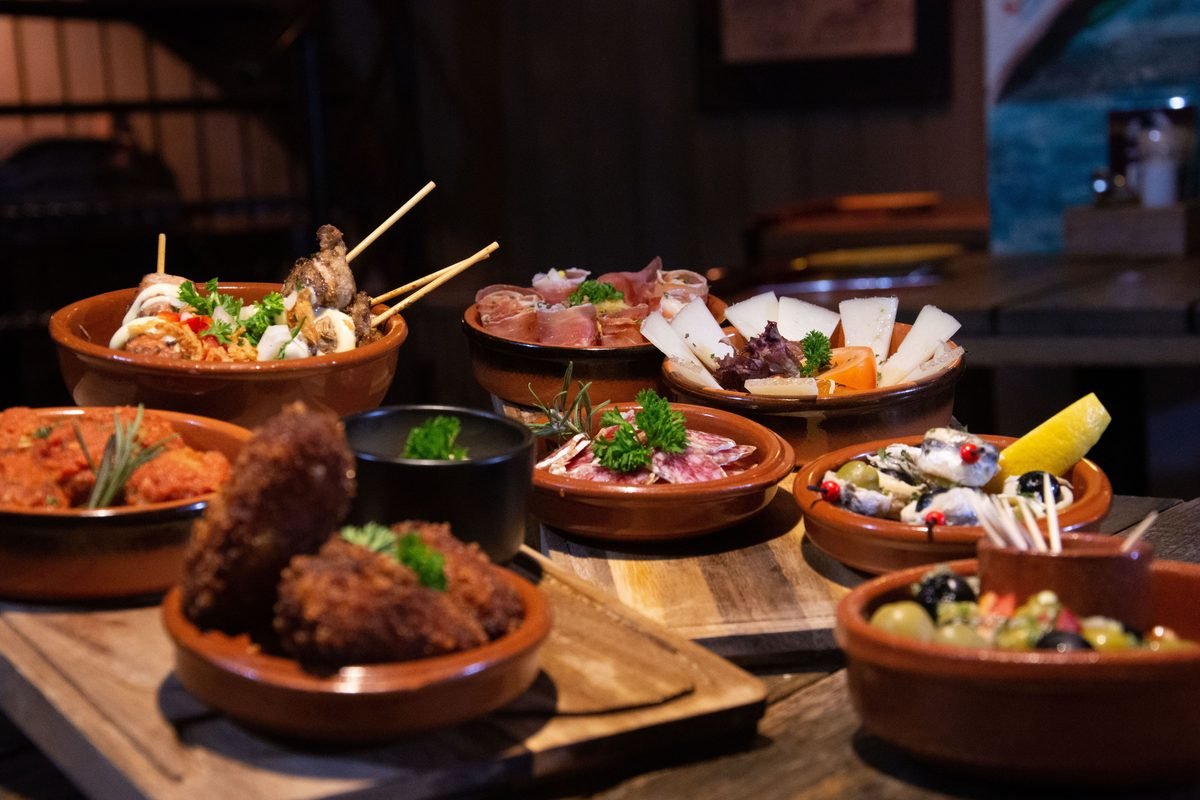
From a local: The hook under the table
Many modern restaurants in Barcelona have small hooks installed under the bar or table. Use them to hang your bag, but ensure the strap is wrapped securely so it cannot be easily slipped off.
Practical bag rules and what to do if you are robbed
Preventing theft in Barcelona comes down to making yourself a difficult target. Pickpockets are looking for easy opportunities. If you make your belongings hard to reach, they will simply move on to someone else. The golden rule of packing for Barcelona is to leave your backpack at home unless it is an anti-theft model with rear-facing zippers. Instead, opt for a sturdy crossbody bag with a thick, slash-resistant strap. Wear the bag across your chest, keeping your hand resting naturally over the main zipper. Consider consulting our recommended packing list for Europe for secure gear options.
If you prefer to carry a backpack, always wear it on your front when walking through busy areas, boarding transit, or standing in lines. Never put anything valuable in the outer pockets of your bag. Keep your passport, spare credit cards, and emergency cash in a secure travel pouch worn under your clothes, or leave them in your hotel safe.
If the worst happens and you are victimized, you must act quickly. First, freeze your credit cards immediately using your banking app. Next, you need to file a police report. This is essential for insurance claims and to replace a stolen passport. You can file a report at any station of the local police, the Mossos d’Esquadra. The most convenient station for tourists is located inside the Plaça de Catalunya metro station, or the main station at Nou de la Rambla in El Raval.
The police officers here are accustomed to dealing with tourists and often speak English. Be prepared to wait, as these stations can be very busy. You will need to provide the serial numbers of any stolen electronics, so keep a record of these in your email or cloud storage. If your passport was stolen, you will also need to contact your national embassy or consulate in Barcelona or Madrid to arrange for an emergency travel document.
Book ahead: Register your tech before you go
Before leaving home, write down the IMEI numbers of your phones and serial numbers of your cameras. The police will require these to file an official report, which you need for travel insurance.
What it costs in Barcelona
| Item | Local price | USD |
|---|---|---|
| Metro single ticket | €2.55 | $2.80 |
| T-casual (10-ride transit card) | €12.15 | $13.35 |
| Aerobús (Airport to city center) | €6.75 | $7.40 |
| Sagrada Familia standard entry | €26.00 | $28.50 |
| Mid-range tapas dinner with a drink | €25.00 | $27.50 |
| Mid-range hotel night (Eixample) | €140.00 | $153.00 |
| Average daily budget (mid-range) | €195.00 | $214.00 |
Prices checked September 2026. Always confirm with the provider before you book.
Mistakes to avoid
- Leaving your phone on the restaurant table while eating.
- Carrying all your cash and credit cards in one wallet.
- Assuming that daylight or quiet streets mean you are completely safe.
FAQ
Is Barcelona safe for solo female travelers?
Yes, Barcelona is generally very safe for solo female travelers, as violent crime is extremely rare. However, petty theft is highly common, so keeping your bag zipped and staying alert in crowds is essential.
What are the best Barcelona pickpocket safety tips for the beach?
Never leave your valuables unattended on the sand while swimming, and avoid buying drinks from unlicensed vendors. Always wrap your bag strap around your foot or chair leg, or use a waterproof pouch to take your phone into the water.
Which Barcelona metro lines have the most pickpockets?
Metro L3 (the green line) and Metro L1 (the red line) are the most notorious for theft due to their high passenger volume. Be especially alert at major interchange stations like Plaça de Catalunya, Sants, and Plaça d’Espanya.
What should I do if my passport is stolen in Barcelona?
Immediately freeze your credit cards, file a police report at the nearest Mossos d’Esquadra station, and contact your national embassy or consulate. You will need the police report to obtain an emergency travel document.
Do pickpockets in Barcelona use physical violence?
Almost never. The vast majority of thieves are professional pickpockets who rely on stealth, distraction, and crowds to slip away unnoticed. If you confront them, they will usually drop the item and run.