
Carry-On Only Packing List 2 Weeks: My Travel System

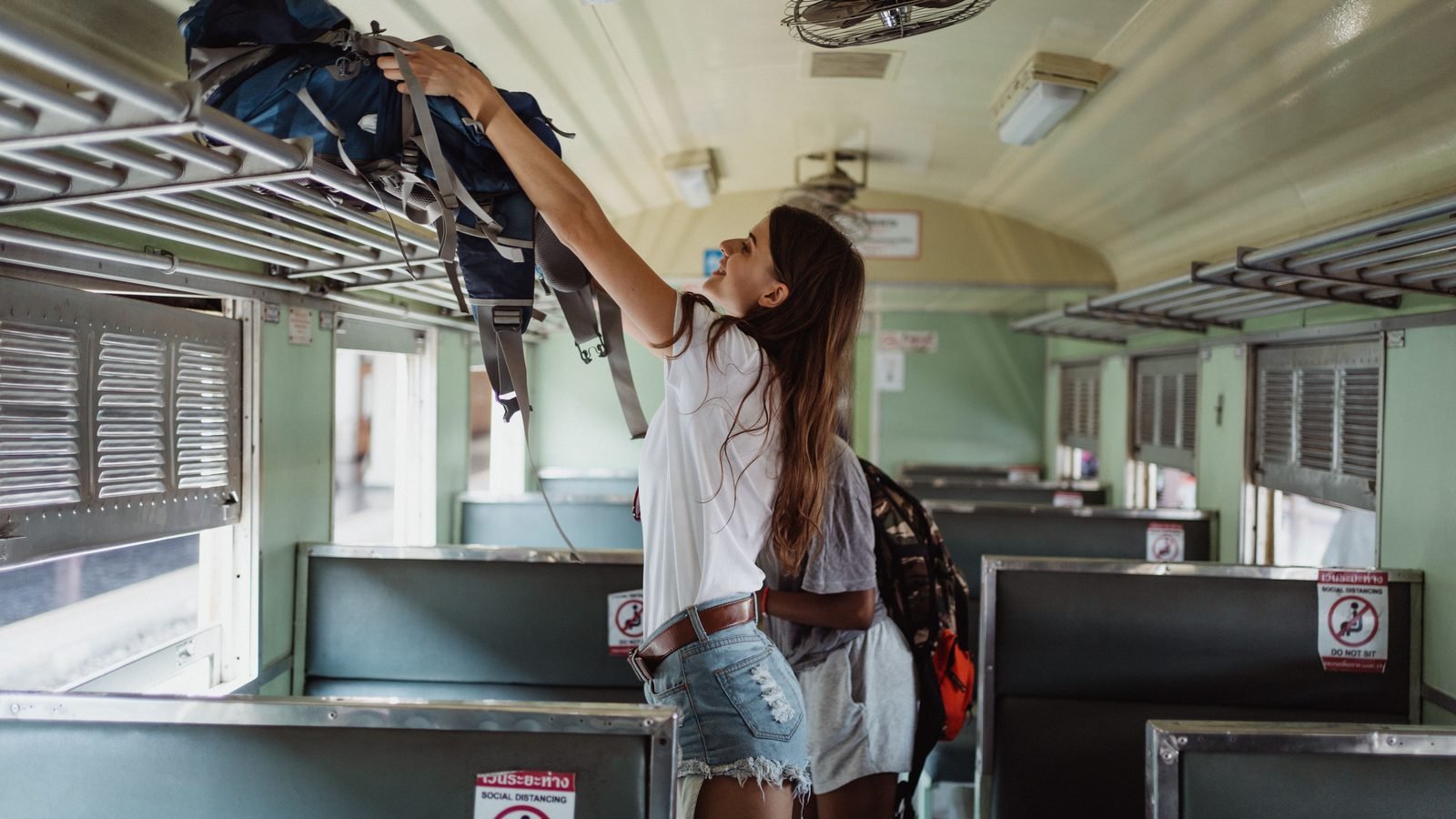
Standing in front of the baggage carousel at London Heathrow at 2:00 AM, watching empty black trays circle while my luggage remained in transit somewhere over Central Asia, was the exact moment I quit checked bags. There is a distinct kind of freedom that comes with stepping off a long-haul flight, bypassing the crowds, and walking straight out the airport doors into a new city.
This guide is for the independent traveler who wants to skip the lines, the fees, and the stress of lost luggage. From my home base in Seoul, I regularly head out for fortnight-long trips across Europe, Japan, and Southeast Asia. Here is my exact carry-on only packing list 2 weeks system that keeps me moving fast without sacrificing style or comfort.
My carry-on only packing list 2 weeks setup
I hate waiting. That is the core reason I transitioned to a single bag years ago. When you travel frequently, those extra thirty minutes spent hovering around a baggage carousel start to feel like stolen time. My go-to bag is a sturdy 40-liter travel backpack that fits easily into the overhead bin of almost any major airline. Some travelers prefer wheeled bags, but I find a backpack keeps my hands free for navigating train stations, subway stairs, and uneven cobblestone streets.
The secret to making a carry-on only packing list 2 weeks plan work is shifting your mindset. You are not packing for fourteen separate days. You are packing for one week, or even four days, and repeating the cycle. This approach requires a strict commitment to volume over variety. If an item does not serve multiple purposes, it stays home.
When I pack, I lay everything out on my bed in Seoul first. I then ruthlessly cut the pile in half. Every shirt must match every pair of pants. Every layer must fit comfortably under the next. This systematic approach ensures that I never carry dead weight across borders. Less is truly more. By keeping the total weight under 8 kilograms (about 17.6 pounds), I can easily walk a mile from a train station to my accommodation without breaking a sweat. It changes the entire rhythm of my journey. I am no longer fighting my luggage; I am simply traveling.
Skipping the check-in lines at Incheon Airport feels like a superpower. You walk straight to security, breeze through boarding, and walk out of your destination airport while other passengers are still waiting for their bags.
Book ahead: Check Airline Limits Early
Always check the specific carry-on weight and size limits of your airlines before booking. Budget carriers in Europe and Asia can be incredibly strict, sometimes capping carry-on weight at 7 kilograms (about 15.4 pounds) instead of the standard 10 kilograms.
How to build a seasonal capsule wardrobe
The foundation of light travel is the capsule wardrobe. I rely heavily on merino wool and high-tech synthetic blends. Merino wool is a miracle fabric for travelers. It regulates temperature, dries incredibly fast, and naturally resists odors. I can wear a high-quality merino t-shirt three or four times before it needs a wash. For a two-week trip, my clothing list is remarkably compact.
My standard warm-weather setup includes four t-shirts, two button-down shirts, two pairs of lightweight trousers, and one pair of shorts that can double as swimwear. I also pack five pairs of underwear and five pairs of socks. Keep it simple. Stick to a neutral color palette like navy, olive, gray, and black. When every top matches every bottom, you suddenly have dozens of outfit combinations without the bulk.
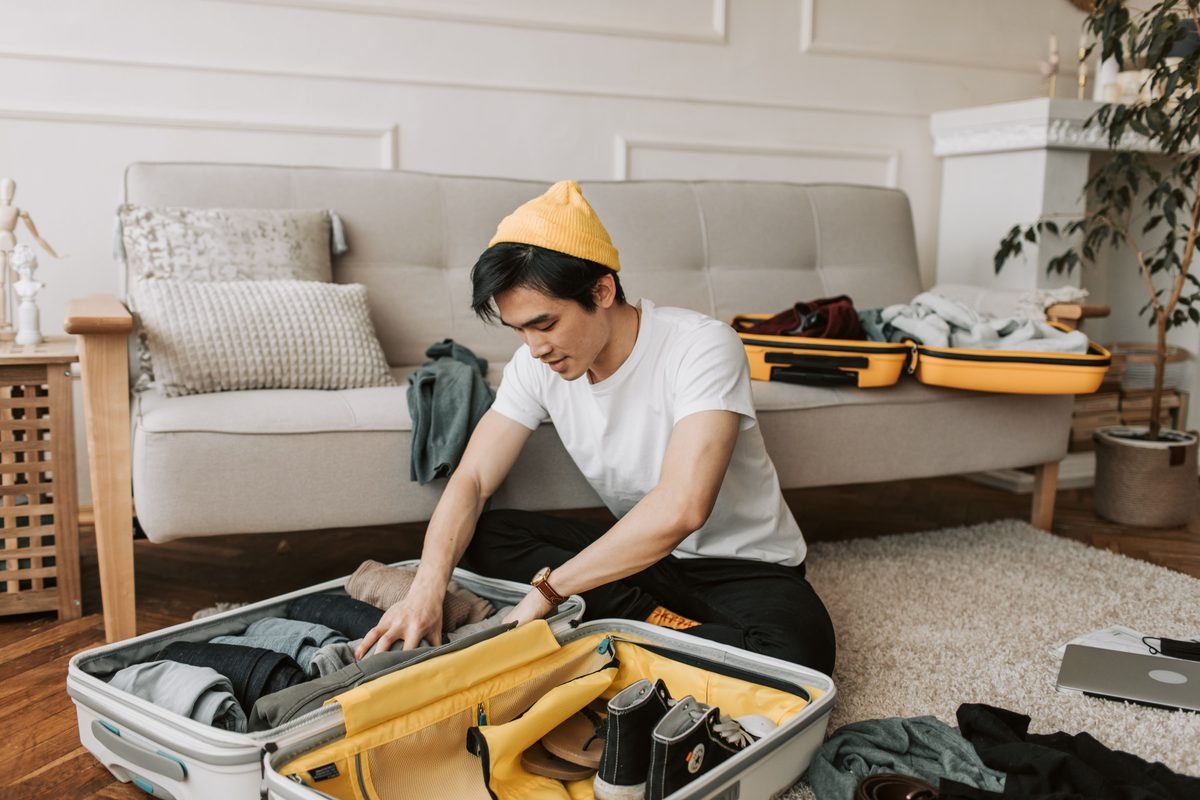
If I am heading into a colder climate, like autumn in Europe or winter in northern Japan, I do not pack bulkier sweaters. Instead, I rely on smart layering. I wear my heaviest items on the plane: a warm jacket, sturdy boots, and my thickest pants. Inside the bag, I pack lightweight thermal base layers, a thin wool sweater, and a packable down jacket that compresses into a pouch the size of a grapefruit. For footwear, I limit myself to two pairs total. I wear comfortable walking shoes on transit days and pack one pair of clean, minimal sneakers or durable sandals in the bag. This system keeps my wardrobe versatile enough for a casual dinner or an afternoon hike. I use compression packing cubes to squeeze the air out of my rolled clothes, which saves about thirty percent more space.
My laundry strategy for two weeks on the road
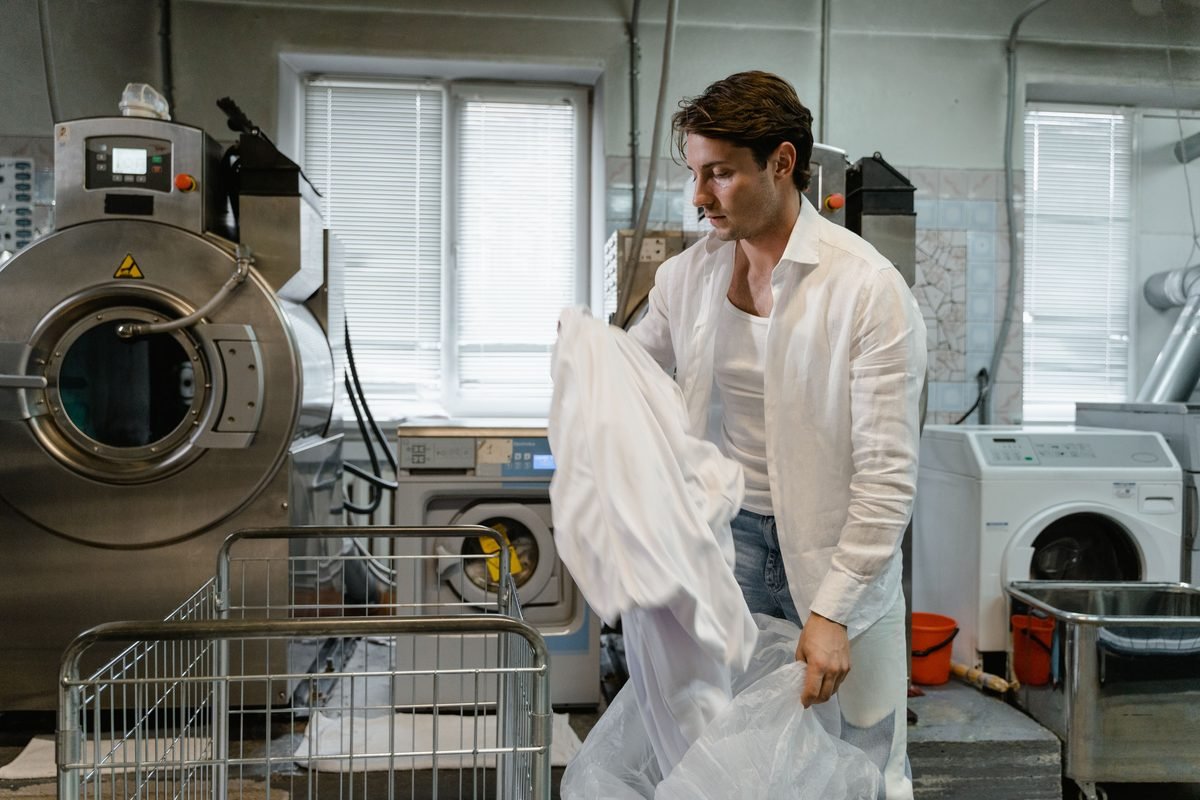
You cannot travel light without doing laundry. Accepting this simple truth is the hardest hurdle for most travelers. If you refuse to wash clothes on the road, you are forced to pack fourteen outfits, which guarantees a massive, heavy suitcase. My strategy relies on a mix of quick sink washes and occasional visits to local laundromats.
Every night, I spend about five minutes washing my socks and underwear in the bathroom sink. I do not carry heavy liquid detergent for this. Instead, I pack laundry detergent sheets. These are dry, paper-thin sheets that dissolve instantly in water. They take up zero space in my liquids bag and can be cut into smaller pieces for quick hand washes. I wash the items, rinse them thoroughly, and then use the towel trick. Lay the wet garment flat on a clean hotel towel, roll the towel up tightly like a sleeping bag, and stomp on it. The towel absorbs most of the moisture, cutting the drying time in half.
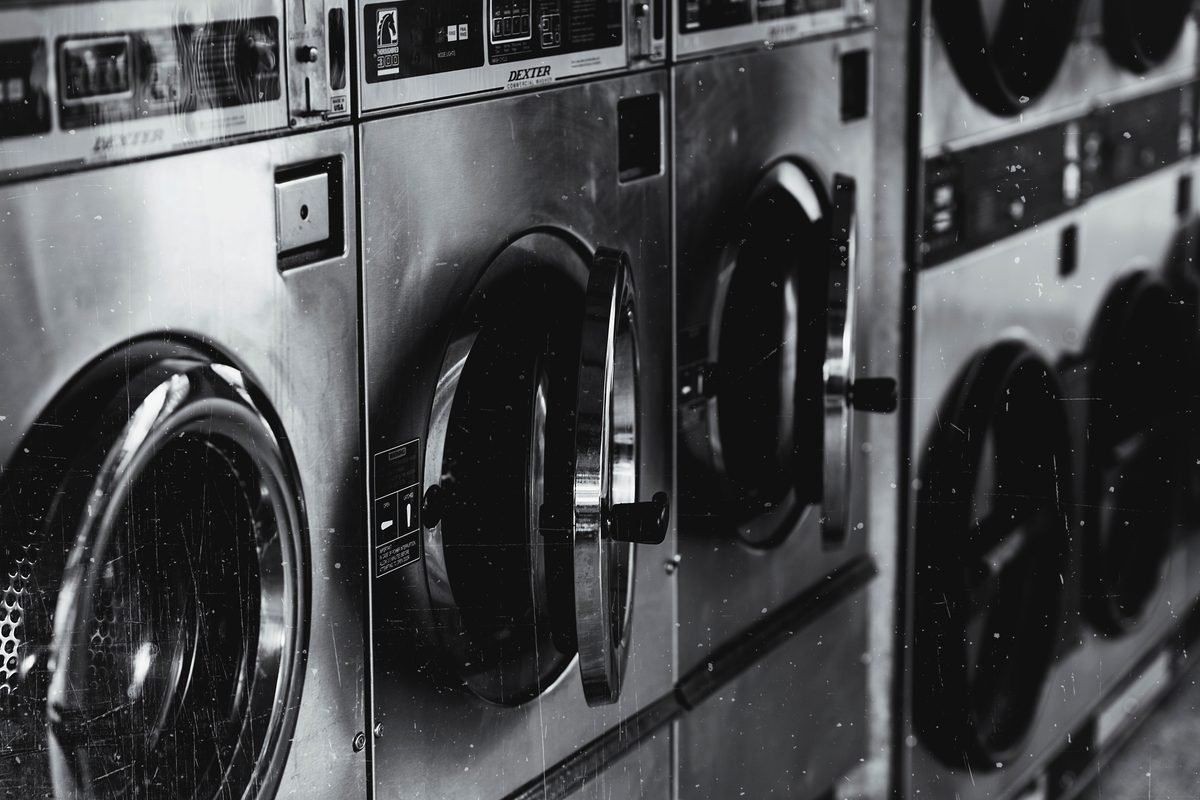
Water temperature matters. Use lukewarm water to preserve the fabrics. For larger items like trousers and button-down shirts, I look for a local laundromat once a week. In cities like Tokyo or Paris, coin laundries are everywhere and offer a great window into local neighborhood life. I grab a coffee nearby while my clothes spin. If my accommodation has a washing machine, that is even better. I always prioritize booking apartments with laundry facilities midway through my trip. This simple step keeps my clothes fresh and my bag incredibly light. It changed everything.
From a local: Leverage Local Laundromats
In places like Japan and Korea, neighborhood coin laundries are clean, safe, and often feature machines that automatically dispense soap. They are the perfect spot to rest your feet and catch up on writing or planning.
How to pack toiletries and liquids like a pro
Liquids are the natural enemy of the carry-on traveler. Airport security rules are strict, and fitting all your gels, creams, and pastes into a single one-liter clear bag can feel like a high-stakes game of Tetris. The easiest way to solve this problem is to eliminate liquids entirely wherever possible.
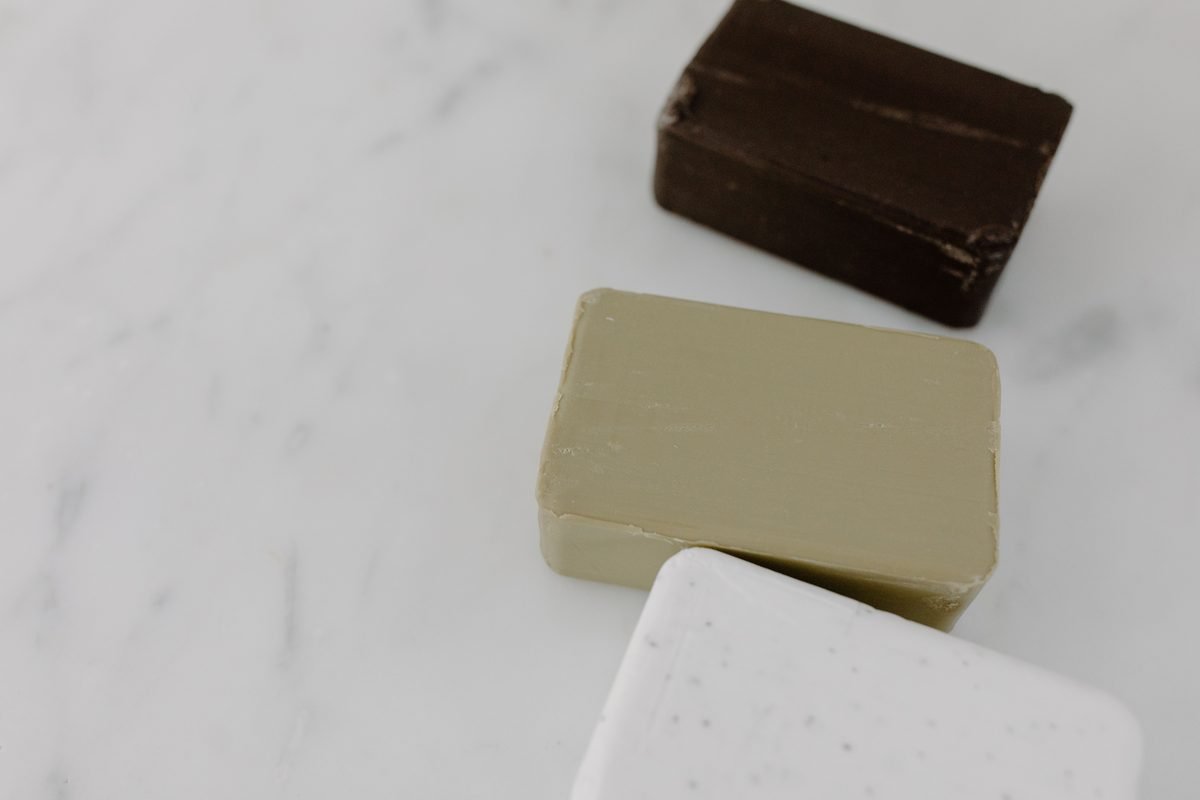
Living in Seoul, I have access to incredible solid cosmetics. I swap liquid shampoo, conditioner, and body wash for solid bar alternatives. You can find high-quality shampoo bars at local shops like Olive Young that perform just as well as bottled versions. I cut these bars into halves or quarters and pack them in small wax-paper wraps. They do not count toward my liquid limit, they cannot leak in my bag, and they last for weeks. For toothpaste, I often use chewable toothpaste tablets.
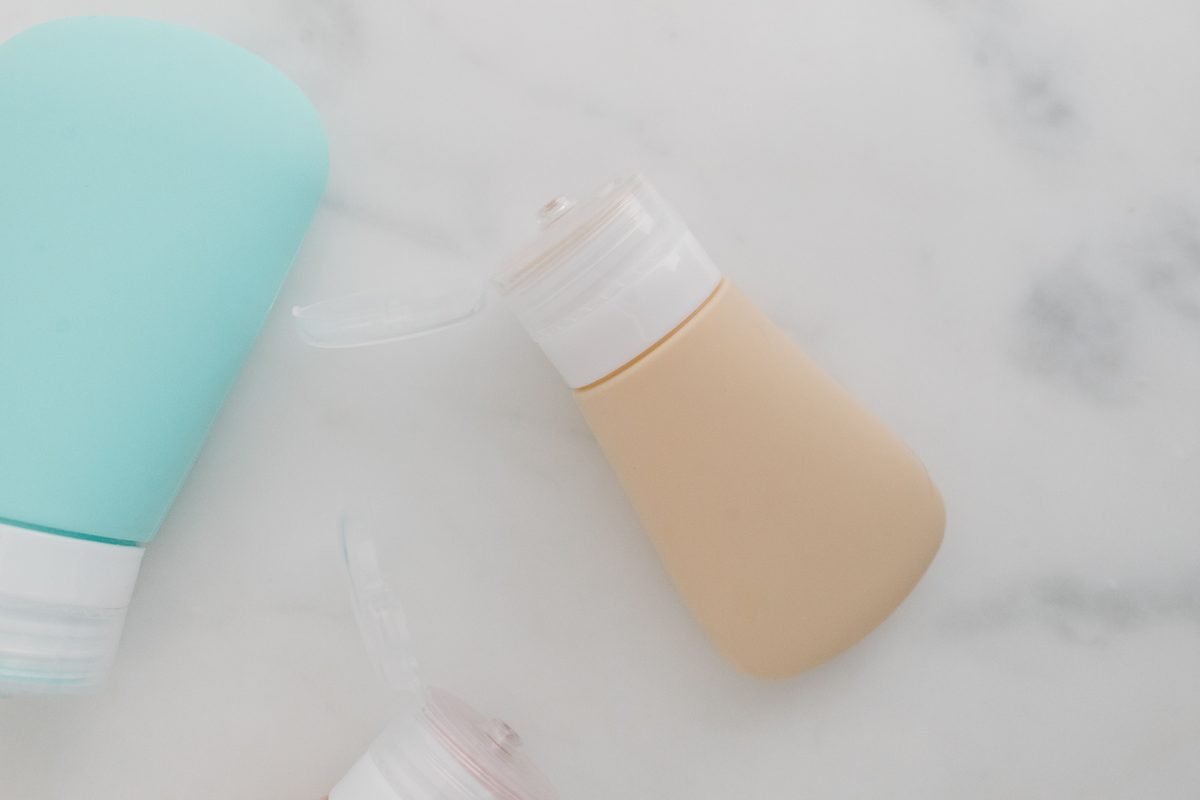
For the liquids I absolutely must bring, like sunscreen and face serums, I decant them into tiny containers. I never bring full-sized bottles. Instead, I use soft silicone squeeze bottles or flat pouches that compress as they empty. A brilliant trick for tiny amounts of eye cream or moisturizer is using clean contact lens cases. Each side holds enough product for about five days of use. Remember that most hotels, guesthouses, and apartments provide basic soap and shampoo anyway. Unless you have highly sensitive skin or specific medical needs, you can easily rely on what is provided at your destination. Do not overpack.
Heads up: Beware of Strict Security Hubs
Airports like London Heathrow and Munich are notorious for enforcing strict rules on liquid bag sizes. Ensure your clear bag zip-closes completely without stretching, or security officers may force you to discard items.
The minimalist tech pouch setup
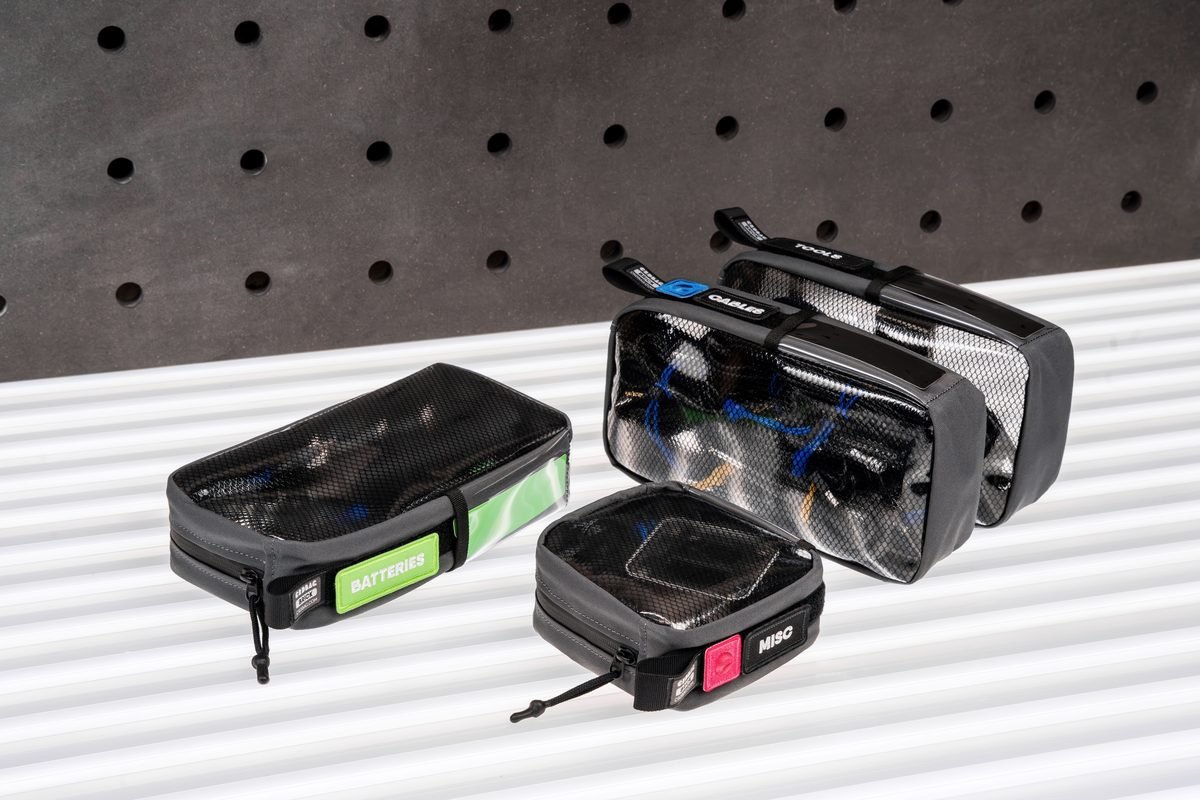
Electronics can quickly add unexpected weight and clutter to your bag. The days of carrying a separate charger for every single device are fortunately over. My entire tech setup fits into a single padded pouch no larger than a paperback book.
The centerpiece of my tech kit is a high-wattage multi-port GaN (Gallium Nitride) charger. These chargers are incredibly compact but powerful enough to charge a laptop, a phone, and a camera simultaneously. I carry one international adapter plug with built-in USB ports, which eliminates the need for multiple wall bricks. I also pack two high-quality braided cables: one USB-C to USB-C and one multi-head cable. This keeps my cable clutter to an absolute minimum.
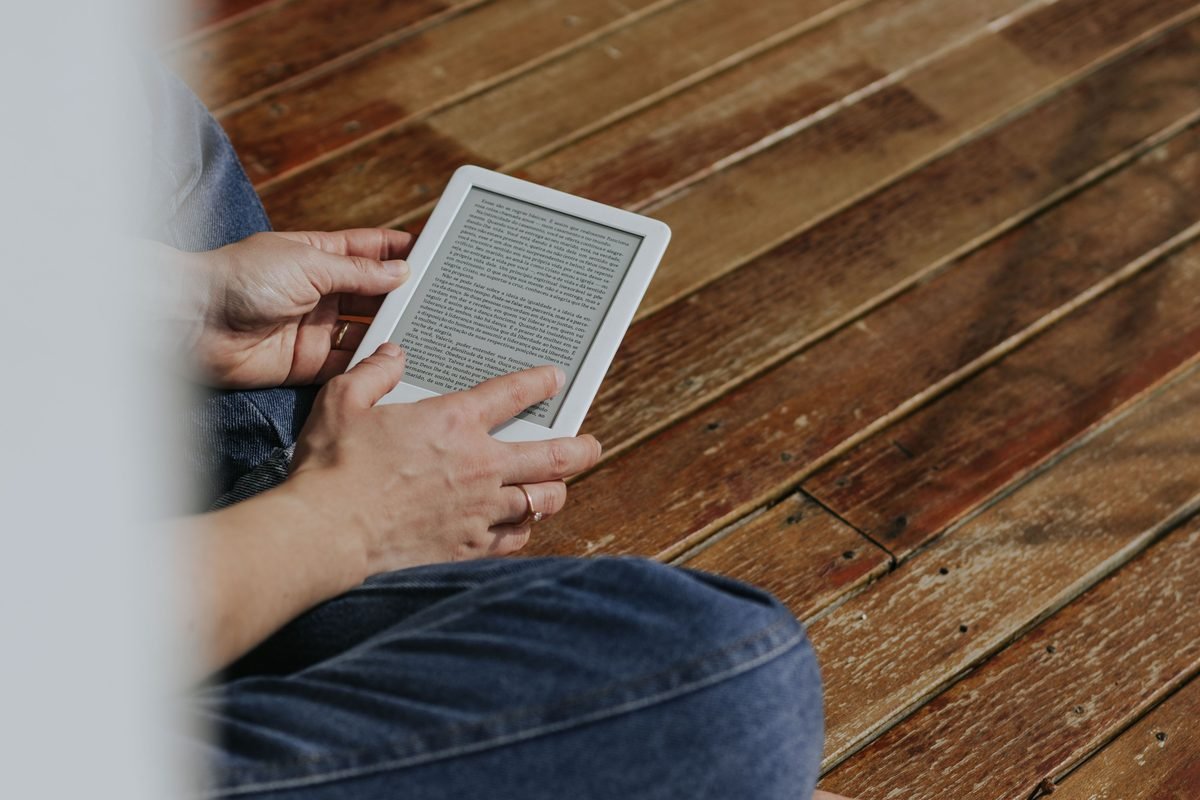
I always carry a compact 10,000mAh power bank. It is essential for long days of navigating with maps and taking photos. I prefer models with built-in cables so I do not have to fumble with extra cords on the go. For connectivity, I have completely transitioned to eSIMs. Instead of hunting for physical SIM card booths at foreign airports, I purchase and install my data plans before I even leave Seoul. It saves time and prevents the risk of losing my tiny home SIM card. This streamlined digital approach keeps me connected without adding physical bulk to my gear. I also pack a thin e-reader instead of heavy books.
What never makes the cut in my bag
The secret to master-level packing is knowing what to leave behind. Over the years, I have developed a strict list of banned items that never enter my travel bag. The first offender is the “just in case” item. If you find yourself saying, “I might need this if it rains heavily while I am attending a formal dinner,” leave it at home. If an emergency arises, you can almost always buy a cheap solution at your destination.
Heavy footwear is another major space killer. Never pack more than one pair of shoes in your bag. Shoes are bulky, dirty, and heavy. If you need boots, wear them on the plane. The pair in your bag should be flat, lightweight, and highly compressible. I also never travel with physical books anymore. While I love the feel of paper, a thin e-reader holds hundreds of books and fits into any side pocket.
Hair dryers and styling tools are also banned. Almost every hotel or rental apartment provides a hair dryer. Bringing your own takes up valuable space and often requires heavy voltage converters that can damage your electronics. Finally, leave behind heavy cotton clothing like thick hoodies or denim jackets. They take forever to dry, absorb odors quickly, and weigh down your bag. By eliminating these common culprits, you free up massive amounts of space, making your travel experience incredibly smooth and stress-free.
What this packing system costs
| Item | Local price | USD |
|---|---|---|
| 40-Liter Travel Backpack | ₩180,000 | $135 |
| Set of 3 Compression Packing Cubes | ₩35,000 | $26 |
| 65W Multi-Port GaN Wall Charger | ₩45,000 | $34 |
| Solid Shampoo & Conditioner Bars | ₩15,000 | $11 |
| Pack of 30 Laundry Detergent Sheets | ₩12,000 | $9 |
| Compact 10,000mAh Power Bank | ₩30,000 | $22 |
| Total Gear Investment | ₩317,000 | $237 |
Prices checked September 2026. Always confirm with the provider before you book.
Mistakes to avoid
- Buying cheap, non-compression packing cubes that only organize your clothes instead of actually compressing them to save physical space.
- Wearing brand-new, unbroken-in shoes on transit days just because they are the heaviest pair you own, which inevitably leads to painful blisters.
- Failing to weigh your packed bag at home before heading to the airport, resulting in last-minute gate-check fees on strict budget airlines.
FAQ
Is a carry-on only packing list 2 weeks actually realistic?
Yes, it is entirely realistic if you commit to doing laundry once or twice during your trip. By packing a capsule wardrobe of versatile, quick-drying fabrics, you can easily rotate a few key outfits for fourteen days without anyone noticing.
How do you wash clothes in a hotel room?
I wash my socks and underwear in the bathroom sink using dry laundry detergent sheets. I rinse them thoroughly, roll them tightly inside a clean hotel towel to squeeze out excess moisture, and hang them to dry near a window or air conditioning vent.
Can I bring solid toiletries on a plane?
Absolutely, and this is the best way to save space in your liquids bag. Solid shampoo, conditioner, soap, and deodorant do not count toward your liquid limits and can be packed anywhere in your carry-on bag.
What is the best size backpack for carry-on travel?
A 35-liter to 40-liter backpack is the sweet spot for most travelers. This size easily fits into the overhead compartments of major airlines while providing enough space for a full week’s worth of clothing and basic gear.
How do you handle packing for cold weather in a carry-on?
The key is to wear your bulkiest items, like your heavy winter coat and boots, on the plane. Inside your bag, pack thin thermal base layers and a compressible down jacket, which provide excellent warmth without taking up valuable space.


2 Comments