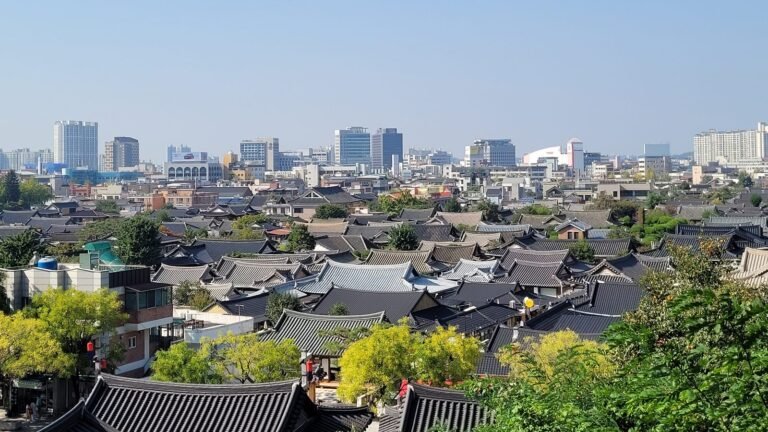
The Perfect Chiang Mai 3 Day Itinerary

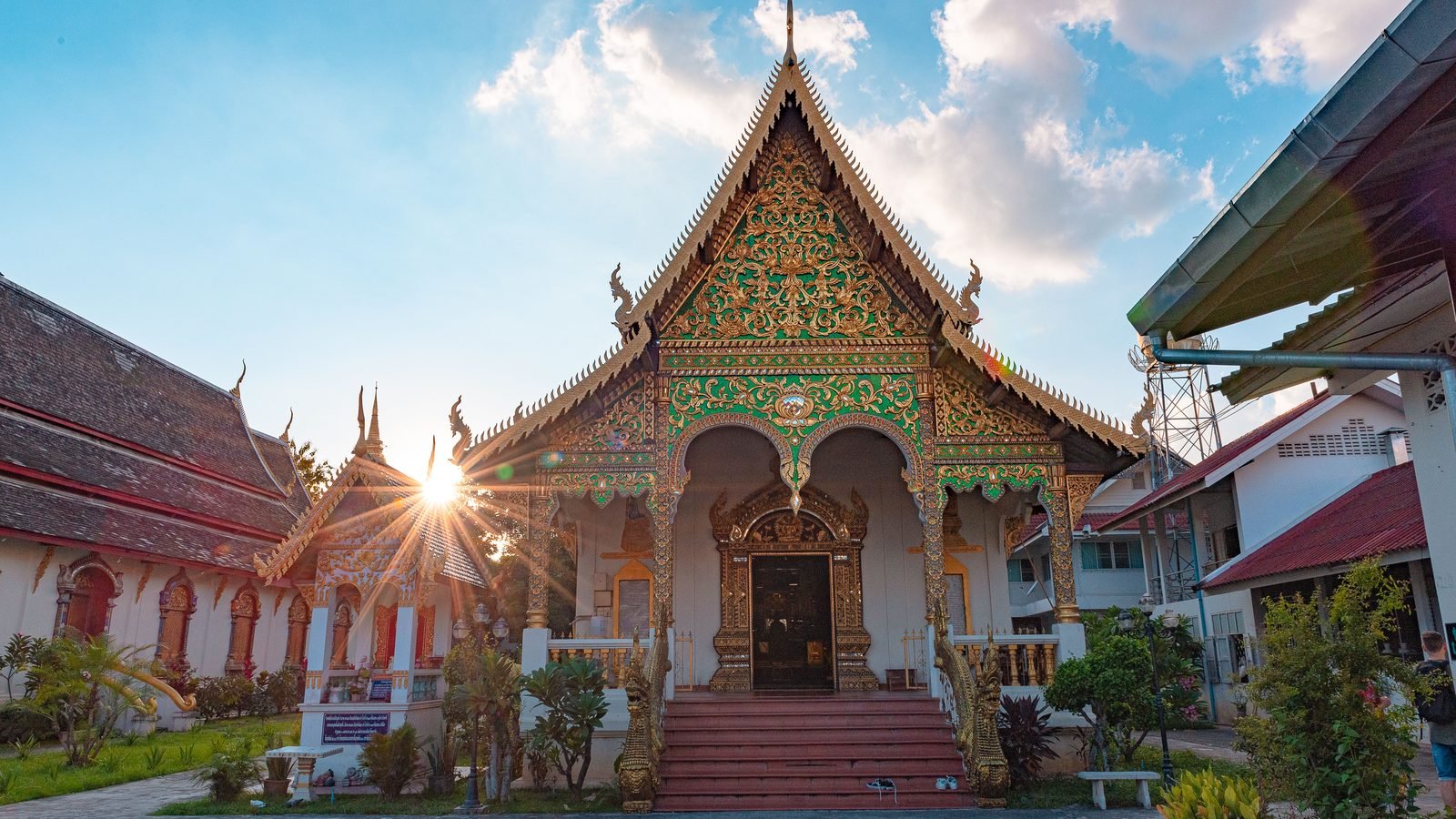
A bowl of khao soi costs 50 THB (about $1.50) at a plastic table under a tin roof. The morning heat is already rising, bringing with it the scent of lemongrass, sweet coconut broth, and exhaust fumes from passing red trucks. This is the northern capital of Thailand, a city where centuries-old teak temples stand right next to specialty espresso bars. I have returned here multiple times over the last decade, and each visit reveals a city that moves at its own comfortable pace.
This guide is for independent travelers who want to experience the real city without rushing. We will cover how to structure a realistic Chiang Mai 3 day itinerary that balances historic walking tours, early morning mountain treks, ethical animal encounters, and some of the best food in Southeast Asia.
How to plan your Chiang Mai 3 day itinerary
Getting to the northern capital is straightforward. Most travelers arrive via a direct one-hour flight from Bangkok to Chiang Mai International Airport (CNX). Taxis from the airport to the Old City charge a flat rate of 150 THB (about $4.50). Alternatively, the Bangkok to Chiang Mai train is a classic journey. A second-class air-conditioned sleeper ticket costs roughly 1,000 THB (about $30) and drops you at the station just east of the city center. It is a slow but highly scenic way to travel.
Timing your trip is critical. The best months to visit are November through February. During this window, the daytime temperatures hover around 28°C (82°F), and the evenings are surprisingly cool. You can walk the streets comfortably. Avoid the dry, smoky season from February to April. Farmers burn fields across the region during these months, and the air quality index frequently spikes to dangerous levels. The landscape turns brown, and the mountain views disappear entirely.
If you travel in November, try to align your dates with the Yi Peng Lantern Festival. During this time, thousands of paper lanterns float into the night sky. It is a beautiful sight, but accommodation prices double, and you must book months in advance. The rainy season runs from July to October. While it rains almost daily, the downpours are usually short and heavy, leaving the surrounding hills incredibly green. It is a peaceful time to visit if you do not mind carrying an umbrella. I personally enjoy the shoulder season of October when the waterfalls are full and the crowds are thin.
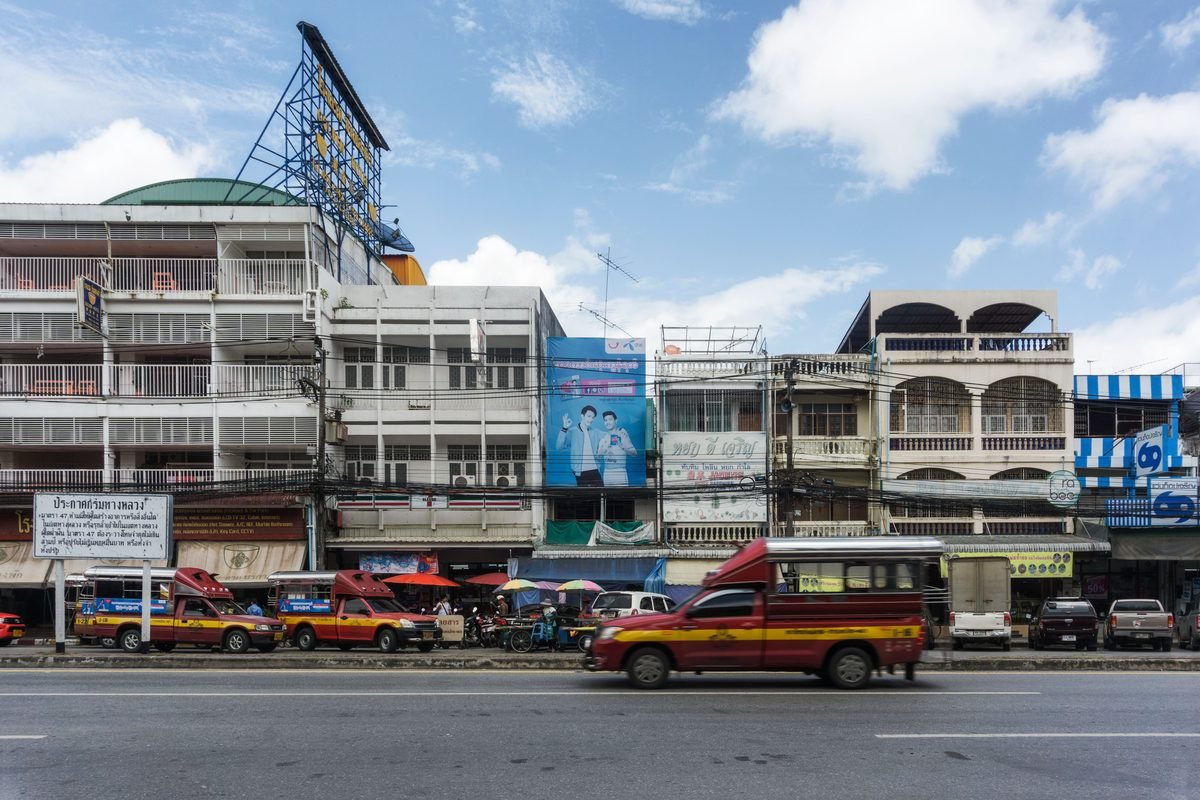
From a local: How to use songthaews
The red trucks, called songthaews, operate as shared taxis. Wave one down, tell the driver your destination, and if it is on their route, hop in for a flat 30 THB (about $0.90) within the city walls.
Day 1: Old City temples on foot and the Sunday market
The square mile of the Old City is best explored on foot. Start your morning early before the midday heat peaks. Walk toward Wat Phra Singh, the most revered temple inside the old walls. Entry to the main assembly hall costs 50 THB (about $1.50). Inside, you will find classical Lanna-style architecture with sweeping wooden roofs and gold-leaf stenciling. We walked inside. The quiet atmosphere is a perfect introduction to local Buddhist culture.
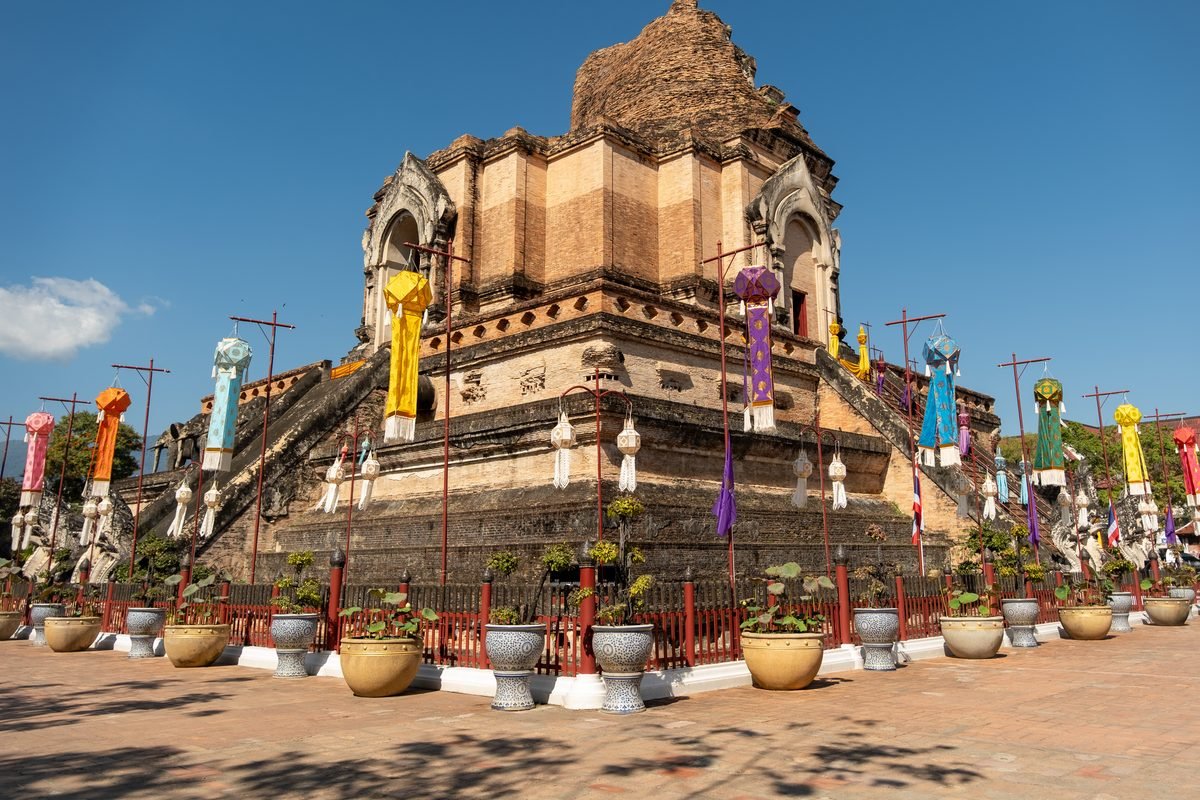
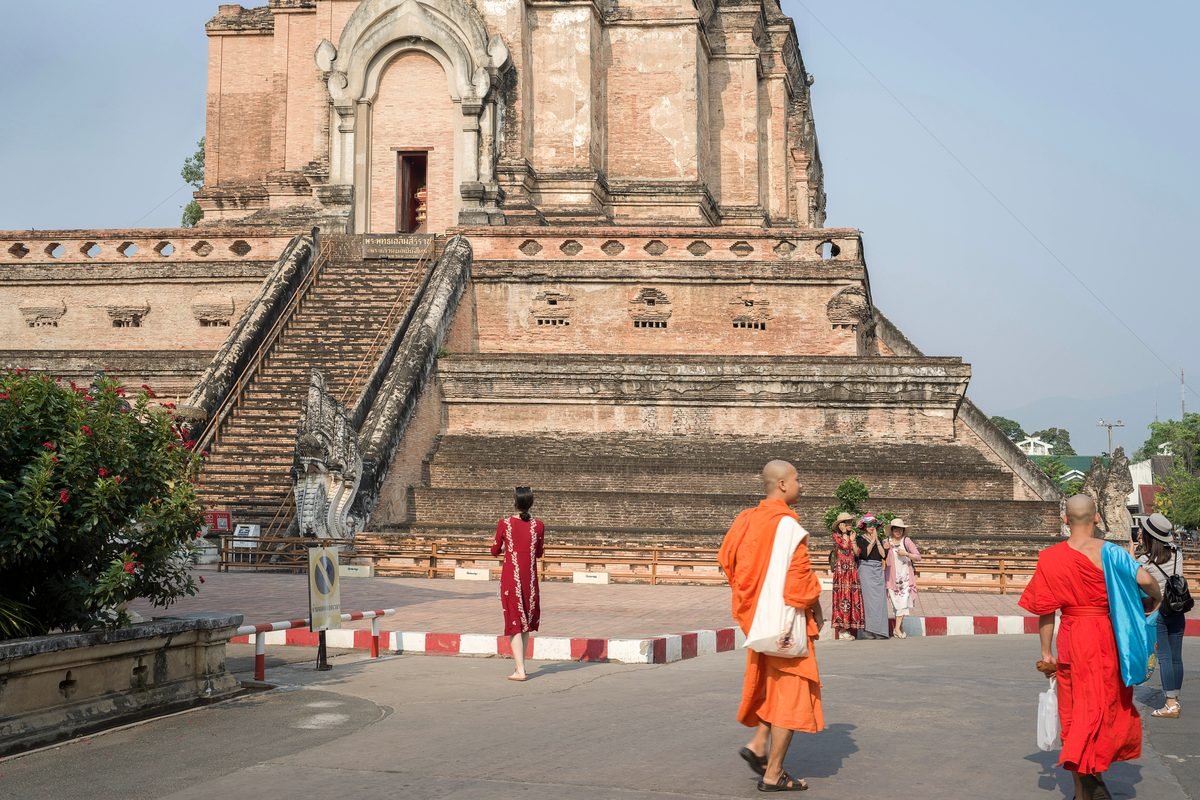
Next, walk ten minutes east to Wat Chedi Luang. This temple houses a massive brick stupa that was partially destroyed by an earthquake in 1545. Even in its ruined state, the structure is imposing. Elephants carved from stone guard the mid-level terraces. Entry is 50 THB (about $1.50). Right next door sits Wat Phan Tao, a rare temple constructed entirely of dark teak wood. It offers a stark, beautiful contrast to the glittering gold of its neighbors.
If your first day lands on a Sunday, your evening plans are decided. The Sunday Walking Street begins at Tha Phae Gate and runs the entire length of Ratchadamnoen Road. Starting around 5:00 PM, the street closes to vehicle traffic. Hundreds of local vendors set up stalls selling hand-woven textiles, wood carvings, and silver jewelry. It is also an incredible food destination. Temple courtyards along the road transform into open-air food courts. You can feast on grilled pork skewers for 15 THB (about $0.45) each and coconut pancakes for 20 THB (about $0.60). The market gets incredibly crowded by 8:00 PM, so arrive early to browse comfortably. If you are visiting on a weekday, head instead to the Chang Phueak Night Market just outside the north gate for excellent street food.
Heads up: Temple Dress Code
Always dress respectfully when visiting temples. Both men and women must cover their shoulders and knees. Read up on the Thailand temple dress code before packing.
Day 2: Doi Suthep at dawn and Nimman cafes
Wake up at 5:00 AM to experience the mountain temple of Wat Phra That Doi Suthep without the crowds. The easiest way to get there is by hiring a red songthaew from the stand near Chang Phueak Gate. A round-trip ride with waiting time costs about 150 THB (about $4.50) per person if you share, or you can charter the entire truck for 600 THB (about $18). The winding road climbs 1,000 meters up the mountain through dense jungle.
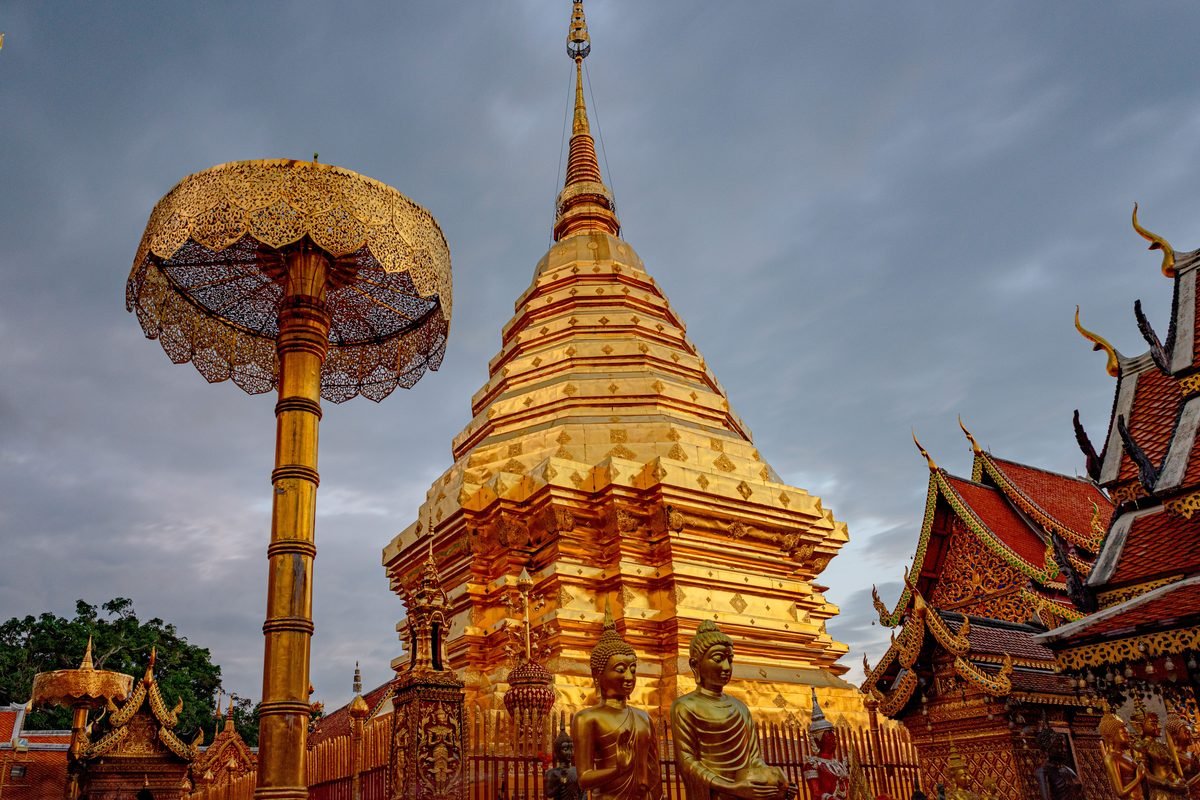
You will climb 306 steps flanked by mosaic naga serpents to reach the temple platform. Entry is 30 THB (about $0.90). At 6:00 AM, the air is cool and misty. You will hear the soft chanting of monks and the gentle ringing of temple bells. The golden stupa glows in the early light. From the viewing terrace, the entire valley of Chiang Mai spreads out below.
By mid-morning, head down the mountain to the Nimmanhaemin neighborhood, known locally as Nimman. This is the modern, trendy side of Chiang Mai. It is filled with boutique shops, art spaces, and exceptional coffee roasters. The coffee is exceptional. Stop at one of the best cafes in Nimman along Nimman soi 3 or soi 5. A meticulously brewed pour-over coffee using local northern Thai beans costs about 120 THB (about $3.60). Spend your afternoon browsing the quiet side streets, visiting the small galleries, or relaxing in an air-conditioned cafe. It is a stark contrast to the historic Old City, but it shows the creative, contemporary energy that draws so many digital nomads to Chiang Mai.
Book ahead: Monk's Trail Hike
If you want to do the famous Monk’s Trail hike up to Wat Pha Lat instead of driving, start at 6:00 AM. The jungle path is clearly marked but can be slippery after rain.
Day 3: Ethical elephant sanctuary choice and khao soi
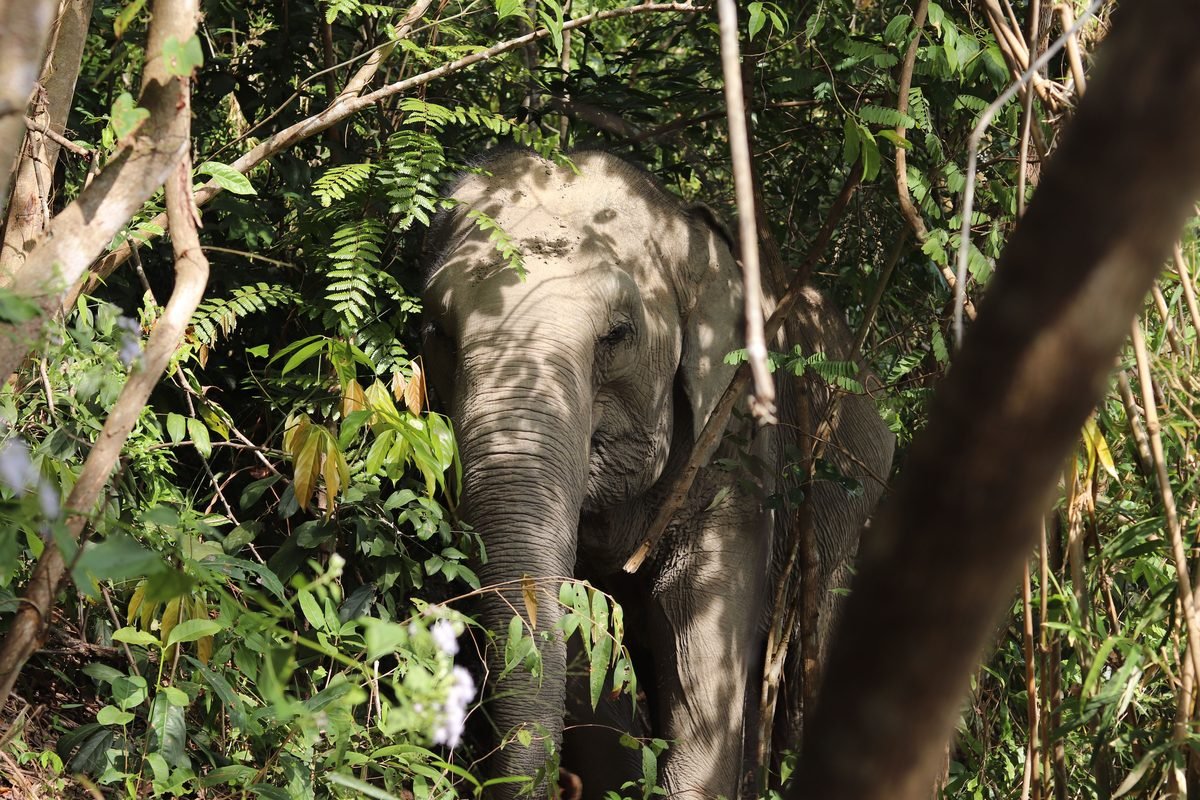
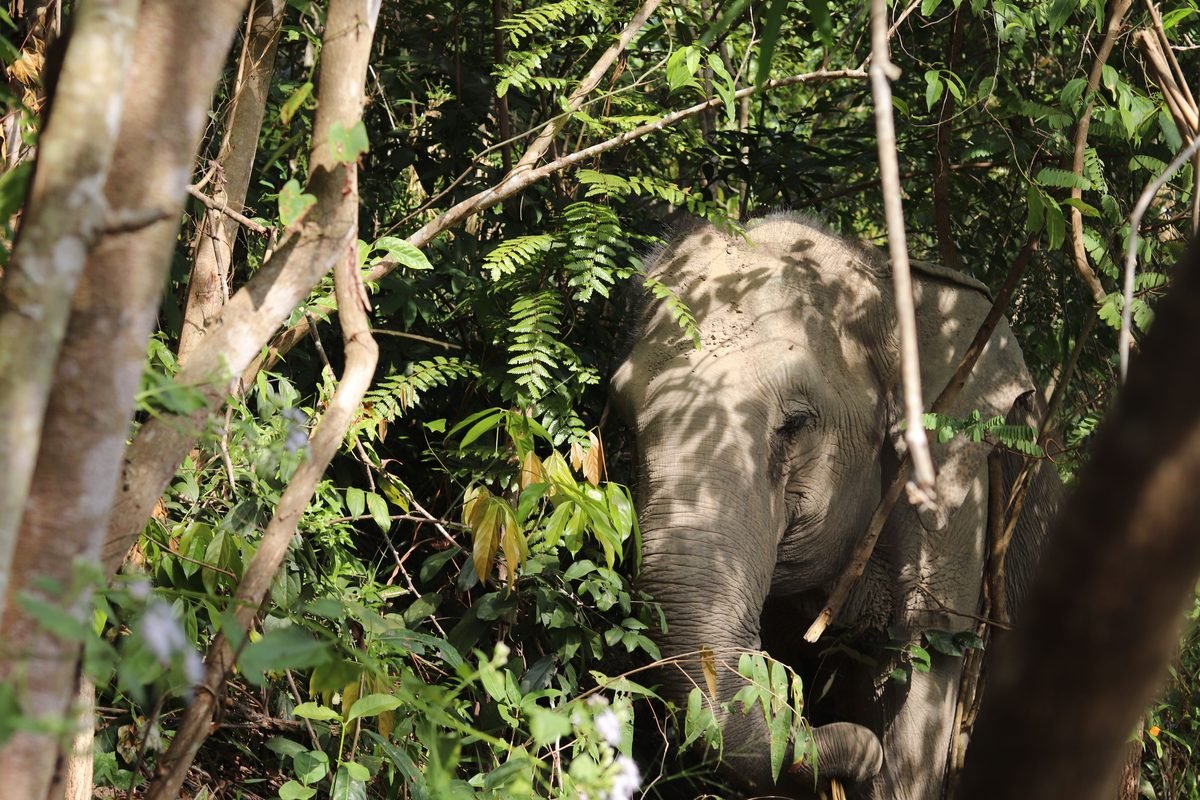
Visiting an elephant sanctuary is a priority for many travelers in Thailand, but making an ethical choice is vital. Do not ride them. Traditional elephant tourism involves riding, hooks, and performances, which require abusive training practices. Instead, look for sanctuaries that focus purely on observation and rescue. Reputable options like Elephant Nature Park or BEES (Burm and Emily’s Elephant Sanctuary) allow you to watch elephants behave naturally in the forest.
A full-day visit typically costs around 2,500 THB (about $75) per person, which includes transportation from your hotel and a vegetarian buffet lunch. You will spend the day walking alongside these gentle giants, learning about their rescue histories, and watching them bathe in the river. It is an educational experience that directly funds the rehabilitation of formerly abused working animals.
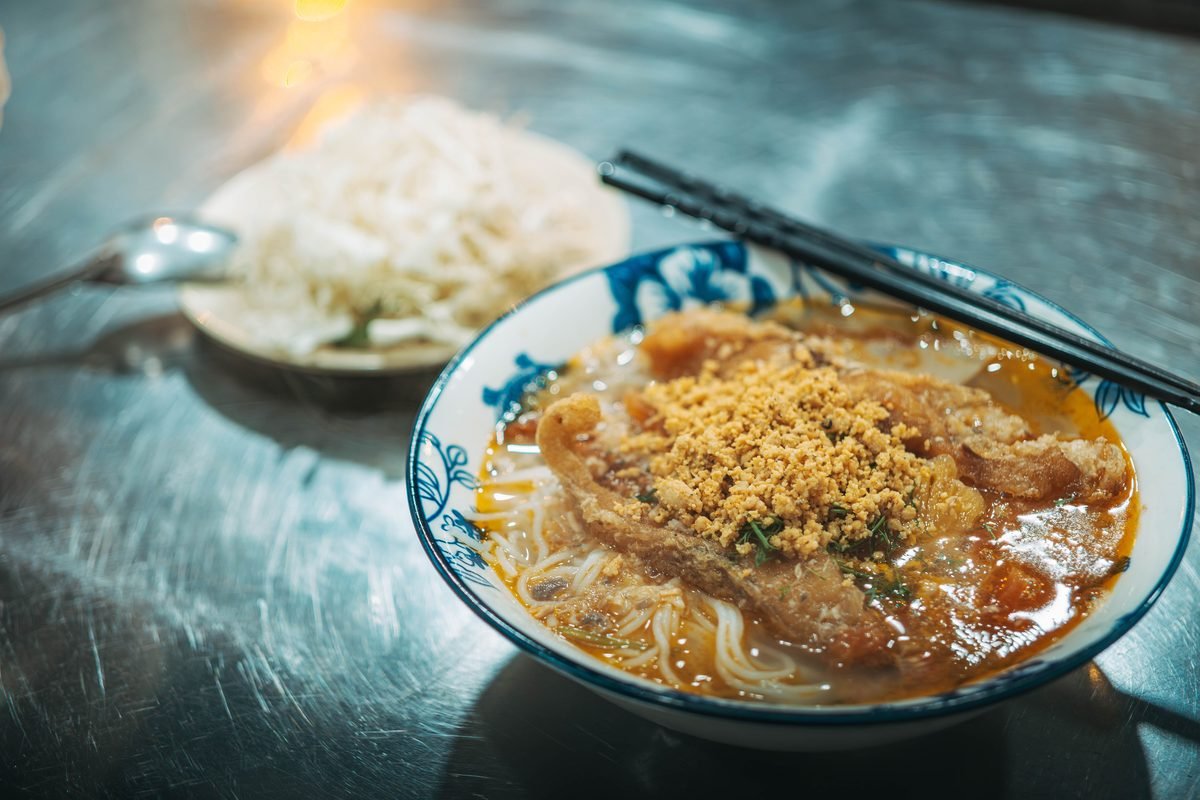
After returning to the city in the late afternoon, it is time to seek out the ultimate northern Thai dish: khao soi. This rich coconut curry noodle soup is topped with crispy fried noodles, pickled mustard greens, raw shallots, and a squeeze of lime. Head to Khao Soi Mae Sai or Khao Soi Khun Yai. Both are legendary local institutions. A bowl of chicken khao soi costs roughly 60 THB (about $1.80). The broth is thick. It balances spicy, sweet, and sour notes perfectly. Wash it down with a sweet Thai iced tea for 25 THB (about $0.75). Be aware that these popular lunch spots often close by 4:00 PM, so they are best enjoyed as a late lunch or early dinner if you return from the mountains in time.
Where to eat in Chiang Mai
Chiang Mai is a paradise for food lovers, offering a distinct culinary identity separate from southern Thailand. Start with SP Chicken, located near Wat Phra Singh. They are famous for their rotisserie chicken stuffed with garlic and herbs. A whole chicken costs 190 THB (about $5.70) and is incredibly juicy. Pair it with a plate of spicy papaya salad (som tum) for 45 THB (about $1.35) and sticky rice for 15 THB (about $0.45).
For dinner, head to the Chang Phueak Night Market at the north gate. Look for the famous “Cowboy Hat Lady” who serves legendary slow-braised pork leg (khao kha moo) over rice with a soft-boiled egg. A plate costs just 60 THB (about $1.80). Right next to her stall is Suki Chang Phueak, which serves stir-fried or soup-style glass noodles with cabbage, egg, and seafood. It costs almost nothing. A bowl is about 55 THB (about $1.65), and the spicy dipping sauce is highly addictive.
If you want to experience the local drinking scene, cross the street to the North Gate Jazz Co-op. This tiny, open-air bar hosts live jazz musicians every single night. It is incredibly popular with both locals and travelers. Grab a cold Chang beer for 90 THB (about $2.70) and secure a spot on the sidewalk to listen to the music spill out into the warm night air. For a modern dining experience, explore the farm-to-table restaurants in the outer neighborhoods like Meena Rice Based Cuisine, where they serve beautiful multi-colored rice balls alongside traditional northern curries.
Practical tips for your Chiang Mai trip
Navigating Chiang Mai is easy once you understand the local transport options. While songthaews are great for simple routes, downloading ride-hailing apps like Grab or Bolt is highly recommended for longer distances or direct trips. A ride across town in an air-conditioned car typically costs between 80 THB (about $2.40) and 120 THB (about $3.60). It saves you from negotiating fares with tuk-tuk drivers, who often overcharge tourists.
Cash is still king in northern Thailand. Bring plenty of cash. While modern cafes in Nimman accept credit cards or mobile payments, local markets, street food stalls, and songthaew drivers only accept cash. ATMs are everywhere, but they charge a flat fee of 220 THB (about $6.60) per withdrawal for foreign cards. To minimize fees, withdraw the maximum amount allowed by the machine in one go.
When it comes to navigation, do not rely solely on standard offline maps. While Google Maps works relatively well in Thailand, having a local SIM card or eSIM is invaluable for real-time routing. You can buy a 10-day unlimited data eSIM online before you arrive for about 300 THB (about $9).
Finally, stay hydrated. The heat can be intense, especially during the middle of the day. Convenience stores like 7-Eleven are on almost every corner and offer cheap water, snacks, and excellent air conditioning when you need a quick break. Tap water is not safe to drink in Thailand. Most hotels provide two complimentary glass bottles of drinking water daily, and you can easily refill reusable bottles at filtered water stations around the city for 1 THB (about $0.03) per liter.
From a local: Small change is key
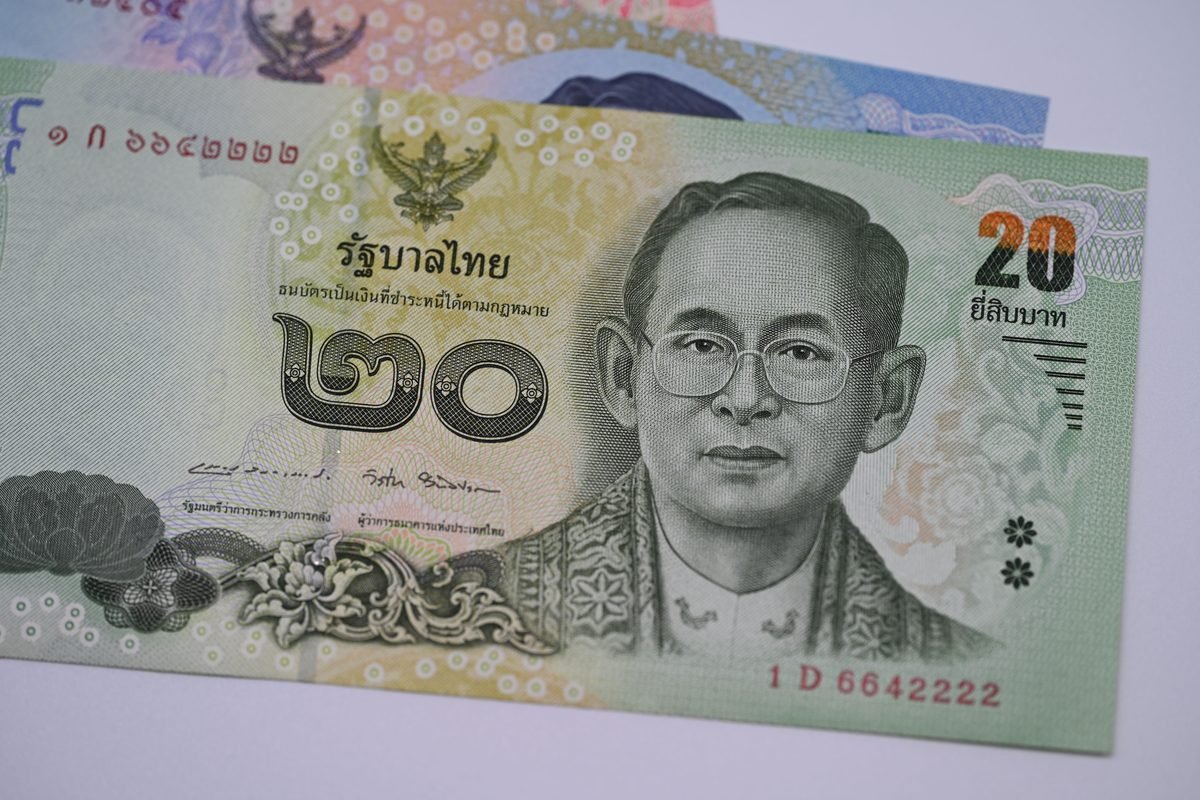
When paying with cash, try to keep smaller bills like 20, 50, and 100 baht notes. Market vendors and taxi drivers often struggle to make change for 1,000 baht notes first thing in the morning.
What it costs in Chiang Mai
| Item | Local price | USD |
|---|---|---|
| Overnight train from Bangkok (2nd class) | 1,000 THB | $30 |
| Wat Phra That Doi Suthep entry | 30 THB | $0.90 |
| A bowl of Khao Soi | 60 THB | $1.80 |
| Songthaew ride (within Old City) | 30 THB | $0.90 |
| Ethical Elephant Sanctuary Day Trip | 2,500 THB | $75 |
| Mid-range boutique hotel (per night) | 1,800 THB | $54 |
| Average daily budget (mid-range) | 1,500 THB | $45 |
Prices checked September 2026. Always confirm with the provider before you book.
Where to stay in Chiang Mai
Budget
A wooden guesthouse in the Old City
Suits backpackers and solo travelers looking for a quiet courtyard and social atmosphere near Tha Phae Gate, costing roughly 400 to 800 THB (about $12 to $24) per night.
Mid-range
A boutique hotel near Wat Phra Singh
Perfect for couples wanting air-conditioned comfort, a swimming pool, and easy walking access to the temples, costing roughly 1,500 to 3,000 THB (about $45 to $90) per night.
Splurge
A luxury resort along the Ping River
Best for travelers seeking ultimate relaxation, historic architecture, and high-end spa services just outside the city center, costing roughly 6,000 to 12,000 THB (about $180 to $360) per night.
Mistakes to avoid
- Visiting during the burning season from February to April, when heavy agricultural smoke ruins views and poses serious health risks.
- Booking a cheap elephant tour that allows riding or uses bullhooks, which directly supports the abuse of captive animals.
- Taking a standard tuk-tuk without negotiating the price beforehand, resulting in paying double or triple the local rate.
FAQ
Is a Chiang Mai 3 day itinerary long enough?
Yes, three days is the perfect amount of time to see the main sights. It allows you to explore the historic Old City, hike up to Doi Suthep, visit an ethical elephant sanctuary, and sample the incredible local food scene without feeling rushed.
What is the best way to get around Chiang Mai?
For short trips within the Old City, walking or hopping on a red songthaew for 30 THB (about $0.90) is best. For longer distances or late-night travel, use ride-hailing apps like Grab or Bolt to secure a fair, fixed price.
When should I avoid visiting Chiang Mai?
You should avoid visiting during the burning season, which runs from mid-February to mid-April. During this time, agricultural burning fills the valley with thick, hazardous smoke, ruining the mountain views and making outdoor activities highly uncomfortable.
Do I need to book elephant sanctuaries in advance?
Yes, highly ethical sanctuaries like Elephant Nature Park have limited daily visitor spots to protect the animals from stress. You should book your visit at least several weeks in advance, especially if traveling during the peak November to February season.
Is Chiang Mai safe for solo travelers?
Chiang Mai is exceptionally safe and is one of the most popular destinations in Southeast Asia for solo travelers. Violent crime is extremely rare, though you should always use common sense, watch out for minor scams, and keep an eye on your belongings in crowded night markets.