3 Days in Hong Kong: A Perfect First-Timer’s Itinerary

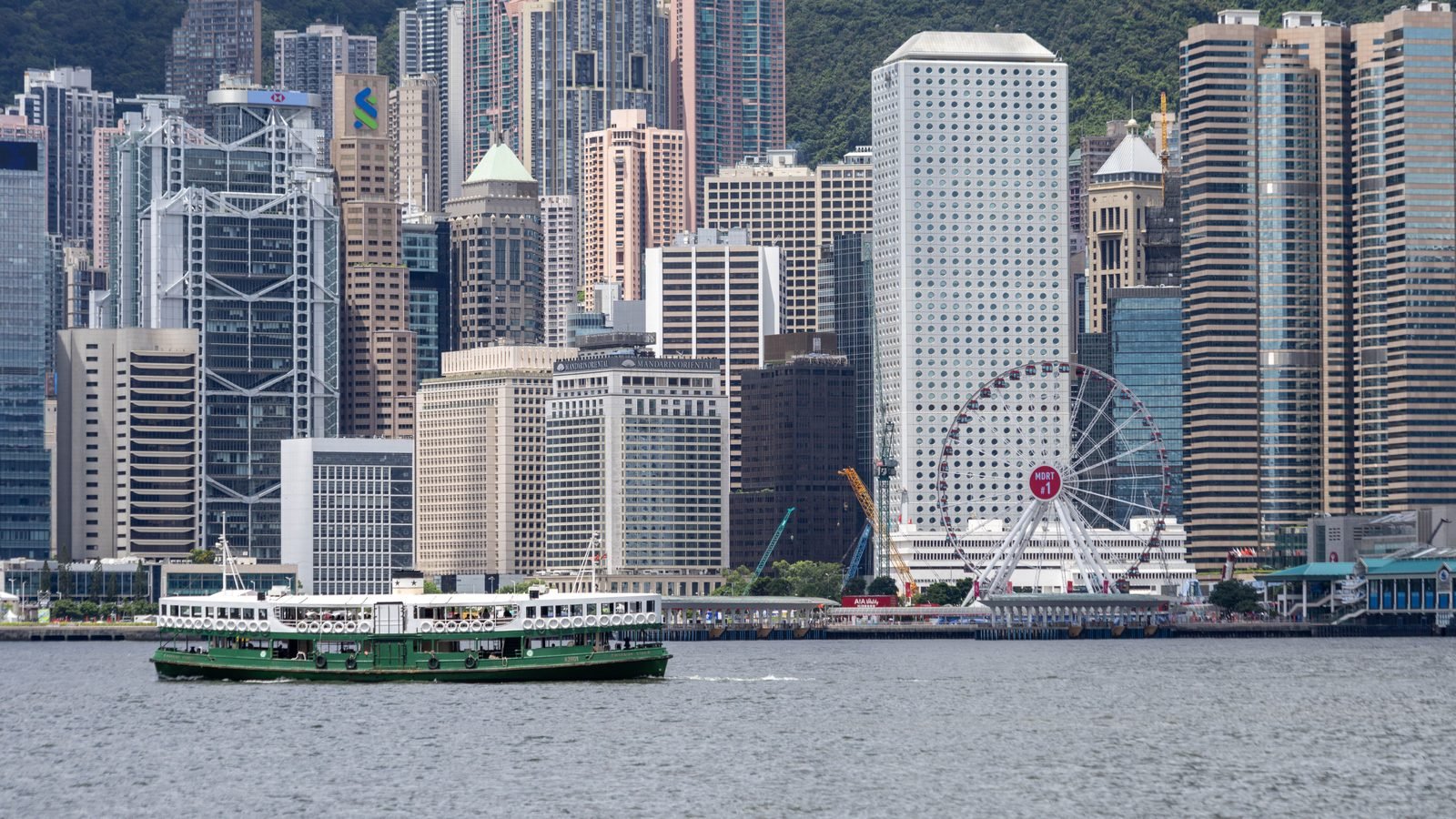
The MTR Airport Express train glides silently toward the city, covering the distance from Lantau Island to Central in exactly 24 minutes. It costs HK$115 (about $15) and offers the first glimpse of the high-rise landscape that defines this territory. For many travelers, the moment they tap their Octopus card at the arrival gate is when the scale of the city truly hits. It is a place of intense verticality and constant movement, where ancient traditions sit right next to global finance hubs.
This Hong Kong 3 day itinerary is designed for independent travelers who want to see the skyline without the crowds and find the best noodles in the backstreets. I have visited this city dozens of times from my home in Seoul, and I always find something new in the layers of its neighborhoods. We will cover the essential harbor crossings, the traditional stilt houses of Tai O, and the legendary food stalls of Sham Shui Po. By the end of these three days, you will understand why this remains one of the most electric cities in East Asia.
How to get from the airport and around the city
The journey from Hong Kong International Airport is one of the most efficient in the world. The train is fast. You should head straight for the Airport Express counter in the arrivals hall to pick up an Octopus card. This plastic card is your most important tool for the next three days. It works on the MTR, all buses, every ferry, and even in convenience stores or some casual restaurants. A standard adult card costs HK$200 (about $26), which includes a HK$50 refundable deposit and HK$150 of initial credit. You can top it up at any station or 7-Eleven. The air is thick, so the air-conditioned trains are a relief.
The Airport Express takes you to Hong Kong Station in the heart of Central. From there, many hotels offer shuttle services, or you can transfer to the regular MTR lines. The subway system here is incredibly clean and easy to navigate. Signs are in English and Cantonese, and the floor markings show exactly where to stand. If you are staying on the Kowloon side, get off at Kowloon Station and take a taxi for the short final leg. A taxi from the airport is also an option, costing roughly HK$300 to HK$200 (about $38 to $51) depending on your destination and luggage fees.
Walking is the best way to see the smaller details, but the city is hilly. In Central, use the Mid-Levels Escalators to climb the slopes without breaking a sweat. It is the longest outdoor covered escalator system in the world. It moves downhill in the morning for commuters and uphill from 10:00 AM until midnight. For longer distances, the MTR is almost always faster than a taxi. The city is loud, but the efficiency of the transit makes it manageable. Always remember to tap your card when entering and exiting the stations to ensure the correct fare is deducted.
Tip: Download the MTR Mobile App
The official MTR app provides real-time train frequencies and a very accurate trip planner that tells you which exit is closest to your destination.
Day 1: Central, the Peak, and the Star Ferry
Start your first morning in Central. This area is the financial core, but it holds deep history. Grab a quick breakfast of pineapple buns at a local cha chaan teng (tea restaurant) for about HK$25 (about $3). These buns contain no pineapple; they are named for the sugary crust that looks like the fruit. After breakfast, head to the Peak Tram lower terminus. The tram has been running since 1888 and pulls you up the steep mountainside at a sharp angle. It costs HK$88 (about $11) for a single journey. The views are grand as the skyscrapers appear to lean over the tracks.
The Peak at the right hour
Timing is everything for Victoria Peak. Most tourists arrive at noon, but the light is harsh then. I recommend arriving around 5:00 PM. This allows you to see the city in daylight, catch the sunset, and watch the buildings begin to glow as night falls. Instead of paying extra for the Sky Terrace 428, take a walk along Lugard Road. This flat, paved path circles the mountain and offers the most famous views of the harbor for free. It takes about 20 minutes to reach the best viewpoints. Wear very comfortable shoes for this walk.
Crossing the Harbour
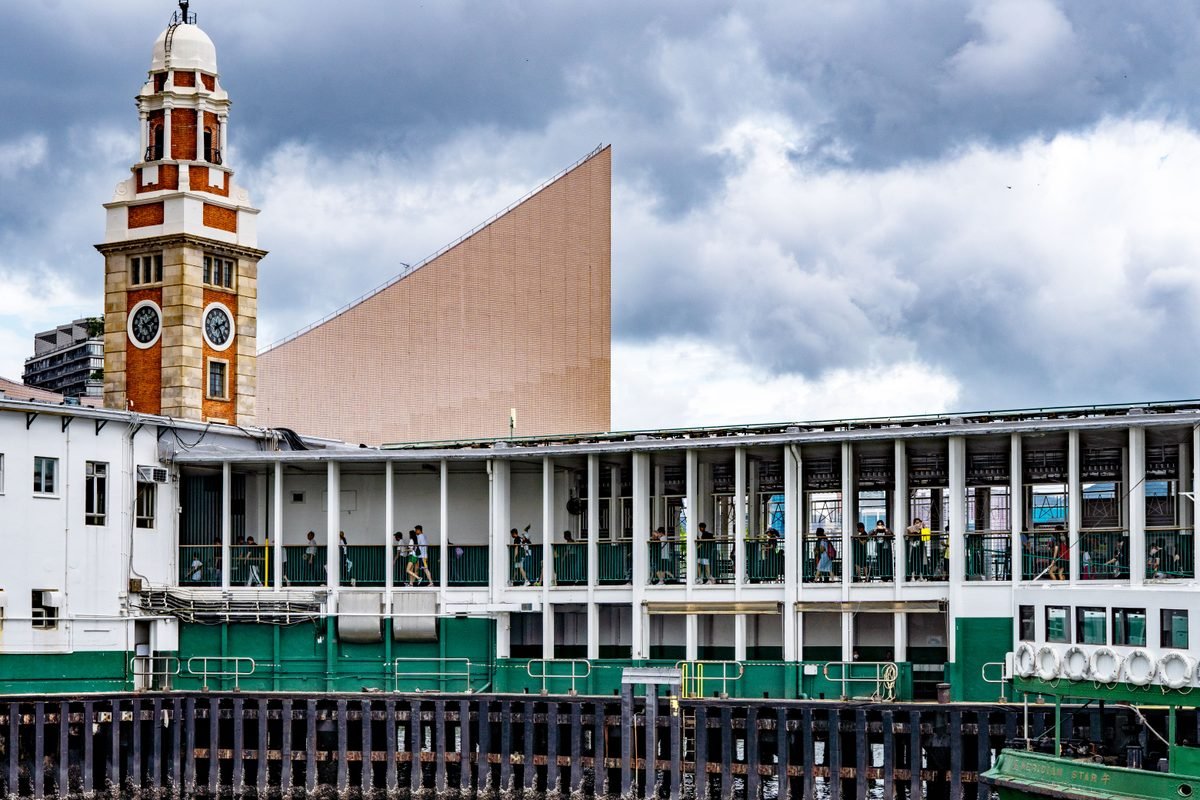
Once you descend, walk toward the Central Ferry Piers. Pier 7 is where you find the Star Ferry to Tsim Sha Tsui. This is the best value in travel. The ferry is cheap. A ride on the upper deck costs just HK$5 (about $0.65) on weekdays. The crossing takes about nine minutes and puts you right in the middle of the world-famous skyline. I never get tired of this ride. Once you reach the Kowloon side, walk along the Tsim Sha Tsui Promenade. At 8:00 PM, the Symphony of Lights starts, with lasers and LEDs dancing across the buildings on the opposite shore.
From a local: The Best Peak Viewpoint
Skip the paid observation deck and walk 15 minutes along Lugard Road for the exact same view without the crowds or the price tag.
Day 2: Sham Shui Po food and Kowloon culture
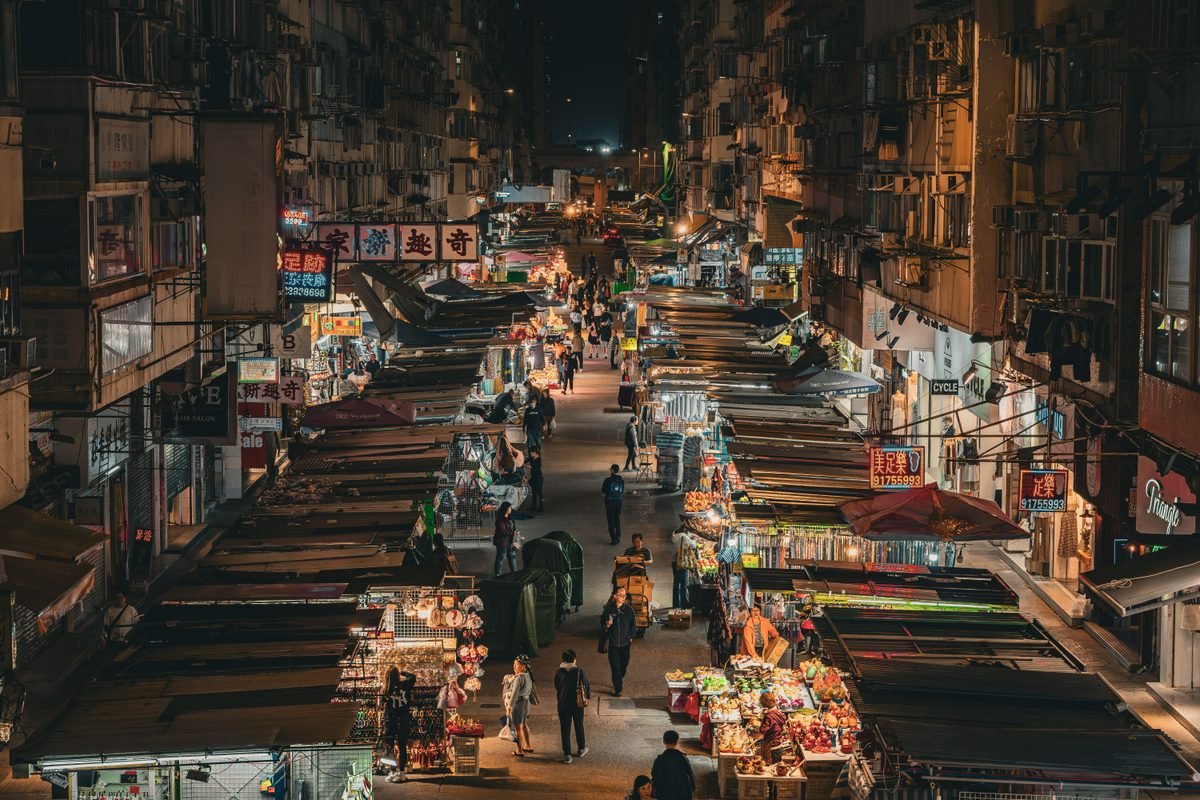
On your second day, leave the glitz of Central behind and head north to Sham Shui Po. This is one of the oldest and most authentic neighborhoods in the city. It is a place of street markets, electronics, and incredible food. Food is everywhere here. Start at the Pei Ho Street Market. The energy is high, with vendors shouting prices for fresh greens and seafood. It is a sensory overload in the best way. For lunch, seek out the original Tim Ho Wan on Fuk Wing Street. While it has many branches now, this one still feels local. Expect to pay around HK$150 (about $19) for a feast of pork buns and shrimp dumplings.
Street Snacks and Markets
Spend the afternoon exploring the themed streets. Apliu Street is famous for electronics and vintage gadgets. You can find anything from old cameras to the latest phone cables. For something sweeter, look for Kung Wo Beancurd Factory. They have been making tofu since 1893. A bowl of their silky tofu pudding with ginger syrup costs roughly HK$15 (about $2). It is a simple, cooling snack that has not changed in decades. The neighborhood feels very different from the glass towers of the south side. It is gritty, honest, and full of life.
Temple Street Night Market
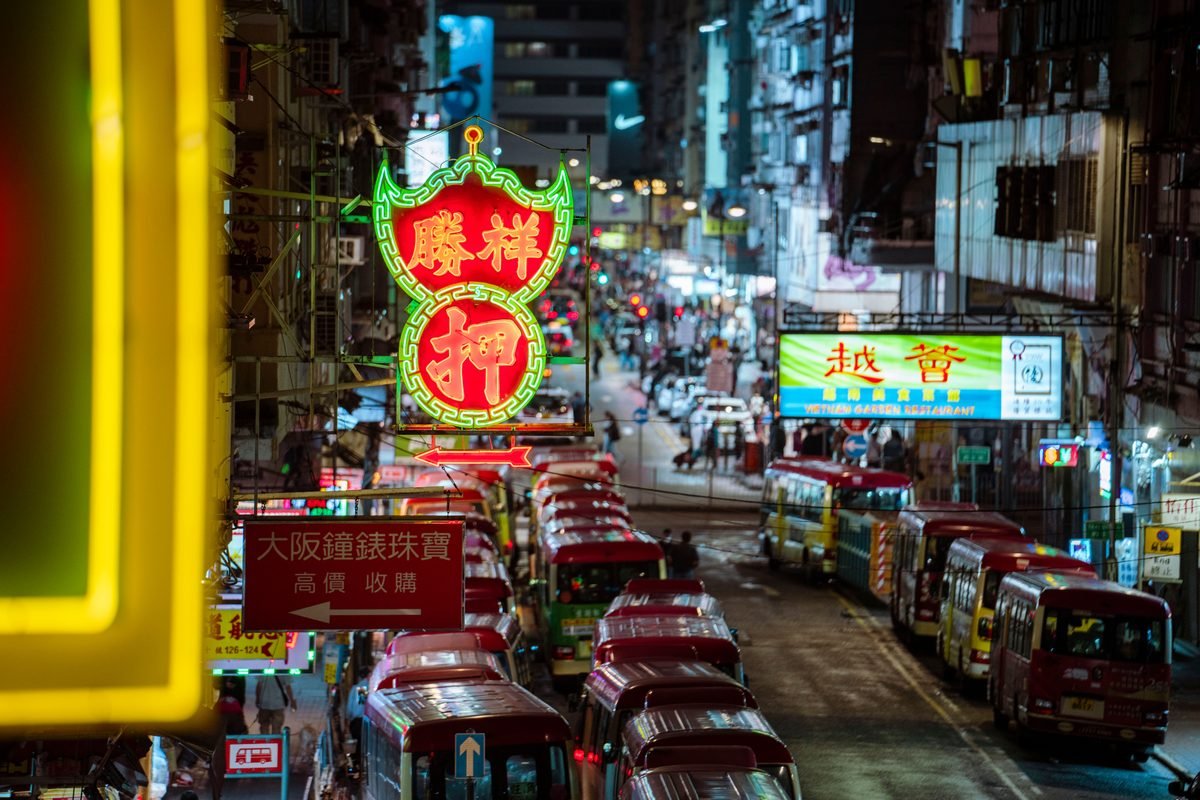
As evening approaches, take the MTR a few stops south to Jordan. This is home to the Temple Street Night Market. While it is touristy, it is a classic Hong Kong experience. The market comes alive after 7:00 PM. You will see fortune tellers, opera singers, and rows of stalls selling everything from silk robes to tea sets. Grab a plastic stool at one of the open-air seafood stalls (dai pai dongs). Order the spicy crab or claypot rice. A meal here with a couple of beers will cost about HK$250 (about $32). It is loud, hot, and exactly what you expect from a night in Kowloon.
Heads up: Cash is Still King
While the Octopus card works in many places, the small street food stalls and market vendors in Sham Shui Po often only take cash. Carry small bills.
Day 3: Lantau Island and Tai O village
For your final day, head back toward the airport but stop at Tung Chung station. This is the gateway to Lantau Island. The main draw here is the Ngong Ping 360 cable car. It is a 5.7km ride that takes you over the mountains and provides a bird’s-eye view of the airport and the South China Sea. A standard round-trip ticket costs HK$270 (about $35). I recommend booking this online in advance to avoid the long queues at the ticket office. At the top, you will find the Tian Tan Buddha, a massive bronze statue that sits at the end of 268 steps. The climb is worth it for the view of the surrounding lush hills.
The Stilt Houses of Tai O
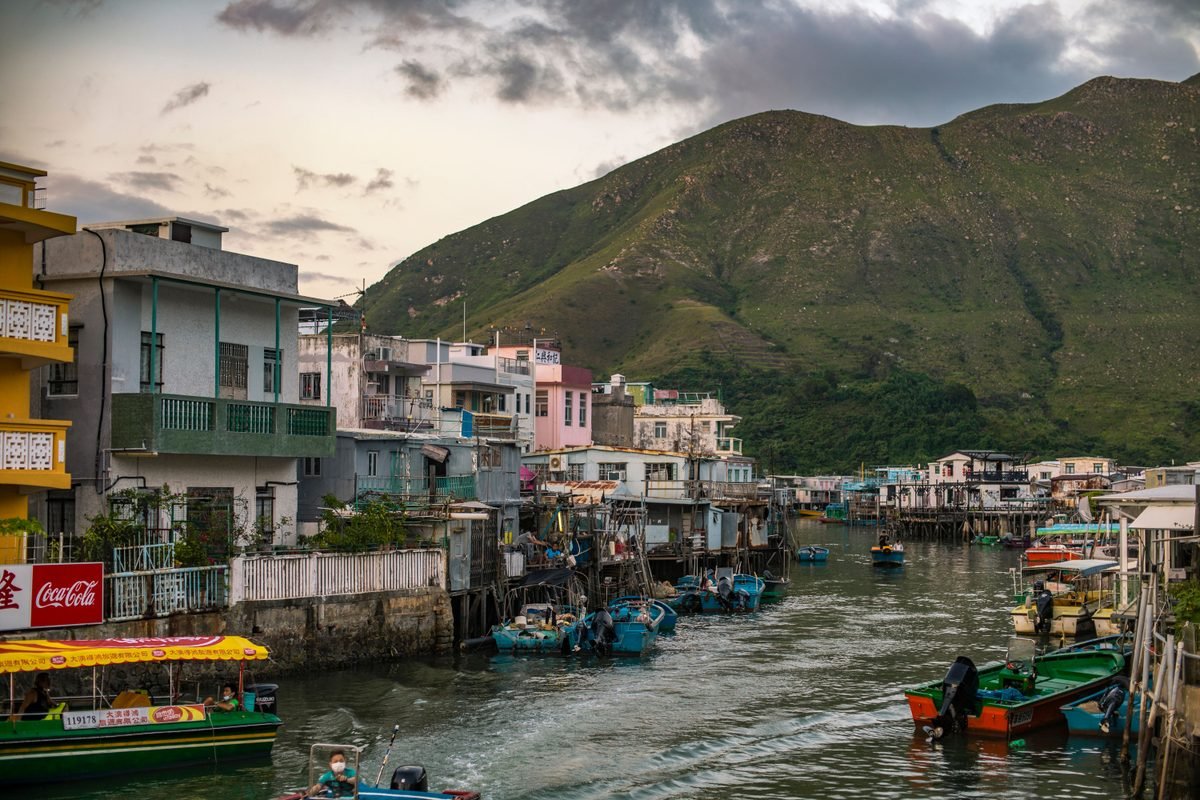
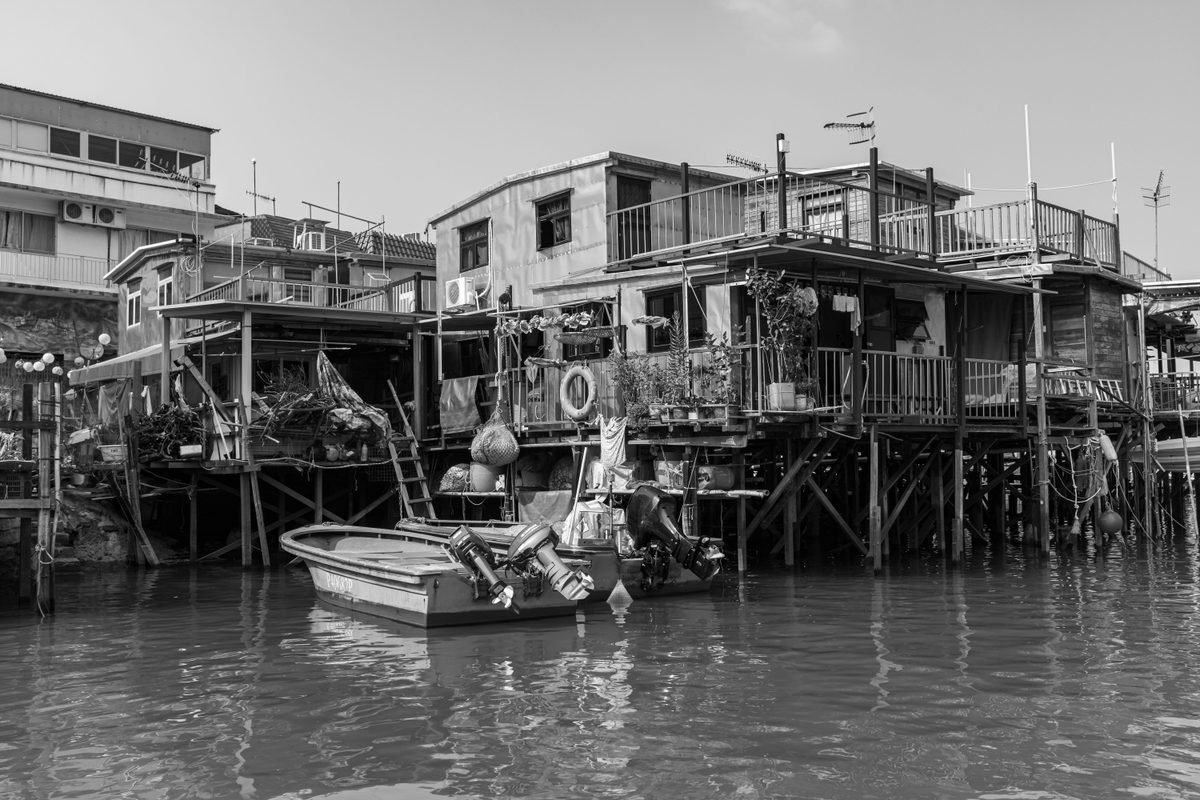
After seeing the Buddha, skip the tourist village and catch bus number 21 to Tai O. This is a traditional fishing village where the Tanka people have built their houses on stilts over the water for generations. It feels worlds away from the city. You can take a small boat tour for about HK$30 (about $4) that weaves through the canals and goes out into the bay. If you are lucky, you might spot the rare pink dolphins that live in these waters. The village is famous for its shrimp paste; you will smell it drying in large wooden vats in the sun.
A Quiet End to the Trip
Walk through the narrow alleys of Tai O and try the local snacks. The charcoal-grilled egg waffles here are some of the best in the territory. For a late lunch, find a small cafe overlooking the water. The pace of life here is slow and rhythmic. It is a reminder that Hong Kong is an archipelago of over 200 islands, not just a single city. To return, take the bus back to Tung Chung or catch a ferry from Tai O to Tuen Mun and then the MTR. It is a longer journey but very scenic. This balance of nature and urbanity is the core of the Hong Kong experience.
Book ahead: Book the Cable Car Early
The Ngong Ping 360 queue can exceed two hours on weekends. Buy a mobile ticket online to use the much faster pre-booked line.
When to visit and practical survival tips
September is a transitional month in Hong Kong. The peak of the summer heat is fading, but it is still very humid. Expect temperatures around 28°C to 30°C (82°F to 86°F). This is also the tail end of the typhoon season. While a direct hit is rare, it can lead to heavy rain and high winds that shut down the ferries and the Peak Tram. Always check the Hong Kong Observatory app for weather signals. If a Signal 8 is raised, the city effectively stops, and you should stay in your hotel. Most of the time, however, September offers clear blue skies that are perfect for photography.
Language is rarely a barrier for English speakers. Most signs are bilingual, and staff in hotels and major restaurants speak English well. In smaller neighborhoods like Sham Shui Po, a few words of Cantonese or some simple pointing go a long way. Tipping is not a major part of the culture here. Most sit-down restaurants will add a 10% service charge to the bill automatically. In casual spots or taxis, rounding up to the nearest dollar is appreciated but not required. The city is very safe, even late at night, though you should always be aware of your surroundings in crowded markets.
Water from the tap is technically safe to drink, but most locals prefer to boil it or buy bottled water because of the old piping in many buildings. You will find water fountains in MTR stations and malls. Regarding connectivity, I highly recommend getting a local SIM card or an eSIM. You can find them at the airport for about HK$100 (about $13) for a week of unlimited data. Having Google Maps or Naver Map (though Google works better here than in Korea) is essential for finding specific building entrances in the dense streets of Central and Mong Kok.
Where to eat in Hong Kong
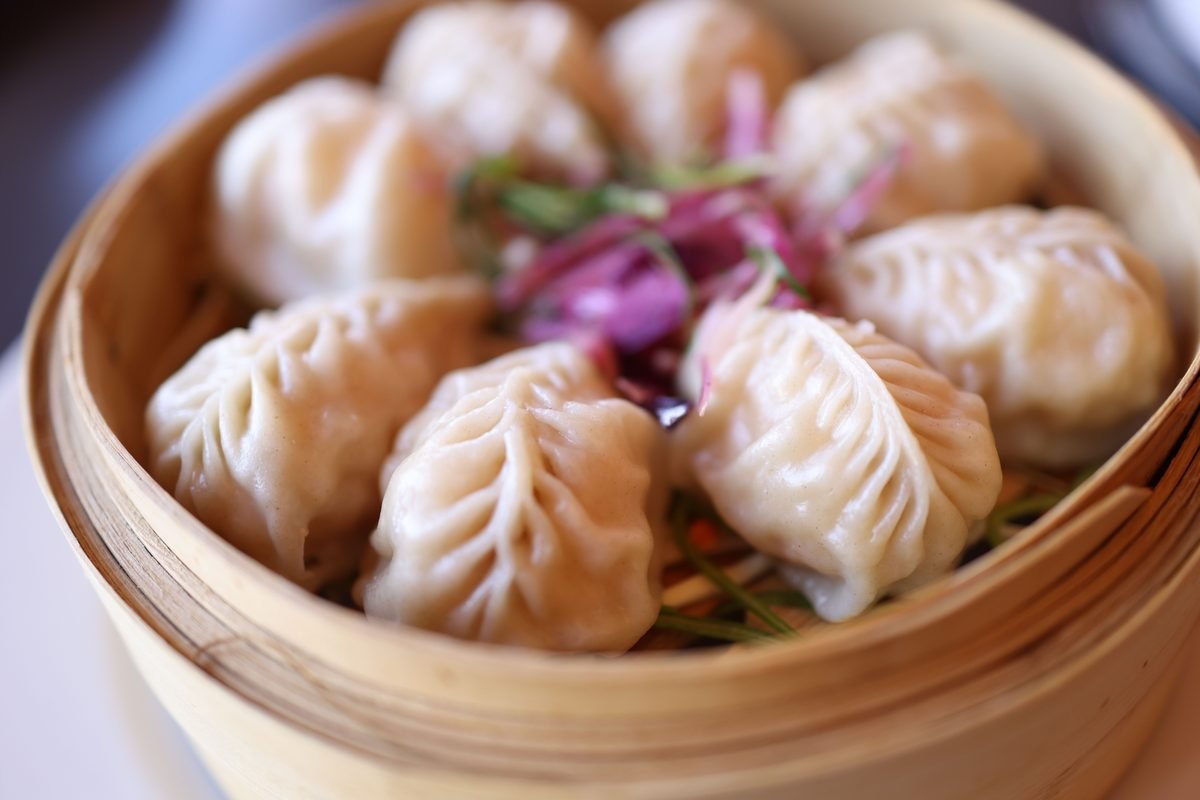
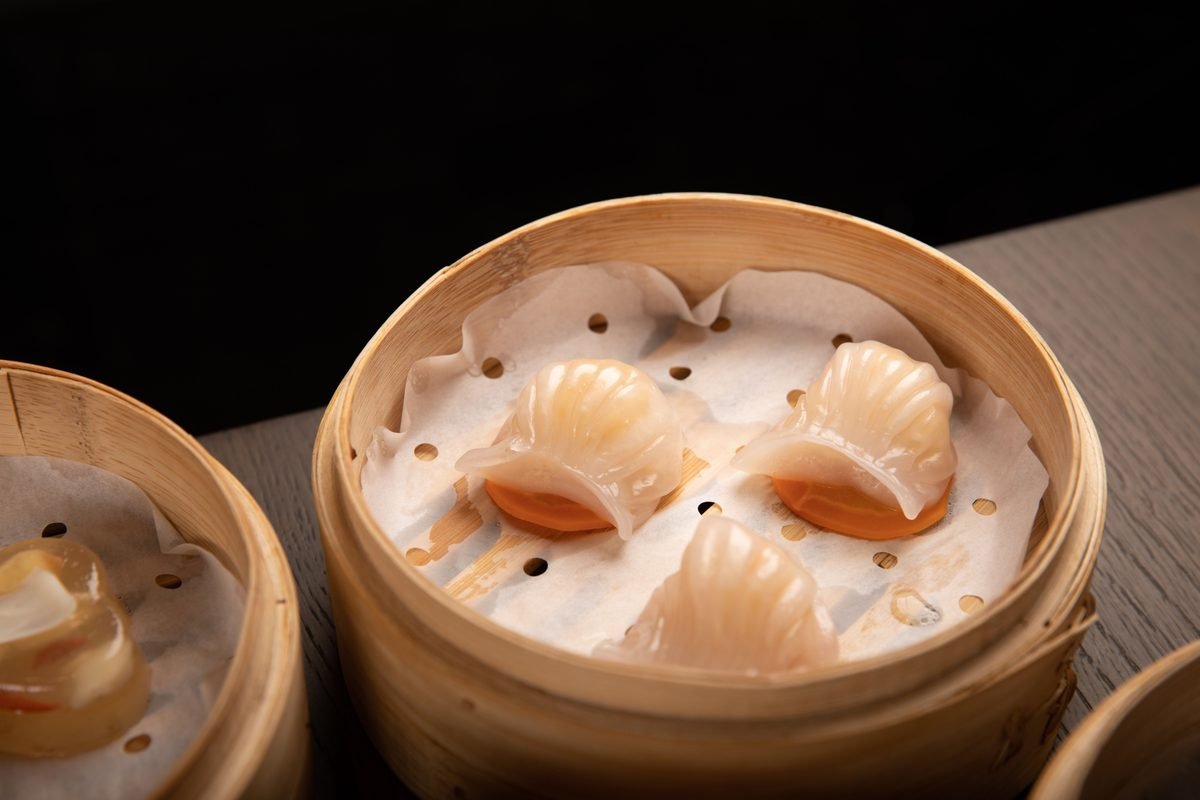
Eating is the national sport here. You cannot visit without a proper dim sum session. This is traditionally a breakfast or lunch affair known as yum cha. In addition to the famous Tim Ho Wan, look for Lin Heung Tea House for a very traditional experience where servers push carts of steaming baskets through the room. You have to be assertive to get what you want. Expect to pay about HK$120 to HK$200 (about $15 to $26) per person for a full meal. Try the har gow (shrimp dumplings) and the char siu bao (barbecue pork buns).
For dinner, the roast goose is a local obsession. Yat Lok in Central is a small, no-frills shop that has earned a Michelin star. A plate of roast goose with rice or noodles costs about HK$80 (about $10). The skin is crisp and the meat is tender. It is often crowded, so be prepared to share a table with strangers. This is common practice in Hong Kong’s smaller eateries. The turnover is fast, and the service is efficient rather than warm. It is all part of the local dining culture. The food is excellent, and that is what matters most.
Don’t ignore the dessert shops that open late into the night. Places like Honeymoon Dessert serve mango pomelo sago, a refreshing mix of fruit, cream, and tiny tapioca pearls. It usually costs around HK$45 (about $6). For a quick snack on the go, look for the curry fish ball stalls near MTR exits. A skewer of six spicy, bouncy fish balls costs about HK$15 (about $2). They are the ultimate Hong Kong street food. Whether you are eating at a five-star hotel or a plastic table on the sidewalk, the quality of ingredients is usually very high.
From a local: Sharing Tables
In busy local restaurants, it is standard to be seated at a table with people you don’t know. Don’t be offended; it’s the only way to keep the lines moving.
What it costs in Hong Kong
| Item | Local price | USD |
|---|---|---|
| Airport Express Single Trip | HK$115 | ($51) |
| Octopus Card (Initial + Top-up) | HK$200 | ($51) |
| Peak Tram Single | HK$88 | ($11) |
| Star Ferry (Upper Deck) | HK$5 | ($0.65) |
| Mid-range Meal (Dim Sum) | HK$150 | ($19) |
| Ngong Ping 360 Cable Car | HK$270 | ($35) |
| 3 Nights Mid-range Lodging | HK$3,600 | ($460) |
| Total Estimated Budget | HK$4,738 | ($606) |
Prices checked September 2026. Always confirm with the provider before you book.
Where to stay in Hong Kong
Budget
Sham Shui Po, for guesthouses near the MTR
This area offers the lowest prices for clean, simple rooms and puts you in the heart of the best street food. You can find small private rooms or hostels for roughly HK$350 to HK$550 per night.
Mid-range
Tsim Sha Tsui, for hotels near the ferry
Perfect for first-timers who want to be close to the harbor and the Star Ferry. Expect to pay between HK$900 and HK$1,600 for a comfortable hotel with easy access to the MTR.
Splurge
Central, for luxury stays near the Peak
Stay here if you want to be surrounded by the best nightlife and high-end shopping. Prices for luxury properties start around HK$2,800 per night and offer incredible views of the harbor.
Mistakes to avoid
- Waiting until the weekend to visit the Peak or Lantau Island when crowds are at their highest.
- Buying single-ride MTR tickets instead of using an Octopus card for every journey.
- Assuming that all small restaurants and market stalls will accept credit cards or mobile payments.
FAQ
Is 3 days enough for a Hong Kong 3 day itinerary?
Yes, three days allows you to see the major highlights like the Peak and the Star Ferry, while still having time for a day trip to Lantau Island or the street markets of Kowloon. It is a compact city, so you can cover a lot of ground quickly.
How do I get from the airport to the city?
The Airport Express train is the fastest and most reliable method, taking 24 minutes to reach Central for HK$115 (about $15). Taxis are also available but are more expensive and can be slowed down by traffic.
When is the best time to visit the Peak?
I recommend arriving about an hour before sunset. This lets you see the harbor in the daylight, enjoy the transition at dusk, and see the city lights at night without having to pay for two separate trips.
Is Hong Kong expensive for travelers?
It can be, but it is also possible to visit on a budget. Transport and street food are very affordable, while accommodation and high-end dining are where costs tend to rise quickly.
Do I really need an Octopus card?
Absolutely. It is the universal payment method for all public transport and is accepted at most convenience stores and many casual restaurants, making your trip much smoother.