A Local’s Da Nang and Hoi An Guide for 2026


The humidity hits you the moment you step out of Da Nang International Airport, a heavy, tropical blanket that smells faintly of sea salt and charcoal smoke. Unlike the chaotic sprawl of Ho Chi Minh City, the ride into the center is quick, taking barely fifteen minutes to reach the bridges spanning the Han River. I have spent years visiting this stretch of the central coast, watching it evolve from a quiet transit point into a world-class hub that manages to feel both modern and deeply rooted in tradition.
This Da Nang and Hoi An guide is written for independent travelers who want to skip the tour buses and navigate the region on their own terms. We will cover the logistics of getting from the airport to the sand, the precise timing needed to see the Golden Bridge without the crowds, and how to balance your time between the high-rise energy of Da Nang and the lantern-lit streets of Hoi An. Whether you have four days or a full week, these tips will help you manage the heat, the costs, and the local transport like a pro.
Getting from Da Nang Airport to the beach
Da Nang International Airport (DAD) is one of the most convenient arrivals in Southeast Asia because of its proximity to the city. While many airports require an hour-long trek to reach the center, here you can be checking into your hotel within twenty minutes of clearing customs. The city is flat and easy to navigate. Once you exit the arrivals hall, ignore the aggressive drivers shouting for your attention at the curb. Instead, use the Grab app, which is the standard for reliable transport in Vietnam. A car from the airport to the My Khe beach area typically costs around 120,000 VND (about $5), including the 10,000 VND airport exit fee.
If you are heading straight to Hoi An from the airport, the drive takes about 45 to 50 minutes. A Grab car will cost roughly 350,000 VND (about $14), but many hotels in Hoi An can arrange a private car for a similar price. I often find that booking the hotel car is easier for the long haul, as the driver will be waiting with a sign and knows exactly where the property is located in the narrow streets of the ancient town. The road follows the coastline, passing several large resorts that sit between the two cities.
For those traveling light, there are green shuttle buses, but they are less frequent and can be difficult to time. Stick to Grab or pre-arranged cars for a smooth start. The water is warm and waiting. Most drivers speak a little English, but having your destination pinned on a map is always helpful. Ensure you have small bills ready, as drivers sometimes struggle to make change for 500,000 VND notes right at the start of their shift. The process is simple and efficient.

Tip: Download Grab Before You Land
Download the Grab app and link your credit card before arriving in Vietnam. It eliminates the need to haggle over prices and ensures you always have a record of your ride and the fare.
Planning your trip with a Da Nang and Hoi An guide
The biggest question travelers face is how to split their nights between these two very different locations. Da Nang is a coastal city with skyscrapers, wide boulevards, and a massive beach. Hoi An is a preserved heritage site where motorbikes are restricted in the center and life moves at a slower pace. To get the most out of your visit, I recommend staying in both. A common mistake is using one as a base for day trips to the other, but you miss the distinct evening atmospheres that make each place special.
I suggest spending three nights in Da Nang followed by two or three nights in Hoi An. This allows you to enjoy the city’s craft beer scene and the Dragon Bridge fire show on the weekend, then transition to the quieter, more romantic vibe of the ancient town. The 30-kilometer distance between them is easy to cover by taxi or motorbike, but the shift in energy is significant. In Da Nang, you are a short walk from the surf; in Hoi An, you are surrounded by yellow-walled merchant houses and tailor shops.
If you only have three days total, base yourself in Da Nang. It is more central for excursions to the Marble Mountains and Ba Na Hills. However, if your goal is relaxation and photography, Hoi An should be your priority. The city is flat and easy to bike around. Rain starts in October, so keep your schedule flexible. Having a Da Nang and Hoi An guide that prioritizes this split ensures you don’t spend your entire vacation sitting in traffic between the two. Each city deserves its own dedicated mornings and evenings.
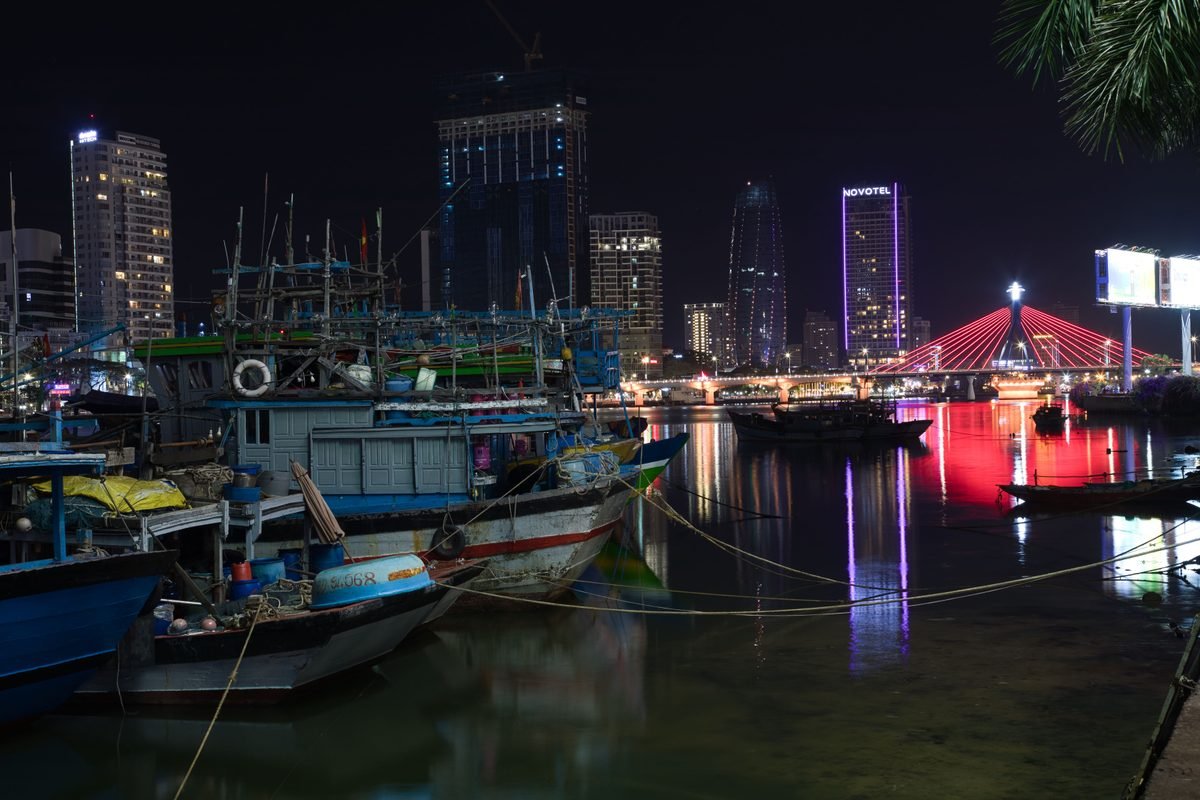
From a local: The Weekend Fire Show
The Dragon Bridge breathes fire and water every Friday, Saturday, and Sunday at 9:00 PM. Arrive at the riverbank near the head of the dragon by 8:30 PM to get a spot without being blocked by the crowds.
Beating the crowds at Ba Na Hills and the Golden Bridge
The Golden Bridge, held up by two massive stone hands, has become the defining image of central Vietnam. It is located within the Sun World Ba Na Hills theme park, which sits high in the Truong Son Mountains. Admission is relatively expensive at 900,000 VND (about $36), but it includes the cable car system, which is an impressive feat of engineering. The ride up takes about twenty minutes and offers views of waterfalls and thick jungle canopy. To see the bridge without thousands of other people in your frame, you must be on the very first cable car at 7:30 AM.
Most tour groups from Da Nang and Hoi An do not arrive until 9:00 AM or 10:00 AM. By then, the bridge is nearly impassable. If you arrive early, head straight for the bridge and skip the “French Village” and the wax museum for later in the morning. The weather at the top is unpredictable; it can be sunny at the coast but shrouded in thick fog and rain at Ba Na Hills. Bring a light jacket, as the temperature drops significantly as you ascend. The air is much cooler here.
By midday, the park becomes very busy. This is the time to explore the indoor fantasy park or have lunch at one of the many buffet restaurants. While the theme park elements can feel a bit kitschy, the mountain scenery and the architectural scale of the bridge are worth the entry fee. Avoid visiting on weekends or public holidays if possible, as the queues for the return cable car can exceed an hour in the late afternoon. Plan to depart by 2:00 PM to beat the rush back to the city.


Book ahead: Buy Tickets Online
Purchase your Ba Na Hills tickets via the Sun World website or a travel app a day in advance. This allows you to skip the ticket booth line and go straight to the cable car entrance.
Exploring Marble Mountains and My Khe Beach
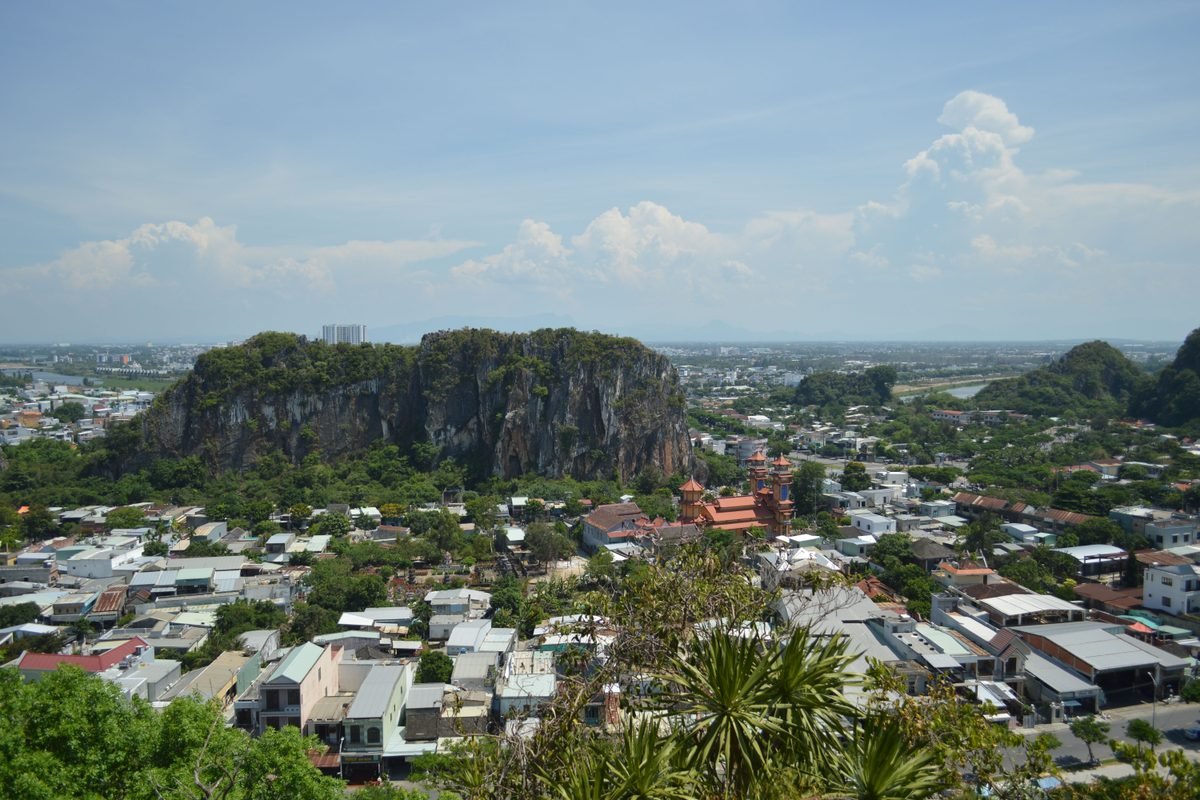
The Marble Mountains are a cluster of five limestone and marble hills named after the five elements. They are located about halfway between Da Nang and Hoi An. For an entry fee of 40,000 VND (about $1.60), you can climb the stairs or pay an extra 30,000 VND (about $1.20) to take the glass elevator up the side of the mountain. I recommend taking the elevator up to save your energy for exploring the pagodas and caves at the top. The Huyen Khong Cave is the highlight, where light beams through holes in the ceiling to illuminate a large Buddha statue carved into the stone.
Wear shoes with good grip. The marble steps are worn smooth from centuries of use and can be incredibly slippery, especially after a light rain. After exploring the caves, head back down to the base where dozens of stone-carving shops operate. While the larger statues are hard to transport, many shops sell smaller marble items that make for good souvenirs. The heat can be intense here, so try to visit before 10:00 AM or after 3:00 PM.
Just a short drive away is My Khe Beach, which stretches for miles along the Da Nang coast. The water is warm and generally calm, though the surf picks up during the winter months. In the early morning, around 5:30 AM, the beach is full of locals swimming and exercising before the workday begins. It is a great time to witness the local culture. By midday, the sand is too hot to walk on, but the beach clubs and seafood shacks along the road provide plenty of shade and cold drinks. It is a very accessible urban beach.

Heads up: Slippery Steps
The steps at Marble Mountains are made of natural marble and are extremely slick. Even if it hasn’t rained, the dust and wear make them a hazard. Hold onto the railings at all times.
Where to eat in Da Nang and Hoi An
The food in central Vietnam is distinct from the north and south. The most famous dish in Da Nang is Mi Quang, a turmeric-infused noodle dish served with a small amount of savory broth, pork, shrimp, quail eggs, and crunchy rice crackers. You can find a bowl at almost any street corner for about 35,000 to 45,000 VND (about $1.40 to $1.80). It is often served with a large plate of fresh greens and herbs; don’t be afraid to mix them all into the bowl for the full experience.
For a more interactive meal, head to a Banh Xeo specialist. Banh Xeo are crispy rice flour pancakes filled with pork and bean sprouts. You wrap pieces of the pancake in rice paper with herbs and dip them into a thick peanut and pork liver sauce. A famous spot is Banh Xeo Ba Duong, located at the end of a narrow alleyway. A full meal here for two people will cost roughly 200,000 VND (about $8). The atmosphere is loud and busy, which is part of the charm.
In Hoi An, the must-try dish is Cao Lau. These thick, chewy noodles are unique to the town because the traditional recipe requires water from a specific local well. They are topped with slices of barbecue pork and crispy squares of fried noodle skin. Pair it with a glass of fresh bia hoi (draught beer) for 10,000 VND (about $0.40) at a riverside stall. The seafood along the coast is also excellent, particularly the grilled squid and clams with lemongrass. Prices are higher at the beach, but the quality is generally very high. Eating local is the best way to keep your budget in check.


From a local: Chili Sauce Warning
Central Vietnamese chili sauce is much hotter than the Sriracha you might be used to. Start with a tiny dab in your noodles before committing to more.
Practical tips for your visit
October marks the beginning of the rainy season in central Vietnam. While it doesn’t rain all day every day, you should expect heavy afternoon downpours. These usually last an hour or two and then clear up. I always carry a lightweight poncho, which you can buy at any convenience store for about 20,000 VND (about $0.80). The rain can be a relief from the heat, but it does mean you should plan your outdoor activities for the morning hours. If a typhoon is forecast, travel between cities can be delayed, so keep an eye on local news.
Cash is still king for smaller purchases, street food, and markets. While many cafes and hotels in Da Nang and Hoi An now accept cards, you will need Vietnamese Dong for everything else. ATMs are plentiful, but they often have a withdrawal limit of 2,000,000 to 3,000,000 VND per transaction. Look for TPBank or VPBank ATMs, which often have higher limits and lower fees for international cards. Always choose to be charged in the local currency rather than your home currency to get a better exchange rate.
Regarding connectivity, buying a local SIM card at the airport is the easiest option. Viettel and Vinaphone have the best coverage in the region. A 30-day plan with plenty of data costs about 250,000 VND (about $10). Having data is essential for using the Grab app and navigating with maps. Most cafes have excellent free Wi-Fi, making this a popular spot for digital nomads. The pace of life is comfortable, and the people are generally very welcoming to independent travelers.

What it costs in Da Nang
| Item | Local price | USD |
|---|---|---|
| Grab car (Airport to My Khe Beach) | 120,000 VND | $5 |
| Ba Na Hills Entry Ticket | 900,000 VND | $36 |
| Bowl of Mi Quang or Cao Lau | 45,000 VND | $1.80 |
| Marble Mountains Admission | 40,000 VND | $1.60 |
| Local SIM Card (30 days) | 250,000 VND | $10 |
| Mid-range hotel (per night) | 1,250,000 VND | $50 |
| Daily Budget Total (Approx) | 2,605,000 VND | $104 |
Prices checked October 2026. Always confirm with the provider before you book.
Where to stay in Da Nang
Budget
My Khe Beach, for modern hostels within five minutes of the sand
This area is perfect for solo travelers and those on a budget who want to be near the ocean. You can find clean, social hostels and guesthouses for 300,000 to 500,000 VND ($12-$20) per night.
Mid-range
Han Riverfront, for city views and evening markets
Staying near the Dragon Bridge puts you in the heart of the city's dining and nightlife scene. Expect to pay between 1,000,000 and 1,800,000 VND ($40-$72) for a comfortable hotel with a river view.
Splurge
Hoi An Ancient Town outskirts, for quiet villas
Look for boutique resorts just a ten-minute bicycle ride from the heritage center. These properties offer lush gardens and pools for 2,500,000 to 4,000,000 VND ($100-$160) per night.
Mistakes to avoid
- Arriving at the Golden Bridge after 9:00 AM when the large tour groups saturate the area.
- Staying only in Da Nang or only in Hoi An instead of splitting your nights to experience both.
- Relying on street taxis without checking the Grab app price first to avoid being overcharged.
FAQ
How do I get from Da Nang to Hoi An?
The easiest way is to use the Grab app for a car, which costs about 350,000 VND ($14). Alternatively, many hotels offer private transfers for a similar price, or you can rent a motorbike if you are comfortable with local traffic.
Is a Da Nang and Hoi An guide necessary for a short trip?
Yes, because splitting your time correctly is vital for seeing the highlights like Ba Na Hills and the Marble Mountains without feeling rushed. A guide helps you time your visits to avoid the heaviest crowds and the hottest parts of the day.
What is the best month to visit?
The best time is from February to May when the weather is dry and temperatures are moderate. October and November are the peak of the rainy season, which can occasionally bring flooding to Hoi An’s ancient town.
Can I use credit cards in Da Nang?
Major hotels, upscale restaurants, and modern cafes accept credit cards, but you will need cash for street food, markets, and small shops. Always carry some Vietnamese Dong for daily expenses.
How long should I stay in central Vietnam?
A five-day trip is ideal, allowing three days for Da Nang (including Ba Na Hills and the beach) and two days to soak in the atmosphere of Hoi An.