Hoi An 3 Day Itinerary: Old Town, Tailors & Beaches


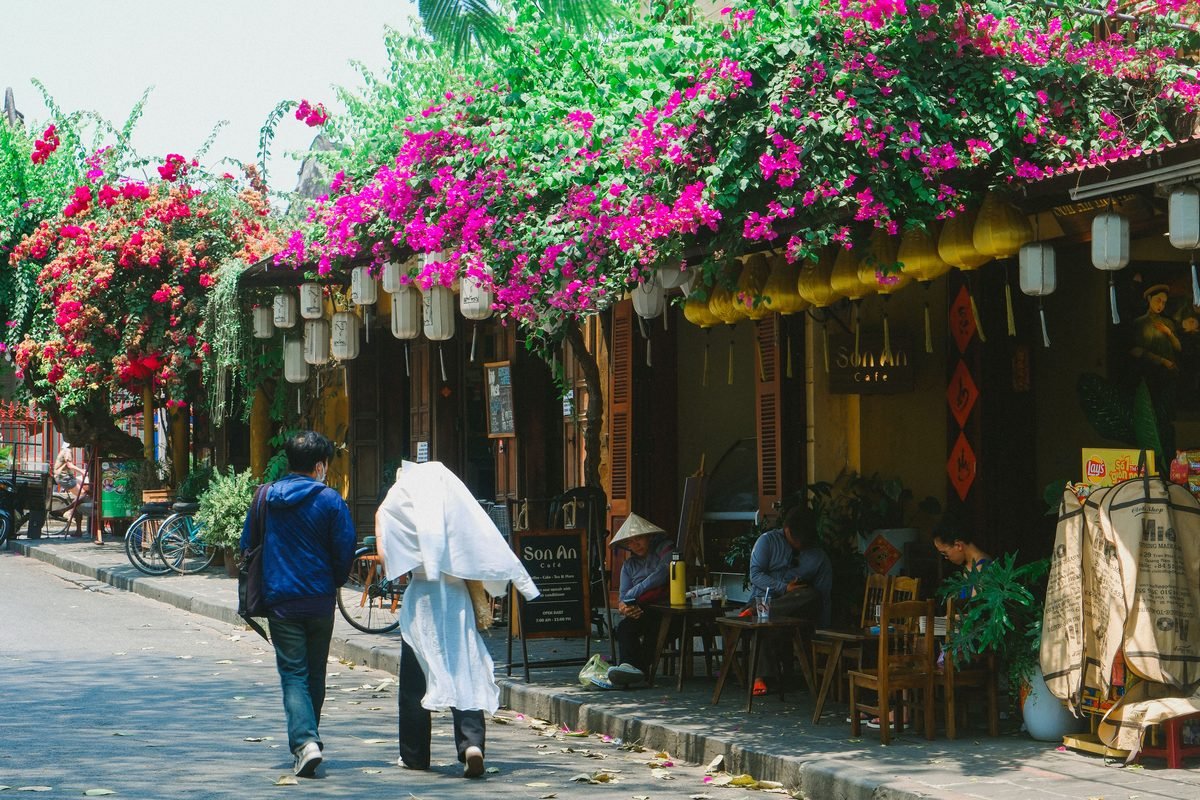
The yellow plaster walls along Tran Phu drop into deep gold around 5:30 PM, right before the street lanterns flicker alive. Silk lanterns glow in crimson, turquoise, and amber, casting soft reflections across the Thu Bon River as wooden sampans glide past the waterfront. Hoi An carries a distinct rhythm where ancient merchant trading history meets slow coastal living.
This detailed Hoi An 3 day itinerary is designed for independent travelers who want to experience the historic center without the tour crowds, cycle through rice paddies to the coast, and explore nearby ruins. I cover reliable airport transfers from Da Nang, straightforward advice on tailor fittings, and where to find the best regional noodle bowls for under two dollars.
A Complete Hoi An 3 Day Itinerary Day by Day
Three days gives you enough time to explore the old quarter, escape to the beach, and venture into the countryside without rushing. Bicycles make everything easy. Most guesthouses offer them for free or for roughly 30,000 VND (about $1.20) per day.
Day 1: Old Town Heritage and Evening Lanterns
Start your morning around 7:30 AM at the Old Town entrance. Buy the five-sight ticket package for 120,000 VND (about $4.80), which grants access to preserved merchant residences like Tan Ky House and the Cantonese Assembly Hall. The early hours are peaceful. By midday, drop into a reputable tailoring shop to select fabrics and take measurements. Spend the late afternoon cooling down at a riverside cafe along Bach Dang before boarding a wooden rowboat at dusk for 150,000 VND (about $6) to release a floating paper lantern.
Day 2: Morning Cycling, Vegetable Village, and An Bang Beach
Pedal north out of town through the lush fields of Tra Que vegetable village. Stop to watch farmers tend rows of mint and Thai basil using traditional water cans. Continue another fifteen minutes to An Bang Beach by 10:00 AM before midday temperatures climb. Rent a sun lounger from a beachfront cafe for the price of a fresh coconut, roughly 40,000 VND (about $1.60). Return to town in the late afternoon for your first tailor garment fitting.
Day 3: My Son Sanctuary and Street Food Crawl
Dedicate your final morning to an early excursion out to the Cham towers at My Son Sanctuary. Return to Hoi An by 1:00 PM for lunch, then spend a leisurely afternoon browsing handicraft shops along Nguyen Thi Minh Khai. Finish your trip eating your way through the night market across the An Hoi bridge.
From a local: Beat the Day-Trip Crowds
Tour buses from Da Nang arrive daily between 3:30 PM and 8:00 PM. Explore the heritage houses between 7:30 AM and 10:00 AM when the pedestrian streets are nearly empty.
How to Get to Hoi An from Da Nang Airport
Hoi An does not have its own airport or train station. Travelers arrive via Da Nang International Airport (DAD), located approximately 30 kilometers (19 miles) north. The journey between the two cities takes 45 to 55 minutes depending on traffic.
The most convenient and reliable option is a pre-arranged private car transfer. You can arrange this through your Hoi An lodging or book via the Grab mobile app directly upon landing. A private one-way car costs between 300,000 VND and 400,000 VND (about $12 to $16). The price is fixed per vehicle rather than per passenger, making it very economical for couples and small groups. Drivers meet you just outside the arrivals terminal exit doors holding a sign with your name.
If you prefer using the Grab app, walk across the first roadway to the official ride-hailing pickup zone in the airport parking area. A standard GrabCar ride typically costs around 350,000 VND (about $14). Avoid unofficial drivers inside the terminal building who approach you offering taxi services without a meter.
Budget-conscious solo travelers can also opt for shared tourist shuttle vans, which cost roughly 130,000 VND to 160,000 VND (about $5.20 to $6.40) per seat. These can be booked online in advance or at airport travel counters. They drop passengers off directly at major hotels and central homestays throughout Hoi An.
Tip: Use Grab for Fair Pricing
Connect to the free airport Wi-Fi inside the Da Nang terminal to check Grab rates before negotiating with any traditional street taxi driver.
Getting Custom Clothes Made Without Getting Ripped Off
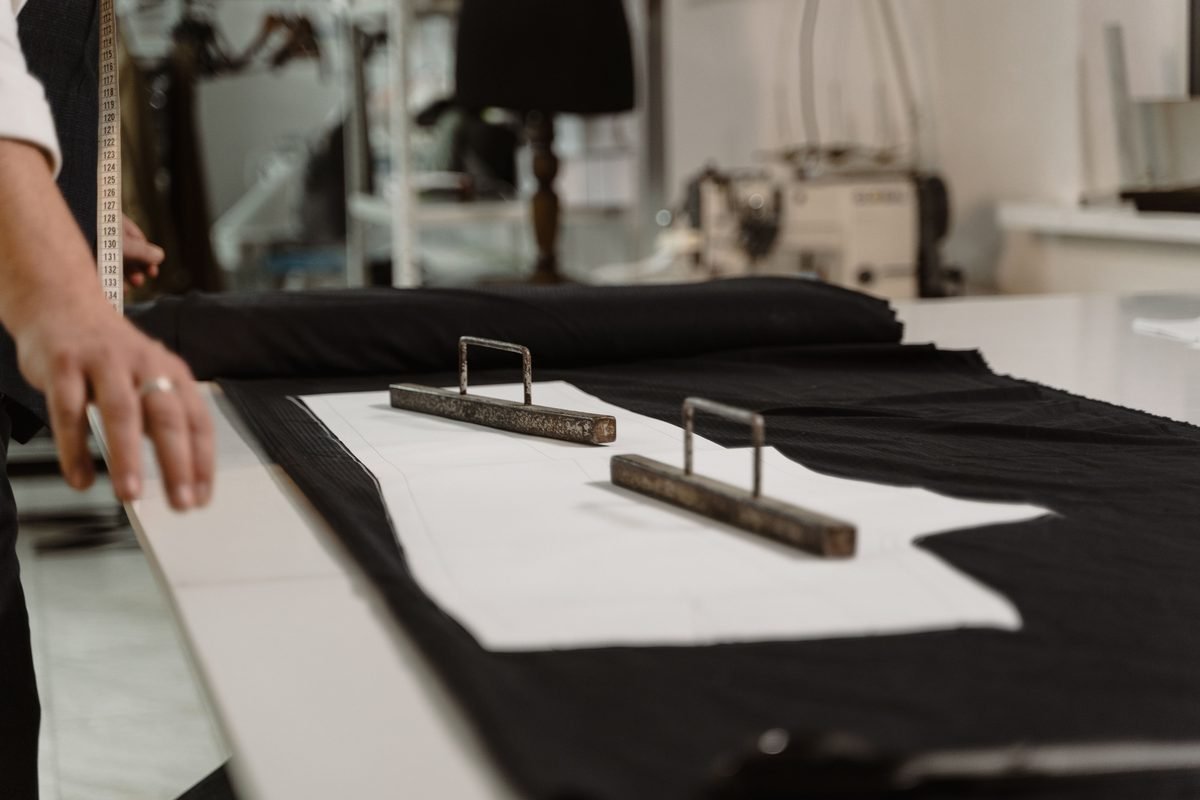
Custom tailoring is one of Hoi An’s signature experiences, with hundreds of shops lining Tran Hung Dao and Le Loi streets. The process is fun and rewarding if you enter with clear expectations and a realistic timeline.
Start your tailoring on Day 1. Quality work requires at least two fittings to ensure proper proportions, sleeve lengths, and waist adjustments. Do not rush this step. Bringing specific reference photos on your phone of clothing cuts you already love makes communication with the tailors far smoother than browsing shop catalogs.
Fabric choice dictates both the lifespan and cost of your garments. Always ask for pure linen, cotton, or wool-cashmere blends rather than synthetic polyester. Many shops display synthetic fabrics that look decent under indoor shop lights but breathe poorly in warm weather. Feel the weight of the fabric swatches and ask staff to conduct a quick burn test on thread fibers if you want to verify natural material content.
Expect to pay roughly 450,000 VND to 700,000 VND (about $18 to $28) for a tailored linen shirt, 600,000 VND to 900,000 VND (about $24 to $36) for linen trousers, and 2,500,000 VND to 5,000,000 VND (about $100 to $200) for a fully lined two-piece suit. Established shops like Bebe Tailor, Yaly Couture, and Tuong Tailor maintain higher prices but deliver consistent stitching, clean hems, and reliable delivery timelines directly to your hotel.
Heads up: Avoid Commission Touts
Never follow recommendations from cyclo drivers, hotel staff, or street touts who insist on taking you to their ‘family tailor shop’—they collect up to 40% commission on your bill.
Planning a Morning Day Trip to My Son Sanctuary
The ancient ruins of My Son Sanctuary sit roughly 40 kilometers (25 miles) southwest of Hoi An in a forested river valley. Built by the Champa civilization between the 4th and 14th centuries, these red-brick Hindu temples remain one of the most significant archaeological areas in Southeast Asia.
Entry tickets cost 150,000 VND (about $6), which includes an electric shuttle ride from the visitor center to the main temple clusters. The surviving complexes are organized into lettered groups from A through H. Group B and C contain the best-preserved shrines, intricate stone carvings of Shiva, and detailed lintels depicting Hindu mythology.
Timing your visit is critical. Heat peaks around two o’clock. The valley traps midday humidity, and large tour groups arrive on buses around 9:30 AM. Book a private driver to depart Hoi An at 6:30 AM. This gets you onto the temple footpaths right at opening time when the air is cool and mist still hangs above the jungle canopy.
A round-trip private car with driver waiting on-site for two hours costs around 700,000 VND to 850,000 VND (about $28 to $34). Alternatively, budget shared shuttle buses run daily from Hoi An for roughly 150,000 VND (about $6) per person roundtrip. You can complete the visit comfortably and return to Hoi An in time for a late lunch.


Book ahead: Reserve Early Transport
Book your 6:30 AM driver through your guesthouse the evening before to secure an early departure before the group shuttles leave.
Where to Eat in Hoi An: Local Specialties and Markets
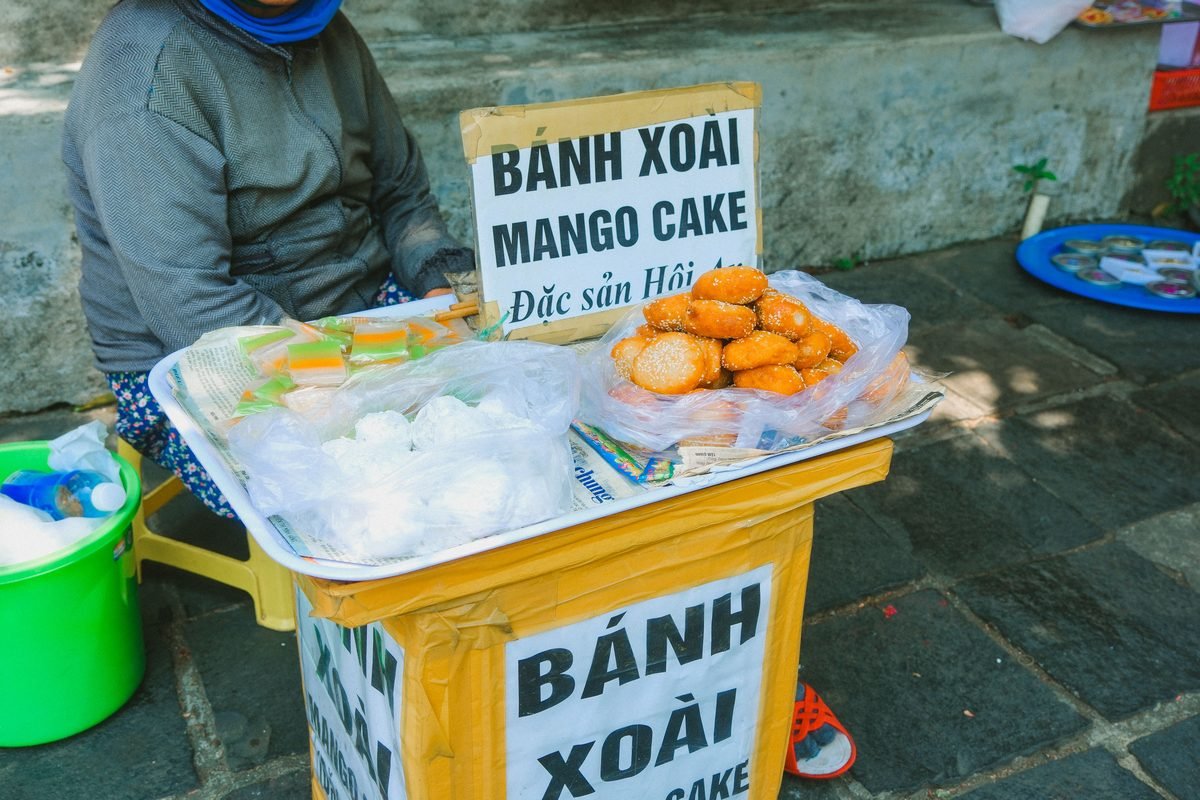
Hoi An has one of the most distinctive culinary scenes in Vietnam due to centuries of international maritime trade. The town’s signature dishes rely on local greens grown in Tra Que and water traditionally drawn from the ancient Ba Le well.
Your first food stop should be for cao lau, a bowl of chewy, thick rice noodles topped with sliced char siu pork, crisp fried noodle squares, bean sprouts, and fresh herbs. The noodles obtain their springy texture and smoky brown color from lye ash water. Head to Quan Cao Lau Thanh on Thai Phien Street, where a generous bowl costs 35,000 VND (about $1.40).
Other essential local dishes include:
- Banh Bao Banh Vac (White Rose Dumplings): Translucent steamed rice flour dumplings filled with spiced minced shrimp, served with crispy fried shallots and sweet dipping sauce. Try them at White Rose Restaurant on Hai Ba Trung for 70,000 VND (about $2.80).
- Mi Quang: Wide turmeric-tinted noodles served in a shallow broth with pork, shrimp, quail eggs, roasted peanuts, and toasted sesame rice crackers for roughly 40,000 VND (about $1.60).
- Com Ga Hoi An: Shredded poached chicken tossed with fresh herbs, thinly sliced onions, and lime juice over fragrant turmeric rice, available at Com Ga Ba Buoi for 50,000 VND (about $2).
- Banh Mi: Crusty baguettes loaded with pate, pork roast, cucumber, cilantro, and chili paste. Grab a classic sandwich at Madam Khanh (The Banh Mi Queen) for 30,000 VND (about $1.20).
Cash is king here. Keep small bills ready when dining at local street stalls and the central market hall.
Best Time to Visit and Practical Travel Tips
Hoi An experiences two distinct seasons: dry season from February through August, and rainy season from September through January. The most comfortable months are February to May, when daytime temperatures hover around 26°C to 30°C (79°F to 86°F) with low humidity and minimal rainfall.
From October through early December, heavy monsoon rains and upstream dam releases occasionally cause the Thu Bon River to overflow into Old Town streets. While local business owners adapt quickly by shifting wares to upper floors and operating wooden canoes, navigating flooded streets can disrupt sightseeing.
Within the designated pedestrian zone of Old Town, motorbikes are prohibited daily from 9:00 AM to 11:00 AM and from 3:00 PM to 9:30 PM. This makes walking and cycling exceptionally pleasant. Keep your Old Town entrance ticket with you at all times, as inspectors at street checkpoints occasionally ask to see it during peak afternoon hours.
ATMs from major banks like Vietcombank and MB Bank are plentiful along Tran Hung Dao. For connectivity, purchase a local Viettel or Vinaphone eSIM online prior to landing or pick up a physical SIM card at Da Nang Airport for around 200,000 VND (about $8) with unlimited high-speed data.

What it costs in Hoi An
| Item | Local price | USD |
|---|---|---|
| Private car transfer from Da Nang Airport (one way) | 350,000 VND | $14.00 |
| Old Town 5-sight entry ticket | 120,000 VND | $4.80 |
| Bicycle rental (per day) | 30,000 VND | $1.20 |
| My Son Sanctuary entrance ticket | 150,000 VND | $6.00 |
| Casual meal (Cao Lau or Banh Mi with drink) | 50,000 VND | $2.00 |
| Mid-range boutique hotel room with pool (per night) | 1,000,000 VND | $40.00 |
| Average daily budget per person (mid-range) | 1,250,000 VND | $50.00 |
Prices checked September 2026. Always confirm with the provider before you book.
Where to stay in Hoi An
Budget
A family-run homestay in Cam Pho
Ideal for solo travelers and budget backpackers wanting quiet residential streets a 7-minute walk from the Old Town gate for $15 to $25 per night.
Mid-range
A boutique garden hotel on An Hoi Island
Perfect for couples who want swimming pool access and immediate walking proximity to evening night markets for $35 to $65 per night.
Splurge
A luxury riverside resort along Cua Dai
Best for travelers seeking expansive spa amenities, lush gardens, and riverboat transfers to both the beach and town center for $130 to $240 per night.
Mistakes to avoid
- Leaving custom tailoring until your final day in town, which prevents you from doing essential second fittings and making necessary garment adjustments.
- Renting a scooter to explore the Old Town pedestrian core where motorized vehicles are strictly banned for most of the daytime and evening.
- Visiting My Son Sanctuary in the middle of the afternoon when interior temple brick clusters radiate intense heat and tour groups crowd narrow paths.
FAQ
How many days do you need in Hoi An?
A 3-day itinerary is ideal for Hoi An. It gives you enough time to tour the historic merchant houses, complete tailor fittings, spend an afternoon at An Bang Beach, and make a half-day trip to the My Son ruins.
Is the Hoi An Old Town entrance ticket mandatory?
Yes, visitors entering the historic district are required to purchase the 120,000 VND ($4.80) ticket, which supports preservation and includes entrance coupons to five heritage sights of your choice.
How do you get from Da Nang to Hoi An?
The easiest way is booking a private car or Grab ride from Da Nang Airport, which costs around 300,000 to 400,000 VND ($12 to $16) and takes 45 minutes. Shared airport tourist shuttles are also available for roughly 140,000 VND ($5.60).
Can you swim at the beach in Hoi An?
Yes, An Bang Beach and Cua Dai Beach offer good swimming from March through September when seas are calm. Swimming is not recommended during late autumn monsoons due to strong currents and rough surf.
What is the best way to follow a Hoi An 3 day itinerary on a budget?
Stay at a homestay in Cam Pho that provides free bicycles, eat local dishes like cao lau and banh mi at street stalls for under $2, and book morning shared shuttles for day trips rather than private taxis.