Best Things to Do in Sokcho: Mountains to Sea

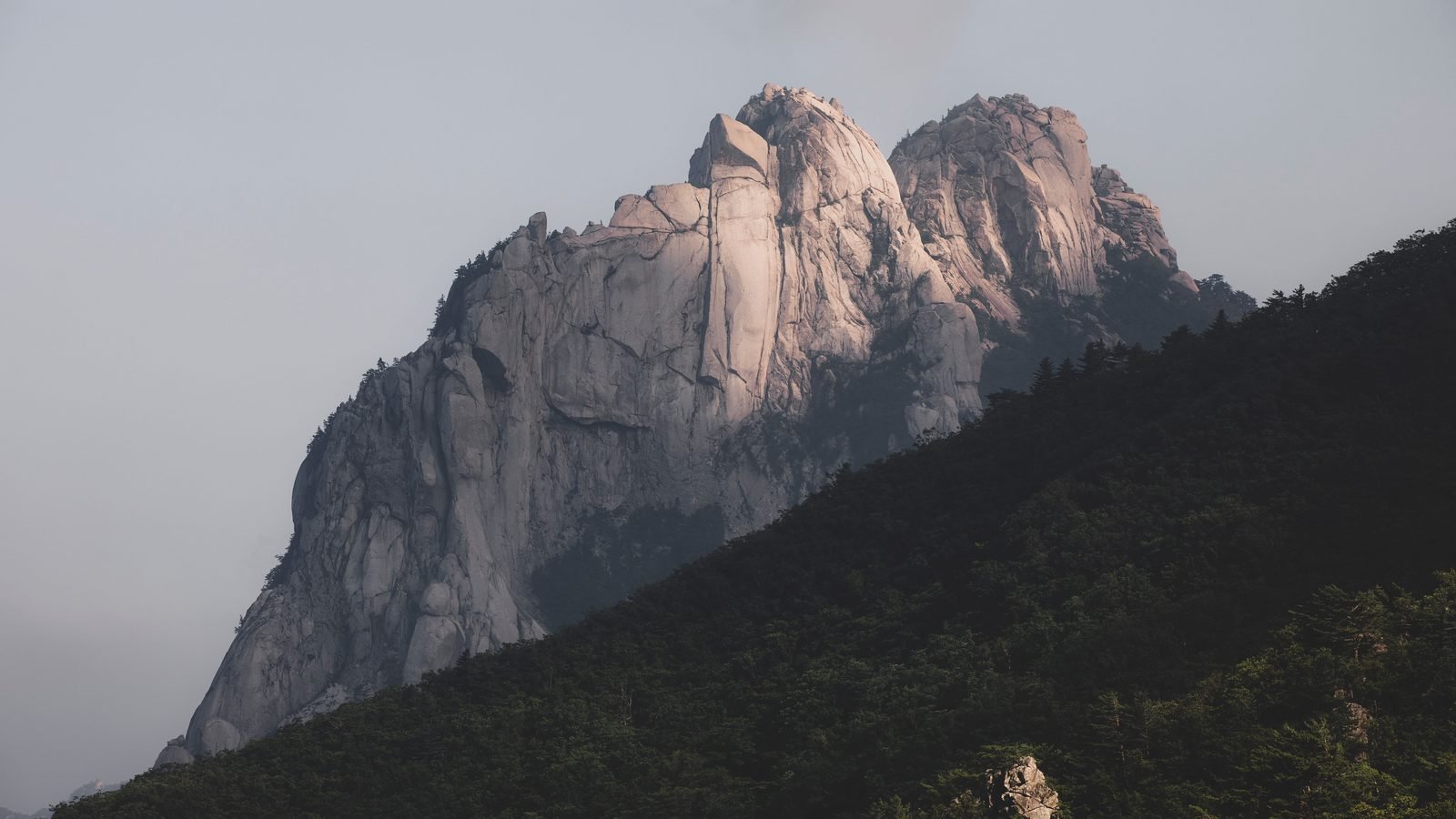
A cold glass of Cass beer sits on a plastic table while the smell of frying squid fills the salty air. There are so many things to do in Sokcho, a coastal city where the granite peaks of Seoraksan slide straight down into the East Sea. It is a place of dramatic contrasts, where you can scale a mountain ridge in the morning and dine on fresh crab at a busy port by sunset.
This guide is for independent travelers who want to skip the rigid tour buses and experience Sokcho on their own terms. I will cover how to get here from Seoul, the choice between hiking and riding the cable car, and where to find the best local food.
How to get to Sokcho from Seoul
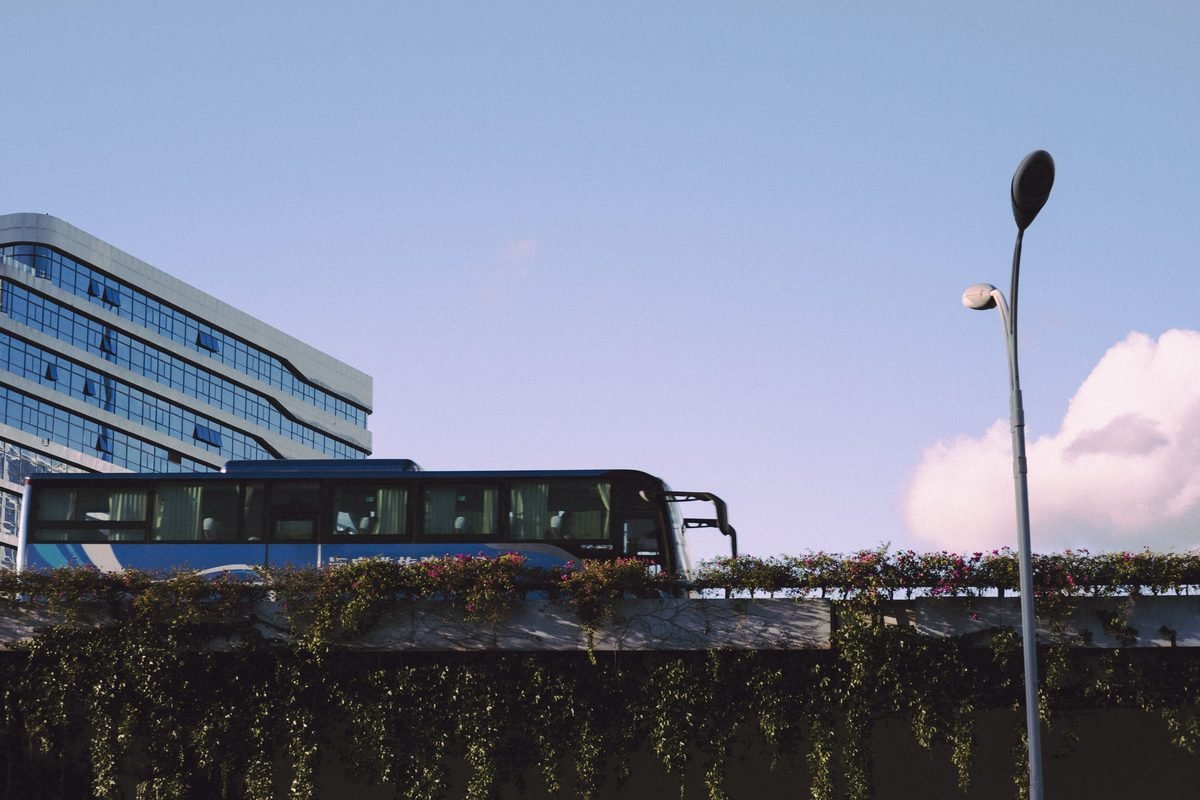
Sokcho lacks a train station. A high-speed rail line is currently under construction, but for now, the express bus is your best option. It is a highly efficient and comfortable way to travel. You can board a bus at either the Seoul Express Bus Terminal in Seocho-gu or the Dong Seoul Bus Terminal in Gangbyeon. Both terminals offer frequent departures throughout the day, usually every 15 to 30 minutes.
The journey takes roughly two and a half hours, though weekend traffic can easily stretch this to over three hours. I recommend leaving early in the morning to beat the rush out of the capital. Tickets for a standard seat cost about ₩19,000 (about $14), while the plush, reclining seats on premium buses cost around ₩28,000 (about $21). You can buy tickets directly at the terminal ticket windows using a foreign credit card.
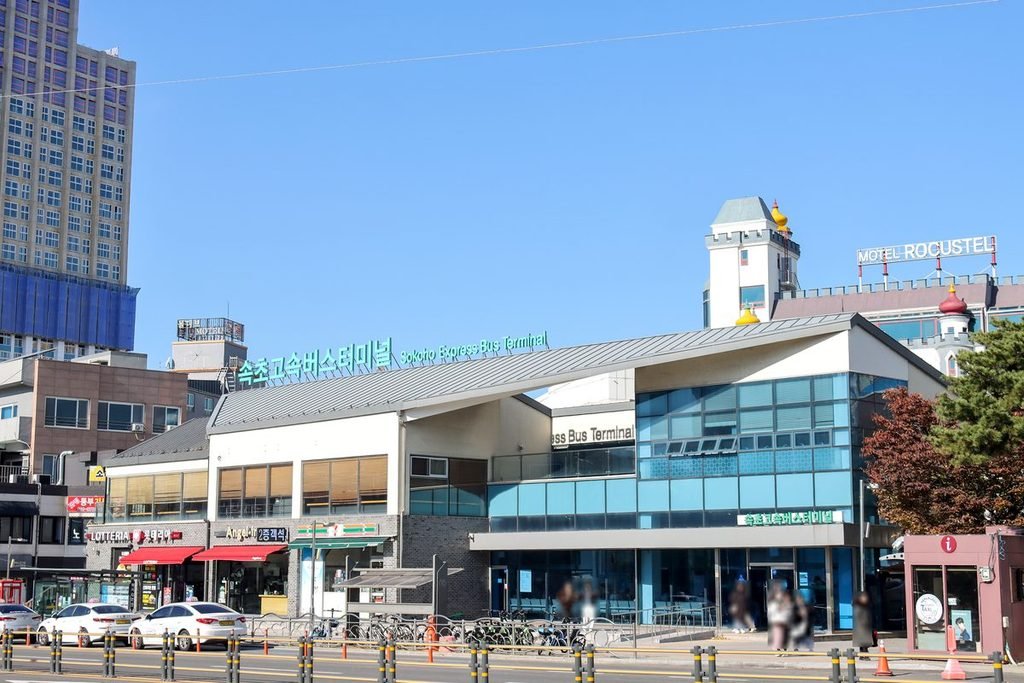
The bus ride itself is incredibly scenic. It cuts through the mountainous heart of Gangwon-do via a series of massive highway tunnels. The bus will drop you off at either the Sokcho Express Bus Terminal or the Sokcho Intercity Bus Terminal. Make sure you know which one you are arriving at, as they are located in different parts of the city. For most travelers, the Express Bus Terminal is the more convenient starting point. It sits right by the main beach, making it easy to drop off your bags and start exploring immediately.
Tip: Book Weekend Buses Early
Buses returning to Seoul on Sunday afternoons sell out quickly. Buy your return ticket as soon as you arrive in Sokcho to avoid getting stranded.
Essential Things to Do in Sokcho: Your Perfect Itinerary
Timing your trip to Sokcho depends heavily on whether you want to hike in cool weather or brave the massive autumn crowds. The absolute peak season is mid-to-late October. This is when the autumn foliage turns the slopes of Seoraksan National Park into shades of fiery red and deep orange. It is undeniably beautiful, but the crowds are intense. Traffic on the road leading to the park entrance can grind to a complete halt, and you might wait hours just to board the cable car.
If you prefer a quieter experience, late September or early November are excellent alternatives. The weather is crisp. The skies are generally clear, and you can walk the trails without bumping elbows with thousands of other hikers. Spring, from April to May, is another lovely window. The mountain wildflowers are in bloom, and the coastal breeze is gentle.
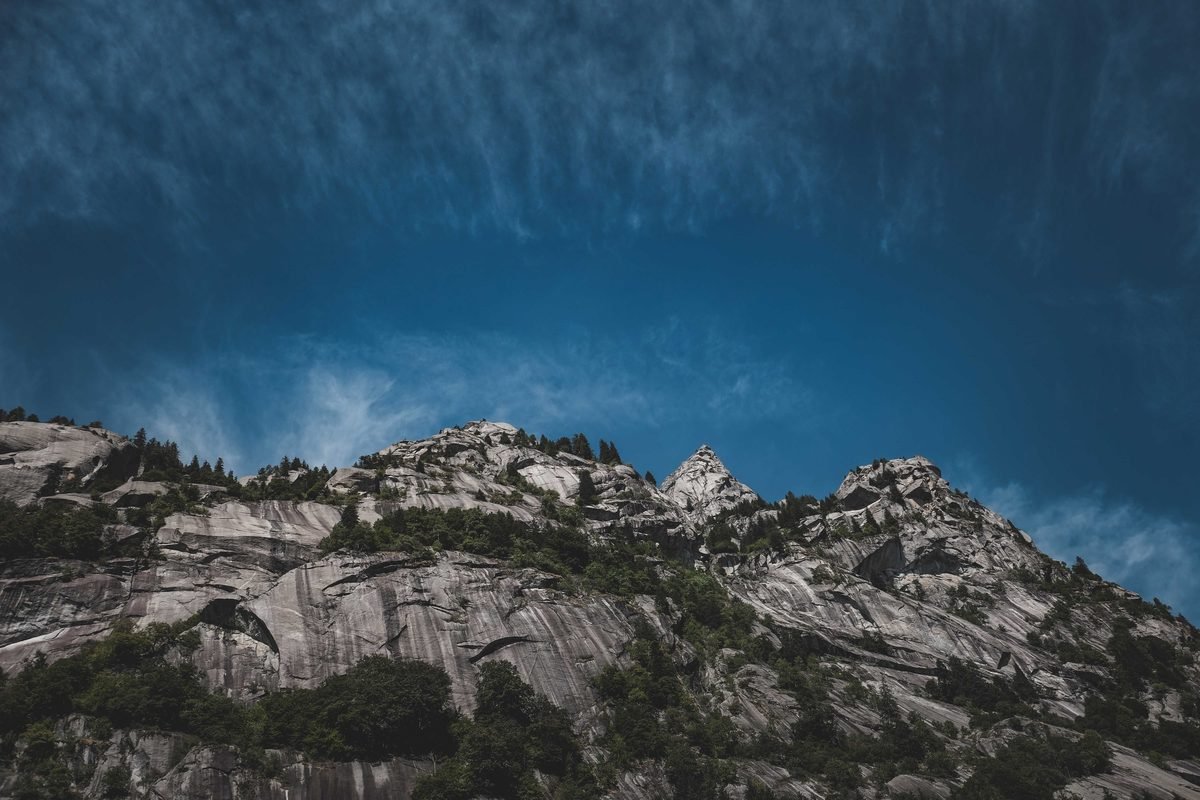
Summer brings hordes of domestic vacationers to Sokcho Beach. While the swimming is fun, the high humidity makes hiking up the steep mountain trails a sweaty, exhausting chore. Winter is cold and windy, with temperatures often dropping below freezing. However, seeing the jagged granite peaks of Seoraksan covered in a thick blanket of pristine white snow is a magnificent sight. Just be sure to bring crampons for the icy paths.
Seoraksan National Park: Cable car vs Ulsanbawi hike
Once inside Seoraksan National Park, you face a classic dilemma: do you take the easy way up or push your legs to the limit? The park entrance is free now, as the historic Sinheungsa Temple abolished its entry fee in May 2023. Just past the giant bronze Buddha statue, you will find the boarding station for the Seoraksan Cable Car. This cable car whisks you up to Gwongeumseong Fortress in just five minutes. A round-trip ticket costs ₩15,000 (about $11). From the upper station, a short ten-minute walk leads to a windswept rocky peak with sweeping views of the outer mountain ranges and the sea. It requires very little physical effort.
On the other hand, the hike to Ulsanbawi Rock is one of the most rewarding challenges in Korea. This is a six-kilometer round-trip trail that starts gently but ends with a brutal climb. The final section consists of over 800 steep metal steps bolted directly into the sheer rock face. It feels like climbing a giant staircase into the sky. Your thighs will burn. However, standing on top of the massive, multi-peaked granite ridge makes every single step worth it.
The view of the surrounding valleys is spectacular. Budget about three to four hours for the entire hike. If you are feeling ambitious, you can easily do both: take the cable car early in the morning to beat the ticket lines, then spend the afternoon tackling the Ulsanbawi trail.
Heads up: Cable Car Wind Closures
The cable car does not operate during high winds. Check the weather forecast before heading out, as tickets cannot be booked in advance online.
Riding the hand-pulled ferry to Abai Village
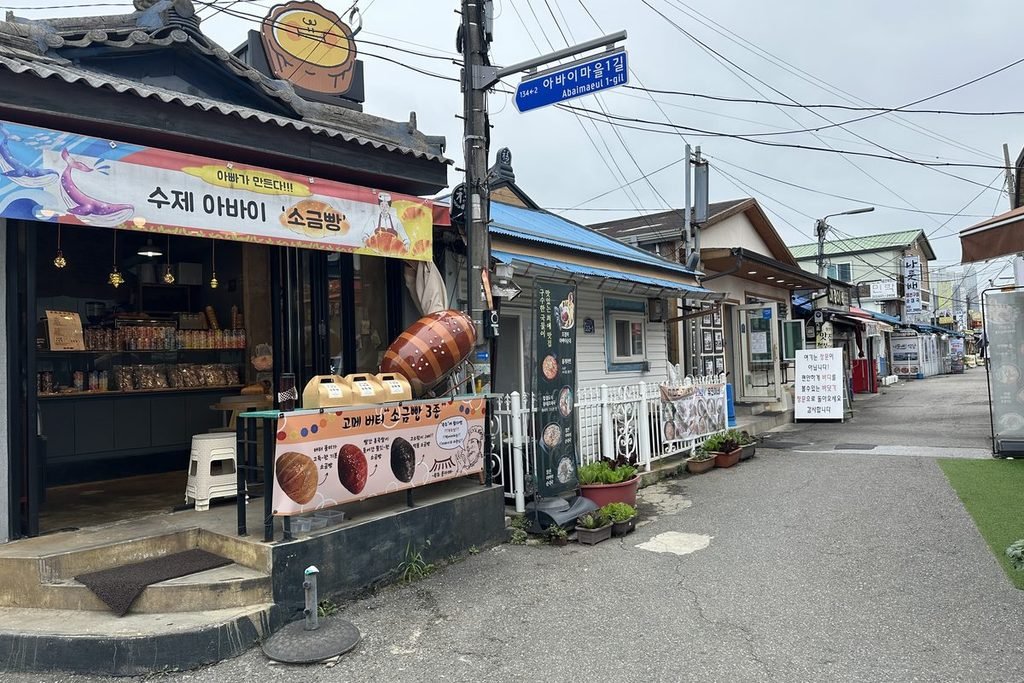
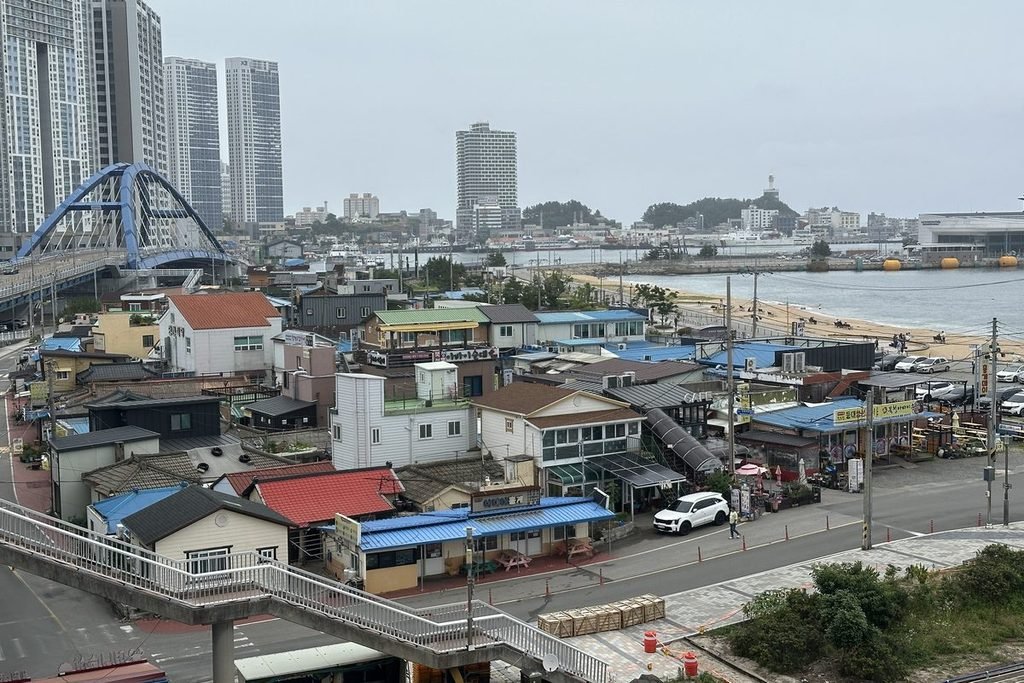
A short walk from the downtown area lies Abai Village, a unique neighborhood with a poignant history. During the Korean War, thousands of refugees fleeing from Hamgyeong Province in North Korea settled on this sandy spit of land. They expected to return home quickly, but the division of the peninsula kept them here. The word ‘Abai’ means uncle or elderly man in the Hamgyeong dialect. Today, the village retains a distinct northern character, especially in its food.
To get there, skip the modern bridge and take the traditional hand-pulled ferry, known locally as the gaetbae. This wooden raft runs along a steel cable stretched across the narrow canal. There is no motor. Instead, passengers use metal hooks to pull the cable and propel the ferry forward. It is a communal effort. The short crossing costs just ₩500 (about $0.38) each way, and you pay in cash on board.
Once you step off the ferry, you will find a maze of narrow alleyways lined with small, family-run restaurants. The culinary star here is ojingeo sundae, or squid sundae. Instead of pig intestines, chefs stuff a whole squid body with a savory mixture of minced tentacles, tofu, vegetables, and sticky rice. The stuffed squid is sliced into rounds, dipped in egg batter, and pan-fried to order. Pair it with a bowl of local corn makgeolli for a truly authentic Sokcho lunch. It is a delicious way to connect with the living history of this resilient community.
From a local: Help Pull the Ferry
Don’t just stand there! Grab one of the metal hooks provided on the gaetbae and help the operator pull the cable. It is a fun local tradition.
Where to eat in Sokcho: The famous tourist fish market
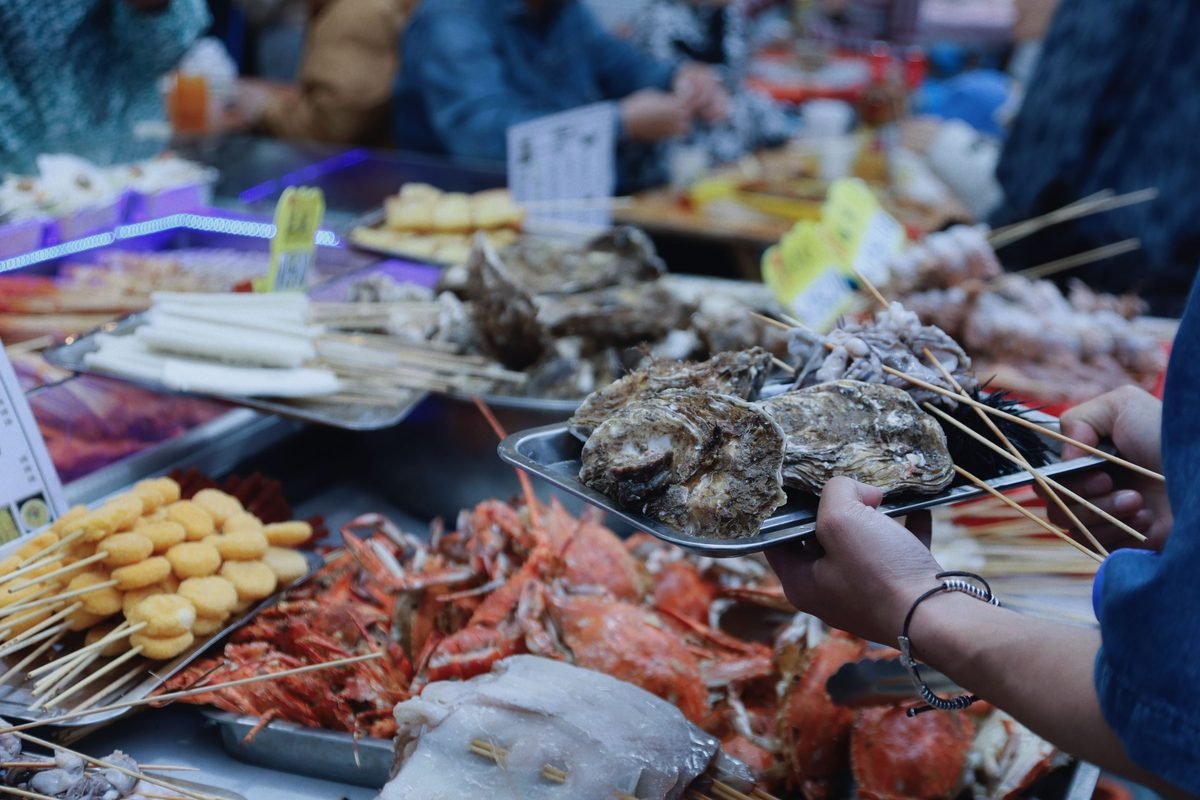
If you want to experience the culinary heart of the city, head straight to the Sokcho Tourist & Fishery Market. This massive covered market is a sensory overload of sights, sounds, and smells. In the basement level, you will find rows of live fish tanks where you can select fresh seafood to be sliced into sashimi on the spot. Upstairs, the stalls are packed with local specialties, dried fish, and mountain herbs.
The most famous street food here is dakgangjeong, which is deep-fried chicken glazed in a sweet, sticky, and slightly spicy sauce. You will see crowds of people carrying large, flat white boxes from Manseok Dakgangjeong, the most famous vendor in the market. Their kitchen is so clean it looks like a semiconductor laboratory, with staff wearing full protective suits. A box costs about ₩21,000 (about $16) and is designed to be eaten cold, making it a perfect snack to take back to your hotel or down to the beach.
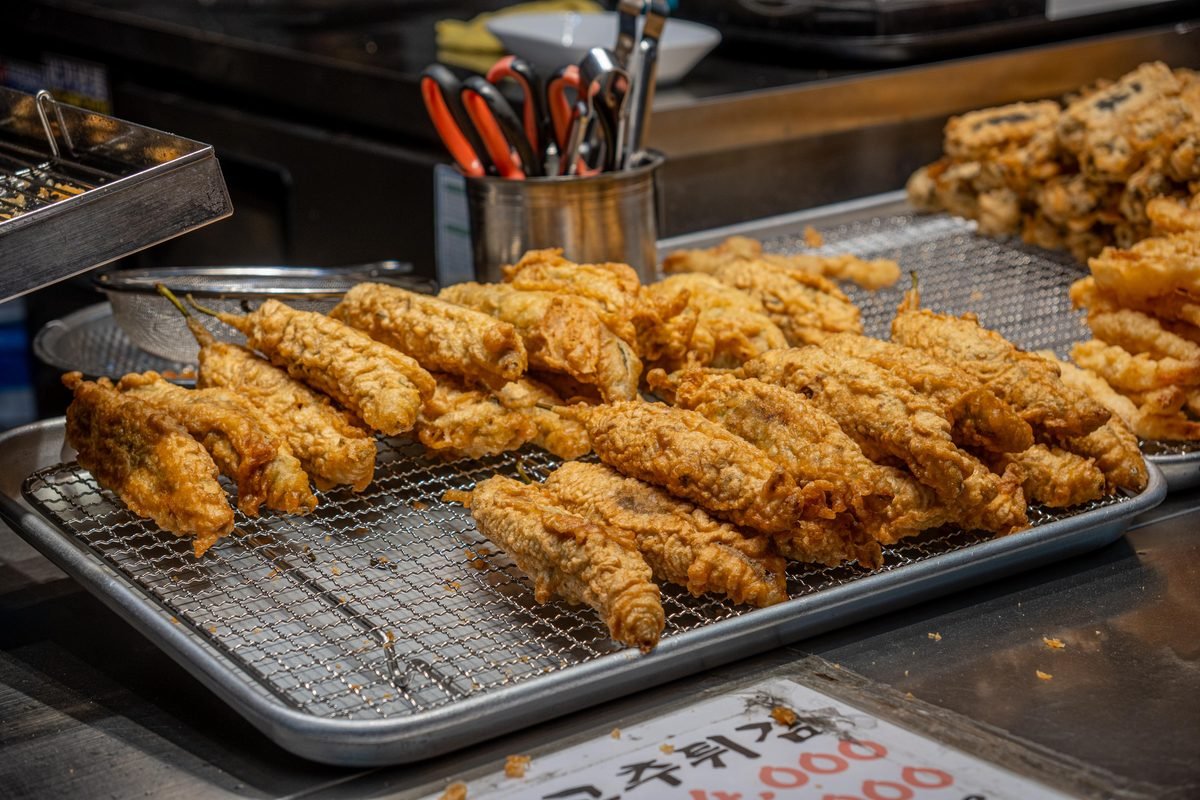
Do not stop at the chicken. Walk down the fried food alley to try saeu-twigim, or deep-fried whole prawns. They are fried to a perfect golden crunch, and you can eat them shell and all. For dessert, join the queue at the famous seed hotteok stall near the market entrance. These sweet, griddled pancakes are stuffed with brown sugar syrup and packed with a generous handful of crunchy sunflower and pumpkin seeds. It is salty, sweet, and incredibly satisfying. The market can get chaotic on Saturday nights, so try visiting on a weekday afternoon for a more relaxed stroll.
How to get around Sokcho easily
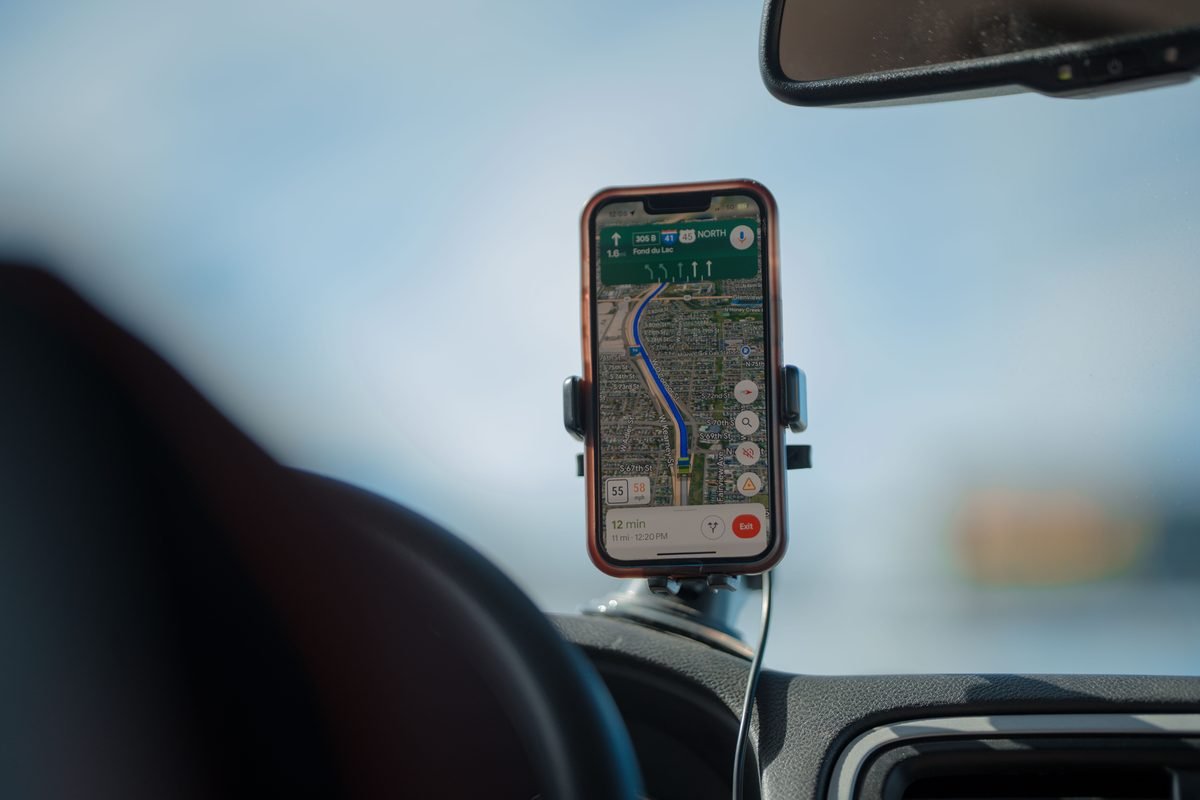
Navigating Sokcho is relatively straightforward once you have the right digital tools. As is the case throughout South Korea, Google Maps will not work for walking or transit directions. You must download Naver Map or KakaoMap before you arrive. Both apps are available in English and provide precise bus schedules and walking routes. To get to Seoraksan National Park from the city center, look for city bus number 7 or 7-1. These buses run frequently and will take you directly to the park entrance for a fare of ₩1,500 (about $1.15).
You can pay your bus fare using a standard T-money card. If you do not have one, you can purchase a blank card for about ₩4,000 (about $3) at any convenience store and load it with cash. While credit cards are accepted almost everywhere in Sokcho, including most market stalls and restaurants, you will need physical cash for a few specific things. The gaetbae ferry to Abai Village only accepts cash, and some of the smaller street food vendors prefer it.
If you plan to hike Seoraksan, pack plenty of water and snacks. While there are convenience stores and restaurants near the park entrance, options are limited and expensive once you get further up the trails. Finally, keep an eye on the weather forecast. Heavy rain or strong winds can cause the Seoraksan cable car to suspend operations without prior notice. Check the official park website or ask your accommodation host to call ahead if the weather looks questionable.
Book ahead: Buy a T-Money Card in Seoul
Purchase and charge your T-money transport card at a convenience store in Seoul before heading to Sokcho, as local terminal options can be limited.
What it costs in Sokcho
| Item | Local price | USD |
|---|---|---|
| Express bus from Seoul (one-way) | ₩19,000 | $14 |
| Seoraksan Cable Car (round-trip) | ₩15,000 | $11 |
| Gaetbae ferry to Abai Village (one-way) | ₩500 | $0.38 |
| Squid sundae lunch at Abai Village | ₩15,000 | $11 |
| Box of Manseok Dakgangjeong | ₩21,000 | $16 |
| Mid-range hotel night | ₩85,000 | $65 |
| Realistic daily total (excluding lodging) | ₩65,000 | $50 |
Prices checked September 2026. Always confirm with the provider before you book.
Where to stay in Sokcho
Budget
A cozy guesthouse near Sokcho Intercity Bus Terminal
Perfect for solo backpackers who want easy transport links and a social atmosphere for about ₩30,000 to ₩45,000 (about $23 to $34) per night.
Mid-range
A modern business hotel overlooking Sokcho Beach
Ideal for couples and families who want clean rooms and sea views within walking distance of the sand for roughly ₩75,000 to ₩110,000 (about $57 to $84) per night.
Splurge
A luxury hot spring resort near the base of Seoraksan
Best for travelers seeking ultimate relaxation in outdoor mineral baths after a long day of mountain hiking for about ₩220,000 to ₩350,000 (about $168 to $267) per night.
Mistakes to avoid
- Trying to navigate the city using Google Maps, which does not support walking or transit directions in South Korea.
- Visiting Seoraksan National Park on an autumn weekend afternoon, when traffic jams can leave you stuck on the access road for hours.
- Forgetting to carry physical paper cash for the traditional gaetbae ferry to Abai Village, which does not accept card payments.
FAQ
How do I get to Seoraksan from Sokcho?
You can easily take city bus 7 or 7-1 from the Sokcho Express Bus Terminal or downtown. The ride takes about 30 minutes and drops you off right at the park entrance. The fare is ₩1,500 (about $1.15) and can be paid with a T-money card.
Can you do Seoraksan as a day trip from Seoul?
Yes, it is possible if you catch the earliest express bus around 6:00 AM, but it will be a very long and exhausting day. To truly enjoy the hikes and the coastal town, we highly recommend staying at least one night in Sokcho.
What are the best things to do in Sokcho when it rains?
When the weather turns bad, head to the covered Sokcho Tourist & Fishery Market to feast on hot street food like seed hotteok and deep-fried prawns. You can also explore the indoor cafes overlooking the sea at Yeonggeumjeong pavilion or visit the Sokcho Museum to learn about local history.
Is the Seoraksan temple entry free?
Yes, entry to Sinheungsa Temple and the surrounding national park paths is completely free. The historic entry fees were officially abolished in May 2023, though you still have to pay for the cable car or parking if you drive.
How much is the hand-pulled ferry to Abai Village?
The gaetbae ferry costs just ₩500 (about $0.38) for a one-way trip. You must pay this fee in physical cash to the operator on board, as T-money cards and credit cards are not accepted.