
2 Days in Porto: A Realistic 48-Hour Itinerary

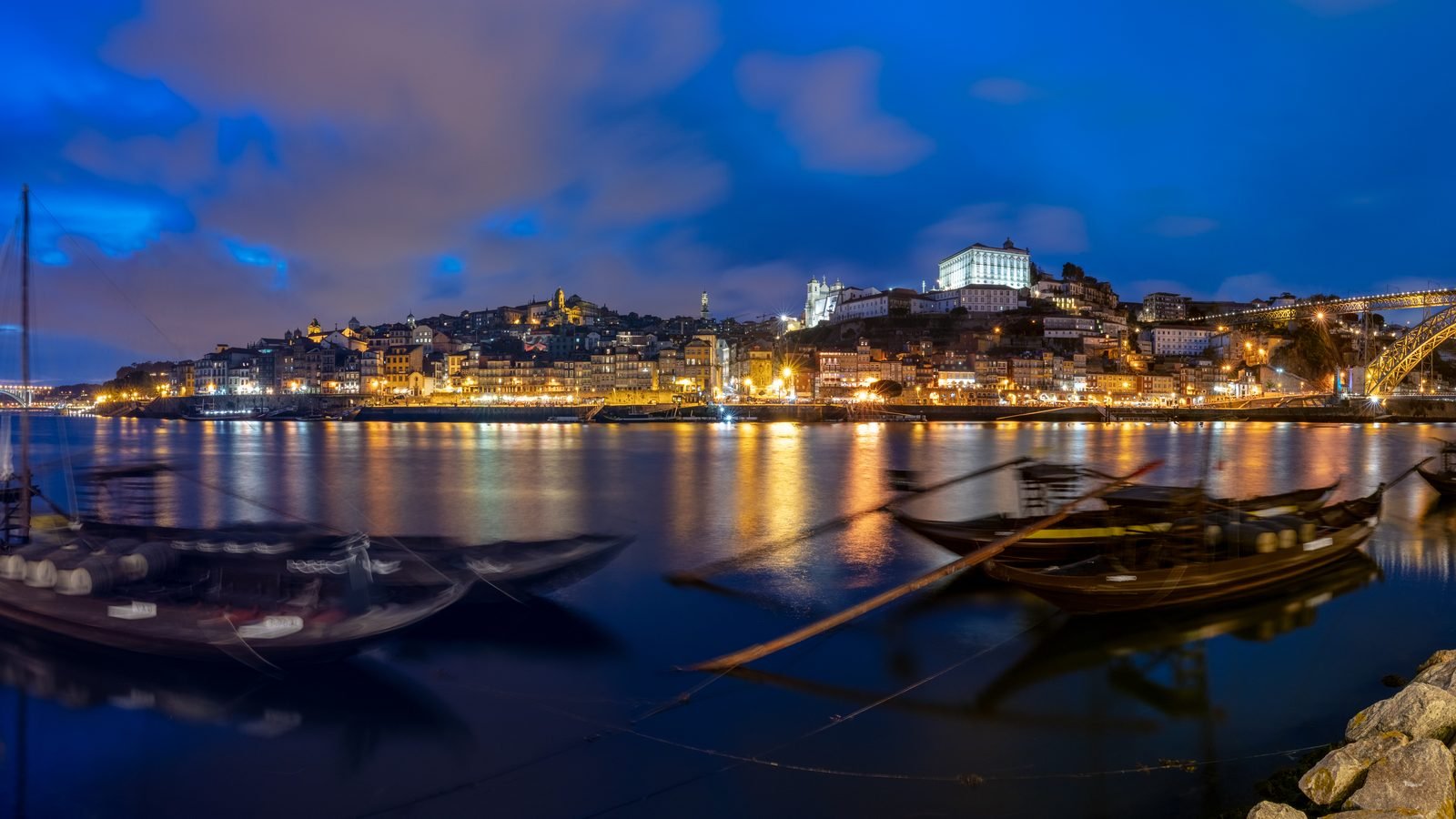
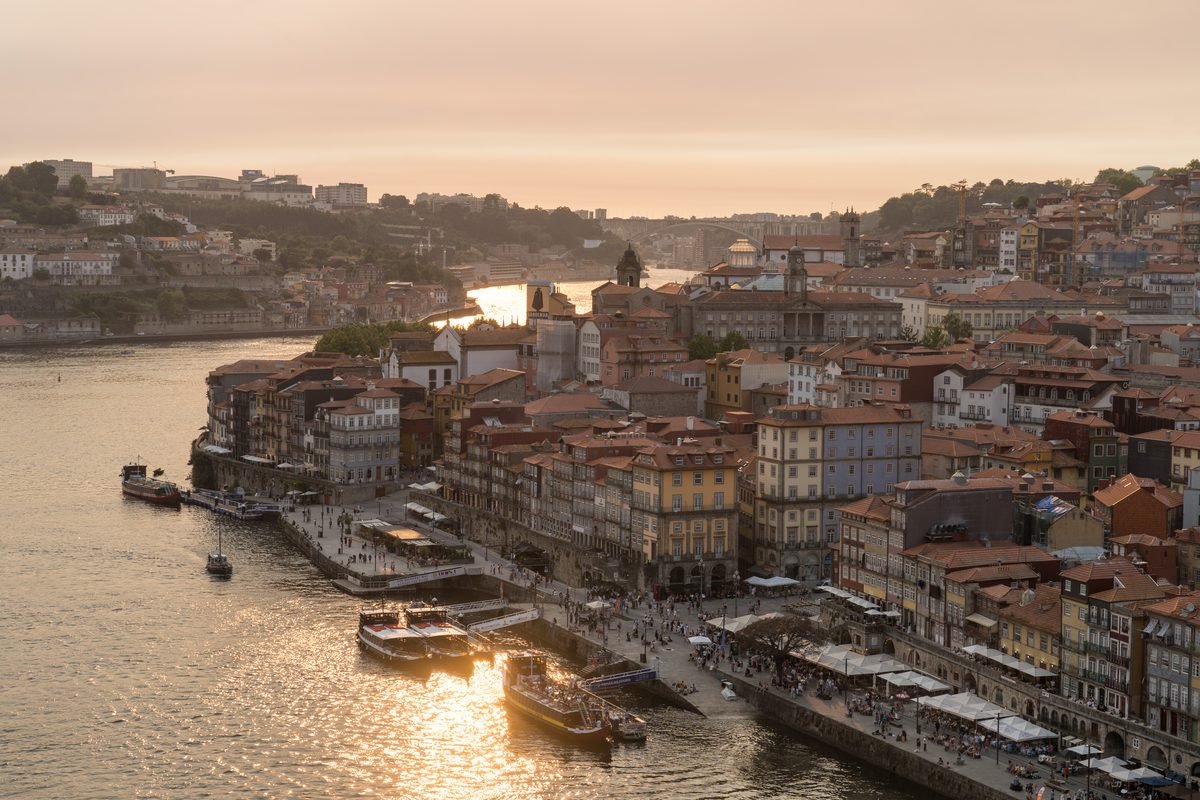
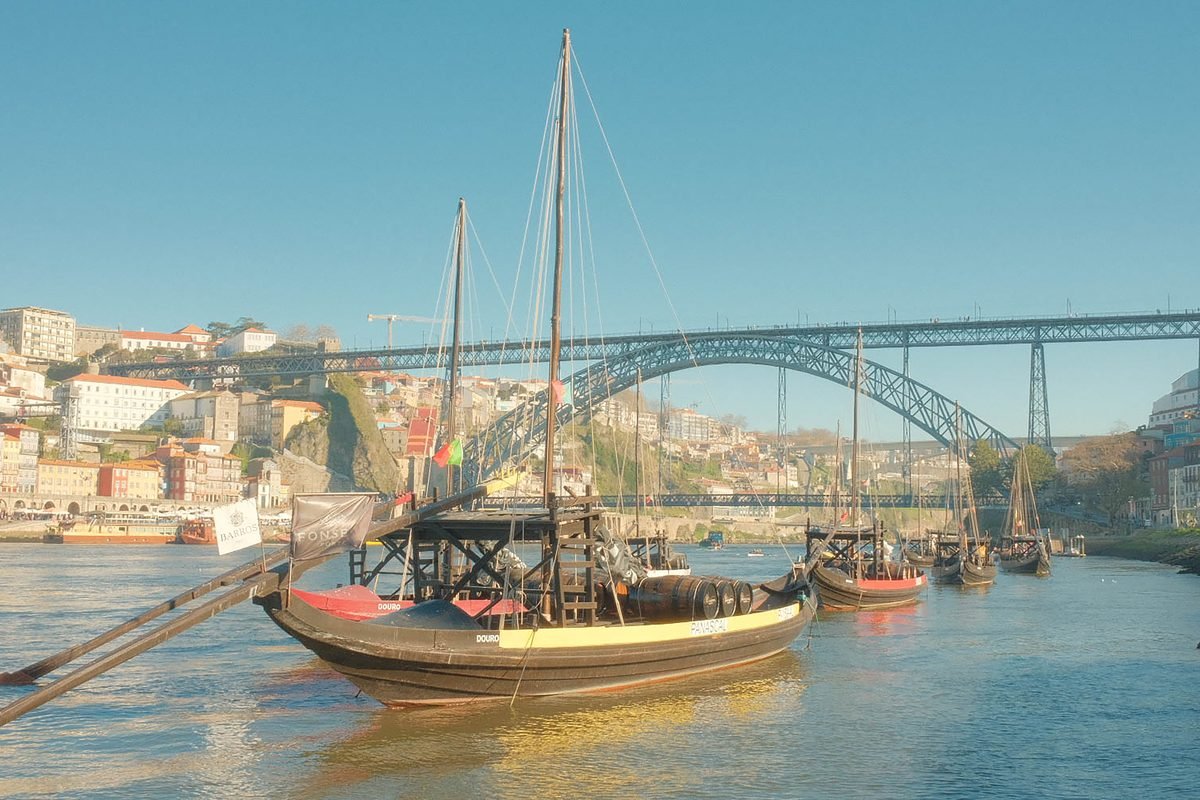
At 7:00 PM on the upper deck of the Dom Luís I Bridge, the Douro River reflects a deep amber glow. Rabelo boats rock gently against the docks below while the terracotta roofs of Ribeira catch the last direct sun of the day. A cold Super Bock costs about €2.50 ($2.75) at the kiosk near the Gaia abutment. You do not need an elaborate schedule to fall for northern Portugal’s granite-and-tile river city, but you do need sturdy shoes and realistic expectations about its steep riverbanks.
This guide is for independent travelers who have exactly 2 days in Porto and want a balanced pace. It covers where to walk, how to tackle the port wine lodges across the river in Vila Nova de Gaia, an honest reality check for Livraria Lello, where to eat a proper francesinha, and how to fit in an easy half-day river trip along the Douro without rushing your weekend away.
How to Plan 2 Days in Porto: Getting There and Around
Porto sits on the northern bank of the Douro River, compact enough to navigate on foot if your calves can handle steep cobblestone hills. Francisco Sá Carneiro Airport (OPO) is located roughly 15 kilometers northwest of the city center. The easiest and cheapest way into town is the Metro do Porto Line E (Violet), which runs every 20 to 30 minutes. A single ride ticket (Z4 zone) costs €2.25 (about $2.50) plus an initial €0.60 ($0.65) for the reusable Andante card. The ride to Trindade station takes about 27 minutes. From Trindade, you can walk or switch to Line D (Yellow) down to São Bento or Aliados.
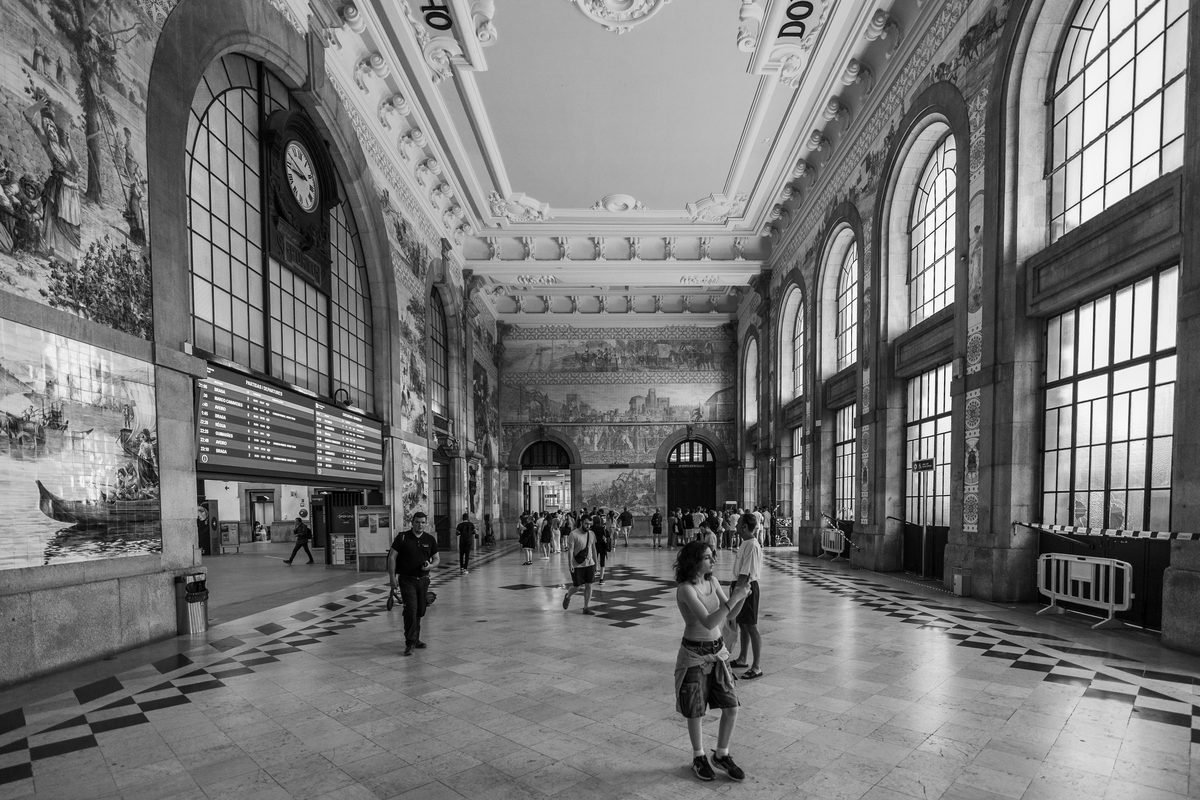
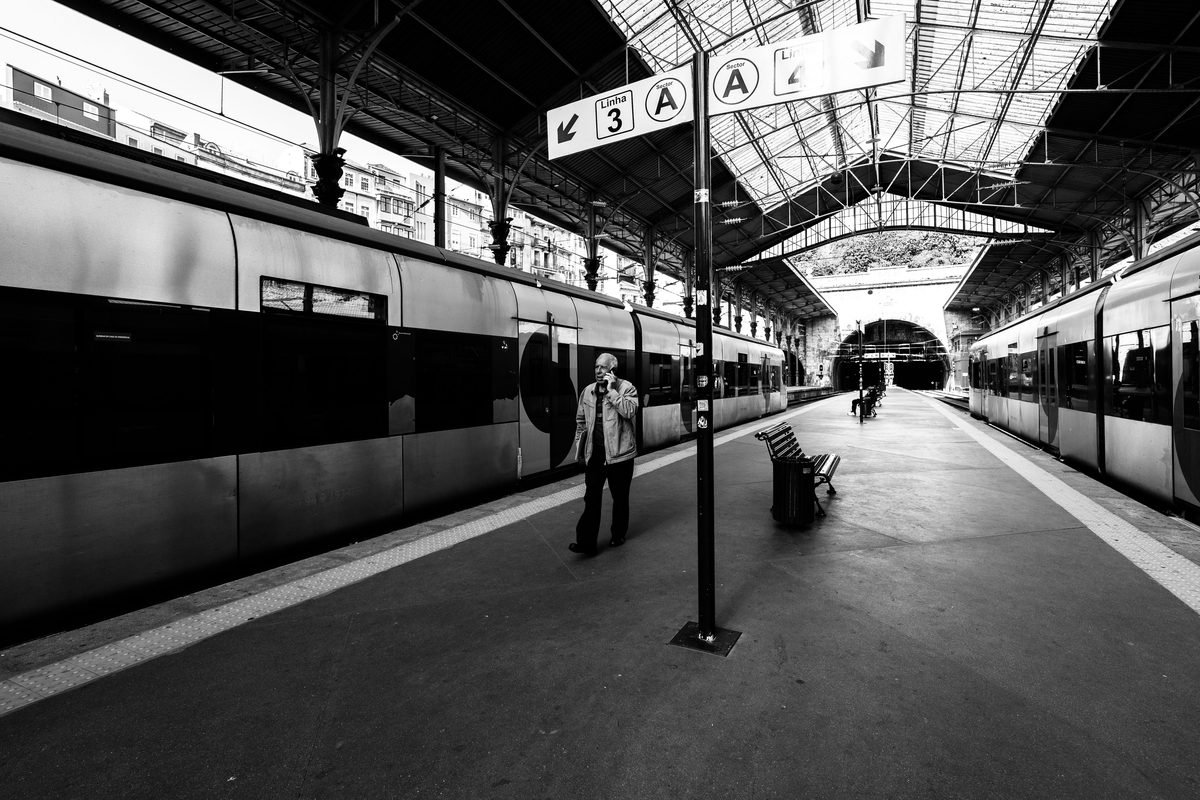
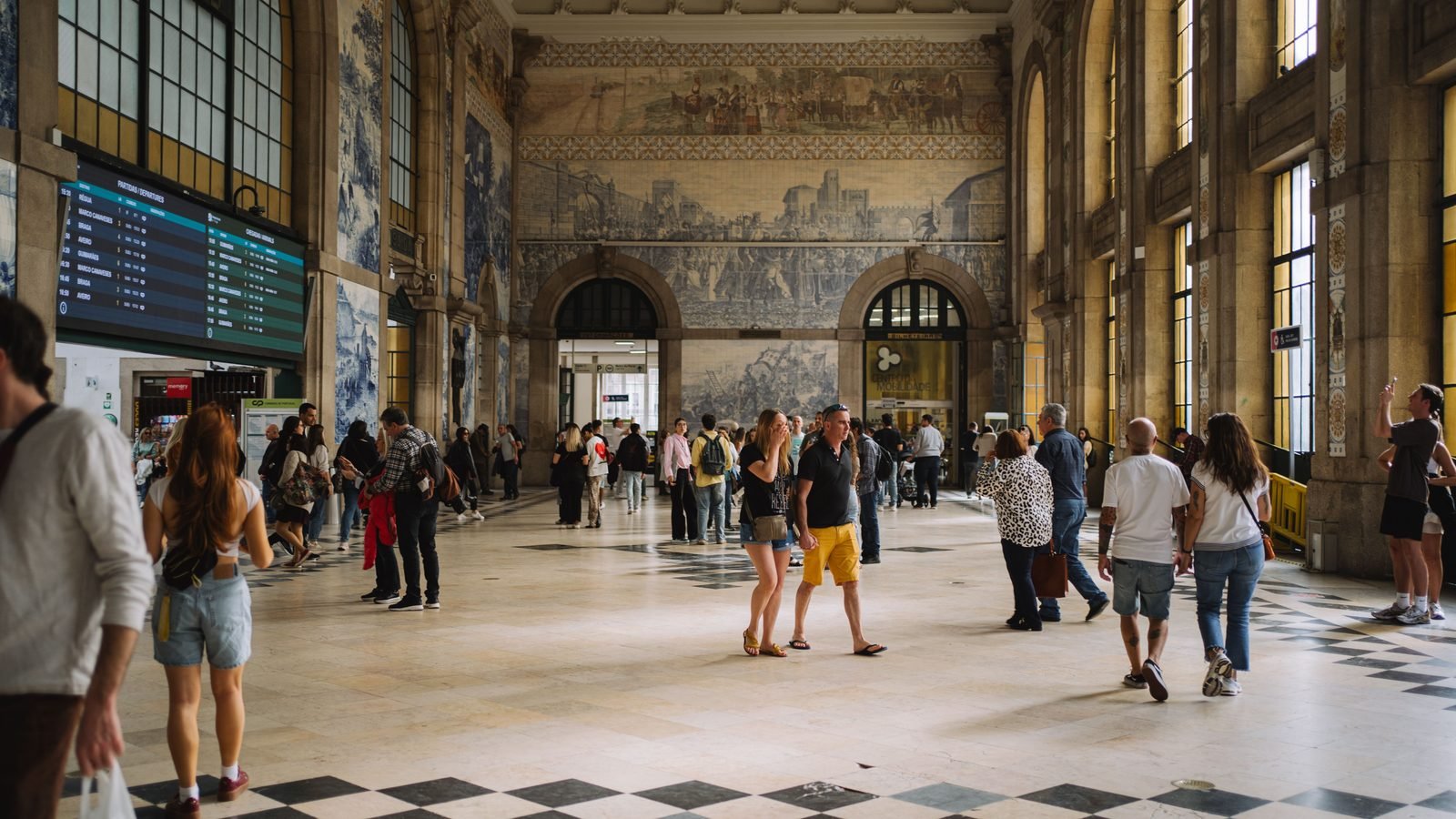
If you arrive by train from Lisbon, Alfa Pendular and Intercidades trains pull into Porto Campanhã station. Your ticket includes a free five-minute transfer on local commuter trains to the central São Bento station. São Bento is famous for its 20,000 blue-and-white azulejo tiles depicting historical battles. Take five minutes to step inside the vestibule before heading to your hotel.
Getting around Porto mostly means walking. Taxis and ride-hailing apps like Uber and Bolt are cheap, rarely costing more than €5 to €8 ($5.50 to $9) for short hops across central hills when your feet give out. Avoid driving. The historic center has narrow one-way alleys, tight turns, and scarce parking garages that charge upward of €25 ($28) per day.
Tip: Use Bolt for Late-Night Gaia Climbs
Walking down to the Gaia riverfront is pleasant, but hiking back up to the upper bridge deck after wine tastings is exhausting. A Bolt ride back to Aliados costs around €5 ($5.50).
When to Visit Porto and How to Pace Your Days
The best months to explore Porto are May, June, September, and October. During these shoulder seasons, daytime temperatures hover around 20°C to 24°C (68°F to 75°F), making the steep climbs manageable. September is particularly lively because grape harvest season is underway upstream in the Douro Valley, bringing crisp weather and clear blue skies.
July and August bring dense crowds and warmer days reaching 28°C (82°F). Porto rarely suffers the blistering heat of Lisbon or the Alentejo due to Atlantic breezes, but accommodation prices peak and central viewpoints get packed by noon. Winter brings frequent Atlantic rain from November through March. Rain makes the granite cobblestones slick. Bring shoes with real grip.
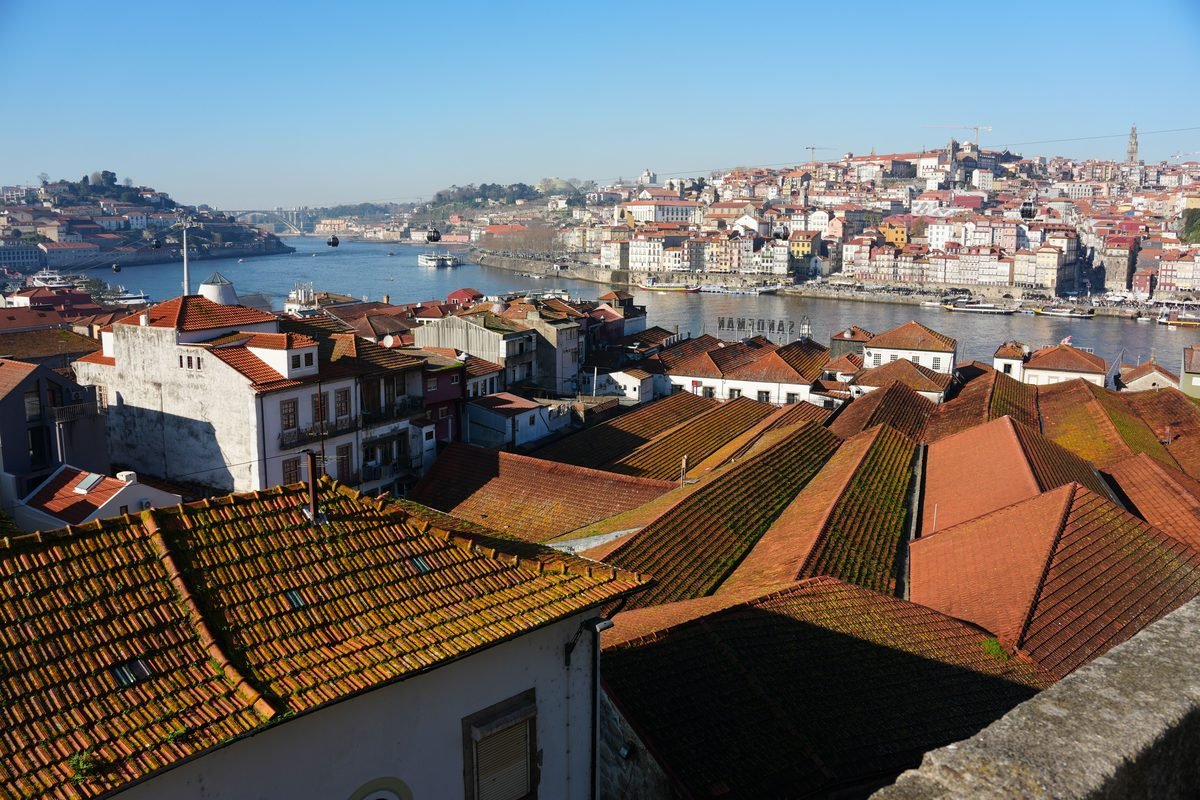
Pacing is essential. Porto is built on sheer riverbanks. A straight line on a map often disguises an eighty-meter vertical climb. Group your activities geographically. Spend one full morning exploring Baixa and Cedofeita, your afternoon descending into Ribeira, and your evening across the river in Gaia. Dedicate your second morning to a river journey toward the Douro wine terraces or out to the coastal district of Foz do Douro before finishing in Miragaia.
Day 1: Baixa, Livraria Lello Reality Check, and Gaia Wine Cellars
Start your morning around Praça da Liberdade and head uphill toward the Clérigos Tower. A short walk brings you to Livraria Lello on Rua das Carmelitas. This 1906 neo-Gothic bookshop with its crimson double staircase is famous, but you need to know the reality before visiting. Queues wrap around the block from 9:00 AM onward. General entry vouchers cost €8 (about $9), which you can deduct from a book purchase. However, the store is tiny and often packed shoulder-to-shoulder with hundreds of visitors holding selfie sticks.
If you want a calmer literary experience, walk ten minutes east to Livraria Latina on Rua de Santa Catarina or browse the independent stalls along Rua de Miguel Bombarda in the arts district. If you still want to see Lello, buy the Silver priority voucher online for €16 (about $17.50) and book the earliest morning entry slot of the day.
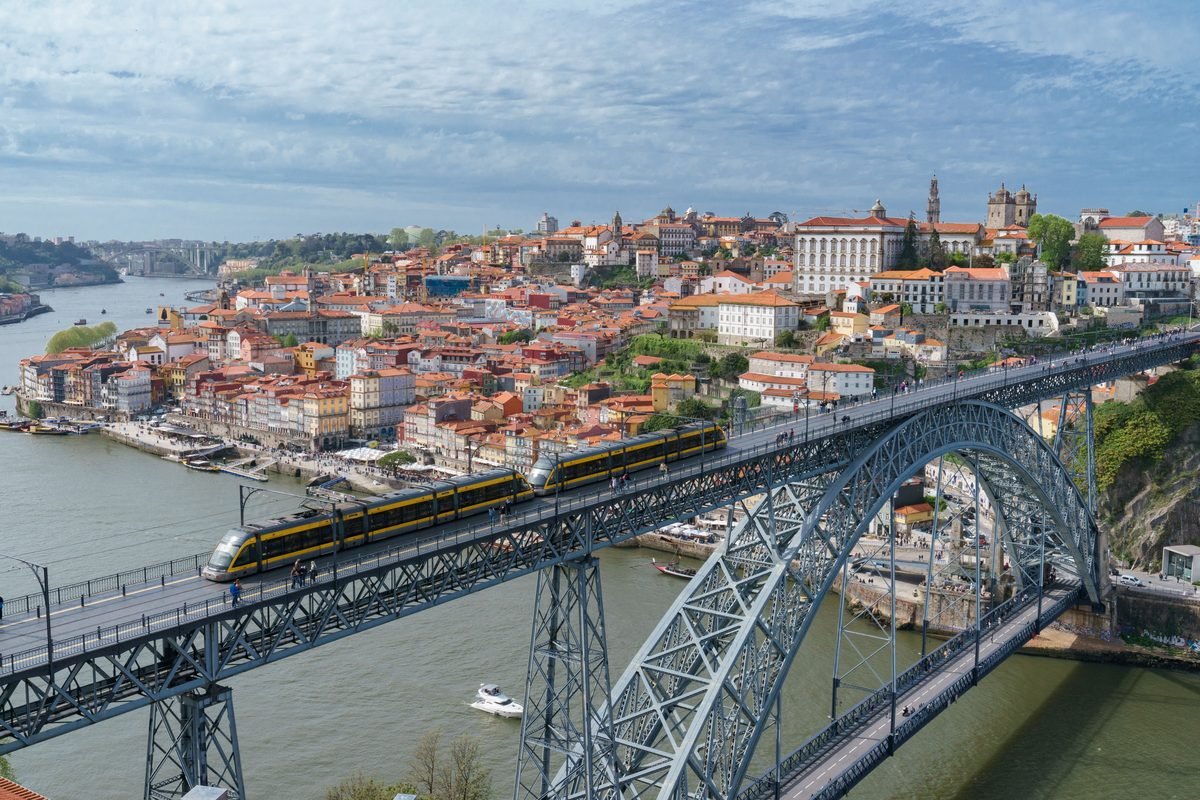
From Clérigos, walk through the historic Sé do Porto (Porto Cathedral), where admission to the cloisters is €3 ($3.30). From the cathedral terrace, cross the pedestrian-only upper deck of the Dom Luís I Bridge into Vila Nova de Gaia. This crossing offers the classic view of Porto. Gaia is where port wine has been aged for centuries.
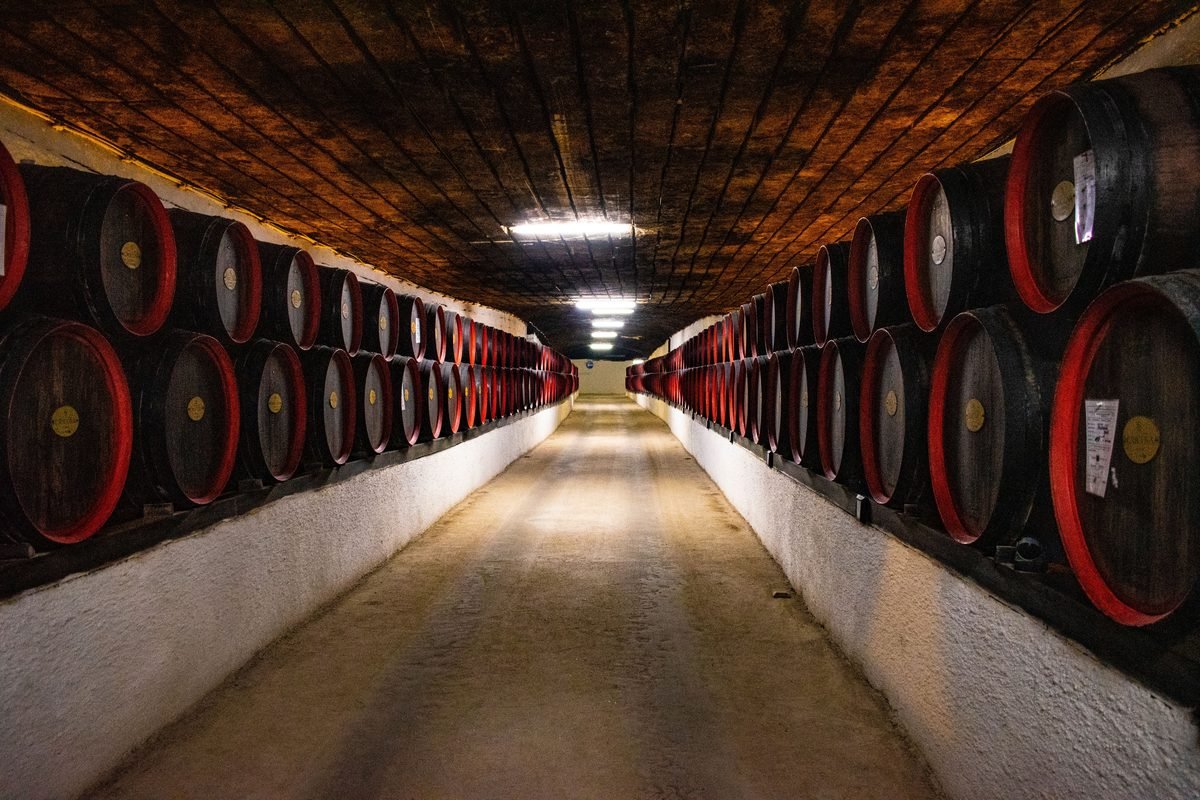
Skip the overcrowded corporate tasting rooms on the main promenade. Head slightly up the hill to smaller, historic lodges like Cockburn’s, Ramos Pinto, or Churchill’s. A guided lodge tour with three port tastings (white, ruby, and aged tawny) costs roughly €18 to €25 ($20 to $28). Finish your afternoon on the grassy slope of Jardim do Morro with a sunset drink.

Heads up: Book Port Cellar Tours 48 Hours Ahead
Popular wine lodge tours in English sell out during spring and autumn. Reserve your tasting slot directly on the lodge’s website at least two days before you arrive.
Day 2: Ribeira, a Douro Half-Day Trip, and Miragaia
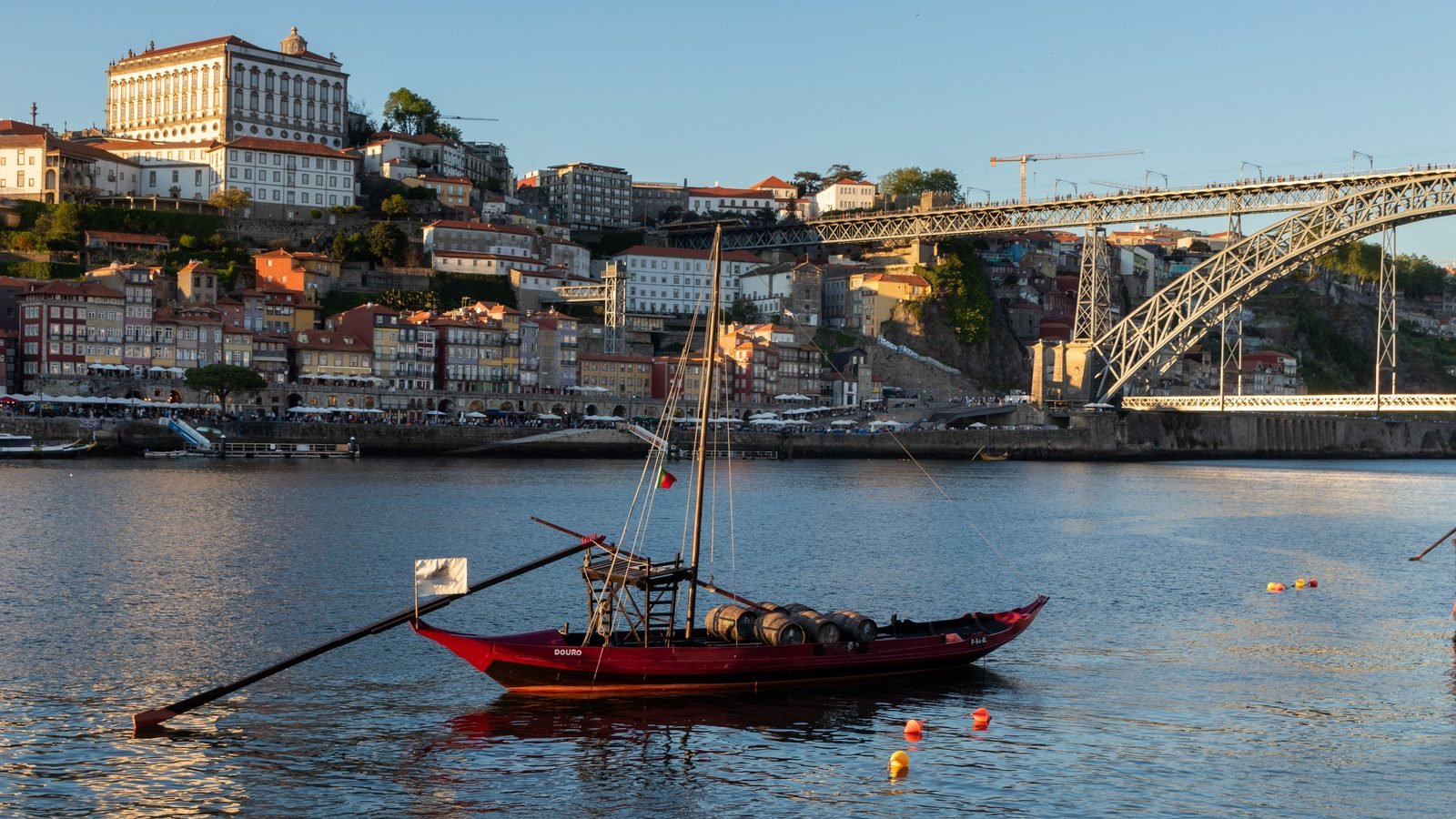
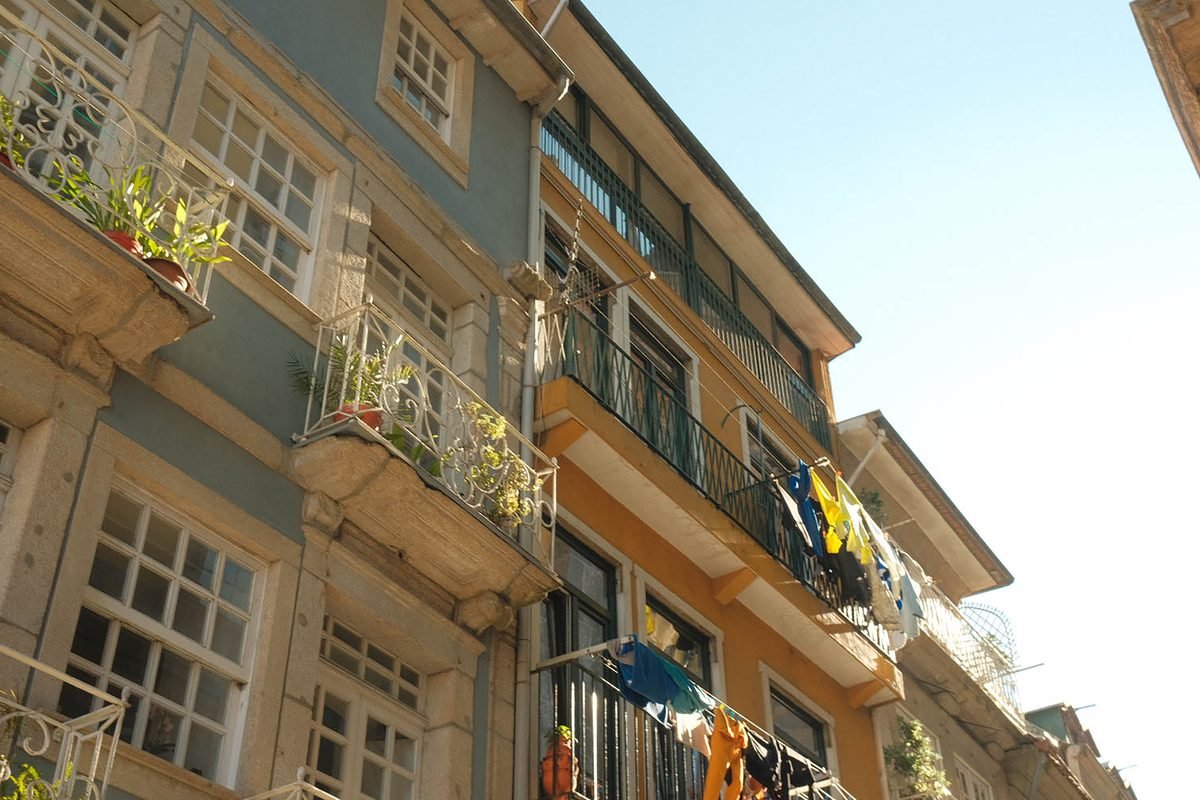
Begin your second day by descending the medieval granite stairs of Escadas dos Guindais into the Ribeira riverfront. Arrive around 8:30 AM before tour groups fill the river promenade. The narrow pastel facades with laundry drying on iron balconies are quiet at this hour. Grab an espresso and a warm pastel de nata at a riverfront cafe for about €2.20 ($2.40).
For your half-day excursion, you have two great options depending on your travel style. If you want a taste of the Douro wine country without spending four hours on a bus, board the morning Linha do Douro train from São Bento to Régua. A round-trip regional ticket costs about €22 ($24) and takes two hours each way, hugging the riverbank with open valley views. Alternatively, stay closer to the city and take the 50-minute traditional Six Bridges cruise on a rabelo boat for €18 ($20), departing right from the Ribeira quay.
If you prefer ocean air, take historic Tram 1 from Infante along the river out to Foz do Douro. The fare is €5.50 ($6) on board. Walk along the Atlantic promenade past the Farol das Felgueiras lighthouse, where ocean waves crash against the granite seawall. Return to Miragaia for the late afternoon. This former Jewish and fishermen’s quarter is less crowded than Ribeira. Its tangled alleys, tile-clad churches, and quiet taverns showcase Porto at its most authentic.
Book ahead: Douro Train Tickets
You do not need a tour company for the Douro train. Buy regular CP (Comboios de Portugal) regional train tickets at São Bento station the morning of your trip.
Where to Eat in Porto: Francesinha, Petiscos, and Fresh Seafood
Porto takes eating seriously. The city’s signature dish is the francesinha, a monstrous sandwich filled with ham, fresh sausage, linguiça, and steak, smothered in melted cheese and drenched in a thick, spiced beer-and-tomato sauce. It is usually served over a mountain of fries and topped with a fried egg. It is heavy, rich, and deeply satisfying.
For the best francesinha in town, head to Café Santiago on Rua de Passos Manuel, where a sandwich with fries costs about €11.50 ($13). Another local favorite is O Afonso on Rua da Torrinha, known for a spicier sauce with a noticeable kick of piri-piri. Pair it with an ice-cold draft beer.
If you want traditional northern Portuguese dishes beyond the sandwich, look for local tascas (neighborhood taverns). Order tripas à moda do Porto (a slow-cooked white bean and tripe stew that gives locals their nickname, Tripeiros) or bacalhau à Gomes de Sá (baked salt cod with potatoes, onions, boiled eggs, and black olives). Excellent small-plate taverns include Adega São Nicolau in Ribeira and Taberna Santo António near the Miradouro das Virtudes, where a complete dinner with house wine averages €16 to €22 ($18 to $25) per person.
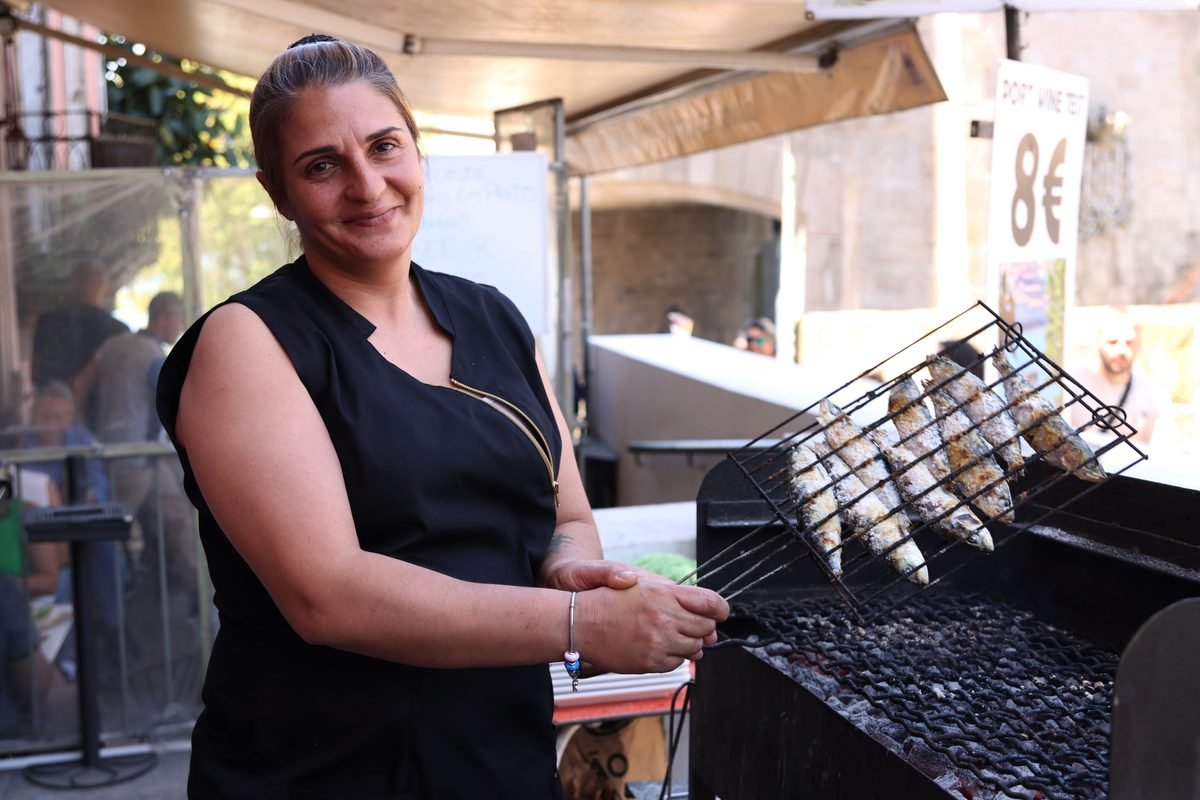
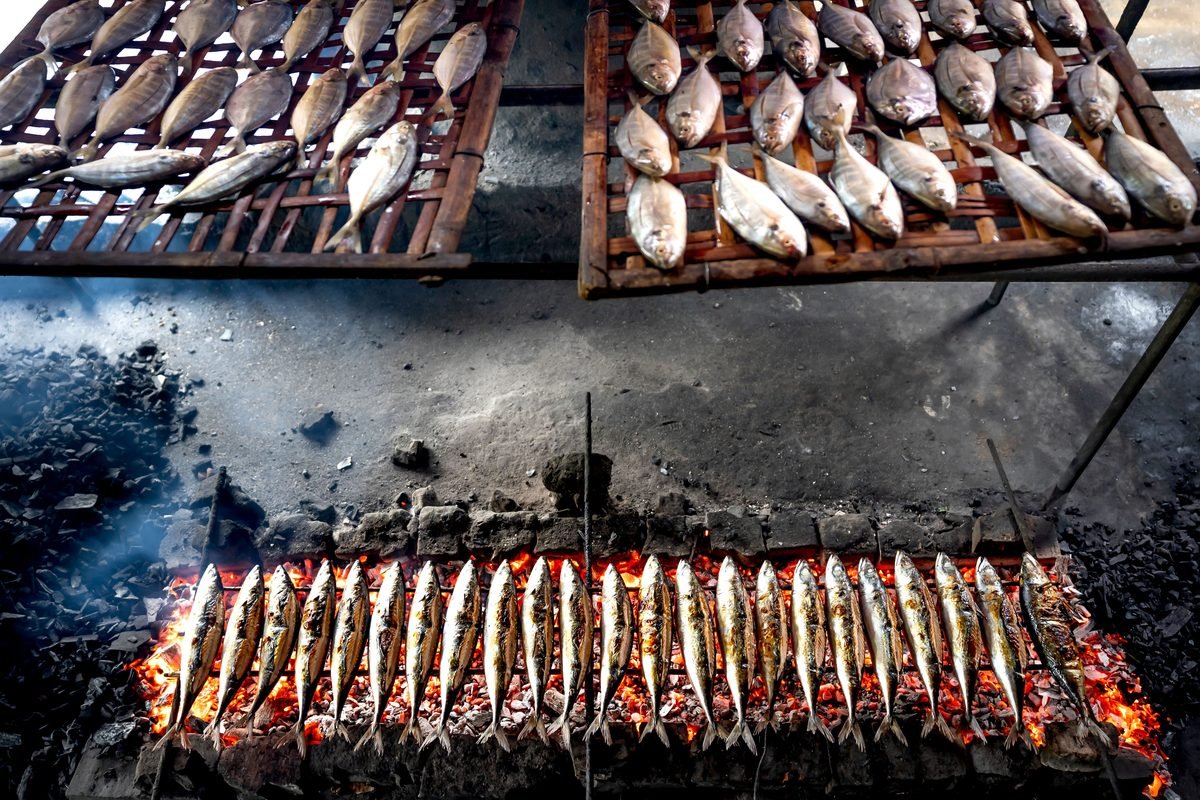
For fresh Atlantic seafood, catch the 500 bus north to the fishing port of Matosinhos. Rua Heróis de França is lined with open-air charcoal grills. A whole grilled sea bass or sea bream with boiled potatoes and grilled peppers costs around €15 to €20 ($17 to $22).
From a local: Order the Molho on the Side
If you want your fries crispy, ask for molho à parte (sauce on the side) so you can dip them instead of letting them get soggy under the sauce.
Practical Tips: Money, Safety, and Hills
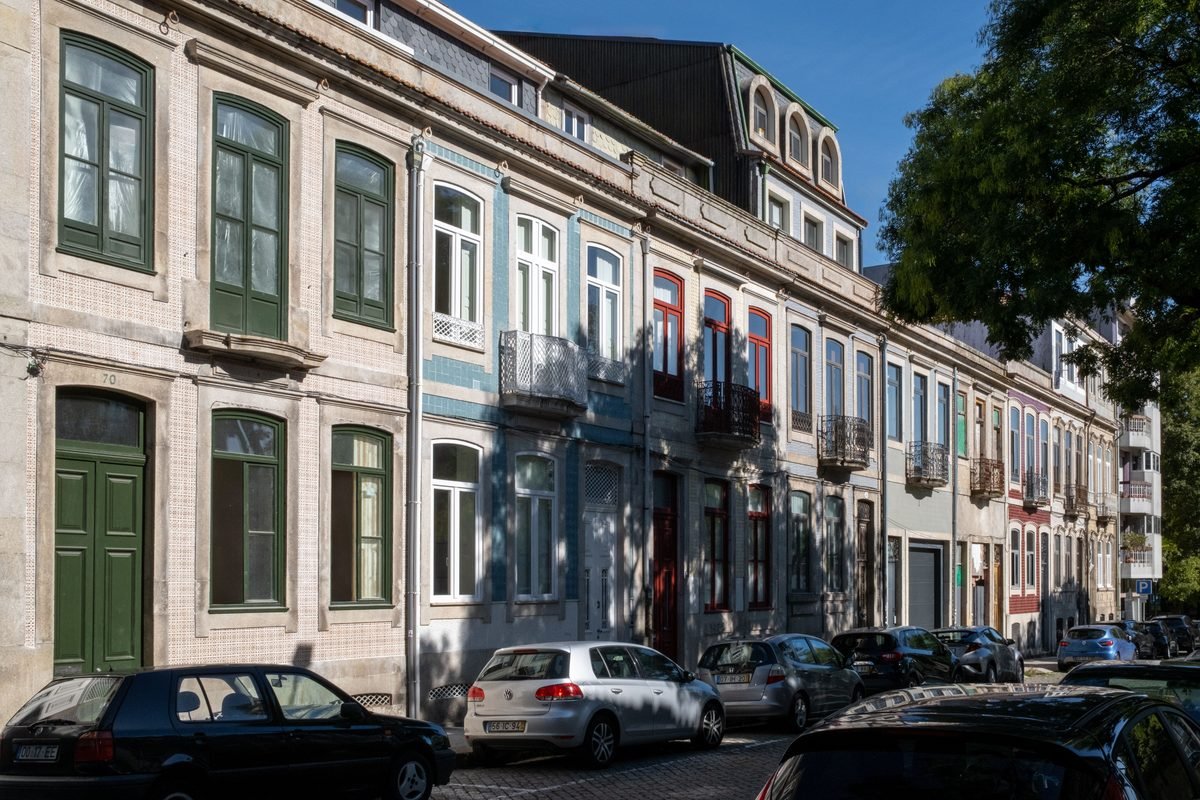
Porto is one of the safest urban destinations in Europe. Violent crime is rare. However, petty pickpocketing happens in crowded areas like the Ribeira boardwalk, tram stops, and around São Bento station. Keep your wallet in a secure front pocket or zipped bag. At outdoor cafes along the riverfront, avoid leaving your phone sitting loosely on the table corner.
Carry some cash. While credit cards are widely accepted at major restaurants, hotels, and wine lodges, small bakeries, historic tram conductors, and traditional tascas often have a €5 or €10 minimum card limit, or only accept Portuguese Multibanco cards. Carrying €20 to €30 in coins and small euro banknotes will save you hassle.
Tipping culture in Portugal is relaxed. In casual cafes and bakeries, rounding up the bill to the nearest euro or leaving loose 20-cent coins is standard. At sit-down dinners with attentive table service, leaving 5% to 10% in cash is appreciated but never mandatory. Check your bill for the couvert: bread, olives, butter, and cheese placed on your table before the meal are not free. If you eat them, you will be charged €2 to €5 ($2.20 to $5.50). If you do not want them, simply send them back untouched.
What it costs in Porto
| Item | Local price | USD |
|---|---|---|
| Metro from Airport to City Center (Z4 + card) | €2.85 | $3.15 |
| Espresso & Pastel de Nata at local bakery | €2.20 | $2.40 |
| Port Wine Lodge Tour & 3 Tastings (Gaia) | €20.00 | $22.00 |
| Francesinha with fries and draft beer | €14.00 | $15.50 |
| Historic Tram 1 single ticket to Foz | €5.50 | $6.00 |
| Mid-range sit-down dinner with house wine | €22.00 | $24.50 |
| Mid-range hotel night (Baixa or Cedofeita) | €110.00 | $122.00 |
| Realistic daily total (lodging + meals + entry) | €165.00 | $183.00 |
Prices checked September 2026. Always confirm with the provider before you book.
Where to stay in Porto
Budget
A boutique hostel or guesthouse near Bolhão Market
Ideal for solo travelers and budget backpackers wanting central metro access and quiet dorms or private rooms for €35 to €65 ($39 to $72) per night.
Mid-range
A restored 19th-century townhouse hotel in Cedofeita
Perfect for couples who want peaceful boutique rooms, indie cafes, and walkable streets just 10 minutes from the historic center for €90 to €140 ($100 to $155) per night.
Splurge
A wine-themed luxury riverfront hotel in Vila Nova de Gaia
Unbeatable for panoramic views of the Porto skyline, private tasting cellars, and top-tier spa facilities for €260 to €450 ($290 to $500) per night.
Mistakes to avoid
- Waiting in the two-hour Livraria Lello general line without realizing you can pre-book priority timed entry online or explore equally charming indie bookstores nearby.
- Trying to walk back uphill from the Gaia wine lodges to upper Porto after heavy wine tastings instead of using the €5 Bolt app or the Gaia cable car.
- Eating all your meals on the main Cais da Ribeira promenade, where prices are inflated and food quality is lower than taverns two streets uphill.
FAQ
Is 2 days in Porto enough time?
Yes, 2 days in Porto is ideal for exploring the historic core, touring wine cellars in Gaia, and enjoying the riverfront. You will have plenty of time for major sights if you keep your schedule focused.
Which is better to visit, Lisbon or Porto?
Lisbon is larger and grander with expansive museums, while Porto is cozier, more romantic, and easier to walk. Many travelers prefer Porto for its relaxed pace and world-class wine culture.
Do I need to book port wine cellar tours in advance?
Yes, booking 1 to 2 days ahead is highly recommended from May through October. Popular lodges like Cockburn’s and Graham’s frequently sell out their English-language tour slots.
How walkable is Porto?
Porto is very compact but extremely hilly with steep cobblestones. Wear shoes with strong rubber grip, and take advantage of cheap ride-hailing apps for steep uphill returns.
What is the couvert charge at Portuguese restaurants?
Couvert refers to the appetizers (bread, olives, butter, cheese) placed on your table at the start of a meal. They are not complimentary; you only pay €2 to €5 if you consume them.





One Comment