Yufuin Day Trip From Fukuoka: Complete 2026 Guide

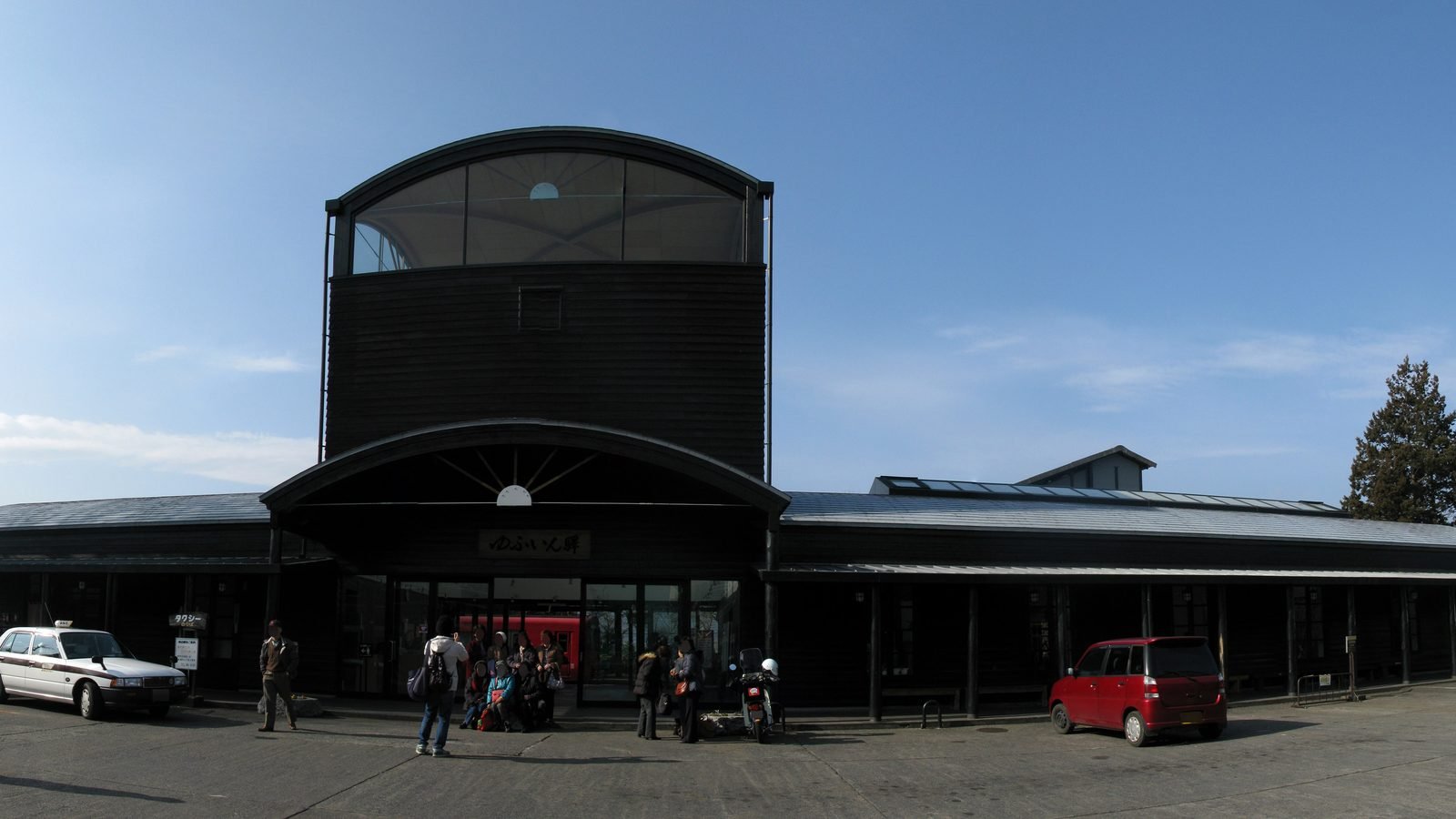
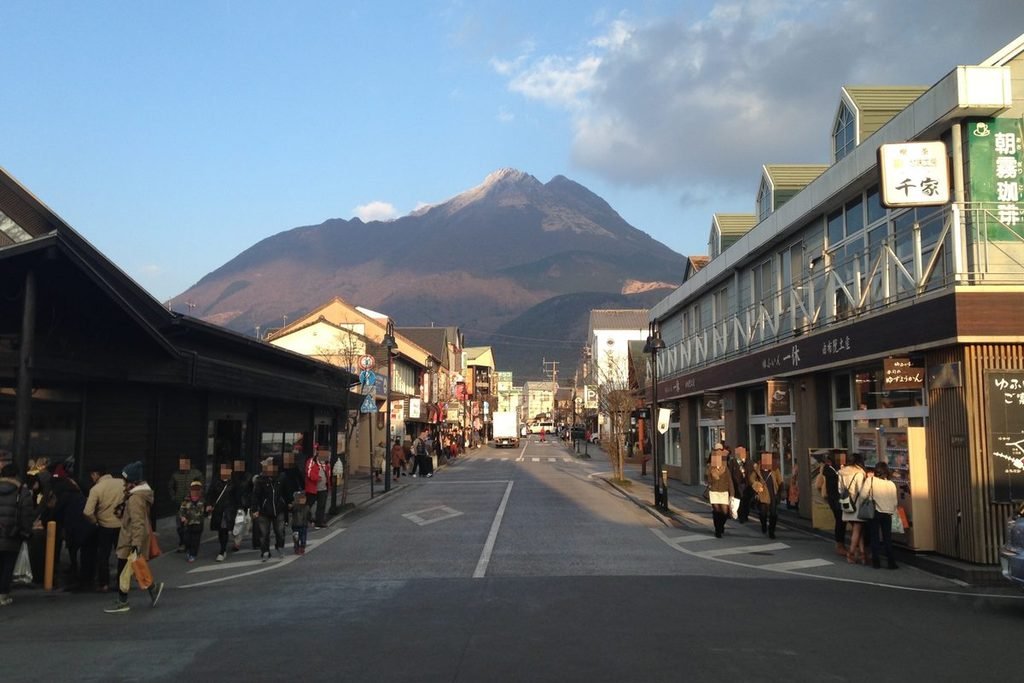
The morning train pulls out of Hakata Station at just after 9 a.m. Two hours later, you step onto the wooden platform at Yufuin Station, greeted by the twin green peaks of Mount Yufu rising over quiet streets and cedar roofs. Steam drifts from drainage grates along the roadside. The air smells cleanly of sulfur, mountain pine, and fresh rain.
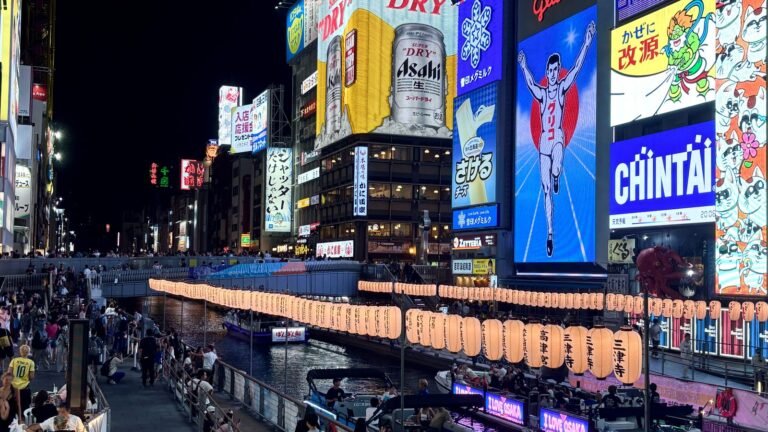
Taking a Yufuin day trip from Fukuoka is one of the easiest ways to trade the neon alleys of Tenjin for the quiet rhythms of an Oita hot spring valley. This guide covers how to reach the town by scenic express train or highway bus, the best day-use baths facing the peak, where to find authentic local food, and how to combine your stop with nearby Beppu before heading back to Hakata.
How to plan your Yufuin day trip from Fukuoka
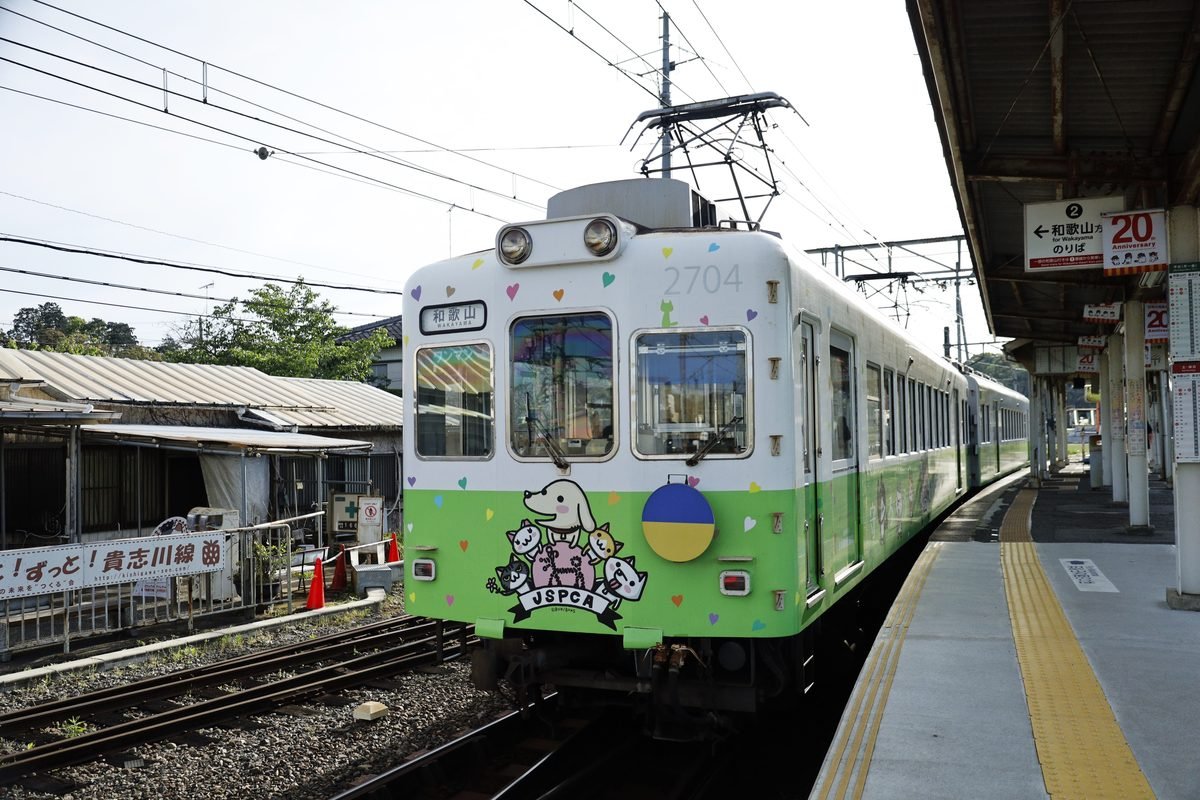
Getting to Yufuin from central Fukuoka is straightforward, with two reliable public transit options. The most popular route is the JR Yufuin no Mori limited express train, which departs Hakata Station and winds through green river valleys before arriving directly at JR Yufuin Station. The journey takes about two hours and fifteen minutes, costing ¥5,190 (about $35) one-way for a reserved seat. The classic dark green train features wood-paneled interiors, elevated viewing seats, and a lounge car serving local Oita snacks.
If train seats are sold out, highway express buses offer an easy alternative. The Yufuin-go bus leaves from Hakata Bus Terminal and Tenjin Expressway Bus Terminal roughly every hour. A one-way ticket costs ¥3,250 (about $22) and takes around two hours and twenty minutes depending on freeway traffic. Seats should still be reserved in advance during peak periods.
Driving is also viable if you plan to explore rural Oita. Renting a car in Fukuoka and taking the Oita Expressway takes about ninety minutes outside peak rush hours. Tolls run roughly ¥3,500 (about $23) each way. Having a vehicle gives you the freedom to reach outdoor baths on the outskirts of town without relying on local taxis.
Book ahead: Book Yufuin no Mori early
JR Kyushu opens seat reservations exactly one month ahead at 10:00 AM Japan Standard Time. Weekend morning runs sell out within hours.
Best time of day and season to visit Yufuin
Timing shapes your entire experience in Yufuin. Midday brings large tour groups along the main road between 11:00 AM and 3:00 PM. Arriving before 10:00 AM lets you enjoy the quiet rural atmosphere before the crowds appear. If you stay late, the town empties out quickly after 5:00 PM when retail shops close their wooden shutters.
Autumn is arguably the most striking season in the valley. From late October through late November, maples turn fiery scarlet and gold around the shores of Lake Kinrin. The autumn weather brings crisp, dry air that makes walking effortless. Winter mornings from December through February offer a different spectacle: cold mountain air collides with the warm thermal springs feeding Lake Kinrin, covering the water in thick white steam at dawn.
Spring brings soft pink cherry blossoms along the Oita River path, framed by the lingering snow dust on Mount Yufu. Summer stays somewhat cooler than low-lying Fukuoka, though midday heat can still climb above 30°C (86°F). To beat summer humidity, spend the hottest midday hours inside shaded tea houses or open-air baths tucked into cedar groves.
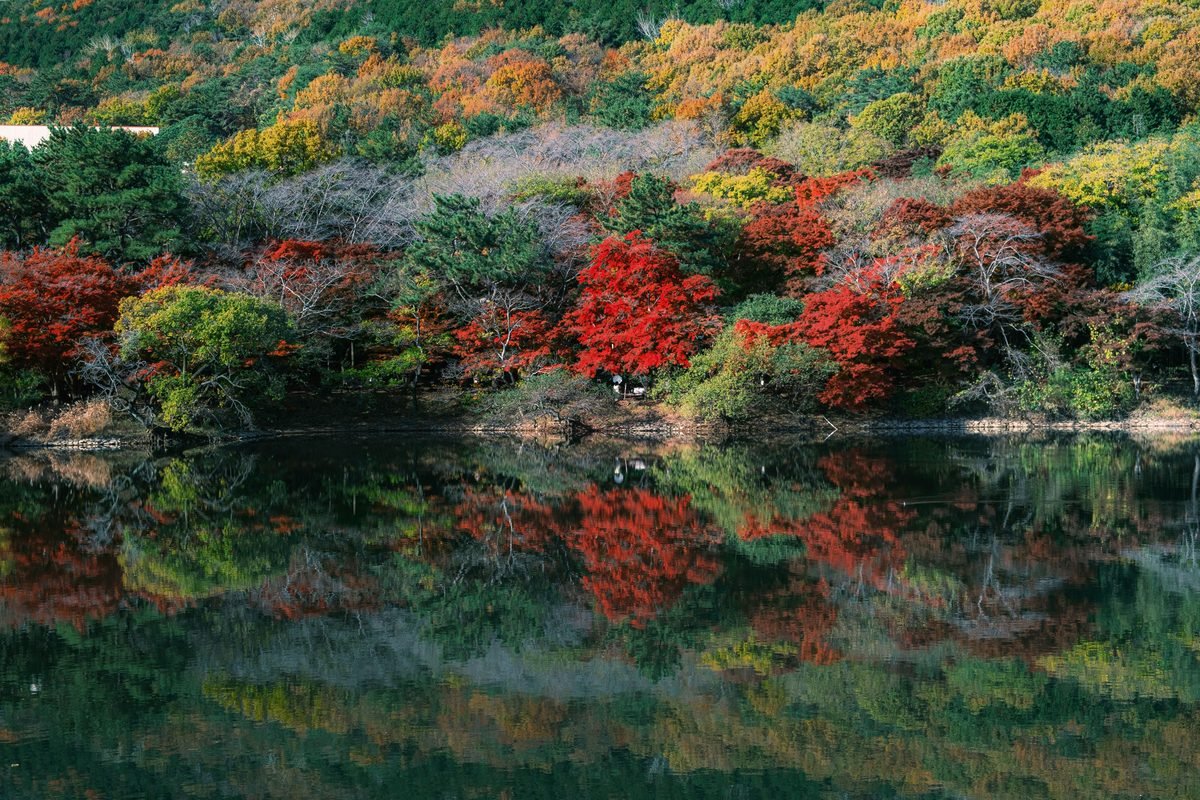
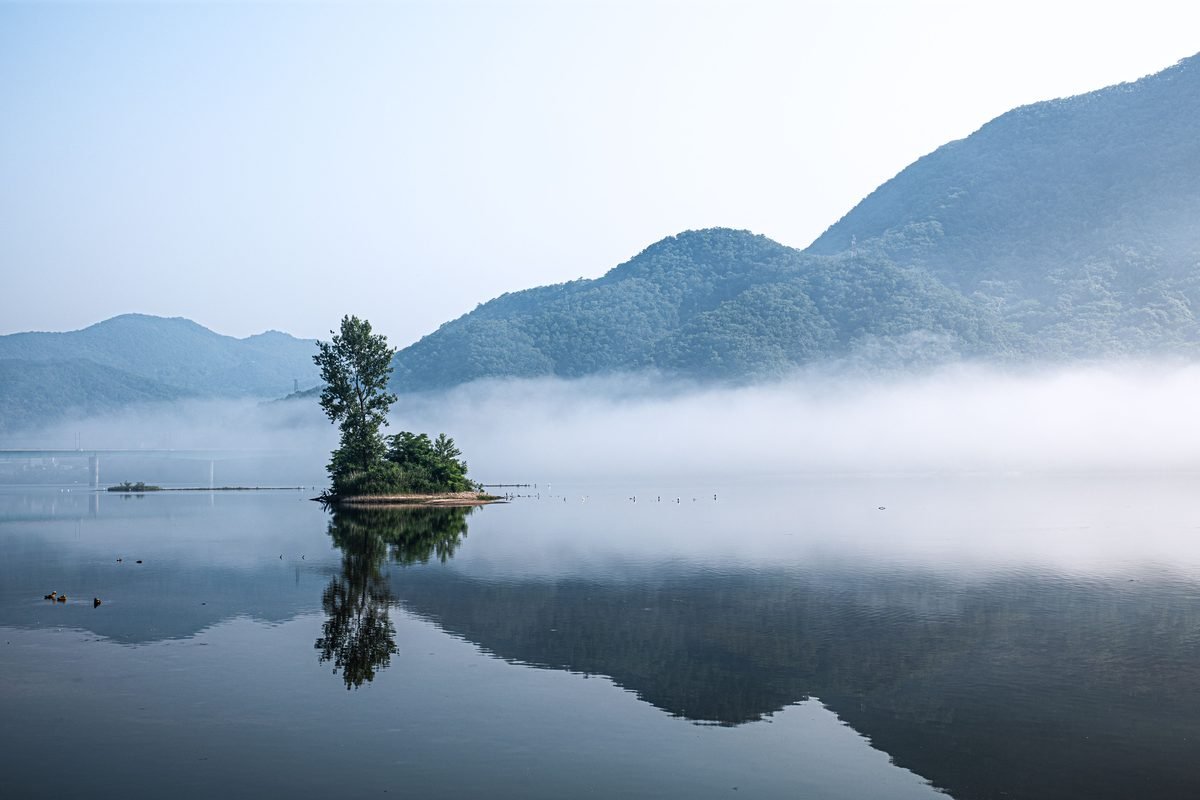
From a local: Dawn at Lake Kinrin
The signature morning mist on Lake Kinrin happens when night temperatures drop below 10°C. Check the local morning forecast before setting an early alarm.
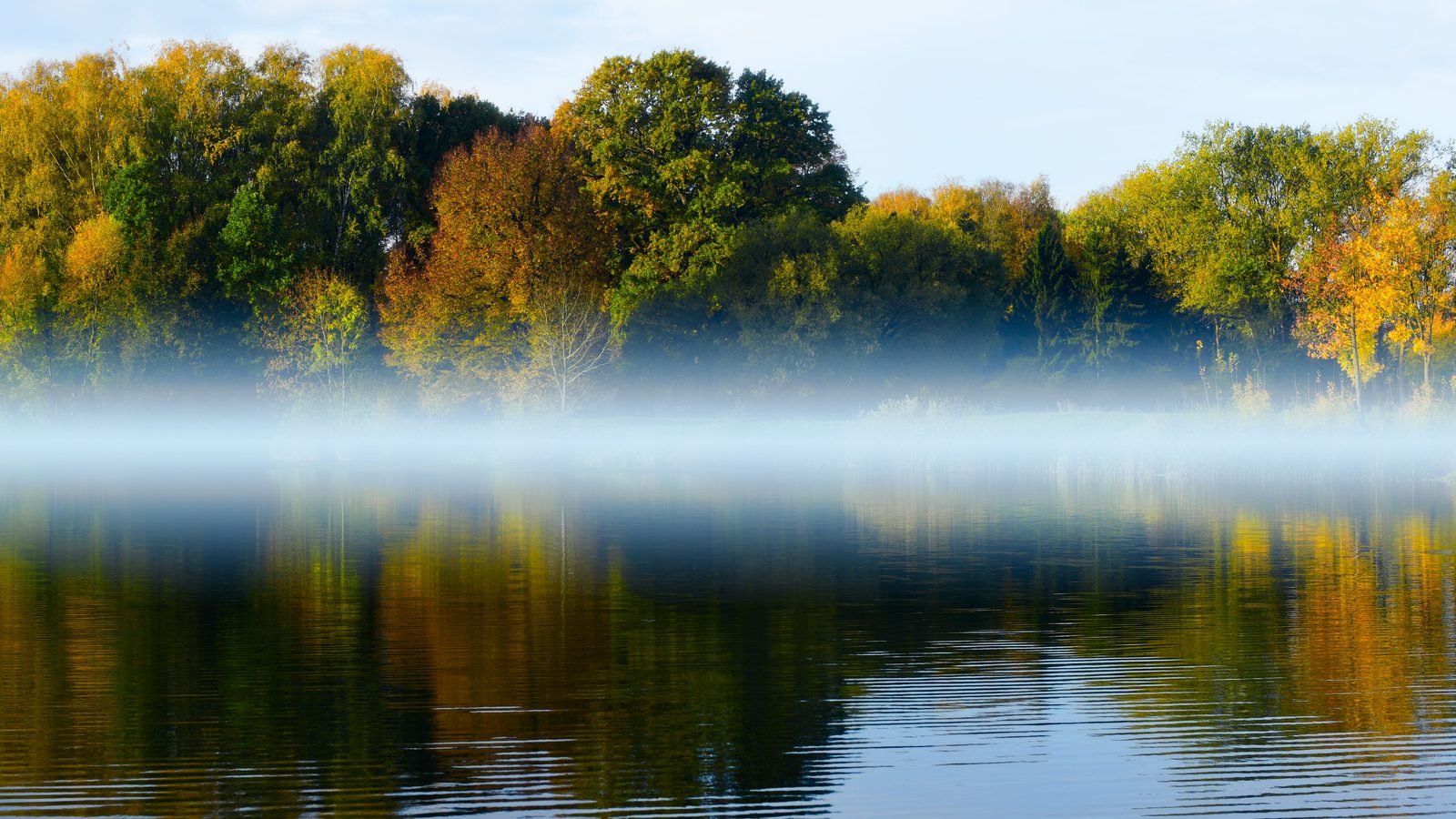
Walking Yunotsubo Kaido and exploring Lake Kinrin
The main walking corridor stretches from Yufuin Station to Lake Kinrin along Yunotsubo Kaido. This pedestrian-friendly street is lined with traditional tiled-roof shopfronts, artisan studios, and snack stalls. You will find shops selling handmade bamboo kitchenware, yuzu citrus condiments, local soy sauce, and pottery from surrounding Oita kilns. The walk between the station and the lake is roughly 1.5 kilometers and takes about twenty-five minutes at a direct pace, though browsing easily extends this to two hours.
Street food here is a serious pastime. Stop for a hot kinsho croquette for about ¥200 (about $1.35), stuffed with seasoned minced beef and fluffy potato. Nearby bakeries serve fresh roll cakes made with local dairy milk, and soft-serve ice cream stands churn flavors like kabosu citrus and roasted green tea. Tucked just off the main avenue is the Yufuin Floral Village, a quirky recreation of an English Cotswolds hamlet filled with small craft stalls and resident ducks.
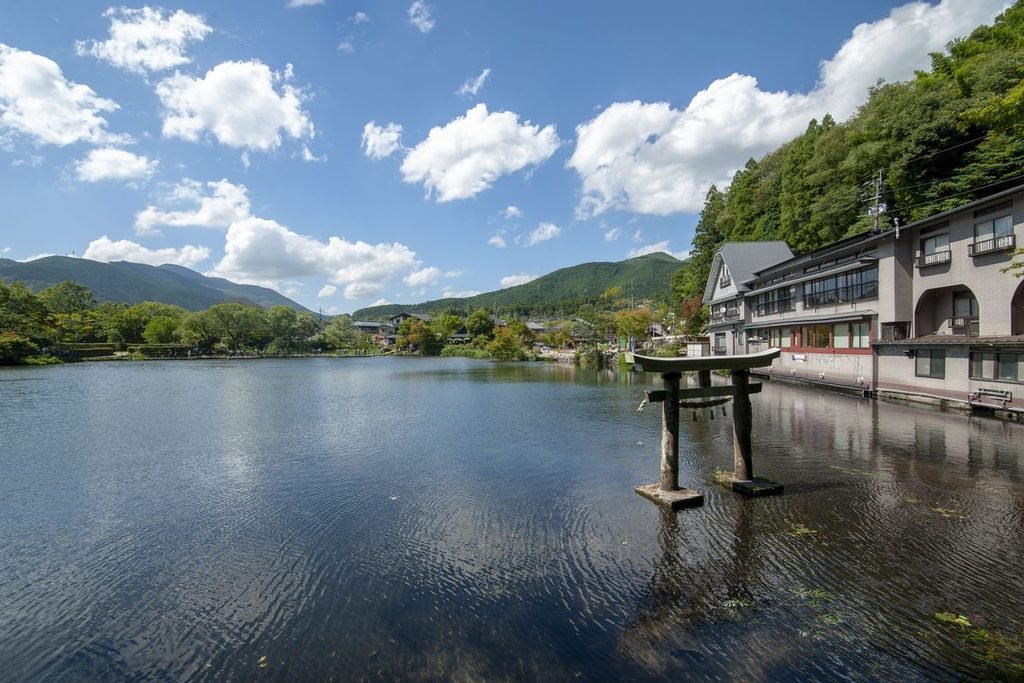
At the end of the road lies Lake Kinrin. The lake is fed by both cold freshwater springs and geothermal hot springs, which maintains a warm water temperature throughout the year. Walk the wooden boardwalk around the perimeter to view Tenso Shrine, whose small torii gate stands directly inside the clear, shallow water.
The best day-use onsen in Yufuin
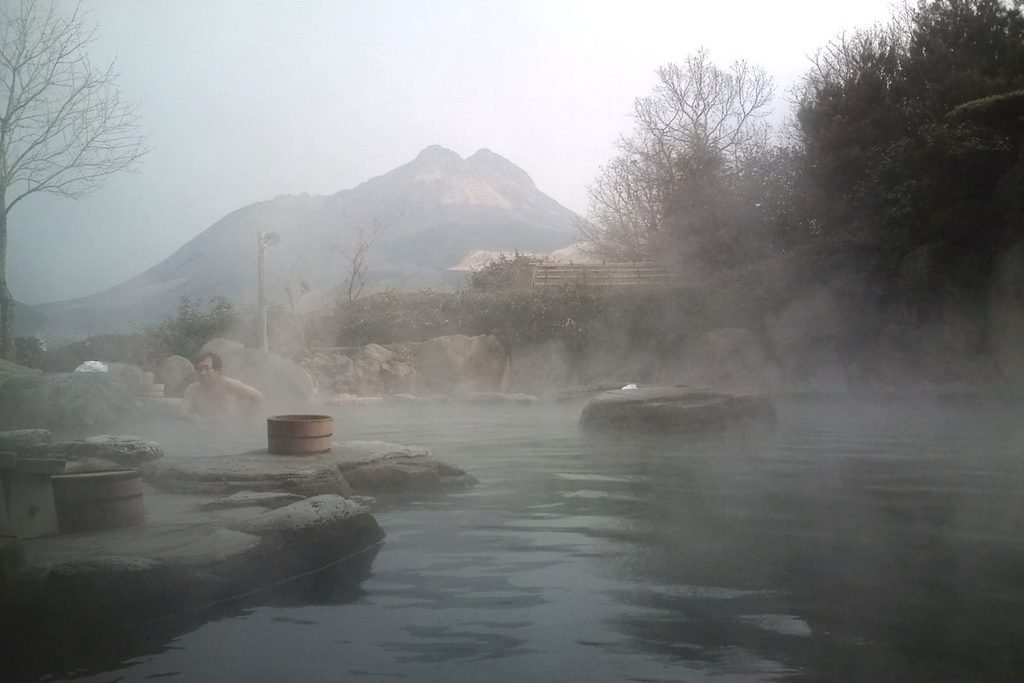
You do not need to book an expensive overnight ryokan to soak in Yufuin’s famous mineral water. Several established inns open their open-air baths (rotenburo) to daytime visitors for a modest fee, usually between ¥600 and ¥1,000 ($4 to $7). Natural mineral content here is gentle on the skin, clear, and mildly alkaline.
One of the most scenic day-use baths is at Musouen, located on a south-facing hillside roughly five minutes by taxi from the station. The women’s outdoor bath, Kukai-no-Yu, is vast and looks straight across the valley toward Mount Yufu. Day entry runs from 10:00 AM to 3:00 PM for ¥1,000 (about $7). On a clear day, soaking in the hot water while staring up at the green volcanic slopes is unmatched.
For a distinct mineral profile, head slightly outside the center to Tsuka-no-Hara. This rustic bath facility is renowned for its rare cobalt-blue geothermal water, which turns a brilliant milky blue as the silicic acid reacts with outdoor oxygen. Admission is ¥600 (about $4). If you prefer complete privacy, several facilities along the river offer family baths (kazokuburo) that can be rented by the hour for around ¥2,000 (about $13.50).
Tip: Bring your own towel
Day-use hot springs charge ¥200 to ¥300 to buy a small washcloth. Pack a light towel in your daypack to save coins.
Where to eat local Oita specialties in Yufuin
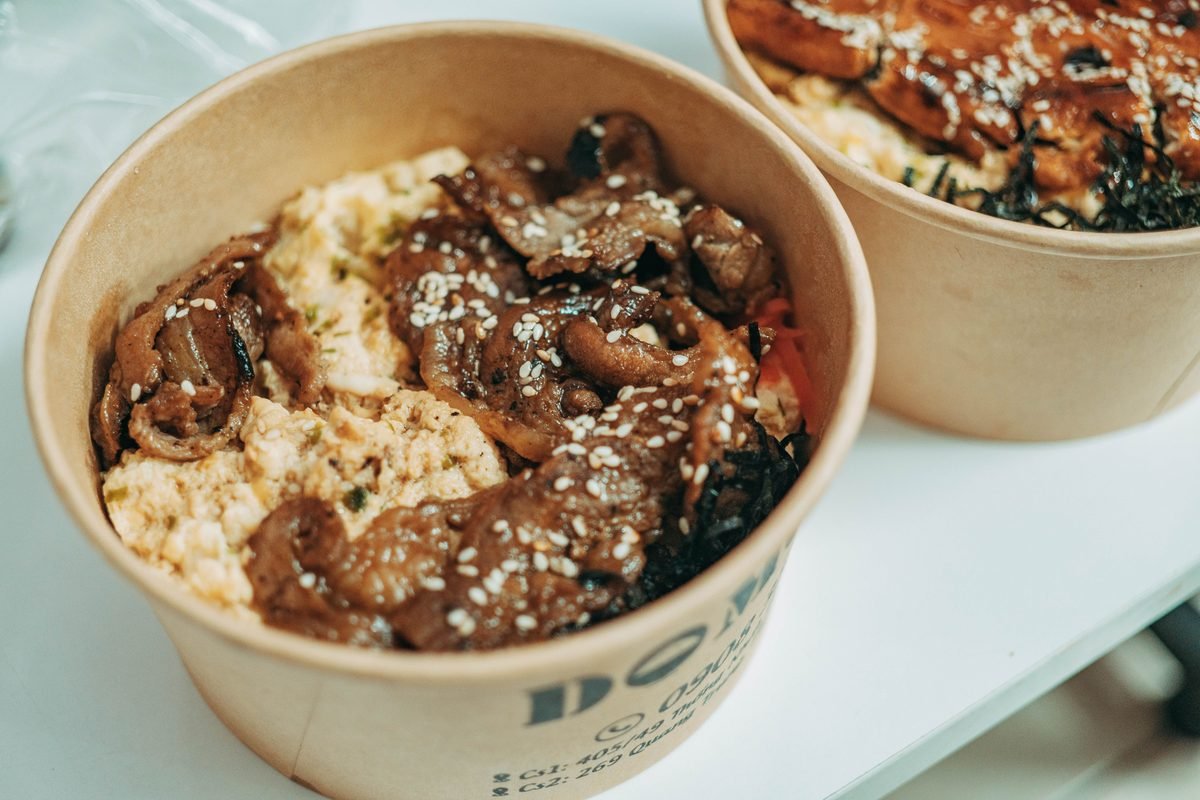
Oita Prefecture has a rich food culture defined by premium wagyu beef, citrus fruits, and hearty countryside cooking. While wandering Yufuin, make time for a sit-down lunch centered on Bungo beef, the region’s prized black-haired wagyu known for fine marbling and a clean, melt-in-the-mouth finish. Restaurants around the town center serve Bungo beef mabushi, a multi-step clay pot rice dish topped with thin slices of rare seared beef. A full set meal typically costs around ¥2,800 to ¥3,500 (about $19 to $23).
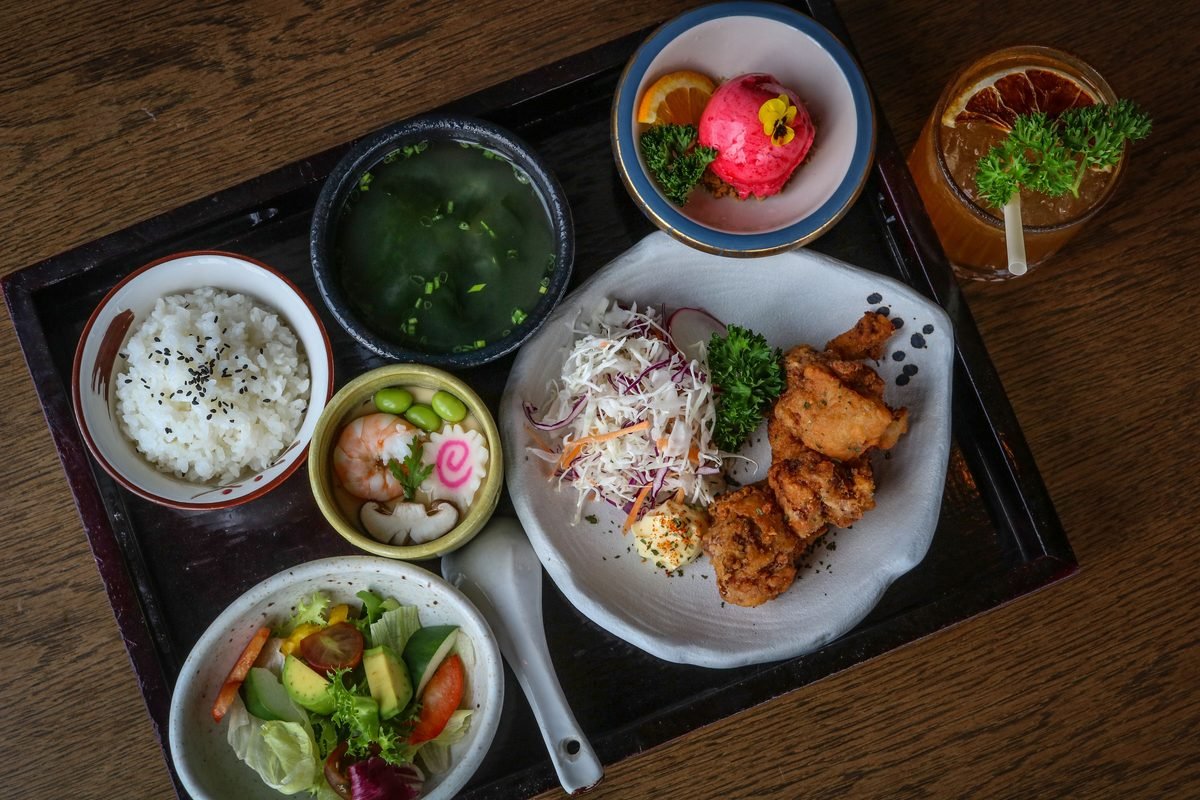
Another regional classic is toriten, Oita-style tempura chicken. Tender strips of chicken breast or thigh are marinated in soy sauce, garlic, and sake, coated in light batter, and fried until crisp. Dip them in ponzu sauce mixed with a dab of spicy green yuzukosho (yuzu chili paste). A casual toriten lunch set with rice, miso soup, and pickles runs roughly ¥1,100 (about $7.50).
For lighter midday fare, look for handmade soba noodle shops near the shores of Lake Kinrin. Local chefs grind buckwheat flour on stone wheels daily, serving chilled noodles on bamboo mats alongside crisp vegetable tempura. Pair your lunch with a glass of cold barley shochu or locally pressed kabosu citrus juice.
How to combine Yufuin with Beppu in one day
If you get an early start from Fukuoka, pairing Yufuin with the coastal onsen city of Beppu makes a rewarding day trip. The two towns are connected by the scenic JR Kyudai and Nippo lines, with a direct train ride taking just under an hour and costing ¥1,130 (about $7.50). Alternatively, the Kamenoi public bus travels across the highland mountain pass between Yufuin Station and Beppu Station in about fifty minutes for ¥1,000 (about $6.70).
A practical schedule begins with an early morning arrival in Yufuin around 9:00 AM. Spend the morning walking around Lake Kinrin, browsing craft shops, and relaxing in a mountainside day-use bath. After an early lunch of Bungo beef or handmade soba, catch the 1:00 PM bus or train east toward Beppu.
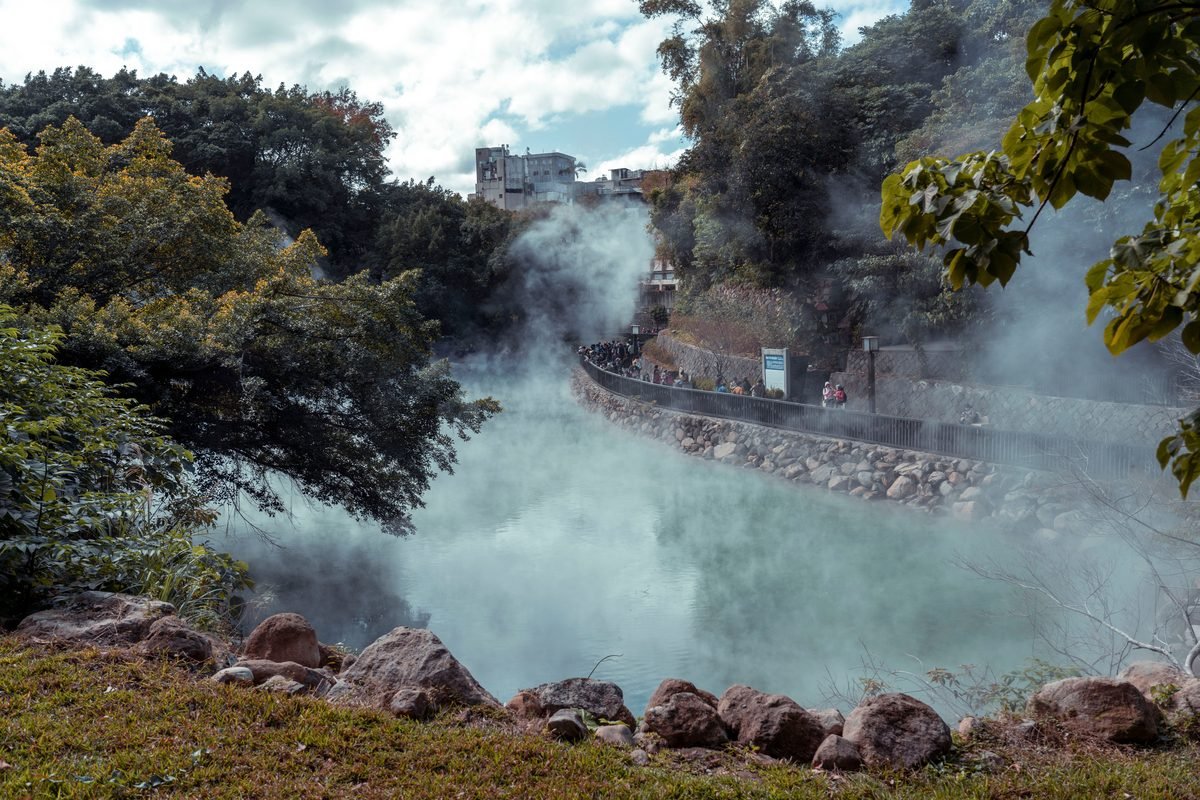
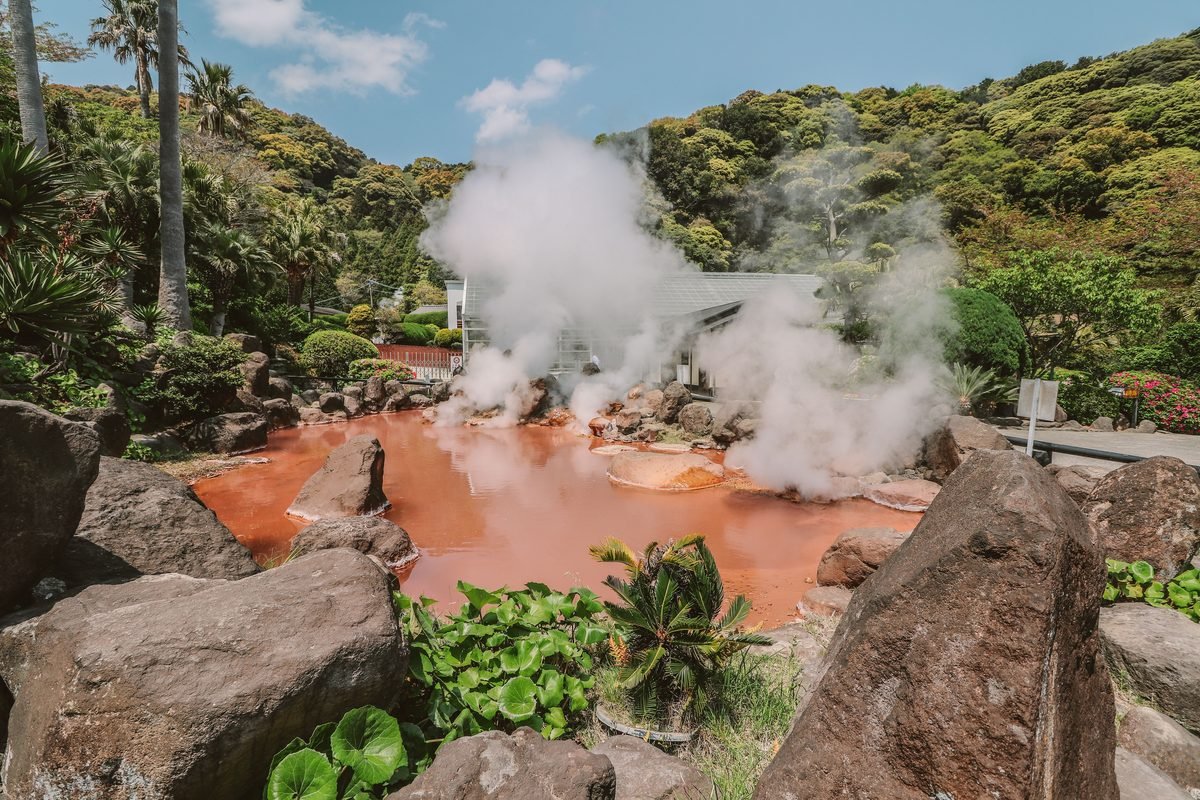
Once in Beppu, spend your afternoon visiting two or three of the famous “Hells” (jigoku)—geothermal boiling pools celebrated for vivid colors. Stand beside the sea-blue water of Umi Jigoku and the blood-red clay of Chinoike Jigoku. Entry costs ¥450 (about $3) per site. Conclude your afternoon with a traditional sand bath at Hyotan Onsen in Kannawa before taking the JR Sonic limited express directly from Beppu back to Hakata Station in two hours.
Heads up: Watch train schedules
Local trains between Yufuin and Beppu run only once every one to two hours. Check departure times at the station before planning your lunch.
Practical tips for your Yufuin day trip
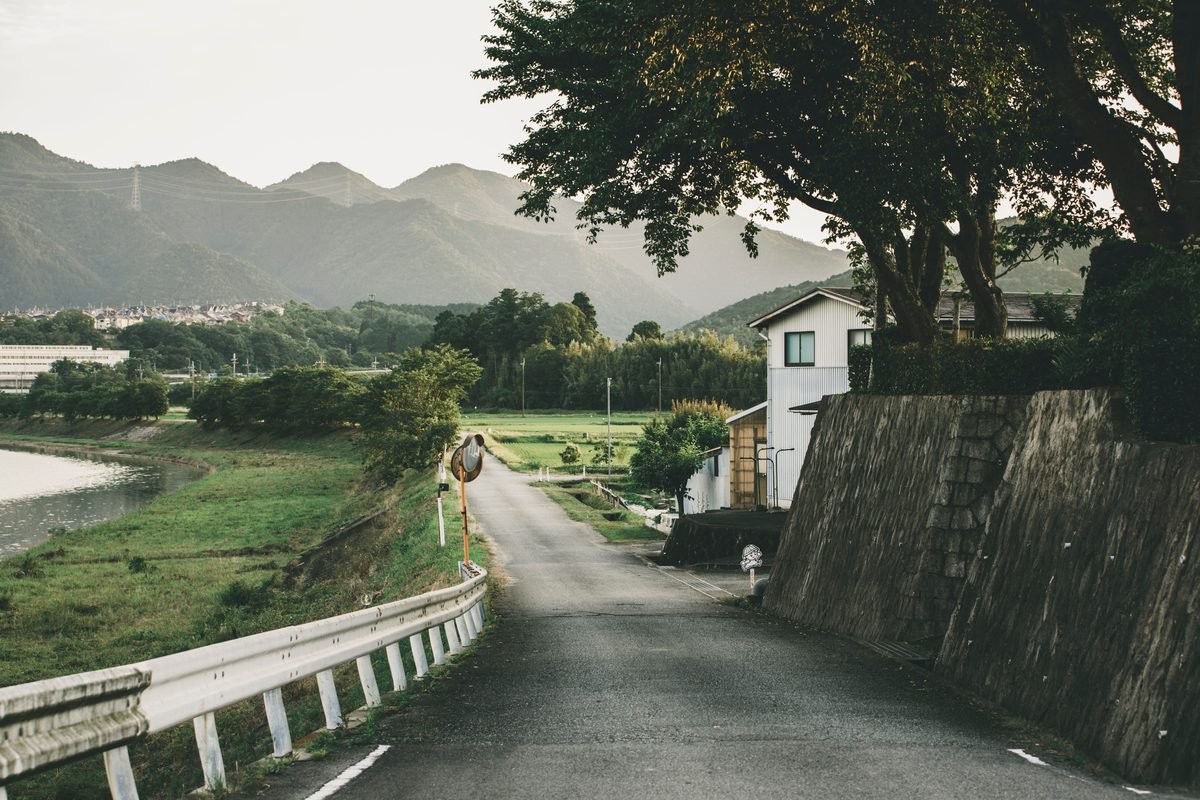
Navigating Yufuin is simple on foot, but keeping a few logistical details in mind will save you time and physical effort. The town center is walkable, yet walking from the station to outer hot spring inns like Musouen requires climbing moderate uphill grades. Taxis wait directly outside Yufuin Station; a short ride to outer baths costs roughly ¥800 to ¥1,200 ($5.50 to $8).
Bicycle rentals provide a great alternative for exploring the flat valley floor and riverbanks. The tourist information center inside Yufuin Station rents standard city bicycles and electric-assist bikes for about ¥300 per hour or ¥1,500 ($10) for the full day. An electric bike makes reaching mountain trailheads and quiet backroads effortless.
Many smaller craft stalls, traditional food vendors, and day-use bath ticket counters in Yufuin do not accept credit cards or digital foreign payments. Carry at least ¥5,000 to ¥10,000 in cash per person. If you arrive with large suitcases on your way to another Kyushu city, use the coin lockers inside Yufuin Station or the luggage delivery counter, which forwards bags directly to local ryokan for around ¥600 ($4).
What it costs in Yufuin
| Item | Local price | USD |
|---|---|---|
| JR Yufuin no Mori round-trip ticket (Hakata-Yufuin) | ¥10,380 | $69.00 |
| Highway express bus round-trip alternative | ¥6,500 | $43.50 |
| Day-use onsen entry fee (Musouen or Tsuka-no-Hara) | ¥1,000 | $6.70 |
| Bungo beef mabushi set lunch | ¥3,200 | $21.50 |
| Street snacks (croquette, roll cake, soft cream) | ¥900 | $6.00 |
| Mid-range ryokan with breakfast & dinner (optional overnight) | ¥32,000 | $215.00 |
| Estimated day trip total (train, onsen, food) | ¥15,480 | $103.20 |
Prices checked September 2026. Always confirm with the provider before you book.
Mistakes to avoid
- Waiting until arrival in Hakata to buy Yufuin no Mori train tickets during weekends or holidays.
- Arriving at Lake Kinrin in the middle of the afternoon when lighting is flat and tour buses crowd the paths.
- Carrying only credit cards, leaving you unable to pay for day-use onsen tickets or street food stalls.
FAQ
Is a Yufuin day trip from Fukuoka worth it?
Yes, taking a Yufuin day trip from Fukuoka is well worth the two-hour transit time. The journey provides mountain scenery, exceptional regional food, and access to some of Kyushu’s finest open-air hot spring baths without requiring an overnight stay.
How long should I spend in Yufuin?
Four to six hours is plenty of time to stroll the main shopping street, circle Lake Kinrin, eat a relaxed Bungo beef lunch, and soak in a day-use onsen bath. If you prefer long hikes up Mount Yufu or want an elaborate kaiseki dinner, book an overnight stay at a local ryokan.
Can you visit Yufuin onsen with tattoos?
While large shared public baths in Japan often restrict visible ink, several day-use facilities in Yufuin permit tattoos or offer private rental family baths (kazokuburo). Renting a private bath for an hour costs around ¥2,000 ($13.50) and completely avoids any bathhouse restrictions.
Is the JR Pass valid on the Yufuin no Mori train?
Yes, both the nationwide Japan Rail Pass and the regional JR Kyushu Rail Pass cover the Yufuin no Mori express train. However, because all seats on this train require an advance reservation, you must book your seat at a JR ticket window or online before boarding.
Can I easily visit both Yufuin and Beppu in one day?
Yes, you can visit both towns if you depart Hakata on an early morning train. Spend your morning exploring Lake Kinrin and enjoying an outdoor bath in Yufuin, take the 50-minute bus or train to Beppu for lunch and the geothermal hot spring sights, and return to Fukuoka by evening.