Osaka 3 Day Itinerary: The Best of Namba and Beyond

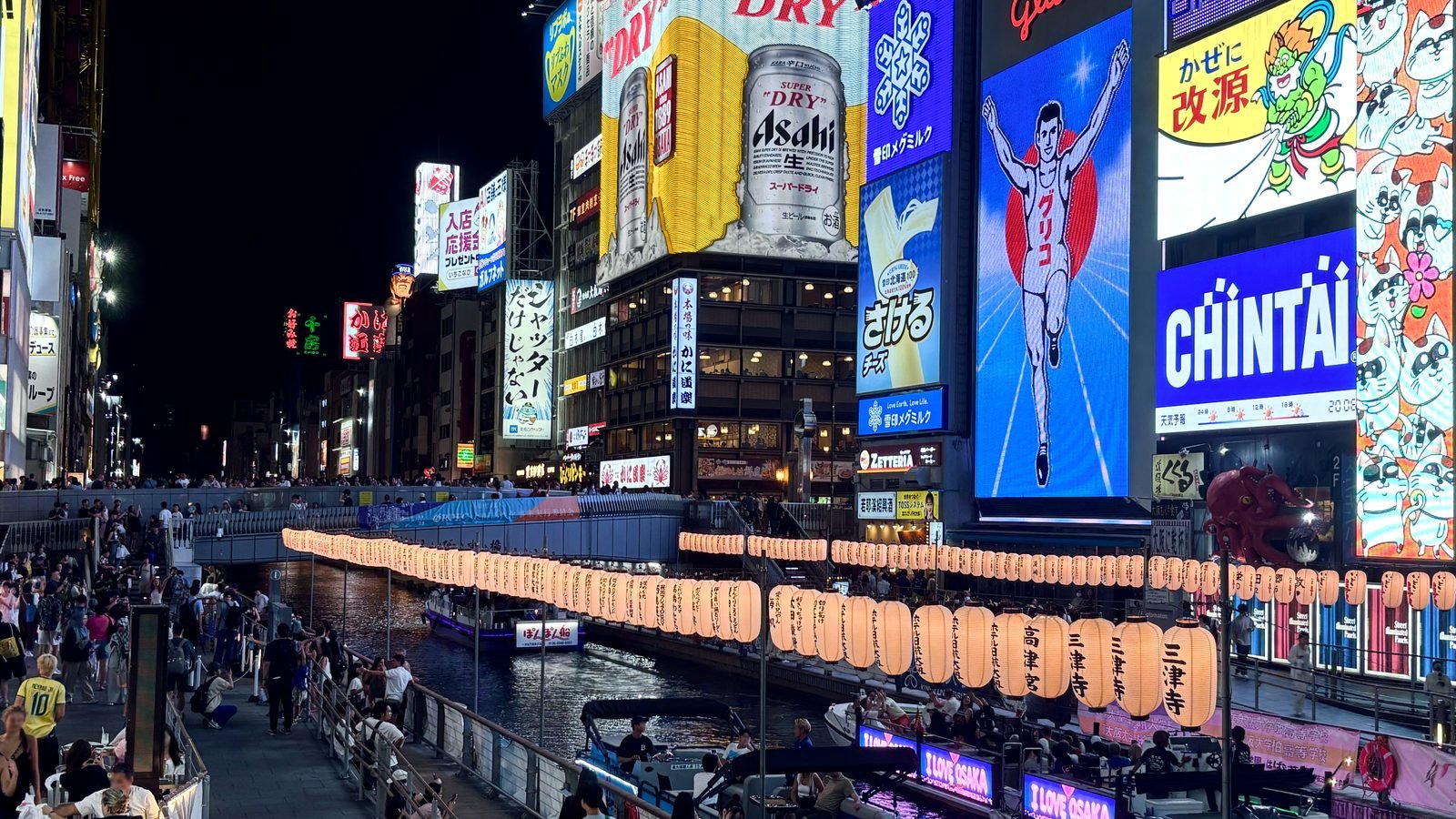
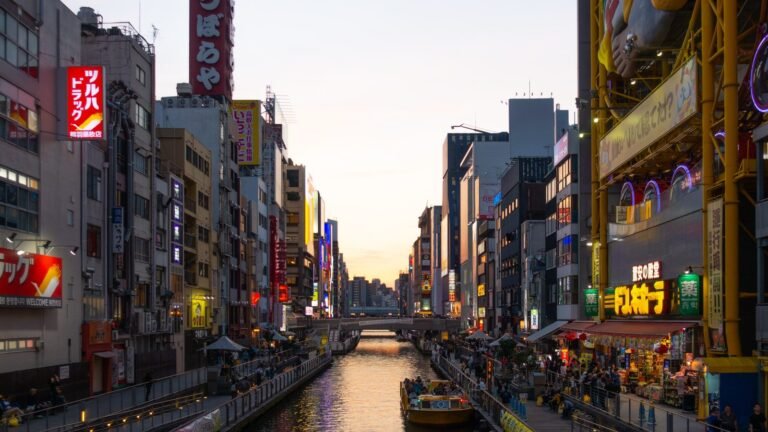
The Glico Man neon sign flashes over the Dotonbori canal as the smell of toasted batter and octopus wafts through the humid evening air. Osaka is a city that prioritizes appetite and energy over the polished restraint you might find in Tokyo or the quiet temples of Kyoto. It is a place where locals are quick to joke and even quicker to point you toward the best plate of okonomiyaki in the neighborhood. I have visited this city dozens of times, and its chaotic charm never fails to draw me back to the narrow alleys of the Minami district.
This guide is designed for independent travelers who want to maximize their time without feeling like they are on a conveyor belt. We will cover the essential Osaka 3 day itinerary, focusing on using Namba as your home base to simplify your logistics. You will learn how to calculate the value of the Osaka Amazing Pass, how to time a visit to Universal Studios Japan, and how to choose between the deer of Nara or the harbor views of Kobe for your final day. We will also dive into the grit of Shinsekai at night and the street food culture that defines this gritty, wonderful city.
Getting to Namba and Finding Your Base
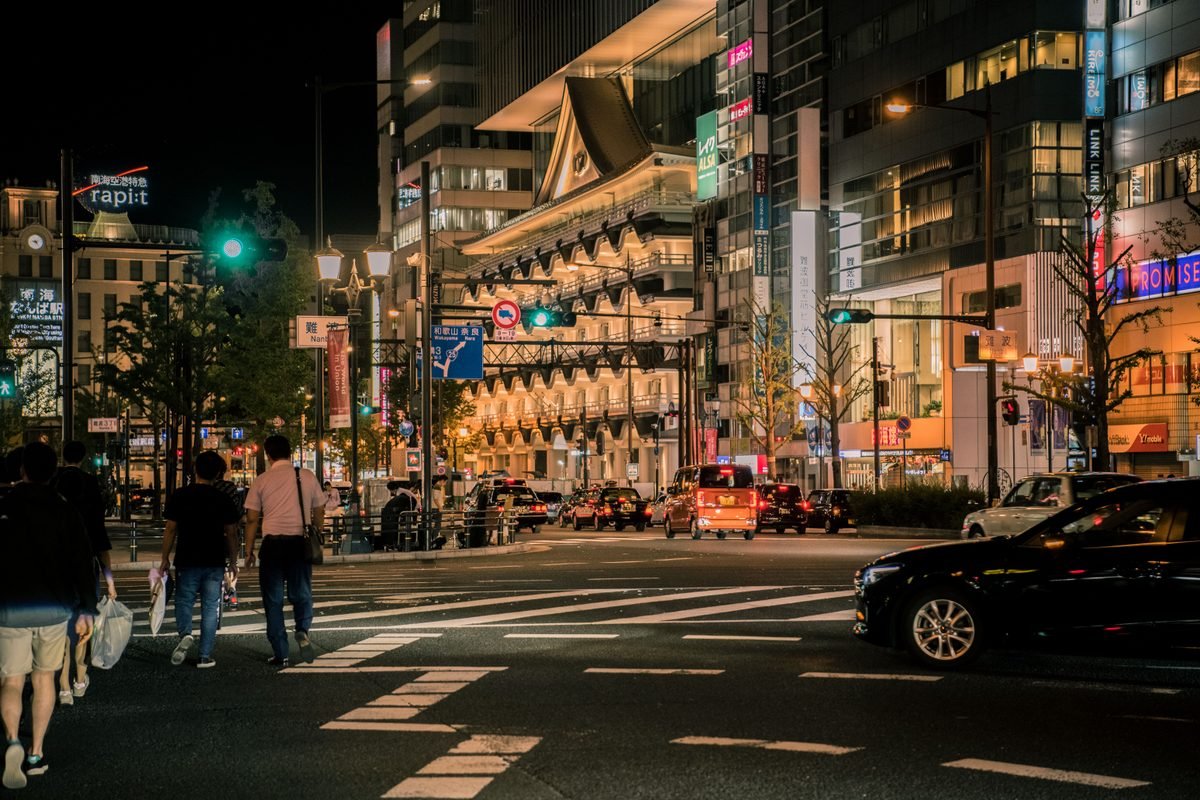
When you land at Kansai International Airport (KIX), your first goal is to reach the city center efficiently. I always recommend taking the Nankai Rapi:t Limited Express train. It costs ¥1,490 (about $10) and takes roughly 35 minutes to reach Namba Station. The train itself looks like something out of a retro sci-fi movie with its dark blue exterior and circular windows. You can buy tickets at the Nankai counter right across from the airport arrival gates. If you are on a tighter budget, the regular Nankai airport express is ¥970 (about $6) and only takes 10 minutes longer, though it lacks the reserved seating and luggage racks of the Rapi:t. I always choose Namba. It is the most logical anchor for your trip.
Once you arrive at Namba, you are in the heart of Minami, the southern hub of the city. I find this to be the best base for an Osaka 3 day itinerary because it puts you within walking distance of the best food and nightlife. Namba is a maze of underground malls, department stores, and narrow alleys. It can be overwhelming at first, but it is the most convenient place to stay for transport. From here, you have direct access to the Midosuji Line, which is the main artery of the city’s subway system. You are also close to the Kintetsu and Hanshin lines for day trips. Staying near the Glico Man sign in Dotonbori means you never have to worry about the last train after a long dinner. The area stays bright and active long after midnight. It is the quintessential Osaka experience.
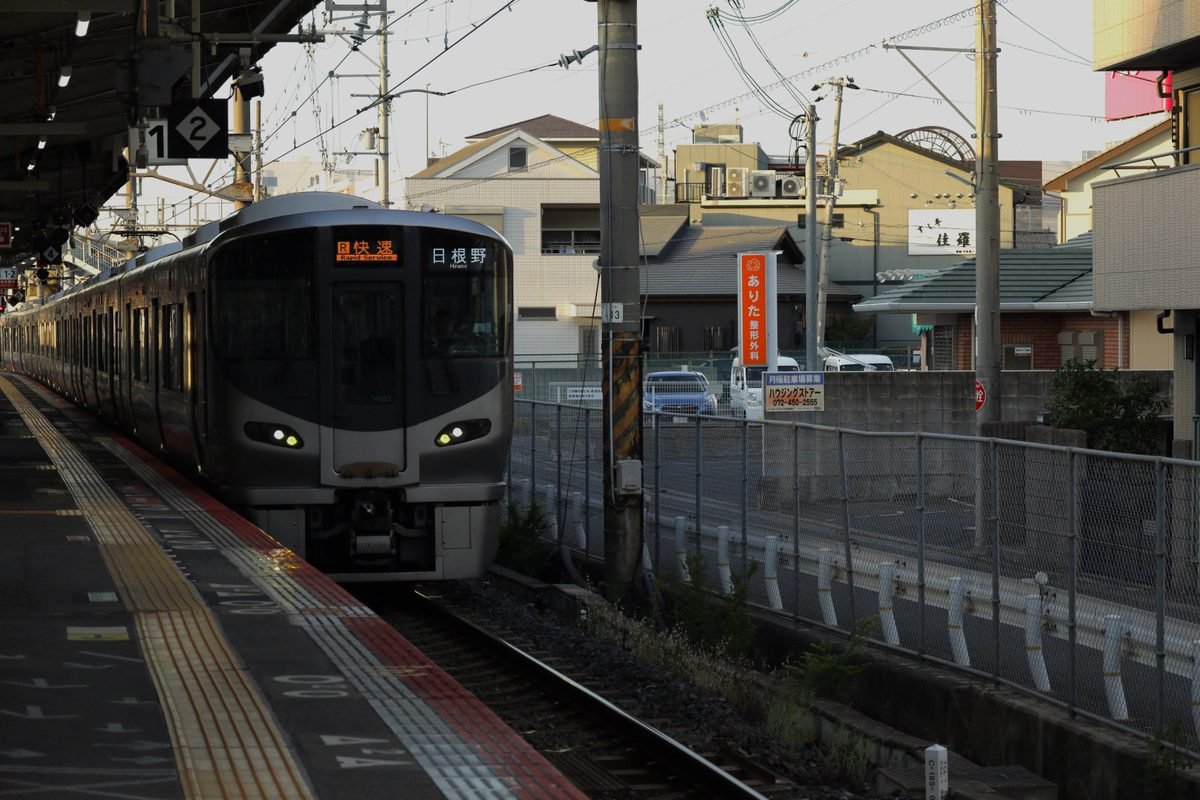
The lights never really dim. Just be prepared for the crowds. Namba is one of the busiest transit points in Japan, and navigating the station with heavy bags requires some patience. Look for the ‘Namba Walk’ signs to find your way through the subterranean passages if it starts to rain. October is a fantastic time for this, as the humidity of summer has faded, making the walk from the station to your hotel much more pleasant. Most hotels here are compact, so look for properties that offer luggage storage if you arrive before the standard 3:00 PM check-in time.
From a local: The Namba Walk
If you are lost or it is raining, use the Namba Walk underground mall to navigate between Namba and Nipponbashi stations without ever going outside.
Day 1: The Osaka Amazing Pass Math
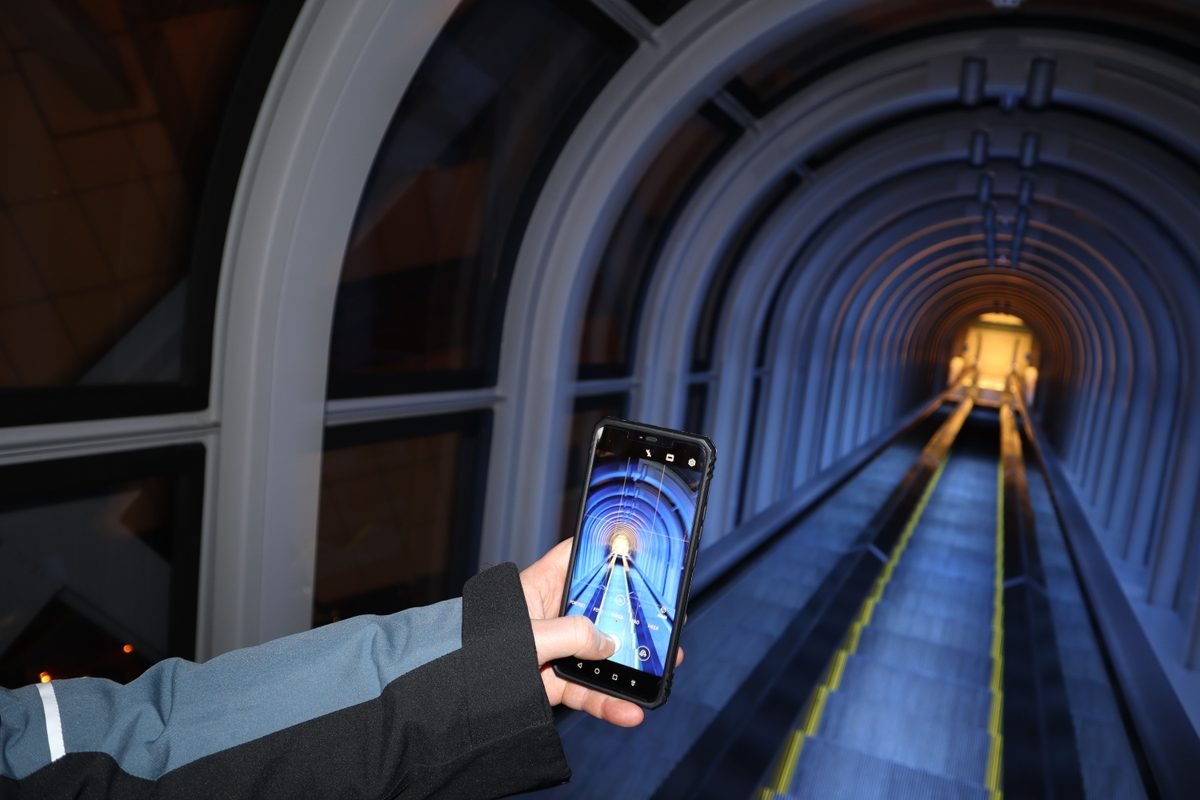
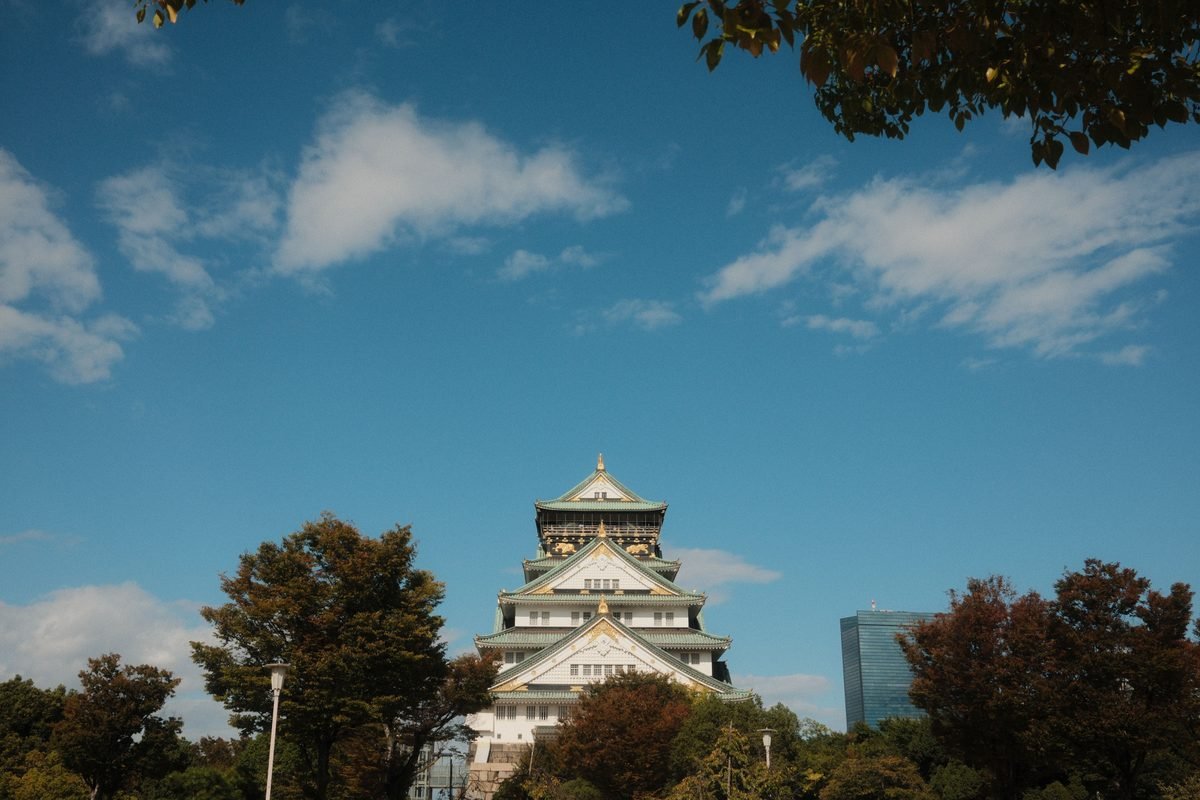
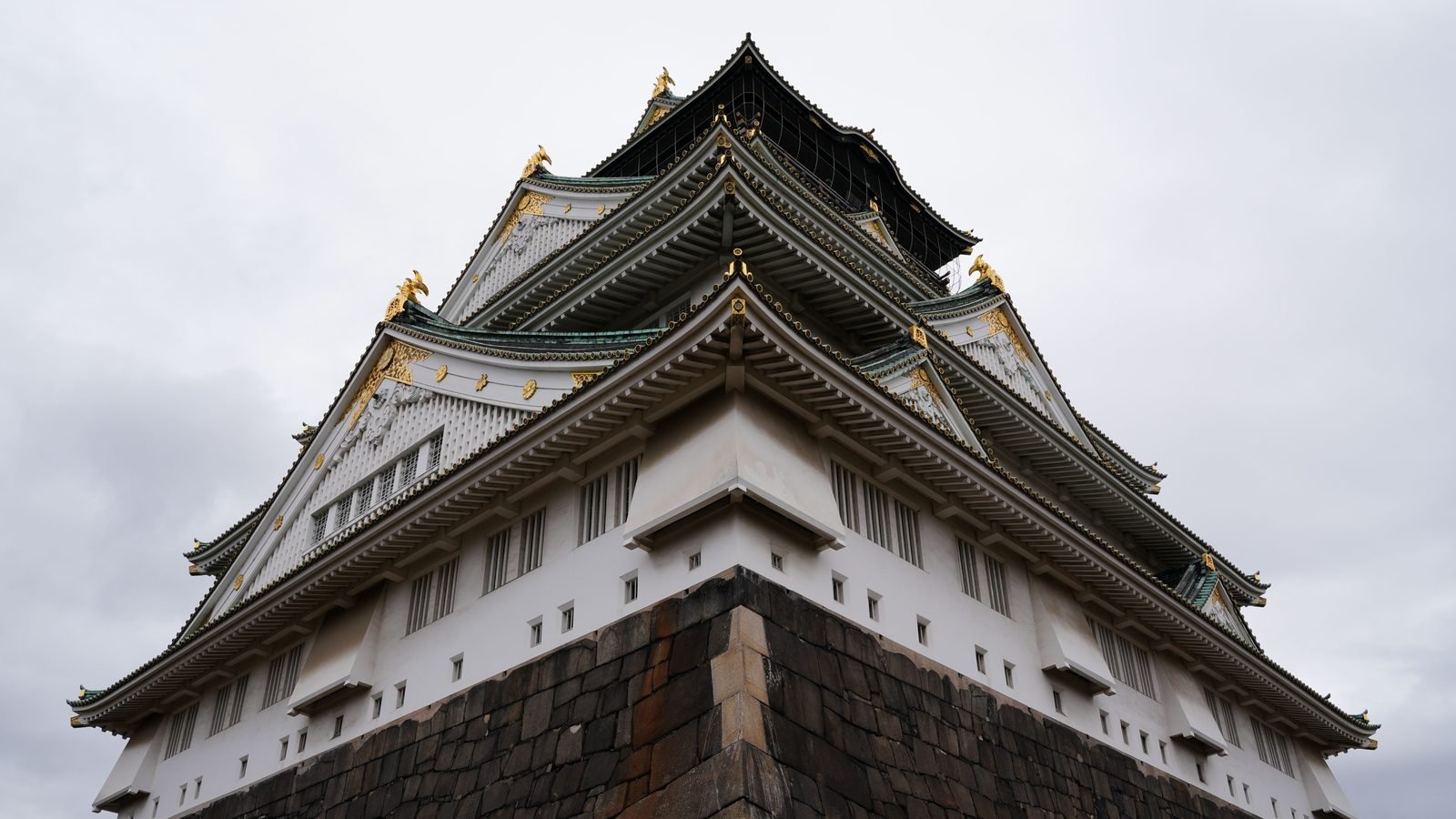
On your first full day, the goal is to see the iconic landmarks while saving money. The Osaka Amazing Pass is a physical or digital ticket that covers your subway rides and entry to over 40 attractions. A 1-day pass costs ¥3,300 (about $22). To make it worth your while, you need to visit at least three major sites. I suggest starting at Osaka Castle. The entry fee is ¥600 (about $4), but it is included in the pass. The castle grounds are massive, and in October, the trees are just beginning to turn gold. After the castle, head toward the Umeda district in the north. The math is simple. If you visit the Umeda Sky Building, which normally costs ¥2,000 (about $13), you have already almost paid for the pass. Note that the Amazing Pass only covers Umeda Sky for free if you enter before 3:00 PM.
After taking in the 360-degree views of the city from the Floating Garden Observatory, head back down and use your pass for the HEP FIVE Ferris Wheel, which usually costs ¥600 (about $4). By now, you have spent ¥3,200 in entry fees plus your subway rides, which are typically ¥210 (about $1.40) per trip. You are officially in the profit zone. For the evening, take the subway back to Namba and use the pass for the Tombori River Cruise. This is a 20-minute boat ride along the Dotonbori canal that usually costs ¥1,200 (about $8). It gives you a great perspective of the neon signs from the water. Seeing the city from the river is a classic Osaka moment.
If you still have energy, the pass also includes the Tsutenkaku Tower in the Shinsekai district, which is ¥1,000 (about $7). Shinsekai was built in 1912 to look like Paris and New York, but today it is a nostalgic, slightly gritty area famous for its Billiken statues and kushikatsu stalls. Even if you do not go up the tower, walking through Shinsekai at night is a must. The glowing blowfish lanterns and retro arcade signs make for incredible photos. By the end of day one, you will have saved over ¥2,000 (about $13) per person using the pass, making it one of the few city passes in Japan that actually provides genuine value for a busy itinerary.
Tip: Timing the Sky Building
The Osaka Amazing Pass free entry for the Umeda Sky Building ends at 3:00 PM sharp. Arrive by 2:30 PM to ensure you get through the line in time.
Day 2: Universal Studios Japan or City Culture
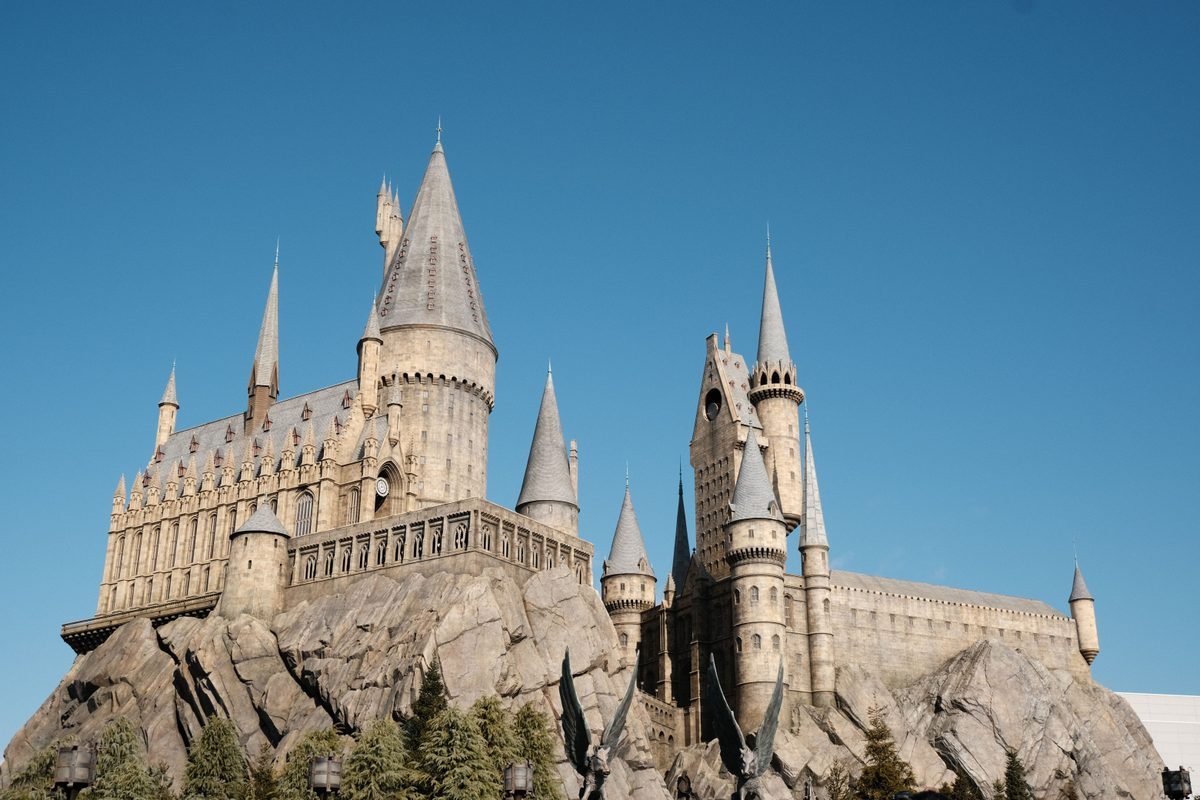
Day two offers a choice: the high-octane thrills of Universal Studios Japan (USJ) or a deeper dive into Osaka’s local culture. If you choose USJ, you need to plan ahead. A 1-day Studio Pass typically costs between ¥8,600 (about $57) and ¥10,400 (about $69) depending on the date. Buy your tickets early. I recommend arriving at the gates at least 60 minutes before the official opening time. The crowds are legendary, especially for Super Nintendo World. To enter the Mario area, you usually need a ‘Timed Entry Ticket,’ which you can get for free via the official USJ app once you have entered the park. If you have the budget, an Express Pass is a lifesaver, though they often cost more than the entry ticket itself. The Wizarding World of Harry Potter is also a major draw, and the detail in the Hogsmeade village is impressive.
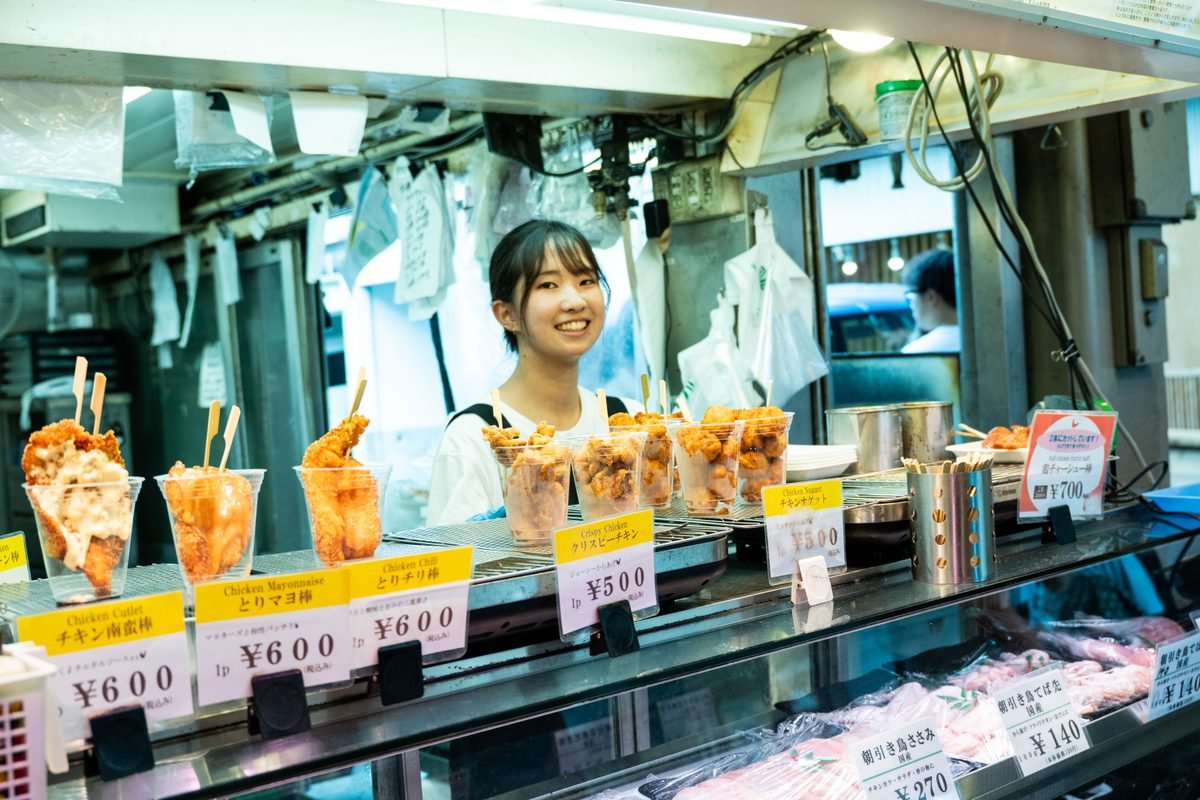
If theme parks are not your style, spend your second day exploring the ‘Kitchen of the World.’ Start at Kuromon Ichiba Market. This covered market has been around for over 100 years and is the best place to try fresh seafood. You can find grilled scallops for about ¥1,000 (about $7) or fatty tuna sashimi. From there, it is a short walk to Sennichimae Doguyasuji Shopping Street, which specializes in kitchenware. This is where professional chefs buy their knives and the plastic food models you see in restaurant windows. It is a fascinating look at the industry behind Osaka’s food scene. A high-quality Japanese chef’s knife can cost anywhere from ¥10,000 (about $66) to over ¥50,000 (about $330).
In the afternoon, head to the Osaka Museum of Housing and Living. It features a life-sized recreation of an Osaka neighborhood from the Edo period. You can walk through the houses and shops as they would have appeared 200 years ago. Entry is ¥600 (about $4). Afterward, take the subway to the Shinsaibashi-suji shopping arcade. This 600-meter-long covered street is packed with fashion boutiques, drugstores, and cafes. It is the perfect place to pick up Japanese snacks or skincare products. By evening, head back toward Dotonbori to explore the Hozenji Yokocho alley. This narrow, stone-paved path feels like a time capsule, with traditional lanterns and small restaurants. It is a quiet contrast to the loud neon of the main canal just a block away.
Book ahead: USJ Express Passes
Express Passes sell out weeks in advance. If you are visiting in October, book yours at least a month ahead to guarantee entry to Super Nintendo World.
Day 3: Nara or Kobe Day Trips
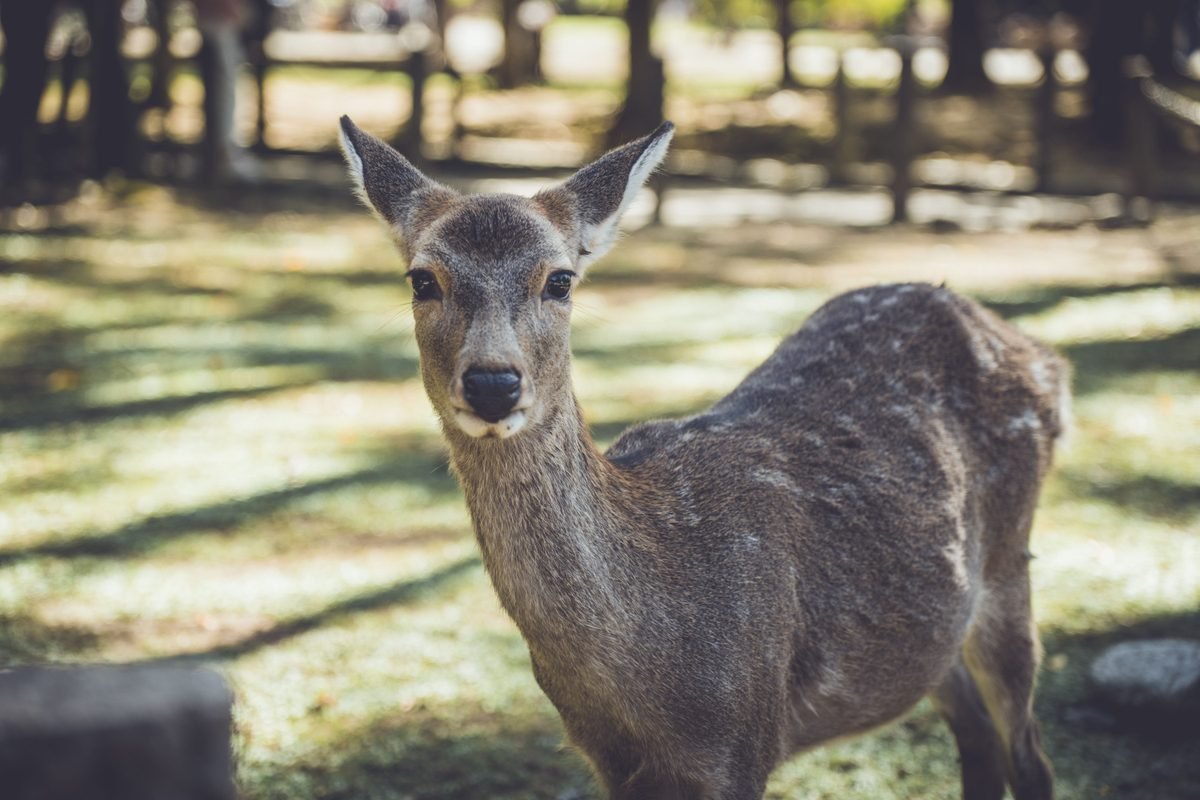
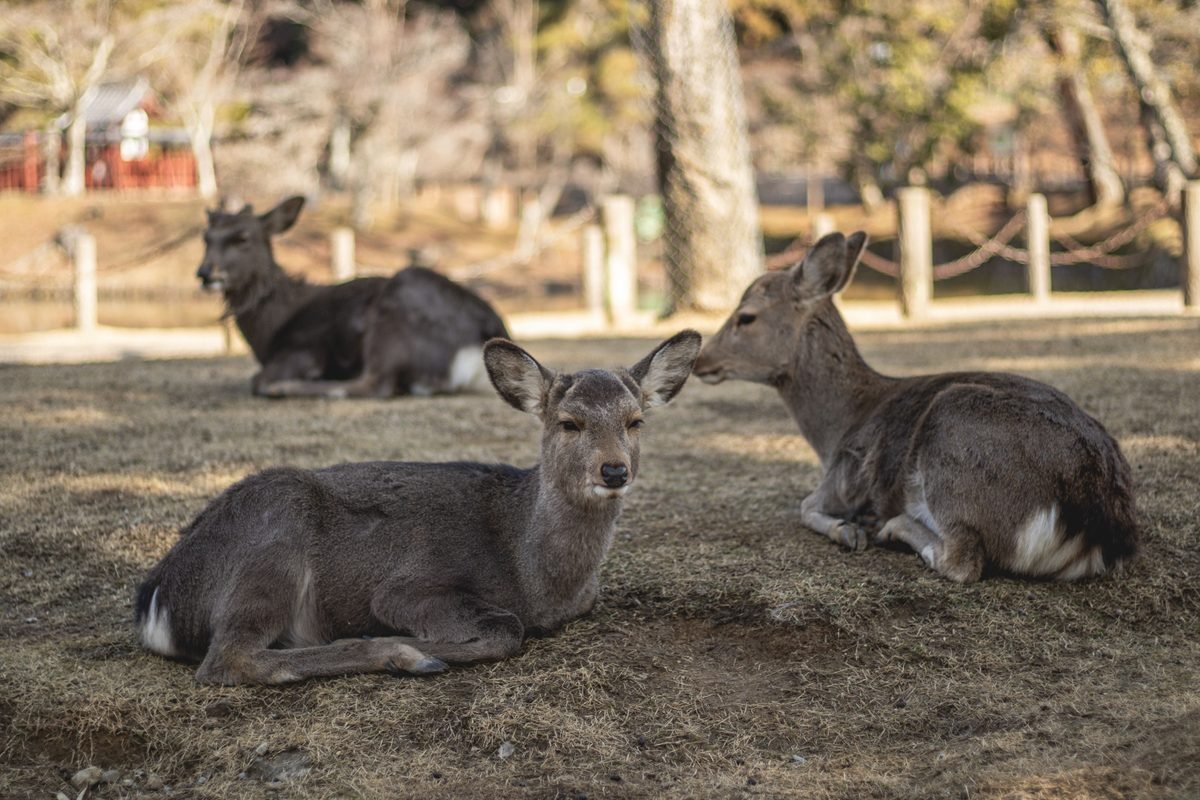
For your third day, take advantage of Osaka’s location. Two very different cities are less than an hour away. Nara is the most popular choice. From Kintetsu-Namba Station, a rapid express train takes about 40 minutes and costs ¥680 (about $4.50). Once you arrive at Kintetsu-Nara Station, it is a 10-minute walk to Nara Park. The deer are quite bold. They are considered messengers of the gods and roam freely. You can buy ‘shika senbei’ (deer crackers) for ¥200 (about $1.30) to feed them, but be warned that they will swarm you if they see the paper wrap. The highlight of Nara is Todai-ji Temple, home to a massive bronze Buddha statue. Entry is ¥800 (about $5). The scale of the wooden temple building, which is one of the largest in the world, is truly humbling.
Alternatively, you could head west to Kobe. The Hanshin line from Namba will get you to Kobe-Sannomiya in about 45 minutes for ¥420 (about $2.80). Kobe is a sophisticated port city with a beautiful mountain backdrop. I suggest taking the Shin-Kobe Ropeway, which costs ¥2,000 (about $13) for a round trip including entry to the Nunobiki Herb Gardens. The view from the top looks out over the harbor and the city. For lunch, you can find Kobe beef sets starting around ¥5,000 (about $33) in the Sannomiya area. While expensive, it is a bucket-list experience for many travelers. Afterward, walk through the Nankinmachi Chinatown or explore the historic foreign merchant houses in the Kitano district.
Both cities are easy to navigate and return from in time for a final dinner in Osaka. If you choose Nara, try to visit Kasuga Taisha, a shrine famous for its thousands of stone and bronze lanterns. If you choose Kobe, the waterfront at Meriken Park is a great place for an evening stroll. Both trips are manageable with an IC card like Icoca or Suica, so you do not need to worry about buying separate paper tickets. Just tap in and out at the gates. Most travelers find that Nara offers a more traditional Japanese atmosphere, while Kobe feels more international and modern. Whichever you choose, you will be back in Namba by 7:00 PM, ready for one last round of street food.
Heads up: Nara Train Stations
Use the Kintetsu-Nara station rather than the JR Nara station. The Kintetsu station is nearly a kilometer closer to the park and the main temples.
Where to Eat in Osaka: The Kuidaore Culture
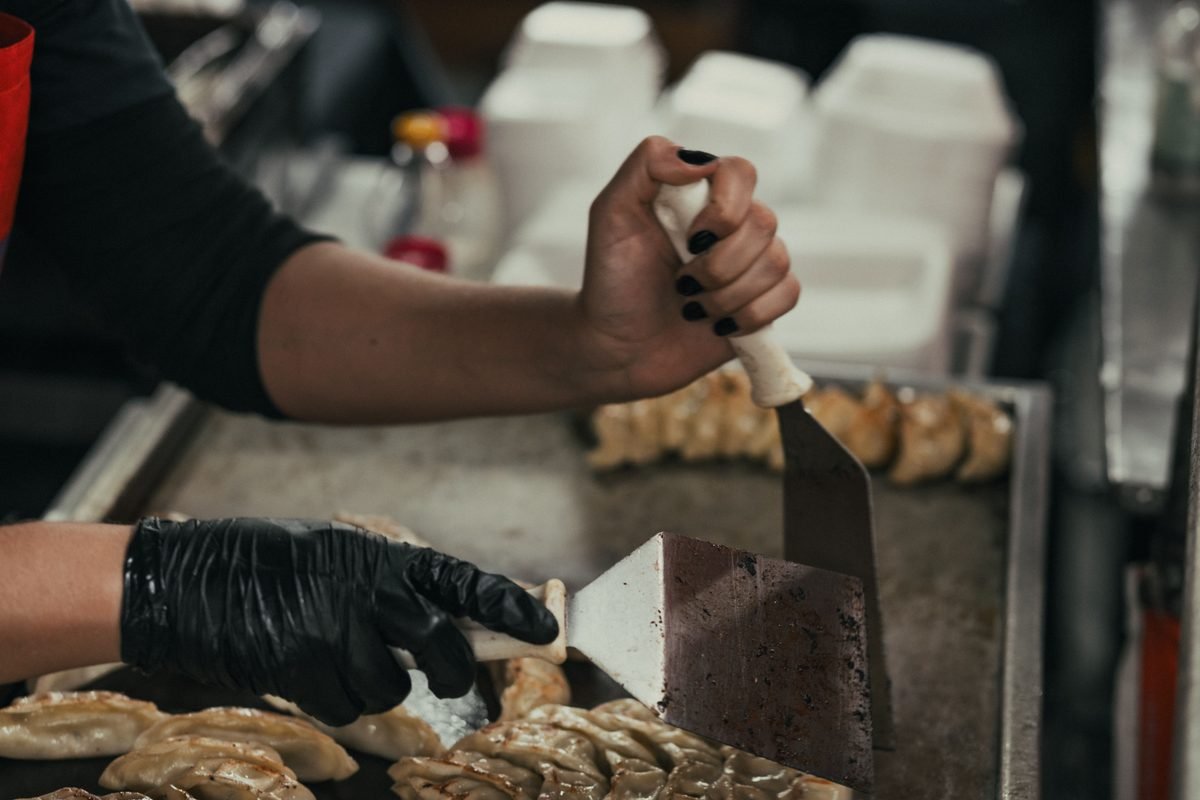
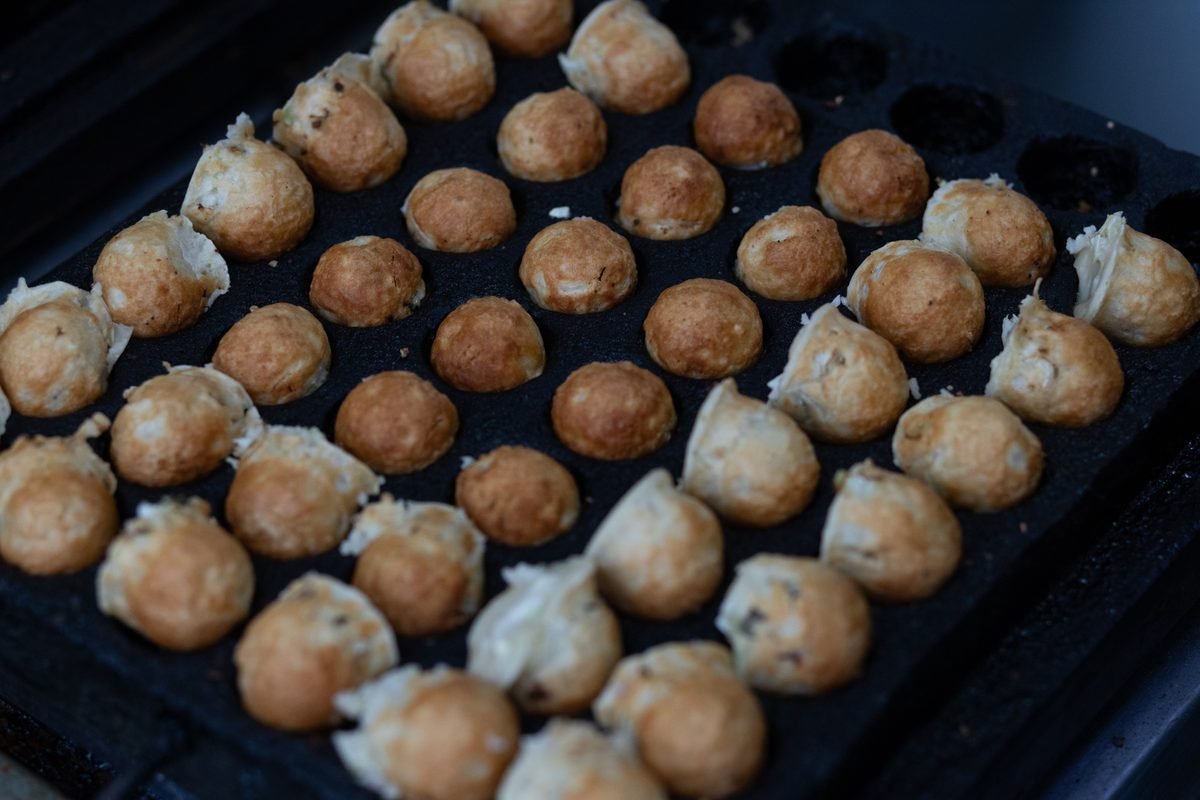
The term ‘kuidaore’ means to eat until you drop, or more literally, to ruin yourself by overspending on food. In Osaka, this is a point of pride. You cannot leave without trying the ‘Big Three’: takoyaki, okonomiyaki, and kushikatsu. Takoyaki are grilled octopus balls, crispy on the outside and gooey on the inside. A serving of 6 to 8 pieces usually costs about ¥600 (about $4). I recommend trying them at a stall in Dotonbori where you can watch the vendors flip them with incredible speed using metal picks. Eat the takoyaki while hot. Just be careful, as the inside is often molten. Look for the stalls with the longest lines; they are usually the ones with the freshest batches.
Okonomiyaki is a savory pancake made with cabbage, flour, and various fillings like pork, squid, or cheese. It is topped with a sweet-savory brown sauce, mayonnaise, seaweed flakes, and dancing bonito flakes. A standard okonomiyaki costs around ¥1,200 (about $8). Many restaurants in the Namba area have griddles at each table, allowing you to watch the chef cook it in front of you or even flip it yourself. It is a filling, comforting meal that pairs perfectly with a cold Japanese beer. For a truly local experience, look for the smaller shops in the side streets of Shinsaibashi where the menus are often just a single page.
Finally, head to Shinsekai for kushikatsu. These are deep-fried skewers of meat, vegetables, and seafood. A set of ten skewers usually costs around ¥1,500 (about $10). There is a strict ‘no double-dipping’ rule for the communal sauce tin at your table, though many places have switched to squeeze bottles since the pandemic. The atmosphere in Shinsekai’s kushikatsu shops is loud and friendly. If you are feeling adventurous, you can also find ‘fugu’ (pufferfish) in Osaka. It is a local specialty, often served as sashimi or in a hot pot. A multi-course fugu meal can cost ¥5,000 (about $33) or more, but it is a unique culinary experience that is highly regulated for safety.
From a local: The Kushikatsu Rule
When eating kushikatsu, only dip your skewer into the sauce once before taking a bite. If you need more sauce, use a piece of cabbage to scoop it onto your plate.
Practical Tips for Navigating Osaka
Navigating Osaka is relatively straightforward, but there are a few local quirks to keep in mind. Unlike Tokyo, where people stand on the left of the escalator, in Osaka, people stand on the right. It is a small detail, but it helps you blend in and keeps the flow of traffic moving. For transportation, an IC card is essential. Whether you have an Icoca (the local card), a Suica, or a Pasmo from Tokyo, they all work on the Osaka subways and buses. You can top them up at any station machine using cash. A typical subway ride within the city center costs between ¥190 and ¥240 (about $1.25 to $1.60). If you do not have a physical card, you can add a digital Suica or Pasmo to your phone’s wallet.
While Japan is becoming more card-friendly, Osaka’s street food stalls and smaller ramen shops still heavily rely on cash. Always carry a few ¥1,000 bills and some coins. Many vending machines and ticket kiosks do not accept large ¥10,000 notes. If you find yourself with too much luggage, use the ‘Takkyubin’ delivery service. You can send your suitcases from your hotel in Osaka to your next destination in Japan for about ¥2,500 (about $17) per bag. It usually arrives the next day, allowing you to travel hands-free on the Shinkansen. It is a service I use on every trip to avoid struggling with bags on crowded trains.
Navigation is best handled with a local map app. While Google Maps works well for transit, I find that checking the platform numbers is crucial in large stations like Umeda or Namba. Look for the brightly colored signs that correspond to the line you need—red for the Midosuji Line, blue for the Yotsubashi Line. If you get lost, look for the ‘Station Information’ booths; the staff usually speak enough English to point you in the right direction. Finally, remember that many restaurants in Osaka have a ‘table charge’ (otoshi), which is a small fee of ¥300 to ¥500 (about $2 to $3.30) that comes with a tiny appetizer. It is a standard part of Japanese dining culture, so do not be surprised when you see it on your bill.
What it costs in Osaka
| Item | Local price | USD |
|---|---|---|
| Nankai Rapi:t Airport Train | ¥1,490 | ($10) |
| Osaka Amazing Pass (1-Day) | ¥3,300 | ($22) |
| Universal Studios Japan Ticket | ¥8,600 | ($57) |
| Kintetsu Train to Nara (Return) | ¥1,360 | ($9) |
| Average Mid-range Hotel (Per Night) | ¥15,000 | ($100) |
| Daily Food and Street Snacks | ¥6,000 | ($40) |
| Total for 3 Days (Excluding Flights) | ¥68,750 | ($458) |
Prices checked October 2026. Always confirm with the provider before you book.
Where to stay in Osaka
Budget
Shin-Imamiya, for hostels and guesthouses
This area is south of Namba and offers the lowest prices in the city. You can find clean, basic rooms for ¥4,000 to ¥6,000 (about $26 to $40) per night within walking distance of the JR and Nankai lines.
Mid-range
Namba, for easy transport and nightlife
Staying near Namba Station puts you in the center of the action. Expect to pay ¥12,000 to ¥18,000 (about $80 to $120) for a standard business hotel that is steps away from Dotonbori.
Splurge
Umeda, for luxury hotels and shopping
The northern hub is home to high-end international brands and department stores. Nightly rates here range from ¥35,000 to ¥60,000 (about $230 to $400) for rooms with expansive city views.
Mistakes to avoid
- Buying a 2-day Amazing Pass if you plan to spend one of those days at Universal Studios Japan.
- Arriving at Dotonbori for dinner before 6:00 PM when the best atmosphere and neon lights haven’t fully kicked in.
- Using the JR Pass for local Osaka travel; the subway and private lines are much more convenient for the main sights.
FAQ
Is the Osaka Amazing Pass worth it?
Yes, if you visit at least three major attractions like Osaka Castle and the Umeda Sky Building in one day. It pays for itself quickly and simplifies your Osaka 3 day itinerary by covering all subway fares.
How do I get from Osaka to Nara?
Take the Kintetsu Railway from Kintetsu-Namba Station to Kintetsu-Nara Station. It takes about 40 minutes and costs ¥680 (about $4.50) one way.
Can I do USJ in half a day?
It is difficult because the lines are very long. To see the main areas like Super Nintendo World, you really need a full day and ideally an Express Pass.
Where is the best place to stay in Osaka?
Namba is the best base for most travelers because it has direct airport access, the best street food, and central subway connections.
How many days do I need for an Osaka 3 day itinerary?
Three days is the perfect amount of time to see the city highlights, spend a day at a theme park or exploring markets, and take one day trip to Nara or Kobe.