Mexico City First Time Guide: Roma, Food, and Safety

The clock on the dashboard reads 1:15 AM as the taxi pulls up to a glowing corner in Roma Norte, where a giant spit of pork spins slowly under a bare lightbulb. For about 22 pesos (roughly $1.15 USD) a taco, you get a warm corn tortilla piled with spiced meat, a flick of pineapple, and a splash of green salsa. This is your welcome to North America’s largest metropolis, a place that is massive, chaotic, and intensely rewarding. This Mexico City first time guide is designed to help you navigate it all without feeling overwhelmed.
This guide is written for independent travelers planning a first trip to this high-altitude capital. This guide covers how to choose your neighborhood base, how to get around safely on a budget, where to find the best late-night street food, and how to plan your days to avoid the worst of the crowds.
How to get around Mexico City
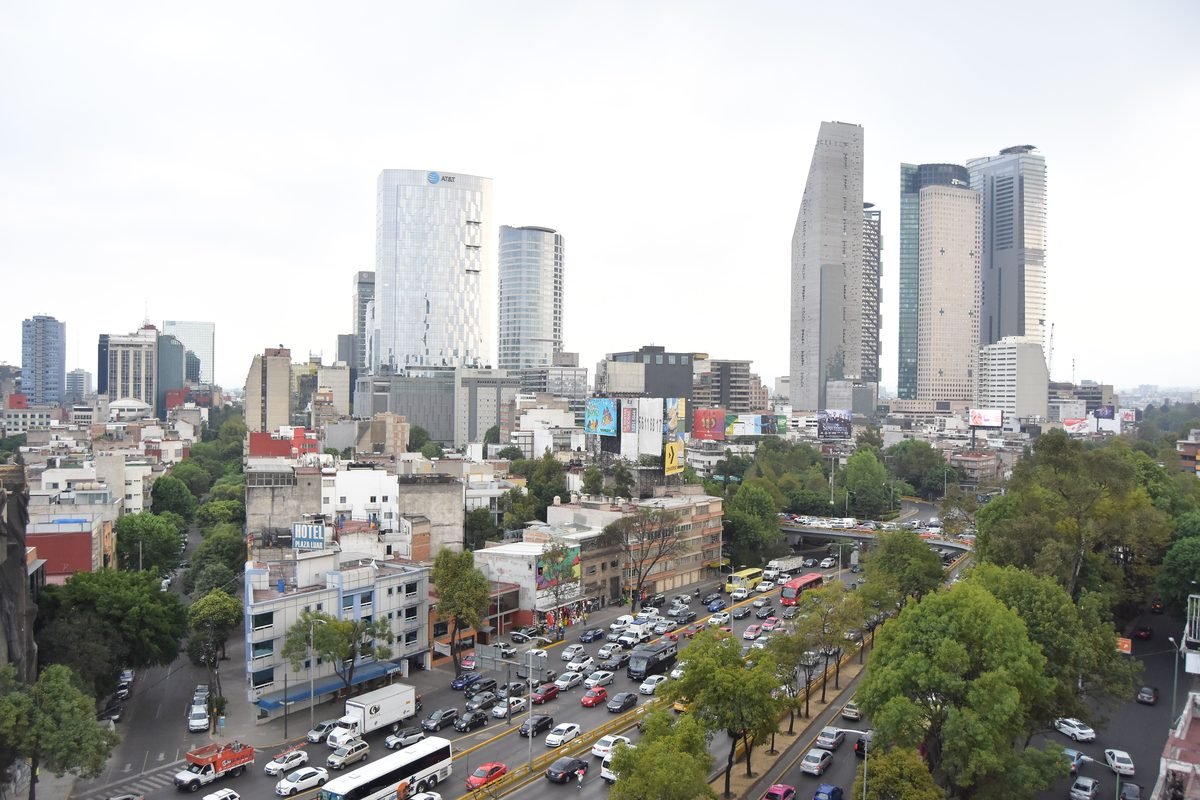
Getting around this sprawling metropolis is surprisingly straightforward if you know which transit methods to use. For travelers arriving at Benito Juárez International Airport (MEX), your easiest option is Uber. It is safe and highly convenient. A ride from the airport to Roma Norte or Condesa typically costs between 150 and 250 Mexican pesos (about $8 to $13 USD), depending on traffic and surge pricing. Always verify the driver’s license plate and name before getting into the vehicle.
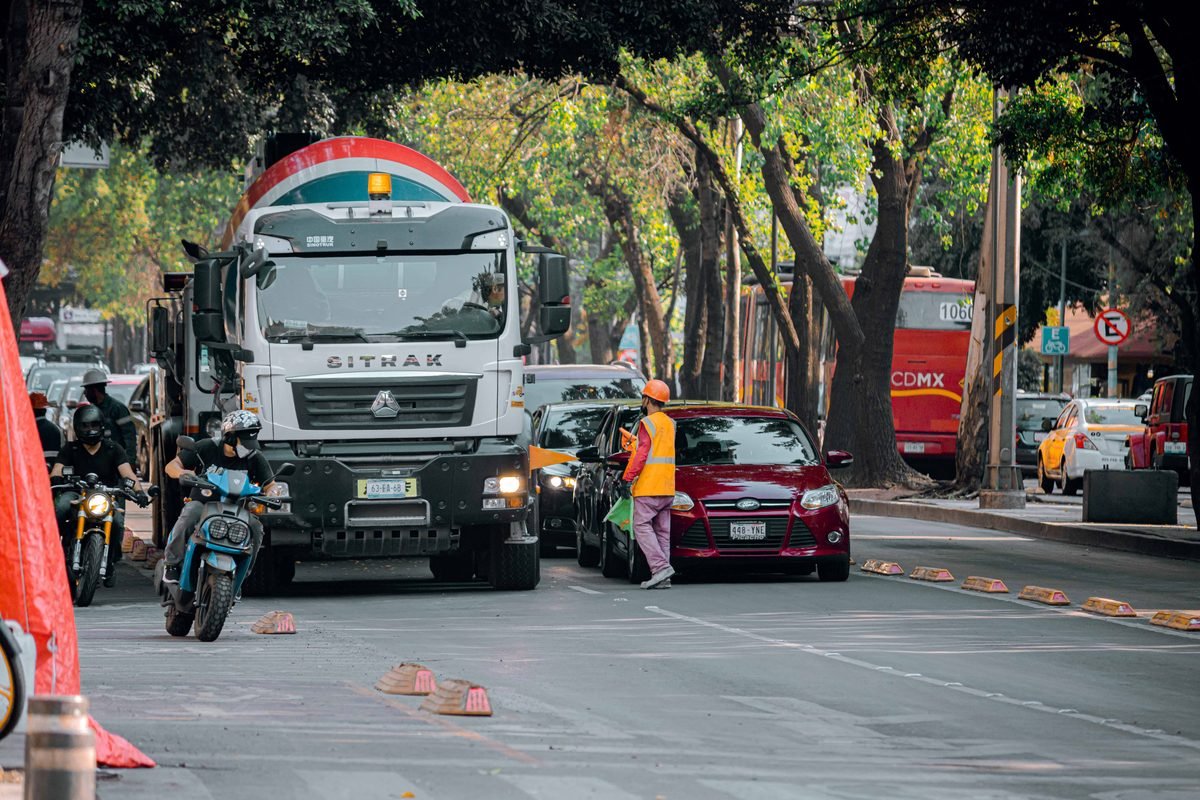
For daily exploring, the Mexico City Metro is an incredibly efficient system that bypasses the city’s notorious traffic jams. A single ticket costs a mere 5 pesos (about $0.26 USD). You will need to purchase a smart card at a station booth for 15 pesos (about $0.80 USD) and load it with credit. The metro is incredibly fast. However, it gets extremely crowded during morning and evening rush hours. During these peak times, keep your backpack on your chest and your phone in a secure front pocket. The front cars on many lines are reserved exclusively for women and children, offering a much calmer environment. Avoid using the metro late at night; after 10:00 PM, stick to rideshare apps like Uber or DiDi for safety.
Heads up: Stay Alert at the Airport
Always check the license plate of your Uber before getting in, especially around the airport terminals, and avoid unregistered street taxis.
Best time to visit and safety basics
Mexico City sits at an elevation of 2,240 meters (7,350 feet) above sea level. This high altitude catches many first-time visitors off guard. You might find yourself winded walking up a slight incline or experiencing mild headaches. Take it easy on day one. Drink plenty of water, limit your alcohol intake for the first forty-eight hours, and allow your body time to adjust.
Safety is a common concern for first-timers, but sticking to established neighborhoods makes a huge difference. Neighborhoods like Roma, Condesa, Juárez, Cuauhtémoc, and Coyoacán are highly walkable and generally safe during the day and evening. Normal urban precautions apply here. Do not walk around with your phone held out in front of you, as motorcycle-riding thieves occasionally snatch devices from distracted pedestrians. Keep your valuables secure and avoid flashy jewelry.
The climate is spring-like year-round, but the dry season from November to April offers the most pleasant weather. September is the tail end of the rainy season, which means you should expect afternoon downpours. These storms are usually brief but intense, so carrying a compact umbrella is essential.
Mexico City first time guide: Roma and Condesa
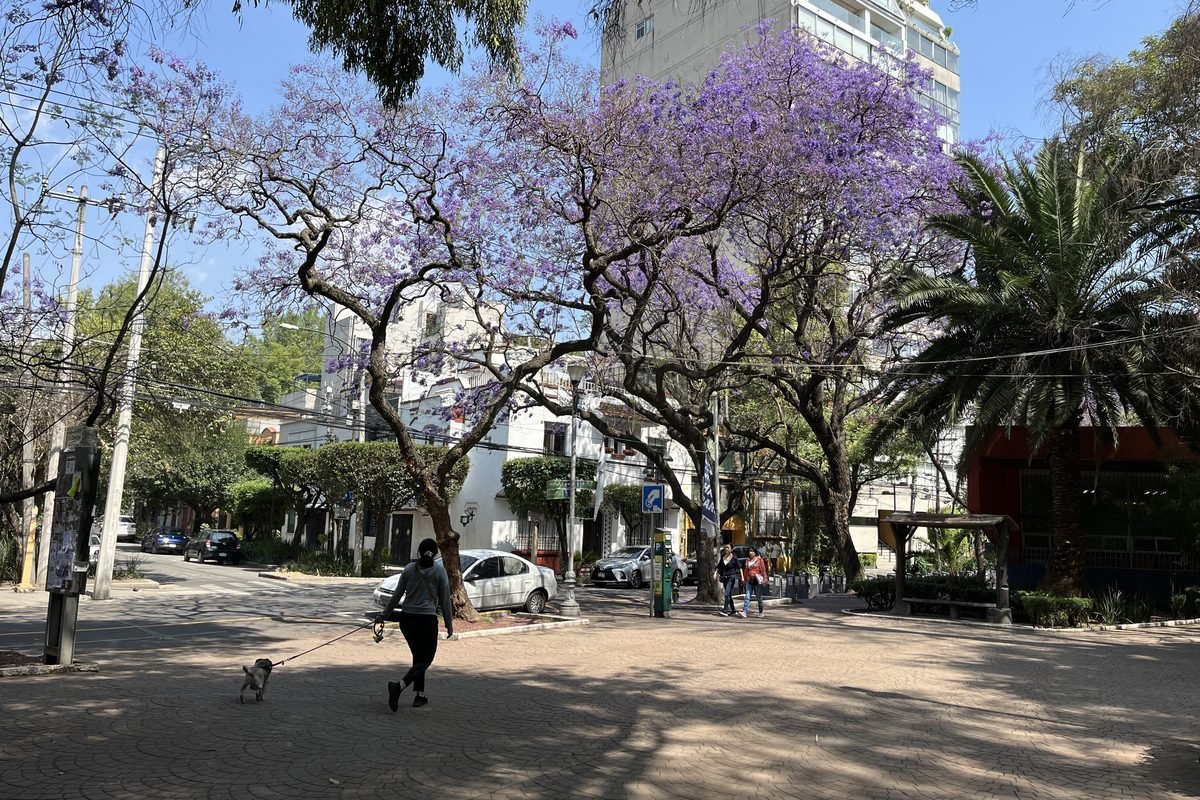
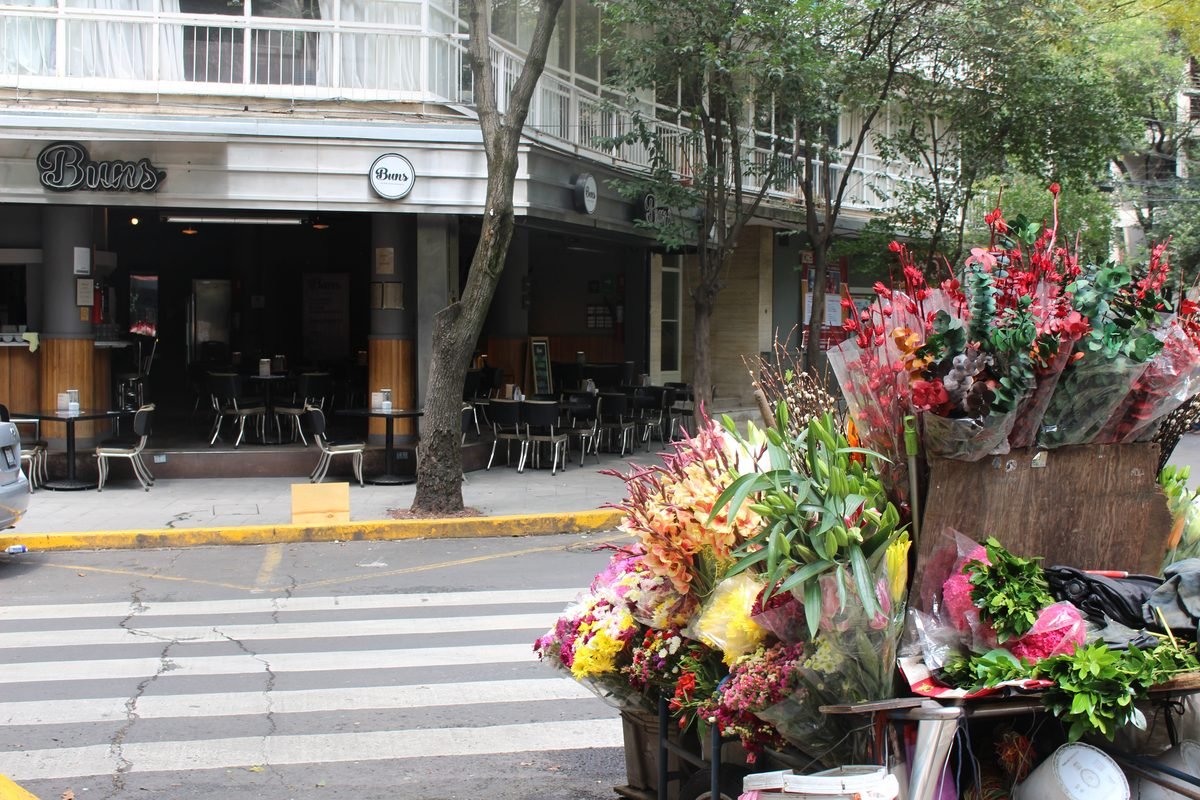
Roma Norte is the easiest base for a first visit. For anyone planning their first trip, the adjacent neighborhoods of Roma and Condesa offer the perfect soft landing. These leafy districts are filled with early twentieth-century architecture, wide avenues, and quiet residential streets that feel a world away from the frantic energy of the historic center.
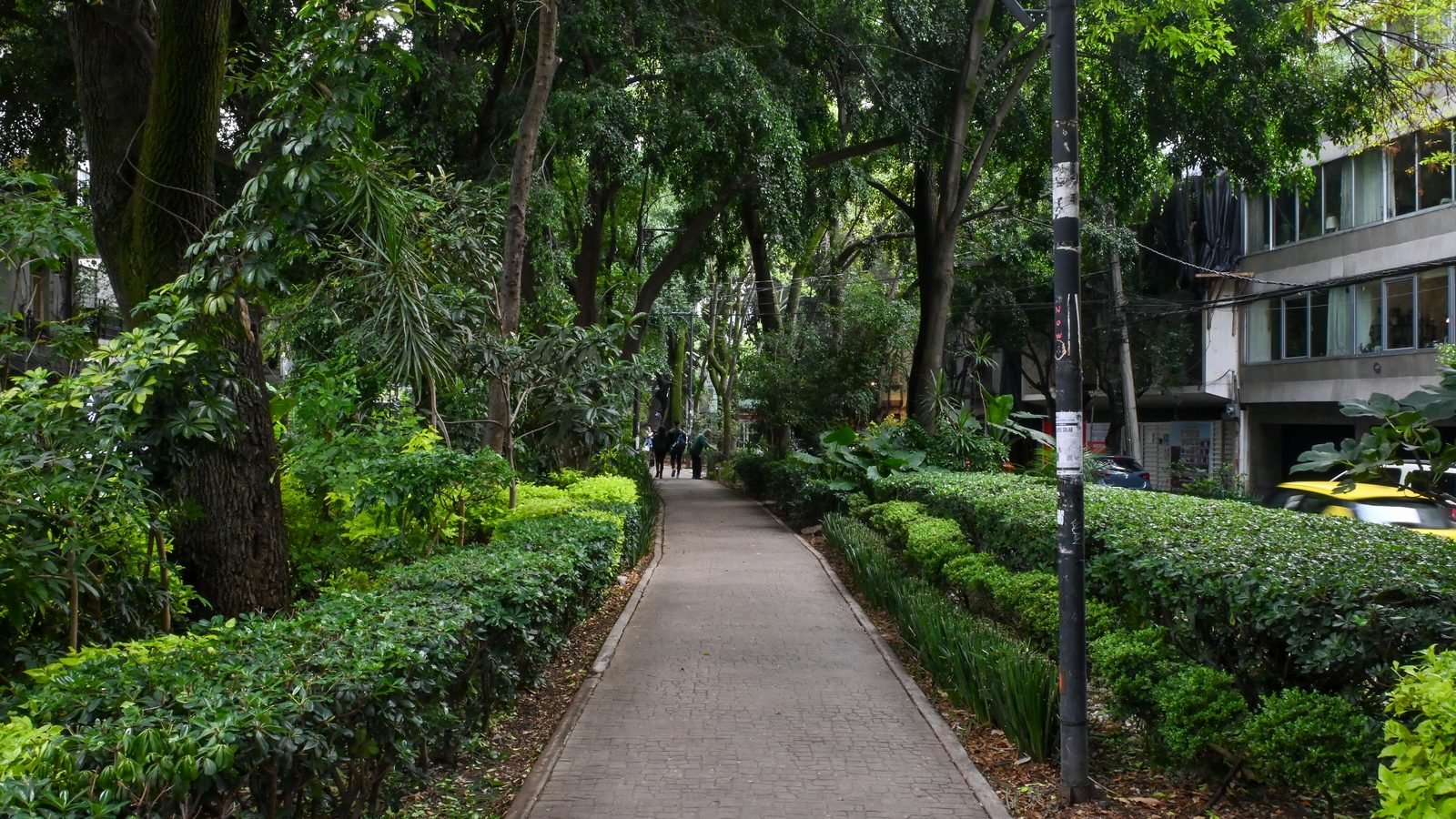
Condesa is characterized by its lush green spaces. Parque México and Parque España serve as the neighborhood’s communal backyards, where locals walk their dogs and jog beneath towering palms. The circular Avenida Ámsterdam, built over an old horse racing track, is lined with art deco apartment buildings, cafes, and boutique shops. It is highly walkable. Walking here under the canopy of green trees is a highlight of any morning.
Just next door, Roma Norte has a slightly edgier, artistic character. Here, you will find historic mansions converted into contemporary art galleries, independent bookstores, and some of the city’s most celebrated restaurants. Staying in either neighborhood gives you easy access to excellent coffee, safe street food, and quiet streets to retreat to after a long day of sightseeing. You can easily walk between the two zones, making it simple to explore their distinct personalities at your own pace.
What to do in Coyoacán and Chapultepec
Chapultepec Park is twice the size of Central Park in New York and contains some of the city’s finest cultural institutions. The National Museum of Anthropology is an absolute priority. Admission is 95 pesos (about $5 USD), and you could easily spend an entire day exploring its massive collection of pre-Hispanic artifacts, including the famous Aztec Sun Stone. Arrive right when it opens at 9:00 AM to beat the school groups. Afterward, walk up the hill to Chapultepec Castle, which offers panoramic views of the Paseo de la Reforma.
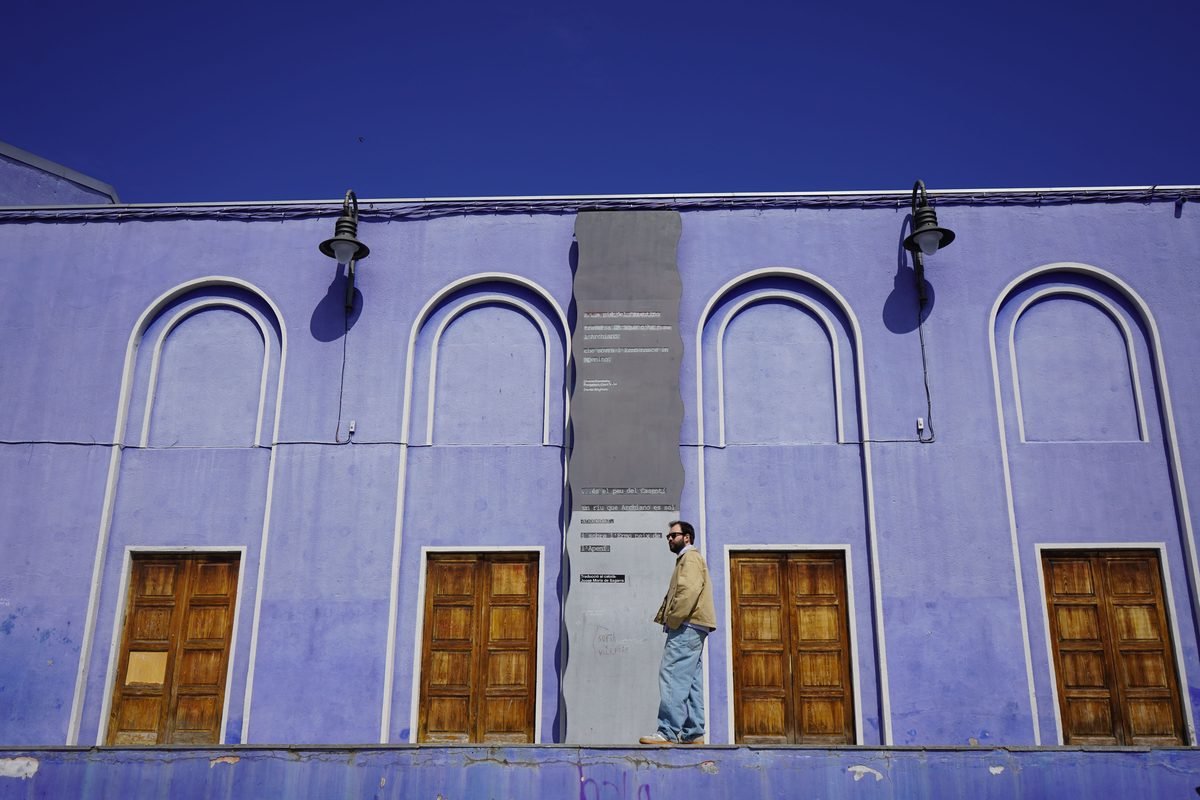
For a completely different vibe, head south to the historic neighborhood of Coyoacán. This area is famous for its cobblestone streets, bright colonial plazas, and the Frida Kahlo Museum, also known as Casa Azul. Coyoacán is best on a weekday. On weekends, the streets swarm with thousands of visitors, making it difficult to enjoy the quiet charm. The Frida Kahlo Museum requires booking weeks in advance. Tickets cost 320 pesos (about $17 USD) for foreigners on weekdays. If you show up without a pre-booked ticket online, you will be turned away. Spend your afternoon wandering around the Plaza Hidalgo, sipping a traditional hot chocolate from El Jarocho, and browsing the local market for hand-painted crafts.
Book ahead: Book Casa Azul Weeks Ahead
You must book your Frida Kahlo Museum tickets online at least three to four weeks in advance, as same-day tickets are not sold at the door.
Where to eat street food and tacos al pastor
Eating is the highlight of any trip to this city. Street food is a fundamental part of daily life here, and first-time visitors should not be afraid to partake. Stick to busy street stalls. If a stand has a long queue of locals waiting, it is a clear sign that the ingredients are fresh and the food is safe to eat.
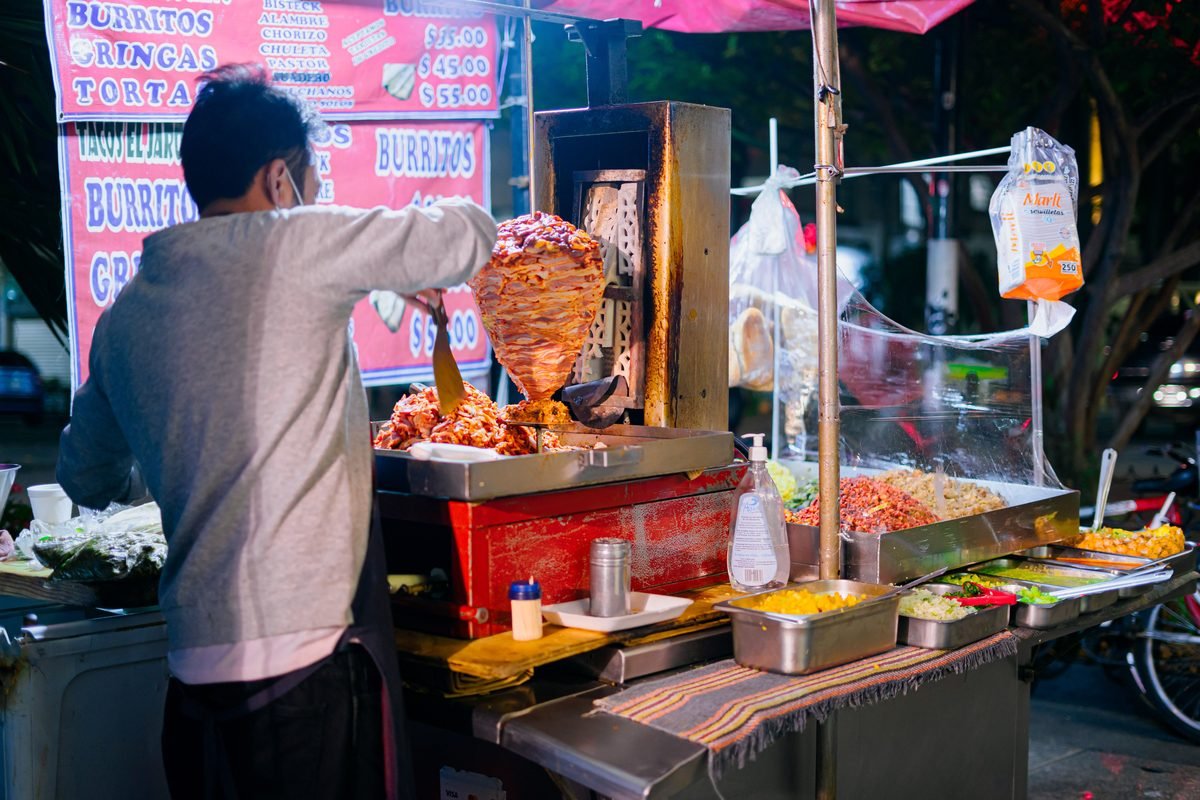
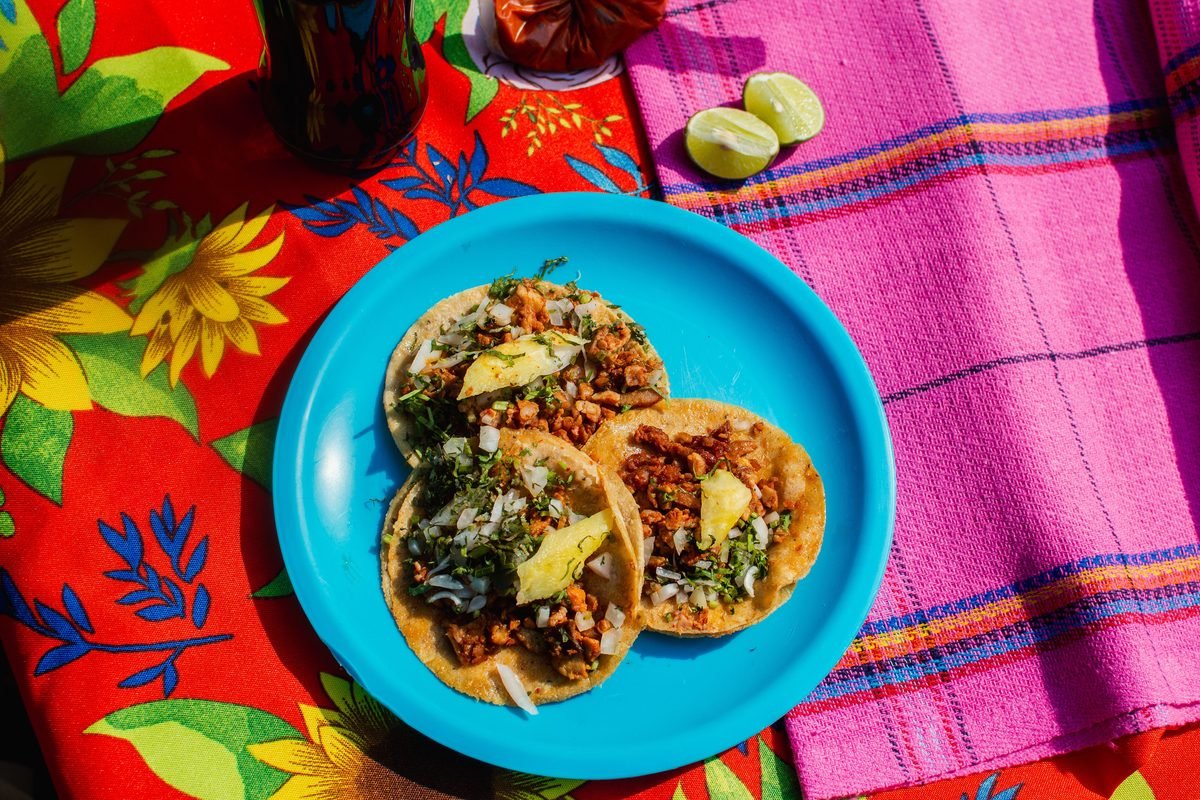
The undisputed king of the local food scene is the taco al pastor. This dish features pork marinated in dried chilies and spices, cooked on a vertical spit called a trompo, and served on small corn tortillas. The meat is sliced thin, topped with chopped onions, fresh cilantro, and a slice of pineapple. Tacos El Vilsito in the Narvarte neighborhood is a legendary spot; it operates as an auto repair shop by day and transforms into a busy taco stand by night. A plate of five tacos al pastor here will cost you roughly 110 pesos (about $6 USD).
For a more casual option in Roma Norte, head to El Parnita for excellent sit-down tacos, or visit Mercado Roma for a modern food hall experience. When ordering street food, always specify if you want spicy salsa. “Con todo” means your taco will come with onions and cilantro. If you are sensitive to spice, ask for the salsa on the side so you can control the heat yourself.
From a local: The Magic of Con Todo
When ordering tacos al pastor, ask for ‘con todo’ to get the perfect balance of fresh cilantro, raw onion, and sweet pineapple.
Practical tips for your first trip
A few practical adjustments will make your trip run much smoother. First, do not drink tap water. This is a strict rule. Even locals do not drink from the tap. Use bottled water for drinking and brushing your teeth. Most restaurants use purified ice, so drinks are generally safe, but it is always wise to double-check in smaller establishments.
When it comes to connectivity, having data on your phone is crucial for navigating with maps and ordering rideshares. You can buy a physical Telcel SIM card or activate an eSIM before you arrive. A Telcel package with 2GB of data costs around 150 pesos (about $8 USD) and can be easily topped up at any Oxxo convenience store. Keep in mind that Google Maps can occasionally struggle with one-way streets in historic areas, but it remains highly reliable for transit routes.
Finally, always carry cash. While modern cafes and restaurants in Roma and Condesa readily accept credit cards, street vendors, market stalls, and public transit require cash. Keep a stash of small-denomination bills like 20, 50, and 100 peso notes. Many vendors cannot make change for a 500 peso note, so break your larger bills at established supermarkets or convenience stores whenever possible.
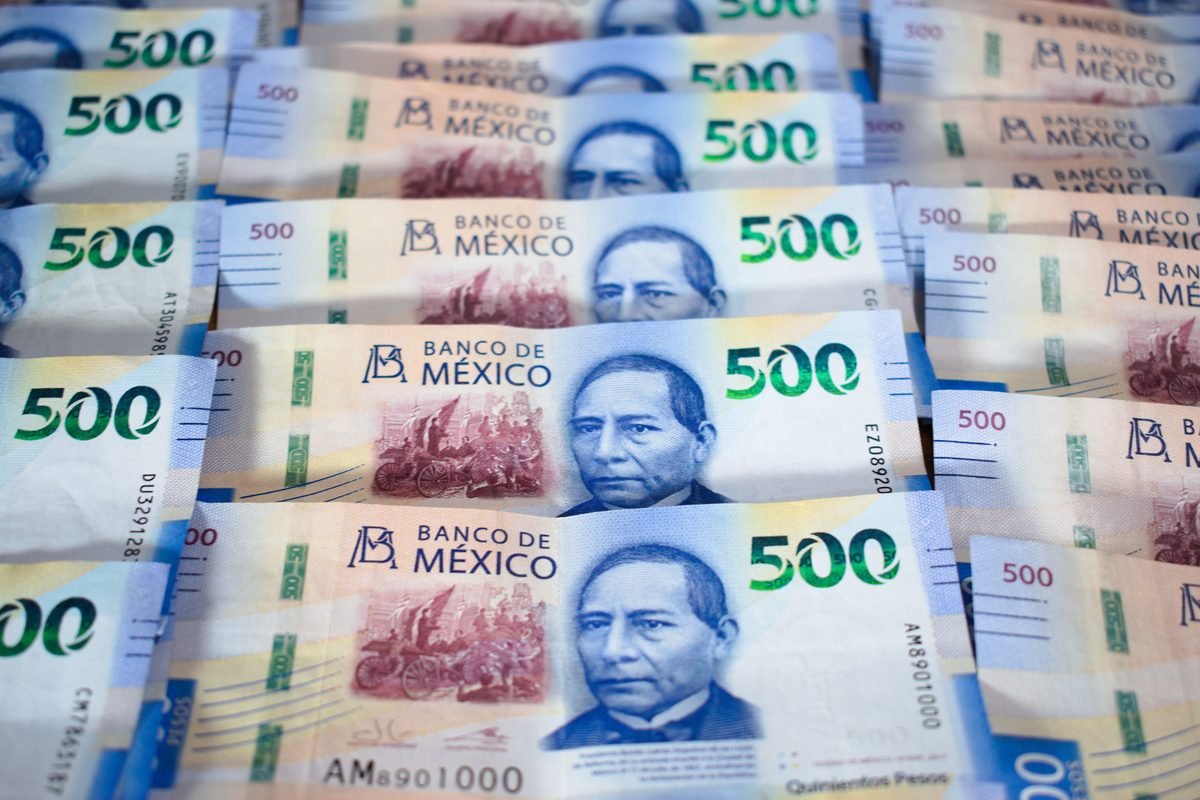
What it costs in Mexico City
| Item | Local price | USD |
|---|---|---|
| Metro single ticket | 5 MXN | ($0.26) |
| Uber from airport to Roma Norte | 200 MXN | ($10.50) |
| Taco al pastor (single) | 22 MXN | ($1.15) |
| Frida Kahlo Museum weekday entry | 320 MXN | ($17.00) |
| Anthropology Museum entry | 95 MXN | ($5.00) |
| Mid-range dinner for two | 600 MXN | ($31.50) |
| Estimated daily budget (mid-range) | 1,200 MXN | ($63.00) |
Prices checked September 2026. Always confirm with the provider before you book.
Where to stay in Mexico City
Budget
A private room in a Roma Norte guesthouse
Ideal for solo travelers wanting a safe, walking-distance base close to cafes and metro stations for 800 to 1,200 MXN ($42 to $63 USD) per night.
Mid-range
An art deco boutique apartment in Condesa
Perfect for couples seeking a quiet, tree-lined street near Parque México with local security for 1,800 to 2,800 MXN ($95 to $147 USD) per night.
Splurge
A restored historical mansion hotel in Juárez
Great for design lovers who want high-end luxury, courtyard breakfasts, and easy access to Paseo de la Reforma for 4,500 to 7,500 MXN ($236 to $394 USD) per night.
Mistakes to avoid
- Trying to visit the Frida Kahlo Museum without buying a ticket online weeks in advance.
- Taking street taxis flagged down on the road instead of using registered app rides or hotel-called cabs.
- Assuming you can use credit cards at street food stalls and local markets.
FAQ
Is Mexico City safe for solo travelers?
Yes, if you stick to well-trafficked neighborhoods like Roma Norte, Condesa, and Coyoacán. Avoid walking alone at night in unfamiliar areas, keep your phone secure, and use rideshare apps instead of street taxis.
Where should I look for a Mexico City first time guide on neighborhoods?
For your first visit, Roma Norte and Condesa are the safest and most convenient bases due to their walkability, excellent food scenes, and easy transit access.
How do I avoid getting sick from food in Mexico City?
Choose street food stalls that have long lines of local customers, as this guarantees high ingredient turnover. Avoid raw vegetables from street vendors, use bottled water to brush your teeth, and stick to bottled drinks.
Can I use Google Maps to navigate the city?
Yes, Google Maps is highly reliable for transit routes and walking directions in Mexico City. However, keep an eye on your surroundings while holding your phone on busy streets to prevent opportunistic snatching.
Do I need to speak Spanish to visit Mexico City?
While speaking basic Spanish is incredibly helpful for ordering food and buying transit tickets, you can easily get by using translation apps and basic English in tourist-centric areas like Roma and Condesa.