What to Eat in Busan: A Local’s Food Guide

At 7:00 AM on an overcast Tuesday, steam curls off metal pots in an alley behind Busan Station. The broth has boiled since midnight, reducing pork bones into an opaque, milky soup that smells of roasted garlic and salted shrimp. You sit on a red plastic stool, slide a metal spoon into your bowl of dwaeji-gukbap, and realize within two bites that this coastal city eats to survive the sea winds.
Knowing what to eat in Busan separates travelers who get tourist trap sashimi from those who taste the city at its peak. Living up in Seoul, I take the KTX train down to Busan every few months purely to eat. This guide walks you through the essential dishes, market ordering rules, street food alleys, and seasonal specialties so you order with confidence.
How to get to Busan and navigate the food districts
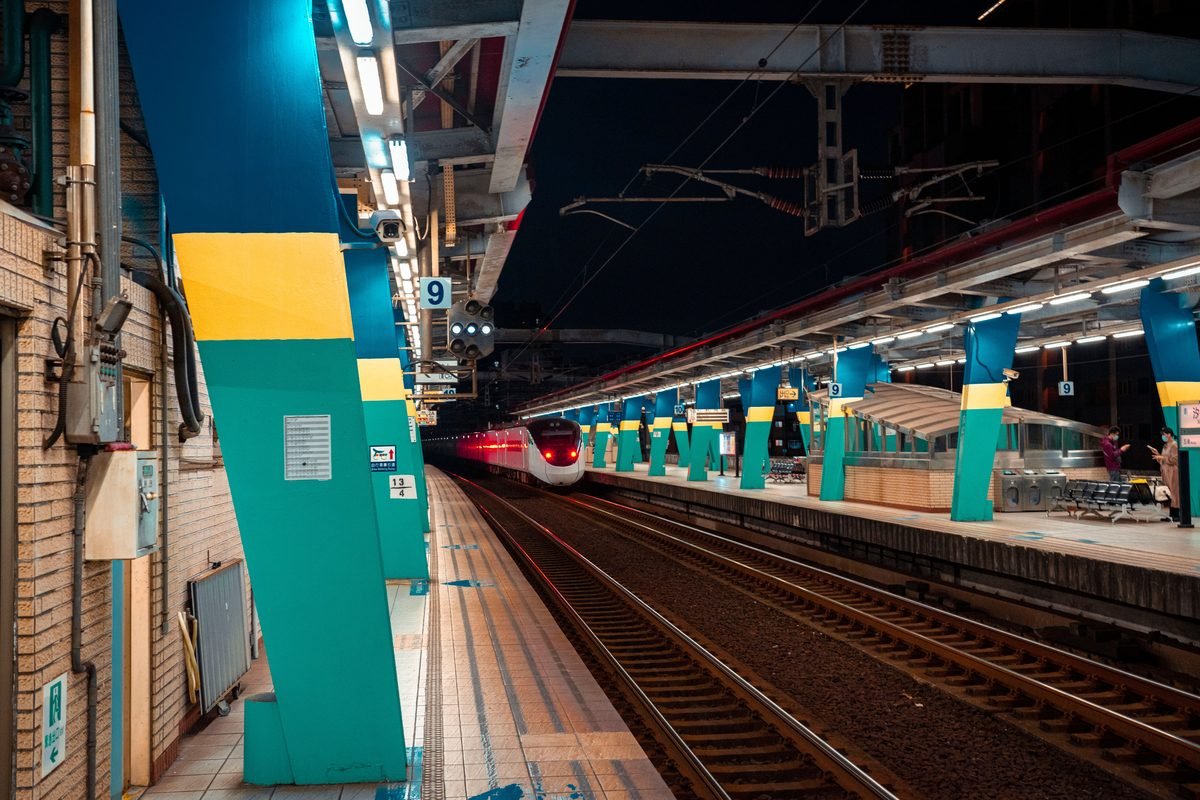
Getting to Busan from Seoul is straightforward. The KTX high-speed train runs dozens of times daily from Seoul Station to Busan Station, taking just under three hours. A one-way standard seat costs ₩59,800 (about $45). Flights from Gimpo Airport to Gimhae Airport can occasionally be cheaper, but after clearing security and traveling into town, the train almost always saves time.
Busan is vast and divided by steep hills and coastal inlets. Its food culture clusters into distinct neighborhoods rather than one central core:
- Nampo-dong and Jagalchi: The historic seaside core for fresh raw fish, dried seafood alleys, and dense night market lanes.
- Seomyeon: The transit hub inland, home to Dwaeji-gukbap Alley and casual late-night drinking spots.
- Haeundae and Gwangalli: The eastern beach districts, where you will find raw fish centers, grilled clam joints, and modern ocean-view cafes.
- Gijang: A northern coastal county famous for outdoor crab markets and sea urchin.
Public transit is efficient. Buy a T-money transit card at any convenience store for ₩4,000 (about $3) and load it with cash. Single subway rides cost ₩1,600 (about $1.20). Taxis are plentiful and use meters, with base fares starting at ₩4,800 (about $3.60). You can easily hail them or use the Kakao T app with international cards.
Tip: Use Naver Map
Google Maps does not provide walking or transit routing in South Korea due to national security map data laws. Download Naver Map or KakaoMap before you arrive.
What to eat in Busan for breakfast: Dwaeji-gukbap and milmyeon
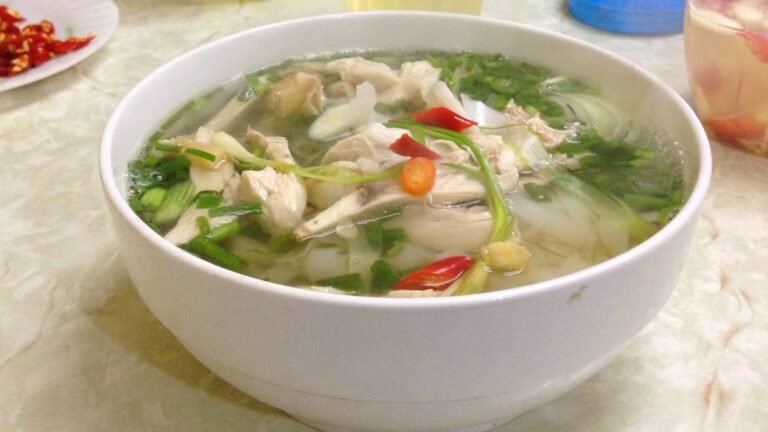
Pork soup, or dwaeji-gukbap, is Busan’s defining soul food. It was born out of scarcity during the Korean War, when refugees fleeing south threw discarded pork cuts and bones into boiling cauldrons. Today it is an obsession. A steaming earthenware pot arrives boiling hot, filled with sliced pork shoulder, belly, or offal in a rich broth, costing roughly ₩9,000 to ₩10,000 (about $7 to $7.50).
When the bowl hits your table, the broth is intentionally unseasoned. You season it yourself. Add a spoonful of salted fermented shrimp (saeujeot) for salinity, a dollop of chili paste (dadeogi), and dump a whole dish of raw garlic chives (buchu) directly into the soup. Stir until the chives wilt from the heat. Eat spoonfuls of rice dipped in the broth, alternating with crunchy slices of raw onion dipped in fermented ssamjang.
For lunch on warmer days, switch to milmyeon. While northern cold noodles rely on buckwheat, Busan milmyeon uses wheat flour, another wartime substitution from American aid flour. The noodles are chewy, yellow, and served in an icy, tangy beef broth spiced with chili, mustard, and vinegar for around ₩8,000 (about $6). Two great places to queue are Bonjeon Dwaeji Gukbap near Busan Station and Choryang Milmyeon just up the street.
From a local: Order it ‘Ttaro’
If you prefer your white rice served in a separate metal bowl rather than pre-mixed into the broth, order ttaro gukbap (literally ‘separate soup rice’).
Jagalchi Fish Market etiquette and how to order raw fish
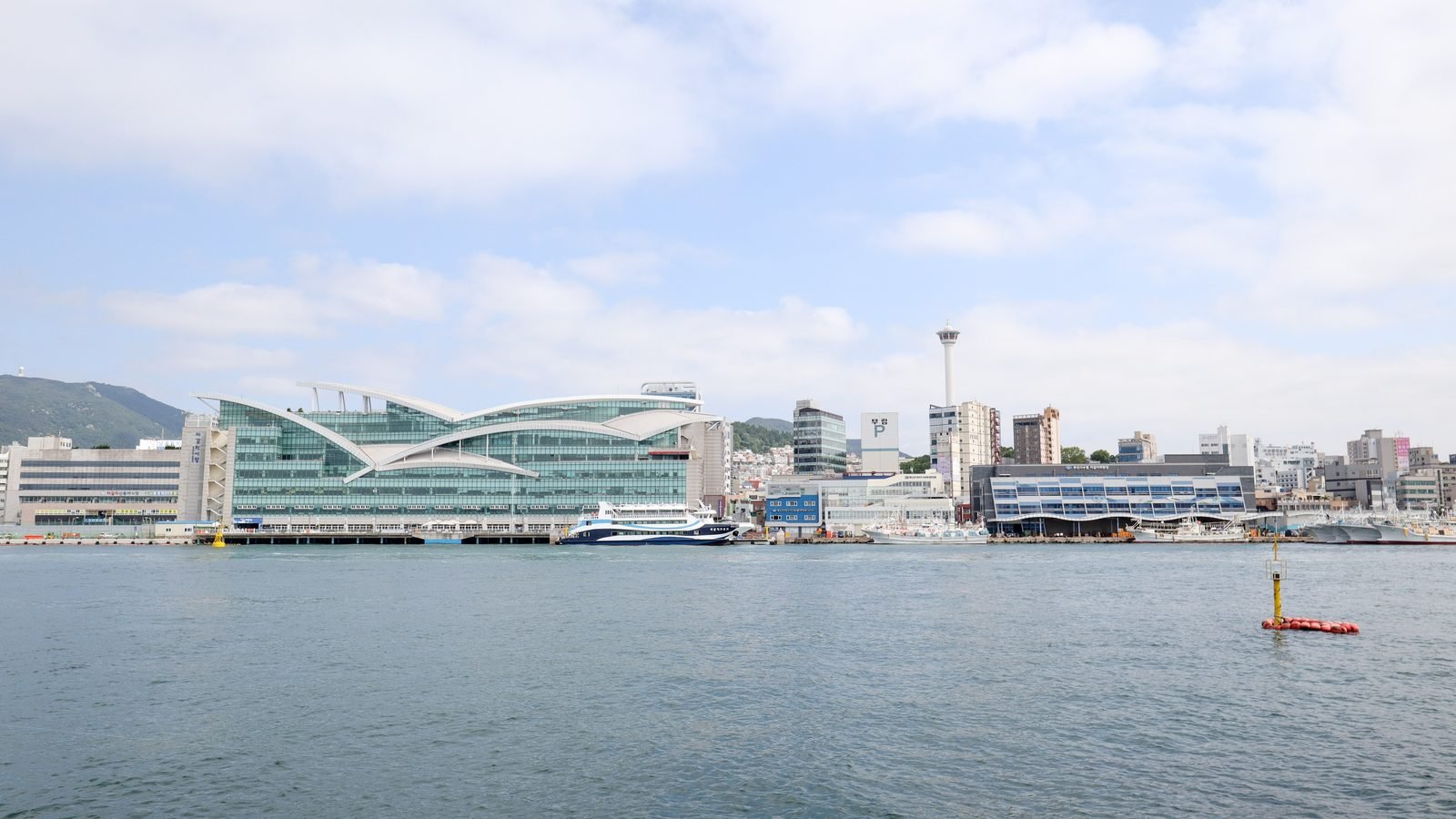
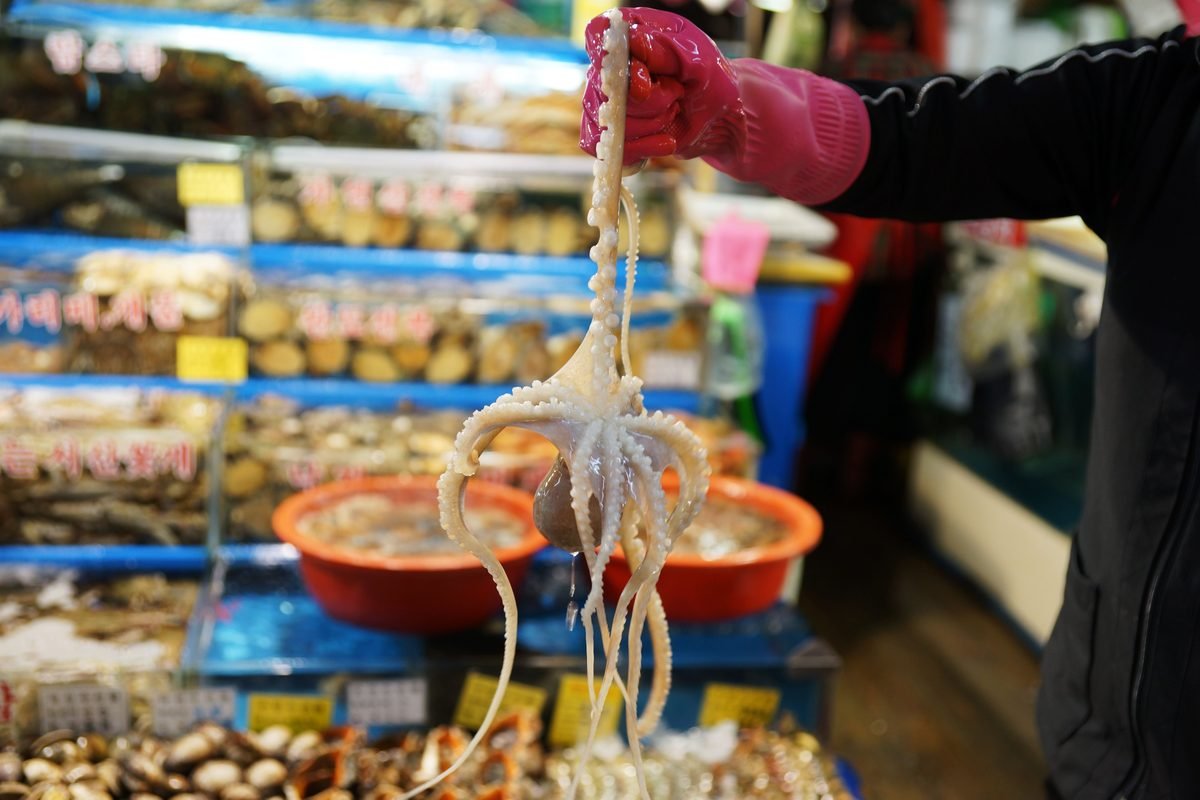
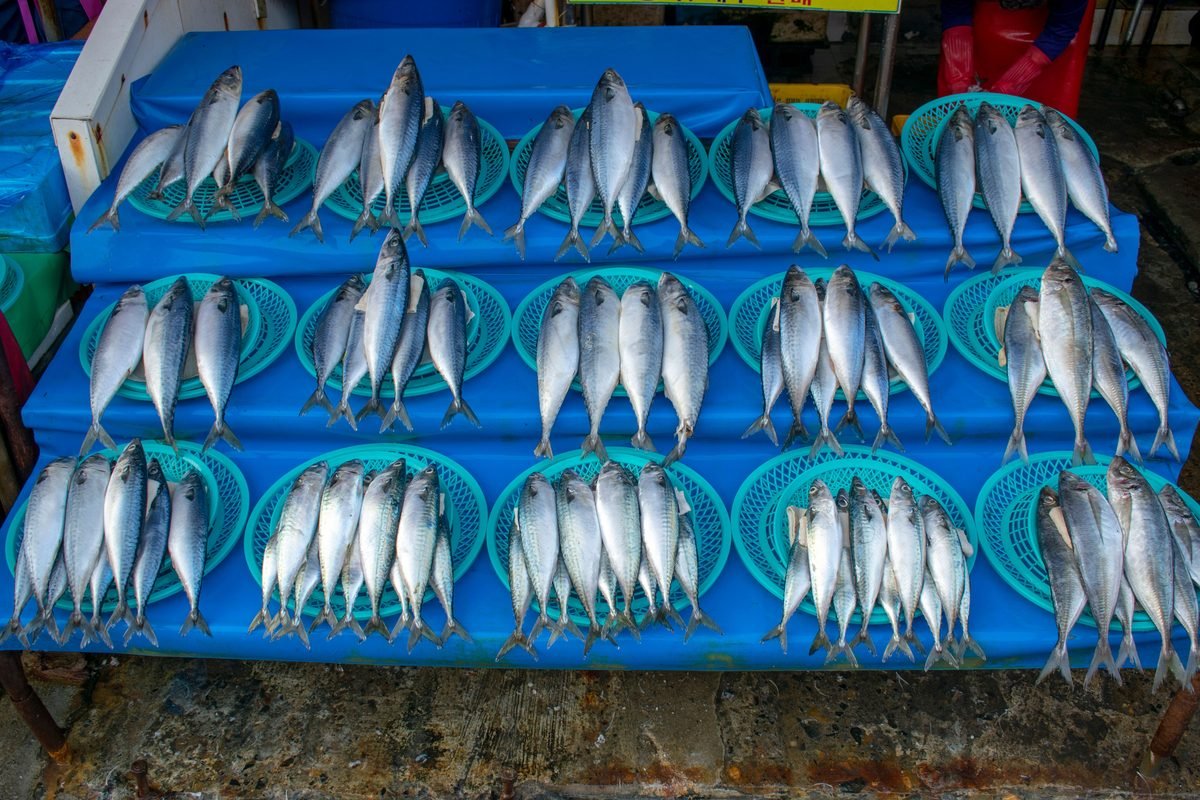
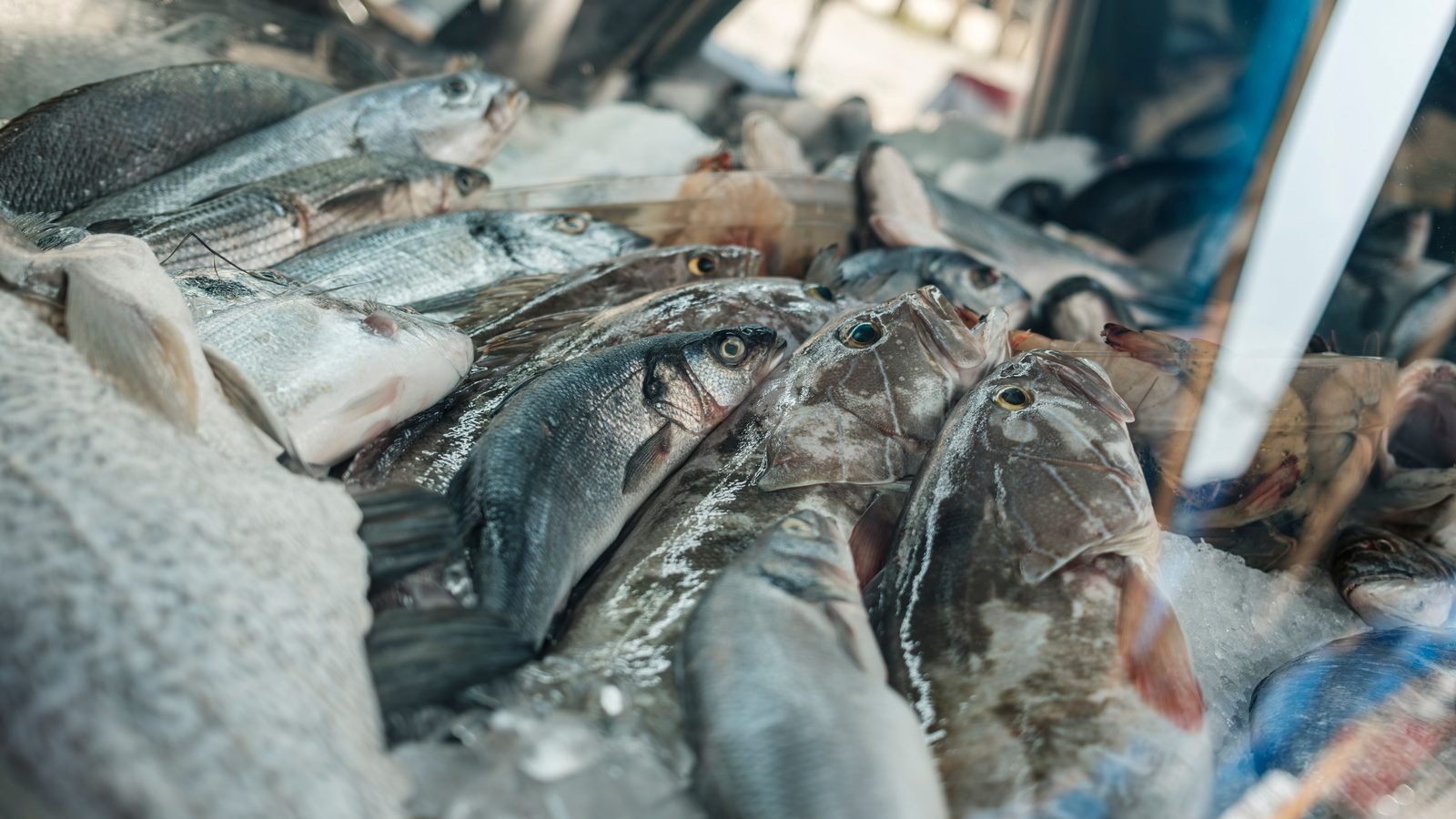
Jagalchi Market is Korea’s largest seafood market. Saltwater splashes across the slick tiled floors as vendors gut flounder and sort live sea cucumbers into oxygenated plastic tubs. Walking the stalls is an experience, but buying your lunch here can intimidate first-time visitors if you do not understand the system.
Here is how the two-floor hall works without getting overcharged:
- Pick your live fish on the first floor: Browse the ground-floor tanks. Point out what you want. Flounder (gwang-eo) and rockfish (woo-reok) are standard year-round picks, costing roughly ₩35,000 to ₩50,000 (about $26 to $38) for enough fish for two people.
- Confirm the total price before cutting: Confirm the fish price clearly before the vendor reaches with the net. Most vendors will throw in sea squirt or sea cucumber as a free service bonus (service).
- Head to the second-floor dining hall: A runner takes your fish upstairs to a prep restaurant. Here, staff slice your fish raw (hoe) and set your table.
- Pay the prep and seating fee: You pay a standard table cover fee (choganjang-gap) of about ₩5,000 (about $3.75) per person, which covers lettuce, perilla leaves, garlic, wasabi, and dipping sauces. For an extra ₩7,000 to ₩10,000 (about $5.25 to $7.50), they use the leftover fish carcass to make a spicy stew (maeuntang) to finish your meal.
Dip raw fish into chojang (sweet-spicy chili paste) or sesame oil and ssamjang, wrap it in a perilla leaf, and eat it in one bite. Pair it with a bottle of local C1 or Daesun soju for ₩5,000 (about $3.75).
Street food tour through Nampo-dong and BIFF Square
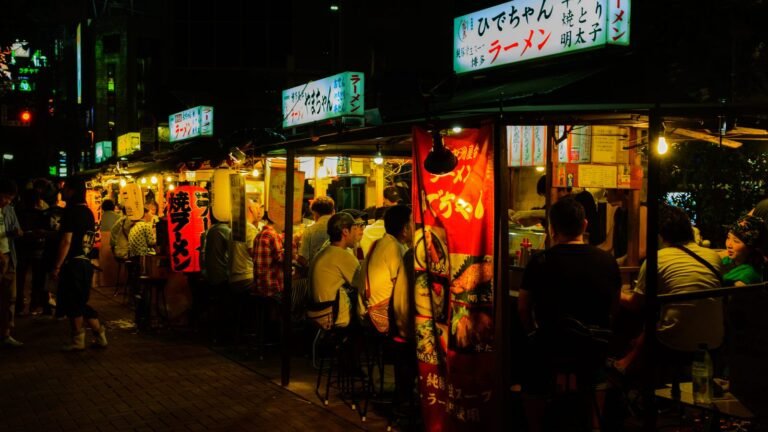
Once the sun starts dropping, make your way to BIFF Square in Nampo-dong. The pedestrian flagstones fill with wheeled metal carts under bright halogen lamps. You come here with small cash bills and a hearty appetite. Street food in Busan differs noticeably from Seoul, with richer textures and distinct local twists.
Your first stop must be ssiat hotteok. Standard Korean hotteok is a pan-fried dough pancake filled with melting brown sugar and cinnamon. In Busan, vendors fry the pocket in oil until crisp, snip it open with kitchen scissors, and stuff the center with a generous handful of roasted sunflower seeds, pumpkin seeds, and pine nuts. It costs ₩2,000 (about $1.50). The nutty crunch balances the molten sugar perfectly.
Next, seek out mul-tteok at the nearby fish cake stalls. Busan makes the finest fish cakes (eomuk) in the country due to high pure fish paste content. While most visitors grab skewers of folded fish cakes, locals reach for mul-tteok: thick cylinder rice cakes skewered and simmered in hot anchovy-radish broth until soft and gelatinous. Each skewer is ₩1,000 to ₩1,500 (about $0.75 to $1.10). Grab a paper cup, ladle free broth from the tub, and sip it while standing in the crowd.
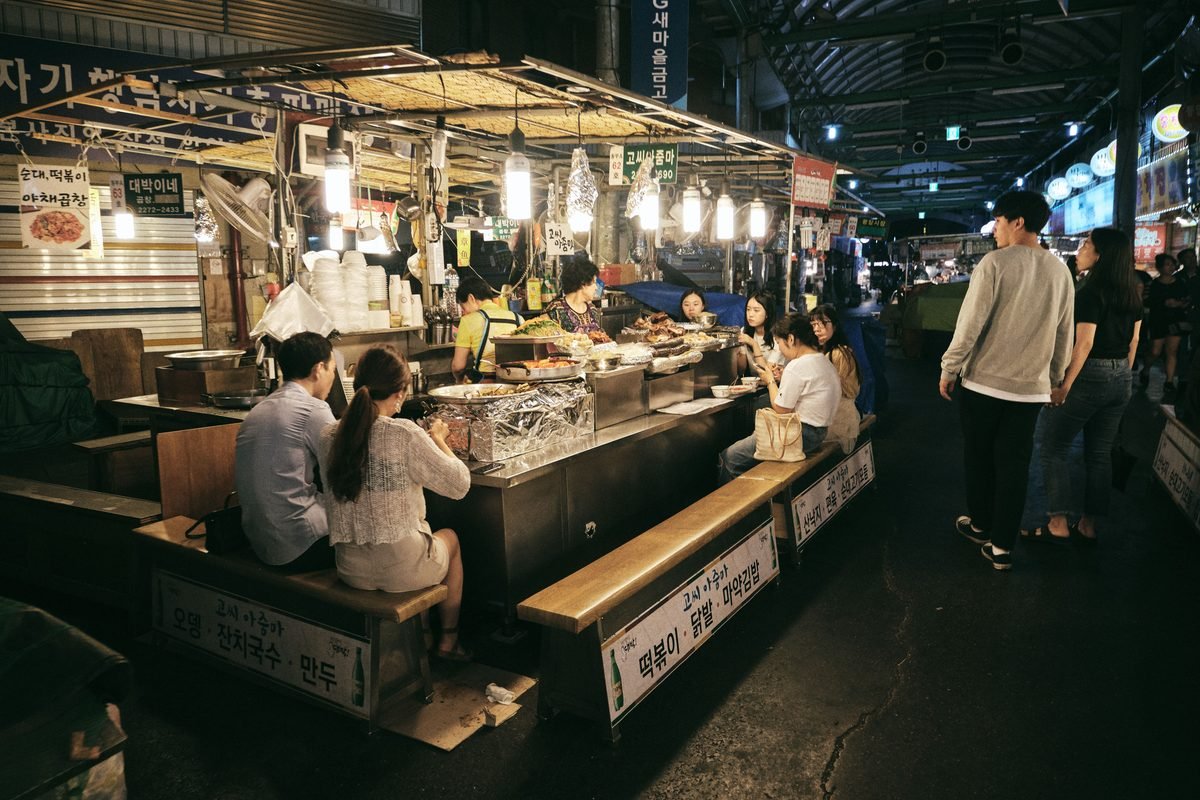
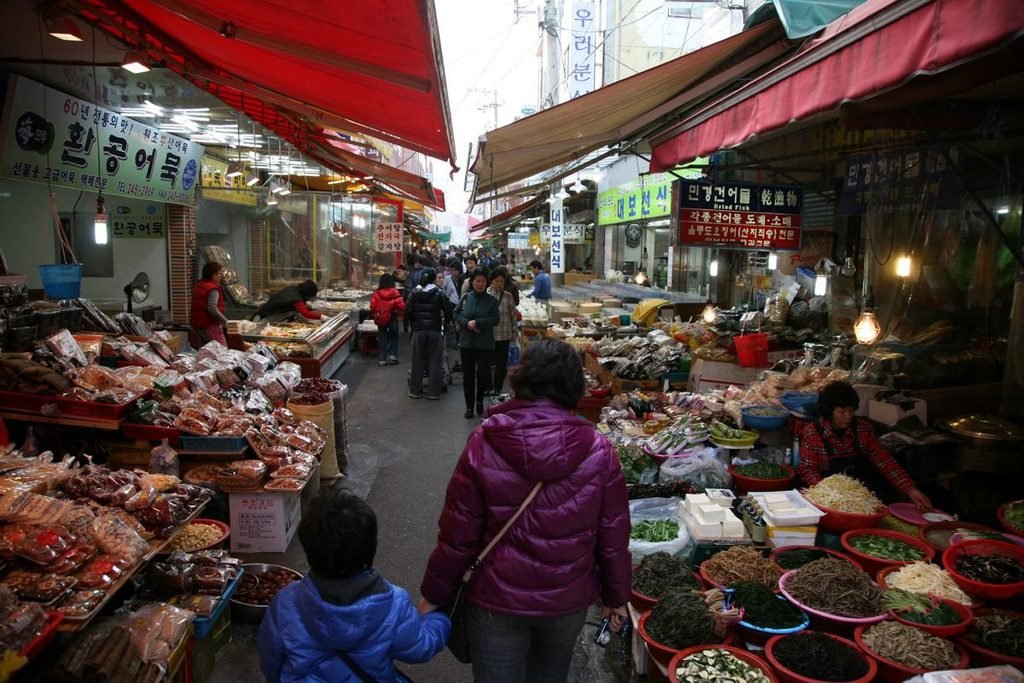
Continue walking five minutes into Bupyeong Kkangtong Night Market, open daily from 7:30 PM to 11:30 PM. The narrow middle aisle becomes a one-way pedestrian stream packed with stalls serving pan-seared pork belly rolls, grilled butter squid, and mung bean pancakes.
Tip: Carry paper cash for street carts
While almost all restaurants in Busan accept international credit cards, outdoor street carts in BIFF Square and Bupyeong Market operate strictly on Korean cash or local bank transfers.
Gijang snow crab season and seasonal seafood feasts
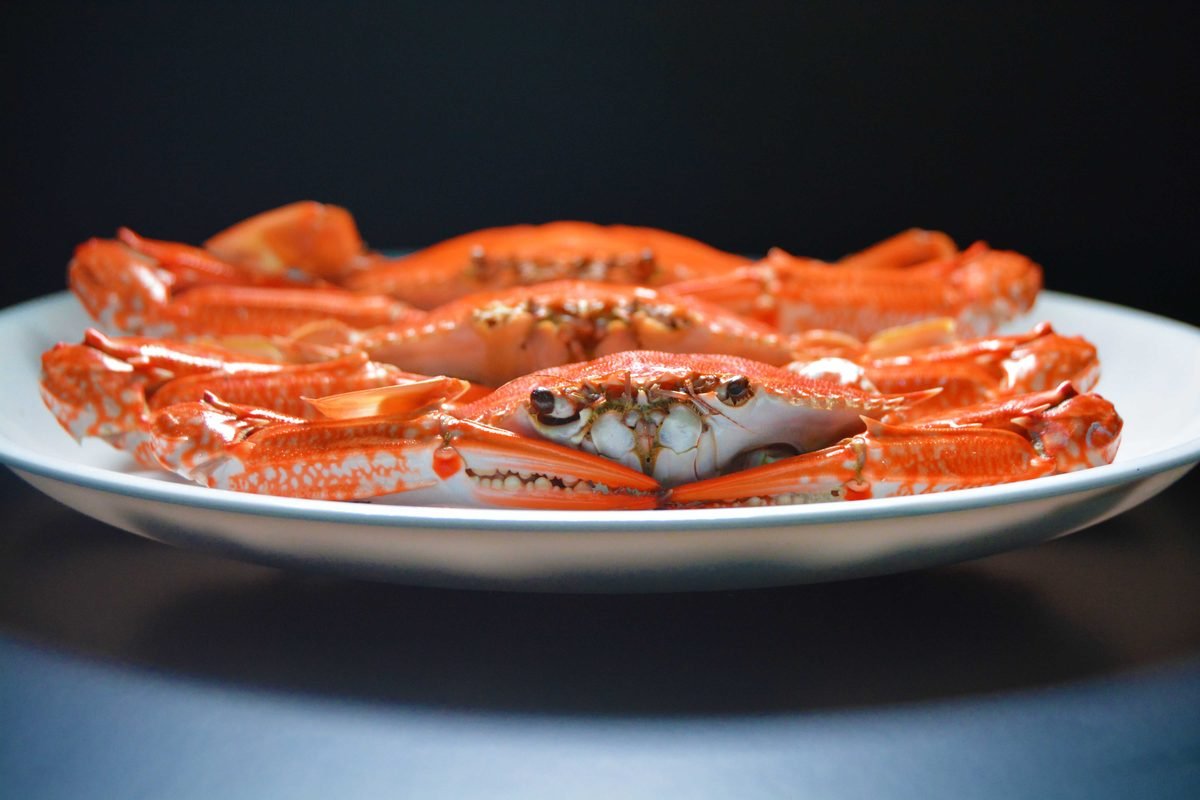
If you travel in autumn or winter, plan an afternoon trip out to Gijang Market in Busan’s northeastern district. Gijang is celebrated nationwide as the crab capital of the south coast. The market street is lined with towering steam boxes billowing fragrant white clouds into the air. Huge Russian king crabs and domestic snow crabs (daege) fill massive roadside glass tanks.
Crab prices are sold strictly by weight. Snow crab generally runs between ₩70,000 and ₩90,000 (about $52 to $67) per kilogram. One medium crab per person is usually plenty. You pick your live crab at the street level, watch the vendor weigh it on an honest scale, and negotiate a small discount or an extra portion of steamed shellfish. The crab is placed directly into a high-pressure steam vault for 20 minutes.
You sit inside the restaurant while staff expertly crack the shell and snip the legs with heavy-duty shears. The sweet meat pulls clean from the leg shells. Save the body carapace: when you finish the meat, ask the staff for ge-ttakji bokkeumbap (crab shell fried rice) for ₩3,000 (about $2.25). They toss the rich green tomalley with warm rice, sesame oil, toasted seaweed, and flying fish roe, then pack it back into the shell.
If you visit during spring instead, Gijang’s Daebyeon Port is famous for fresh spring anchovies (myeolchi). Locals eat raw anchovy salad tossed in red pepper sauce and grill whole fresh anchovies over wood charcoal embers.
Practical tips for dining out in Busan like a local
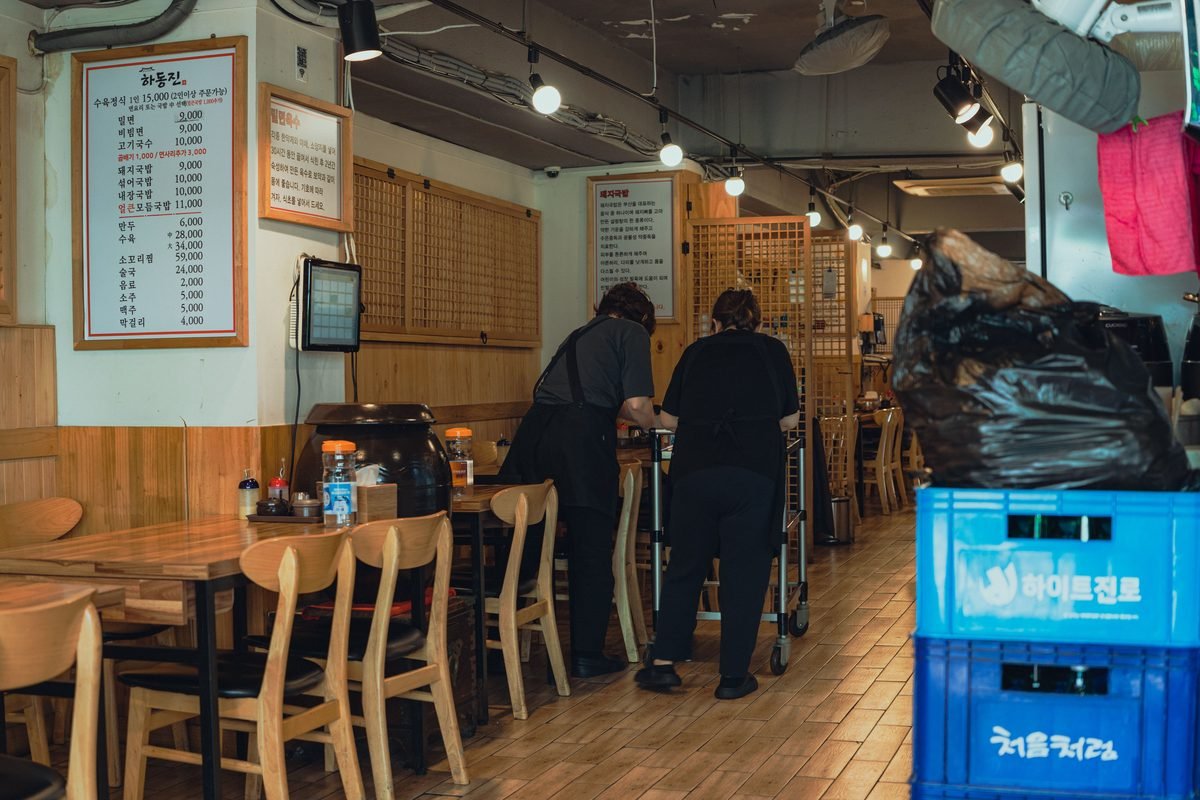
Dining in Busan is relaxed, but observing a few unspoken customs ensures smooth meals. Most casual spots have metal cutlery and paper napkins tucked inside a pull-out drawer on the side of your table. If your table has a small red call button on the surface, press it when you are ready to order. Shouting across the room is unnecessary when the bell is present.
Portions in Busan are notoriously generous. Ordering for one person (honsul or honbap) is easy at soup and noodle restaurants, but raw fish centers, grilled clams (jogae-gui), and braised spicy seafood pots (haemul-tang) generally require a minimum two-person order. If you travel solo, stick to noodle counters, gukbap joints, and the night markets.
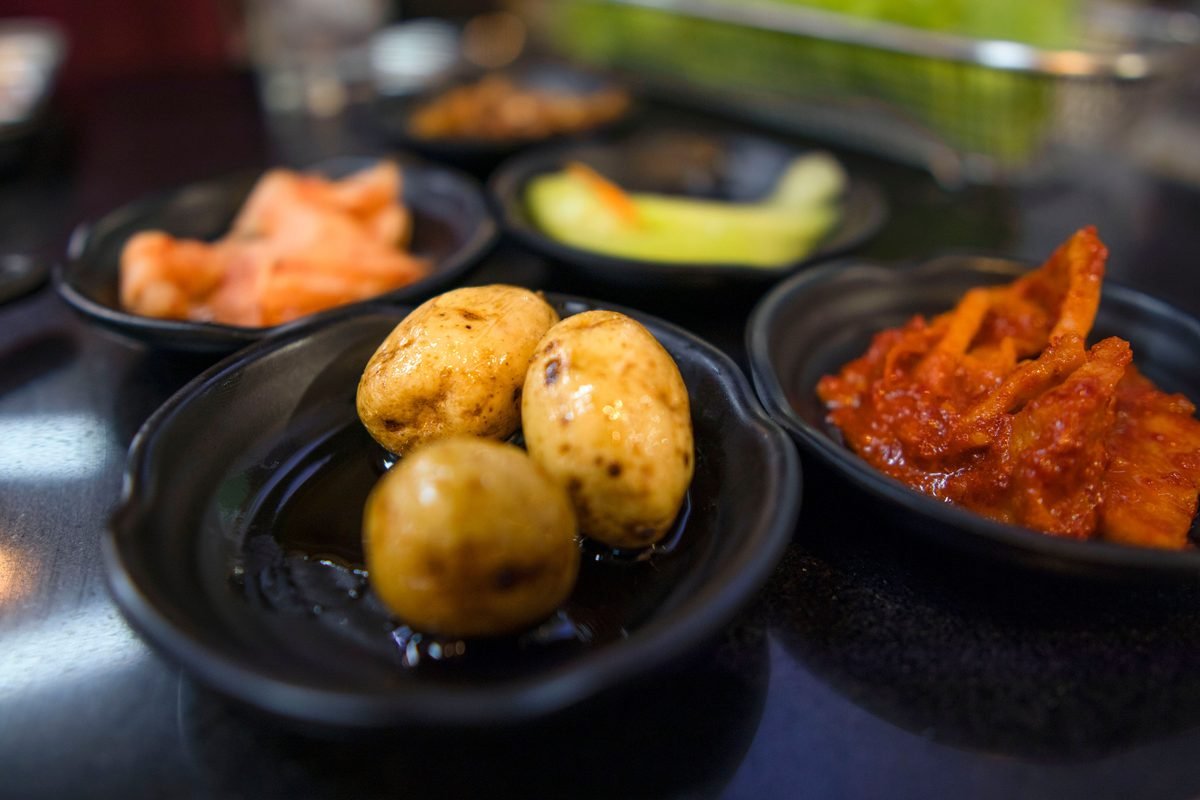
Water and basic side dishes (banchan) are almost always self-service after the first delivery. Look for a stainless-steel cooler labeled ‘Self Bar’ to refill your kimchi, pickled radishes, and sliced green chili peppers. Tap water in carafes is clean and cold. When you finish eating, take your bill clip up to the front counter near the exit door to pay your check.
Tipping is not practiced in South Korea. There is no line for a tip on the credit card receipt, and leaving extra cash on the table will only cause the server to chase you down the street to return your money.
Heads up: Beware of raw fish touts in Gwangalli
The raw fish buildings facing Gwangalli Beach have aggressive ground-floor touts targeting foreigners. Set your price firmly before stepping into an elevator, or pick stalls with clearly posted per-kilo price chalkboards.
What it costs in Busan
| Item | Local price | USD |
|---|---|---|
| KTX Train (Seoul to Busan, one way) | ₩59,800 | $45.00 |
| Bowl of Dwaeji-gukbap (Pork Soup) | ₩9,500 | $7.15 |
| Ssiat Hotteok (Seed Pancake) | ₩2,000 | $1.50 |
| Raw Fish Dinner for Two (Jagalchi Market) | ₩55,000 | $41.00 |
| Steamed Snow Crab per kg (Gijang Market) | ₩80,000 | $60.00 |
| Local Daesun Soju or Cass Beer | ₩5,000 | $3.75 |
| Mid-range Hotel Room (Nampo-dong / Haeundae) | ₩110,000 | $82.00 |
| Estimated Daily Food & Transport Budget | ₩75,000 | $56.00 |
Prices checked September 2026. Always confirm with the provider before you book.
Mistakes to avoid
- Skipping the fermented shrimp and chive seasoning in your dwaeji-gukbap, leaving the rich pork broth tasting flat and unseasoned.
- Buying raw fish at Jagalchi without agreeing on the exact total price and cooking fees before the fish is prepared.
- Relying solely on Google Maps for navigation instead of downloading Naver Map or KakaoMap with offline pin support.
FAQ
What to eat in Busan if you don’t like seafood?
Busan has plenty of pork- and beef-based specialties. Try dwaeji-gukbap (pork soup), Choryang-style spicy marinated pork bulgogi, dongnae pajeon (scallion pancakes), and wheat-based milmyeon noodles.
Is Jagalchi Fish Market cheaper than normal raw fish restaurants?
It can be slightly cheaper if you pick smaller seasonal catches, but after paying the per-person seating and cooking fees upstairs, prices end up similar to neighborhood sashimi houses. You visit Jagalchi primarily for the huge variety and vibrant port atmosphere.
What is the best month to eat snow crab in Busan?
The best season for snow crab in Gijang runs from November through April, when domestic catches from the East Sea are at their sweetest and most full of meat. Russian imports remain available year-round.
Do I need Korean cash for eating in Busan?
You need Korean cash for street carts in BIFF Square, food stalls inside Bupyeong Night Market, and reloading transit cards. Brick-and-mortar restaurants, cafes, and taxis universally accept foreign Visa and Mastercard.
How spicy is the food in Busan compared to Seoul?
Busan food tends to be saltier and more heavily spiced with raw garlic and red chili paste than central Seoul dishes, reflecting its coastal, blue-collar maritime heritage. If you are sensitive to heat, request ‘an maep-ge hae-juseyo’ (please make it not spicy).