Seoul Vintage Furniture and Antique Market Guide

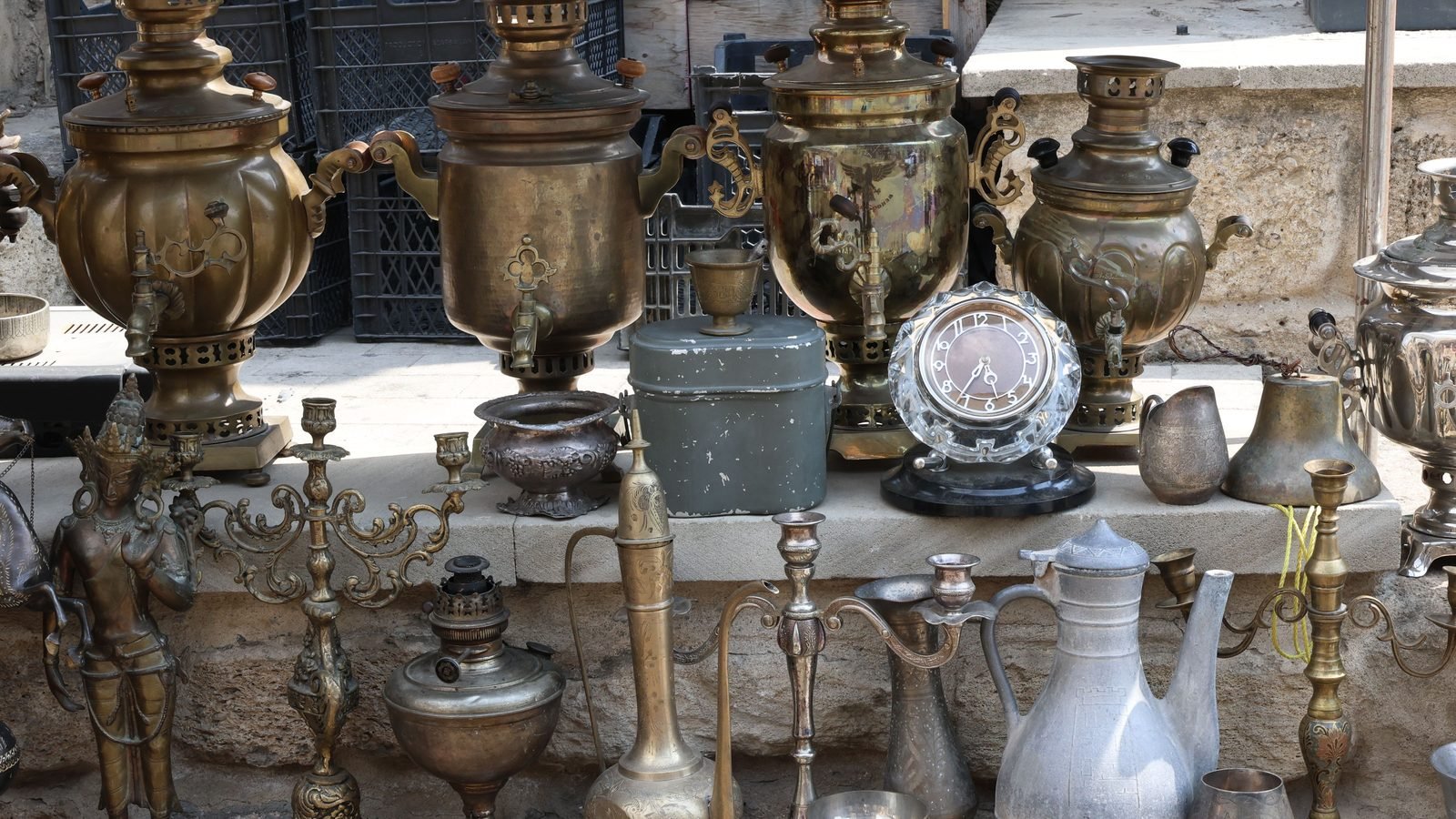
On a cool Saturday morning in Hwanghak-dong, rows of dark walnut soban tables sit stacked alongside retro enamel clocks and brassware from the 1960s. If you know where to look, Seoul offers an extraordinary treasure trove of mid-century Korea and Joseon era crafts. Welcome to Seoul’s vintage furniture and antique hunting grounds, written from my neighborhood in Jongno where these historic lanes meet modern city life.
This guide is designed for curious travelers and design enthusiasts who want to hunt for authentic Korean vintage items without getting lost or overcharged. I will take you through the alleyways of Hwanghak-dong and Dapsimni, explain local bargaining rules, break down international shipping options for heavy goods, and share practical cash tips.
Where to Go: Hwanghak-dong, Dapsimni and Itaewon
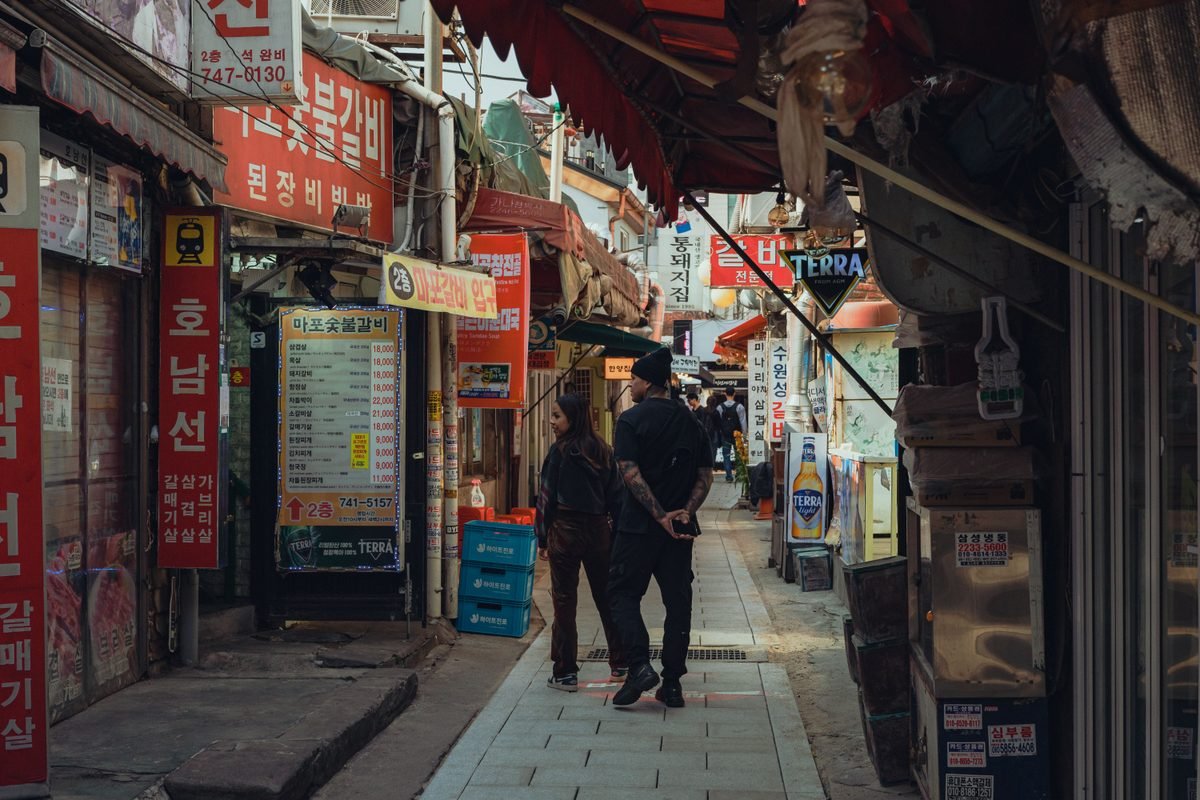
Seoul is famous for cutting-edge fashion and glass skyscrapers, but its history surfaces in its sprawling flea markets. The two undisputed heavyweights for vintage items are Hwanghak-dong Flea Market and Dapsimni Antique Shopping Mall. Hwanghak-dong sits tucked behind Cheonggyecheon stream near Sindang Station. Walk down the narrow lane. Here, hundreds of stalls sell everything from 1970s rotary telephones and vintage vinyl records to mid-century Korean furniture and salvaged apothecary drawers. The market spreads naturally into the alleys around Dongmyo Shrine, where weekend stalls spill onto the sidewalks with mountains of vintage clothing and oddities.
If you are looking for higher-end architectural antiques, restored wooden chests, or authentic Joseon Dynasty ceramics, head straight to Dapsimni Antique Shopping Mall. Located right outside Dapsimni Station on Subway Line 5, this indoor complex houses about 140 specialized shops spread across the ground floors of Buildings 2, 5 and 6 of the old Sammi apartment block. Unlike the outdoor curb stalls at Hwanghak-dong, Dapsimni dealers spend weeks painstakingly restoring solid pine wardrobes, lacquered mother-of-pearl cabinets, and stone mortar bowls. Expect to pay roughly ₩150,000 (about $111) for a small restored side table at Dapsimni, whereas a raw, unrestored flea market find in Hwanghak-dong might cost ₩40,000 (about $30).
Key Differences Between Seoul Market Hubs
- Hwanghak-dong & Dongmyo: Best for retro 20th-century items, industrial lighting, vinyl, and cheap curiosities. Raw atmosphere and open-air hunting.
- Dapsimni Antique Mall: Best for curated wooden furniture, Joseon era antiques, stone crafts, and high-grade folk art. Indoor and weather-proof.
- Itaewon Antique Furniture Street: Best for European mid-century import pieces, mahogany desks, and vintage brass lamps brought in by foreign residents over decades.
Finding Mid-Century Korean Pieces and Traditional Antiques
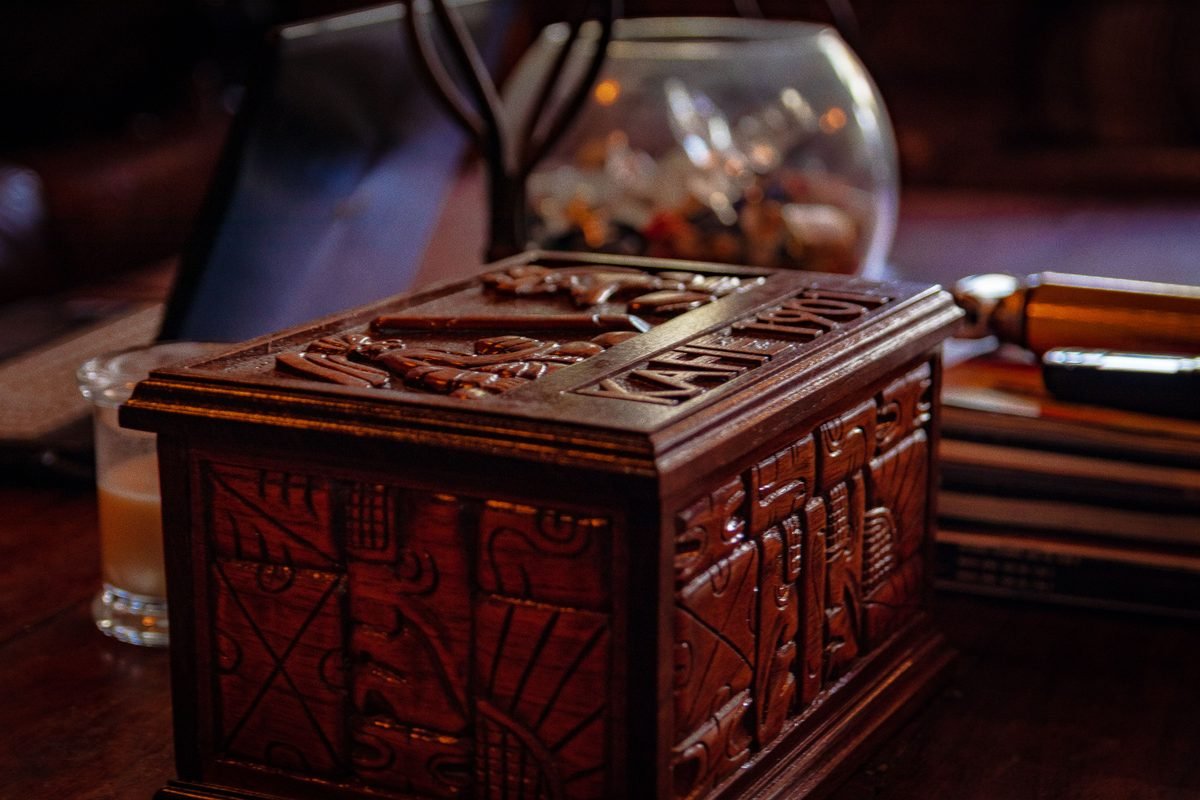
Searching through Seoul’s antique alleys rewards travelers who know what specific Korean items to keep an eye out for. Mid-century Korean furniture carries clean, organic lines that fit effortlessly into modern homes. One of the most prized finds is the soban, a small portable wooden tray table traditionally used for serving individual meals. A genuine mid-century soban crafted from ginkgo or pine wood features carved octagonal or dog-leg legs. Expect to pay between ₩80,000 and ₩250,000 (about $59 to $185) depending on the condition and wood grain. Morning light is best for inspecting wood joins for hidden damage.
Another classic item is the bandaji, a sturdy wooden blanket chest named for its half-hinged front door. Bandaji chests crafted from heavy zelkova or pear wood feature intricate iron or brass lock plates shaped like swallow tails or butterflies. Authentic 19th-century bandaji chests can easily reach ₩1,200,000 (about $888), but mid-century reproductions from the 1960s and 1970s go for roughly ₩350,000 (about $259). Do not overlook retro ceramics, brass rice bowls (yugi), or vintage wooden rice cake molds carved with floral patterns, which cost around ₩20,000 (about $15) and pack easily into standard luggage.
When examining vintage woodwork, look at the undersides and interior corners. Authentic vintage Korean furniture relies on mortise-and-tenon joinery rather than modern steel screws or heavy industrial glue. Slight checking or hairline surface cracks in solid wood are natural given Korea’s dry winters and humid summers, but structural wobbles mean the joint requires expensive professional repairs.
From a local: Spotting Real Soban Wood
Look closely at the underside of a soban table rim. Authentic mid-century pieces show subtle hand-chiseled tool marks, while modern cheap imports have smooth, machine-milled plywood router cuts.
Cash Payment Norms and Bargaining Etiquette in Seoul Markets
Cash is king here. While brick-and-mortar stores in Myeongdong or Seongsu accept credit cards without hesitation, Seoul’s antique dealers and flea market vendors rely heavily on physical currency. Bring crisp paper notes in ₩10,000 and ₩50,000 denominations. Many vendor stalls in Hwanghak-dong do not have card terminals at all. Shops in Dapsimni Antique Mall may possess a card machine, but paying with a credit card usually forfeits any discount and adds a 10 percent surcharge to cover tax and transaction fees.
Bargaining is a standard part of the shopping culture, but it requires tact and good humor. Never open with an aggressive lowball offer, which is seen as disrespectful. Negotiate with a smile. A polite starting discount to request is 10 to 15 percent off the quoted price, especially if you are purchasing multiple items from the same dealer. You can ask politely, ‘Hyeongeum halin doenayo?‘ which translates to ‘Is there a cash discount?’ Demonstrating basic Korean etiquette for travelers by handing over cash with two hands creates instant goodwill and often yields an extra minor price cut or a small gift like a brass coin.
Always secure your cash before arriving at the markets. While ATMs are abundant inside subway stations, foreign bank cards occasionally fail at smaller convenience store machines. Use major bank ATMs like Shinhan, KB Kookmin, or Woori marked with a ‘Global ATM’ logo to withdraw your Korean Won before diving into the market lanes.
Tip: The Two-Hand Cash Rule
When paying or receiving change, always hand over cash with both hands or support your right forearm with your left hand. It shows respect to senior market vendors.
How to Ship Large Items and Furniture Internationally
Falling in love with a 30-kilogram wooden cabinet or a set of heavy brass floor lamps presents an obvious logistical challenge: getting it home. Fortunately, Seoul has well-established postal and freight systems designed to handle bulky international cargo. For items weighing under 30 kilograms with a combined length and girth under 3 meters, Korea Post’s Express Mail Service (EMS) or air parcel service is the most straightforward option. A standard 15-kilogram package shipped via air parcel to the United States or Europe costs roughly ₩140,000 to ₩190,000 (about $103 to $140) and takes 7 to 14 business days.
For heavy mid-century furniture exceeding 30 kilograms, air parcel becomes impossible, requiring sea freight or professional cargo forwarders. Major antique dealers at Dapsimni can contact third-party logistics agents in Dongdaemun or Incheon who specialize in door-to-door ocean shipping. Ocean freight for a medium-sized chest costs roughly ₩300,000 to ₩500,000 (about $222 to $370), including crating and documentation, but delivery takes between 6 and 10 weeks. Check out our Korea luggage forwarding service guide if you need temporary storage in Seoul while organizing your transport paperwork.
Essential Packing Steps for Vintage Shipments
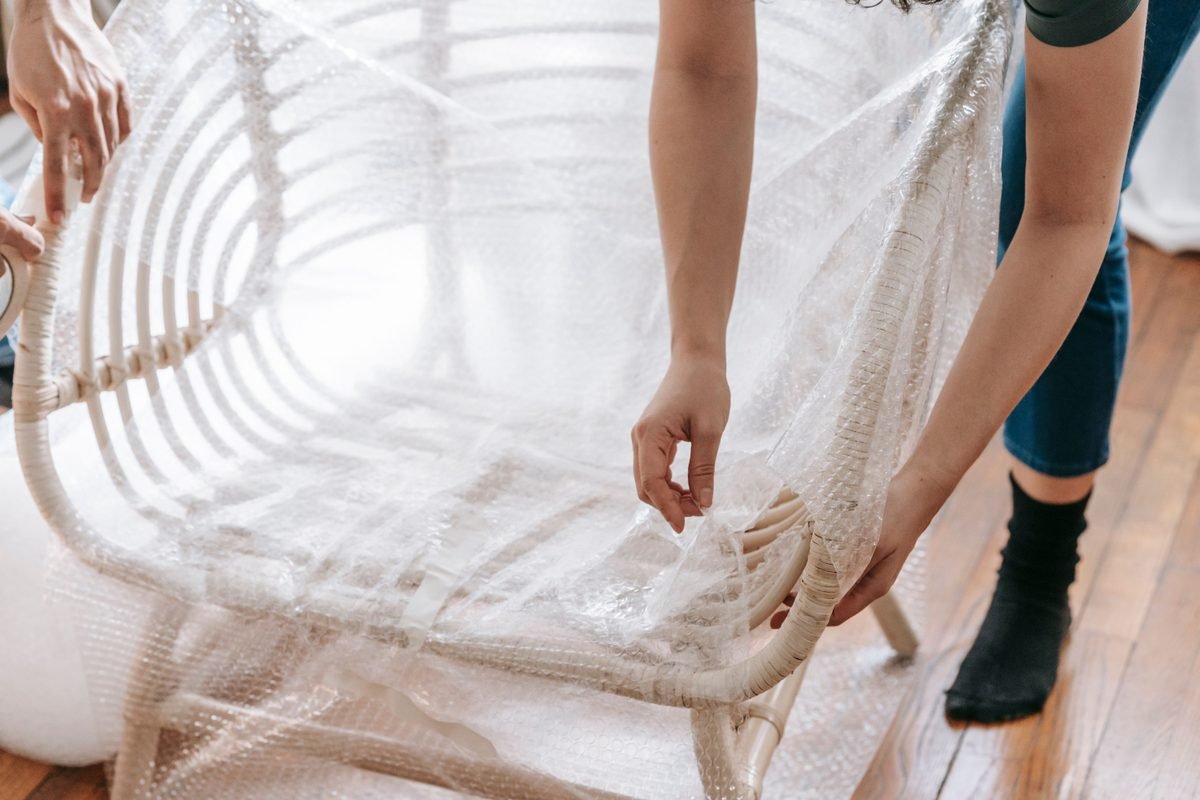
- Bubble Wrap Layering: Wrap all finished wooden surfaces in thick non-abrasive paper before applying heavy bubble wrap to prevent moisture trap marks.
- Corner Protection: Apply reinforced cardboard corner guards to defend against drops during container transfers.
- Customs Invoicing: Ensure the vendor provides a detailed itemized receipt clearly stating ‘used vintage wooden furniture’ and the exact year or era to clear export customs smoothly.
Book ahead: Arrange Cargo Services in Advance
If buying furniture over 30 kg, ask the Dapsimni seller to arrange ocean freight before paying. They work with reliable local agents who quote door-to-door rates on the spot.
How to Get to Seoul's Top Flea Markets
Navigating Seoul’s public transit system to reach the antique hubs is fast and affordable. To reach Hwanghak-dong Flea Market and Dongmyo Market, take Seoul Subway Line 2 or Line 6 to Sindang Station or Dongmyo Shrine Station. Using Exit 11 at Sindang Station puts you within a five-minute walk of Hwanghak-dong’s central alley. Alternatively, coming from Dongmyo Shrine Station (Line 1 or Line 6) Exit 3 drops you right in the center of the weekend street stalls. Base subway fares cost ₩1,550 (about $1.15) when using a transit card. Make sure to read our guide on how to use T-money card Seoul before riding.
To reach Dapsimni Antique Shopping Mall, take Seoul Subway Line 5 to Dapsimni Station and take Exit 1 or Exit 2. The commercial buildings housing the indoor shops sit along a linear boulevard roughly 200 meters from the station exit. If you prefer taking a taxi, show the driver the destination in Korean script: ‘답십리 고미술상가’ (Dapsimni Go-misul Sang-ga). Seoul taxi base fares start at ₩4,800 (about $3.55) and credit cards are widely accepted inside cabs.
Plan to combine these market visits into a full-day neighborhood exploration. Hwanghak-dong sits directly along Cheonggyecheon stream, allowing you to take a scenic 20-minute riverside walk toward Dongdaemun or explore neighboring district shopping routes outlined in our Seoul shopping districts guide.
Heads up: Use KakaoMap or Naver Map
Google Maps does not provide walking or transit directions in South Korea. Download Naver Map or KakaoMap before setting out so you can navigate the narrow market alleyways easily.
Best Times to Visit and Insider Shopping Tips
Timing your market run properly makes the difference between finding rare mid-century gems and fighting unmanageable crowds. Hwanghak-dong and Dongmyo Flea Markets operate seven days a week, but the atmosphere peaks on weekend afternoons between 1:00 PM and 5:00 PM when temporary sidewalk vendors set up shop. However, if you want first pick of newly unloaded inventory from regional estates, visit on weekday mornings around 10:00 AM when vendors open their shutters. Dapsimni Antique Shopping Mall operates Monday through Saturday from 10:00 AM to 6:00 PM, and the indoor shops close on Sundays and public holidays.
Always bring a small tool kit when hunting for vintage items. A compact tape measure is essential for verifying whether a vintage soban table or chest will fit into your suitcase or home space. Bring a durable tote bag for smaller brassware, vintage wooden stamps, or ceramic dishes. Furthermore, remember that autumn in Seoul brings crisp, mild weather around 15°C (59°F), making October an ideal season for walking between outdoor stalls without summer heat or winter freezing temperatures.
Finally, inspect every item closely before completing a purchase. Ask the shop owner if you may pick up the piece. Check drawers for smooth gliding, test hinges on cabinet doors, and look for signs of historical woodworm treatment. Vendor sales at flea markets are almost universally final, so taking five minutes to examine a craft item ensures you head home with a piece of Korean history you will treasure for years.

What it costs in Seoul
| Item | Local price | USD |
|---|---|---|
| Small Mid-Century Soban (Tray Table) | ₩80,000 – ₩250,000 | about $59 – $185 |
| Restored Pine Chest (Dapsimni) | ₩350,000 – ₩1,200,000 | about $259 – $888 |
| Vintage Brass Rice Bowl (Yugi) | around ₩20,000 | about $15 |
| Seoul Subway Base Transit Fare | ₩1,550 | about $1.15 |
| Air Parcel Shipping to US/EU (15kg) | ₩140,000 – ₩190,000 | about $103 – $140 |
| Ocean Freight Cargo for Furniture | ₩300,000 – ₩500,000 | about $222 – $370 |
Prices checked October 2026. Always confirm with the provider before you book.
Mistakes to avoid
- Assuming market vendors accept international credit cards or mobile pay apps.
- Expecting Google Maps to navigate the pedestrian alleys of Hwanghak-dong market.
- Attempting to ship items over 30 kg through standard Korea Post EMS air mail.
- Opening negotiations with aggressive, lowball counteroffers that offend senior vendors.
FAQ
Are flea market vendors in Seoul open on Sundays?
Yes, Hwanghak-dong and Dongmyo outdoor markets are extremely busy on Sundays, with hundreds of street stalls open. However, the indoor shops at Dapsimni Antique Mall are closed on Sundays and public holidays, so plan your visit for Monday through Saturday if you want indoor antique stores.
Can I bring vintage wooden items through airport customs?
Most small vintage wooden items like soban tray tables and wooden cake molds pass through customs without issue provided the wood is fully treated and free of live insects or raw bark. Always inspect pieces for signs of pest damage and declare wooden handicrafts on your arrival customs form if required by your destination country.
How much discount can I reasonably ask for when buying antiques in South Korea?
A standard polite discount to ask for is roughly 10 to 15 percent off the marked price when you are paying with cash. Asking for half price or offering rude counterproposals will likely end the conversation with the dealer immediately.