Seoul Indie Music and Live Club Guide: Hongdae Gigs


The bass shakes the floor of a basement in Mapo-gu. Outside, the neon signs of Hongdae flicker, but down here, the air is thick with the sound of overdriven guitars and the rhythmic snap of a snare drum. This is the heart of the Seoul indie music scene, a world that exists just a few feet below the crowded sidewalks of the city. I have lived in Seoul for years, and while the glitz of K-pop gets the headlines, the real soul of the city stays in these concrete rooms where local bands play to crowds of fifty people.
This guide is for travelers who want to skip the commercial dance clubs and find the raw energy of Korean rock, jazz, and synth-pop. I will cover how to find the best venues in Hongdae and Hapjeong, the trick to buying tickets as a foreigner, and the etiquette you need to know before you step inside. Whether you are looking for a sweaty punk show or a quiet jazz trio, this Seoul indie music and live club guide will help you navigate the weekend like a local.
The Hub of Indie Music: Hongdae and Hapjeong
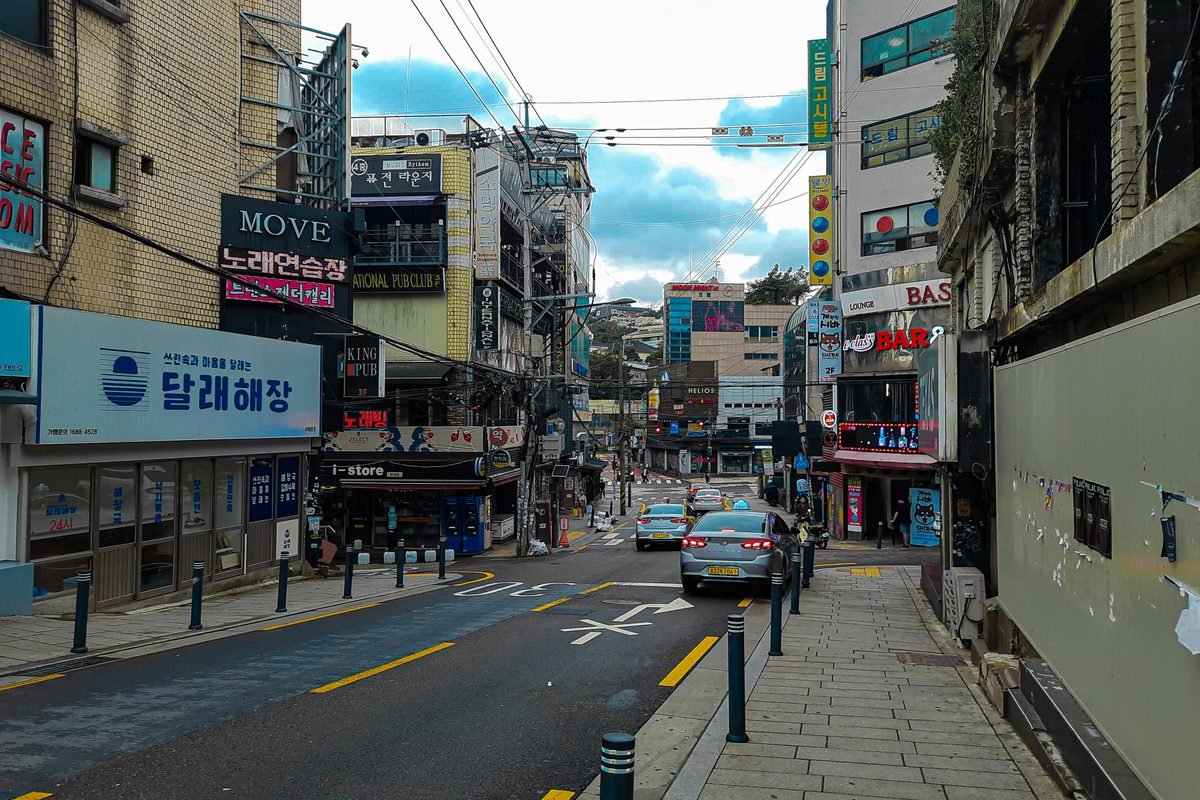
If you are looking for live music in Seoul, you start in Hongdae. This area, named after Hongik University, has been the center of Korean youth culture since the 1990s. While parts of the neighborhood have become commercialized with global fashion chains, the indie spirit has simply moved a few blocks west toward Hapjeong and Sangsu stations. The geography of the scene is compact. You can walk from the main Hongik University Station (Line 2, Exit 9) to the quieter alleys of Hapjeong in about fifteen minutes. Most of the legendary venues are tucked away in basements along the ‘Parking Street’ or hidden behind modest coffee shop fronts in the backstreets.
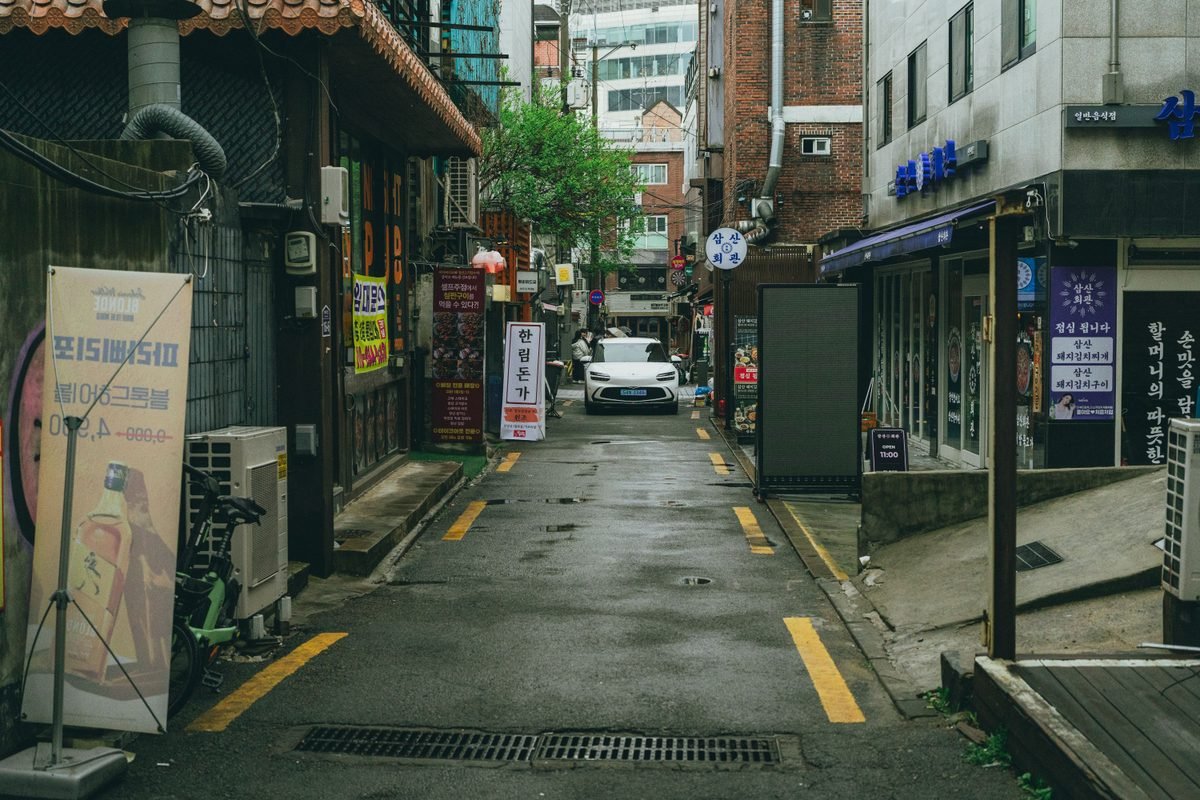
I recommend starting your evening near the Sangsu Station area. This part of the district feels more like the Hongdae of twenty years ago. The bars are smaller, the posters for upcoming shows are plastered on every utility pole, and the musicians themselves are often seen carrying gear between venues. The density of talent here is high. On any given Friday, you might find a math-rock band playing in one basement while a folk singer-songwriter performs across the street. The proximity of these venues makes it easy to hop between shows if you haven’t committed to a full night at one spot. To get here, take the subway to Sangsu Station (Line 6) or Hapjeong Station (Line 2 and 6). The base subway fare is ₩1,550 (about $1.15). Walking is the best way to explore. You will find that the best spots are rarely on the main road. Look for the small chalkboards outside basement stairs. They usually list the night’s lineup in Korean, but the genre is often written in English. Hongdae never really sleeps. Even after the last band finishes, the streets remain full of people heading to late-night eateries.
How to Find and Buy Tickets for Indie Gigs
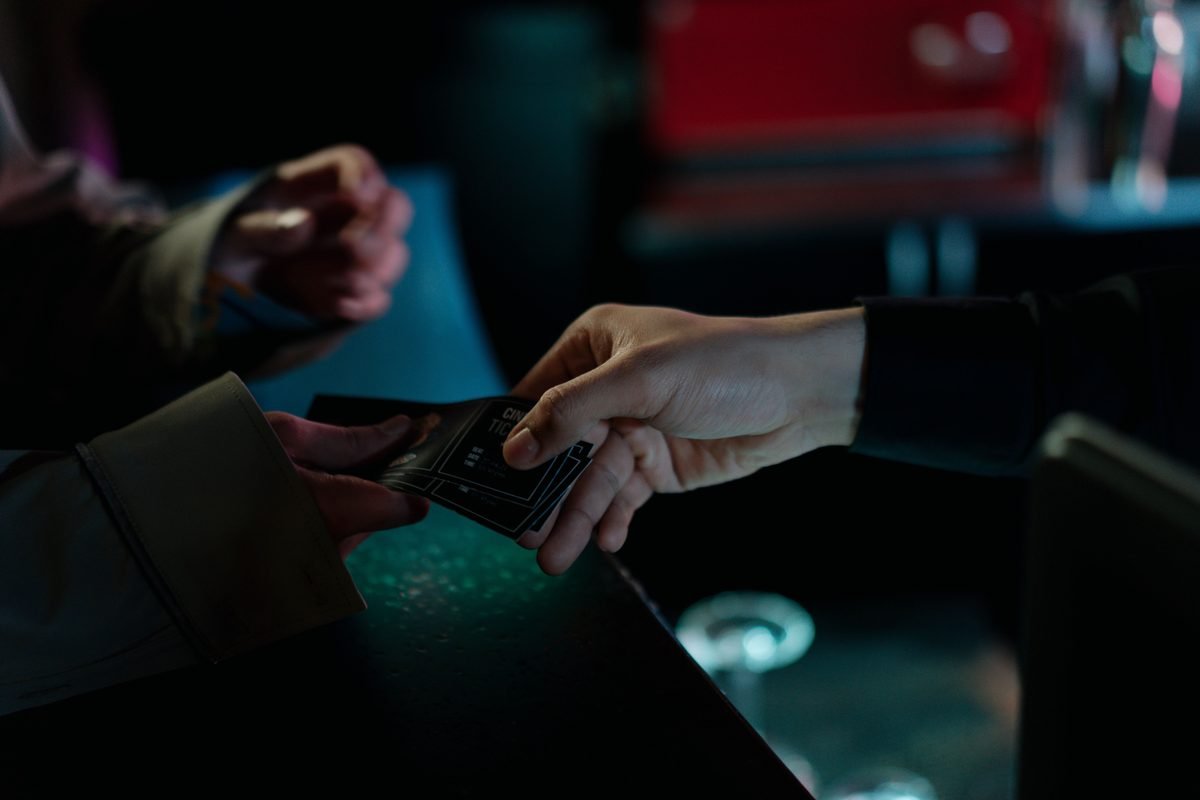
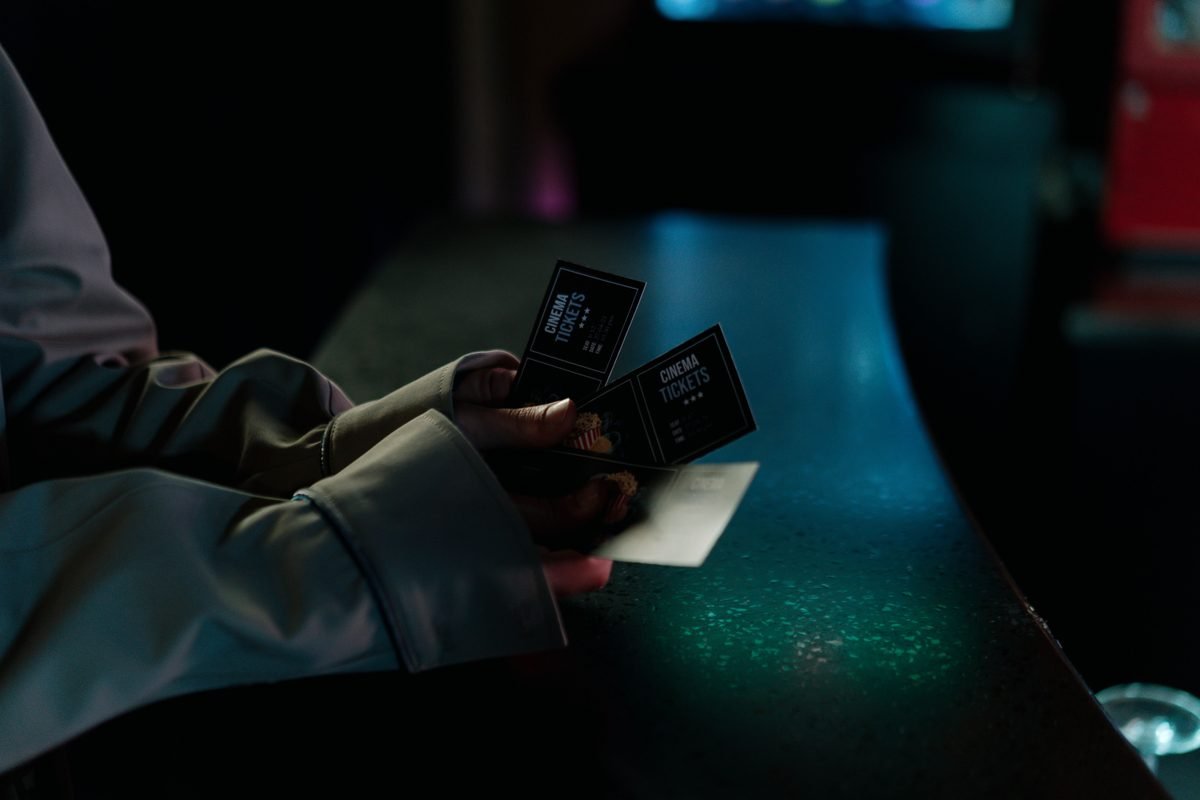
Buying tickets for a show in Seoul can be a bit of a hurdle if you do not have a Korean phone number or a local ID. The big platforms like Interpark, Yes24, and Melon Ticket handle the larger indie acts, and they often require a local login. However, for the underground live club scene, the process is much more informal. Most clubs in Hongdae and Hapjeong sell tickets at the door. You should expect to pay between ₩20,000 and ₩35,000 (about $15 to $26) for a standard show featuring three or four bands. This price often includes one free drink coupon which you can trade for a beer or a soda at the bar.
To find the schedule, you need to look at Instagram. In Korea, Instagram is the primary way venues communicate. Search for accounts like @liveclubday or the specific handles of venues like Club FF, Rolling Hall, or Prism Hall. They post weekly schedules every Tuesday or Wednesday. If a show is marked as ‘Sold Out’ on a ticketing site, do not give up immediately. Sometimes venues hold a small batch of tickets for door sales specifically for international visitors who cannot use the local apps. Bring cash for the door. While most places accept international credit cards, the entry desk is often just a person with a list and a small box, and cash makes the process much faster. If you are trying to see a more popular indie act, check if they have a ‘Global’ version of their ticketing site. Interpark Global is the most reliable for English speakers. You can book online and pick up your ticket at the venue by showing your passport. Always arrive at least thirty minutes before the first band starts. Most shows start at seven. This ensures you get a good spot near the stage, as these basement rooms fill up quickly and rarely have tiered seating.
Tip: Check Instagram for Schedules
Most indie venues in Seoul do not update their websites. Follow @liveclubday on Instagram to see the monthly lineup for over a dozen clubs in the Hongdae area.
Essential Venues in the Seoul Indie Music and Live Club Guide
Every venue in Hongdae has a specific ‘flavor.’ If you want classic rock and a high-energy crowd, Club FF is the institution. It has been around for decades and is famous for its ‘all you can drink’ specials and indie-rock dance parties that start after the live bands finish. For a more professional sound and larger stage, Rolling Hall is the place to go. It hosts the more established indie acts and has excellent acoustics. If your taste leans toward jazz, Club Evans near the park is the gold standard. It feels like a classic New York jazz club, with small tables and a quiet, respectful atmosphere. They have jam sessions almost every night, and the skill level of the musicians is world-class.
For the truly underground experience, head to Prism Hall or Strange Fruit. Prism Hall, located near Hapjeong Station, often hosts heavier bands, ranging from post-rock to metal. It is a clean, well-run space with a great sound system. Strange Fruit is much smaller and feels like someone’s living room if that person owned a massive record collection and a small stage. It is a favorite among local musicians and is a great place to meet people in the scene. If you are interested in the local culture, you should read my Hongdae and Yeonnam-dong guide to understand the wider neighborhood. Another notable spot is Club Sharp, which is the epicenter of the punk and hardcore scene. It is gritty, loud, and exactly what a punk club should be. Most of these venues are within a 10-minute walk of each other. If you find one isn’t to your liking, it is easy to move to the next. Beer is usually five dollars. It is common to see the same faces at different clubs throughout the night as people follow their favorite performers across the district.
The Weekend Scene and Live Club Day
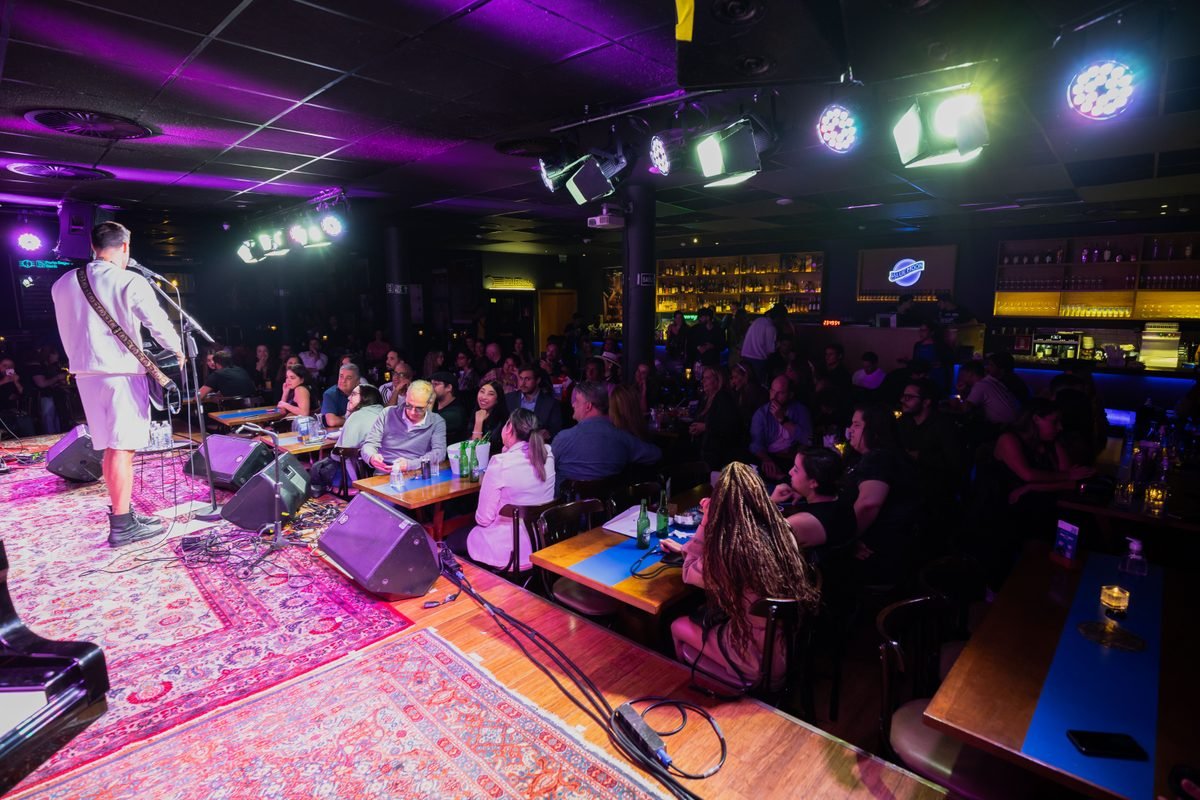
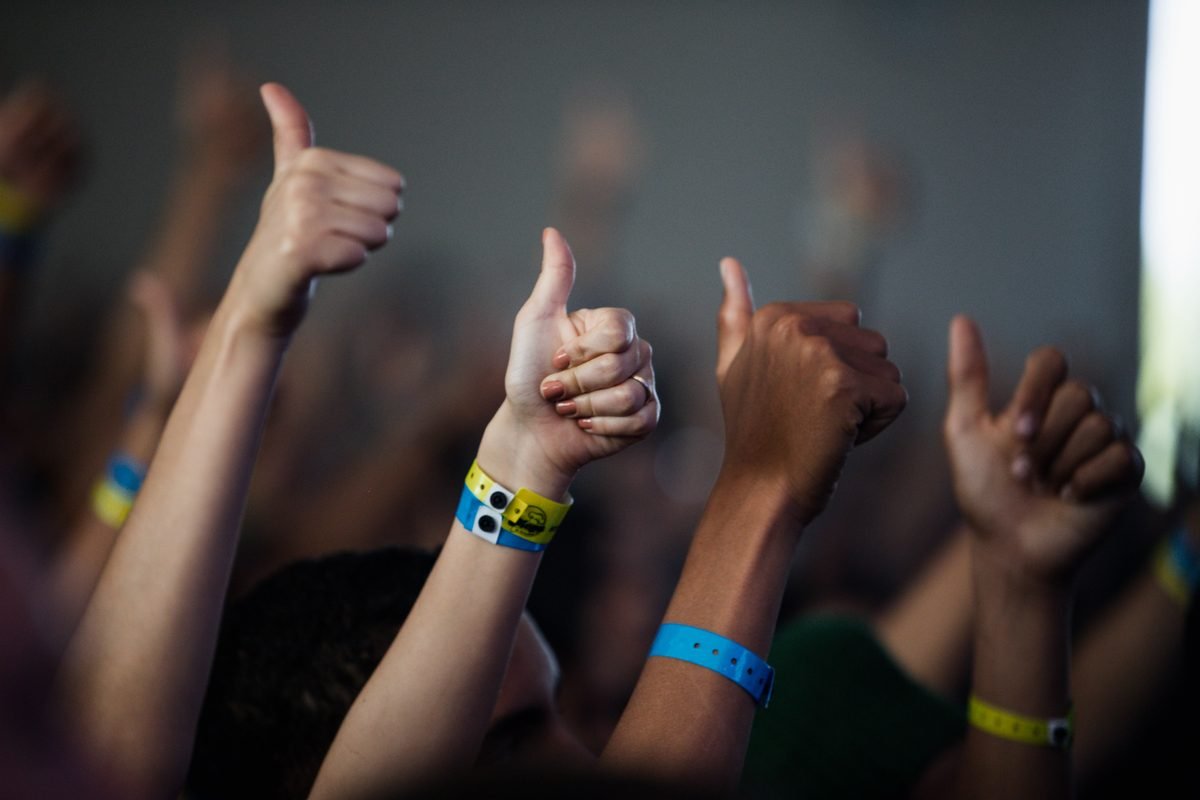
The best time to experience the scene is undoubtedly the weekend. Friday and Saturday nights are when the full lineups are scheduled, usually starting around 6:30 PM or 7:00 PM. However, the most important date for any music fan is the last Friday of every month. This is ‘Live Club Day.’ For a single ticket price of roughly ₩30,000 (about $22), you get a wristband that grants you entry to over ten different venues throughout Hongdae. It is the best value in the city and allows you to sample everything from hip-hop and electronic music to heavy metal and traditional fusion.
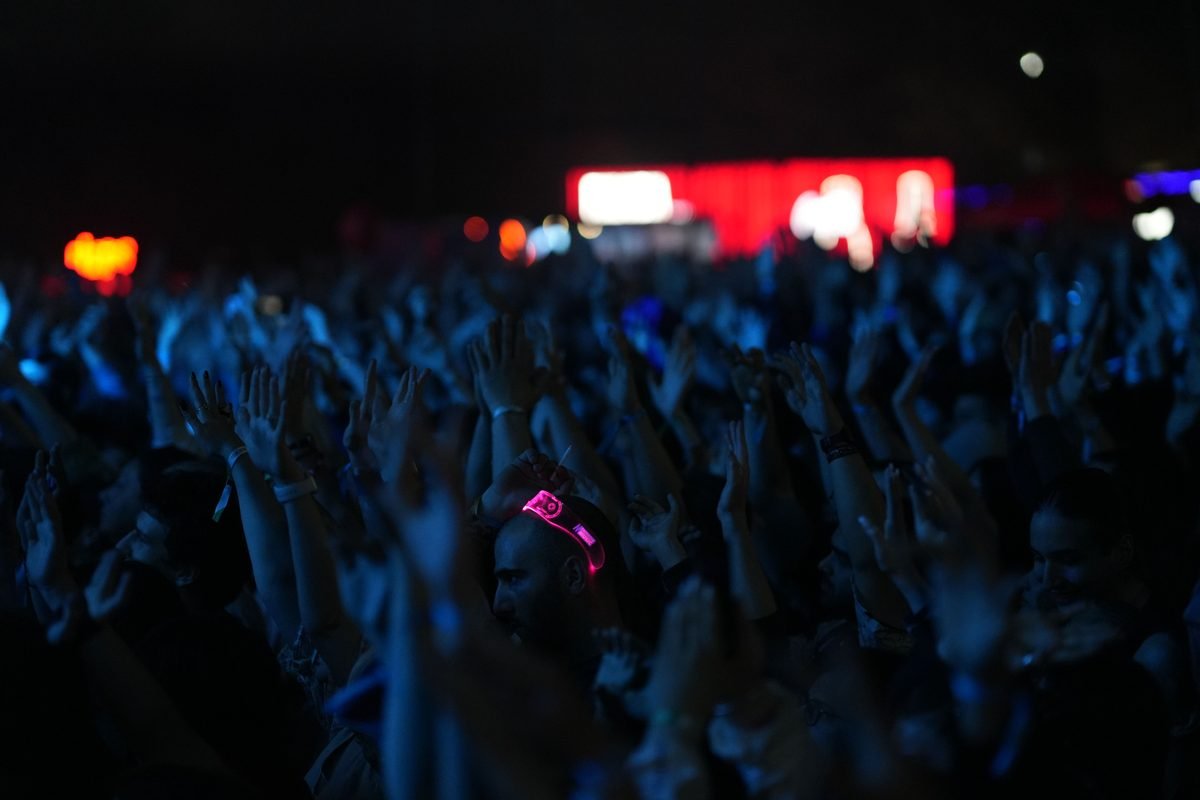
During Live Club Day, the streets of Hongdae are even more energetic than usual. You will see crowds of people with matching wristbands jogging between clubs to catch specific sets. I suggest picking two or three ‘must-see’ bands and then spending the rest of the night wandering into random basements. Some of my favorite musical discoveries have happened when I walked into a club I’d never heard of just because I liked the sound coming up the stairs. Outside of this monthly event, Saturday nights are the busiest. If you plan to visit a popular spot like Club FF on a Saturday, be prepared for a crowd. The energy is infectious, but it can get hot and cramped. For a more relaxed experience, Thursday nights often have smaller ‘showcase’ gigs where new bands play for a lower entry fee, sometimes as low as ₩10,000 (about $7.50). These weeknight shows are a great way to see the raw talent before they make it to the bigger stages. It is also much easier to chat with the musicians after their sets on weeknights. They are usually happy to talk about their music, though their English levels will vary.
From a local: The Last Friday Rule
If your trip overlaps with the last Friday of the month, do not book anything else. Live Club Day is the single best way to see the breadth of Seoul’s music scene for one low price.
Etiquette and What to Expect at a Korean Gig
Korean gig culture might feel a bit different from what you are used to in London or New York. One of the most striking things is the orderliness. Even at a rock show, there is often a clear line for entry based on ticket numbers. If you bought your ticket online, look for a number on it; that is your place in the queue. If you are buying at the door, you will likely go in after the pre-booked ticket holders. Once inside, the crowd is generally respectful. Pushing and shoving are rare, even near the front of the stage. People tend to stay in their spots, and it is considered rude to shove your way to the front after the show has started.
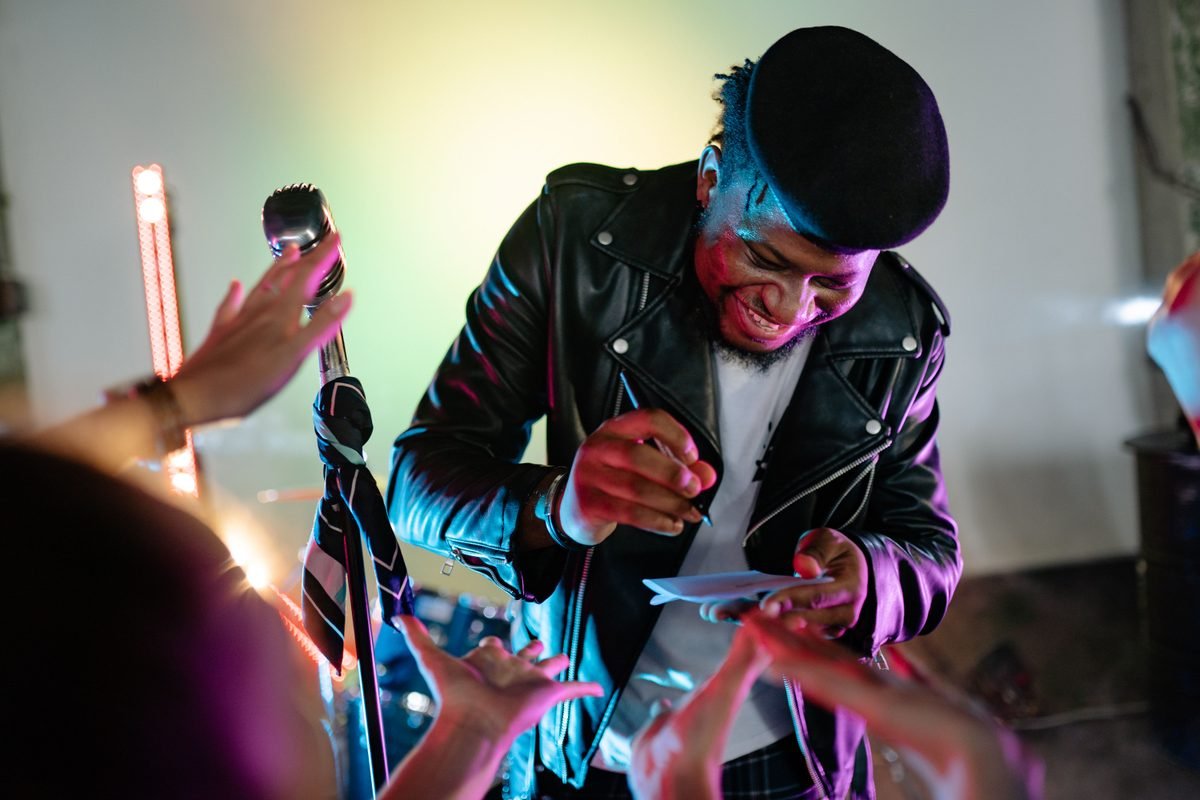
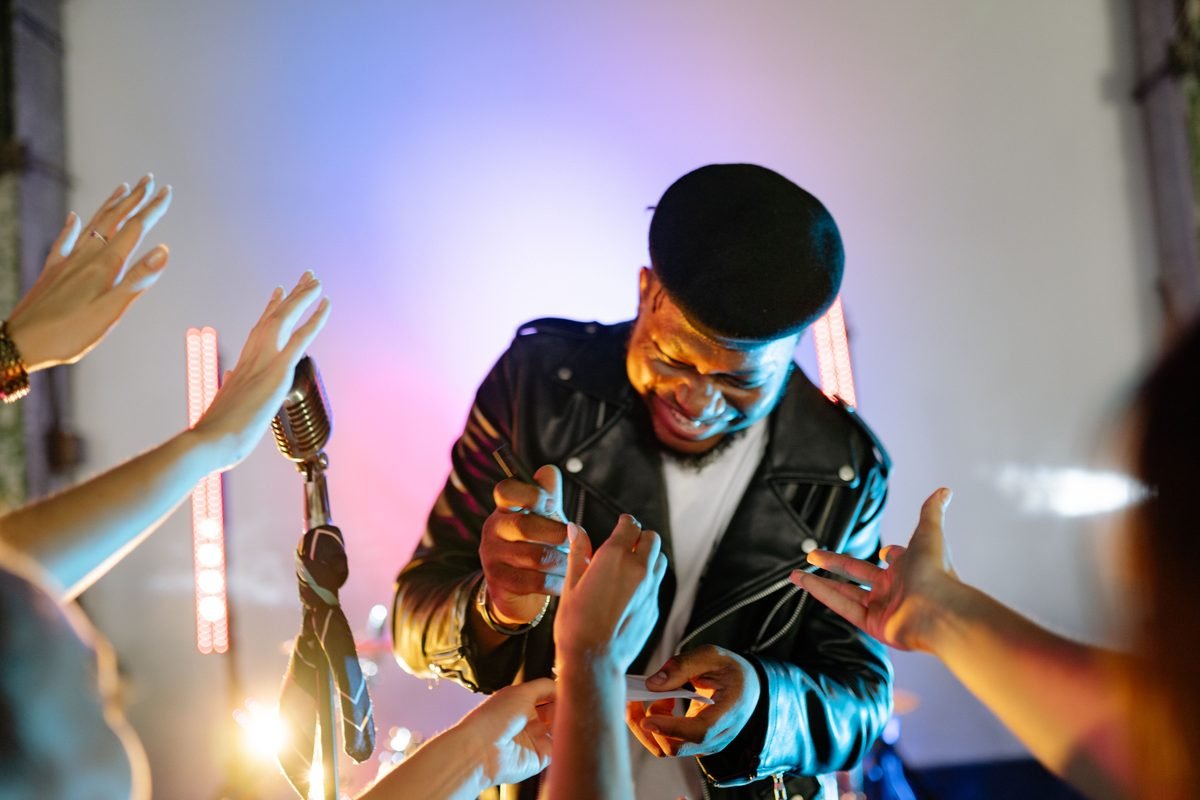
Photography is another area where etiquette matters. In many indie clubs, taking photos and short videos on your phone is perfectly fine. In fact, bands often encourage it so you can tag them on social media. However, always check for signs or listen for announcements. Some acoustic or jazz sets might request no flash or no photos at all to maintain the mood. If you want to dive deeper into local customs, check out my guide on Korean Etiquette for Travelers. Another unique aspect is the ‘fan service’ after the show. It is very common for indie bands to come out to the merch table or the bar to talk to fans, sign CDs, and take photos. If you enjoyed the set, don’t be shy about saying so. Buying a CD or a t-shirt is the best way to support them, as streaming payouts are notoriously low in Korea. Also, keep in mind that many clubs are in residential basements. When you leave the club at 11:00 PM, try to keep your voice down until you get back to the main street. The neighbors are used to the music, but loud shouting in the alleys can cause trouble for the venue owners.
Heads up: Respect the Queue
In Korea, your ticket number often determines your entry order. Do not try to jump ahead in the line outside the venue, as this is taken very seriously by local fans.
Late Night Food and the After-Hours Scene
A night of live music in Seoul is never complete without ‘anju’ or drinking snacks. Most gigs end around 10:00 PM or 11:00 PM, which is exactly when the nightlife in Hongdae kicks into high gear. It is a local tradition to go for ’round two’ at a nearby restaurant. You will see groups of fans and even the musicians themselves heading to local barbecue spots or gopchang (grilled intestines) joints. This is a great time to experience the Korean Drinking Culture Guide in its natural habitat. The area around Sangsu and Hapjeong is packed with excellent late-night options that are much better than the tourist-heavy spots near the station.
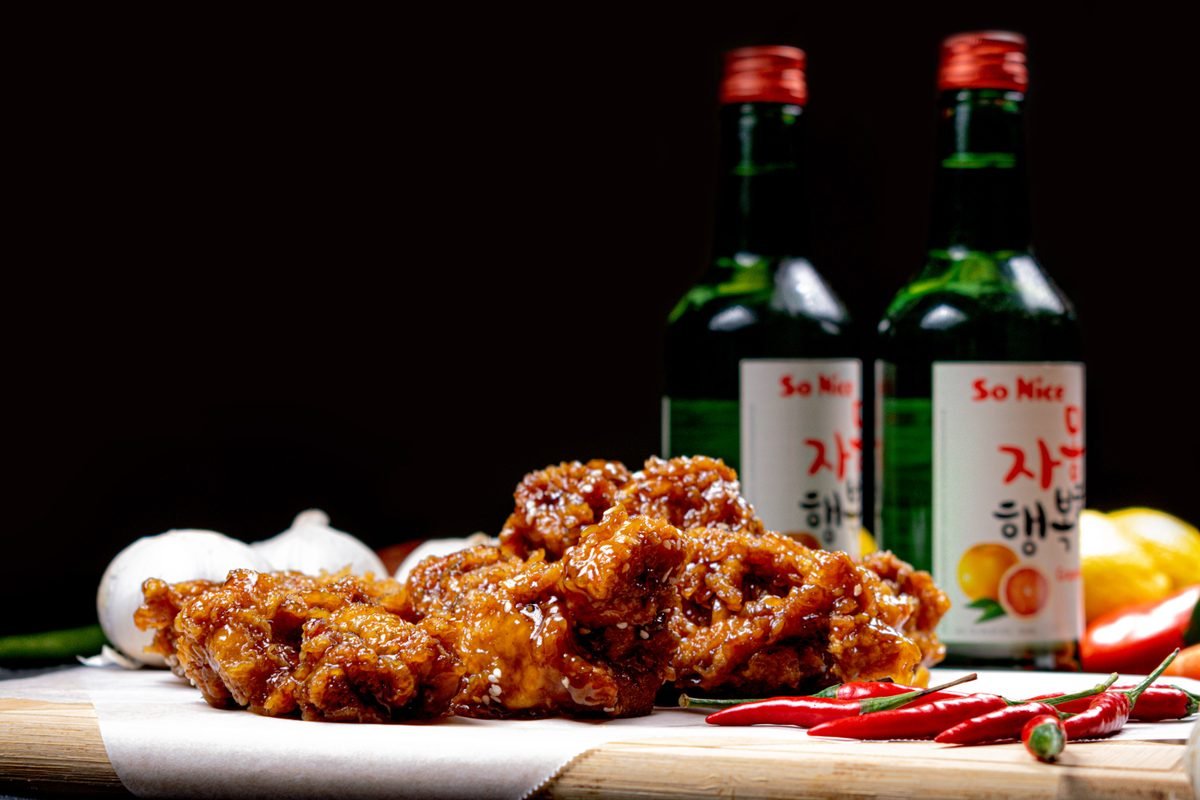
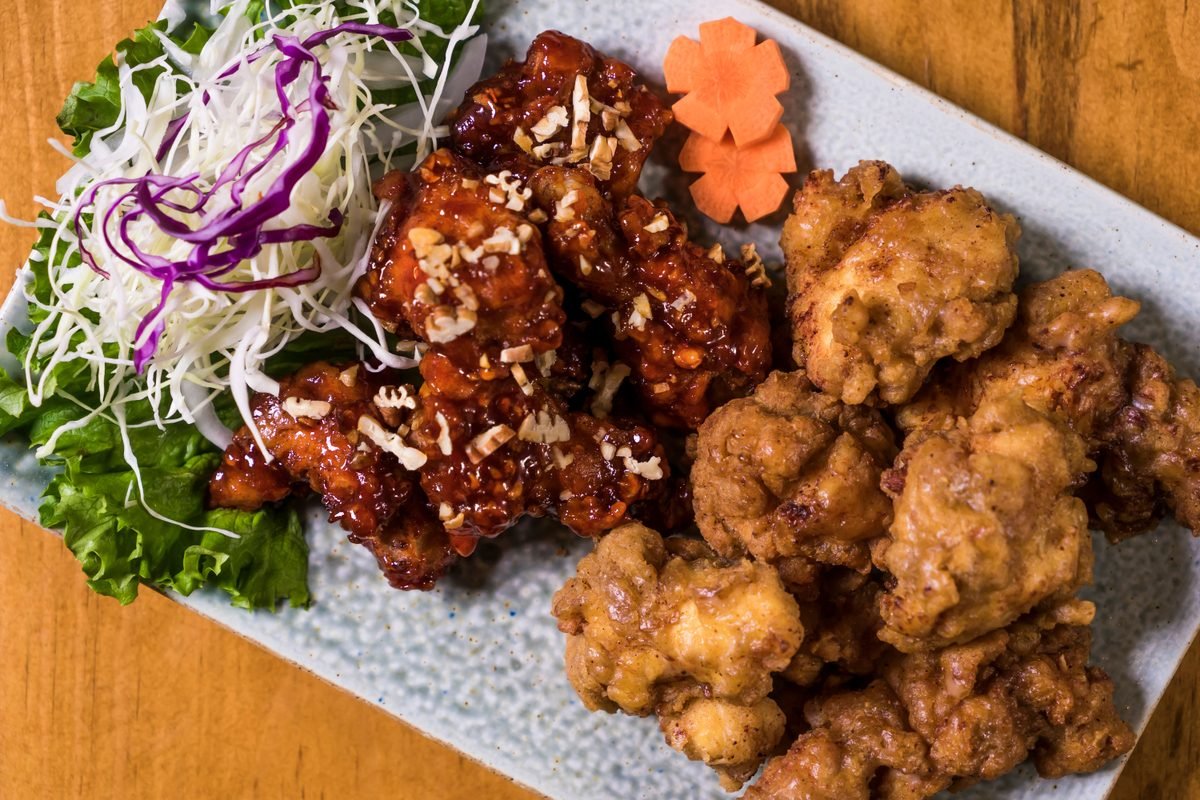
I recommend looking for a ‘pocha’ (tented wagon style bar) or a small ‘izakaya.’ These places serve hearty food like spicy rice cakes, fried chicken, or kimchi pancakes that are perfect for soaking up the evening’s beers. A meal for two with a bottle of soju will usually cost around ₩30,000 to ₩40,000 (about $22 to $30). If you are still awake at 2:00 AM, you can head to a ‘noraebang’ (karaoke room) to sing the songs you just heard. Hongdae has several ‘luxury’ noraebangs with floor-to-ceiling windows overlooking the streets. For a solo traveler or a small group, these are a fun way to end the night. If you need to get home and the subways have stopped running, taxis are plentiful, but be prepared for a wait on Friday nights. Use the Kakao T app to hail a ride. The base fare for a taxi is ₩4,800 (about $3.50). Alternatively, many people just stay out until the first subway at 5:30 AM. Hongdae is one of the few places in the world where that feels like a perfectly normal thing to do.
What it costs in Seoul
| Item | Local price | USD |
|---|---|---|
| Live Club Entry Fee | ₩25,000 | $18.50 |
| Club Day Pass (Monthly) | ₩30,000 | $22.20 |
| Beer at a Club | ₩7,000 | $5.20 |
| Late Night Barbecue (per person) | ₩20,000 | $14.80 |
| Subway Fare (Base) | ₩1,550 | $1.15 |
| Taxi Base Fare | ₩4,800 | $3.55 |
| Noraebang (1 hour) | ₩20,000 | $14.80 |
| Total Estimated Night Out | ₩78,350 | $58.00 |
Prices checked October 2026. Always confirm with the provider before you book.
Where to stay in Seoul
Budget
Hongdae, near Exit 1 or 3
This area is perfect for hostel seekers who want to be steps away from the music scene and the Airport Railroad. Expect to pay ₩30,000 to ₩60,000 for a clean bunk or a basic private room.
Mid-range
Yeonnam-dong, for boutique guesthouses
Located just across the road from Hongdae, this neighborhood is quieter and filled with trendy cafes. You can find stylish guesthouses for ₩90,000 to ₩150,000 per night within a ten-minute walk of the clubs.
Splurge
Hapjeong, for modern design hotels
This area offers more upscale, spacious accommodations with great views of the Han River. It is the heart of the indie scene, with prices ranging from ₩200,000 to ₩350,000 for high-end comfort.
Mistakes to avoid
- Arriving exactly at the time listed on the ticket and missing the opening act.
- Assuming every club takes credit cards at the door; some smaller spots are cash-only.
- Trying to use Google Maps for walking directions between clubs; use Naver Map instead.
- Ignoring the ticket numbers and trying to push to the front of a pre-queued line.
- Forgetting that many clubs are in basements with poor cell service; download your tickets or maps beforehand.
FAQ
Where can I find a Seoul indie music and live club guide for current schedules?
The best way to find current schedules is through Instagram. Follow accounts like @liveclubday and individual venues like @clubff or @prism_hall for weekly lineups and ticket information.
Is there a dress code for indie clubs in Seoul?
No, there is no formal dress code for indie music venues in Hongdae. Most people wear casual clothes like jeans, t-shirts, and sneakers, though the ‘Hongdae style’ often involves vintage or trendy streetwear.
Can I go to these clubs alone?
Yes, going to live music shows alone is very common in Seoul. The crowds are respectful, and it is easy to blend in and enjoy the music without feeling out of place.