Seoul Night View Spots: Namsan, Naksan, and More

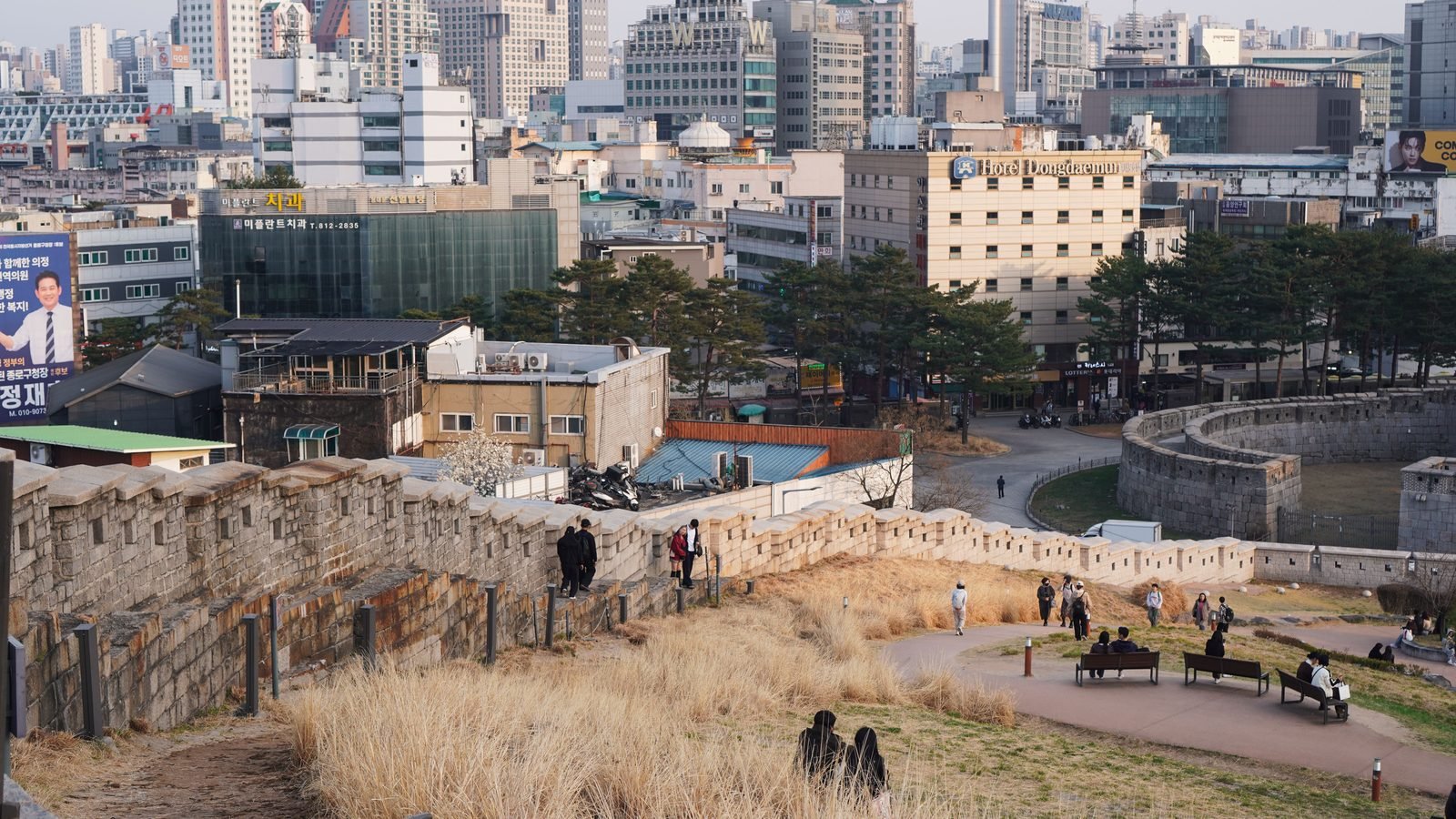
At 7:15 PM on a cool September evening, I stood on the ancient stone ramparts of Naksan Park. Below me, the city of Seoul ignited in a massive grid of amber headlights and white fluorescent office blocks. The wind picked up. It was exactly 19°C (66°F), the perfect temperature to watch the urban landscape transition from day to night. Many visitors pay high prices to stand behind glass at N Seoul Tower, but the best panoramas are actually found along the city’s ridge lines for free.
This guide is for independent travelers who want to experience the absolute best Seoul night view spots without spending a fortune. I will compare the four main viewing peaks—Namsan, Naksan, Haneul Park, and Ansan—and explain exactly how to navigate the city’s late-night transit system so you never get stranded.
How to navigate Seoul night transit
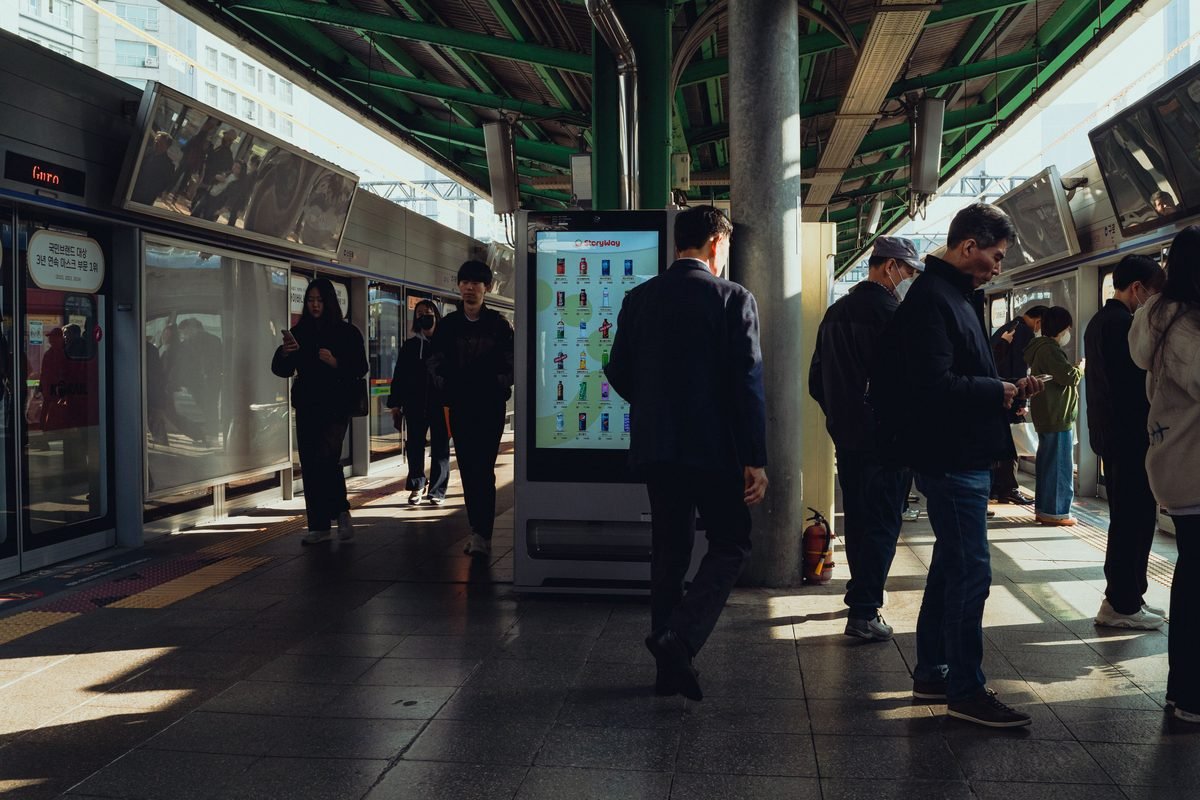
Navigating Seoul after dark is remarkably simple if you understand how the transit system transitions as midnight approaches. The city’s underground trains are highly efficient, but they do not run 24 hours a day. Most subway lines begin winding down their services around midnight, with final trains reaching their terminus stations by 1:00 AM on weekdays. On weekends and public holidays, this shutdown happens an hour earlier, meaning you should aim to be on your platform by midnight to avoid being stranded. Seoul is safe at night. However, missing the last train can result in an expensive taxi ride back to your hotel.
If you find yourself out past the subway curfew, the city’s night bus network, known as the Owl Bus, is your best alternative. These buses are easily recognizable by the letter ‘N’ preceding their route number, such as the N15 or N31. They run from roughly midnight until 3:30 AM, connecting major nightlife and transit hubs like Hongdae, Dongdaemun, and Gangnam. A ride on an Owl Bus costs a flat fare of ₩2,500 (about $1.85) when using a transit card. This is slightly higher than the daytime city bus base fare of ₩1,500 (about $1.11), but it remains a massive bargain compared to late-night taxi rates.
To pay for any of these journeys, you must use a local transit card. A standard T-money card costs ₩4,000 (about $2.95) at any convenience store and can be topped up with cash at subway stations. When using buses, always tap your card on the reader when boarding and again before stepping off. This ensures you receive the free transfer discount if you switch to another bus within 30 minutes. Do not rely on global mapping applications to navigate these routes. Download Naver Map or KakaoMap before you set out, as they are the only platforms that provide accurate, real-time walking and transit directions in South Korea.
From a local: Late-Night Taxi Surcharges
Seoul taxis apply a late-night surcharge of 20% to 40% between 11:00 PM and 4:00 AM. If you must hail a cab, use the Kakao T app to secure a ride and see the estimated fare upfront.
When do the lights come on in Seoul
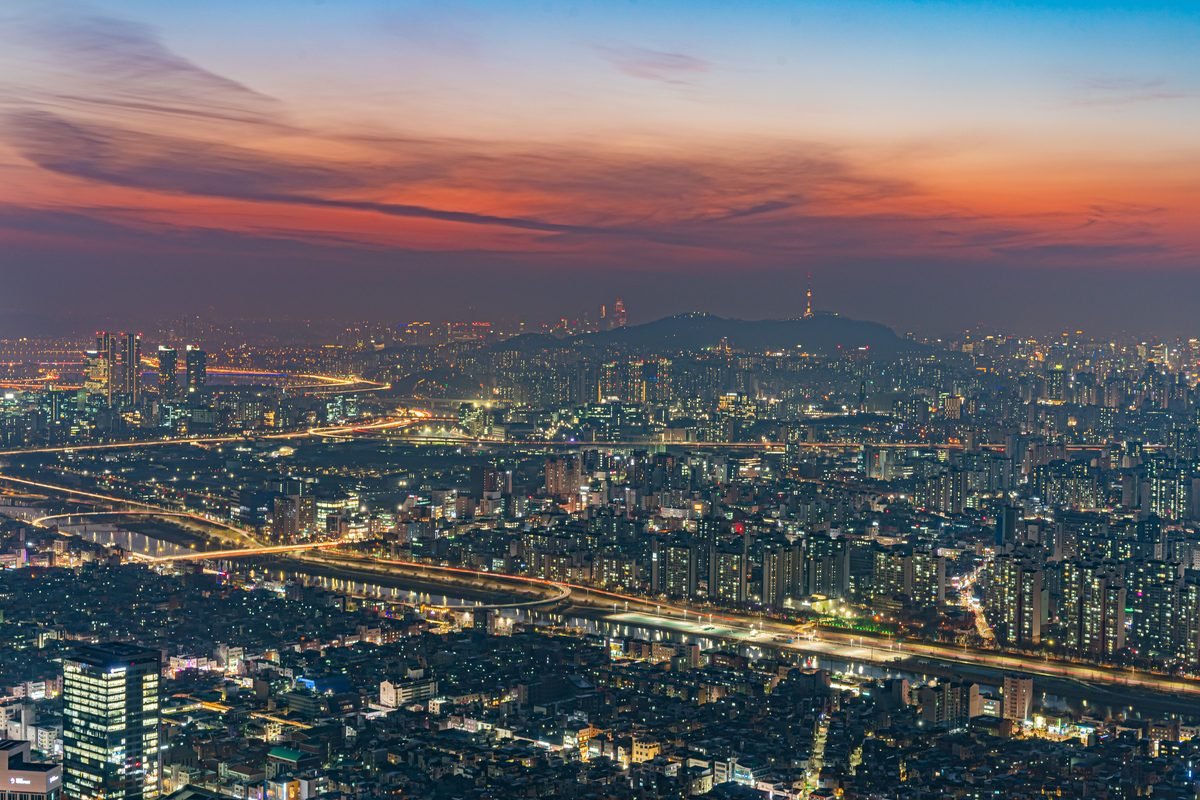
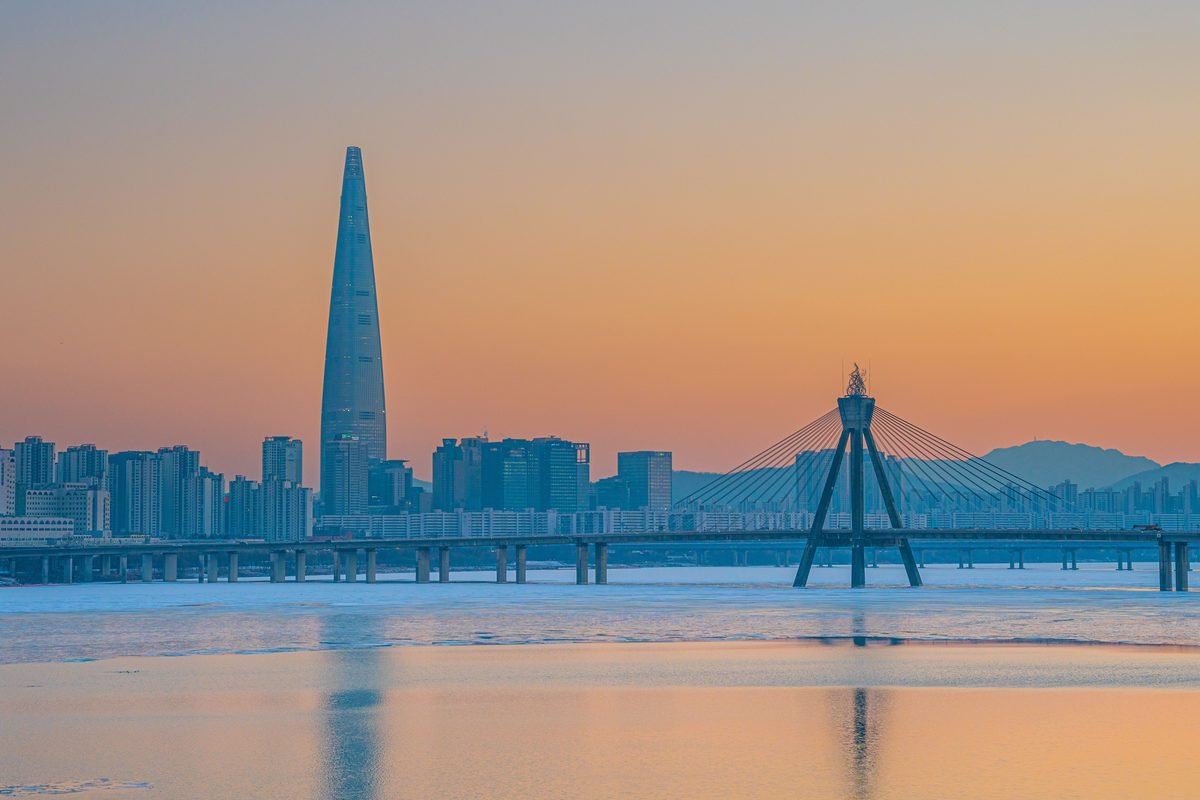
Timing your arrival at any viewpoint is crucial if you want to capture the transition from sunset to twilight. In Seoul, the transition known as the blue hour lasts for roughly twenty to thirty minutes immediately after the sun dips below the horizon. Sunset times shift constantly throughout the year. During September, the sun sets between 6:30 PM and 6:55 PM, meaning you should aim to be at your chosen viewpoint by 6:15 PM. This gives you ample time to find a comfortable spot, set up your camera, and watch the city transition from golden daylight to deep twilight.
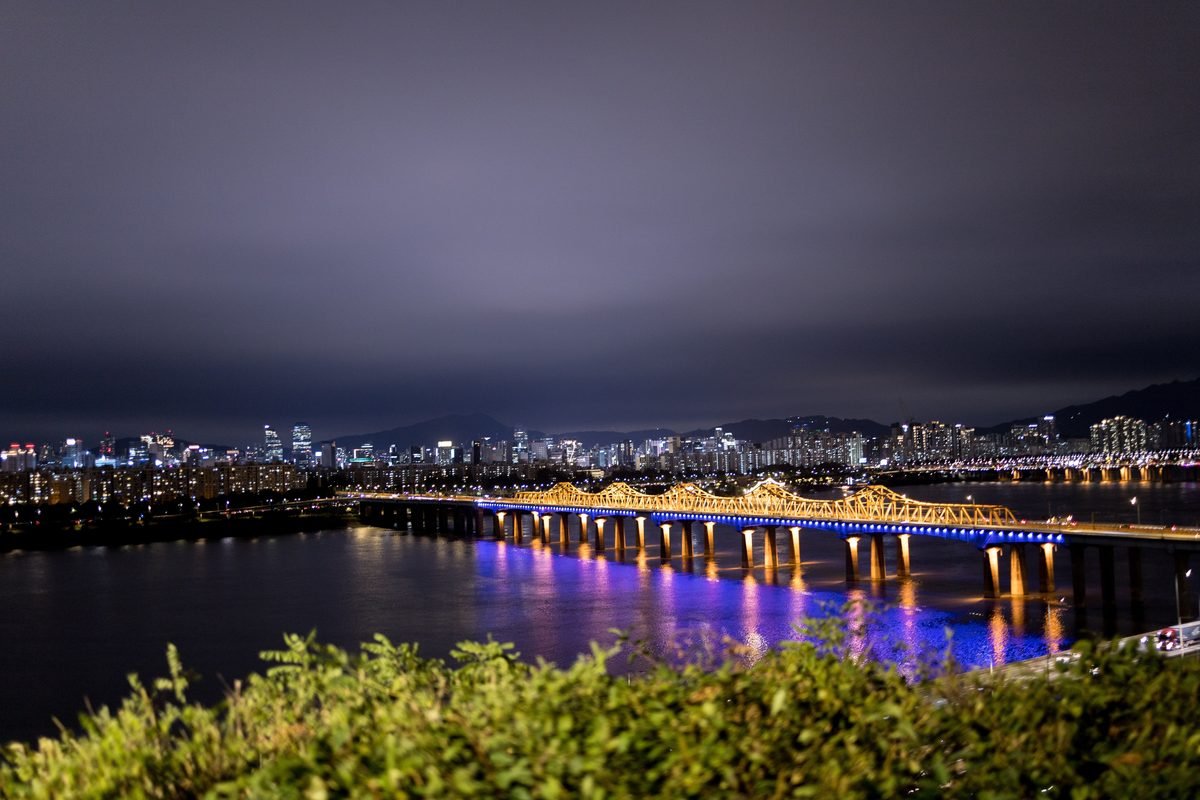
The illumination of Seoul’s major landmarks is tied directly to civil twilight. The historic city walls, the Han River bridges, and the outer facades of major skyscrapers generally turn on their architectural lighting roughly fifteen to twenty minutes after sunset. If you are climbing to a viewpoint to see the historic Hanyangdoseong wall, the soft yellow floodlights will typically flicker to life just as the sky turns a deep indigo. This is the absolute peak window for photography, as the warm glow of the stone walls contrasts beautifully with the cool blue of the evening sky.
For those watching N Seoul Tower, the color of the tower’s lights carries a practical meaning. The tower is lit in different colors based on the daily air quality index. Blue indicates excellent air quality with low fine dust levels, green represents normal conditions, yellow signifies poor air quality, and red warns of highly polluted air. On clear September nights, you will almost always see the tower glowing in a bright blue, which is visible from almost any elevated point in the northern districts of the city.
Tip: Sunset Planning
Check the daily sunset time on your weather app before heading out, and add thirty minutes to your travel plan to account for the uphill walk to the viewpoints.
Comparing Namsan and Naksan Park views
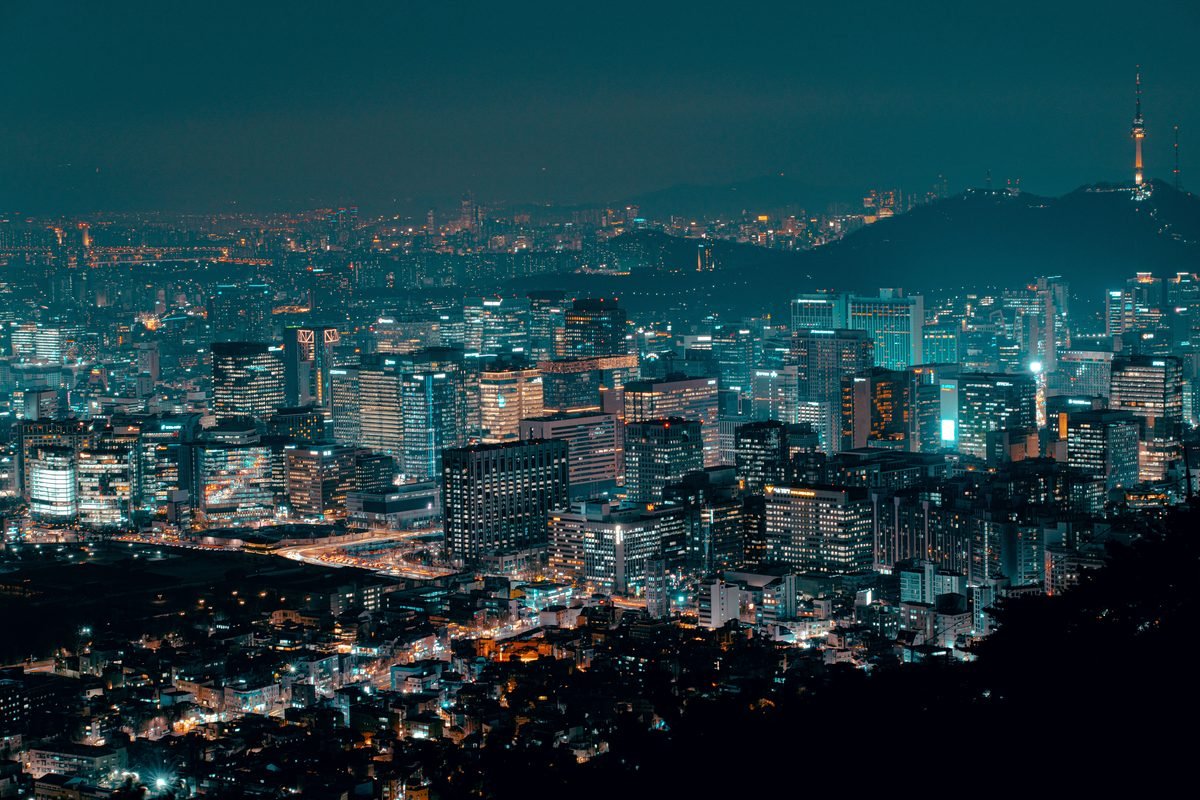
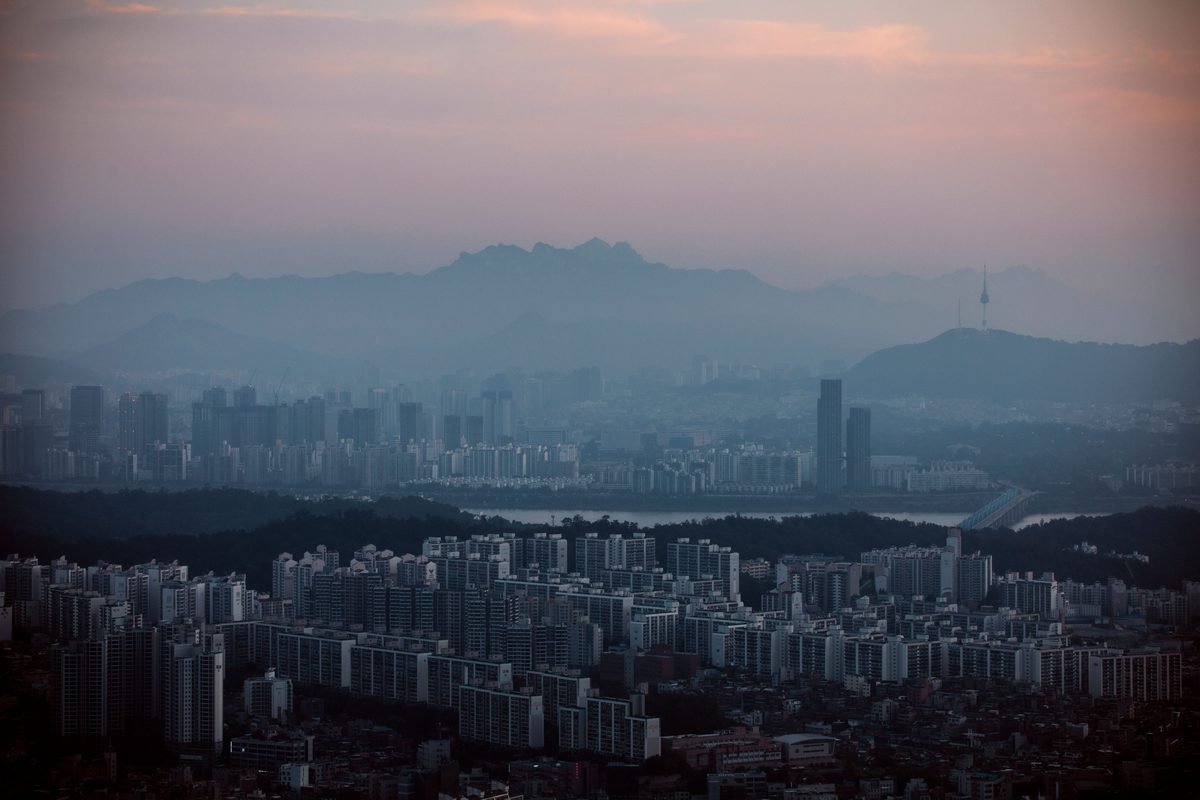
When choosing between Seoul’s two most famous eastern and central ridges, you are deciding between grand scale and historic intimacy. Namsan Mountain sits directly in the center of the city, rising 262 meters above sea level. It offers the most comprehensive 360-degree view of both the northern historical districts and the southern high-rises across the Han River. While many travelers pay ₩21,000 (about $15.50) to ride the elevator to the N Seoul Tower observatory, you can enjoy nearly identical views for free from the wide wooden observation decks surrounding the tower’s base. The main drawback of Namsan is its sheer popularity; the decks are often packed with tour groups and couples, making it difficult to find a quiet spot near the railings.
Naksan Park offers a completely different, quieter experience on the eastern edge of the old city. Rising to a modest 125 meters, Naksan is home to a beautifully restored section of the Seoul City Wall. This wall has history. Built in 1396, the stone barrier snakes along the ridge line, illuminated by soft ground lights that highlight the ancient masonry. The view from Naksan looks directly over the low-rise neighborhoods of Ihwa-dong and Changsin-dong, with the distant skyscrapers of Jongno forming a glittering backdrop. It feels much more intimate and local than Namsan. If you are planning your Seoul 3-day itinerary, adding an evening walk along Naksan is a great way to wind down.
Accessing these two parks also requires different levels of effort. Namsan requires either a steep 40-minute hike up paved paths, a ride on the Namsan Cable Car which costs ₩15,000 (about $11.10) for a round-trip ticket, or taking the yellow shuttle bus number 01. Naksan Park, on the other hand, is a pleasant 15-minute walk uphill from Hyehwa Station on Subway Line 4. The path winds through quiet residential streets and past local cafes, making the journey up feel like part of the adventure rather than a strenuous workout.
From a local: Naksan Wall Photo Trick
For the best photo of the Seoul City Wall at Naksan Park, walk through the small wooden gate in the wall to the outer side. The lights illuminate the exterior stones, creating a dramatic frame for the city lights behind them.
Ansan Jarak-gil versus Haneul Park views
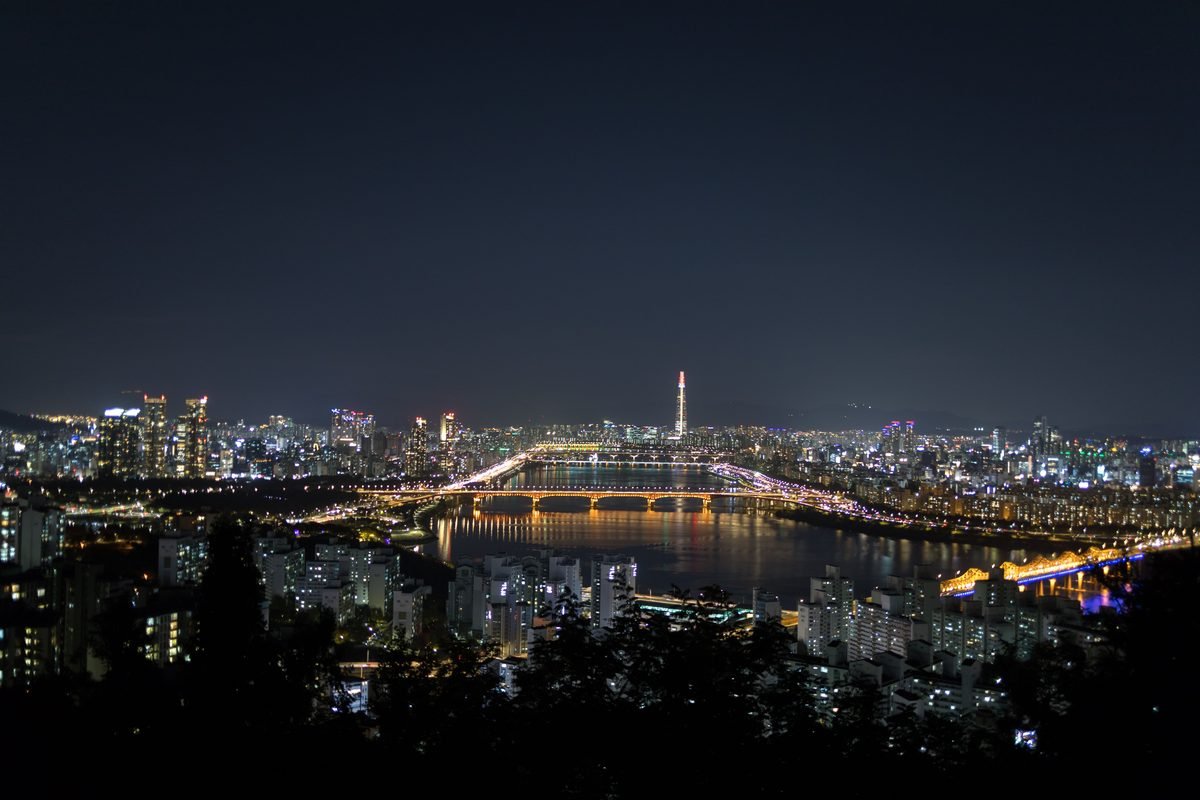
For travelers willing to venture slightly west of the traditional tourist centers, Ansan Mountain and Haneul Park offer two of the most spectacular, uncrowded vistas in the city. Ansan is famous for its Jarak-gil, a 7-kilometer elevated wooden boardwalk that wraps entirely around the mountain. This trail is incredibly progressive, featuring a flat, stair-free incline that makes it fully accessible to all travelers. Bring your own water. While the boardwalk itself is surrounded by dense forest, several clearing decks look out over Seodaemun-gu, Seodaemun Independence Park, and the distant dome of the National Assembly building in Yeouido. The view from the peak at the old beacon mound (Bongsudae) is particularly rewarding after dark, showing the heavy traffic of the Seongsan Bridge cutting across the Han River.
Haneul Park, which translates to Sky Park, sits on the banks of the Han River in Mapo-gu. Once a massive municipal landfill, this area was transformed into a beautiful ecological park for the 2002 World Cup. To reach the top, you must either climb a wooden staircase of 291 steps or purchase a ticket for the blue electric Maengkkongi (narrow-mouthed toad) shuttle. The shuttle costs ₩3,000 (about $2.20) for a round-trip ticket and operates until 8:00 PM. Once on the plateau, you are greeted by vast fields of silver grass that sway in the autumn wind.
The primary draw of Haneul Park is its unobstructed view of the southern bank of the Han River. From the western edge of the park, you can watch the traffic flow across the World Cup Bridge and the Gayang Bridge, both of which are lit in brilliant colors after sunset. It is a vast, open landscape that feels completely detached from the dense concrete canyons of central Seoul, making it a favorite spot for local landscape photographers.
Heads up: Park Closing Times
Haneul Park closes its gates at 10:00 PM to protect the local wildlife. The park rangers will begin broadcasting announcements in Korean and English around 9:30 PM to direct visitors toward the exit paths.
Where to eat near the viewpoints
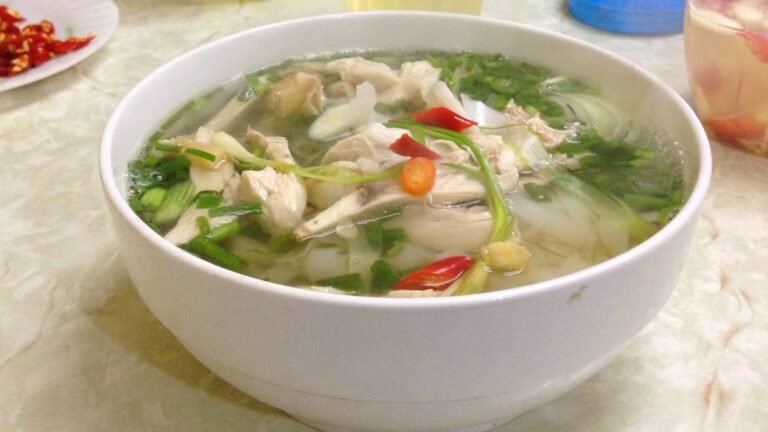
After spending an evening photographing the city lights, you will likely have worked up an appetite. Fortunately, Seoul’s late-night food culture is incredibly vibrant, with many local eateries remaining open past midnight. If you are visiting Naksan Park, you are just a short walk away from Hyehwa-dong, a lively university district filled with affordable restaurants. Here, you can find small joints serving hot bowls of kimchi stew or plates of crispy Korean fried chicken. Alternatively, you can walk south along the city wall to Dongdaemun, where you will find several 24-hour food alleys specializing in grilled fish and chicken soup.
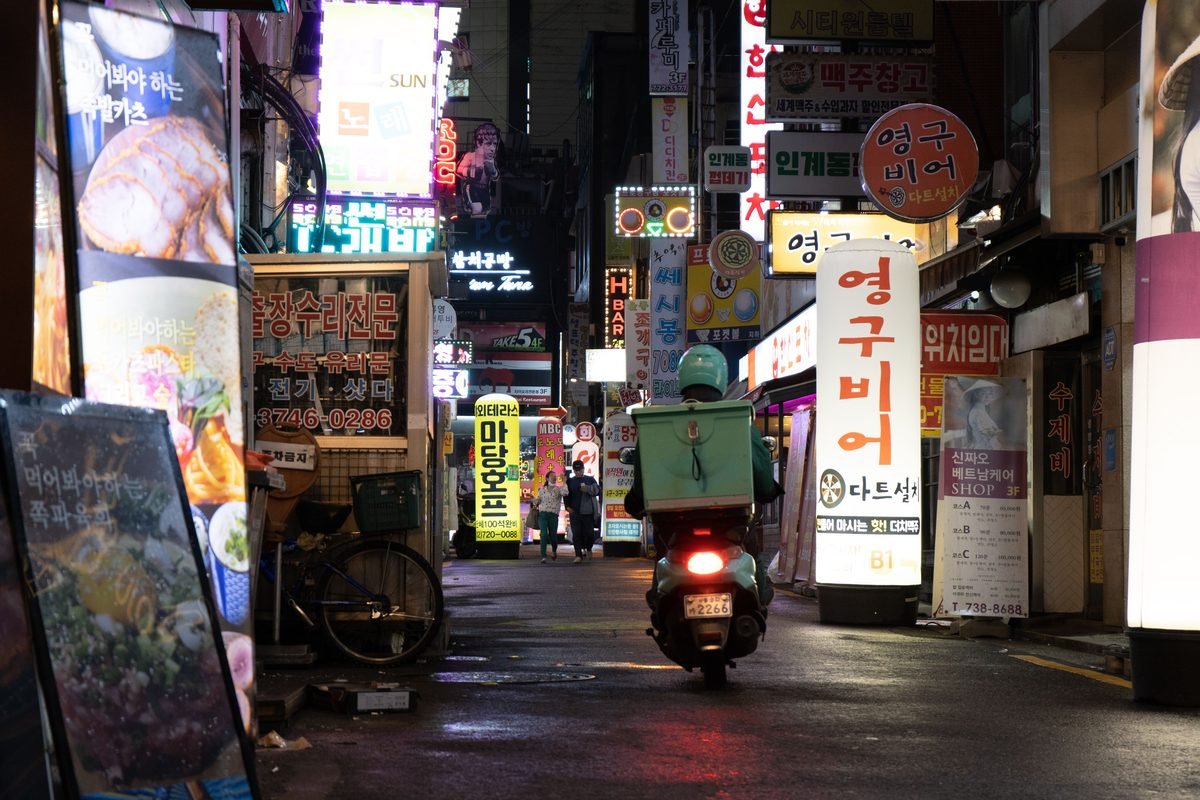
For those descending from Namsan, the neighborhood of Euljiro is an excellent stop for late-night dining. Located just north of the mountain, Euljiro is famous for its ‘nogari alleys,’ where local workers gather at plastic outdoor tables to drink draft beer and eat dried pollock fish. The atmosphere here is loud, friendly, and deeply local. A draft beer costs roughly ₩4,000 (about $2.95), and a plate of dried fish is about ₩3,000 (about $2.20). If you want something more substantial, the alleyways are filled with small restaurants serving spicy pork stir-fry and potato soup. The soup is spicy. It pairs perfectly with a cold drink after a long walk.
If you choose to watch the sunset from Haneul Park, head directly to the nearby neighborhood of Mangwon-dong. Mangwon Market is a fantastic place to graze on street food before the vendors close around 8:30 PM. You can pick up hand-made croquettes for ₩1,500 (about $1.11) or a cup of sweet and sour fried chicken for ₩5,000 (about $3.70). After the market closes, the surrounding streets remain active with trendy small bars and izakayas serving craft beer and modern Korean bites until the early hours of the morning.
From a local: Finding Euljiro's Best Spots
In Euljiro, many of the best restaurants are hidden on the second or third floors of old industrial print shops. Look for small, glowing acrylic signs or listen for the sound of chatter coming from the upper windows.
Practical tips for night hiking in Seoul
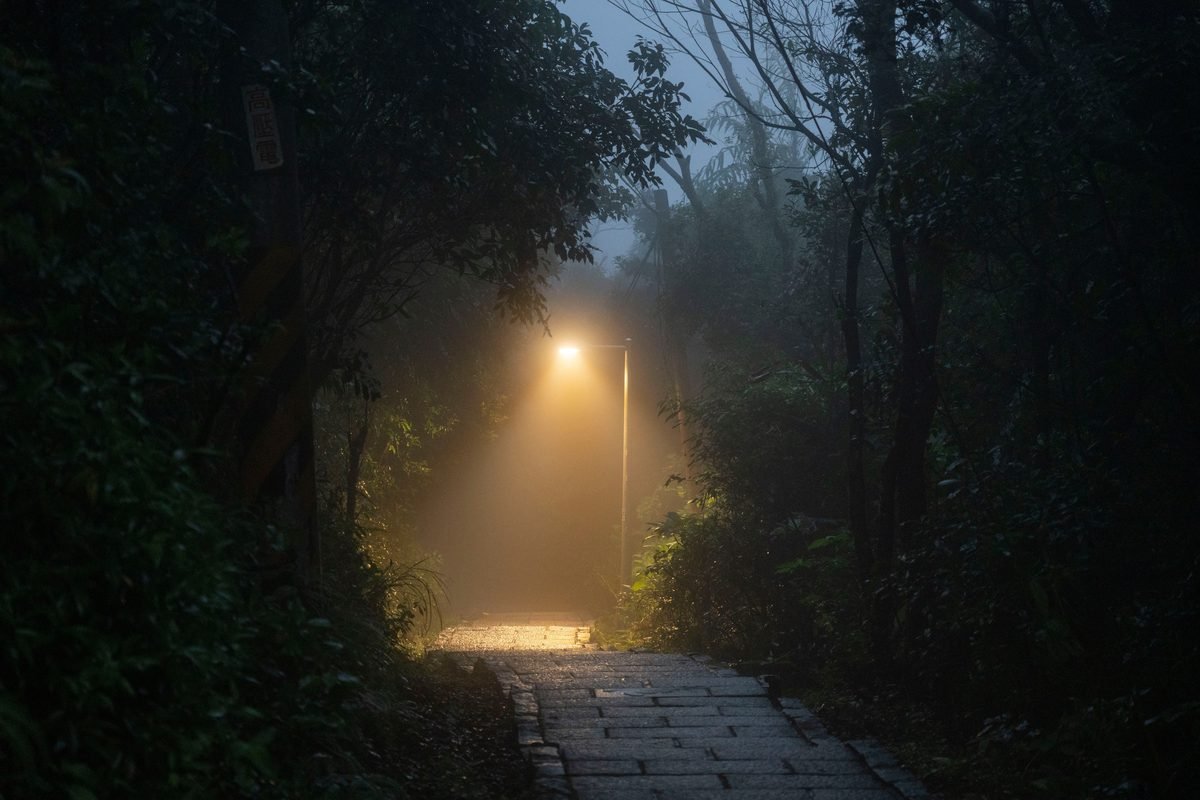
While Seoul is an exceptionally safe city with low crime rates, hiking its peaks after dark still requires a basic level of preparation. Unlike major tourist avenues, mountain trails can become pitch black once you step away from the main observation decks. The boardwalk on Ansan Jarak-gil is partially lit, but some connecting paths are not. It is highly recommended to carry a small flashlight or ensure your phone is fully charged so you can use its built-in torch if needed. Carry a transit card. Having your T-money card handy ensures you can quickly hop on a bus if you exit the trail on a different side of the mountain than expected.
Temperature drops are another factor to consider when planning an evening outing in September. While daytime temperatures can be quite warm, the air cools rapidly once the sun sets, especially at higher elevations like the top of Namsan. A gentle breeze on a mountain ridge can make it feel several degrees colder than the city streets below. Wearing layers is the best way to stay comfortable; a light windbreaker or a fleece jacket packed in your daypack will make a massive difference while you are standing still waiting for the perfect photo.
Finally, keep a close eye on your mobile phone’s battery life. Running navigation apps like Naver Map, taking long-exposure photos, and operating in cooler temperatures will drain your battery much faster than usual. Carrying a small, portable power bank is a lifesaver. If your phone dies, navigating the winding mountain trails and finding the correct bus stop to get home becomes significantly more challenging. Most convenience stores sell basic charging cables and pre-charged disposable batteries for about ₩6,000 (about $4.40) if you find yourself in an emergency.

What it costs in Seoul
| Item | Local price | USD |
|---|---|---|
| T-money transit card (blank) | ₩4,000 | about $2.95 |
| Subway base fare (single ride) | ₩1,550 | about $1.15 |
| Night bus fare (Owl Bus) | ₩2,500 | about $1.85 |
| Haneul Park electric shuttle (round-trip) | ₩3,000 | about $2.20 |
| Euljiro draft beer and dried fish snack | ₩7,000 | about $5.15 |
| Late-night neighborhood dinner | ₩12,000 | about $8.85 |
| Mid-range business hotel night (per person share) | ₩55,000 | about $40.50 |
| Total realistic evening budget | ₩85,050 | about $62.60 |
Prices checked September 2026. Always confirm with the provider before you book.
Mistakes to avoid
- Relying on Google Maps for walking directions up the mountain trails, which often leads to dead ends or outdated paths instead of using Naver Map.
- Paying for the N Seoul Tower observatory ticket when the free wooden decks below offer almost identical 360-degree views of the city skyline.
- Forgetting to bring a light jacket or windbreaker in September, as ridge-line winds make the mountain peaks significantly colder than the streets below.
FAQ
What are the best Seoul night view spots for photography?
Naksan Park offers the most atmospheric photos because of the lit ancient city wall framing the modern skyline. For grand scale and Han River bridge lights, Haneul Park and the decks below N Seoul Tower are unmatched.
How late does the Seoul subway run?
Subway lines generally operate until midnight or 1:00 AM on weekdays, and shut down around midnight on weekends. If you miss the last train, look for the late-night Owl Buses marked with an ‘N’ prefix.
Is it safe to hike Seoul mountains at night?
Yes, Seoul is incredibly safe and violent crime is extremely rare. However, many trails are poorly lit, so you should stick to the main paved paths or wooden boardwalks and carry a phone light.
How much does it cost to visit Naksan Park?
Entry to Naksan Park and the historic Seoul City Wall is completely free of charge. You only need to pay for your standard transit fare to reach Hyehwa Station.
Can you drink alcohol at the night view spots?
While casual drinking of convenience store beers is common at Han River parks, it is generally discouraged on mountain trails and historic sites like the city walls. It is best to save the drinks for the Euljiro nogari alleys after your walk.