Seoul First Time Itinerary: 4 Days Like a Local

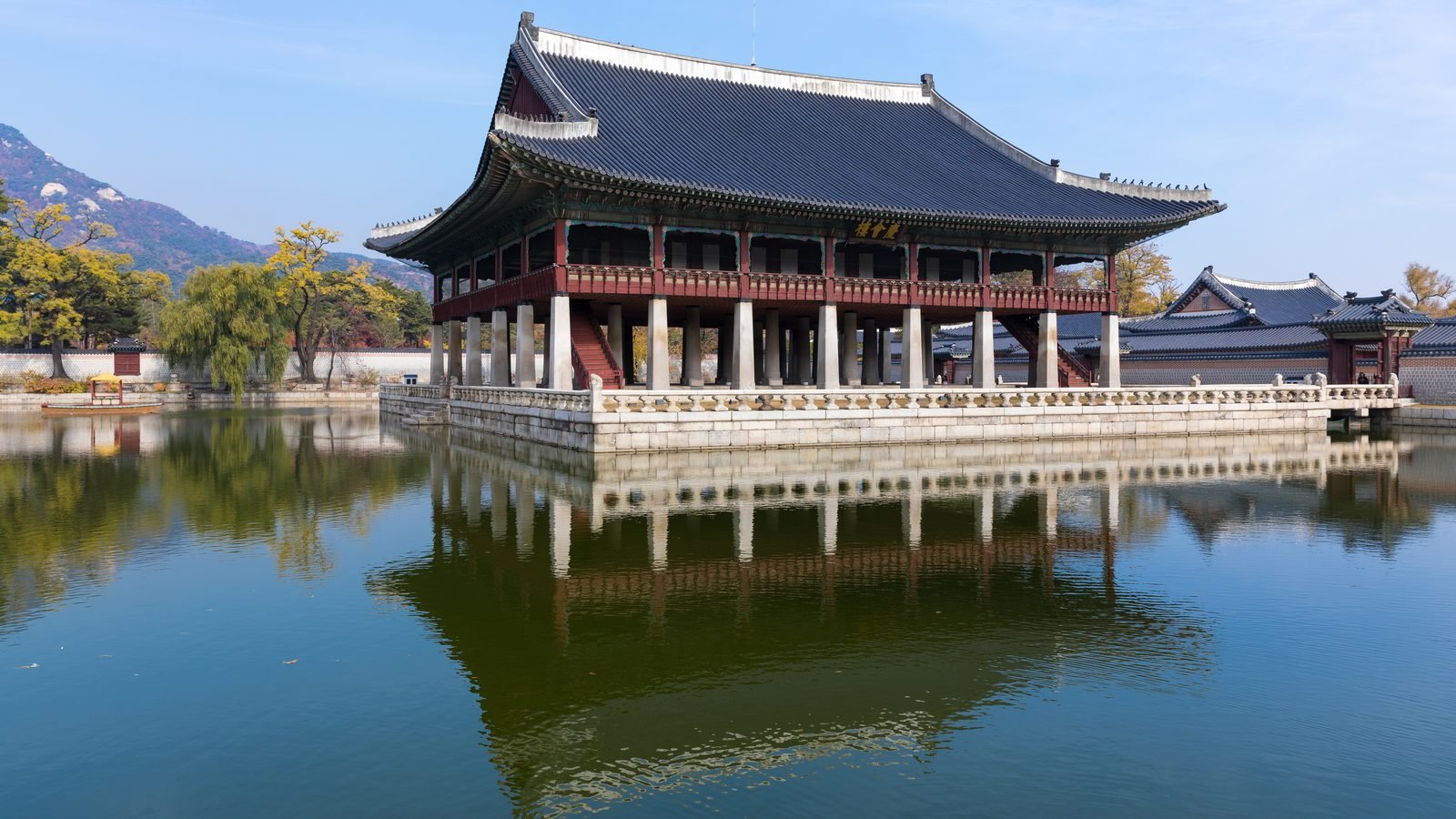
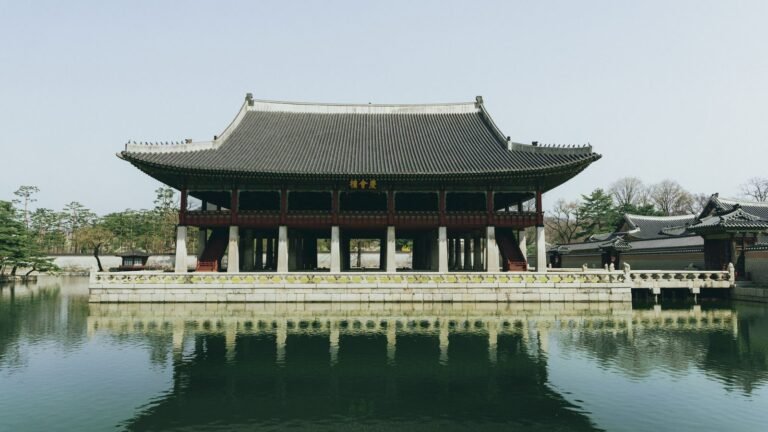
At 8:30 AM on a Wednesday, Gyeongbokgung Palace is silent except for the crunch of gravel underfoot and the occasional chime of wind bells from the pavilion eaves. By 11:00 AM, tour buses will clog Sajik-ro and hundreds of visitors in polyester rental hanbok will swarm the main throne hall. Living here in Seoul has taught me that timing is everything. The city rewards anyone who knows how to dodge the tour bus waves.
This realistic Seoul first time itinerary 4 days is built for independent travelers who want substance over checklist sightseeing. You will explore historic royal courtyards before crowds arrive, trade the sterile commercial malls of Gangnam for the converted red-brick industrial alleys of Seongsu-dong, and eat where neighborhood office workers actually line up for dinner.
How to get to central Seoul and navigate the transit network
Touching down at Incheon International Airport (ICN), you have two sensible rail options into the city center. The AREX Express train runs non-stop to Seoul Station in 43 minutes for ₩11,000 (about $8.20). The All-Stop commuter train takes roughly 59 minutes, stops at 14 stations including Hongik University (Hongdae), and costs ₩4,750 (about $3.50). The train is direct. If your hotel is in Mapo or western Seoul, the All-Stop line saves you a transfer.
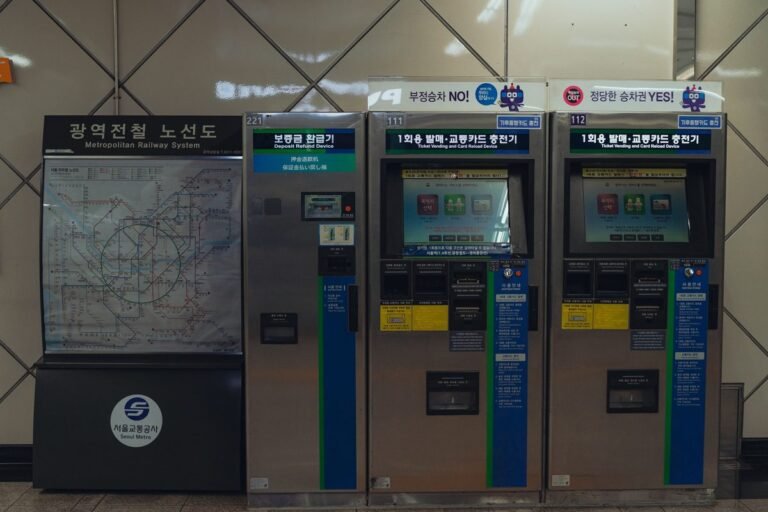
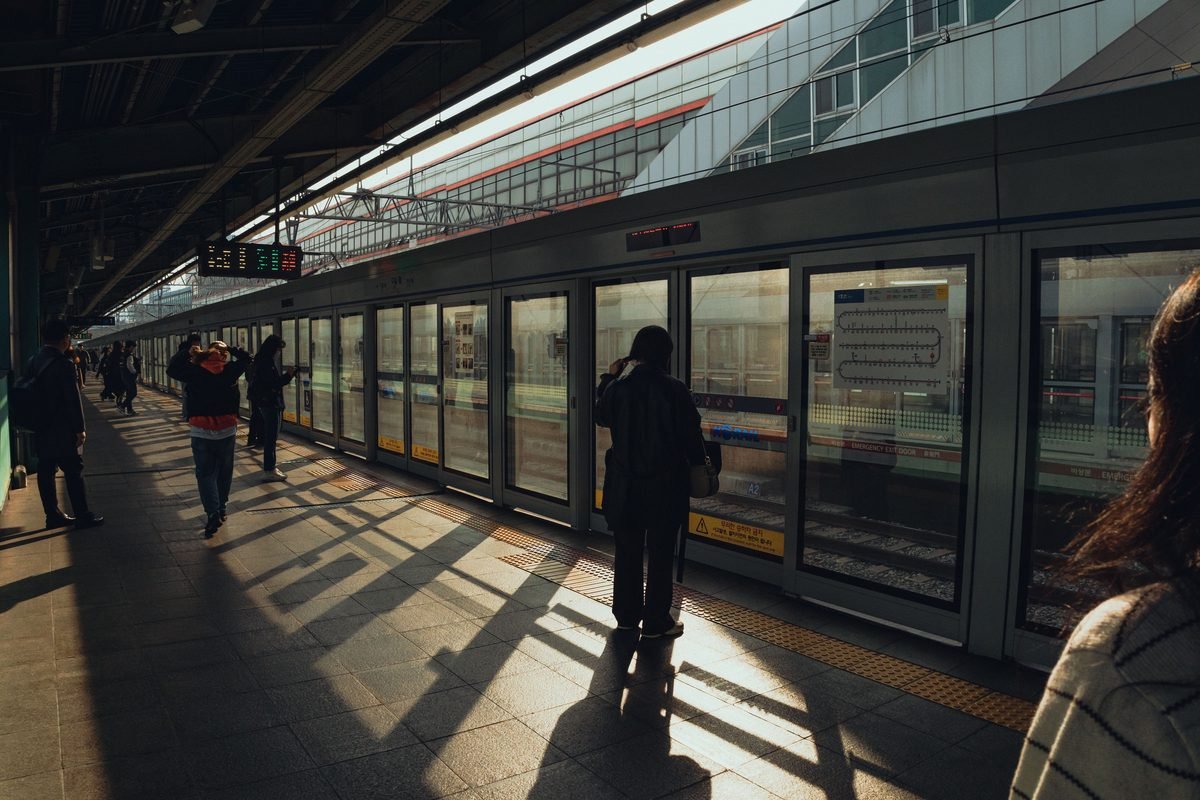
Before leaving the airport terminal, buy a physical T-money card at any convenience store (CU, GS25, or 7-Eleven) for roughly ₩4,000 (about $3.00). You must load it with Korean Won cash at station ticket kiosks, as foreign credit cards do not work at top-up machines. The base subway fare in Seoul is ₩1,550 (about $1.15) for journeys up to 10 kilometers, while city buses start at ₩1,500 (about $1.10). Tap your card on entry and tap again on exit to calculate transfer discounts.
Forget Google Maps once you land. South Korean security laws restrict geographic data exports, meaning Google Maps cannot provide walking or transit routing. Instead, download Naver Map or KakaoMap before boarding your flight. Both apps offer complete English interfaces, real-time bus arrivals, and accurate subway platform transfer car suggestions that shave precious minutes off every journey across this sprawling metropolis.
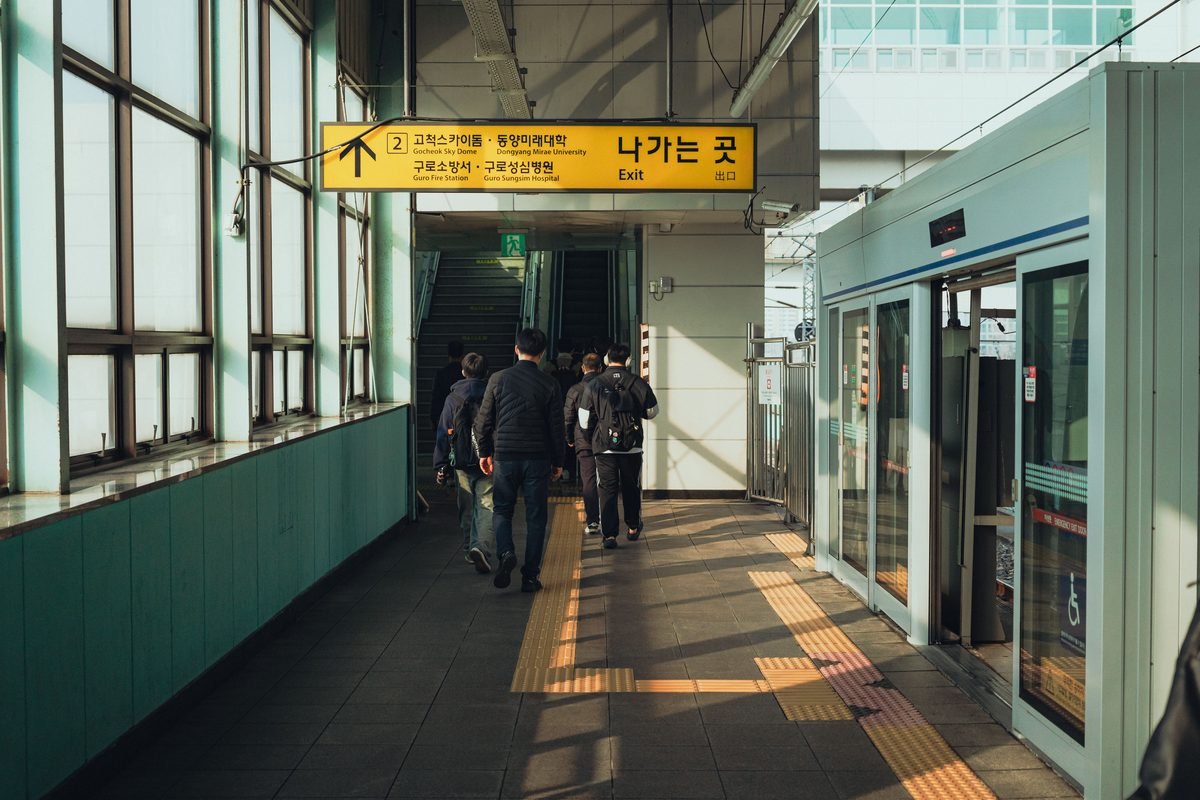
Tip: Cash Top-Ups Only
Subway kiosks accept only cash for T-money top-ups. Withdraw ₩50,000 (about $37) at an airport ATM before heading down to the rail platforms.
When to visit Seoul for manageable weather and clear skies
Autumn from mid-September through early November is hands down the finest window to visit Seoul. Daily temperatures hover between 15°C and 22°C (59°F–72°F), humidity drops sharply, and the mountain ridges framing the city turn brilliant shades of crimson and ochre. September brings crisp blue skies, making long walks between Anguk and Euljiro effortless. Spring from April to May is equally pleasant, though occasional yellow dust storms blowing from the Gobi Desert can degrade air quality for a day or two.
Summers should be approached with caution. July and August bring the monsoon season (jangma), characterized by torrential downpours, relentless humidity, and temperatures exceeding 32°C (90°F). Walking uphill through Bukchon in August is an exercise in endurance. Winter from December through February is piercingly dry and cold, with Siberian winds pushing temperatures below -10°C (14°F). If you do visit in winter, the city is peaceful and uncrowded, but you will need heavy down jackets, thermal layers, and insulated footwear.
Timing your week matters just as much as picking the right season. Many major museums, royal palaces, and independent cafes across Jongno close on Mondays or Tuesdays. Gyeongbokgung is closed on Tuesdays, while Changdeokgung shuts its gates on Mondays. Plan your historical sightseeing on Wednesday or Thursday morning to enjoy open gates without the massive domestic weekend crowds.
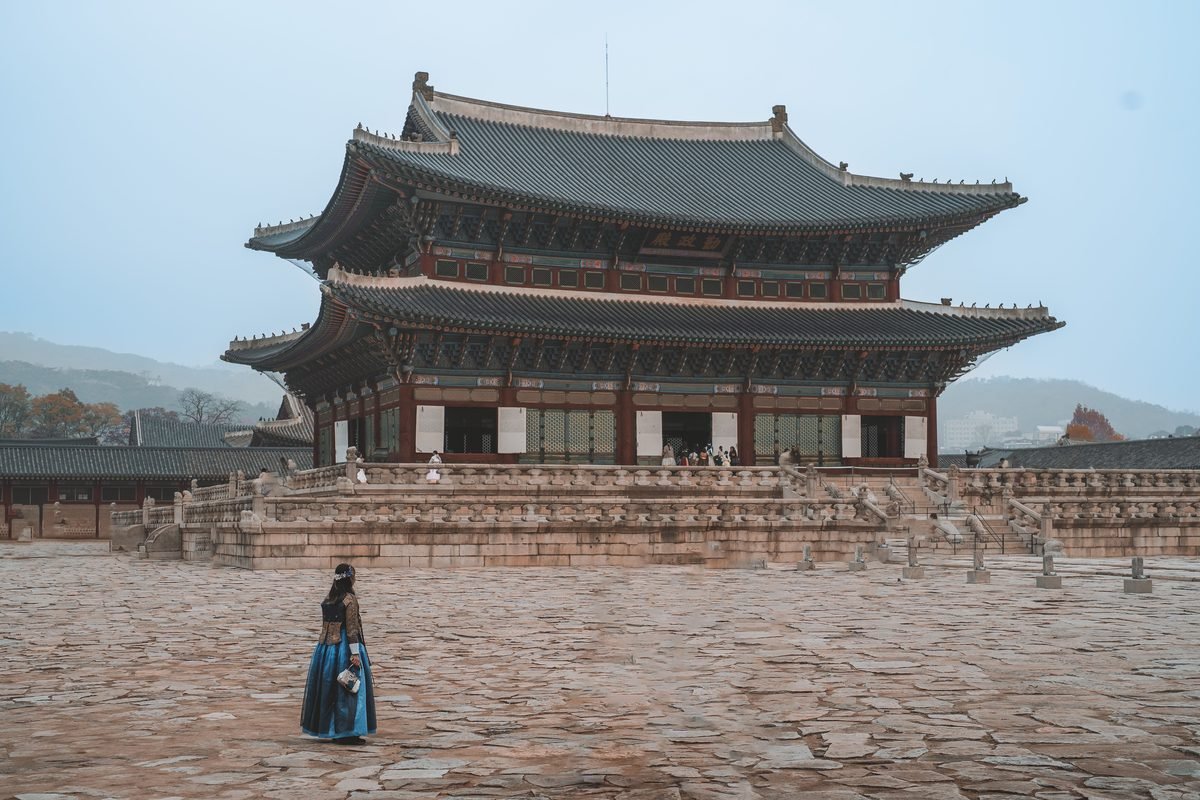
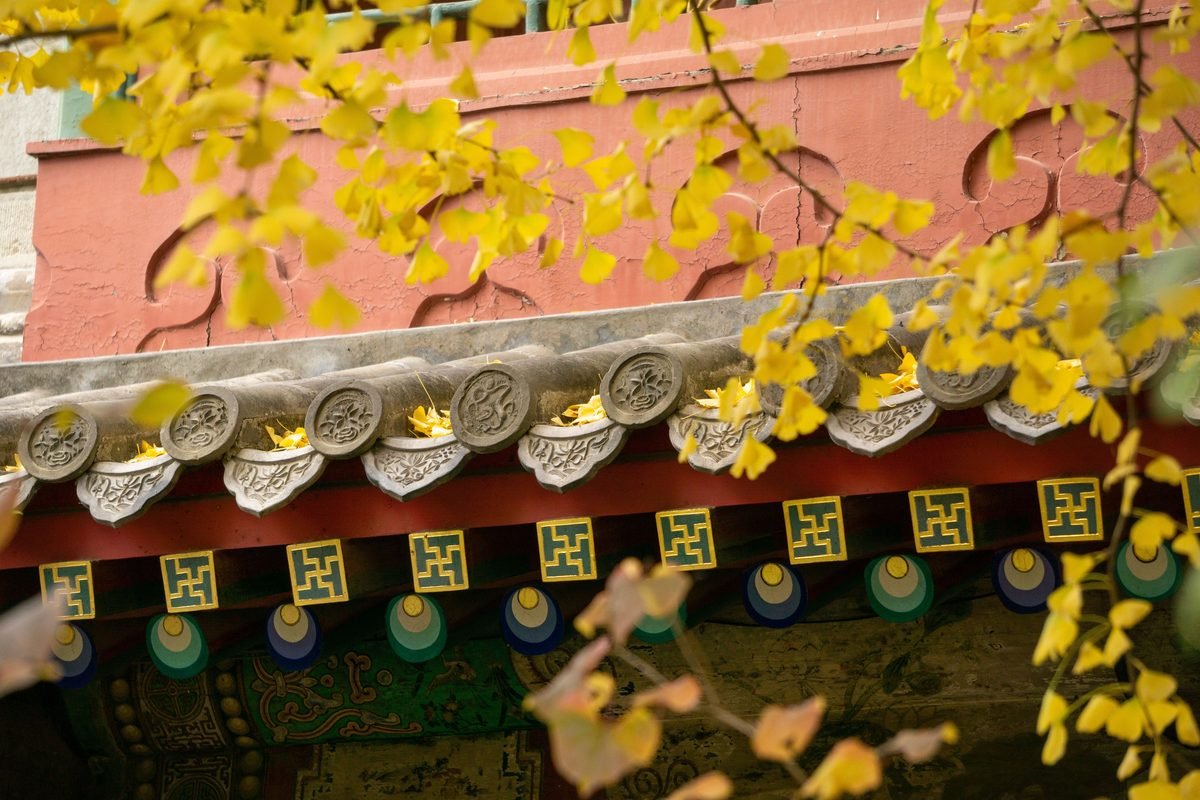
From a local: Palace Closing Days
Gyeongbokgung closes Tuesdays, while Changdeokgung closes Mondays. Keep this schedule in mind so you never arrive to locked wooden gates.
Days 1 and 2: Historic palaces, Samcheong-dong, and Euljiro alleys
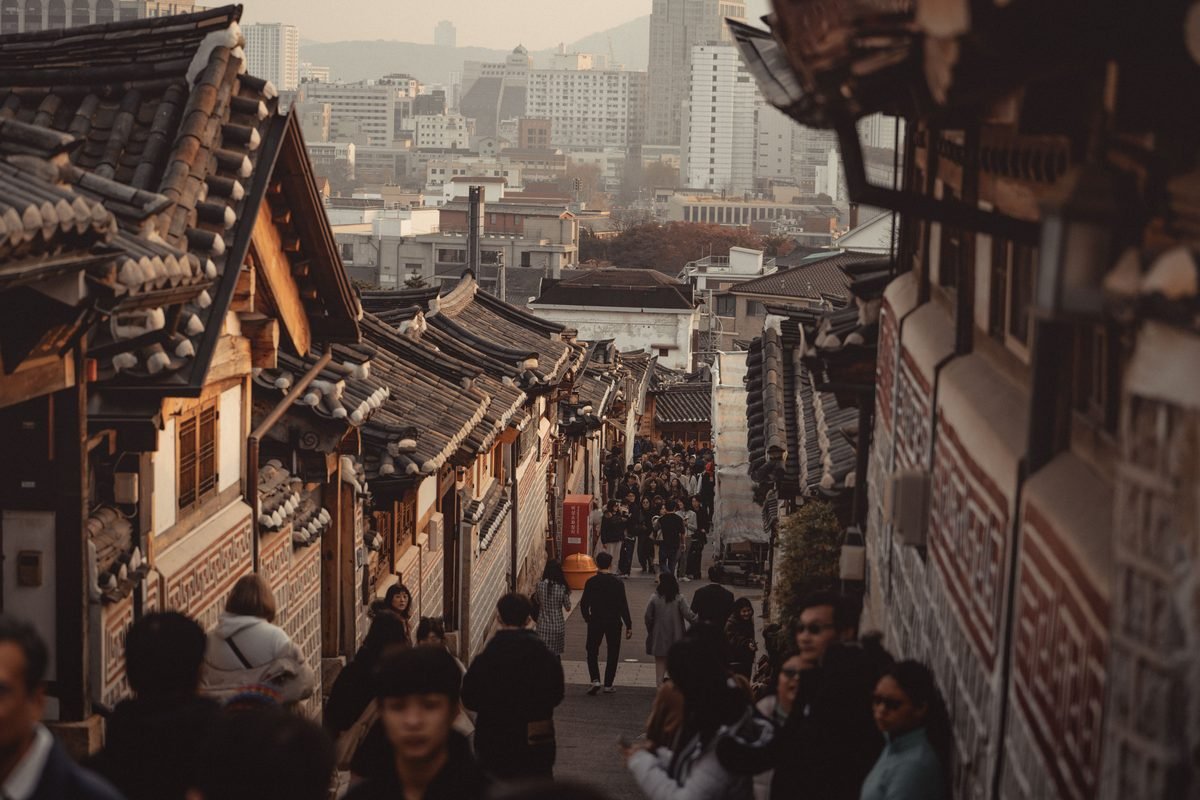
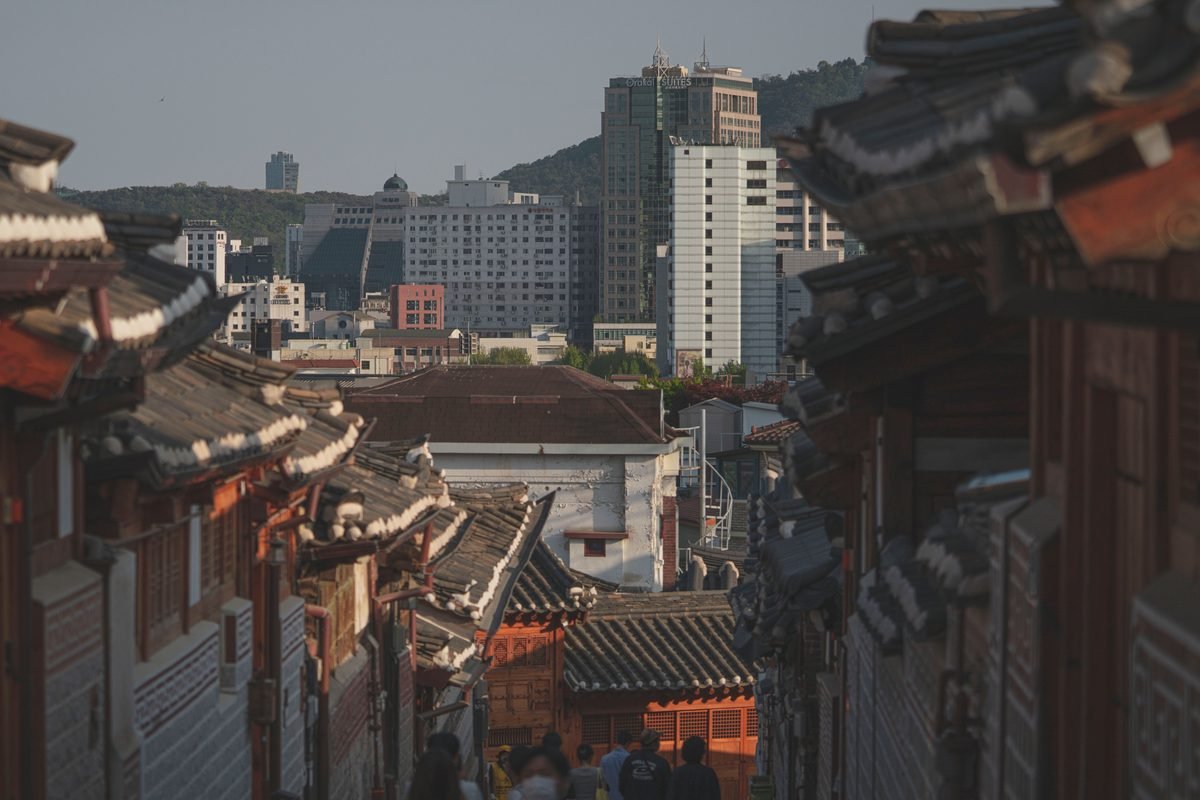
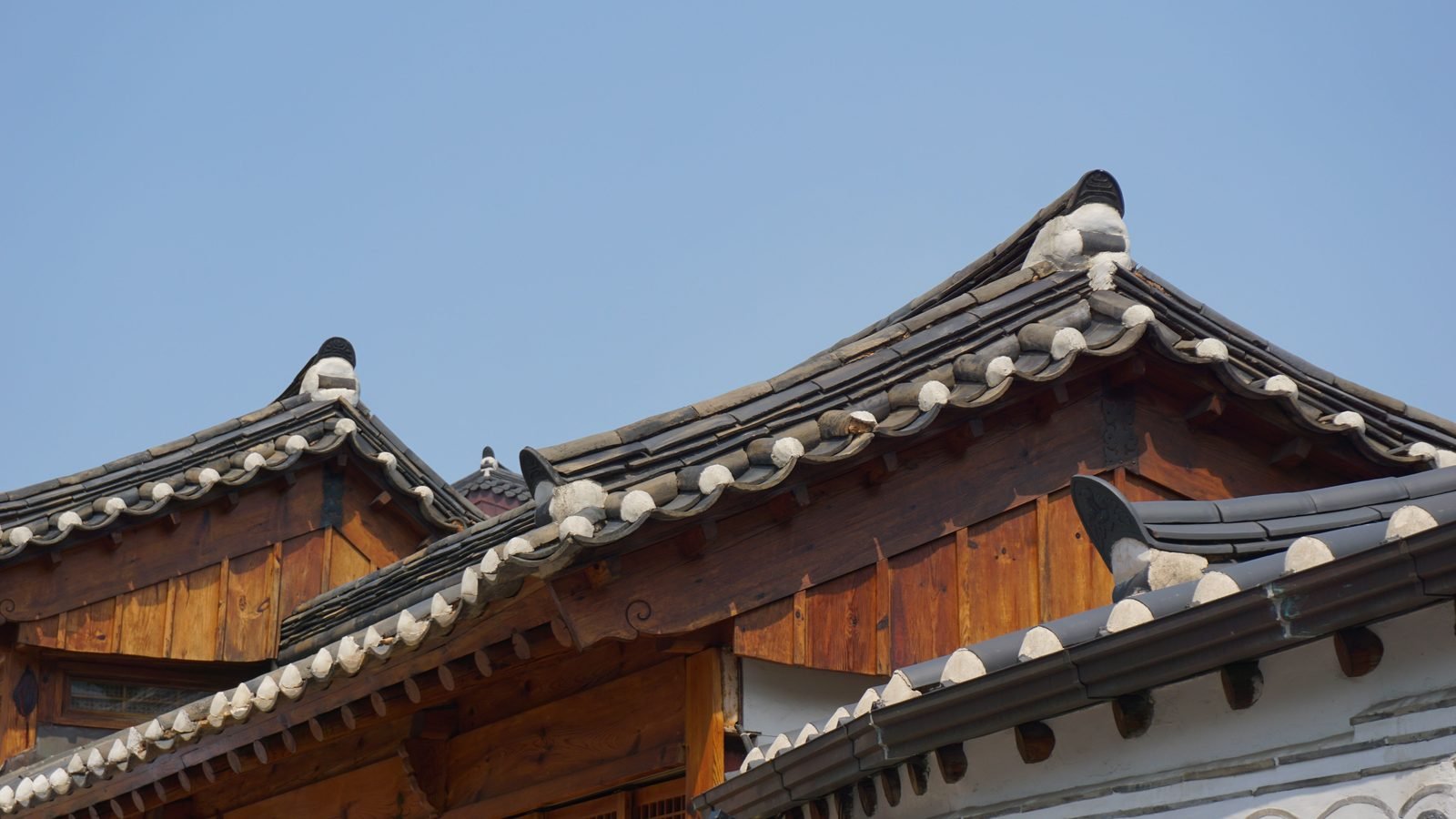
Begin your first morning at 9:00 AM at Gyeongbokgung Palace. Entry is ₩3,000 (about $2.25). By starting the minute the gates open on a weekday, you will have the serene northern pavilions like Hyangwonjeong almost entirely to yourself. From the east gate, walk through the quiet residential lanes of Samcheong-dong, stopping at a traditional tea house for warm roasted barley tea and rice cakes before exploring the traditional tiled rooftops of Bukchon Hanok Village. Keep your voice down here; local residents live in these historic homes.
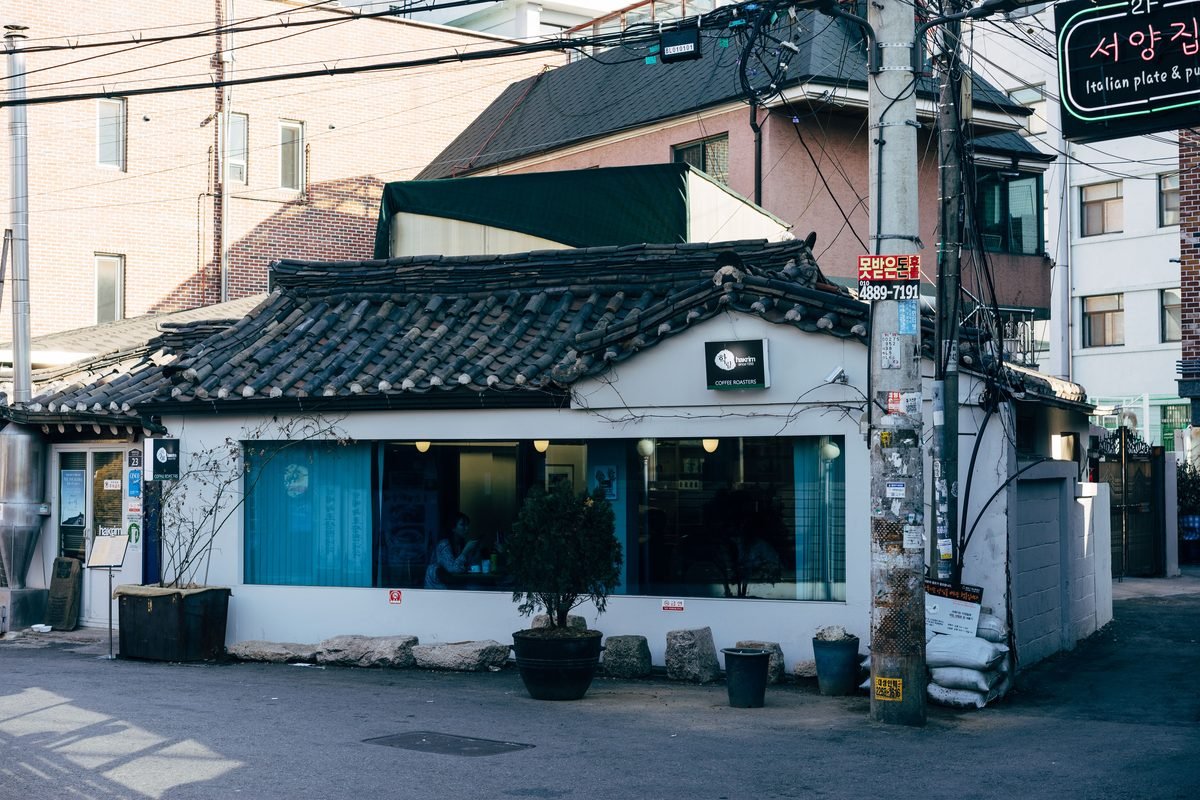
For the afternoon, cross Anguk Station into Ikseon-dong. This tightly woven grid of 1920s hanok structures has been converted into modern bakeries, craft breweries, and leather workshops. Grab a pour-over drip coffee at a courtyard roastery for about ₩6,500 (about $4.85), then wander south toward the Cheonggyecheon stream as dusk falls. The sunken waterway offers a peaceful pedestrian corridor straight through downtown.
Spend your second day delving into royal heritage at Changdeokgung Palace and its Secret Garden (Huwon), which requires advance booking for ₩8,000 (about $6.00) total. Afterwards, transition from old Joseon to gritty industrial Seoul by walking through Euljiro. Nicknamed ‘Hipjiro’, this working-class metal-printing district hides cocktail bars, retro vinyl listening lounges, and natural wine spots behind unmarked steel doors and up dimly lit concrete stairwells. It offers a raw, authentic contrast to sanitized tourist districts.
Book ahead: Secret Garden Tickets
Changdeokgung Secret Garden slots open six days in advance at 10:00 AM KST online. Reserve early because guided English slots fill within minutes.
Days 3 and 4: Seongsu-dong industrial charm, Hannam-dong, and Hongdae
Skip the sprawling corporate malls of Gangnam on day three and take Line 2 directly to Seongsu-dong. Once Seoul’s primary shoe manufacturing hub, this district has transformed into the city’s creative center. Massive red-brick warehouses now house concept retail flagships, indie fragrance boutiques, and high-ceilinged cafe complexes like Daelim Changgo. Spend the morning wandering Yeonmujang-gil, where fashion pop-up stores rotate weekly. Seongsu moves fast. You will find forward-thinking architecture alongside grease-stained auto mechanics who have worked these corners for forty years.
In the late afternoon, take a 20-minute bus ride west along the river to Hannam-dong, situated on the gentle southern slopes of Namsan. This neighborhood blends low-slung residential charm with upscale fashion boutiques, independent art galleries, and ceramic studios along Hannam-daero. It is an exceptional neighborhood for an unhurried dinner, housing some of Seoul’s finest modern Korean bistros, wood-fired pizzerias, and specialty cocktail bars that avoid the commercial chaos of Myeongdong.
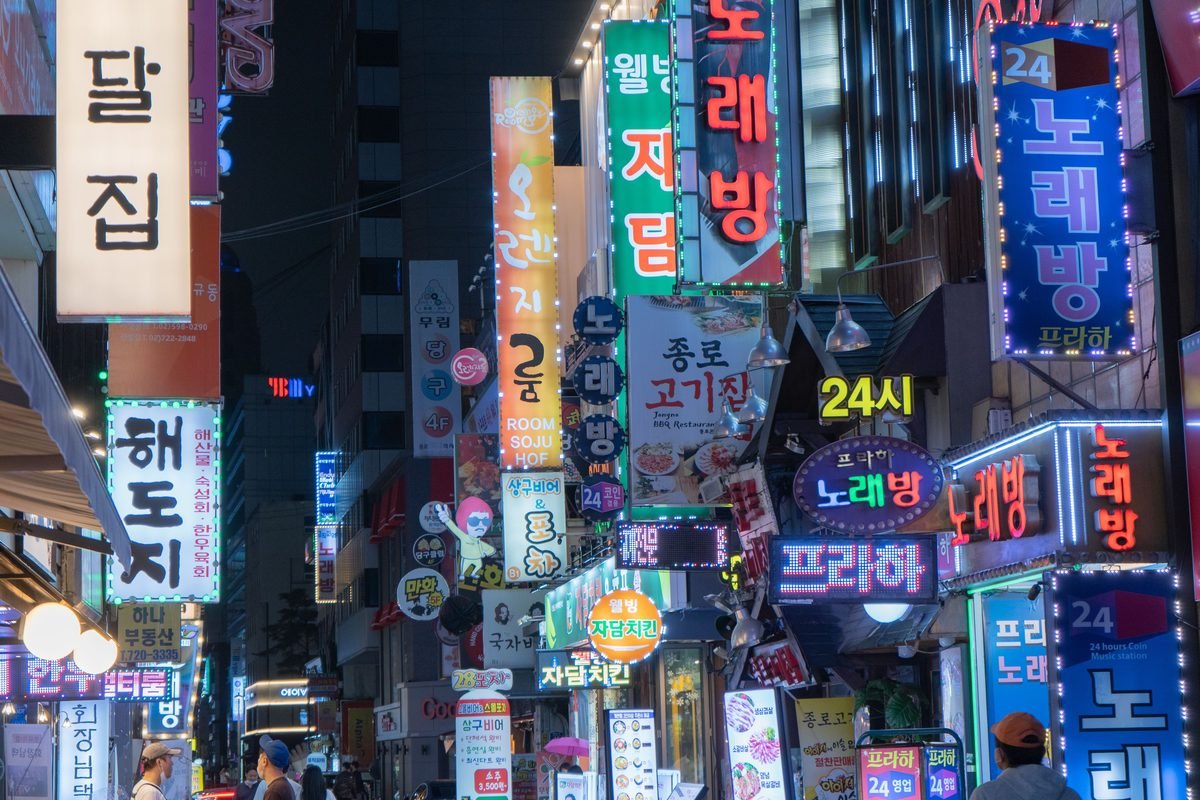
Dedicate your final day to the creative energy of the west. Start in Yeonnam-dong, strolling the Gyeongui Line Forest Park—a repurposed railway line transformed into a linear green park lined with micro-roasteries. In the evening, head into Hongdae to see student indie bands busking along the pedestrian thoroughfares. Wrap up your four days with a nighttime hike or cable car ride up Namsan to N Seoul Tower. The sweeping 360-degree view of the endless neon grid below puts the sheer scale of this city into perspective.
Where to eat in Seoul: Casual dining without the tourist markups
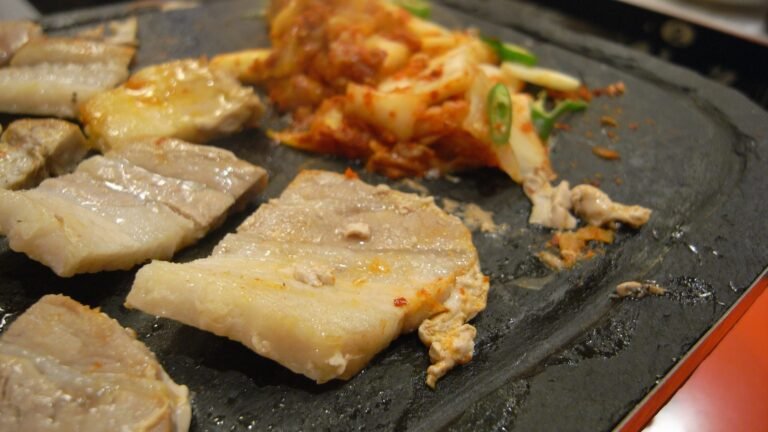
Korean food is communal, intense, and deeply tied to neighborhood specialties. For an authentic first dinner, seek out a samgyeopsal (thick-cut pork belly) barbecue restaurant in Mapo-gu or Jongno. Expect to pay roughly ₩17,000 (about $12.75) per 180-gram portion, served with unlimited lettuce wraps, fermented kimchi, raw garlic, and spicy soybean paste. Order two portions minimum per table, grill the meat over real charcoal, and pair it with a bottle of crisp local lager for ₩5,000 (about $3.75).
For lunch between palace explorations, skip tourist buffet restaurants and walk into any neighborhood gukbap (pork or beef rice soup) shop. A steaming stone bowl of dwaeji gukbap costs around ₩10,000 (about $7.50) and comes bubbling hot with seasoned leeks, diced radish kimchi (kkakdugi), and salted shrimp to adjust the broth to your liking. It is hearty, fast, and comforting food eaten daily by city workers.
Street food requires a discerning eye. While Myeongdong Night Market offers flashy skewers and lobster tails, prices are inflated and the atmosphere is thoroughly commercial. Head instead to Gwangjang Market for classic dishes. Pull up a wooden bench at stall rows in the central junction and order freshly fried bindaetteok (mung bean pancake) for ₩5,000 (about $3.75) and a plate of hand-rolled mayak gimbap for ₩3,000 (about $2.25). Wash it down with a bowl of cloudy, effervescent rice wine (makgeolli) for ₩4,000 (about $3.00).
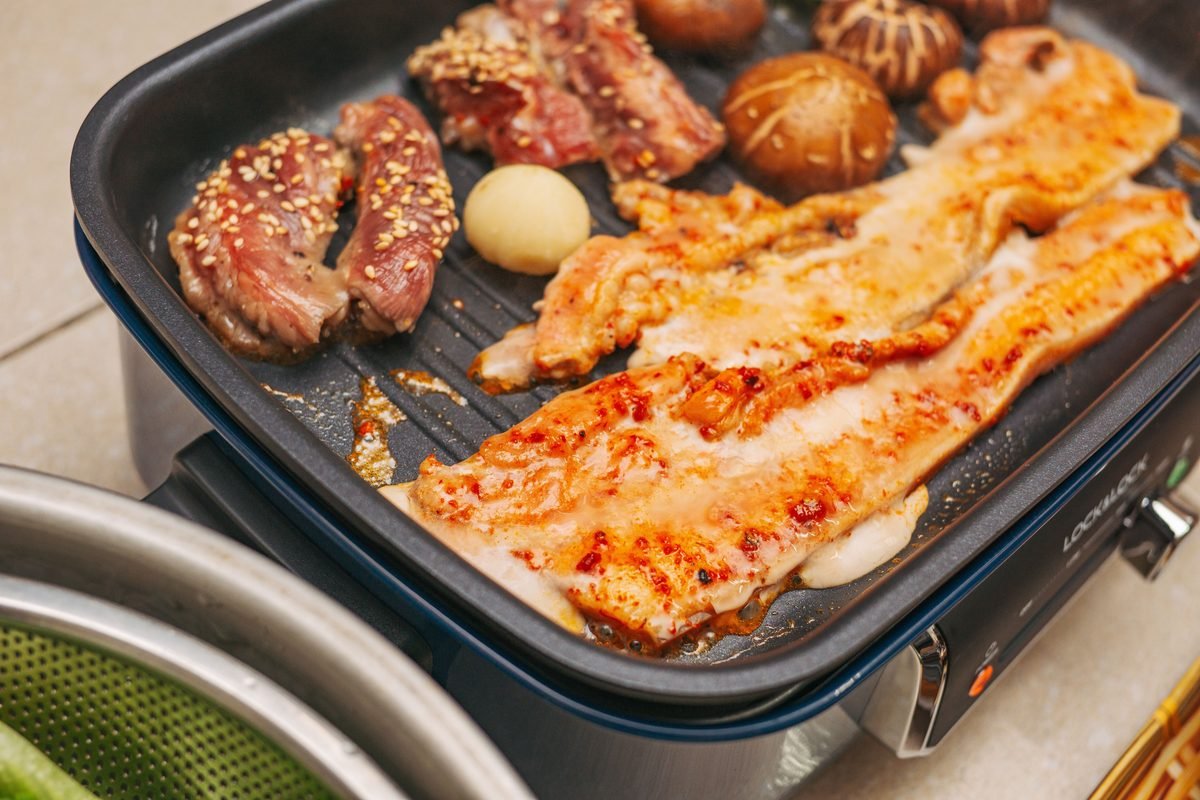
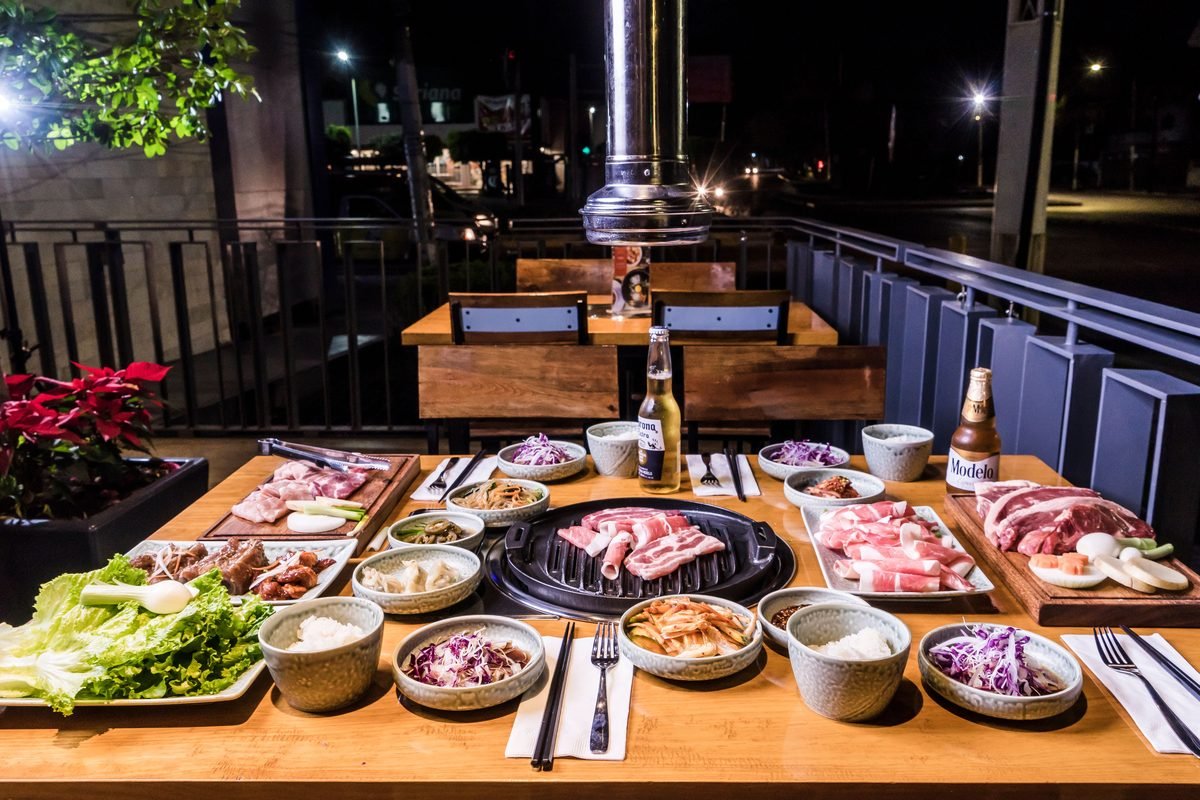
Tip: Minimum Meat Orders
Most Korean BBQ spots require a minimum order of two servings of meat to start, even if you are dining solo. Order two different cuts to try more flavors.
Practical survival tips for your first trip to South Korea
Cash is rarely needed for everyday shopping, but keeping small bills on hand is essential for street markets and your T-money card top-ups. International credit cards with no foreign transaction fees work seamlessly at almost every cafe, supermarket, department store, and taxi across Seoul. When paying by card at automated kiosks, always select Korean Won rather than your home currency to avoid dynamic currency conversion fees that tack on an extra 3 to 5 percent.
Staying connected is critical due to your reliance on digital mapping apps. Pick up an unlimited data eSIM before departure or rent a pocket Wi-Fi router at Incheon Airport for roughly ₩4,400 (about $3.30) per day. If you choose an eSIM, make sure your smartphone is carrier-unlocked prior to leaving home. Local public Wi-Fi is fast and widespread across subways and public squares, but having continuous mobile data ensures you never miss a connecting bus transfer.
Trash cans are notoriously rare on Seoul streets due to municipal waste management laws. Carry a small plastic bag in your daypack to hold coffee cups and snack wrappers until you return to your hotel or pass through a subway station where sorting bins are located. Finally, be mindful of seating etiquette on public transit. The brightly marked seats at the ends of subway cars are strictly reserved for elderly, disabled, and pregnant passengers; locals leave them empty even during peak rush hour.
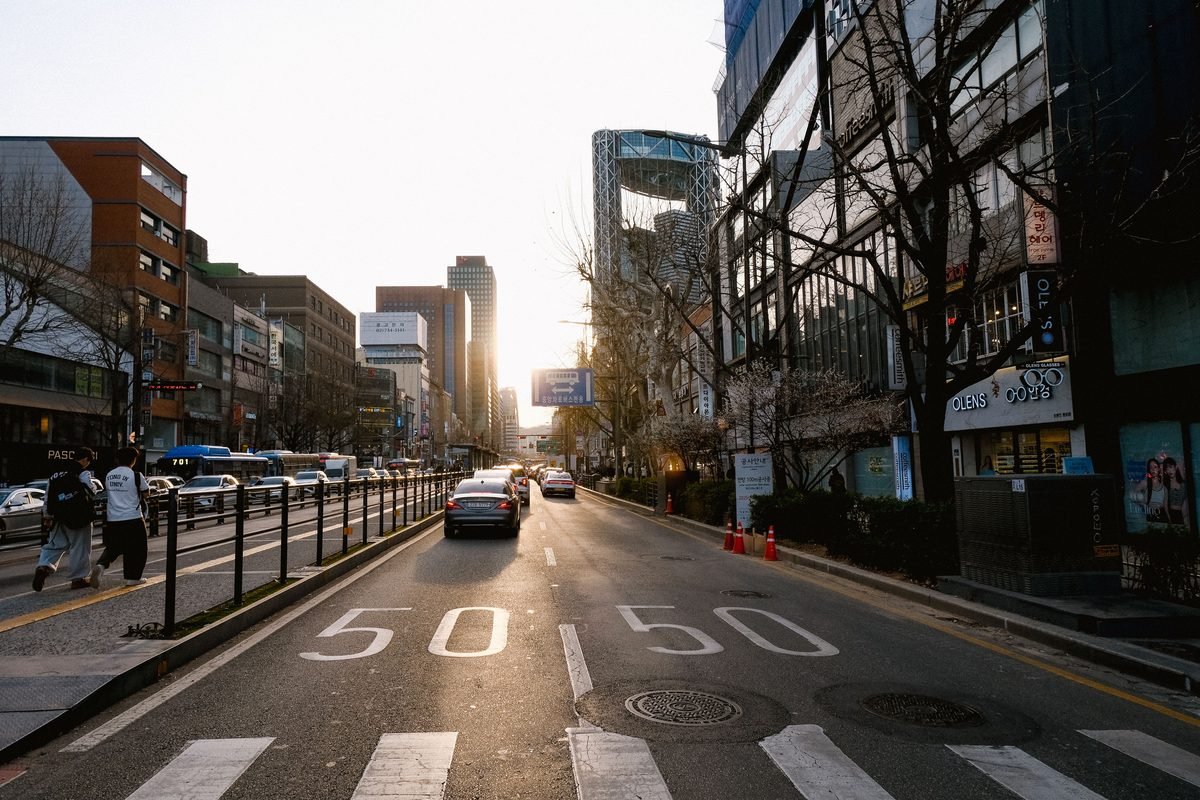
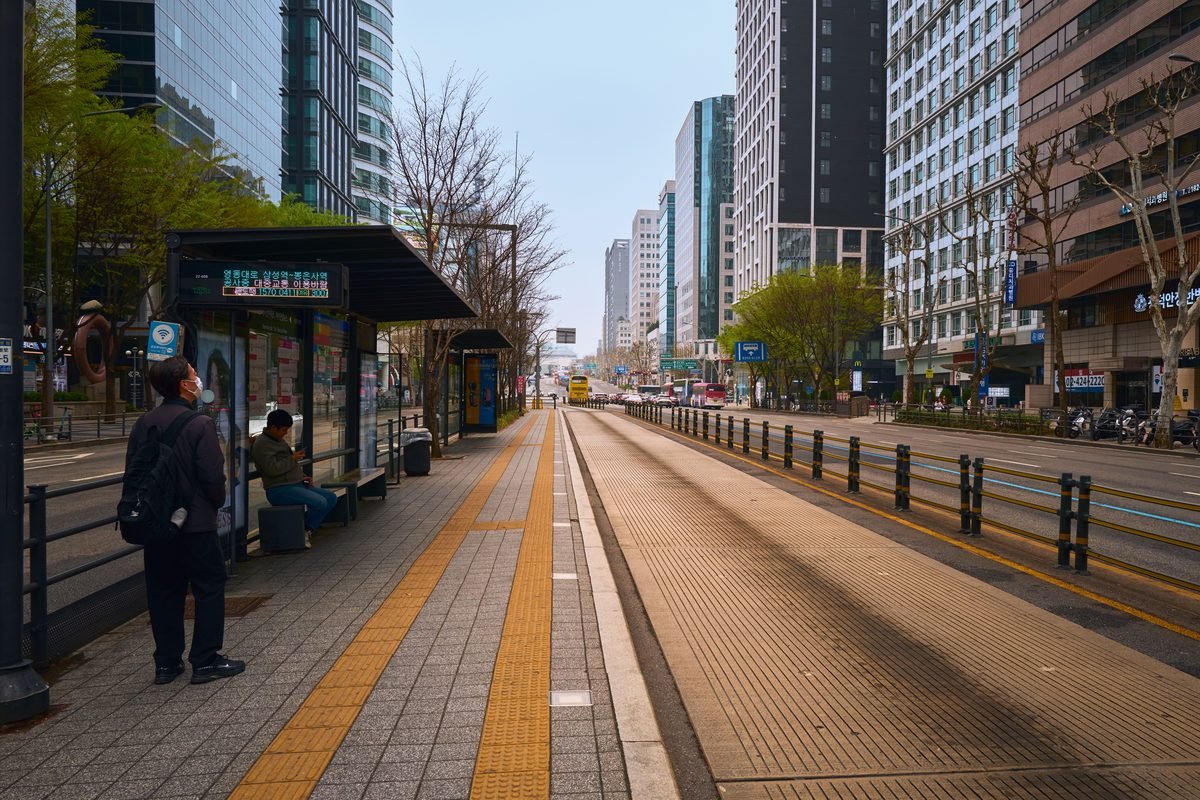
Heads up: Subway Priority Seats
Never sit in the designated pink pregnant-passenger seats or end-car elderly rows, even on empty trains. Local transit etiquette takes this seriously.
What it costs in Seoul
| Item | Local price | USD |
|---|---|---|
| AREX Airport Express Train (one-way) | ₩11,000 | $8.20 |
| Blank T-money Transit Card | ₩4,000 | $3.00 |
| Subway & Bus Daily Travel (4 rides/day) | ₩6,200 | $4.65 |
| Gyeongbokgung Palace Entry | ₩3,000 | $2.25 |
| Neighborhood Pork BBQ Dinner with Drink | ₩22,000 | $16.50 |
| Casual Gukbap or Noodle Lunch | ₩10,000 | $7.50 |
| Specialty Cafe Coffee & Pastry | ₩11,000 | $8.25 |
| Mid-range Boutique Hotel (per night) | ₩150,000 | $112.00 |
| Realistic Daily Total (excl. lodging) | ₩55,000 | $41.00 |
Prices checked September 2026. Always confirm with the provider before you book.
Where to stay in Seoul
Budget
A modern guesthouse or compact private room in Hongdae (Mapo-gu)
Ideal for solo travelers and young couples wanting direct airport rail access, buzzing nightlife, and quiet residential backstreets for ₩60,000 to ₩95,000 ($45–$70) per night.
Mid-range
A design-forward business hotel near Insadong or Jongno 3-ga
Puts you within walking distance of three royal palaces, Cheonggyecheon stream, and three major subway lines for ₩130,000 to ₩190,000 ($98–$142) per night.
Splurge
A luxury boutique hotel overlooking Mount Namsan in Hannam-dong
Perfect for travelers seeking quiet residential hills, high-end dining, art museums, and skyline views for ₩350,000 to ₩550,000 ($260–$410) per night.
Mistakes to avoid
- Relying on Google Maps for walking directions instead of downloading Naver Map or KakaoMap before arriving in Korea.
- Basing your entire stay in Gangnam, which adds 40 minutes of crowded subway commuting each way to historical Jongno and creative Seongsu.
- Visiting Gyeongbokgung Palace on weekend afternoons or rental hanbok rush hours instead of showing up right at 9:00 AM on a weekday.
FAQ
How many days in Seoul is enough for a first trip?
Four full days is the sweet spot for a first trip to Seoul. This gives you ample time to cover the primary Joseon royal palaces, experience historic residential hanok neighborhoods, explore creative districts like Seongsu and Hannam, and indulge in distinct regional dining styles without feeling rushed.
Is a Seoul first time itinerary 4 days doable on a budget?
Yes, Seoul is remarkably affordable for independent travelers. The base subway fare is just ₩1,550 (about $1.15), palace admissions cost between ₩1,000 and ₩3,000 ($0.75–$2.25), and generous, hot bowls of gukbap or market noodles rarely exceed ₩10,000 (about $7.50).
Do I need Korean Won cash in Seoul?
While virtually all shops, cafes, and taxis accept foreign credit cards, you will need cash to buy and top up your physical T-money transit card at station machines. Cash is also useful for small street vendors inside traditional markets like Gwangjang.
What is the best way to get around Seoul?
The Seoul Metropolitan Subway is the fastest, cleanest, and most reliable way to navigate the city. Trains run every few minutes from 5:30 AM until around midnight. Pair it with Naver Map for real-time exit numbering and door transfer recommendations.
Do I need a K-ETA visa to enter South Korea?
South Korea has temporarily exempted citizens from 22 countries, including the United States, United Kingdom, Canada, Australia, and many European nations, from the K-ETA requirement through December 31, 2026. Always check the official government portal (k-eta.go.kr) before flying to confirm current eligibility.