Hanoi Old Quarter Walking Tour: A DIY Route

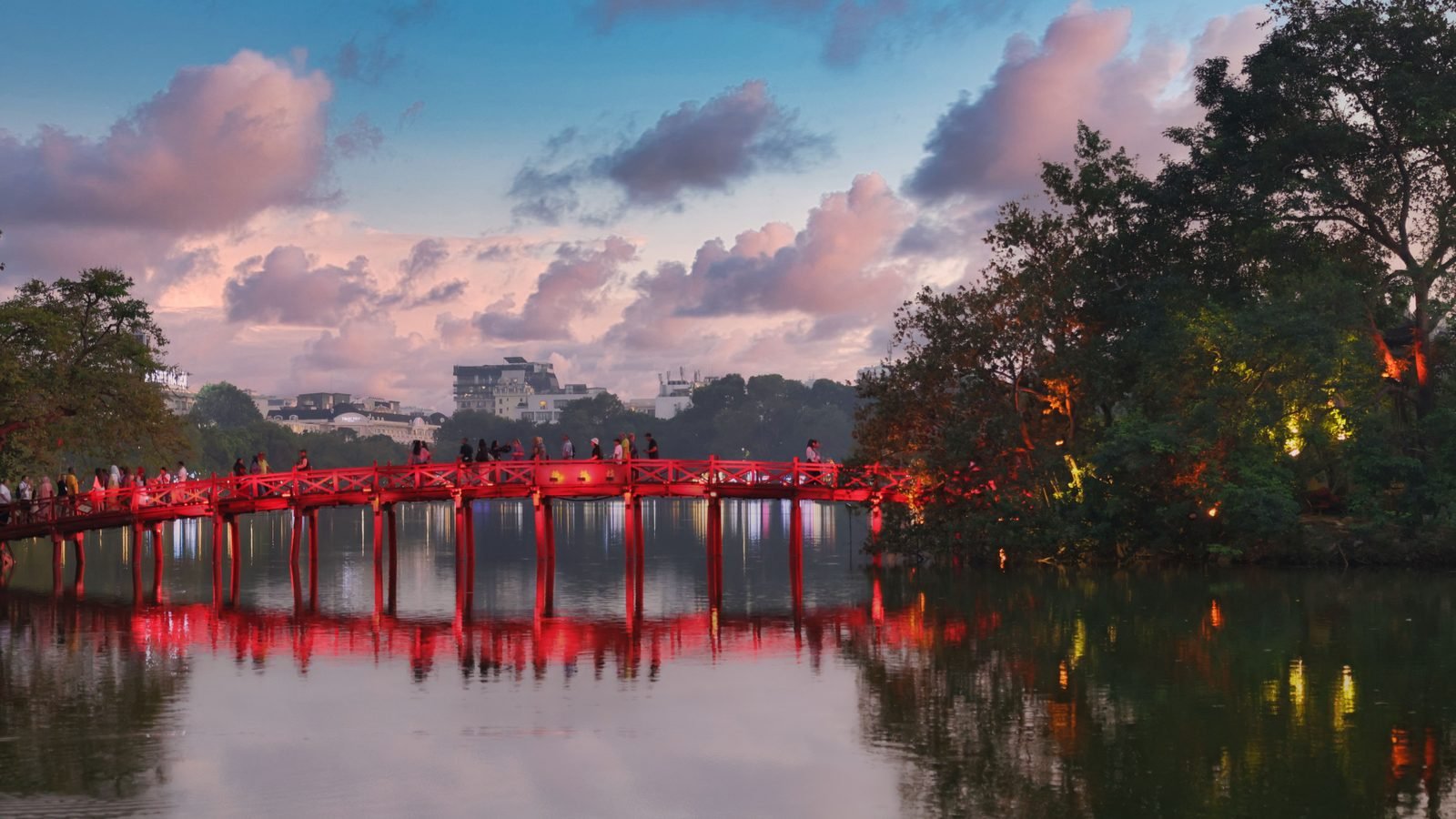
The clock shows 5:45 AM. Mist hangs low over the dark green water of Hoan Kiem Lake, and the air smells of wet concrete and star anise from a nearby broth pot. While the rest of Hanoi sleeps, hundreds of locals are already here, stretching, power-walking, and practicing tai chi on the brick pathways. It is the quietest this neighborhood will be all day.
I have visited Vietnam’s capital five times over the last decade, and I always start my first morning right here. This self-guided Hanoi Old Quarter walking tour is designed for independent travelers who want to experience the city’s chaotic beauty on foot. We will cover the early morning lake rituals, track down authentic egg coffee, explore the alleys of Dong Xuan market, and learn how to safely navigate the famous train street and local transport.
Map for your self-guided Hanoi Old Quarter walking tour
To see Hanoi at its most genuine, set your alarm early. By 6:00 AM, the perimeter of Hoan Kiem Lake is alive with energy. Elderly residents gather in groups to perform synchronized fan dances, while younger runners jog past the red The Huc Bridge leading to Ngoc Son Temple. Entry to the temple island costs 30,000 ₫ (about $1.20) once it opens at 8:00 AM, but watching the lakeside life beforehand is entirely free. I highly recommend starting your walk here before the heat and traffic build up.
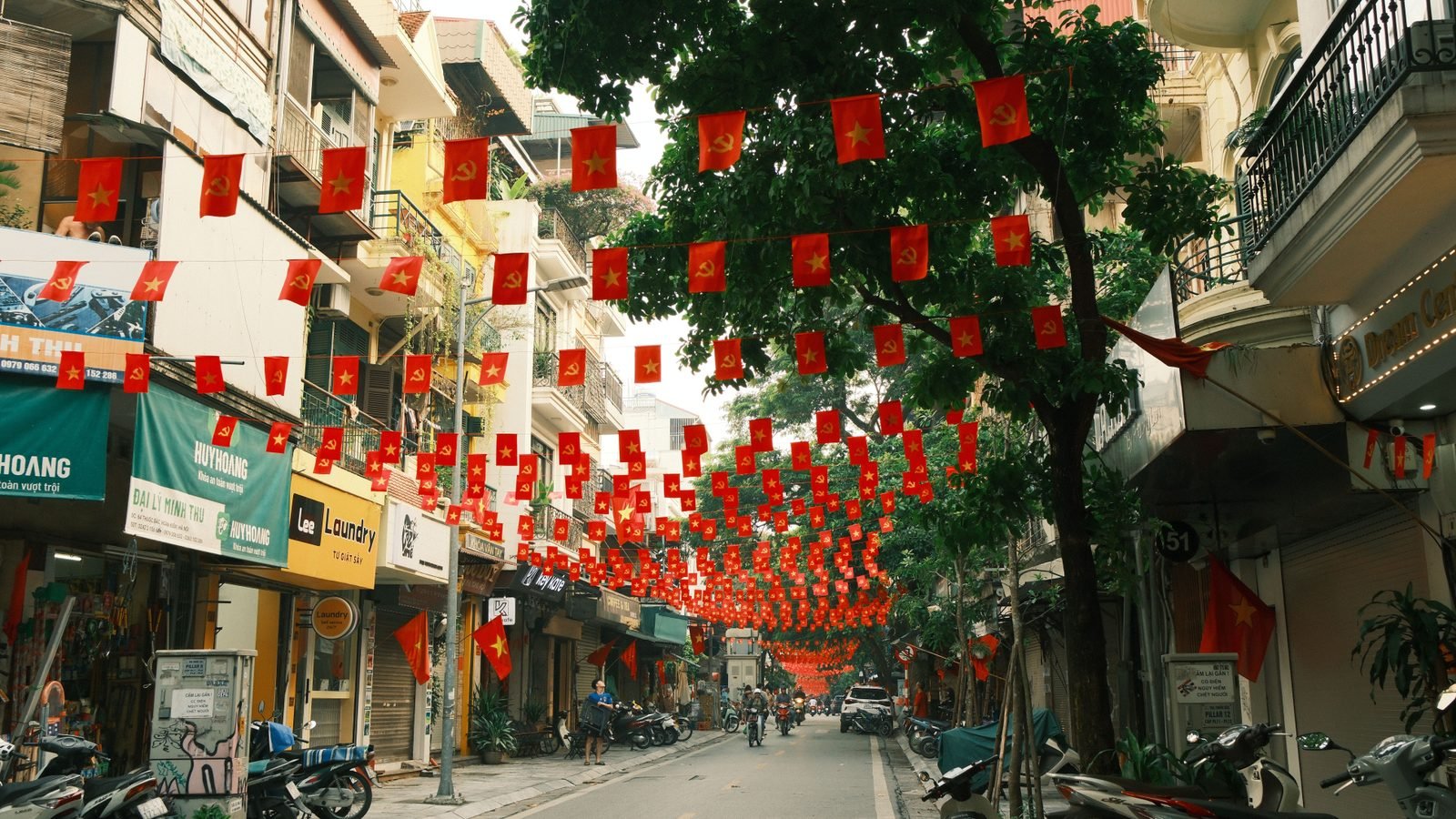
From the northern edge of the lake, cross the street carefully toward Dong Kinh Nghia Thuc Square. This is the gateway to the 36 ancient streets of the Old Quarter. Historically, each street was dedicated to a specific trade, from tin and silver to paper and shoes. Even today, you will find Hang Bac Street still trading in jewelry, while Hang Ma glows with colorful paper lanterns and ceremonial offerings. This is normal.
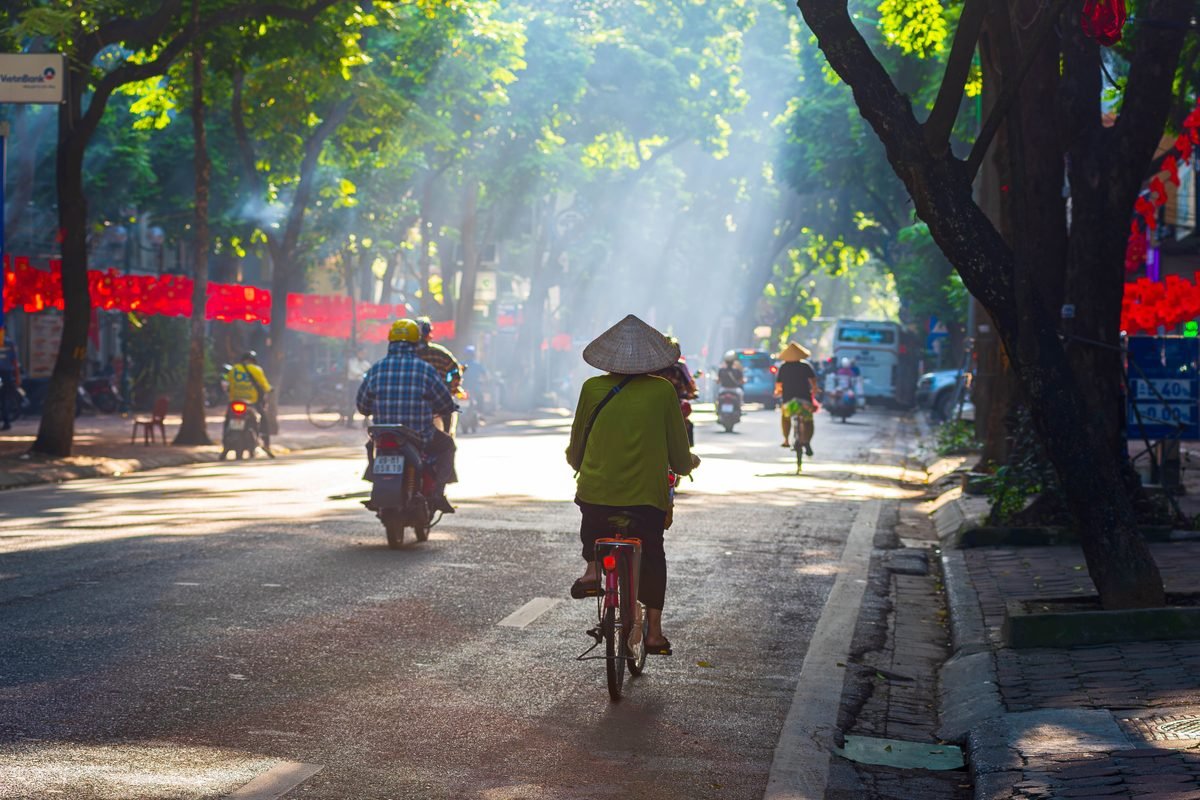
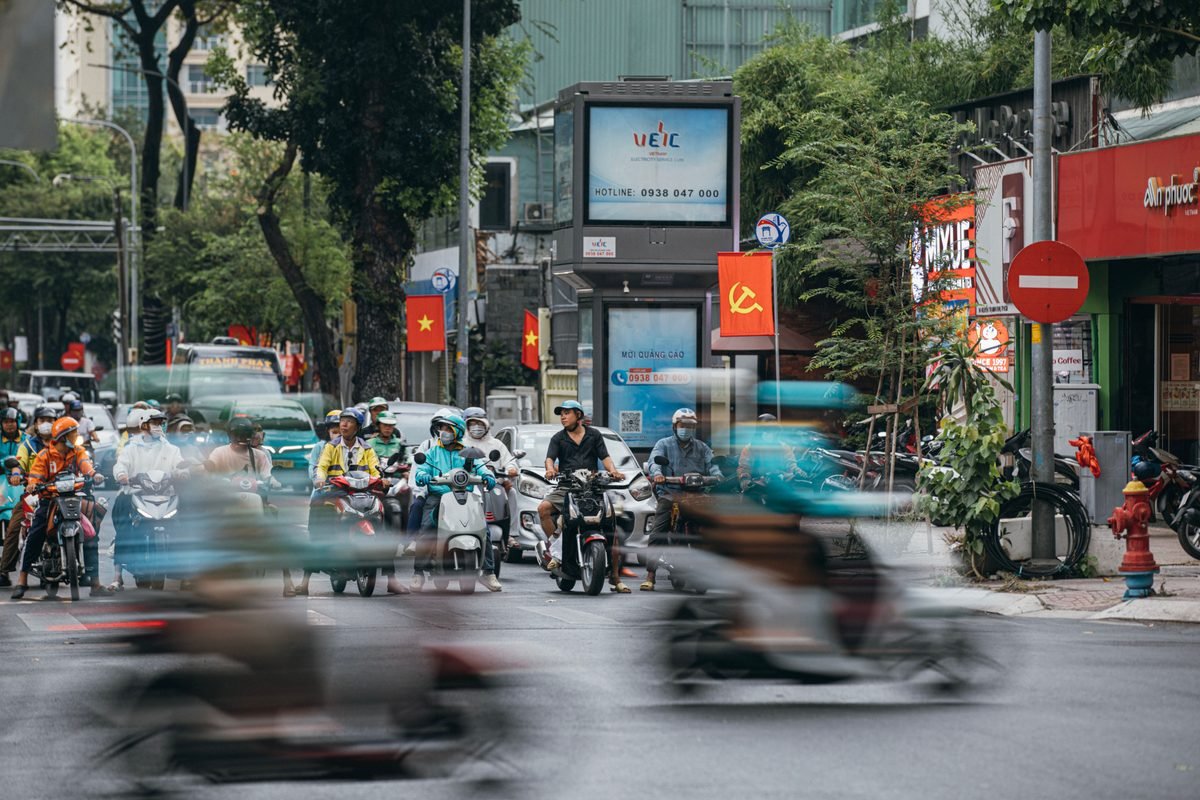
As you walk north, the sidewalks will be blocked by parked motorbikes and tiny plastic stools. You will have to walk on the edge of the road. Keep your eyes forward and walk at a steady, predictable pace. The local riders are experts at swerving around you, but only if you do not make sudden jumps. This route will take you past crumbling French-colonial facades, hidden communal houses, and narrow tube homes that stretch deep into the blocks. For example, Hang Quat sells wooden altars and Buddhist statues, while Hang Chieu specializes in woven mats. Walking through these blocks is like stepping into a living museum where families have practiced the same crafts for generations. If you have more time in the north, consider booking a Ha Long Bay day trip to see the limestone karsts.

From a local: Crossing the Street Like a Local
When crossing Hanoi’s chaotic streets, never stop or run. Walk slowly and predictably so the oncoming motorbikes can calculate your path and steer around you.
How to visit the Hanoi train street safely
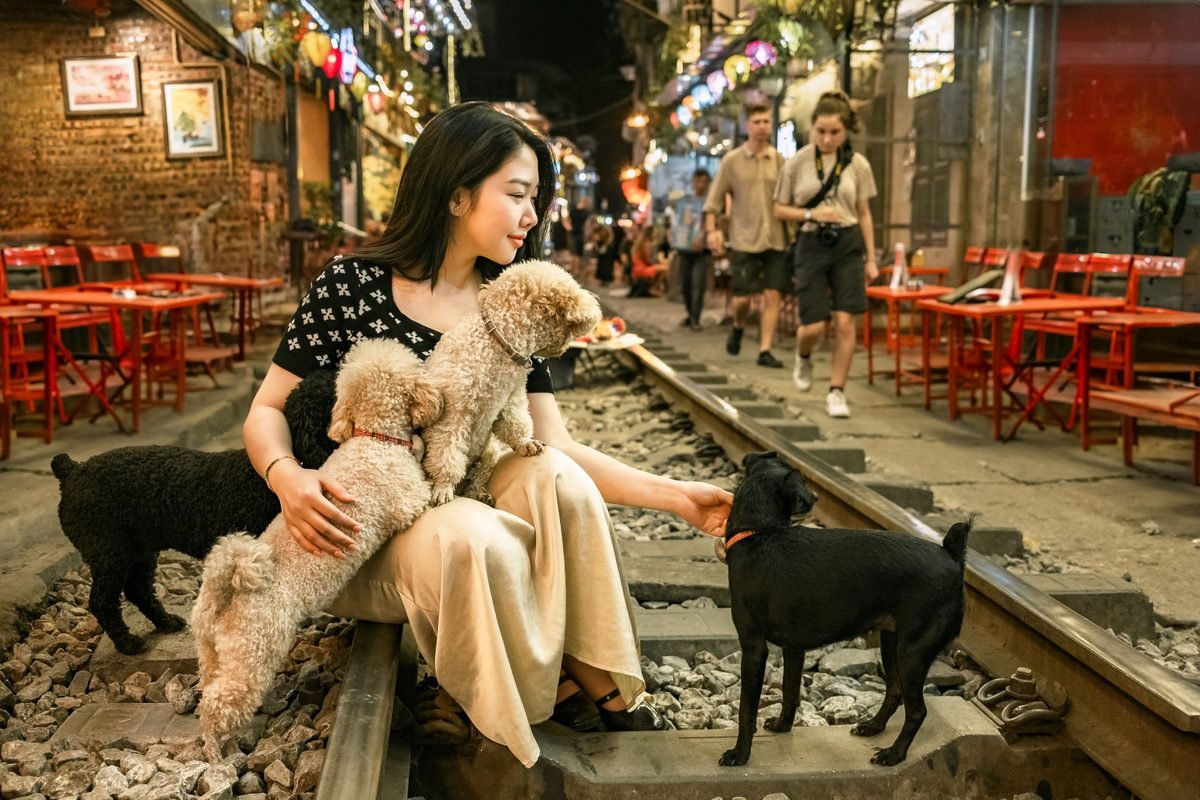
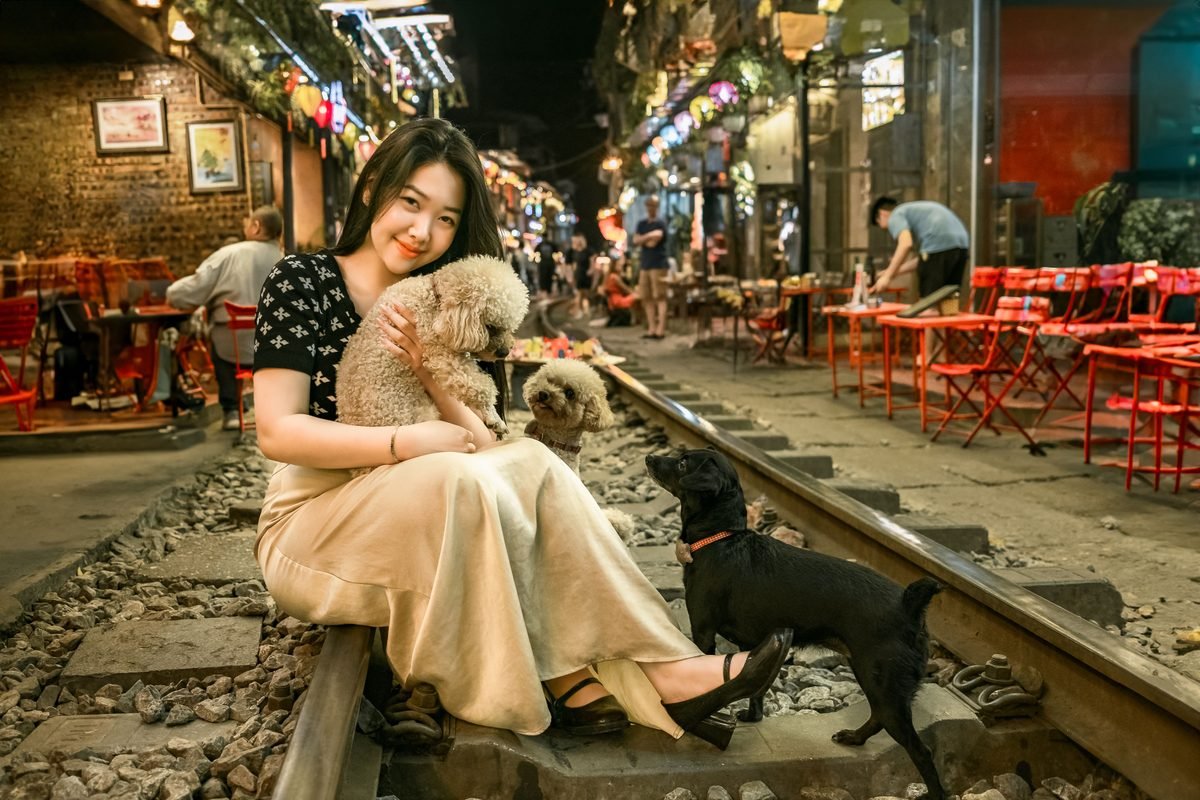
Few spots in Hanoi have generated as much online buzz—and confusion—as the famous train street. This is the narrow residential corridor where the north-south railway tracks run inches from the front doors of local homes. Over the years, local authorities have repeatedly closed sections of the tracks to tourists due to safety concerns. Currently, barricades and local guards block the main entrances along Phung Hung and Tran Phu streets. You cannot simply stroll onto the tracks unsupervised anymore.
However, you can still visit safely and legally. The trick is to enter with a local cafe owner. When you approach the barriers, cafe staff will often wave you over. They will escort you past the guards to their second-floor balconies or trackside tables. In exchange, you are expected to buy a drink, typically costing around 50,000 ₫ (about $2.00). It is a fair trade for a safe seat.
Check the train schedule first. Trains usually pass through on weekday evenings and multiple times on Saturdays and Sundays. When the siren sounds, the cafe owners will quickly pull their tables and stools back. You must stand flat against the wall. Do not lean out to take selfies as the train approaches. The clearance is incredibly tight, and the wind pressure is surprisingly strong. Safety must come first. Never step onto the tracks once the warning bell begins to ring. The tracks themselves were built by the French in 1902 and are still an active part of the national railway system. Because the space is so narrow, residents have adapted their daily lives to the train timetable, drying laundry and washing dishes on the tracks until minutes before a train arrives.
Where to drink authentic egg coffee in Hanoi
No walk through the historic center is complete without a caffeine break, and Hanoi has a legendary coffee culture. The crown jewel of this culture is cà phê trứng, or egg coffee. Invented in the 1940s during a wartime milk shortage, this rich beverage uses whisked egg yolk, condensed milk, and sugar to create a thick, custard-like foam that sits atop strong, dark Vietnamese robusta coffee. It tastes like a warm tiramisu liquid.
To taste the original recipe, head to Cafe Giang on Nguyen Huu Huan Street. Founded by the man who invented the drink, Nguyen Van Giang, this cafe is hidden down a long, narrow alleyway that opens into a multi-level courtyard. A hot egg coffee here costs 35,000 ₫ (about $1.40). The cup sits in a small bowl of hot water to keep the egg cream warm and smooth. Another excellent, slightly more rustic option is Cafe Dinh, located on the second floor of an old building overlooking Hoan Kiem Lake. It is run by the founder’s daughter. It offers a slightly stronger coffee punch for about 30,000 ₫ (about $1.20).
When you drink egg coffee, do not stir it immediately. First, use the small spoon provided to scoop up and taste the sweet, velvety foam on top. Once you have enjoyed the custard layer, stir the dark coffee from the bottom to create a balanced, bittersweet mixture. It is a heavy drink. The robusta beans used in Hanoi are roasted with butter and sugar, giving them a deep, chocolatey profile that cuts through the sweet egg cream. If you prefer a cold drink, they also serve it iced with a spoon, though the hot version remains the local favorite. Be sure to look at the vintage family photos on the walls while you sip.
How to shop and explore Dong Xuan Market
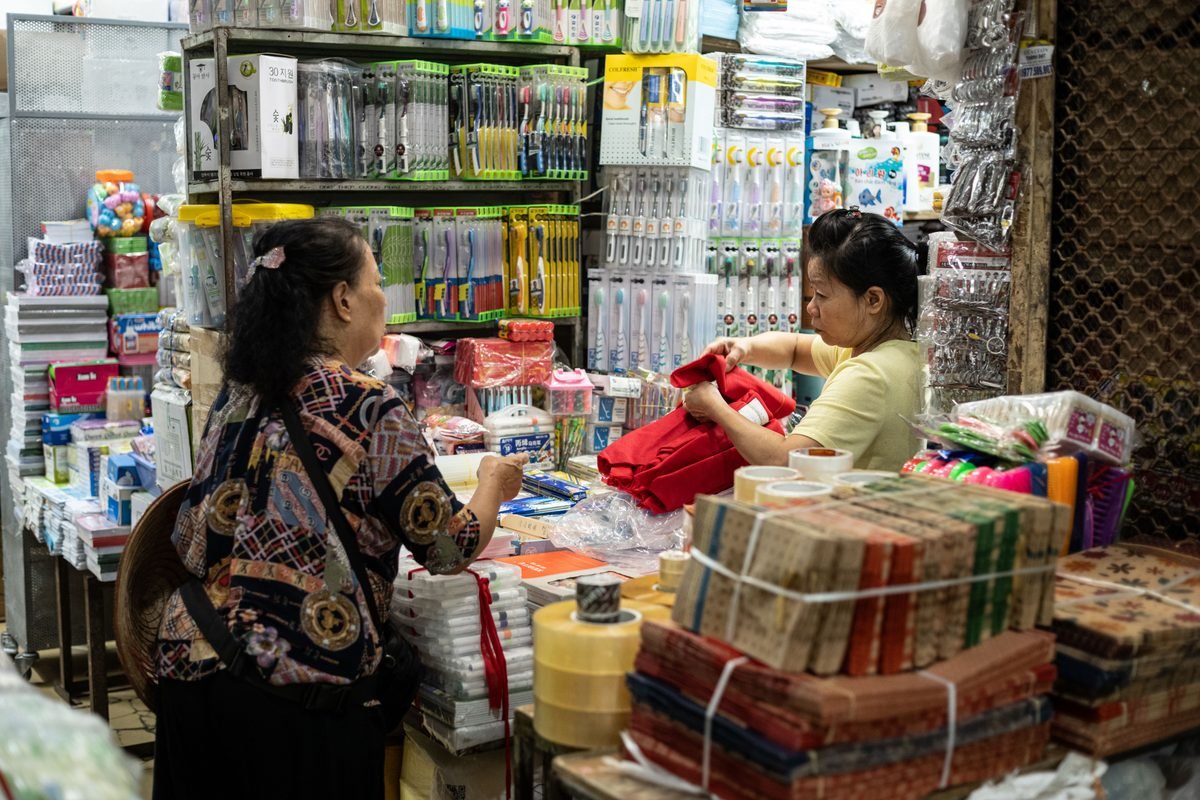
At the northern end of the Old Quarter stands Dong Xuan Market, a massive, three-story historic building that has served as Hanoi’s central trading hub since 1889. This is not a polished tourist market. It is a working wholesale engine where goods are moved in giant plastic-wrapped bundles on the shoulders of sweat-drenched porters. The ground floor is a chaotic maze of stalls selling cheap electronics, household goods, and dried foodstuffs like mushrooms, spices, and seafood.
If you venture up to the second and third floors, you will find endless aisles of clothing, fabrics, and shoes. Because this is primarily a wholesale market, some vendors might not be interested in selling single items to tourists. If they are willing, be prepared to bargain politely. A good rule of thumb is to offer about half of the initial quoted price and work your way up. Keep your interactions friendly.
The real highlight for casual visitors lies just outside the western and northern exits. The surrounding alleys are packed with some of the best street food stalls in the city. Here, you can sit on blue plastic stools and enjoy a steaming bowl of bún chả (grilled pork noodles) for 50,000 ₫ (about $2.00) or bún riêu (crab tomato noodle soup) for 40,000 ₫ (about $1.60). I always recommend checking my Hanoi street food guide to find the exact stalls. The building itself has a rich history, having survived a major fire in 1994 and multiple renovations since its colonial construction. Today, it stands as a symbol of Hanoi’s resilient merchant spirit. Even if you do not buy anything, walking the narrow aisles and watching the fast-paced negotiations offers an unfiltered look at local commerce.
How to avoid motor scooter scams in Hanoi
While Hanoi is generally a safe city for travelers, its frantic streets require a bit of street smarts. The most common nuisances you will encounter on your walking tour involve motor scooters and street vendors. As you walk, self-appointed “xe om” (motorbike taxi) drivers will pull up alongside you, offering cheap rides or private city tours. While many are honest drivers trying to make a living, others will quote a low price like 20,000 ₫ (about $0.80) but demand 200,000 ₫ (about $8.00) once you arrive, claiming the original price was “per kilometer” or “per person.”
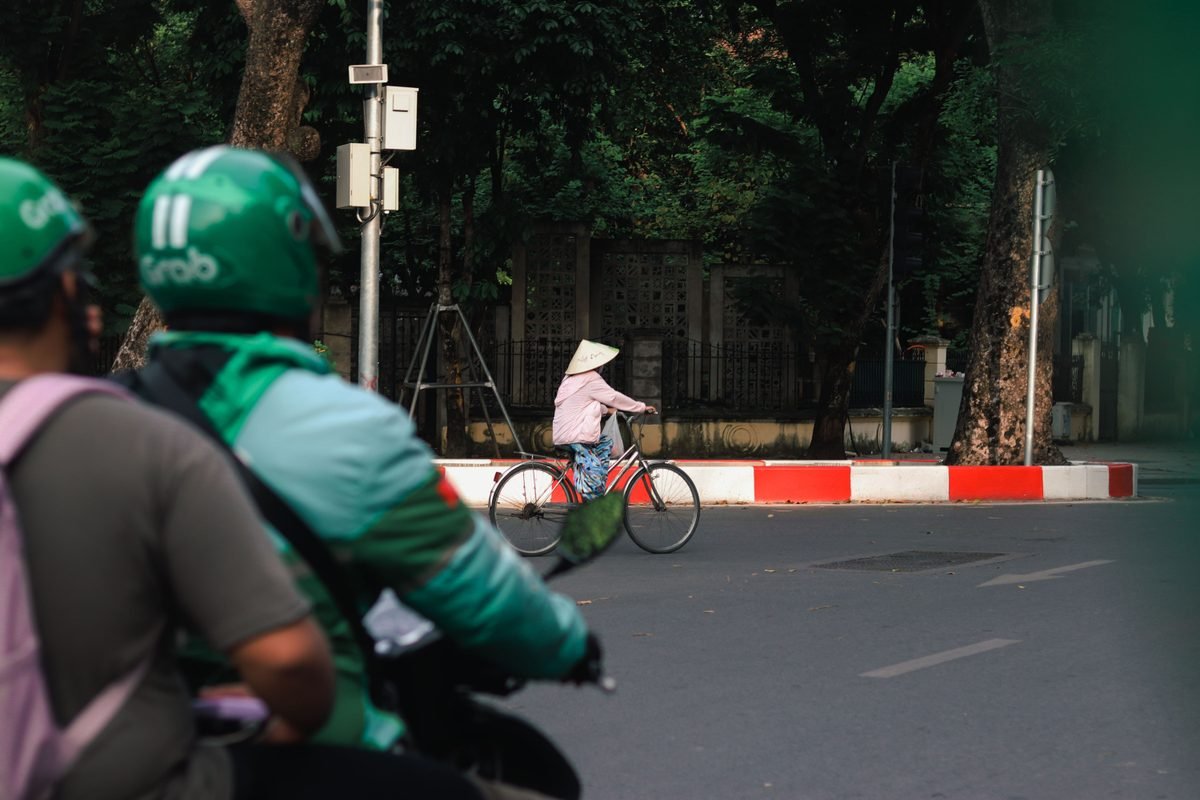
To avoid this, always use ride-hailing apps like Grab or Gojek to book motorbike rides. The price is locked in before you get on, and the driver’s route is tracked by GPS. If you do choose to hire a street driver, write down the agreed price on your phone and show it to them for confirmation before hopping on the back.
Another classic scam to watch out for in the Old Quarter is the shoe-repair hustle. While you are walking, a man might point at your sneakers, claim they are broken, and immediately squirt glue on them or pull them off your feet to “fix” them. Before you can react, they will demand 500,000 ₫ (about $20.00) for a basic stitch. If someone approaches your feet, firmly say “No” and keep walking. Do not let them touch your shoes. Crossing the street in Hanoi is an art form. The secret is to maintain a slow, steady pace and make eye contact with oncoming riders. The riders will calculate your trajectory and flow around you like water around a stone. It feels terrifying the first time, but you will quickly get the hang of it.
Heads up: The Fruit Vendor Photo Trap
If a street vendor offers to let you hold their bamboo carrying pole for a quick photo, politely decline. They will charge you a high fee or force you to buy overpriced fruit right after.
What it costs in Hanoi
| Item | Local price | USD |
|---|---|---|
| Ngoc Son Temple Entry | 30,000 ₫ | $1.20 |
| Egg Coffee at Cafe Giang | 35,000 ₫ | $1.40 |
| Train Street Cafe Drink | 50,000 ₫ | $2.00 |
| Street Food Lunch (Bun Cha) | 50,000 ₫ | $2.00 |
| Mid-range Boutique Hotel (per night) | 1,250,000 ₫ | $50.00 |
| Average Short Ride (Grab) | 30,000 ₫ | $1.20 |
| Total Daily Cost | 1,445,000 ₫ | $57.80 |
Prices checked October 2026. Always confirm with the provider before you book.
Where to stay in Hanoi
Budget
Near Hoan Kiem Lake, for budget hostels and guesthouses
This area is ideal for solo travelers wanting to walk everywhere. You can find clean dorm beds and simple private rooms for 250,000 ₫ to 500,000 ₫ (about $10 to $20) per night.
Mid-range
The French Quarter, for boutique hotels
Perfect for travelers who want quieter streets and classic colonial architecture. Mid-range boutique hotels here generally cost between 1,000,000 ₫ and 2,000,000 ₫ (about $40 to $80) per night.
Splurge
West Lake (Tay Ho), for lakeside luxury hotels
This neighborhood suits families and couples looking to escape the Old Quarter noise. High-end lakeside hotels with pools cost upwards of 3,750,000 ₫ (about $150) per night.
Mistakes to avoid
- Trying to cross the street by running or stopping suddenly, which confuses motorbike riders.
- Paying a street shoe repairer before agreeing on a price, leading to aggressive overcharging.
- Using Google Maps for walking directions instead of looking up at the street signs, as GPS signals bounce off the narrow tube houses.
FAQ
What is the best route for a Hanoi Old Quarter walking tour?
The best route for a Hanoi Old Quarter walking tour starts at the northern edge of Hoan Kiem Lake. From there, you should head north into the 36 guild streets, passing Hang Bac and Hang Ma, before ending at Dong Xuan Market. This path lets you experience the historical trade streets and local markets in a logical loop.
Is the Hanoi train street open to tourists?
The train street is partially closed with police barriers for safety, but you can still access it legally if you are accompanied by a local cafe owner. Simply walk to the barricades, and a cafe worker will guide you to their trackside seating in exchange for buying a drink.
How much does a bowl of street food cost in Hanoi?
A standard bowl of street food like bun cha or pho at a local plastic-stool stall typically costs between 40,000 ₫ and 60,000 ₫ (about $1.60 to $2.40). Prices may be slightly higher in highly touristy areas, but they rarely exceed 80,000 ₫ (about $3.20).
What is the best time of day to walk around Hoan Kiem Lake?
The absolute best time is early morning between 5:30 AM and 7:00 AM. This is when the local exercise groups are active, the air is cool, and the heavy motorbike traffic has not yet started.
Are taxis safe to use in Hanoi?
Traditional street taxis can sometimes have rigged meters, so it is highly recommended to use ride-hailing apps like Grab or Gojek. These apps lock in the price beforehand, show your driver’s route, and let you pay securely with a card or cash.