Does Korea Have Luggage Forwarding? Yes, From About $18

I have lost count of how many times I have watched travelers struggle with massive suitcases on the Seoul subway during rush hour. The gap between the platform and the train is narrow, the elevators are often hidden behind long corridors, and the crowds do not move for anyone. Dragging a 20kg bag through a station like Dongdaemun History & Culture Park is a quick way to drain your energy before your holiday even begins. Fortunately, Korea has one of the most efficient logistics networks in the world, and you can move your bags across the country without ever lifting them yourself.
This Korea luggage forwarding service guide covers everything you need to know about traveling hands-free. I will explain how to send bags from Incheon Airport directly to your hotel, how to move suitcases between cities like Seoul and Busan, and how to use the network of subway lockers and convenience store storage points. Whether you are moving between boutique hotels or taking a day trip to the coast, these services allow you to focus on the scenery instead of your luggage.
How luggage forwarding works in Korea
The logistics system in Korea is built on speed and reliability. Luggage forwarding, often called ‘delivery service’ or baedal, allows you to drop your bags at one point and pick them up at another on the same day or the following morning. The most common providers are Safex, ZimCarry, and TRIPS. These companies have physical booths at major transport hubs and user-friendly mobile websites or apps that allow for easy booking in English. It is a simple system. You generally book at least 24 hours in advance, leave your bag at the designated spot, and receive a photo confirmation once it has been delivered to your destination.
Most travelers start by using these services at the airport. Instead of trying to fit three large suitcases into a taxi or hauling them onto the AREX train, you simply hand them over at a booth near the arrivals hall. From there, the bags are transported in secure vans to hotels, guesthouses, and even some Airbnbs across Seoul. This is particularly useful if you arrive early in the morning and cannot check into your room until 3:00 PM. You can head straight to a cafe or a palace without being anchored by your gear. It saves a lot of time.
The service is not limited to the airport. You can also send bags between hotels within the same city or between different provinces. For example, if you are checking out of a hotel in Seoul and heading to Busan for three days, you can send your main suitcase ahead. By the time you finish your Seoul to Busan KTX guide journey and arrive at your seaside accommodation, your bag will likely be waiting in the lobby. This level of convenience is why many locals rarely travel with large bags on public transport anymore. It is a very affordable luxury that changes how you experience the country.
Airport to hotel forwarding with Safex
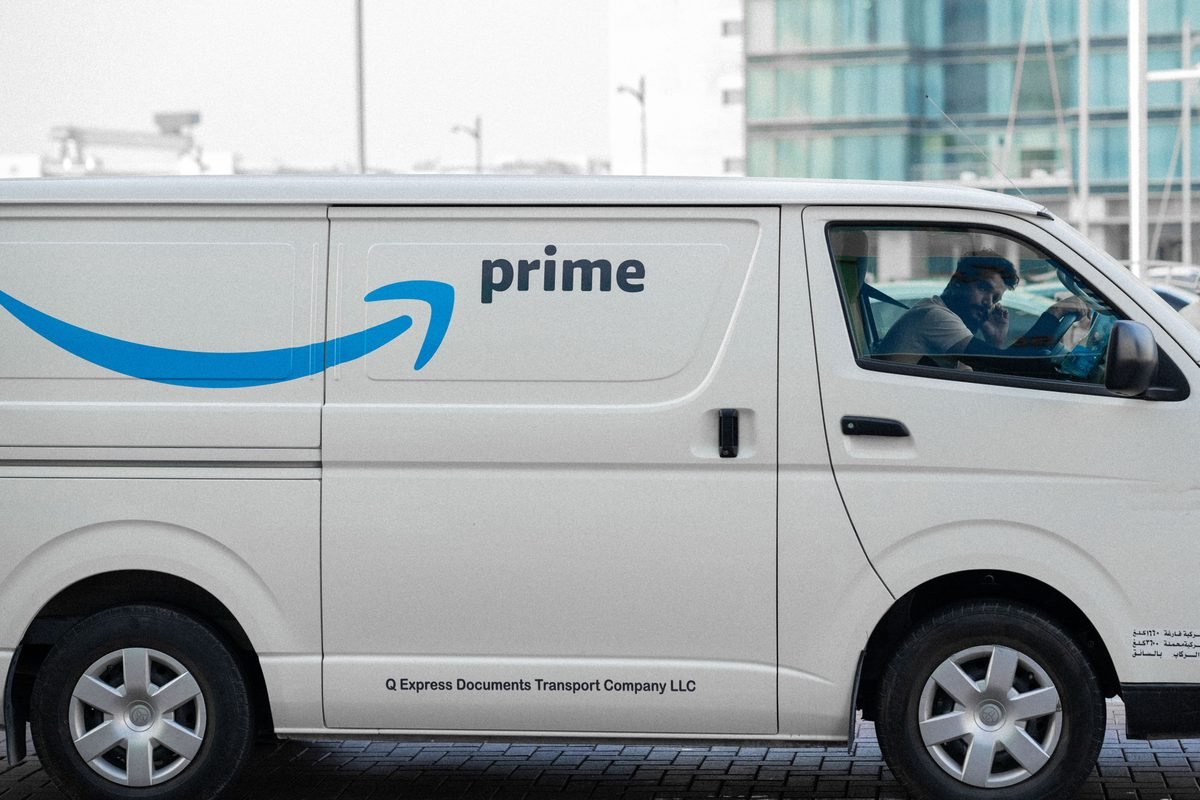
Safex is the primary provider operating out of Incheon International Airport. They have counters in both Terminal 1 and Terminal 2, usually located near the entrance to the airport railroad. In Terminal 1, you can find them on the B1 level near the AREX travel center. In Terminal 2, they are also on the B1 level in the Transportation Center. Their service is specifically designed for international arrivals, so the staff speak excellent English and the booking process is straightforward. Prices are very reasonable. A large suitcase typically costs around ₩25,000 (about $18) for same-day delivery to a Seoul hotel.
To use Safex, I recommend booking online at least a day before you land. You will need to provide your flight details and the name of your hotel. When you arrive, you drop your bag at the counter by 11:00 AM for same-day delivery. If you drop it off later, it will usually arrive the next morning. They will tag your bag and give you a receipt. You can then take the train or a bus to the city unencumbered. If you are following an Incheon Airport to Seoul guide, you will find that traveling without bags makes the transition into the city much smoother, especially if you need to transfer between subway lines.
One thing to note is that some smaller guesthouses or Airbnbs without a 24-hour front desk might not be able to receive the bags. Safex usually requires a staff member to be present to sign for the delivery. Always message your host in advance to confirm they can accept a luggage delivery. If they cannot, you might consider using a storage locker at a nearby station instead. Safex also offers a ‘storage only’ service if you just need to leave your bags at the airport for a few days while you go on a short trip to Jeju or Japan.
Moving bags between cities with ZimCarry
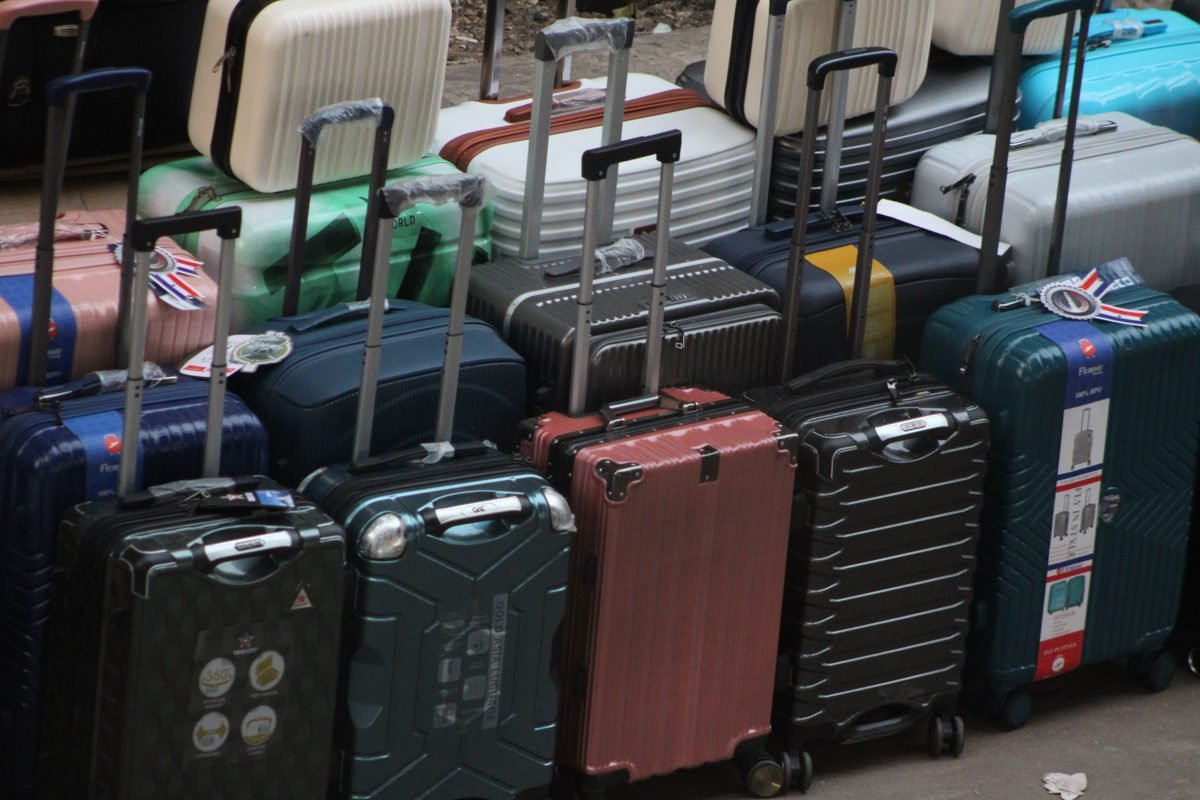
When you are planning a multi-city trip, ZimCarry is the service you will likely use the most. They specialize in station-to-hotel and hotel-to-station deliveries in major cities like Seoul, Busan, Gyeongju, and Daegu. This is a game-changer for anyone who wants to stop in a smaller town for a few hours on their way across the country. For instance, you could send your bags from your Seoul hotel to your Busan hotel, then take the KTX and hop off in Daegu for a few hours of sightseeing before continuing your journey. Your bags will simply be waiting for you at the end of the day.
The booking process for ZimCarry is done through their website or mobile app. You select the ‘Hotel to Hotel’ or ‘Station to Hotel’ option. For a hotel pickup, you must leave your luggage at the front desk by 10:00 AM. The delivery driver will arrive, take a photo of your bag, and upload it to the tracking system. You will receive a notification, often via KakaoTalk or email, showing your bag safely in the van. The cost for a standard suitcase between Seoul and Busan is roughly ₩35,000 (about $25). While this is more expensive than a subway fare, the physical relief of not managing bags on the KTX is worth every won.
In Busan, ZimCarry has a very prominent office inside Busan Station on the first floor. This is incredibly useful if you are staying in a beach area like Haeundae. Instead of taking a 45-minute bus or subway ride with your bags, you can drop them at the station office the moment you get off the train and head straight to the beach. They will deliver the bags to your Haeundae hotel by the evening. This service is a core part of any Korea travel planning checklist for those visiting the southern coast. Just ensure your bags are locked and clearly labeled with your booking reference number.
Using T-Locker and subway storage
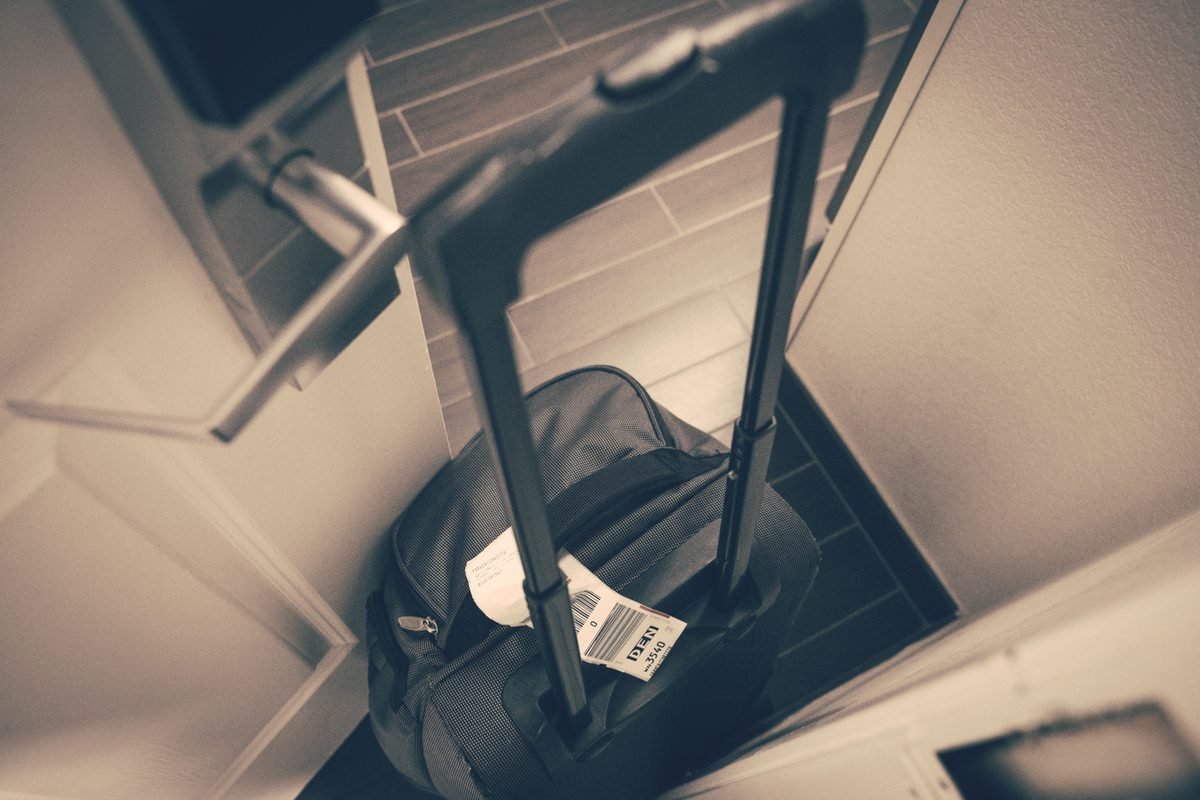
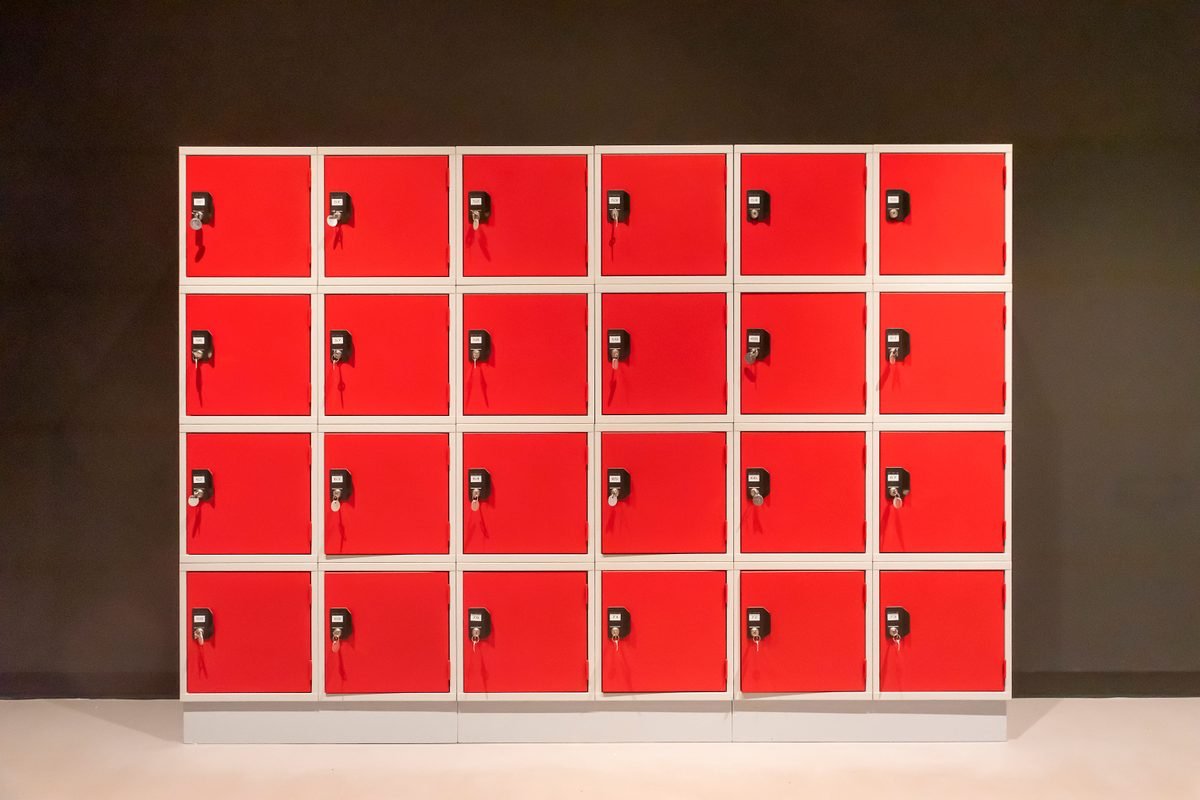
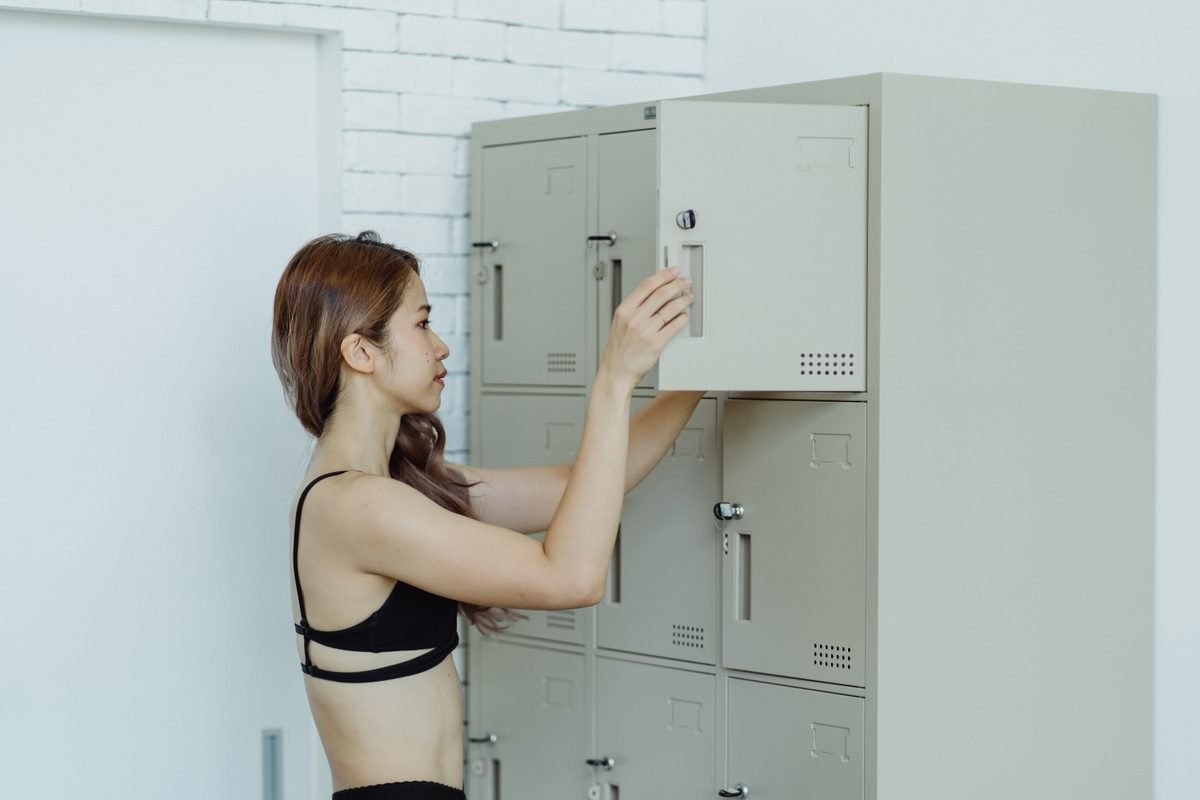
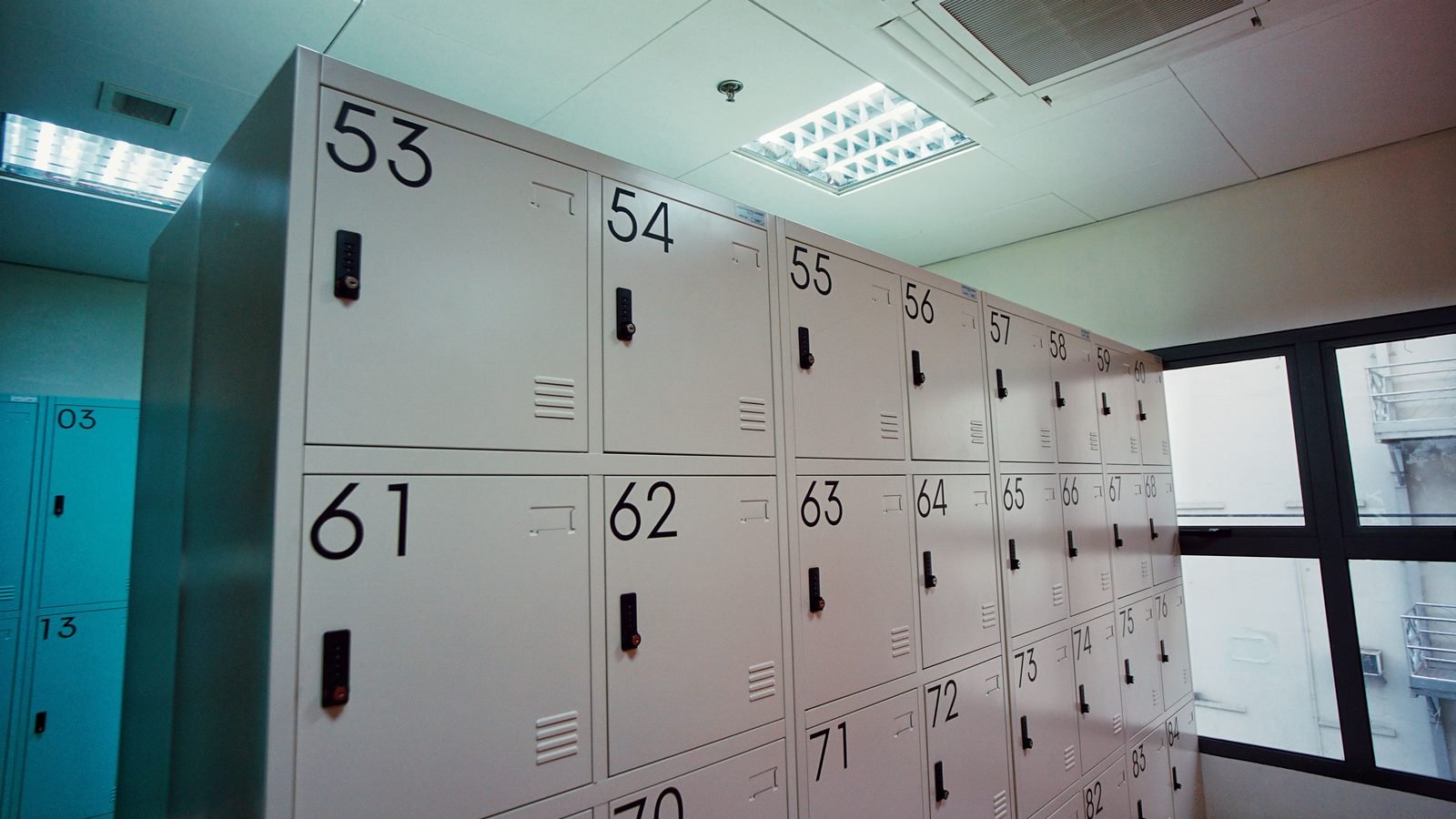
If you do not need your bags moved across the city but just need to store them for a few hours, the subway locker system is excellent. Almost every major station in Seoul and Busan has rows of lockers, now branded as ‘T-Locker’ in Seoul. These are digital lockers that do not require a physical key. You can find them near the station exits or close to the ticket gates. They come in three main sizes: Small (for backpacks), Medium (for carry-ons), and Large (for full-sized suitcases). A Large locker usually costs about ₩4,000 (about $2.80) for the first four hours.
To use these lockers, you can either use the touch screen on the locker bank or download the T-Locker app. The app is helpful because it shows you in real-time which stations have available lockers and what sizes are left. This is vital at popular spots like Hongik University or Myeongdong, where lockers fill up fast. You pay using a credit card or your T-money card. If you are unsure how to get one, check a how to use T-money card Seoul guide. After the initial four-hour period, an additional hourly fee is charged. If you leave your items for more than 24 hours, the price increases significantly, and after a few days, the items may be moved to a central warehouse.
The lockers are generally very secure, but they do have a ‘no re-entry’ policy. Once you open the locker, your rental period ends. If you forgot your umbrella inside and open the door to grab it, you will have to pay the full starting fee again to lock it back up. Most lockers in Seoul are accessible during subway operating hours, which is roughly from 05:30 AM to midnight. If the station closes, you cannot get to your bags until the next morning. Always check the station’s last train time to ensure you don’t get locked out of your luggage for the night.
Convenience store and shop storage with LugStay
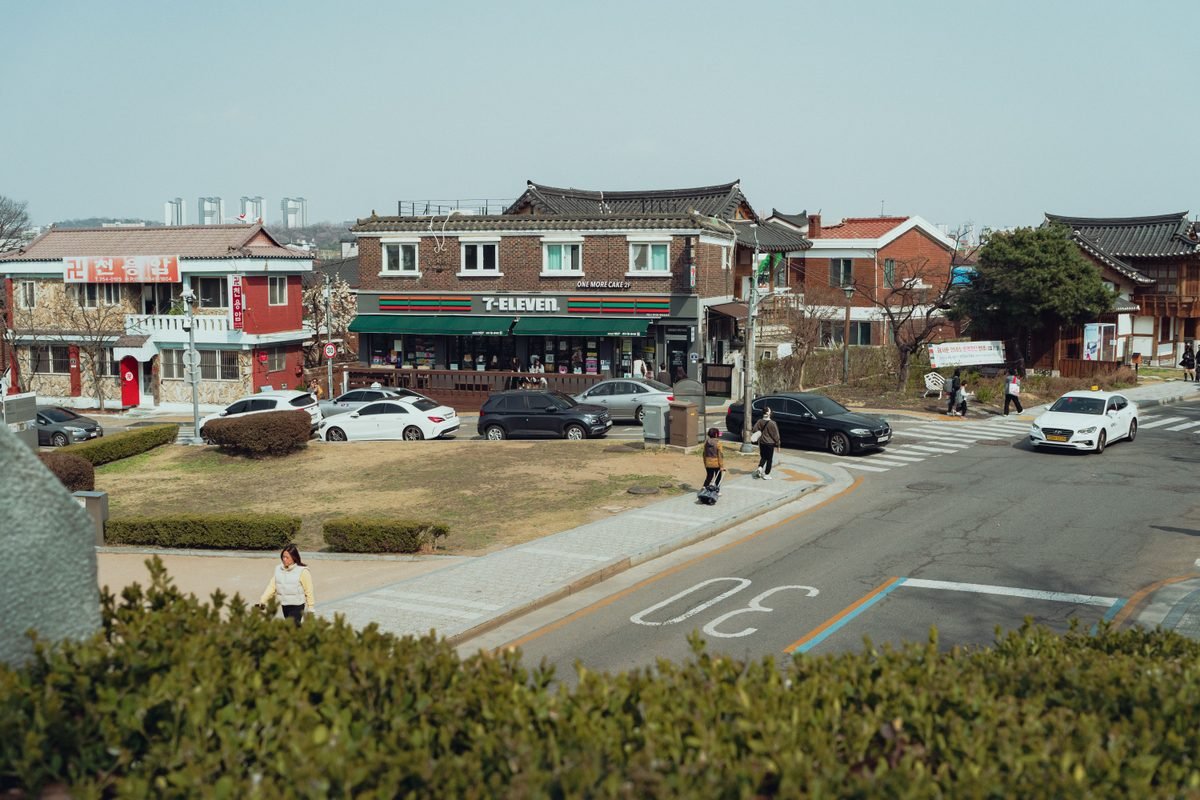
When the subway lockers are full, LugStay is the best alternative. This is a platform that partners with local businesses—mostly 7-Eleven convenience stores, cafes, and even some hair salons—to provide luggage storage space. It works similarly to services like LuggageHero or Bounce in Europe. You use the LugStay app to find a nearby shop that has ’empty slots’ for bags. You book and pay through the app, then show a QR code to the shop staff when you arrive. They will place your bag in a secure back room or a designated storage area.
One of the biggest advantages of LugStay is the location variety. While subway lockers are tied to stations, LugStay points are scattered throughout neighborhoods. This is perfect if you are staying in a hilly area like Bukchon Hanok Village or a narrow alleyway in Ikseon-dong. You can find a shop right around the corner from your accommodation. The price is usually a flat daily rate of around ₩5,000 to ₩8,000 (about $3.50 to $5.50) per bag, which is often cheaper than keeping a large subway locker for an entire day. This is very convenient.
The app is in English. It provides a map view and photos of the shop entrance so you don’t get lost. I have used this several times when meeting friends for dinner in areas like Seongsu-dong where I didn’t want to carry my work bag all night. The shop staff are usually very used to the process. They will often attach a security tag to your bag handle that matches your digital receipt. Just be mindful of the shop’s operating hours. If you store your bag in a cafe that closes at 9:00 PM, you must be back before then to retrieve it. 7-Eleven locations are often 24 hours, making them the most flexible option for late-night pickups.
Weight limits and packing restrictions
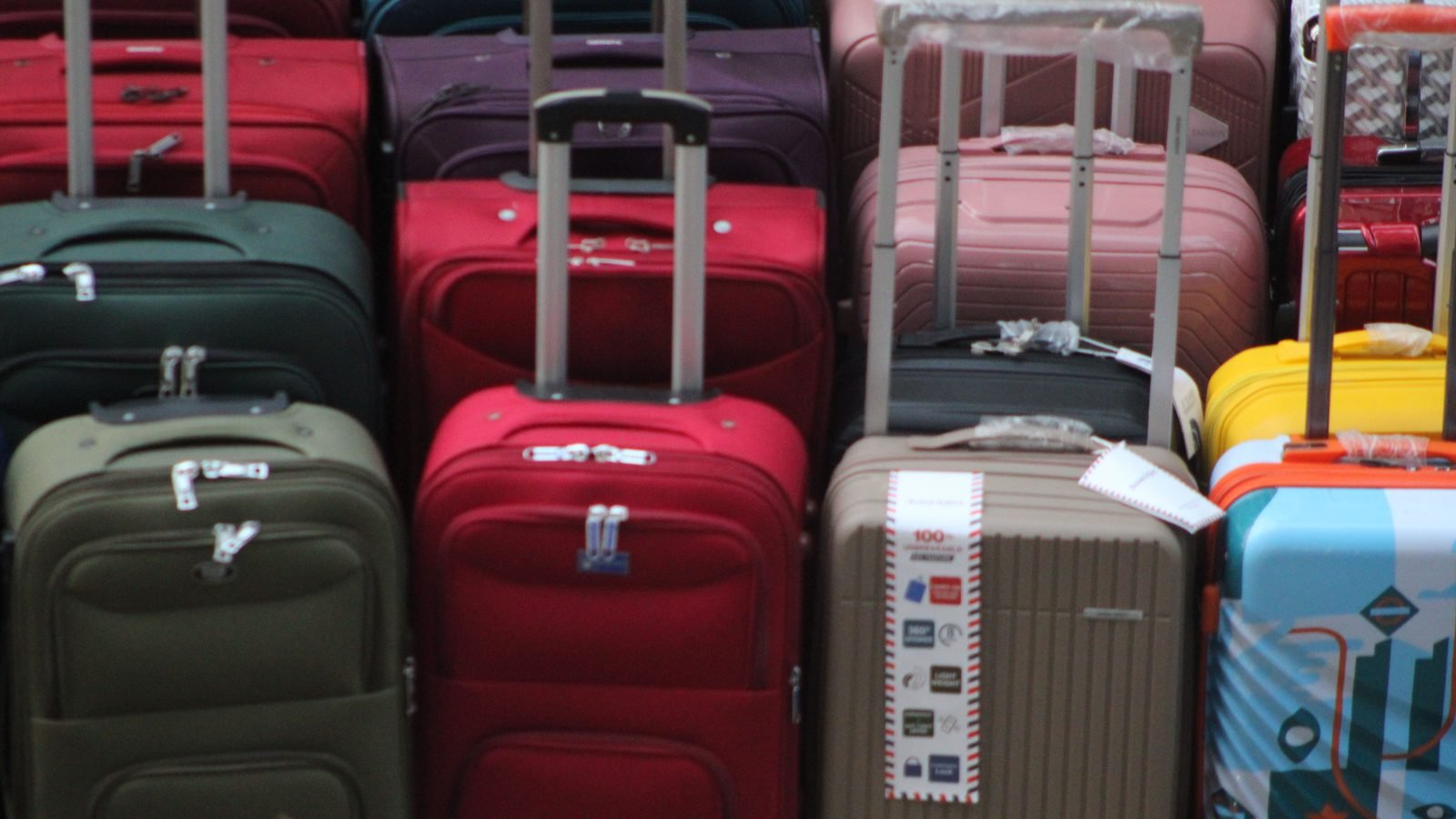
Before you book any forwarding service, you must understand the size and weight categories. Most Korean companies use a four-tier system: Small, Medium, Large, and Extra Large. A ‘Large’ bag is typically defined as a standard 28-inch checked suitcase weighing up to 20kg or 25kg. If your bag is an ‘Extra Large’ trunk or weighs over 30kg, you will likely be charged a surcharge or may even be refused service. Check the weight first. If you are a heavy shopper, I recommend weighing your bags at the airport or using a portable scale before booking your forwarding service to avoid surprises at the counter.
There are also strict rules about what can be inside the bags. Because these items are often transported in vans or via the logistics network, you cannot include prohibited items like lithium batteries (power banks), flammable liquids, or fragile glass bottles of alcohol that are not properly packed. Valuable items like passports, jewelry, and laptops should always stay with you in your carry-on. The insurance provided by these services usually covers the loss of the bag itself but often has very limited coverage for high-value electronics or luxury goods inside. It is better to be safe.
Another common restriction involves the type of luggage. Most services are designed for hard-shell or soft-shell suitcases. If you are trying to send a large cardboard box, a bicycle in a soft case, or oversized sports equipment like golf clubs, you must declare this during the booking process. These items often fall under a ‘Special Cargo’ category and have different pricing. For standard travelers, just make sure all zippers are closed and any loose straps are tucked away. The delivery drivers move fast, and you don’t want a strap getting caught in a conveyor or van door. Taking a quick photo of your bag before handing it over is a good local habit for proof of condition.
Practical tips for a hands-free trip
To make the most of these services, timing is everything. The ‘Golden Rule’ of luggage forwarding in Korea is the 10:00 AM cutoff. If you want your bag to move between hotels or from a station to a hotel on the same day, it almost always needs to be dropped off by 10:00 AM or 11:00 AM. If you miss this window, your bag will likely sit in storage until the next day’s delivery cycle. I usually set an alarm for 09:00 AM on my checkout day to ensure I have time to pack and get the bag to the front desk or the station booth without rushing.
Communication is the second key. When you book a service like ZimCarry, the app will ask for the recipient’s name. Make sure this matches the name on your hotel reservation exactly. If the hotel cannot find a guest by that name, they might refuse the delivery. I also recommend writing your phone number and the hotel address on a physical luggage tag in both English and Korean. You can ask your hotel receptionist to write the address in Korean for you. This simple step ensures that even if there is a digital glitch, the driver knows exactly where that bag belongs.
Finally, consider the cost-benefit ratio. If you are a solo traveler, ₩25,000 (about $18) might feel like a lot compared to a ₩1,550 subway fare. However, if you are a family of four, the cost of a taxi large enough to hold all your bags from Incheon to Gangnam could easily exceed ₩100,000 (about $72). Forwarding two or three large bags and taking the comfortable AREX train instead is often the more economical and much less stressful choice. This is especially true during the winter months when navigating icy sidewalks with heavy bags is genuinely dangerous. A hands-free trip is a much more enjoyable way to see Korea.
What it costs in South Korea
| Item | Local price | USD |
|---|---|---|
| Small Subway Locker (4 hours) | ₩2,000 | $1.40 |
| Large Subway Locker (4 hours) | ₩4,000 | $2.80 |
| Airport to Seoul Hotel (Large Bag) | ₩25,000 | $18.00 |
| Hotel to Hotel (Seoul to Busan) | ₩35,000 | $25.00 |
| LugStay Daily Storage (Per Bag) | ₩5,000 | $3.50 |
| Typical 10-day trip forwarding total | ₩120,000 | $85.00 |
Prices checked October 2026. Always confirm with the provider before you book.
Where to stay in South Korea
Budget
Hongdae, for easy airport train access
This area is directly on the AREX All-Stop line, making it the easiest place to reach if you are managing your own bags or using airport forwarding. You can find many guesthouses and hostels within a five-minute walk of the station for ₩50,000 to ₩80,000 per night.
Mid-range
Insadong, for central sightseeing
Located near Jongno-3-ga station, this neighborhood is perfect for those who want to be within walking distance of the main palaces and traditional tea houses. Mid-range hotels here usually range from ₩120,000 to ₩180,000 and are very used to handling luggage delivery services.
Splurge
Jamsil, for luxury near the Han River
Home to the Lotte World Tower, this area offers high-end hotels with full concierge services that can coordinate all your luggage forwarding needs. Expect to pay ₩350,000 or more per night for a room with views of the city and the river.
Mistakes to avoid
- Missing the 10:00 AM or 11:00 AM cutoff for same-day delivery.
- Forgetting to check if your Airbnb or guesthouse has a staff member to receive the bag.
- Packing lithium-ion power banks or passports inside the forwarded luggage.
- Not taking a photo of the bag and its receipt before handing it over.
- Assuming all subway lockers are 24-hour; they usually close when the station does.
FAQ
Is there a Korea luggage forwarding service guide for solo travelers on a budget?
Yes, solo travelers can save money by using the T-Locker app to find smaller, cheaper lockers or using LugStay, which often charges a flat rate of ₩5,000 (about $3.50). If you only need to move your bag once, the ₩25,000 (about $18) fee for airport forwarding is worth it to avoid the physical strain and potential taxi surcharges.
Can I send my luggage from Seoul to Jeju Island?
While some specialized logistics companies can do this, it is generally much more expensive and takes 2-3 days because the bags must go by ferry or air freight. Most travelers prefer to store their large bags at Incheon Airport or their Seoul hotel and take only a small carry-on to Jeju for a few days.
What happens if I don't pick up my bag from a subway locker in time?
After the initial 4-hour period, you will be charged an additional fee for every hour or day the bag remains. If the bag is left for more than 3 to 5 days, station staff will move it to a central storage warehouse, and you will have to pay a significant fine and storage fee to retrieve it.