The Ultimate Korea Winter Travel Guide: Packing & Day Trips

The wind coming off the Han River in January feels like needles on your cheeks. It is often -10°C (14°F) in Seoul, but the sky is usually a crisp, brilliant blue. This is my home, and I genuinely love when the temperature drops. The city slows down, the food stalls steam more heavily, and the mountains around the capital turn into quiet, snow-dusted escapes.
This Korea winter travel guide is written for independent travelers who want to brave the sub-zero temperatures. We will cover how to pack for the bitter cold, how to easily plan ski day trips from Seoul, where to find winter festivals, and how to stay warm indoors when the wind gets too fierce.
How to use this Korea winter travel guide for your trip
Winter in Korea officially runs from December through February, with January being the absolute coldest month. Winter here is incredibly dry. You will experience bright sunshine on most days, but the wind chill can make -5°C feel like -15°C. If you plan to visit, you must prepare your entry documents ahead of time. Travelers from many countries can currently use the online e-Arrival Card at e-arrivalcard.go.kr up to three days before landing, which saves you from filling out paper forms on the plane. While the K-ETA is temporarily exempt for 22 countries through December 31, 2026, you should check the official k-eta.go.kr portal to see if your nationality requires it before booking your flights.
When you land at Incheon Airport, skip the expensive private transfers. The AREX Express train costs ₩11,000 (about $8) and gets you to Seoul Station in just 43 minutes from Terminal 1. If you are staying near Hongik University, the All-Stop train is a better choice at about ₩4,500 (about $3.30). Buy a T-money transit card for about ₩4,000 (about $3) at any airport convenience store. You will need to load it with cash to use the subway and buses. Seoul subway rides now start at ₩1,550 (about $1.15).
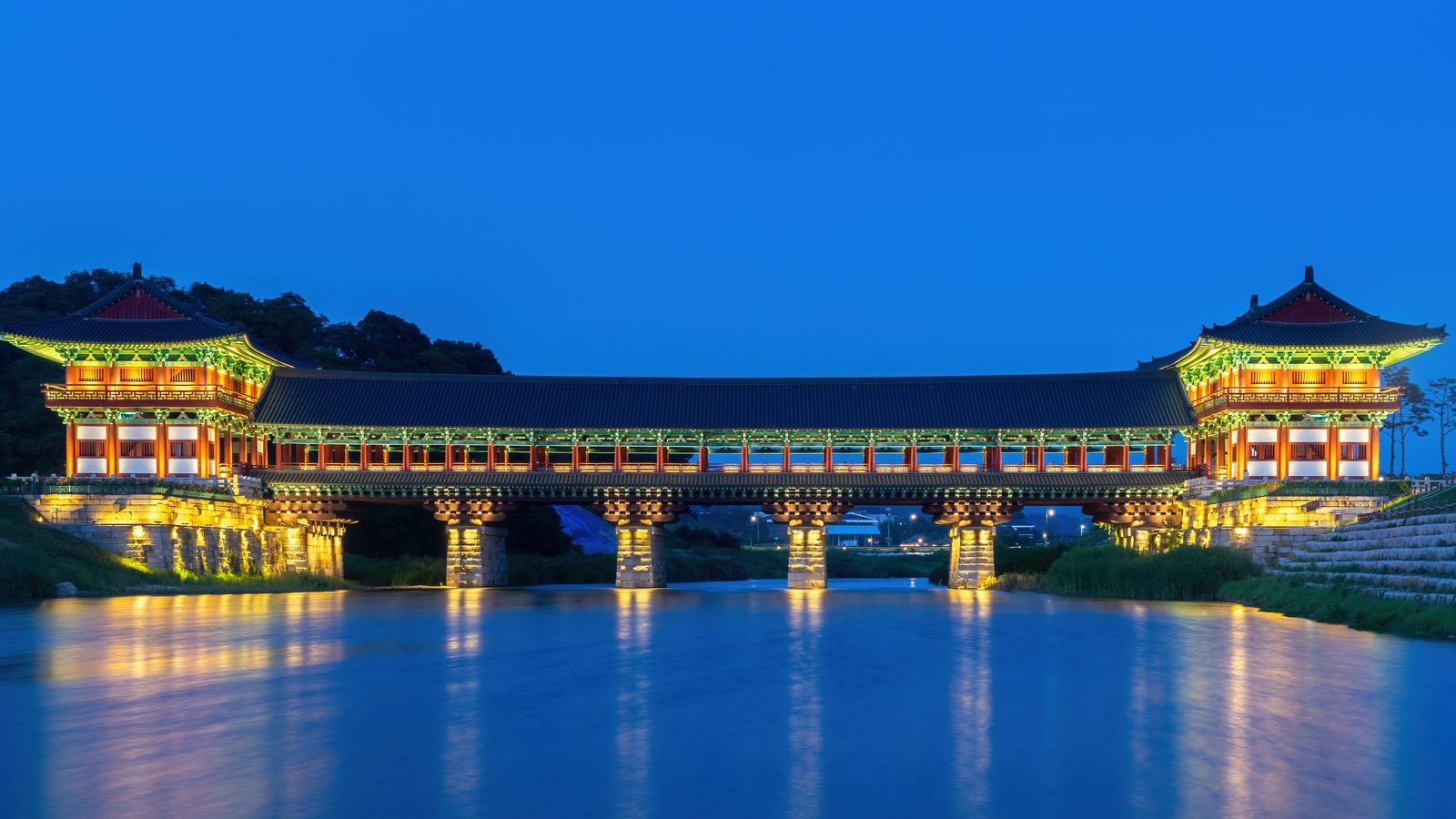
Timing your trip around the Lunar New Year (Seollal) requires extra planning. The holiday usually falls in late January or February. During this three-day period, millions of locals travel to their hometowns. Trains sell out months in advance, and many independent shops in Seoul close. If you travel during Seollal, you can easily take a trip to a Gyeongju 2-day itinerary to see historical tombs in the quiet snow, where the ancient mounds look exceptionally beautiful under a white blanket.
Heads up: Lunar New Year Closures
During Seollal, major train routes sell out weeks in advance and many restaurants close. Plan to stay in Seoul during these three days, as the royal palaces remain open and are free to enter if you wear a rented hanbok.
The best ski resort day trips from Seoul
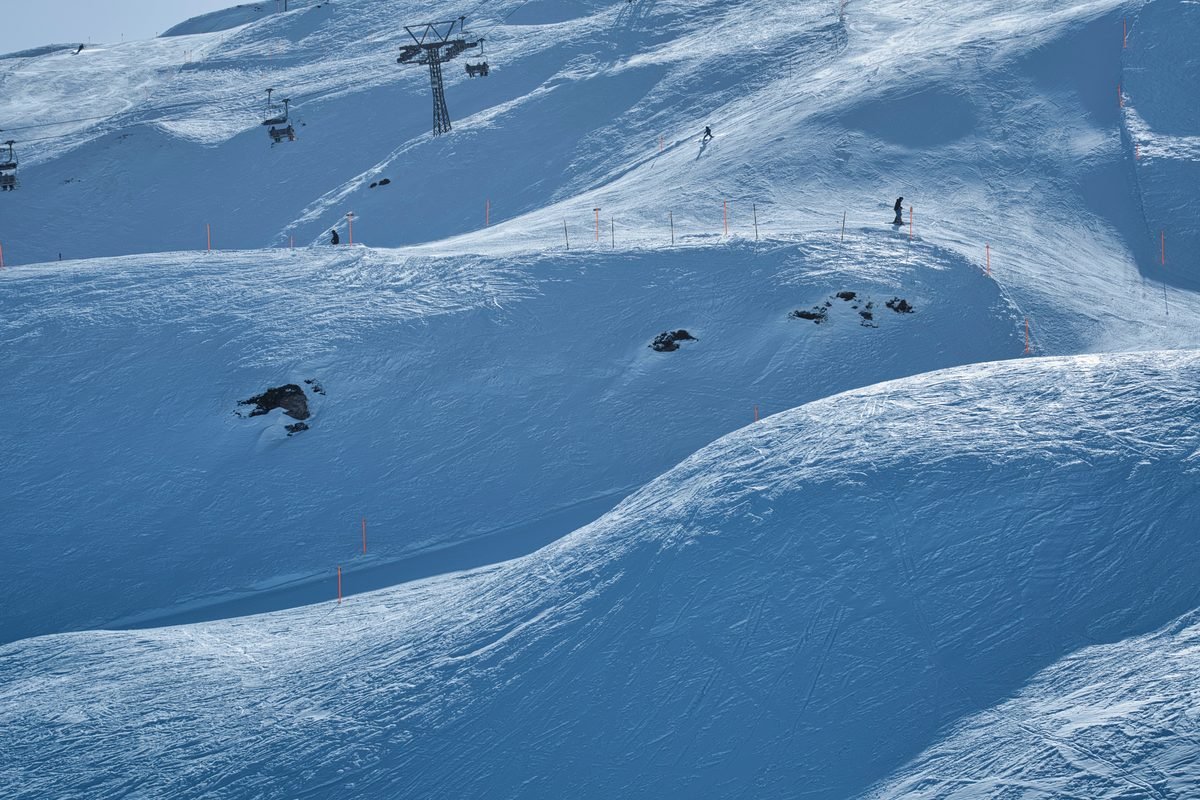
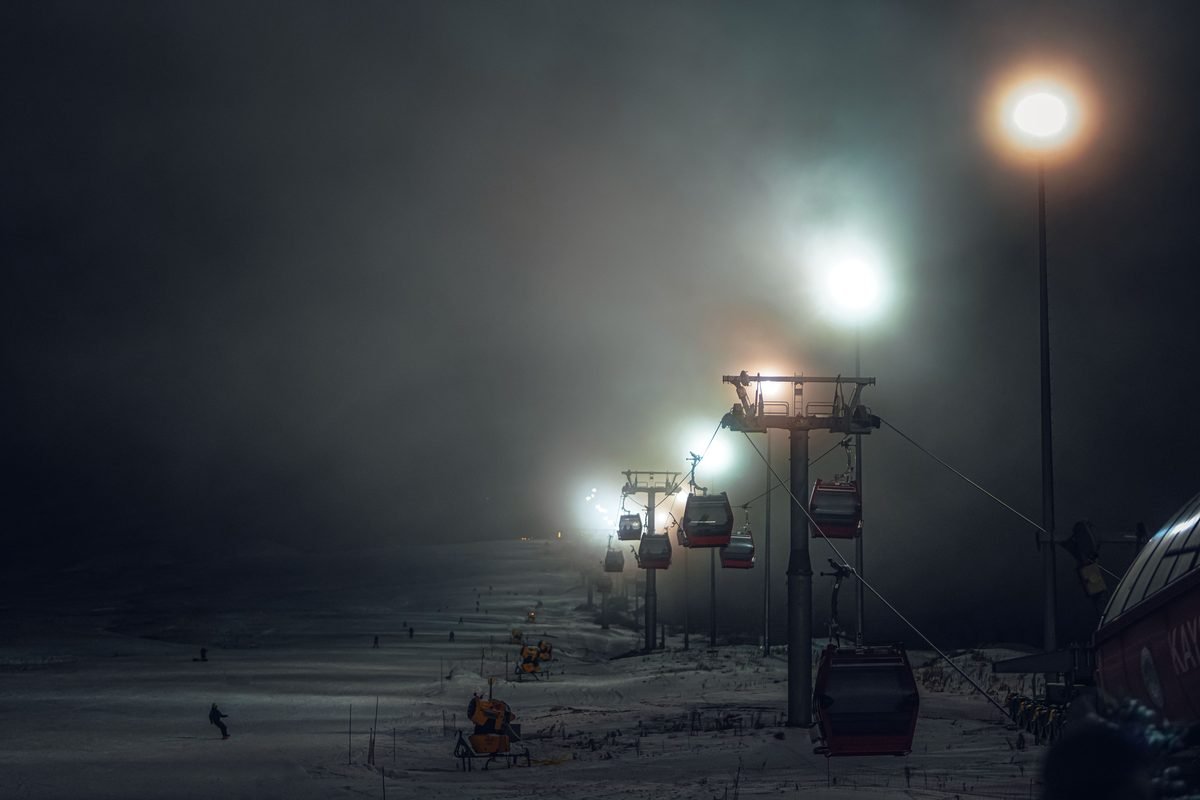
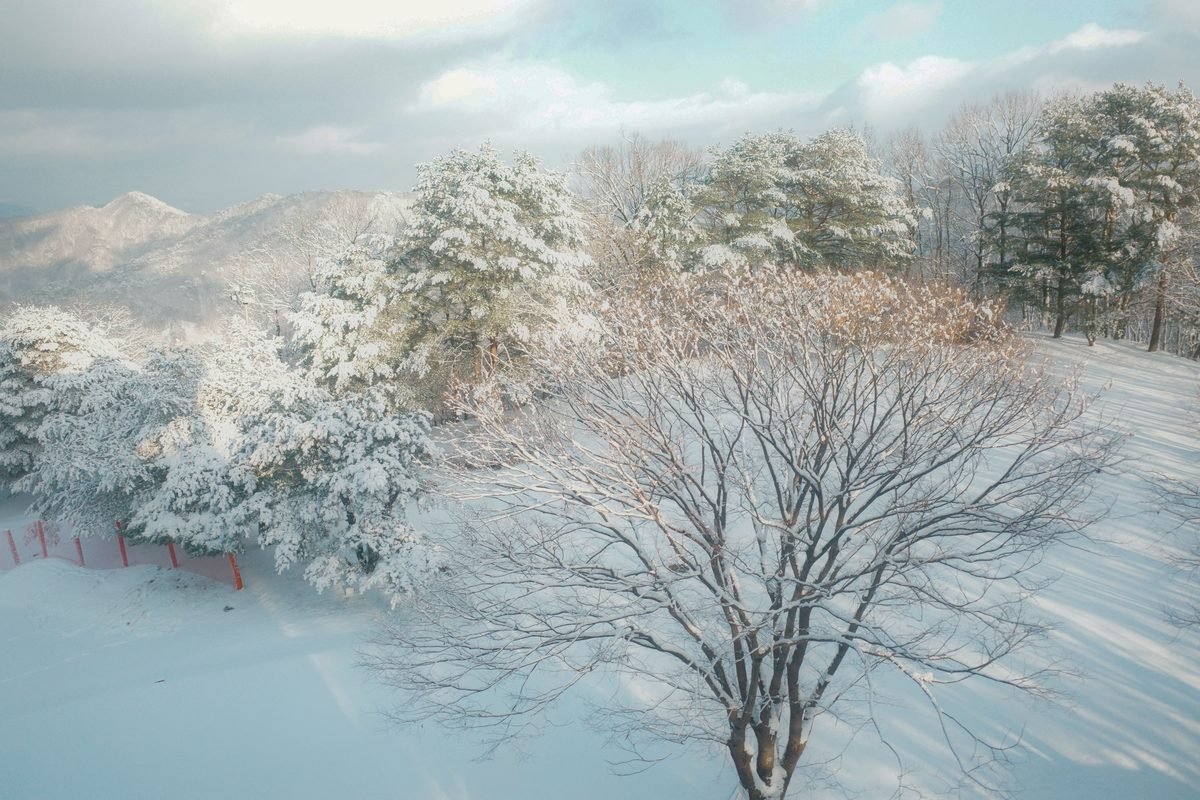
You do not need to travel all the way to Pyeongchang to experience excellent snow. Several modern ski resorts sit within a two-hour radius of Seoul, making them perfect for day trips. Elysian Gangchon is the easiest resort to reach on your own. You can board the Gyeongchun subway line or the ITX-Cheongchun high-speed train from Yongsan Station directly to Baegyangri Station. The trains run very on time. From the station, a free shuttle bus takes you to the ski house in under five minutes. A six-hour lift ticket at Elysian costs roughly ₩64,000 (about $48), and ski rental packages are about ₩30,000 (about $22).
Another highly popular destination is Vivaldi Park Ski World. While it is not on a direct subway line, the resort operates dedicated tourist shuttle buses from major points in Seoul like Hongdae and Myeongdong. These shuttles must be booked online in advance, and they often cost around ₩25,000 (about $19) for a round trip. Vivaldi Park has wider slopes and a livelier atmosphere, but it gets crowded on weekends.
If you plan to rent gear, local ski shops located just outside the resort gates are often cheaper than the resort itself. Many of these shops will even transport you and your rented gear directly to the slopes. Remember to rent a helmet and goggles, as the wind on the slopes can be brutal. Most rental shops do not include gloves for hygiene reasons, so buy a cheap pair of ski gloves at a convenience store or bring your own.
Book ahead: Book Shuttle Buses Early
Resort shuttle buses from Seoul to Vivaldi Park fill up quickly on weekends. Book your seat online at least one week in advance to guarantee your spot.
What to do when it is too cold outside
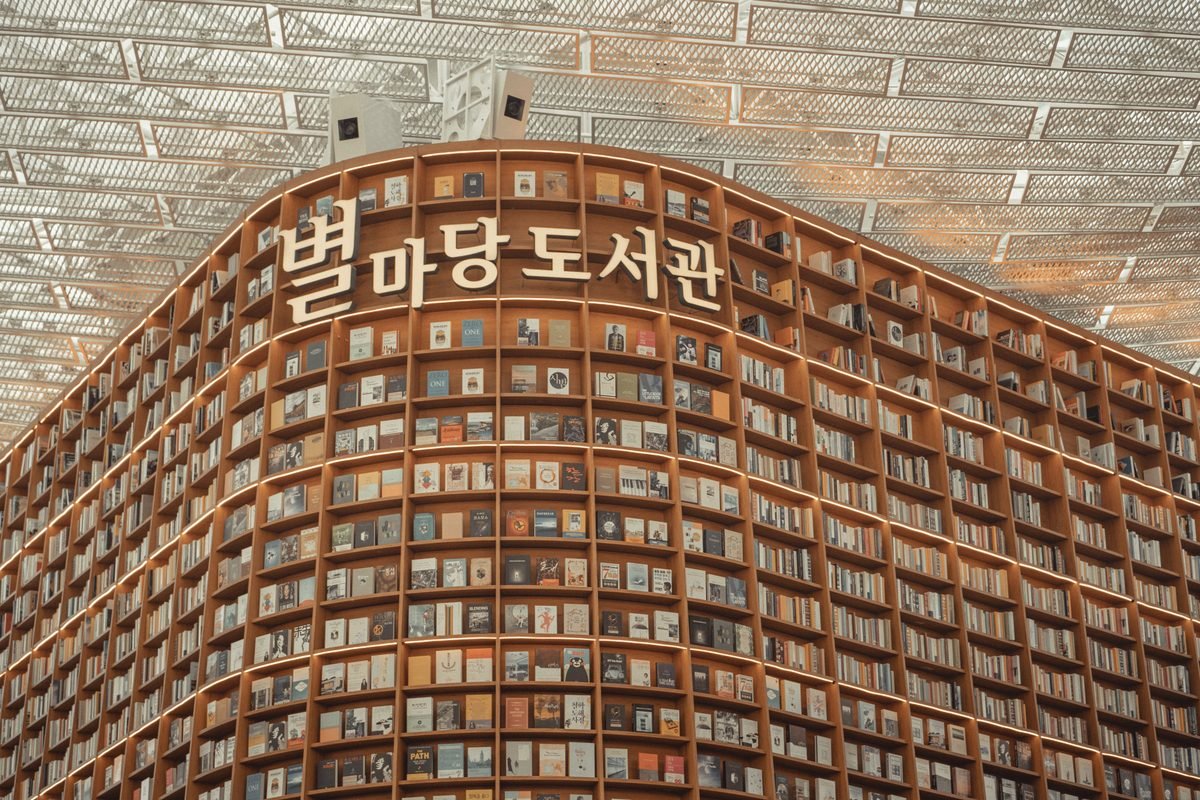
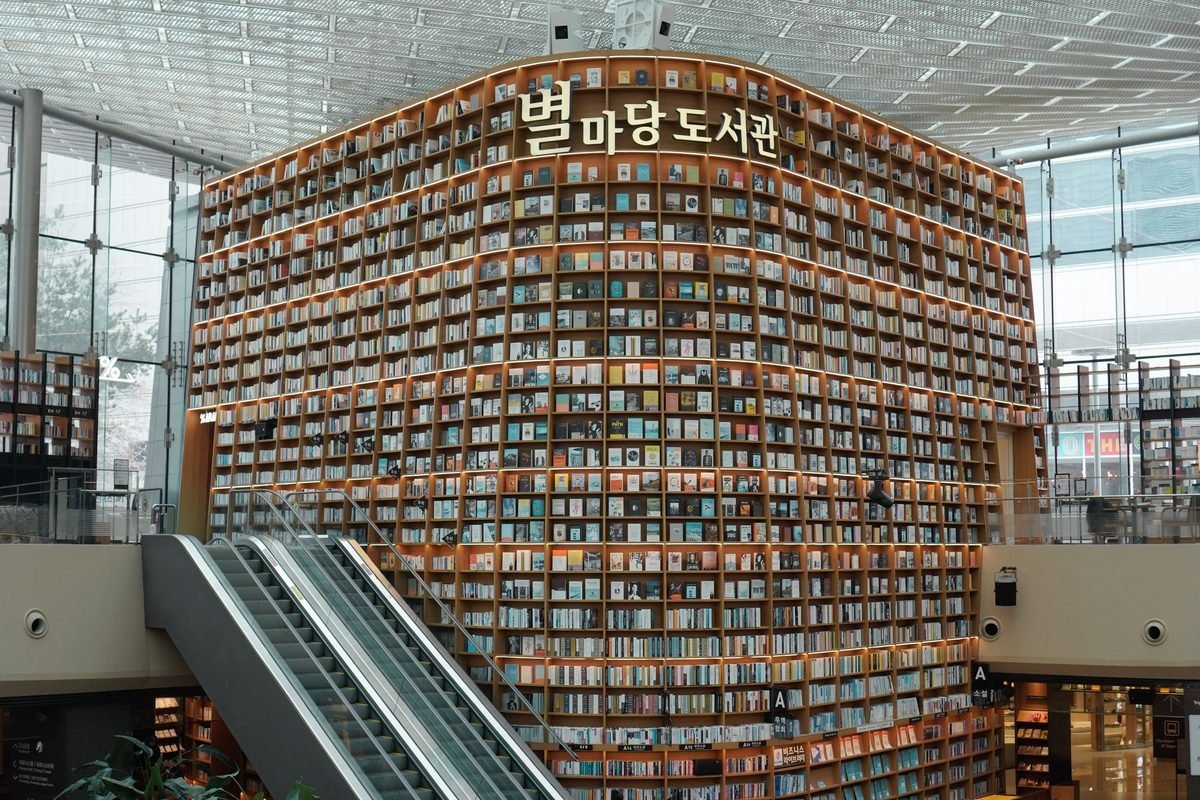
When the Siberian winds blow south, outdoor sightseeing becomes a test of endurance. Luckily, Korea has designed its cities to accommodate extreme winter weather. If the temperature drops below -10°C, head indoors. The National Museum of Korea in Yongsan is completely free to enter and features massive, heated galleries. You can easily spend four hours exploring the ancient gold crowns and Buddhist sculptures. Another excellent escape is the COEX Mall in Gangnam. Here, you can visit the Starfield Library, a towering public space filled with thousands of books, or the COEX Aquarium, where entry costs ₩33,000 (about $25).
If you want to experience a true Korean winter tradition, travel north to the Hwacheon Sancheoneo Ice Festival. Held throughout January in Gangwon province, this festival attracts millions of visitors who fish for mountain trout through holes drilled into thick river ice. Entry is about ₩15,000 (about $11). You can grill your catch on-site at communal charcoal stoves.
For those staying in Seoul, the indoor theme park at Lotte World is a lifesaver. While the outdoor island can be freezing, the massive indoor Adventure section is fully climate-controlled. Tickets cost about ₩62,000 (about $46) for adults, but discounts are frequently available online. Alternatively, spend an afternoon at a traditional jjimjilbang (bathhouse). Places like Aquafield in Goyang offer luxurious heated stone rooms, outdoor footbaths, and deep soaking tubs for around ₩23,000 (about $17) for a four-hour pass. Museums are warm and free.
Where to eat winter street food in Seoul
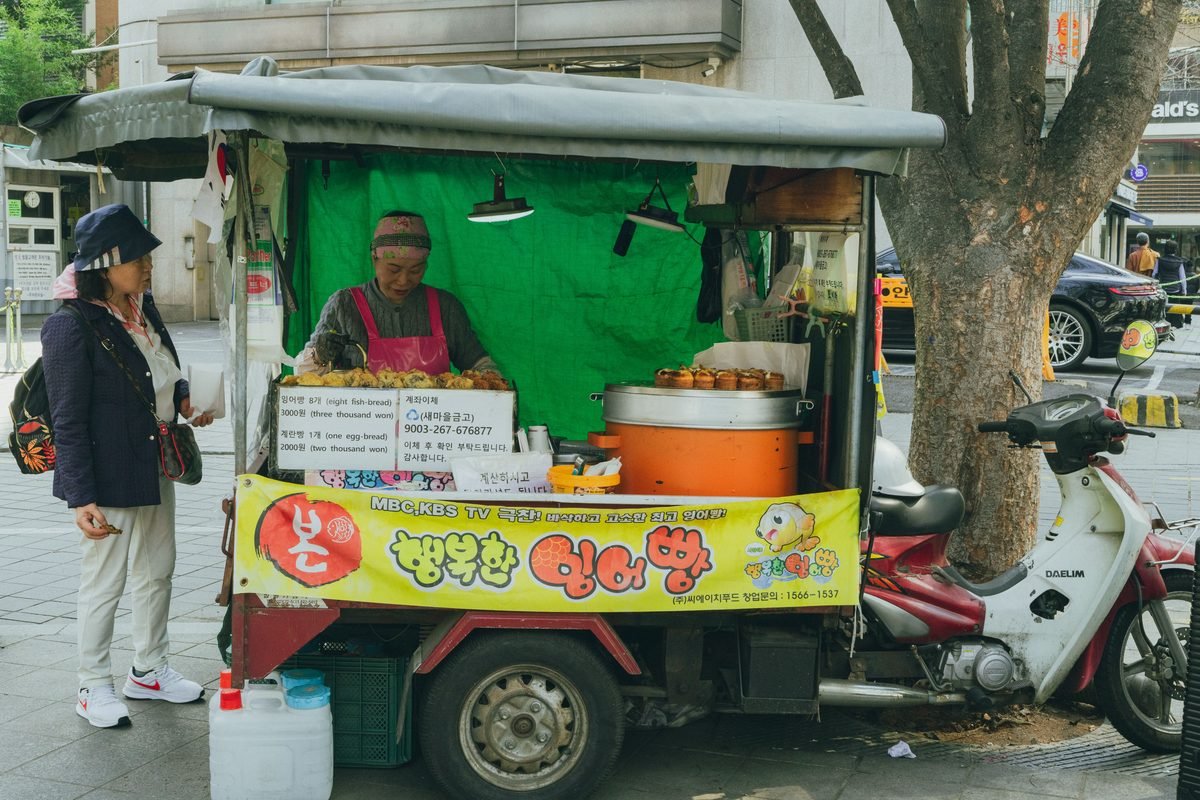
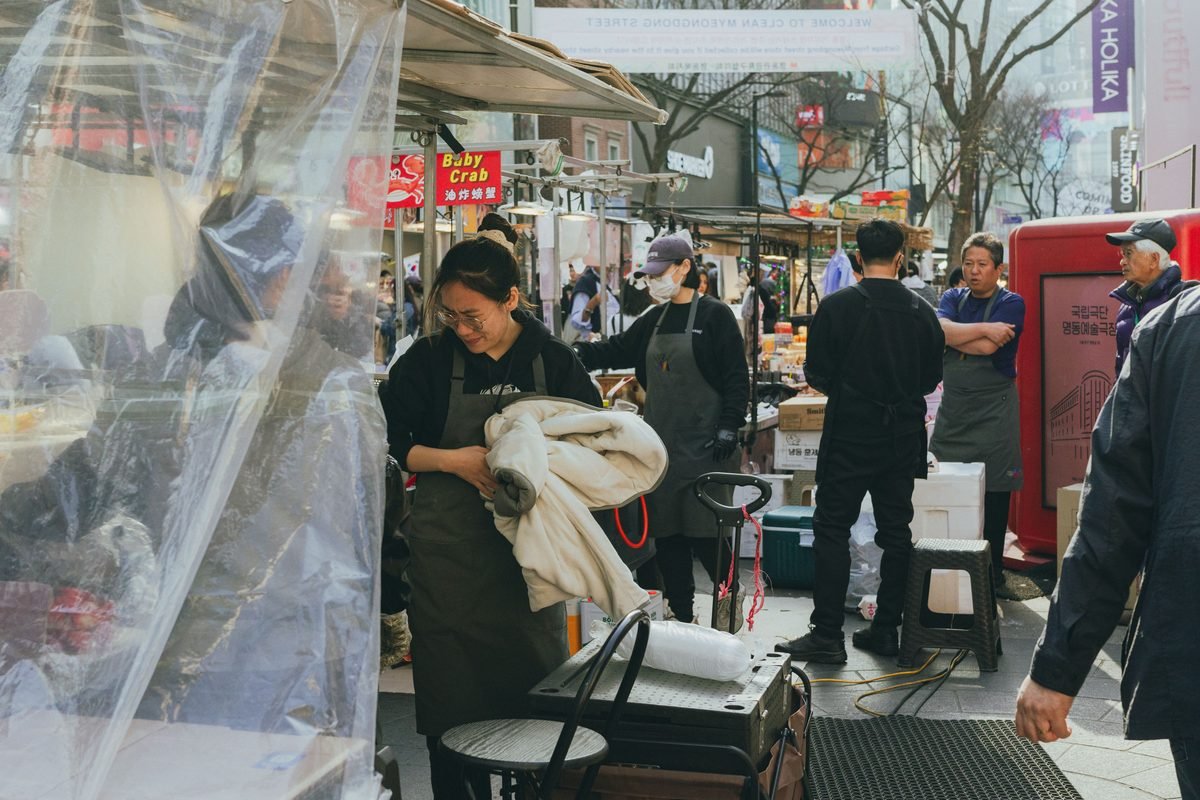
The absolute best part of Korean winter is the street food. As soon as the temperature drops, orange vinyl tents called pojangmacha pop up on street corners. The most iconic winter snack is bungeoppang, a fish-shaped pastry filled with sweet red bean paste or custard. You can usually get three of them for about ₩2,000 (about $1.50). Another favorite is eomuk (fish cakes) skewered on long wooden sticks and simmered in a savory broth. A single skewer costs about ₩1,500 (about $1.10). The hot broth is free. You simply ladle it into a small paper cup to drink while you stand by the cart.
For a sit-down meal, look for restaurants that feature traditional ondol seating. Ondol is Korea’s ancient underfloor heating system. Historically powered by firewood, modern systems use hot water pipes beneath the floorboards. Sitting on a warm floor while eating a boiling bowl of gamjatang (pork spine soup) or samgyetang (ginseng chicken soup) is the ultimate winter comfort. A hearty bowl of soup typically costs between ₩10,000 and ₩15,000 (about $7.50 to $11).
If you are in Daegu, head to the Anjirang Gopchang Alley to eat grilled pork intestines over hot coals. The taxi base fare in Daegu is ₩4,500 (about $3.40), making it easy to reach from the train station. If you are in Seoul, walk through the narrow alleys of Ikseon-dong. The traditional hanok houses here have been converted into cozy cafes where you can sit on heated floors and drink hot ginger tea.
From a local: Free Broth Etiquette
Do not be shy about helping yourself to the hot fish cake broth (eomuk-guk) at street stalls. It is entirely free and expected; just use the plastic ladle to fill a paper cup.
What to pack for minus ten degrees in Korea
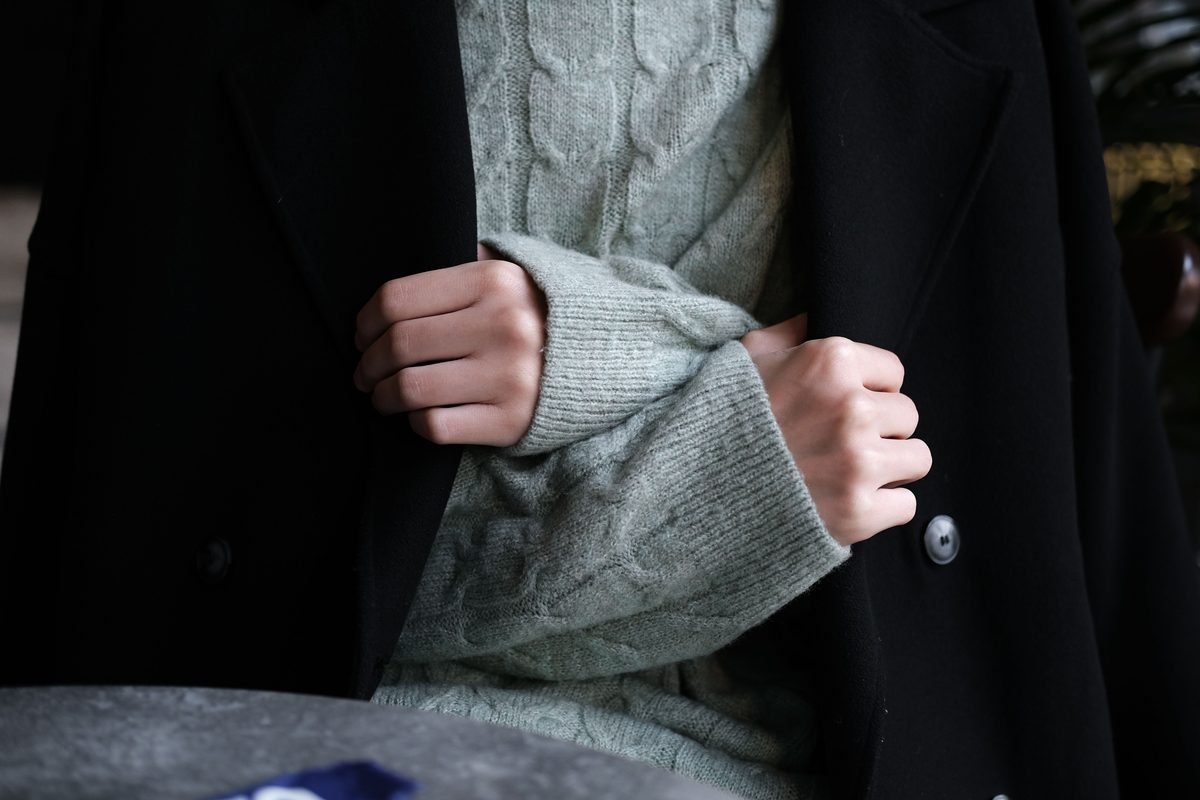
Packing for a Korean winter requires strategy. The secret is high-quality thermal base layers. Uniqlo’s Heattech line is widely available in Seoul, but it is best to pack a few sets before you arrive. On top of your base layer, wear loose sweaters and a windproof outer shell. Locals almost exclusively wear long padding coats, often called bench coats, which extend down to the shins. If you do not own one, a heavy wool coat or a thick down jacket is essential.
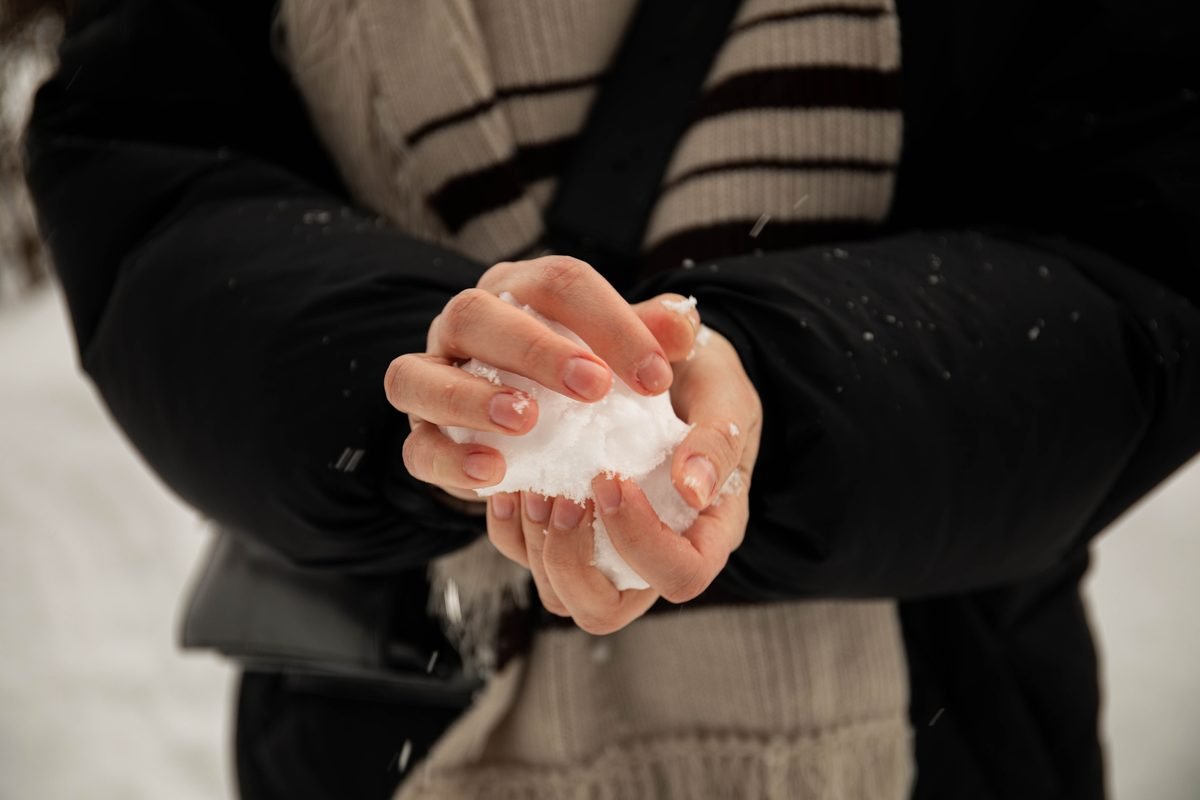
Do not forget your extremities. Bring heavy wool socks, a beanie that covers your ears, and insulated gloves. The dry winter air will dry out your skin quickly, so pack a heavy moisturizer and lip balm. You can also buy hot packs, known locally as hot-pack (핫팩), at any GS25 or CU convenience store for about ₩1,000 (about $0.75). Shake them to activate the iron filings inside, and keep them in your pockets to warm your hands.
Navigating the streets in the cold requires the right digital tools. Do not use Google Maps. It does not provide walking or transit directions in South Korea due to local data security laws. Instead, download Naver Map or KakaoMap before you arrive. Both apps have excellent English interfaces and show real-time bus and subway arrivals. This is crucial because waiting at an unsheltered bus stop in -10°C is something you want to minimize. You can also use Kakao T to hail local taxis if the cold becomes unbearable. Taxis are relatively affordable, with Seoul’s base fare starting at ₩4,800 (about $3.60).
Tip: Avoid Google Maps
Google Maps is virtually useless for walking or transit directions in Korea. Download Naver Map or KakaoMap before your trip for accurate, real-time navigation.
Where to see winter light festivals and snow-covered palaces
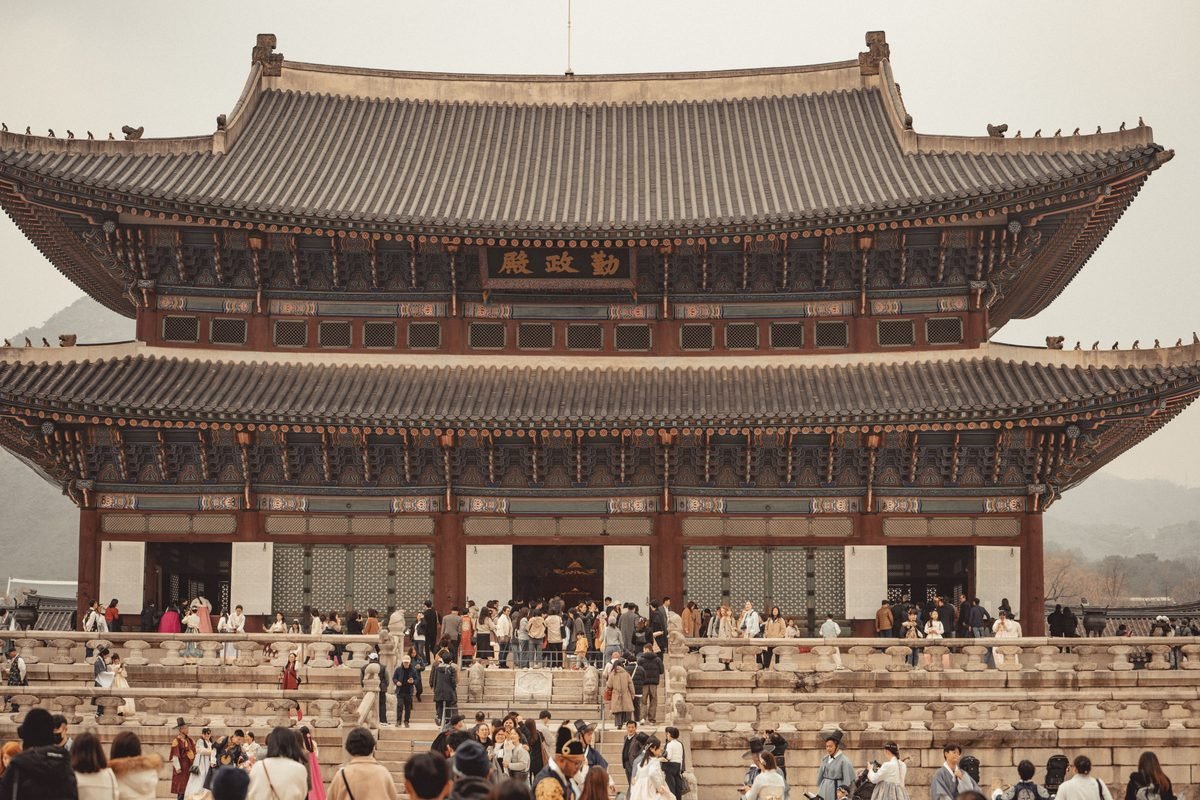
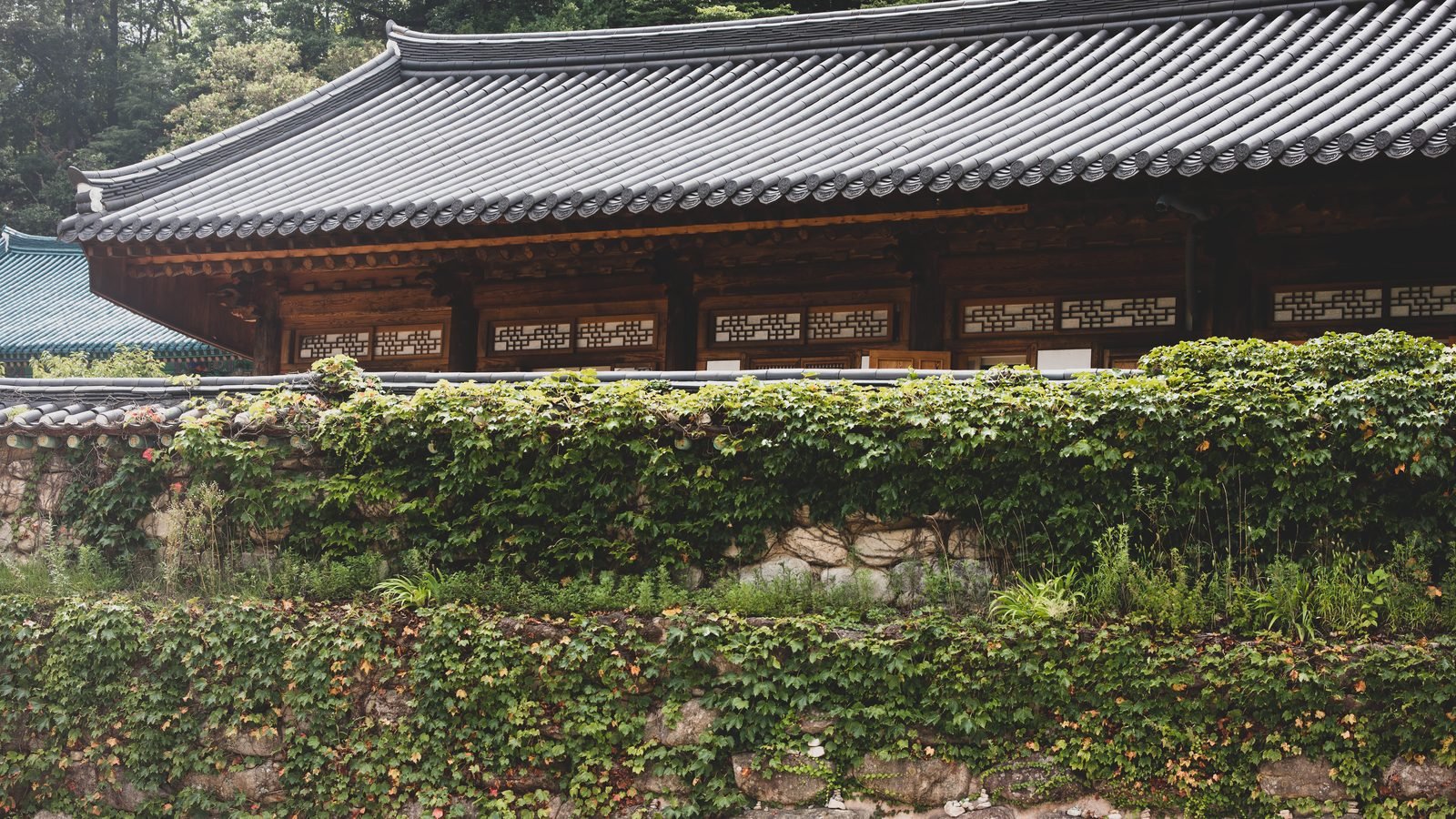
If you are lucky enough to be in Seoul when it snows, head straight to the historic palaces. Gyeongbokgung and Changdeokgung palaces look completely different under a blanket of fresh snow. The contrast of the dark wooden pillars, the colorful dancheong paint, and the white snow is spectacular. Admission to Gyeongbokgung is ₩3,000 (about $2.20), but it is free if you wear a rented hanbok. Walking through the secret garden at Changdeokgung in the quiet snow is a quiet, memorable experience, though you must book the guided tour online in advance for ₩5,000 (about $3.70).
Outside of the city, winter light festivals illuminate the dark nights. The most famous is the light festival at the Garden of Morning Calm in Gapyeong. Running from December to March, the garden is covered in millions of colorful LED lights that turn the trees and lawns into a glowing wonderland. Entry is ₩11,000 (about $8) for adults. To get there, take the ITX-Cheongchun train from Yongsan Station to Gapyeong Station, then board the local Gapyeong City Tour Bus.
Another option is the Herb Island Light Festival in Pocheon, which features a massive lavender field made entirely of lights and a Santa Village. These light displays look best right at dusk when the sky turns a deep royal blue. Make sure to dress even warmer than usual for these evening excursions, as rural temperatures drop much faster than in the concrete-heavy streets of Seoul. Bring extra hot packs for your boots.
What it costs in Korea
| Item | Local price | USD |
|---|---|---|
| Subway single ride (Seoul) | ₩1,550 | ($1.15) |
| AREX Express Train (Airport to Seoul Station) | ₩11,000 | ($8.00) |
| Bungeoppang street pastry (3 pieces) | ₩2,000 | ($1.50) |
| Elysian Gangchon lift ticket (6 hours) | ₩64,000 | ($48.00) |
| Warm bowl of Gamjatang (pork soup) | ₩12,000 | ($9.00) |
| Mid-range hotel room (per night) | ₩120,000 | ($90.00) |
| Realistic daily budget (excluding lodging) | ₩80,000 | ($60.00) |
Prices checked September 2026. Always confirm with the provider before you book.
Mistakes to avoid
- Relying on Google Maps for walking directions instead of downloading Naver Map or KakaoMap.
- Forgetting to carry physical cash, which is required to buy and load T-money transit cards and pay at street food stalls.
- Underestimating the dry winter air and skipping heavy moisturizers, lip balms, and hydration.
FAQ
Is a Korea winter travel guide necessary for planning?
Yes, because winter in Korea brings extreme dry cold down to -15°C, unique seasonal street food, and specific transportation needs for ski day trips that require advance research. Knowing how to navigate without Google Maps and understanding the local transit card system will save you significant stress in the freezing weather.
How cold does it actually get in Seoul during winter?
Temperatures in Seoul regularly drop to between -5°C and -15°C (23°F to 5°F) from January to February. The wind chill off the river makes it feel significantly colder, though the weather is usually dry and sunny rather than snowy.
Do I need to buy ski gear before visiting Korea?
No, you can easily rent everything on-site. Ski resorts and nearby rental shops offer ski suits, boots, poles, and helmets for rent, though you will need to bring or buy your own ski gloves for hygiene reasons.
Are palaces in Seoul open during the winter?
Yes, Gyeongbokgung and other major palaces remain open year-round. They are particularly quiet and beautiful after a fresh snowfall, and entry is free if you wear a rented traditional hanbok.
Can I use my T-money card in cities other than Seoul?
Yes, the T-money card is a nationwide transit card. You can use it on subways and buses in Busan, Daegu, Daejeon, and even on local buses around Jeju Island.