Korean temple stay guide: How to Book and What to Expect

A hollow wooden rhythm echoes through the pre-dawn air at 4:30 AM. This is the sound of the moktak, a wooden percussion instrument used by monks to signal the start of the day. You are lying on a thin floor mattress in a room that smells faintly of cedar and incense, wondering if you can actually manage to get up for the morning chanting. This is the reality of a temple stay in Korea, a program that opens the doors of centuries-old Buddhist monasteries to the public for a night of reflection and discipline.
This Korean temple stay guide is for independent travelers who want to go beyond the typical sightseeing circuit. I live in Seoul and have participated in several stays across the country, from the mountains of Gyeongju to the coast of Jeju. I will cover how to navigate the official booking portal, the physical challenge of the 108 bows, the strict rules of temple meals, and which specific temples provide the most welcoming experience for English speakers.
How to book a temple stay in Korea
Booking a temple stay used to be a complicated process involving phone calls and Korean-language websites, but it has become significantly easier. Almost every temple that accepts visitors is managed through a single official portal called Templestay.com. This website is the central hub for over 140 temples across the peninsula. When you visit the site, you can filter by region, date, and most importantly, the availability of English-speaking staff. Many temples in remote mountains may only offer programs in Korean, so checking the language filter is the first step for most international travelers.
There are generally two types of programs: “Freestyle” and “Program-based.” A freestyle stay is exactly what it sounds like. You are provided with a room and meals, and you are expected to attend the morning and evening chanting, but the rest of the day is yours for hiking or meditation. These usually cost around ₩50,000 to ₩70,000 (about $37 to $52). Program-based stays are more structured and include activities like making lotus lanterns, guided meditation, and a tea ceremony with a monk. These are better for those who want a deeper dive into the culture and typically cost between ₩80,000 and ₩120,000 (about $60 to $90).
I recommend booking at least two weeks in advance, especially for popular spots like Jogyesa in Seoul or Bulguksa in Gyeongju. During the peak autumn months of October and November, the most famous temples fill up months ahead of time. Once you book on the portal, you will receive a confirmation email with instructions on how to reach the temple. Most will ask you to arrive by 2:00 PM on the first day to receive your temple uniform—a vest and wide-legged trousers that you must wear throughout your stay.

Book ahead: Secure your spot early
Book your stay via the official Templestay.com portal at least three weeks out for weekend dates, as these are popular with locals escaping the city.
When to go for a temple stay
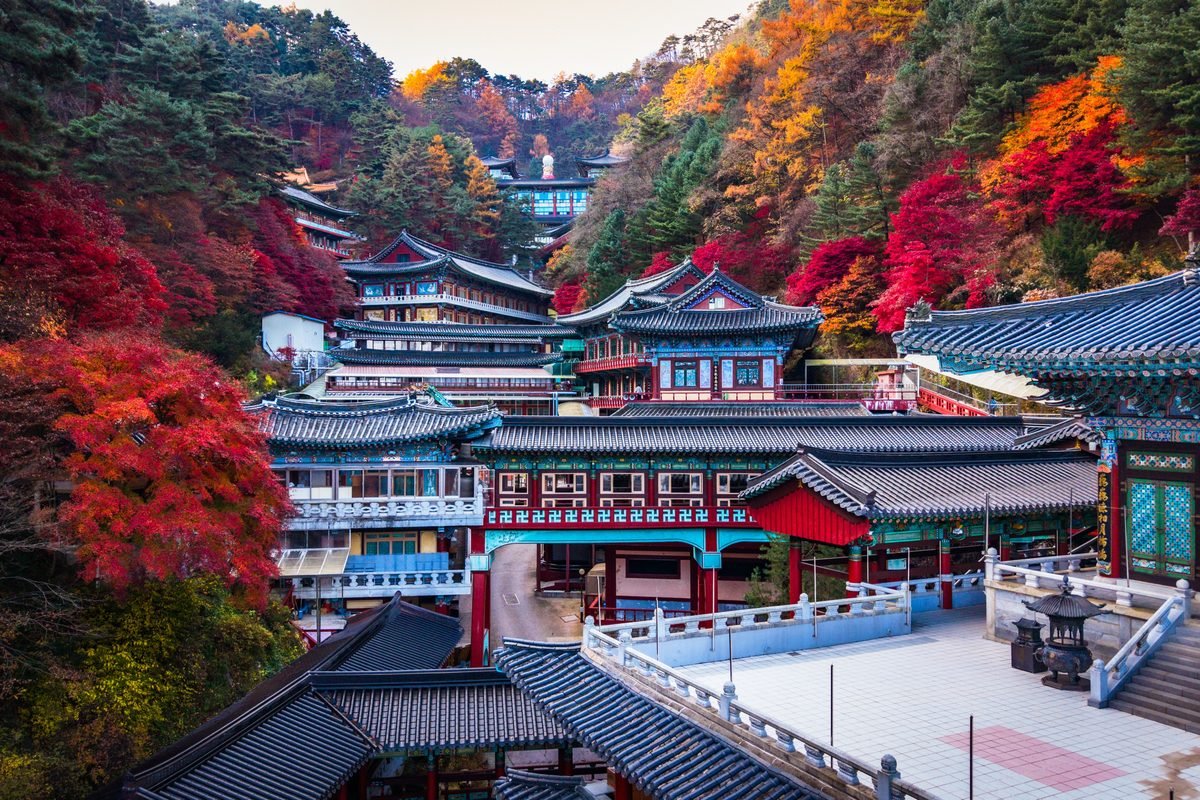
The experience of sleeping in a traditional wooden hall changes drastically with the seasons. September is an ideal time to visit because the humidity of the Korean summer has finally broken, but the nights are not yet biting. In the early autumn, the mountain air is crisp and clear, making the pre-dawn walk to the Dharma hall much more pleasant. If you wait until late October or November, you will be rewarded with the changing colors of the maple and ginkgo trees, which transform temple grounds into shades of deep red and gold. It is a visual experience that is hard to match anywhere else in the country.
Winter stays offer a different kind of charm but require more resilience. Most temples use ondol, the traditional Korean underfloor heating system. While the floor will be warm, the air in these old wooden buildings can be very cold. It is a quiet time, often with fewer participants, which can lead to more personal interactions with the monks. However, if you are not used to sleeping on a thin mat on a hard floor, the cold might make it harder to get comfortable. The snow-covered roofs of a mountain temple are beautiful, but you must pack heavy thermal layers.
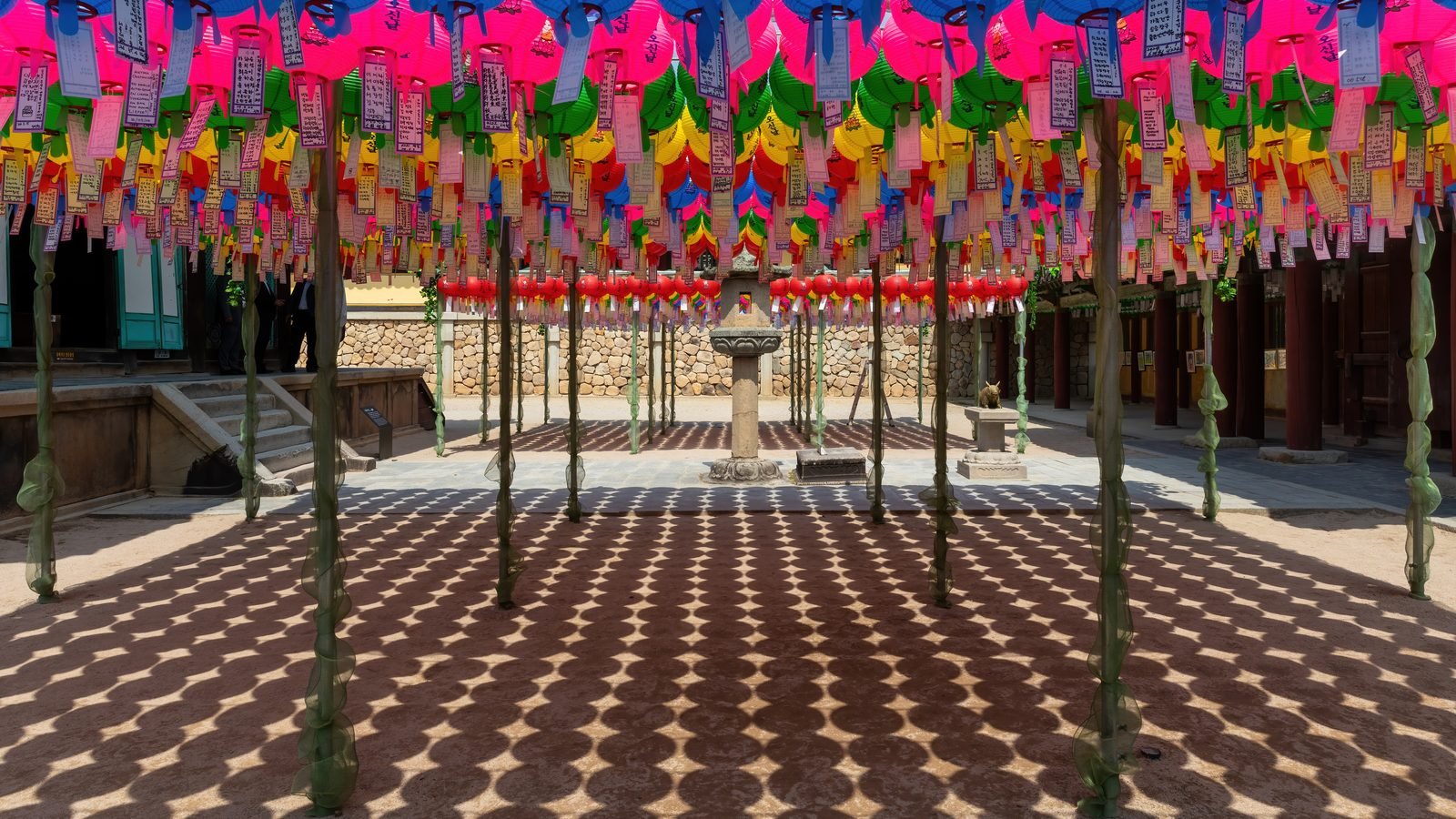
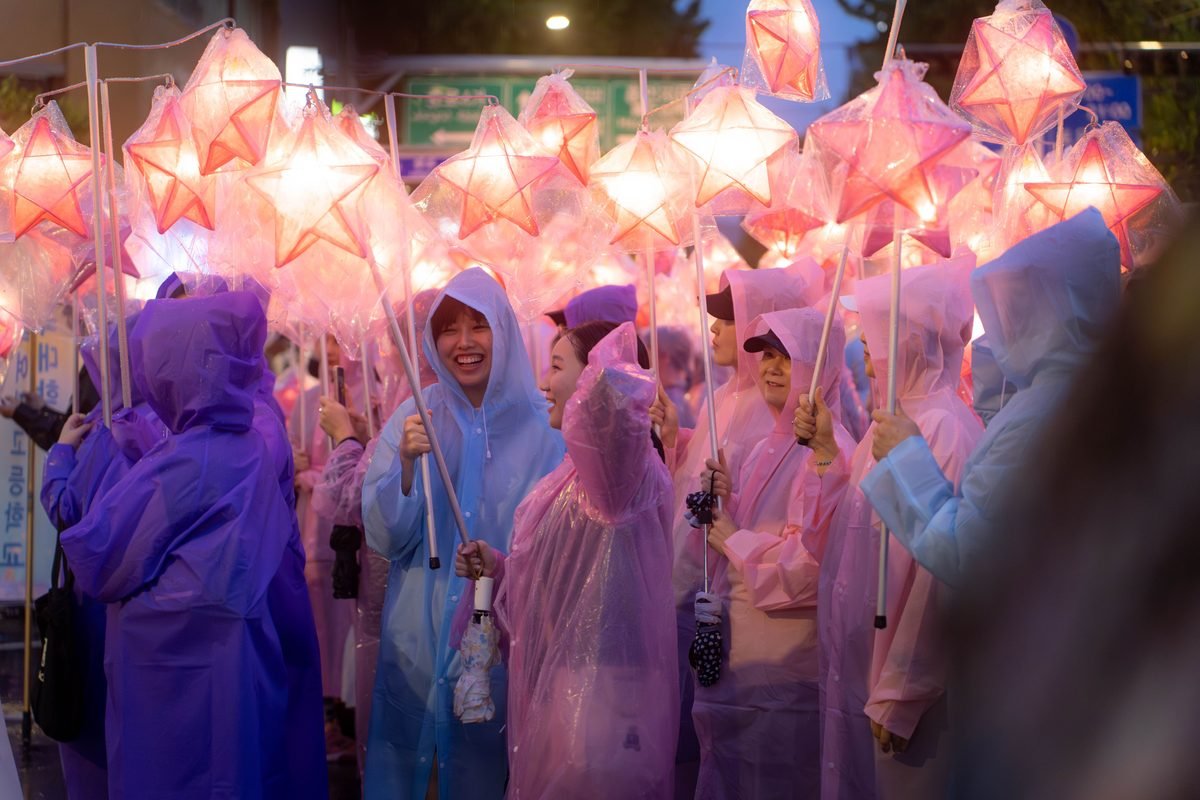
Spring, specifically around late April or May, is another peak season. This is when temples celebrate Buddha’s Birthday. The courtyards are filled with thousands of colorful lotus lanterns, and the atmosphere is celebratory rather than purely somber. It is a busy time, so do not expect the same level of silence you would find in the winter. If you want a balance of good weather and manageable crowds, aim for the window between late September and mid-October. The mountain trails are at their best then.
What to expect during your Korean temple stay
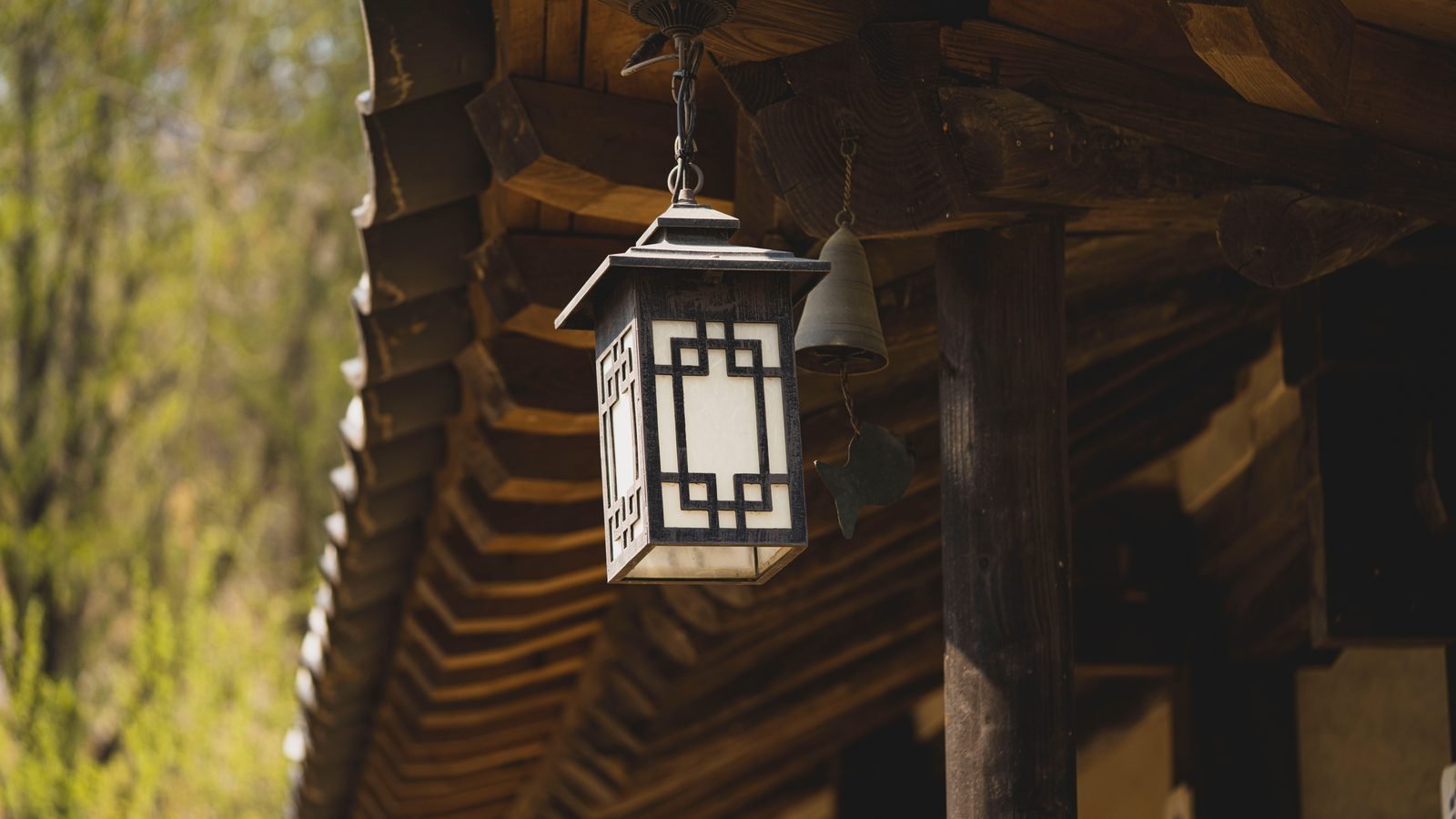
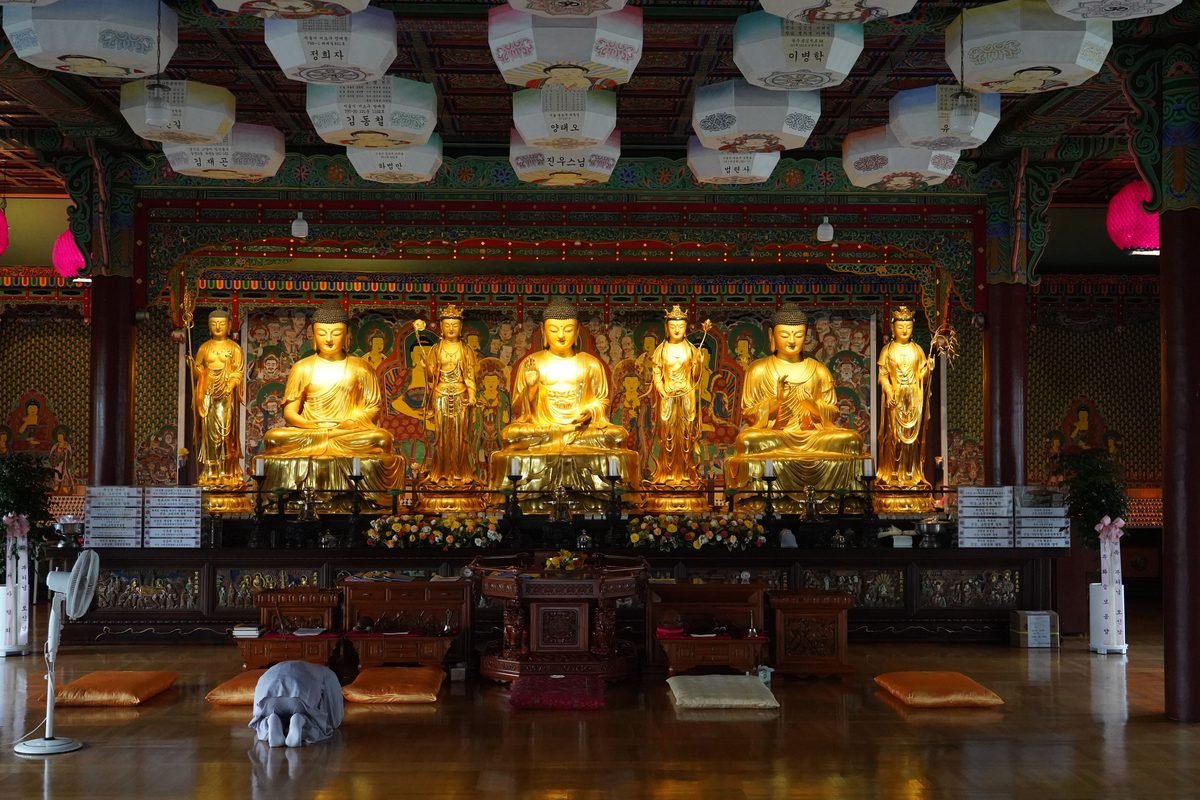
A typical stay follows a rigorous schedule. After you check in and change into your uniform, there is usually an orientation to explain temple etiquette. You will learn how to walk (hands folded in front, walking quietly) and how to bow. The evening begins with the ringing of the large bronze bell, followed by Yebul, the evening chanting ceremony. This takes place in the main Dharma hall. You don’t need to know the chants; simply standing and sitting when the others do is enough. The atmosphere is heavy with the smell of incense and the rhythmic sound of the moktak. It is very quiet.
The most physically demanding part of many programs is the 108 bows. This is a form of moving meditation where you perform 108 full prostrations—going from a standing position to your knees, then touching your forehead to the floor, and back up again. Each bow represents the shedding of a worldly desire or delusion. It takes about 20 to 30 minutes to complete. Your legs will likely shake by the end. The goal is not just the physical act, but the mental focus required to keep count and stay present. Many temples provide a string of 108 beads, and you add one bead after each bow to help you keep track.
Morning comes early. Most temples start the day between 3:30 AM and 4:30 AM. The morning Yebul is the most important part of the day for the monks, and participating as the stars are still visible above the temple roof is a powerful experience. After chanting, there is often a session of Seon (Zen) meditation. You will be taught how to sit, how to breathe, and how to clear your mind. If you are on a structured program, the day might conclude with a tea ceremony. This is your chance to ask a monk questions about their life and philosophy through a translator.
Tip: The 108 bows are optional
If you have knee issues or physical limitations, do not feel pressured to complete the 108 bows; most temples allow you to simply sit and meditate instead.
How to eat during a temple stay
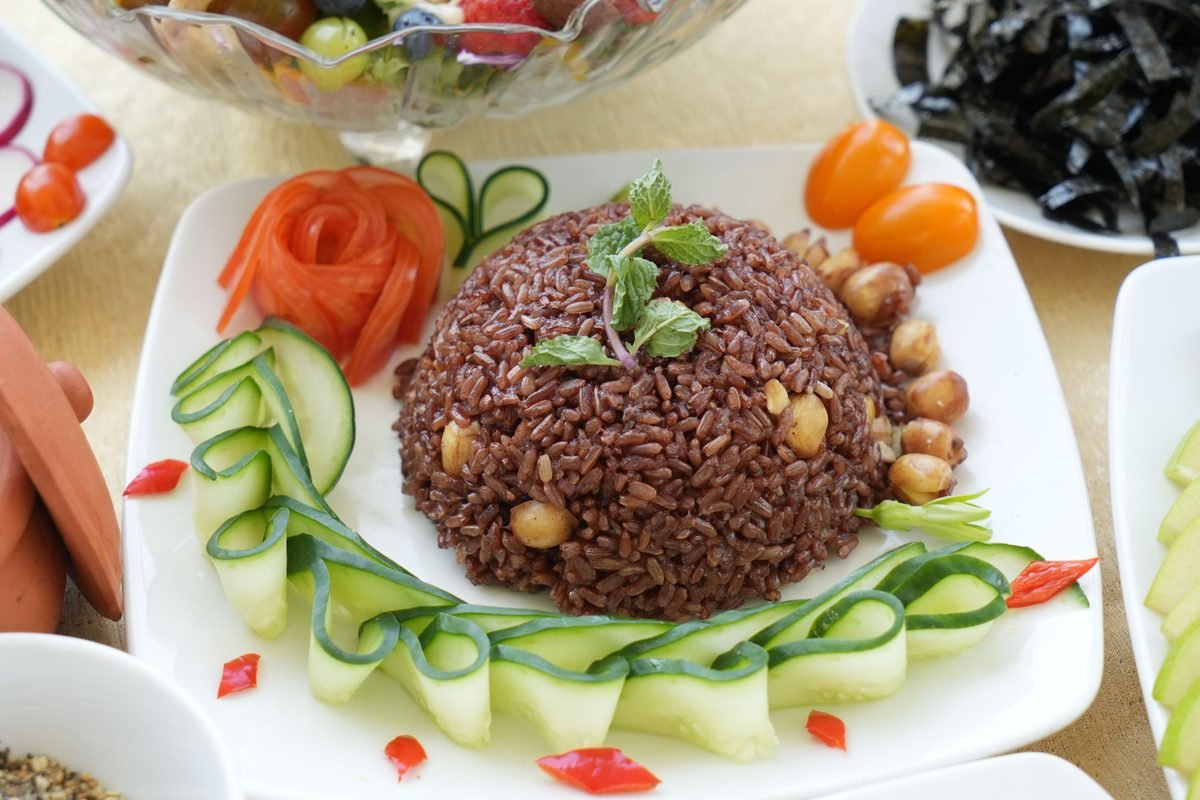
Food in a Korean Buddhist temple is strictly vegan. No meat, fish, or dairy is served. Furthermore, five “pungent vegetables” are banned: garlic, onions, scallions, chives, and leeks. These are believed to excite the senses and hinder meditation. Despite these restrictions, temple food is incredibly flavorful, relying on fermented soybean paste, perilla oil, and seasonal mountain roots. Meals are typically served buffet-style in a communal dining hall, but some programs still teach the traditional formal meal known as Baru Gongyang.
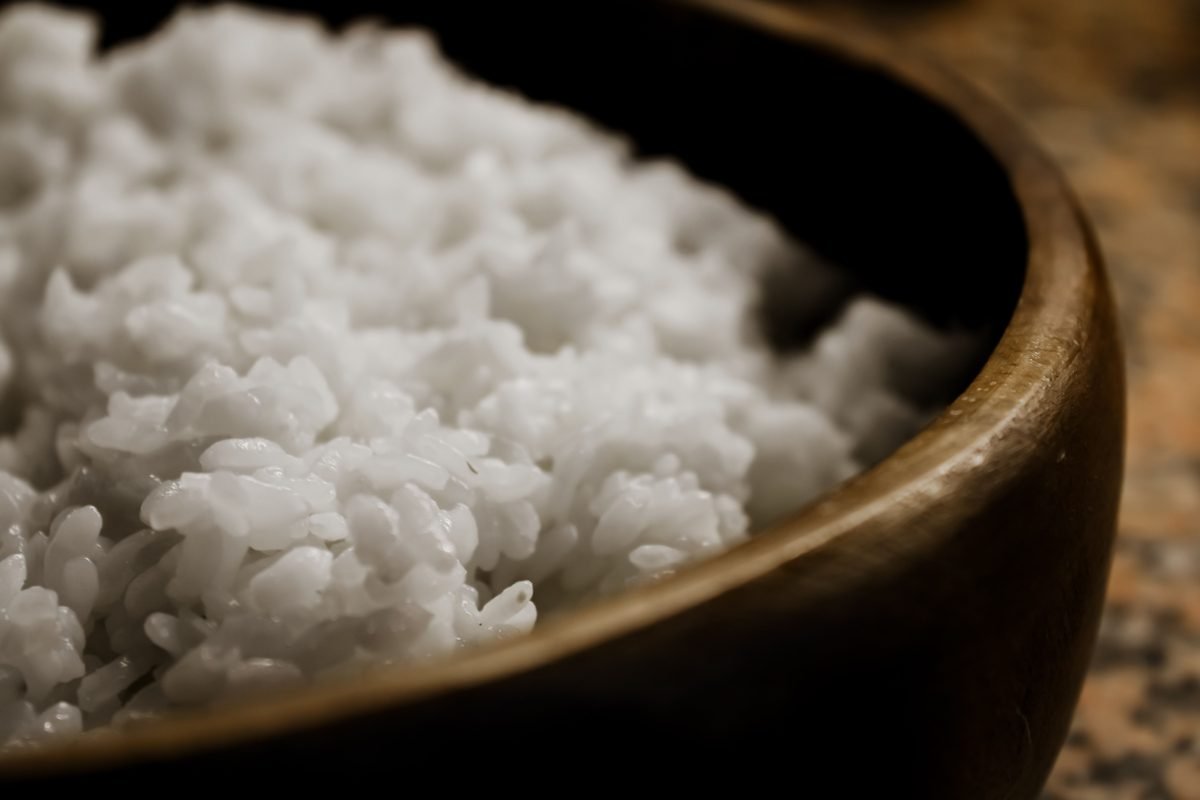
Baru Gongyang is a highly ritualized way of eating using four wooden bowls of different sizes. There is a specific order for unfolding the cloth, arranging the bowls, and receiving the food. The most important rule is that you must not waste a single grain of rice or a drop of soup. You are expected to take only what you can eat. At the end of the meal, a piece of yellow pickled radish is used to scrub the remaining bits of food from the bowls, and then water is poured in. You must drink this cleaning water. It sounds intense, but it is a lesson in gratitude and mindfulness regarding the effort that goes into producing food.
Even in temples that use a standard buffet, the rule of zero waste still applies. You will see signs in the dining hall reminding you to finish everything on your plate. Talking during meals is usually forbidden or strictly discouraged. The focus should be entirely on the act of eating. I find that this silence makes the flavors of the simple vegetables much more distinct. It is a stark contrast to the loud, social dining culture found in Seoul’s barbecue restaurants. The food is vegan. It is healthy. You will likely feel very light and energized after a few meals of rice, sprouts, and mountain greens.
From a local: The radish trick
Save a small piece of your pickled radish until the very end; you will need it to clean the last bits of rice from your bowl before drinking the rinse water.
Best temples for a stay in Korea
If you are staying in the capital, Jogyesa is the most accessible. Located in the heart of the city near Insadong, it offers short programs that are perfect for those with a tight schedule. However, because it is in a busy urban area, you won’t get the same sense of mountain isolation. For a more traditional experience near Seoul, Bongeunsa in Gangnam is a great middle ground. It sits on a hill overlooking the skyscrapers, providing a unique visual juxtaposition of ancient tradition and modern life. Both of these have excellent English support.
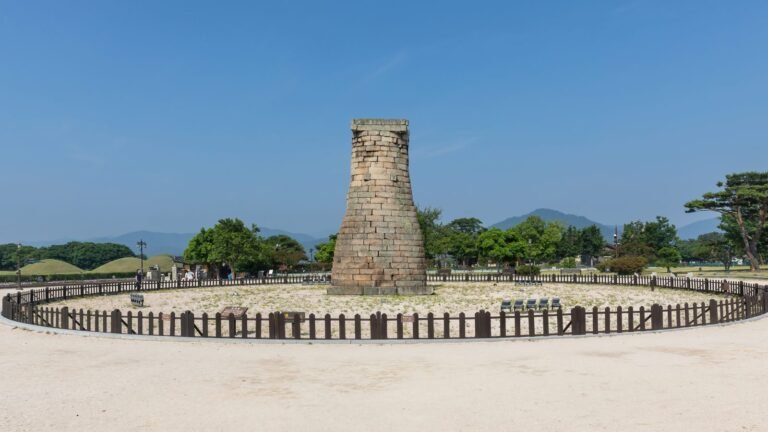
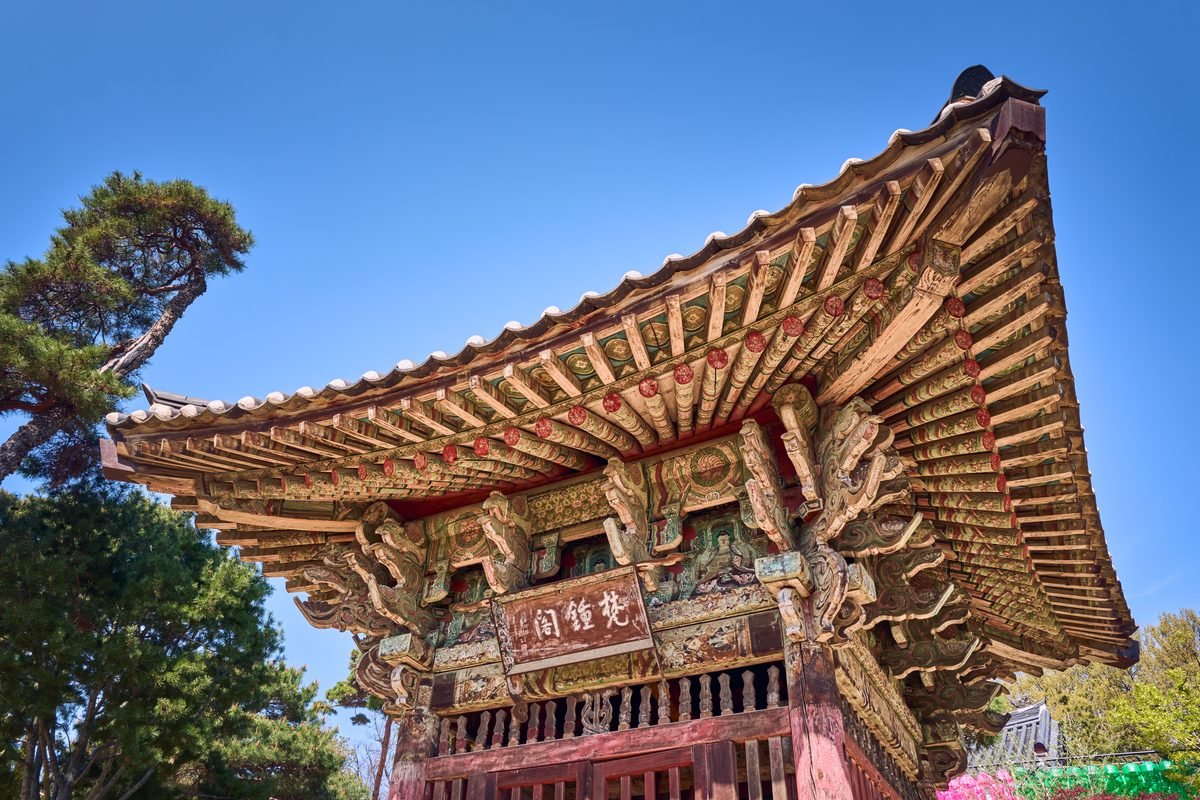
For those willing to travel further, I highly recommend Bulguksa in Gyeongju. This is a UNESCO World Heritage site and one of the most significant temples in Korean history. Staying here allows you to see the grounds after the daytime tourists have left, which is a rare privilege. You can combine this with a Gyeongju 2-day itinerary to see the nearby ancient tombs. Another fantastic option is Mihwangsa in Haenam. It is located at the southern tip of the peninsula and is often cited as the most beautiful temple in Korea due to its backdrop of jagged rocky peaks and views of the ocean. It is remote, but the peace there is absolute.
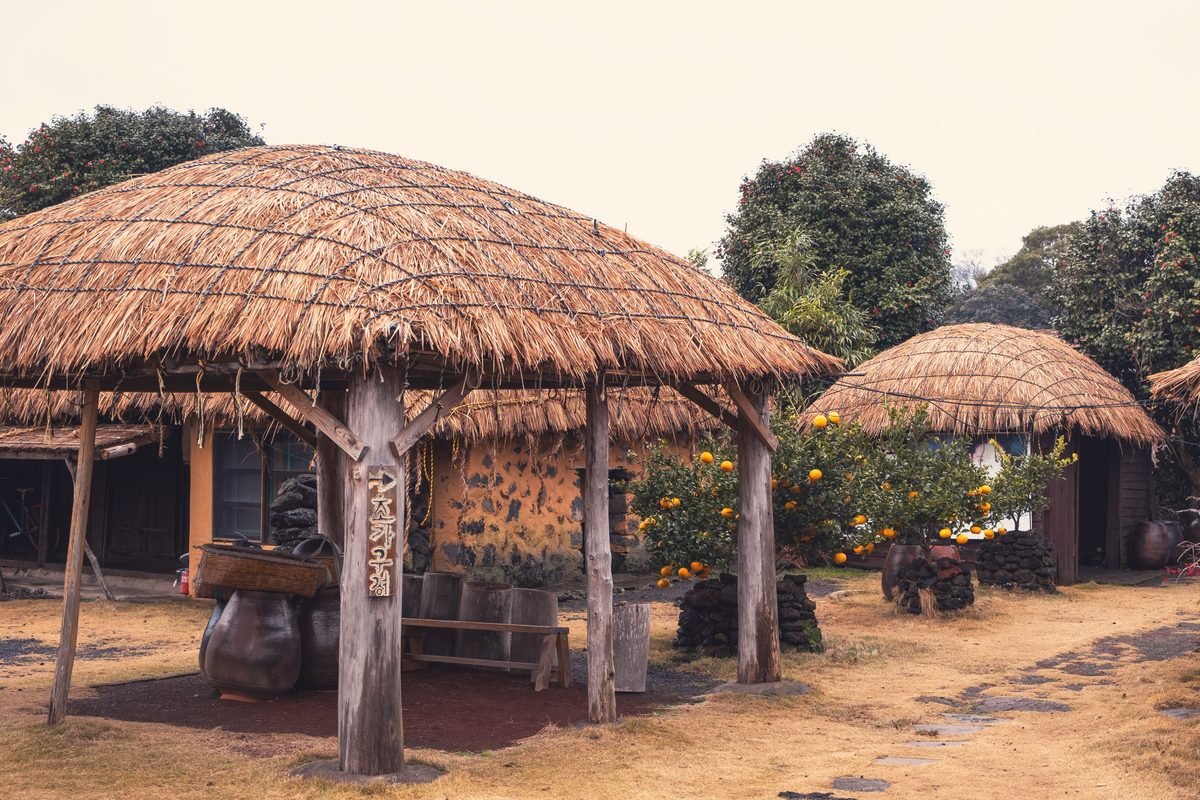
If you are heading south, consider Yakcheonsa on Jeju Island. This temple is famous for its massive main hall and its proximity to the sea. The architecture here is grander and more colorful than the older mountain temples. Finally, Haeinsa in Gayasan National Park is home to the Tripitaka Koreana, a collection of over 80,000 wooden printing blocks. The temple stay program here is world-class and very educational. Each of these temples offers a slightly different flavor of Korean Buddhism, from the scholarly focus of Haeinsa to the coastal serenity of Yakcheonsa.
Practical tips for your first temple stay
Packing for a temple stay is different from a standard hotel trip. While the temple provides the uniform, you need to bring your own toiletries, including a towel, toothbrush, and soap. Most temples have communal bathrooms, though some modern facilities now offer private or semi-private en-suite options. Bring comfortable socks. You will be taking your shoes off constantly to enter the various halls, and walking barefoot is generally considered disrespectful. In the winter, thick wool socks are a lifesaver on the cold wooden floors.
Respect the silence. Outside of designated Q&A sessions, many areas of the temple are quiet zones. This is especially true near the monks’ living quarters and during meditation hours. If you need to speak, do so in a whisper. Also, be mindful of photography. While most temples allow you to take photos of the architecture and courtyards, taking photos inside the Dharma hall during a ceremony is often forbidden. Always look for signs or ask a staff member before pointing your camera at a monk or a statue during prayer.
Finally, come with an open mind regarding the physical discomforts. The beds are thin. The pillows are often filled with husks and can feel like stones. You will be waking up when you usually go to sleep. However, if you lean into the discipline of the experience, it becomes much more rewarding. The lack of internet (some temples have Wi-Fi, but you are encouraged to stay off your phone) and the simple food provide a mental reset that is hard to find elsewhere.
Heads up: No meat or alcohol
Do not bring any snacks containing meat or any alcohol onto temple grounds; it is a major violation of the rules and will cause significant offense.
What it costs in Korea
| Item | Local price | USD |
|---|---|---|
| Temple Stay Program (1 night) | ₩70,000 | $52 |
| Round-trip Bus/Train from Seoul | ₩40,000 | $30 |
| Personal Toiletries/Socks | ₩10,000 | $7 |
| Traditional Tea at Temple Cafe | ₩6,000 | $4.50 |
| Daily Total | ₩126,000 | $93.50 |
Prices checked September 2026. Always confirm with the provider before you book.
Mistakes to avoid
- Wearing shoes inside any building with a wooden floor or a raised platform.
- Taking photos of the Buddha statues during the Yebul chanting ceremony.
- Leaving any food, even a single grain of rice, in your bowl after a meal.
FAQ
How do I book a temple stay in Korea?
The best way is through the official Korean temple stay guide portal at Templestay.com, which allows you to filter by location and English language availability. You will need to pay online via credit card to secure your reservation.
Do I need to be Buddhist to participate?
No, temple stays are open to everyone regardless of their religious background. The programs are designed as cultural experiences rather than religious conversions, though you are expected to follow the temple’s rules and etiquette.
What should I wear for a temple stay?
The temple will provide a uniform vest and trousers, but you should wear comfortable, modest clothes underneath. Avoid shorts or sleeveless shirts, and make sure to bring a pair of clean socks to wear inside the halls.
Is the food always vegan?
Yes, Korean temple food is strictly vegan and also excludes pungent ingredients like garlic and onions. It is healthy and seasonal, but if you have specific allergies, you should inform the temple staff during check-in.
Can I bring my phone or camera?
You can bring them, but you are encouraged to use them sparingly. Photography is usually allowed in the courtyards but strictly forbidden inside the prayer halls during ceremonies; always check for signs first.