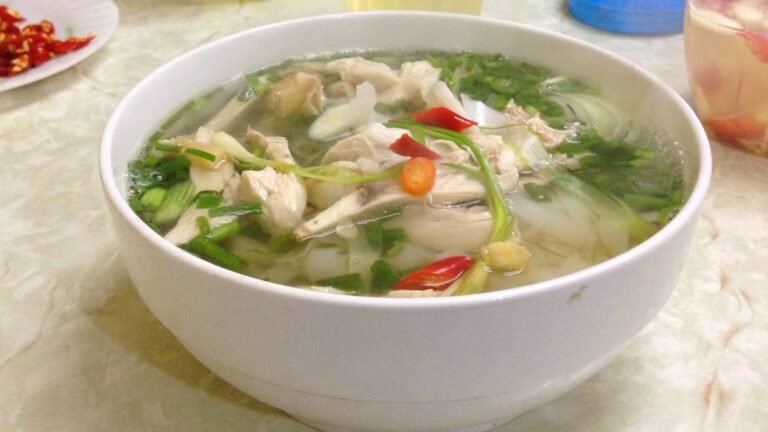
The Ultimate Singapore Hawker Centre Guide

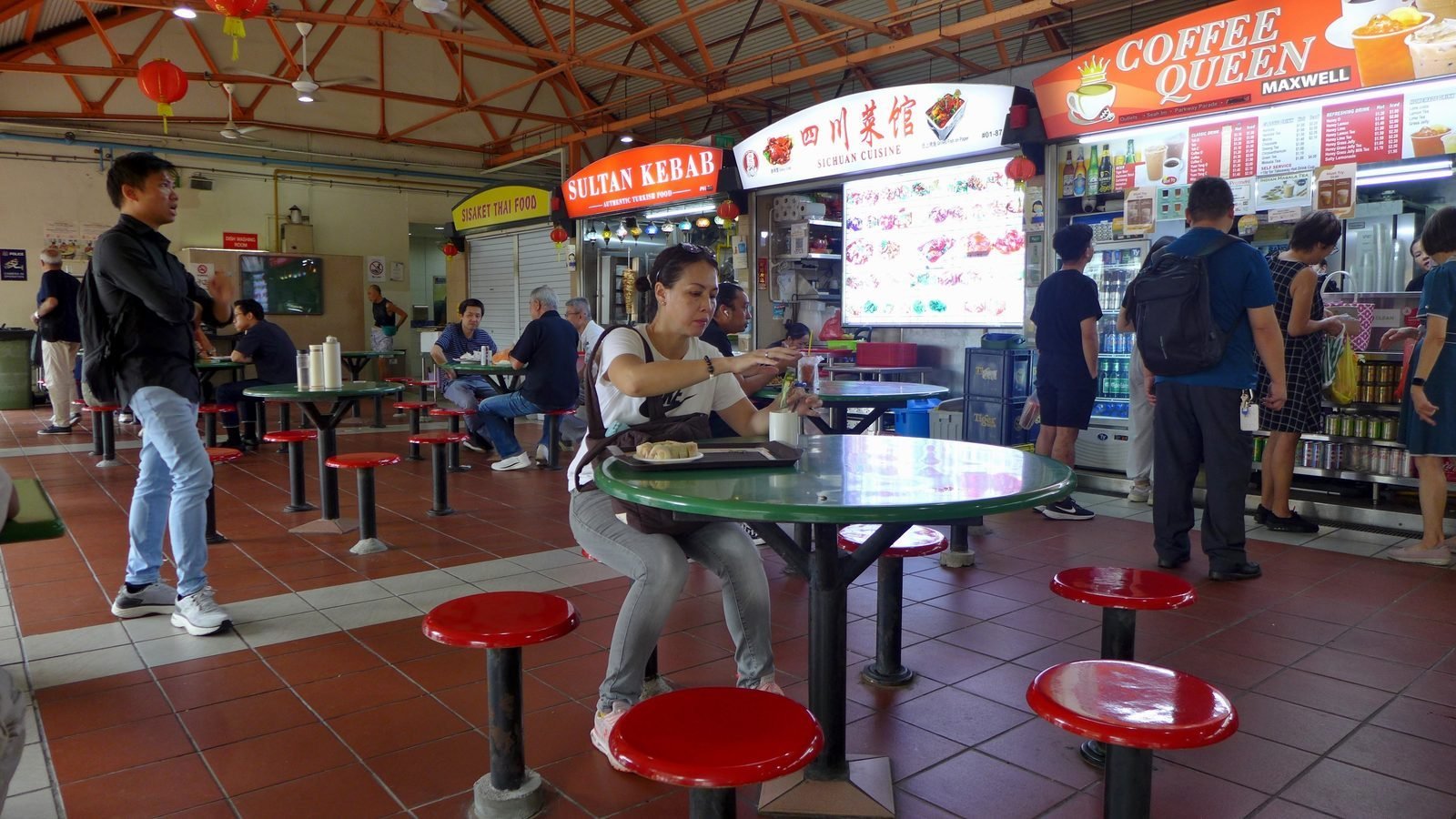
A single plate of Hainanese chicken rice sits on a green plastic table, steam rising into the humid afternoon air as the clock strikes 13:00. Around you, the clatter of woks, the shouting of drink orders, and the hum of massive ceiling fans create a steady wall of sound. This is Maxwell Food Centre, where a world-class meal costs less than a cup of coffee back home. For independent travelers, these public dining halls are the absolute heart of the local food scene.
This comprehensive Singapore hawker centre guide is designed to help you navigate these legendary eating spaces like an expert. We will cover the essential social etiquette of reserving tables, how to order the most famous dishes, and which specific food halls are worth your time.
How to find the best hawker centres in Singapore
Getting to these food halls is incredibly straightforward because Singapore has one of the most efficient transit networks in the world. Most of the famous spots sit right next to MRT stations. For example, Maxwell Food Centre is just a two-minute walk from the Maxwell MRT station on the Thomson-East Coast Line. Tiong Bahru Market is easily reached from Tiong Bahru station on the East-West Line. If you want to visit Old Airport Road Food Centre, you can hop off at Dakota MRT station on the Circle Line and walk for about three minutes.
The transit fare is very reasonable, with a typical single ride costing between S$1.20 and S$2.40 (about $0.90 to $1.85) depending on the distance. When you arrive at any of these locations, you will notice they are not standard restaurants. They are open-air public spaces built with concrete floors, high ceilings, and massive industrial fans spinning overhead. Do not expect air conditioning. These complexes were built by the government to transition street food vendors into sanitary, organized spaces.
Inside, stalls are arranged in long, numbered rows, each displaying a colorful sign with its name, menu, and official food hygiene rating. Navigating them is easy once you understand the layout. Most centres are divided into food rows and drink rows. You can use your phone to navigate, but you do not need complex maps. Just follow the crowds and the aromas of roasting pork and simmering broths.
When to eat at Singapore hawker centres
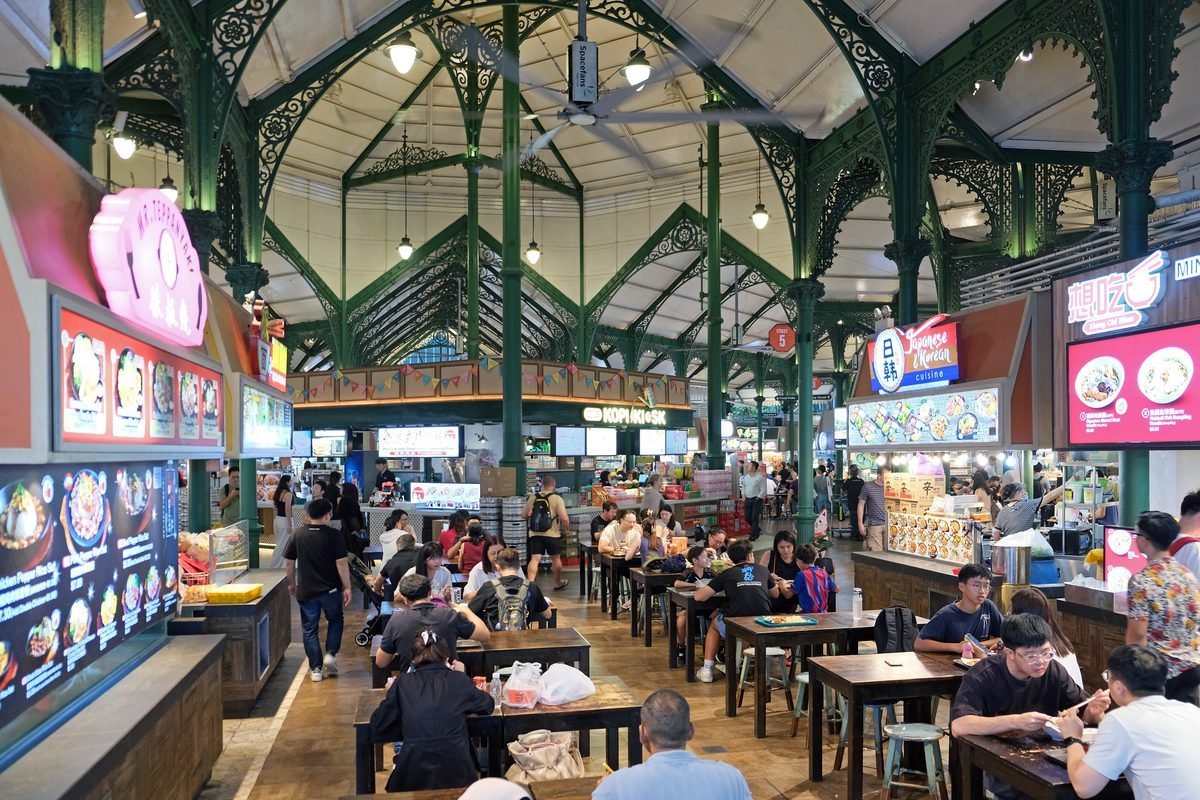
Timing your visit correctly makes the difference between a relaxed, delicious meal and a stressful search for a seat. Hawker centres operate on a distinct daily rhythm. The lunch rush begins early, around 12:00, and lasts until 13:30. During these ninety minutes, thousands of office workers descend upon the central food halls. The queues for popular stalls grow long, and finding an empty table becomes a competitive sport. If you want a more peaceful experience, aim to arrive for an early lunch around 11:30 or a late lunch after 13:45.
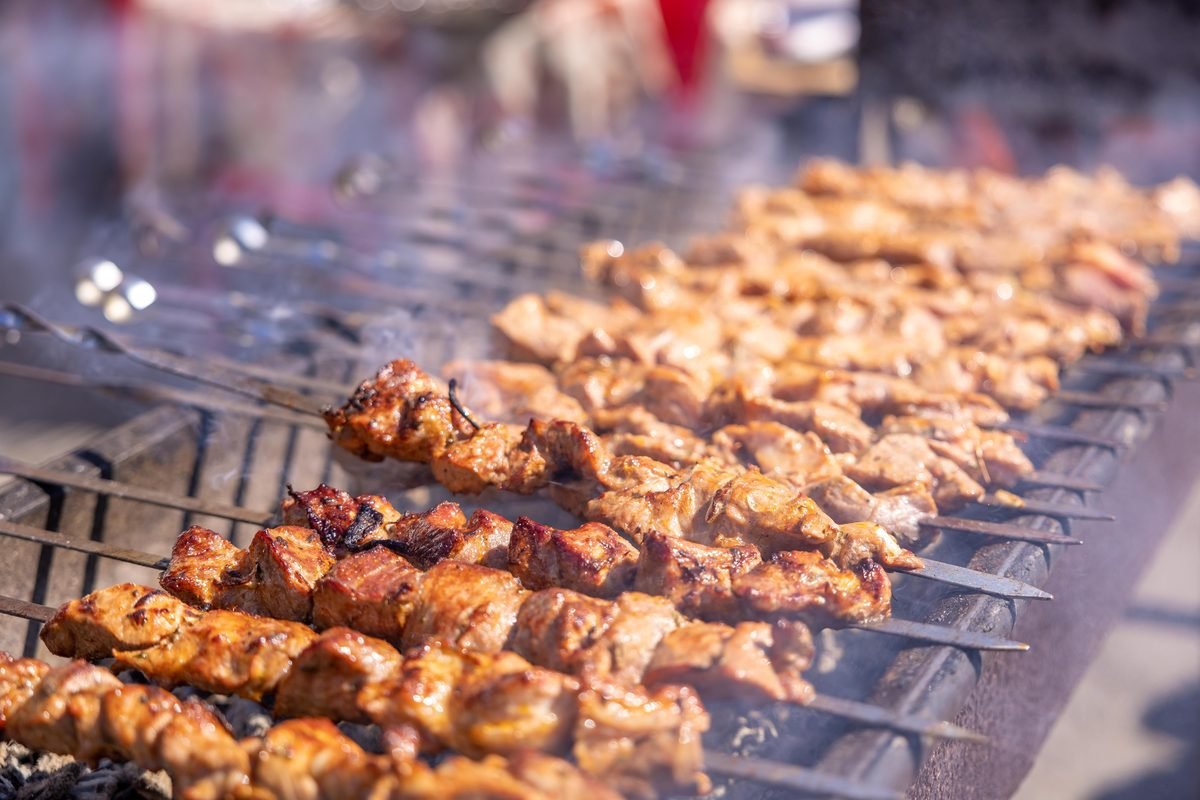
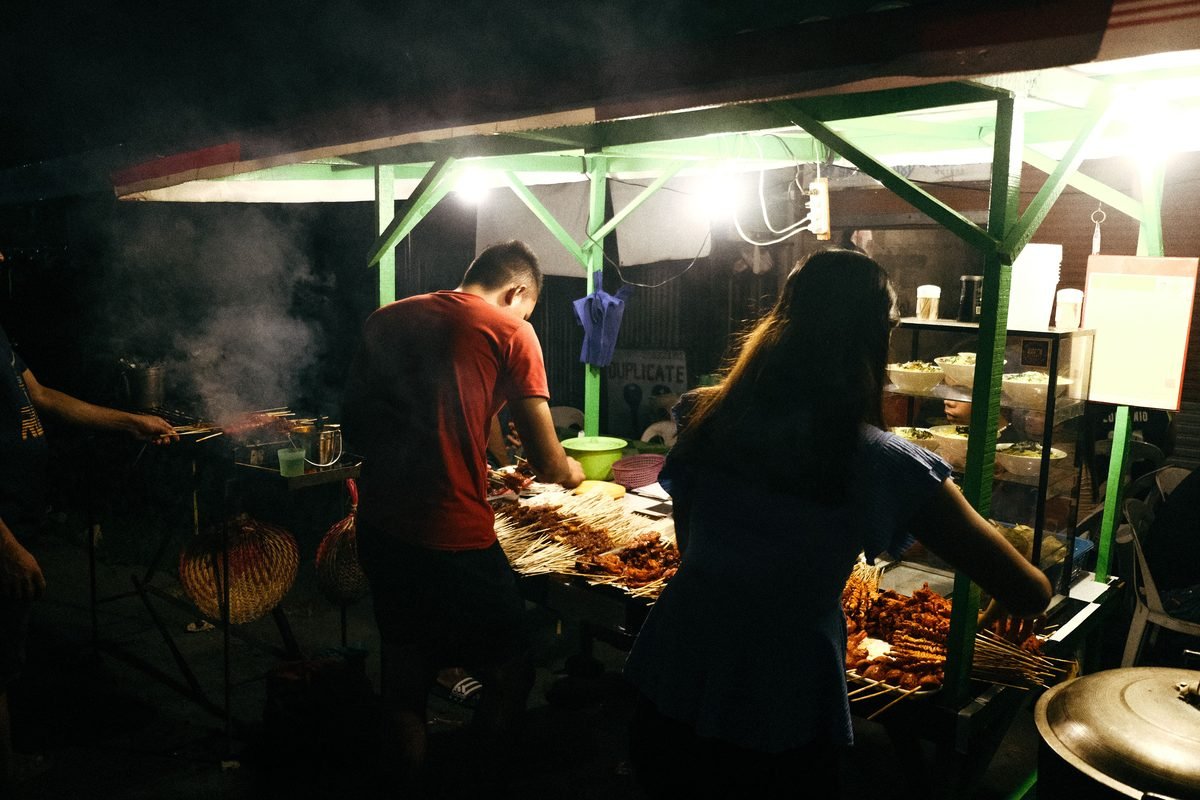
The evening vibe is entirely different, especially at places like Lau Pa Sat. Located in the financial district, this historic market undergoes a dramatic transformation every evening. Around 19:00 on weekdays, and slightly earlier on weekends, the city closes Boon Tat Street to vehicular traffic. Stalls immediately wheel out charcoal grills, and rows of wooden tables are set up directly on the asphalt. This is the famous satay street. Here, you can order plates of grilled chicken, beef, and mutton skewers served with a rich peanut dipping sauce. A set of ten satay skewers costs roughly S$9.00 to S$11.00 (about $6.90 to $8.40). It is a fantastic dinner option under the stars, surrounded by towering skyscrapers.
For breakfast, head to Tiong Bahru Market around 08:30. This is when the local vendors serve fresh steamed rice cakes and hot soy milk to neighborhood residents before the tropical heat peaks for the day.
Tip: Beat the Lunch Rush
Office workers flood the central food markets between 12:00 and 13:30. Aim for 11:30 or 13:45 to get your food without the massive queues.
What to order: chicken rice vs laksa vs char kway teow
The sheer variety of dishes on offer can be overwhelming, but three iconic plates stand out as essential entry points. First is Hainanese chicken rice, often considered the national dish of Singapore. It consists of poached chicken served with fragrant rice cooked in chicken fat, garlic, and ginger, accompanied by a spicy chili dipping sauce. A standard plate at a famous stall like Tian Tian in Maxwell costs about S$5.00 to S$6.50 (about $3.80 to $5.00). The rice itself is the star of the show, packed with savory depth.
Next is laksa, specifically the Nyonya style common in Singapore. This dish features thick rice noodles submerged in a spicy, aromatic gravy made from coconut milk, dried shrimp, and chili paste. It is typically topped with fishcakes, prawns, and cockles. A bowl of laksa generally costs S$5.00 to S$7.00 (about $3.80 to $5.30). The broth is rich, creamy, and carries a pleasant kick of heat.
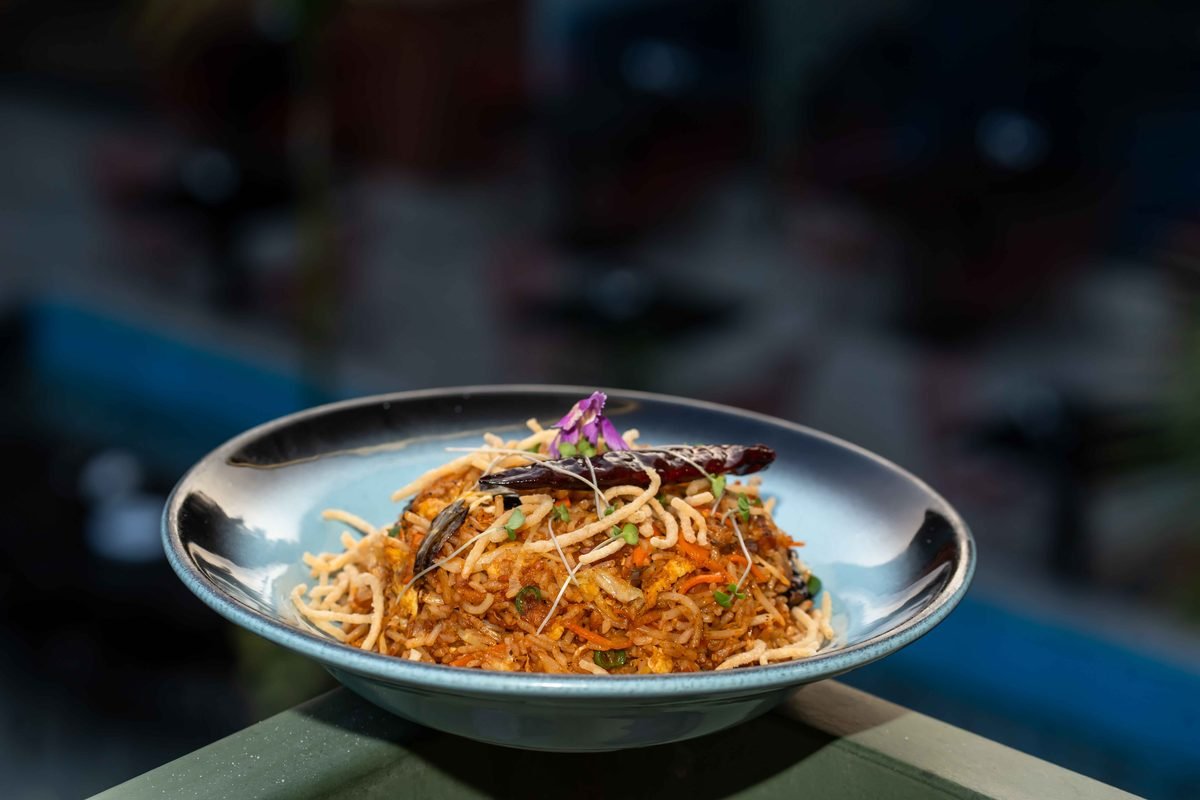
Finally, you must try char kway teow. This dish is a decadent plate of flat rice noodles and yellow wheat noodles stir-fried over high heat in a seasoned wok. The chef tosses the noodles with sweet dark soy sauce, lard, light soy sauce, chili, whole cockles, bean sprouts, Chinese sausage, and egg. A portion costs roughly S$4.50 to S$6.00 (about $3.40 to $4.60). The hallmark of a great char kway teow is ‘wok hei’, a distinct smoky aroma achieved by cooking at extreme temperatures.
How to order food and save your table
To eat like a local, you must master the unique social etiquette of the food halls. The most important concept to understand is ‘choping’, which is the local slang for reserving a table. Before you even think about queueing for food, you must secure a place to sit. Locals do this by placing a small, inexpensive item on an empty table. The classic choice is a single packet of pocket tissues.
You might also see umbrellas, business cards, or water bottles used for this purpose. Do not touch them. If you see a table with a tissue packet on it, it is occupied. Move on and find another. Once you have successfully choped your table, note the table number. Some stalls will deliver food to your table if you provide the number, though most operate on a self-service basis.
Cash is still king here. While locals use digital payment apps like SGQR, many older vendors prefer physical currency, especially for small transactions under S$5 (about $3.80). Always carry small notes and coins. When you finish eating, do not simply get up and walk away. Returning your own tray and used crockery is not just polite; it is a legal requirement. Singaporean authorities strictly enforce this rule to maintain hygiene and deter pests. Look for the clearly marked tray return stations, which are usually divided into halal and non-halal sections. Failing to clear your table can result in a written warning for first-time offenders, and subsequent violations carry fines up to S$300 (about $230). It is a simple step that keeps the food halls running smoothly.
From a local: The Unwritten Tissue Rule
If you see a solitary packet of tissues on a table, keep walking. It means the table is occupied, even if no one is sitting there.
Which Singapore hawker centres are actually worth visiting
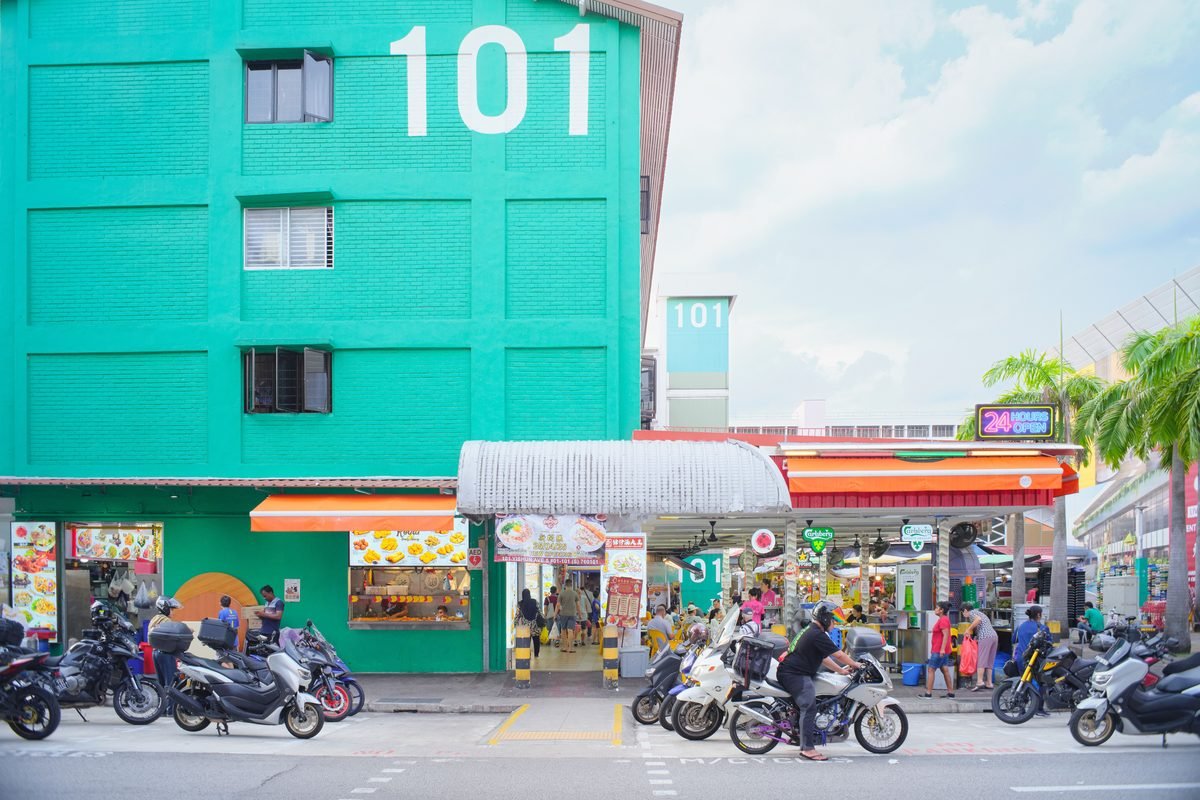
While Singapore has over one hundred food centres, a few stand out for their distinct character and culinary excellence. Maxwell Food Centre, located on the edge of Chinatown, is perhaps the most famous among international visitors. It is home to legendary stalls serving chicken rice and crispy oyster cakes. It is highly accessible, but it can get very warm and crowded. For a more residential, neighborhood atmosphere, head to Tiong Bahru Market. The food centre sits on the second floor of a beautiful art deco building. It is spacious, breezy, and features some of the best roasted meat and noodle stalls in the city. It is the perfect spot to pair with a morning stroll through the surrounding historic streets.
If you want to escape the central tourist zones entirely, Old Airport Road Food Centre is a legendary local favorite. It is one of the largest food halls in Singapore, featuring over one hundred and fifty stalls. Here, you will find incredibly high-quality char kway teow, lor mee (thick noodles in a savory gravy), and fresh soy curd. Prices here tend to be slightly lower than in the city centre, with many dishes starting around S$4.00 (about $3.05).
Finally, Lau Pa Sat offers a unique blend of history and convenience. While it is more expensive and tourist-oriented than residential markets, the striking Victorian architecture and evening satay street make it worth a visit.
Heads up: Avoid Tray Penalties
Singapore strictly enforces its clean tables policy. Failing to return your used crockery and trays can land you a fine of up to S$300 (about $230).
Practical tips for your first hawker meal
Navigating these food spaces requires a bit of physical preparation to ensure you stay comfortable. The heat is real. Because these halls are open-air, the ambient temperature can feel intense, especially when sitting near active cooking stalls with roaring gas burners. Dress in light, breathable clothing. It is also wise to carry your own pack of tissues and wet wipes. Stalls do not provide napkins or paper towels, and you will certainly need them after peeling prawns or eating sticky satay. You can buy small tissue packets from mobile vendors wandering the aisles for about S$0.50 to S$1.00 (about $0.38 to $0.76).
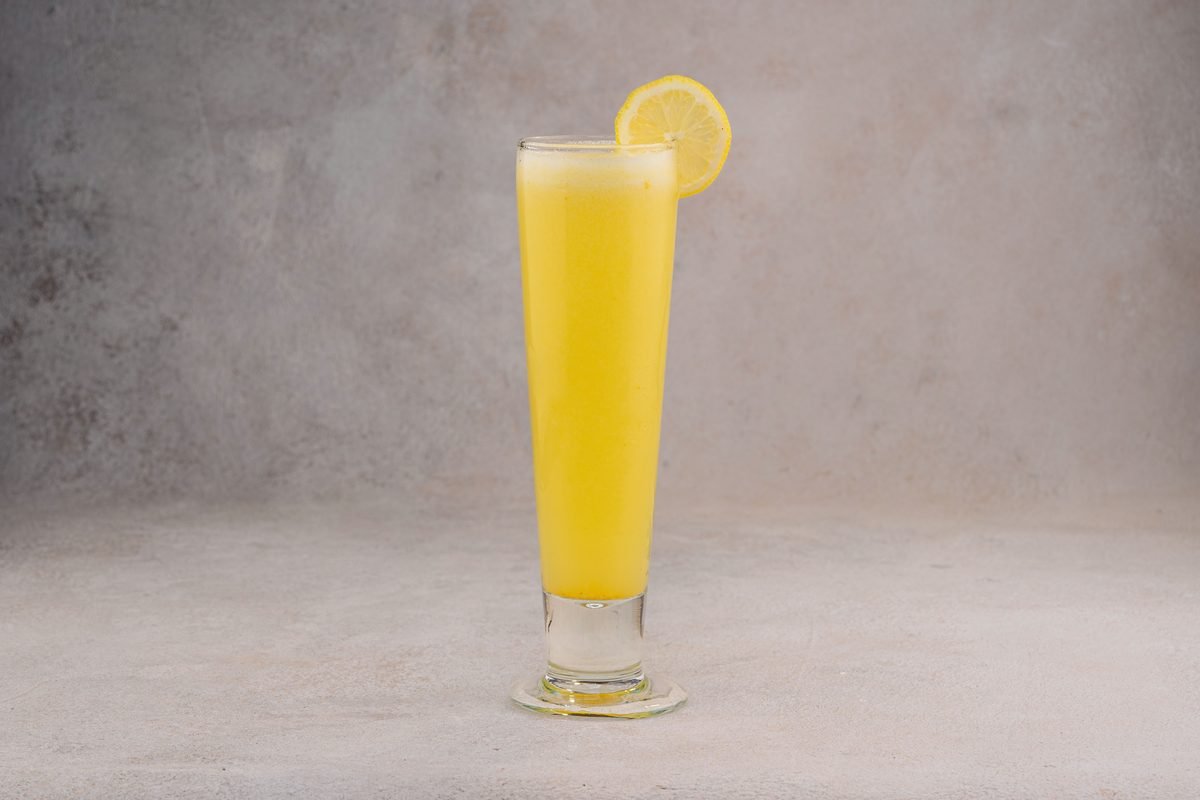
Do not forget to visit the dedicated drinks stalls. These are separate from the food stalls and serve a wide range of refreshing beverages designed to combat the tropical humidity. Order the sugarcane juice. It is freshly pressed to order through a mechanical roller, often served with a squeeze of fresh lemon or sour plum for about S$3.00 (about $2.30). It is incredibly refreshing. If you want a hot caffeinated drink, try the local coffee, known as kopi, or tea, known as teh. These are typically brewed using a traditional flannel sock filter and sweetened with condensed milk.
A standard cup costs roughly S$1.50 to S$2.20 (about $1.15 to $1.68). Knowing the ordering lingo helps: ‘kopi o’ is black coffee with sugar, while ‘kopi c’ uses evaporated milk instead of condensed milk. Grab a cold drink first, find your table, and enjoy one of the world’s finest culinary cultures.
What it costs in Singapore
| Item | Local price | USD |
|---|---|---|
| Hainanese Chicken Rice | S$5.00 – S$6.50 | ($3.80 – $5.00) |
| Nyonya Laksa | S$5.00 – S$7.00 | ($3.80 – $5.30) |
| Char Kway Teow | S$4.50 – S$6.00 | ($3.40 – $4.60) |
| Satay (Set of 10 skewers) | S$9.00 – S$11.00 | ($6.90 – $8.40) |
| Sugarcane Juice (Large) | S$3.00 – S$4.00 | ($2.30 – $3.05) |
| Kopi (Local Coffee) | S$1.50 – S$2.20 | ($1.15 – $1.68) |
| Average Daily Hawker Budget (2 meals + drinks) | S$15.00 – S$22.00 | ($11.45 – $16.80) |
Prices checked September 2026. Always confirm with the provider before you book.
Mistakes to avoid
- Leaving your tray on the table after eating, which can result in a warning or a S$300 (about $230) fine.
- Sitting at a table marked with a single tissue packet, assuming someone dropped it by accident.
- Joining the shortest queue at lunch, which usually means the food is mediocre compared to the stalls with long lines.
FAQ
What is a Singapore hawker centre guide?
A Singapore hawker centre guide is a practical set of rules and tips designed to help visitors navigate the city’s open-air public food courts. It explains how to reserve tables using tissue packets, how to order local dishes, and how to follow local laws like tray return policies.
Is tap water safe to drink at Singapore hawker centres?
Yes, tap water in Singapore is completely safe to drink directly from the tap. However, hawker centres do not typically offer free water dispensers, so you will need to purchase bottled water or local drinks like sugarcane juice from the beverage stalls.
How do I pay for my food at a hawker stall?
While many locals use the SGQR digital payment system on their phones, cash is still the easiest and most reliable payment method for tourists. Always carry small notes like S$2, S$5, and S$10 bills, as vendors may struggle to make change for S$50 bills.
What is the difference between a hawker centre and a food court?
Hawker centres are open-air, non-air-conditioned public facilities run by the government with cheaper prices. Food courts are air-conditioned, privately managed dining areas usually located inside modern shopping malls where prices are slightly higher.
Do Singapore hawker stalls cater to vegetarians?
Yes, many hawker centres have dedicated vegetarian stalls, often serving Buddhist vegetarian food or South Indian dishes. Look for stalls displaying vegetarian signs, but be aware that standard noodle and vegetable dishes at regular stalls often contain fish sauce or lard.