Fukuoka food guide: What to eat and where to find it

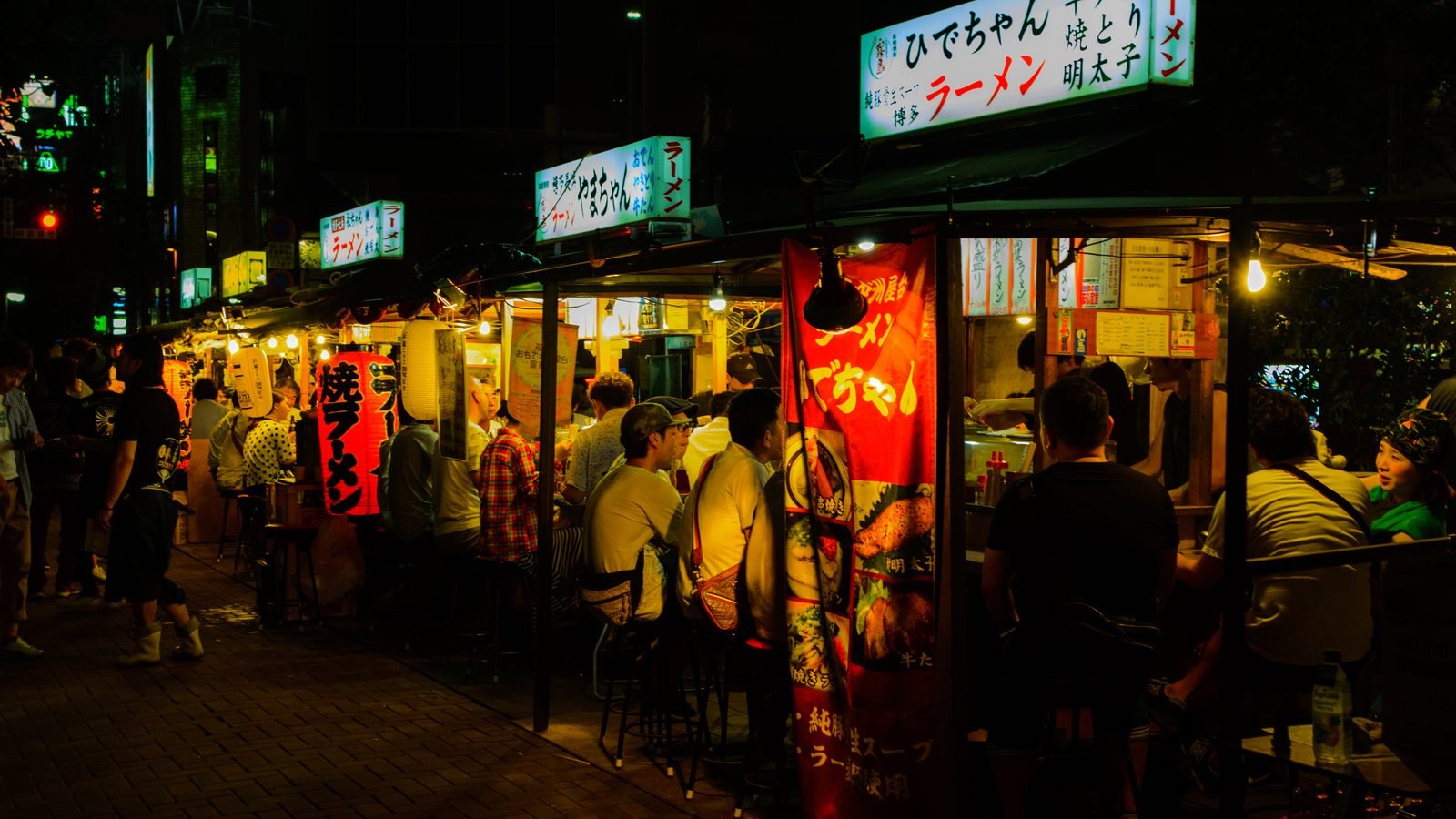
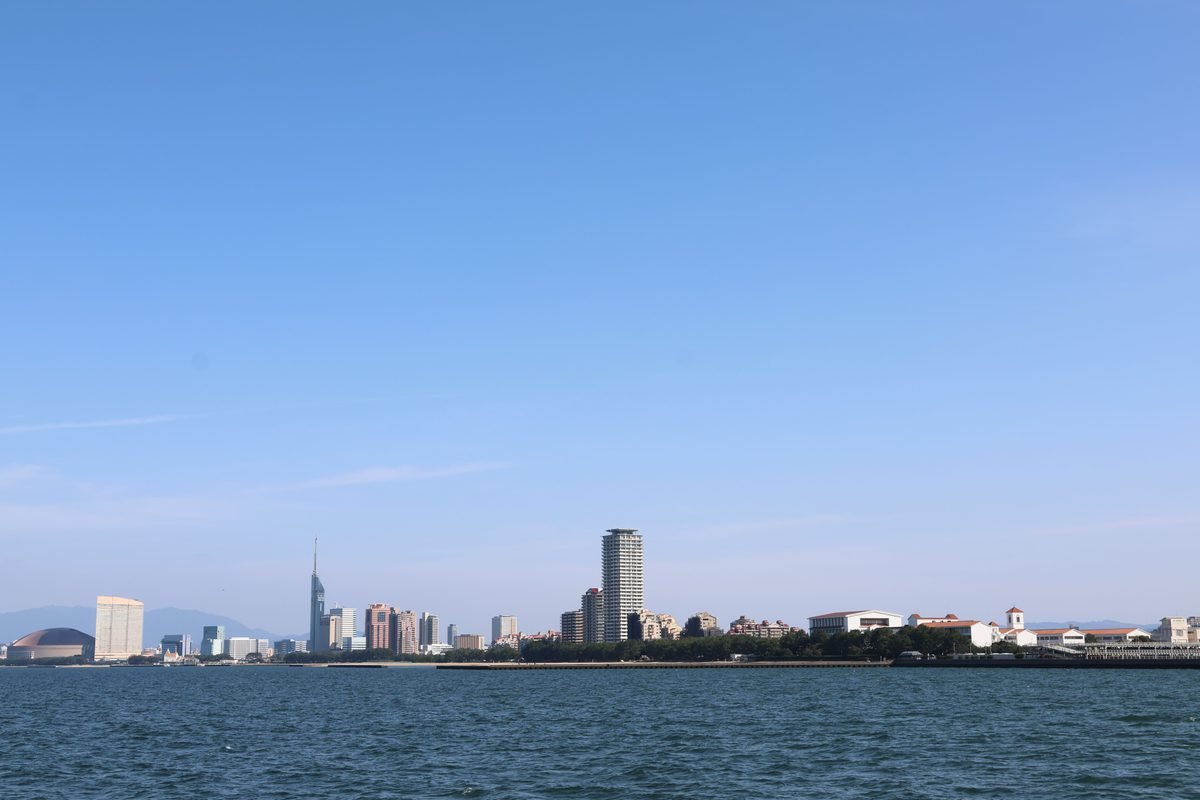
Steam rises from a row of open-air stalls as the sun sets over the Naka River. You can smell the garlic and pork broth from two blocks away. This Fukuoka food guide covers the best ways to navigate the city’s famous street food culture and local specialties like Hakata ramen and spicy mentaiko. I usually arrive here on the ferry from Busan, and the first thing I do is head straight for the lanterns of the Nakasu district.
This guide is for independent travelers who want to know how much to pay at a street stall, how to order their noodles like a regular, and which neighborhoods offer the most authentic flavors. We will cover everything from the etiquette of yatai stalls to the best spots for a day trip snack. Whether you have two days or a week, this is how you eat your way through the culinary capital of Kyushu.
A complete Fukuoka food guide to yatai stalls
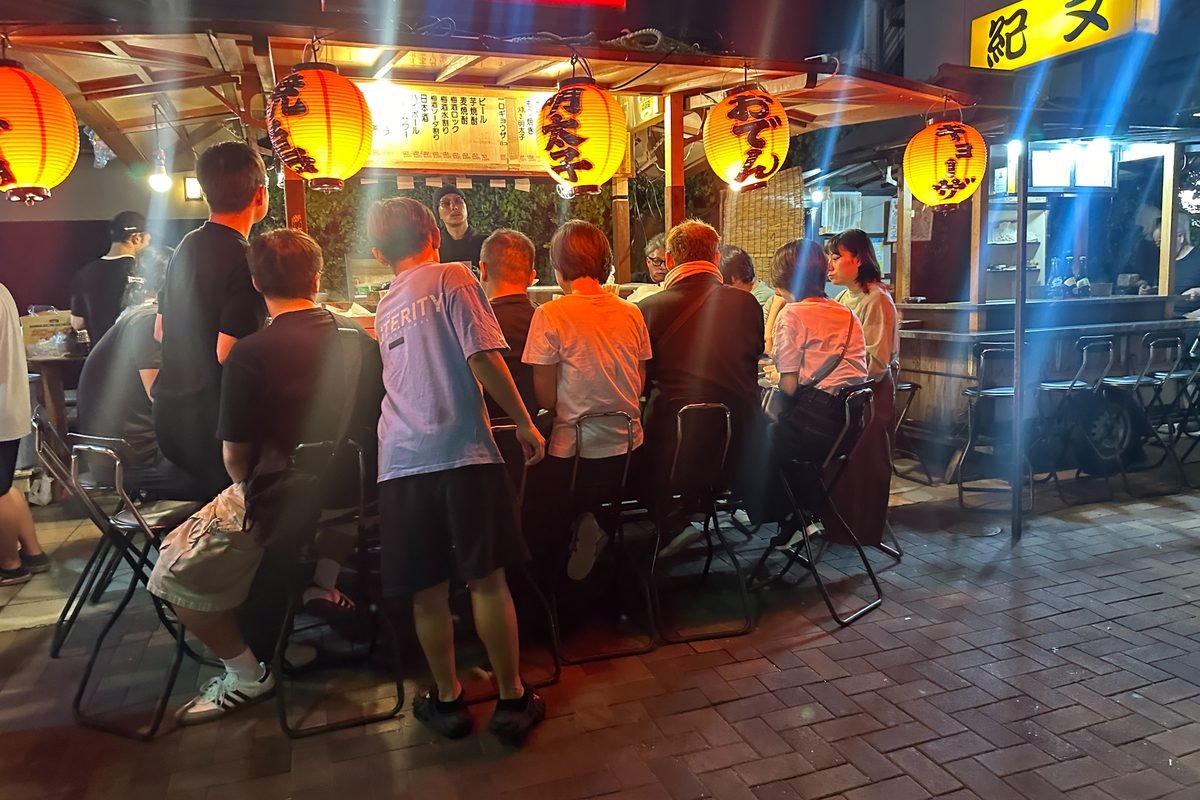
The yatai, or outdoor food stalls, are the symbol of Fukuoka. While they used to be common across Japan, Fukuoka is one of the last places where they truly thrive. You will find about 150 of these wooden carts scattered throughout the city, mostly concentrated in the Nakasu, Tenjin, and Nagahama areas. Most stalls open at six in the evening. They offer an intimate atmosphere where you sit shoulder-to-shoulder with locals and other travelers on narrow wooden benches.
Yatai Etiquette and Prices
Eating at a yatai is different from a standard restaurant. Because space is limited, usually seating only eight to ten people, you should not linger once you have finished your meal. It is customary to order at least one drink per person. If you see a queue forming behind you, it is polite to pay your bill and move on. Prices are generally reasonable, but they are not always the cheapest option in town. Expect to pay between ¥800 and ¥1,200 (about $5 to $8) for a bowl of ramen, and between ¥600 and ¥1,000 (about $4 to $7) for side dishes like yakitori or oden. Cash is essential here, as very few stalls accept credit cards, though some now use local payment apps.
Where to find the best stalls
Nakasu is the most famous area, with stalls lined up along the river. It is very scenic but can get crowded with tourists. For a more local feel, I recommend heading to the Tenjin area near the Kego Jinja shrine. The stalls there often serve a variety of food alongside the traditional staples. If you want the original ramen experience, the Nagahama area near the fish market is where the thin-noodle style was born. Wherever you choose, look for a stall with a handwritten menu or a friendly chef who makes you feel welcome as you approach.
Tip: Check the weather
Most yatai stalls close during heavy rain or strong winds. If the weather looks bad, check the official Fukuoka city yatai map online or head to an indoor ramen stadium instead.
How to order Hakata Ramen like a local
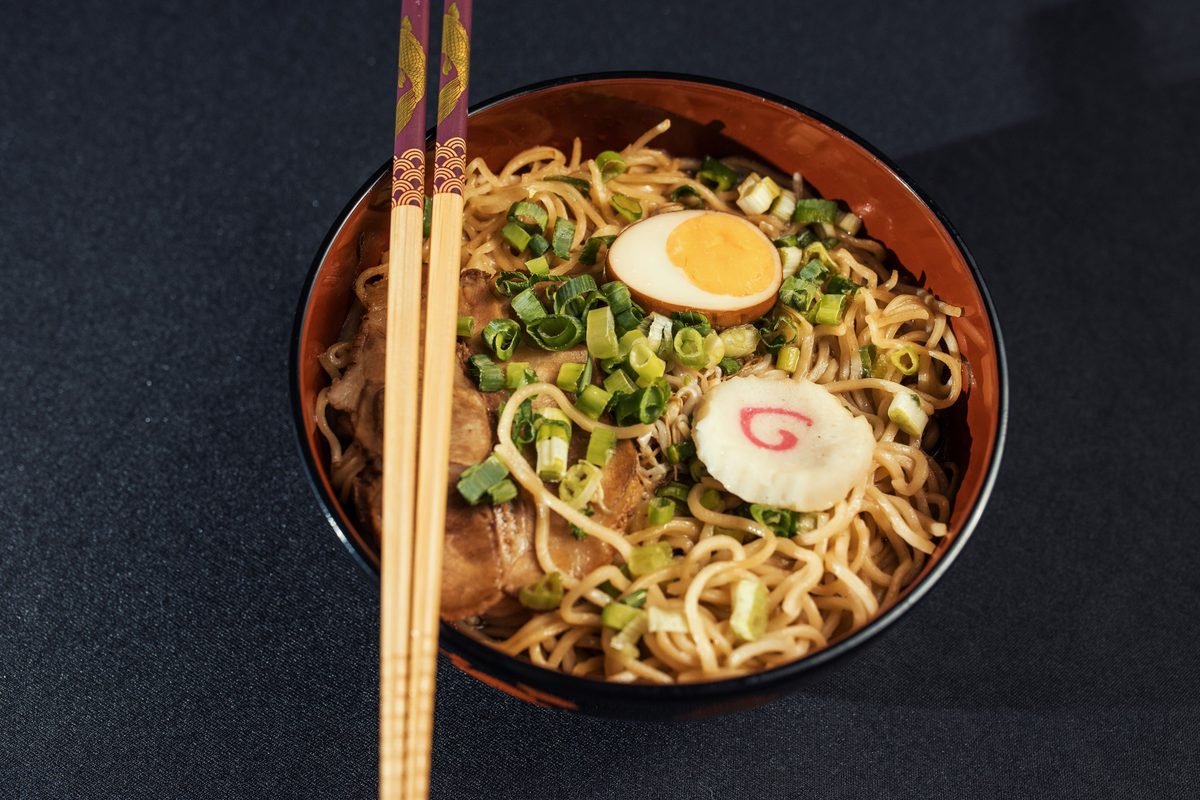
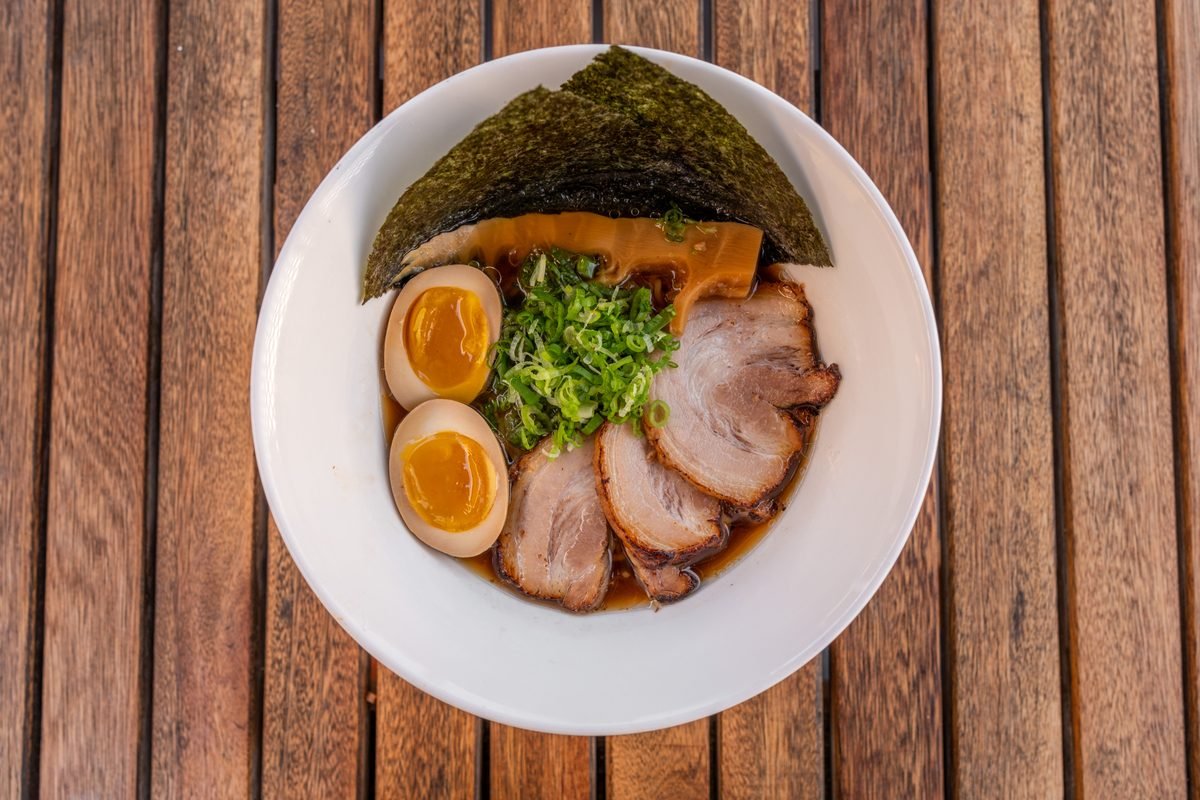
Hakata ramen is the city’s most famous export. It is characterized by a creamy, cloudy tonkotsu (pork bone) broth that is boiled for hours to achieve a deep, rich flavor. The noodles used here are typically very thin and straight, designed to cook quickly and carry the broth. When you walk into a ramen shop, you will often see a vending machine near the door. You select your meal, pay, and take the ticket to your seat. A standard bowl usually costs around ¥850 (about $6).
Customizing your bowl
One of the best things about eating ramen in Fukuoka is the level of customization. You will be asked how you want your noodles cooked. I recommend ordering them “katame” (firm) or even “bari-kata” (very firm). Because the noodles are so thin, they continue to soften in the hot broth, so starting firm ensures they stay the right texture until the end. You will also find jars of pickled red ginger, crushed garlic, and spicy mustard greens on the table. These are free toppings. Order your noodles firm for the best experience. I like to add a little ginger halfway through to cut through the richness of the pork fat.
The magic of Kaedama
If you finish your noodles but still have plenty of broth left, do not drink it all yet. You can order “kaedama,” which is a second serving of noodles. This usually costs about ¥150 (about $1). Simply raise your hand and say “kaedama kudasai” to the staff. They will bring a fresh pile of hot noodles to drop into your bowl. This is a much better value than ordering a large portion from the start, as it prevents the noodles from getting soggy. It is a local staple that every visitor should try at least once.
From a local: The garlic press
Many local shops provide a metal press and fresh garlic cloves on the table. Use it sparingly; the local garlic is potent and will stay with you for the rest of your trip.
Motsunabe and Mizutaki: The hot pots of Fukuoka
While ramen gets the most attention, Fukuoka residents are equally passionate about their hot pots. Motsunabe is the most distinctive. It is a savory stew made with beef or pork offal (usually small intestines), cabbage, garlic chives, and plenty of garlic and chili in a soy or miso base. While offal might sound intimidating, the texture is chewy and the flavor is surprisingly mild and sweet. It is a very social meal, usually shared between two or more people. Most restaurants charge per person, typically around ¥1,800 (about $12).
A lighter alternative: Mizutaki
If you prefer something less heavy, Mizutaki is the way to go. This is a chicken-based hot pot that originated in Fukuoka over a century ago. The broth is clear and delicate, made by simmering chicken bones for hours. The meal usually proceeds in stages: first, you drink a small cup of the pure broth with a pinch of salt, then you eat the chicken pieces, and finally, vegetables are added. It is often served with a citrusy ponzu dipping sauce that brightens the flavor. It is a refreshing contrast to the heavy fats of tonkotsu ramen.
Finishing the pot
Never leave the broth behind when the meat and vegetables are gone. At the end of a hot pot meal, you will be offered either rice or champon noodles (thick, chewy wheat noodles) to add to the remaining liquid. The rice is often cooked with a beaten egg to make a rich porridge called zousui. This final course absorbs all the concentrated flavors of the meal. It is often the highlight of the night. Most places will bring the ingredients to your table and help you prepare the final stage if you look unsure. This is a way to end a long day of exploring.
Mentaiko and Hitokuchi Gyoza
Fukuoka is the home of mentaiko, which is spicy, marinated cod roe. You will see it everywhere: in rice balls, on top of pasta, or even mixed into mayonnaise. It has a salty, umami-rich flavor with a slow-building heat from the chili marinade. The history of mentaiko is actually linked to Korea; a local merchant named Toshio Kawahara adapted the Korean dish “myeongran-jeot” to suit Japanese tastes after World War II. You can visit the Fukuya factory to learn about the process, but the best way to eat it is simply on top of a bowl of hot white rice. A small side of mentaiko at a restaurant usually costs about ¥600 (about $4).
One-bite dumplings
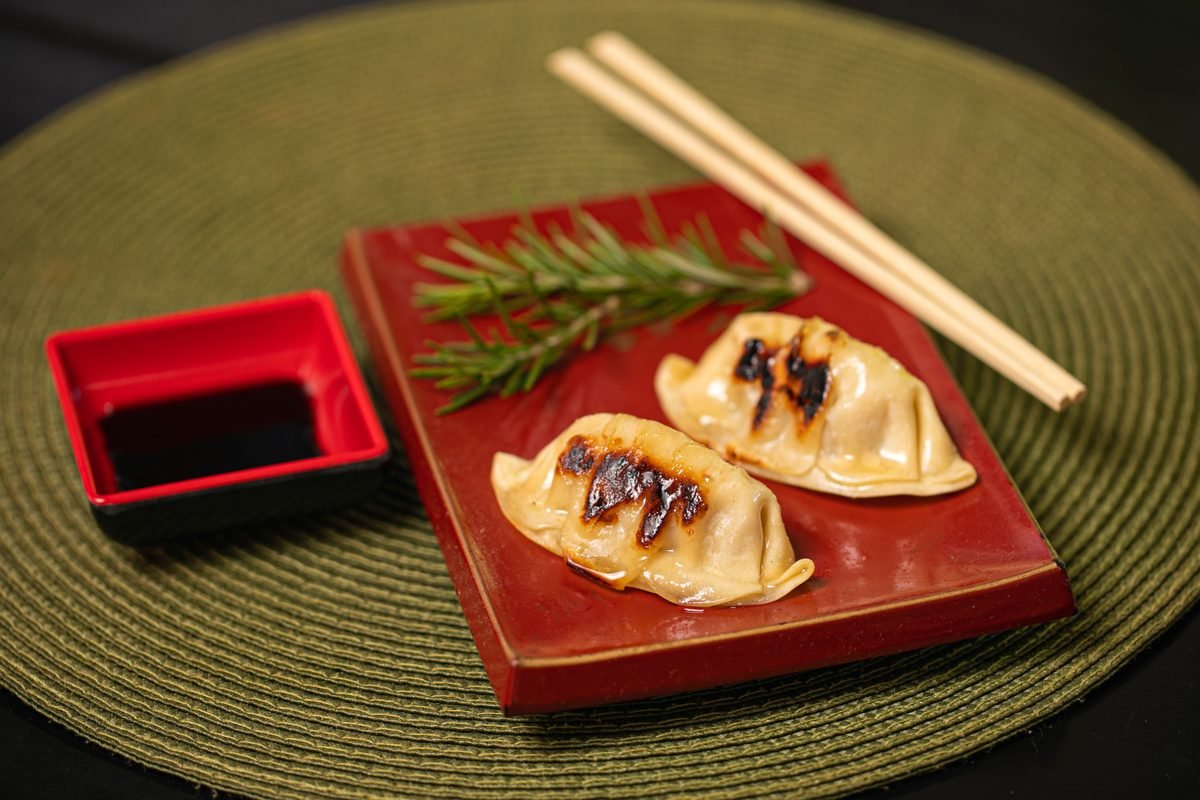
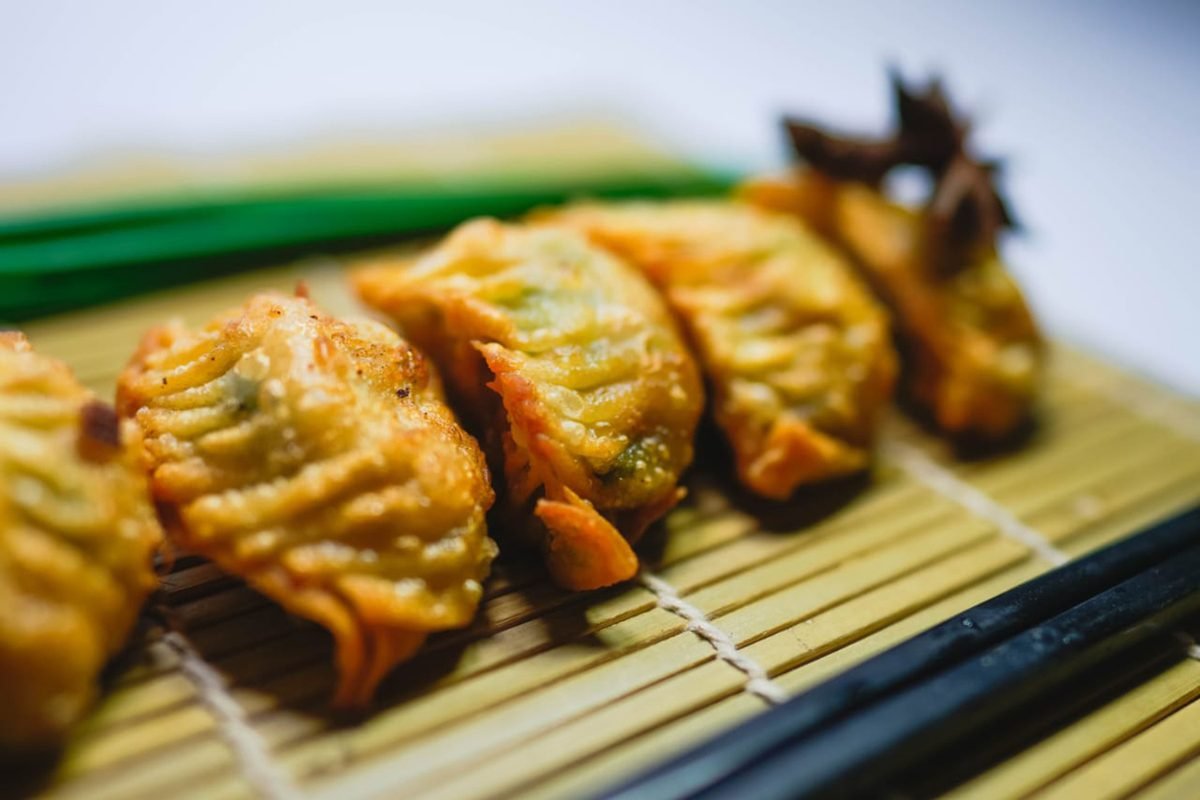
Another local favorite is Hitokuchi Gyoza, or one-bite dumplings. As the name suggests, these are much smaller than the gyoza you find in Tokyo or Osaka. They are usually pan-fried until the bottom is exceptionally crispy while the top remains soft and steamed. Because they are small, a standard order usually comes with ten or twelve pieces for about ¥600 (about $4). They are the perfect accompaniment to a cold beer or a bowl of ramen. Many yatai stalls specialize in these, and they are a great way to start your evening.
The versatility of roe
If you find yourself really enjoying the flavor of mentaiko, look for “Mentai-ju.” This is a specialized dish where a whole marinated cod roe sac is wrapped in a thin layer of kelp and served over rice with a special sauce. It is a bit more expensive, often around ¥3,000 (about $20) for a set, but it is a true Fukuoka delicacy. For a cheaper snack, most convenience stores in the city stock mentaiko-filled onigiri for less than ¥200 (about $1.30). It is a great way to taste the local flavor on a budget.
Heads up: Mentaiko is perishable
If you buy mentaiko as a souvenir, remember it needs to be kept cold. Most shops at Hakata Station sell insulated bags with ice packs that will keep it fresh for about 6 to 8 hours.
Day trip food stops: Dazaifu and Yanagawa
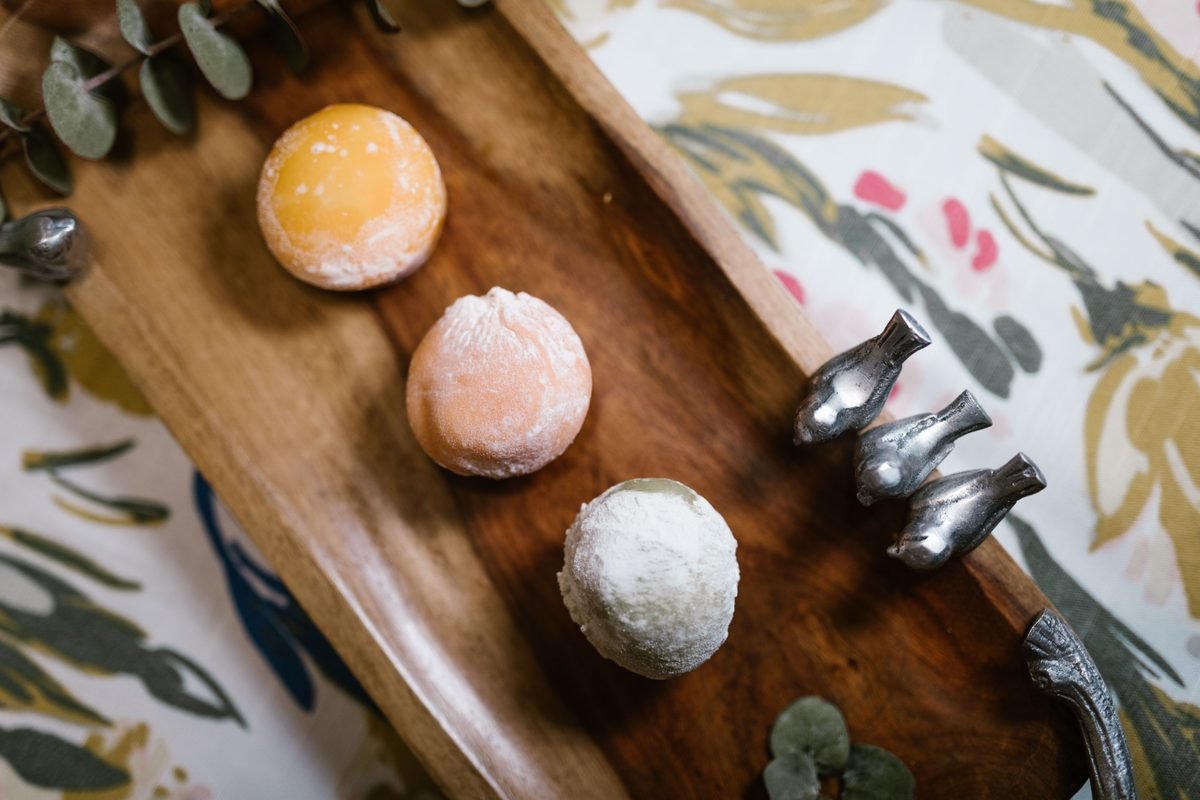
If you have extra time, there are two nearby towns that offer unique food experiences. Dazaifu is just a 30-minute train ride from the city center. The approach to the famous Tenmangu Shrine is lined with shops selling Umegae Mochi. These are grilled rice cakes filled with sweet red bean paste and stamped with a plum blossom pattern. They are served hot and have a slightly crispy exterior and a chewy center. They cost about ¥150 (about $1) each and are best eaten while walking toward the shrine. The plum blossom is the symbol of the area, and the cakes are said to bring good luck.
Steamed eel in Yanagawa
Further south is Yanagawa, often called the Venice of Kyushu because of its many canals. The specialty here is Unagi no Seiro-mushi, or steamed eel. Unlike the grilled eel found in other parts of Japan, Yanagawa eel is grilled first and then steamed in a bamboo box with sweet sauce and rice. This makes the eel incredibly tender and ensures the rice is infused with the smoky, sweet flavor. A full set meal in Yanagawa will cost between ¥3,500 and ¥5,000 (about $23 to $33). It is a meal, but the quality of the local eel is well-known.
Coastal snacks and seafood
For those who prefer the ocean, a trip to Itoshima on the western edge of the city offers fresh oysters during the winter months. In September, you can still find excellent seafood bowls at the local markets. The proximity to the Genkai Sea means the fish is always fresh. I often recommend travelers spend a morning at the Yanagibashi Rengo Market, often called “Fukuoka’s Kitchen,” to see the variety of seafood available before it hits the restaurant tables. It is a place to pick up dried seaweed or green tea from nearby Yame.
Practical tips for your Fukuoka food tour
To make the most of your time, you need to understand the rhythm of the city. Lunch is usually served between 11:30 and 14:00, while dinner starts around 18:00. Many of the most popular ramen shops will have queues during the lunch hour, especially those near Hakata Station. If you want to avoid a long wait, try eating an early lunch at 11:00 or a late afternoon snack. Most shops stay open throughout the day, but some smaller, family-run places might close for a few hours in the afternoon.
Payment and reservations
While Japan is becoming more digital, cash is essential here for many of the smaller establishments and street stalls. Always carry enough yen to cover your meal and drinks. For larger restaurants, especially those specializing in Motsunabe or Mizutaki, making a reservation is a good idea on Friday and Saturday nights. You can often do this through your hotel concierge or by using online booking platforms. If you are dining alone, don’t worry; many shops have counter seating specifically for solo diners. It is very common and perfectly comfortable.
Navigating the menus
Many restaurants in the tourist areas now provide English menus, but some of the best local spots may only have Japanese. I recommend having a translation app ready on your phone. You can also look for plastic food models in the windows or photos on the menu to help you choose. If you are truly stuck, you can always ask for the “osusume” (recommendation). Most chefs take great pride in their signature dish and will be happy to show you what they do best. It is a great way to discover flavors you might have otherwise overlooked.
Book ahead: Popular Motsunabe spots
For famous restaurants like Yamanaka or Rakutenchi, I recommend booking at least three days in advance if you plan to visit on a weekend. These spots fill up quickly with locals.
What it costs in Fukuoka
| Item | Local price | USD |
|---|---|---|
| Bowl of Hakata Ramen | ¥850 | $6 |
| Yatai meal (Ramen + 1 Drink) | ¥1,800 | $12 |
| Motsunabe set (per person) | ¥2,000 | $13 |
| Hitokuchi Gyoza (10 pieces) | ¥600 | $4 |
| Umegae Mochi snack | ¥150 | $1 |
| Subway day pass | ¥640 | $4 |
| Mid-range hotel (per night) | ¥12,000 | $80 |
| Estimated daily food total | ¥5,500 | $37 |
Prices checked September 2026. Always confirm with the provider before you book.
Where to stay in Fukuoka
Budget
Hakata Station area, for hostels and business hotels
This area is perfect for those arriving by Shinkansen or ferry, with many affordable business hotels within a ten-minute walk. You can find clean, basic rooms for roughly ¥7,000 to ¥9,000 (about $46 to $60) per night.
Mid-range
Tenjin, for shopping and central access
Tenjin is the heart of the city's shopping and nightlife, putting you within walking distance of the best yatai stalls. Expect to pay between ¥12,000 and ¥18,000 (about $80 to $120) for a modern, comfortable hotel room.
Splurge
Nakasu-Kawabata, for river views and luxury
Staying near the river offers the best atmosphere at night, with easy access to high-end dining and the scenic canal walks. Luxury properties here typically range from ¥25,000 to ¥40,000 (about $165 to $265) per night.
Mistakes to avoid
- Spending your entire evening at a single yatai stall when people are waiting in line.
- Forgetting to carry cash, as many street stalls and local ramen shops do not take cards.
- Drinking all your ramen broth before ordering a kaedama noodle refill.
FAQ
Is a Fukuoka food guide necessary for a three-day trip?
While you can find great food by wandering, a guide helps you understand the specific etiquette of yatai stalls and the best ways to customize your ramen. It also ensures you don’t miss regional specialties like motsunabe or mentaiko that are unique to Kyushu.
What is the best time to visit the yatai stalls?
Most stalls open around 18:00, but the atmosphere is best between 19:00 and 21:00. If you go right at opening, you are more likely to get a seat without waiting in a long line.
Are the yatai stalls safe for solo travelers?
Yes, they are very safe and welcoming. Because you sit at a shared counter, it is actually one of the easiest places in Japan to strike up a conversation with locals or other travelers.
What should I order if I don't like pork?
While tonkotsu is the standard, many shops offer Mizutaki (chicken hot pot) or seafood-based ramen. You can also find plenty of yakitori (grilled chicken skewers) and vegetable dishes at the yatai stalls.
Do I need to tip at restaurants in Fukuoka?
No, tipping is not practiced in Japan and can sometimes be seen as confusing or rude. The price on the menu is what you pay, though some izakayas may add a small ‘table charge’ (otoshi) which includes a tiny appetizer.