A Local Guide to Eating in George Town, Penang

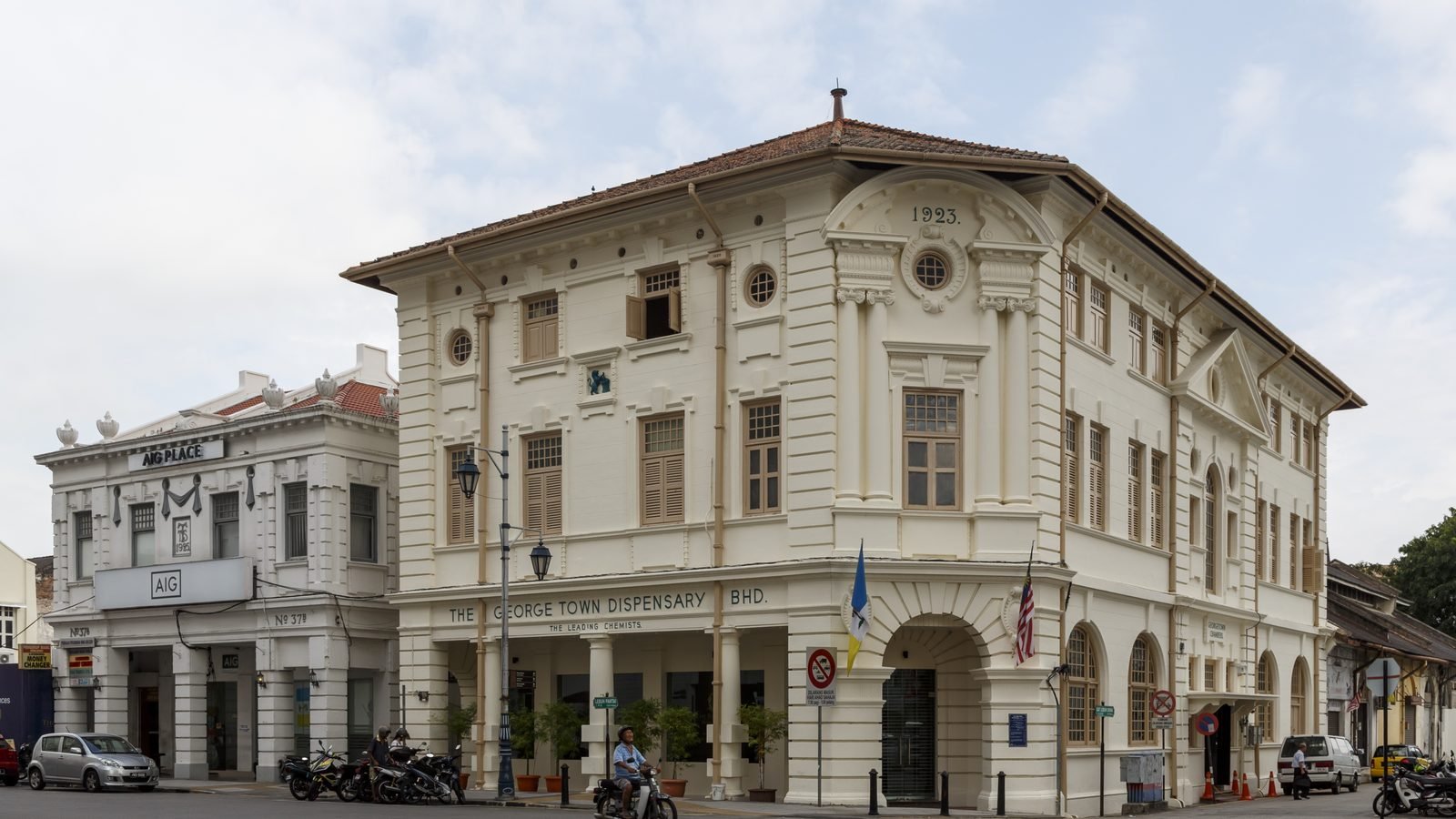
The sound of a metal spatula hitting a seasoned cast-iron wok at 7:00 PM on Chulia Street is the unofficial starting gun for the evening. In George Town, food is not just a meal; it is the primary rhythm of the day, dictated by the opening hours of specific hawker stalls and the availability of fresh ingredients. I have spent years wandering these narrow heritage streets, and the logic of where to eat depends entirely on the position of the sun and the specific day of the week.
This Penang George Town food guide is designed for independent travelers who want to move beyond the tourist-heavy plazas and eat like a local. We will cover the specific benchmarks for iconic dishes like char kway teow and assam laksa, navigate the complex world of hawker center etiquette, and identify the best pockets for halal and vegetarian meals. Whether you are looking for a RM 8 (about $1.75) breakfast or a late-night snack in Little India, this guide covers the practical logistics of the city’s food scene.
Understanding Hawker Center Hours and Stall Cycles
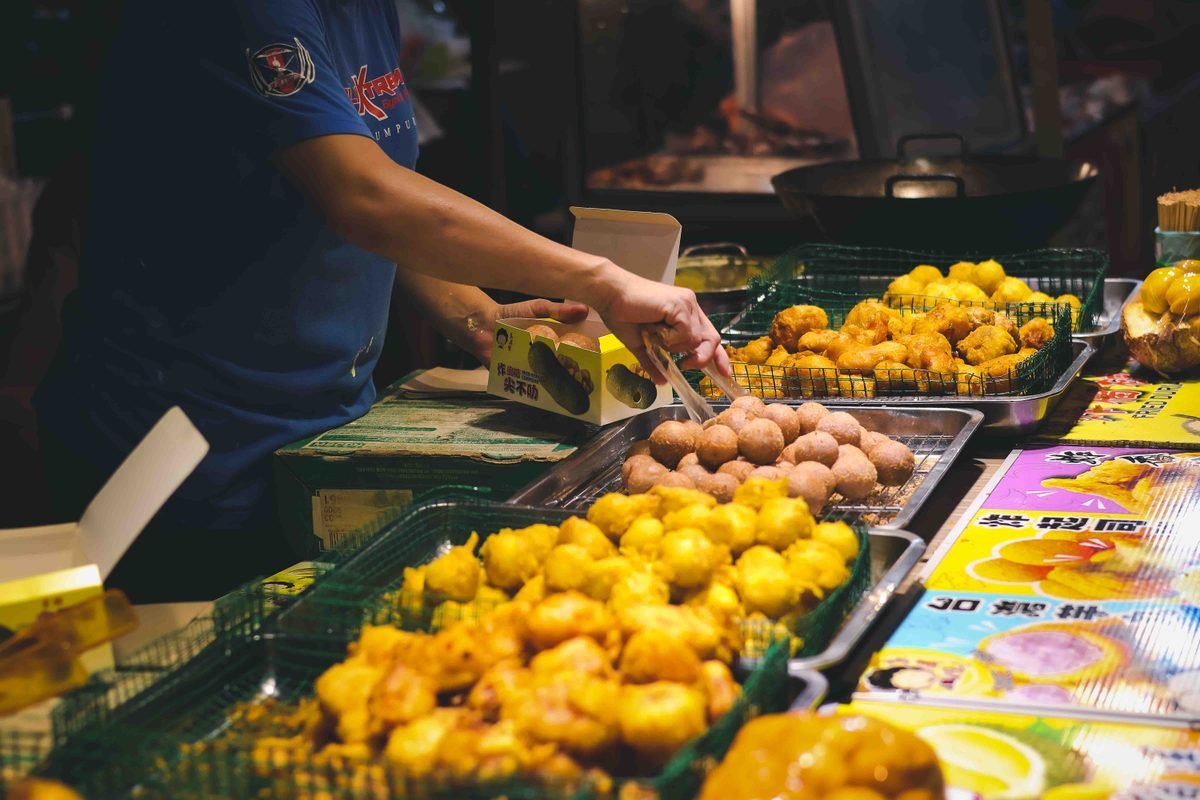
Timing is the most critical factor in George Town. Unlike many global cities where restaurants maintain standard 11:00 AM to 10:00 PM hours, Penang operates on a fragmented schedule. The city is divided into morning markets, afternoon coffee shops, and evening hawker centers. If you show up at a famous char kway teow stall at 3:00 PM, you will likely find a closed metal shutter. Most day-time hawkers in spots like Cecil Street Market or the various kopitiams along Carnarvon Street begin their day at 7:00 AM and sell out by 1:00 PM or 2:00 PM. Once the stock is gone, they pack up. Cash remains the primary currency. You cannot rely on digital payments at these smaller stalls.
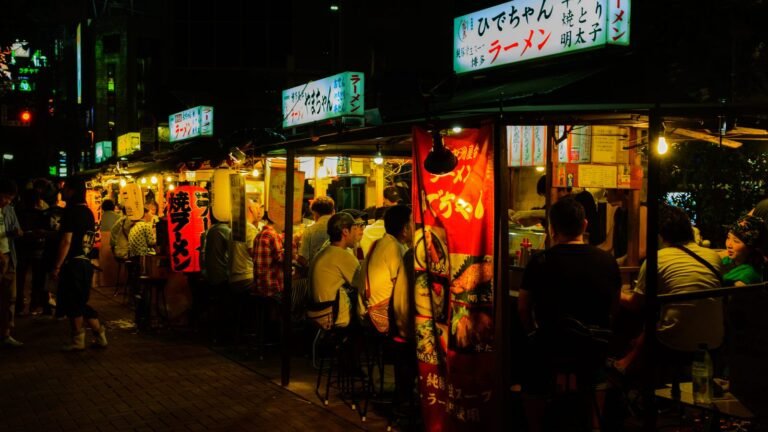
The evening shift begins around 6:00 PM. This is when the street-side carts on Chulia Street, New Lane, and Kimberley Street emerge. These stalls often run until midnight, but the best ones may close earlier if they have a busy night. A common mistake is assuming every stall in a hawker center is open every day. Most hawkers take one day off a week, typically a Monday or Wednesday. If you have your heart set on a specific vendor, ask them their off-day when you visit. The heat is often intense. Eating early or late helps avoid the worst of the humidity while you wait in line.
For a reliable experience, visit the larger hawker centers like New Lane (Lorong Baru) for dinner. Here, you can find a concentration of twenty to thirty stalls in one place. It allows you to sample multiple dishes without walking long distances in the heat. Look for the blue sign. The stalls are often color-coded or numbered to help you identify which table belongs to which section of the center. Most stalls close by midnight. Planning your day around these cycles ensures you never face a closed shutter when hunger strikes.
From a local: The Off-Day Rule
Many famous stalls in George Town close on Mondays or Wednesdays. Always check the physical sign on the stall a day in advance if you are planning a special trip for a specific dish.
The Benchmarks for Char Kway Teow and Assam Laksa
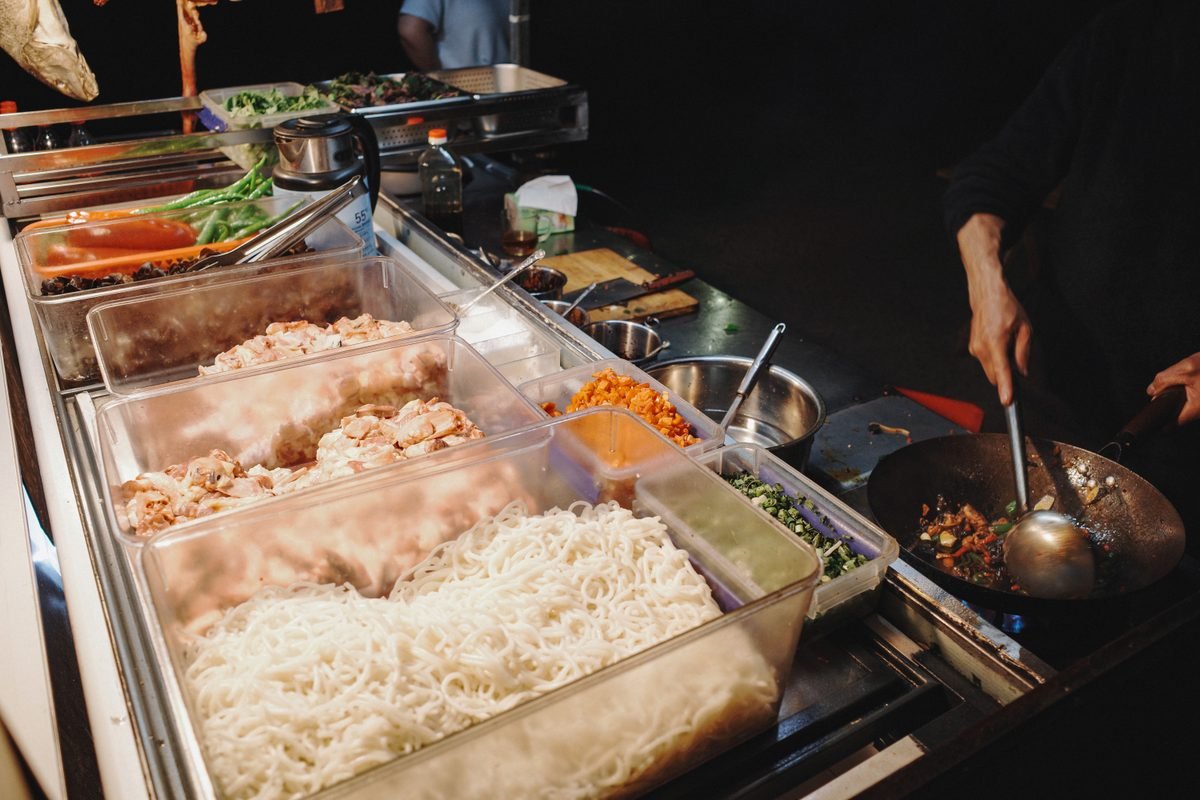
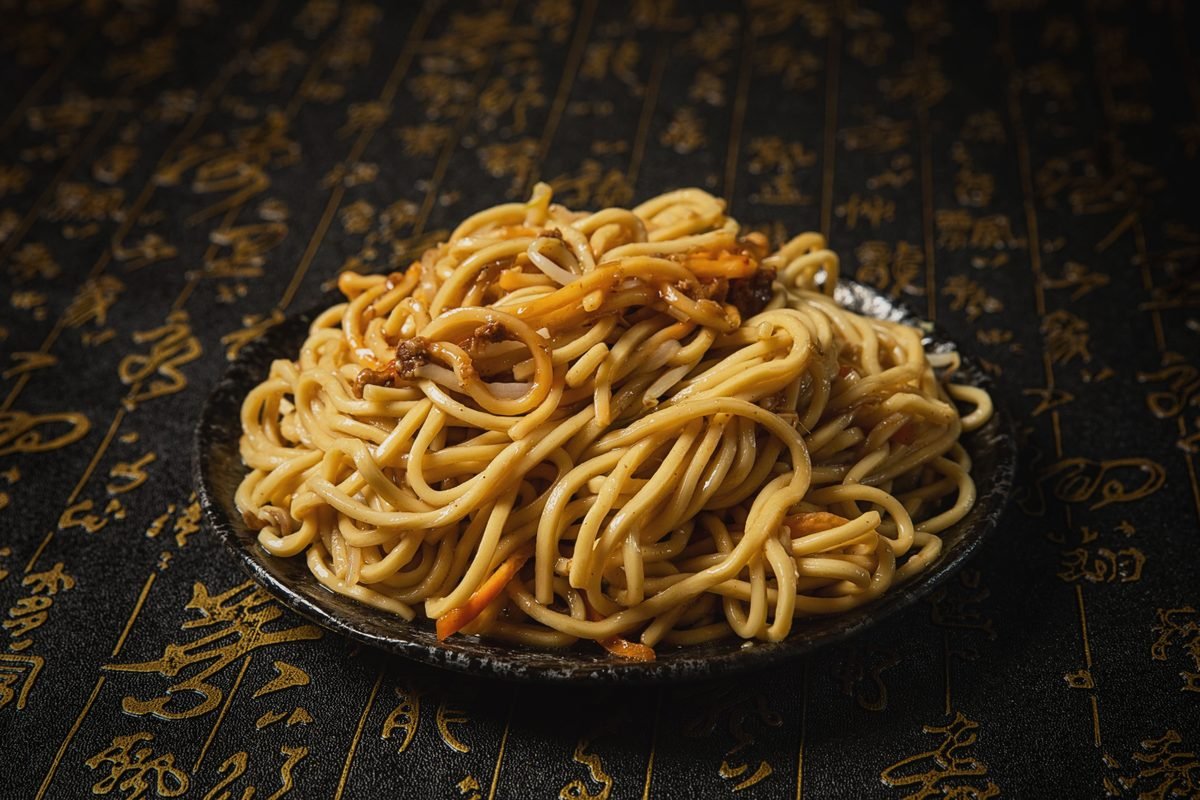
In George Town, the quality of a char kway teow is measured by ‘wok hei,’ or the breath of the wok. This is the smoky charred flavor achieved only through high-heat frying in a seasoned wok. A standard plate should cost between RM 8 (about $1.75) and RM 12 (about $2.65). If you see a stall charging significantly more, they are likely catering to tourists or adding premium ingredients like large prawns. Look for stalls that still use charcoal fires, as the heat is more consistent and the smoke adds a depth that gas burners cannot replicate. Ask for duck egg instead. It adds a richer, creamier texture to the noodles compared to standard chicken eggs.
Assam Laksa is the other mandatory benchmark. This is a sour, fish-based noodle soup that defines the Peranakan influence on the island. The broth is thick. It should be heavy with shredded mackerel and flavored with tamarind, lemongrass, and ginger flower. The defining characteristic is the spoonful of ‘hae ko’ or thick, sweet shrimp paste added right before serving. If the broth is thin or lacks that pungent, sour kick, it is not a true Penang laksa. The best versions are often found near the Air Itam market, but you can find excellent bowls in the heritage core for about RM 7 (about $1.50).
When evaluating these dishes, watch the cook. A good char kway teow vendor fries only one or two portions at a time to maintain the wok temperature. If they are tossing a massive pile of noodles for ten people at once, the wok hei will be missing. For laksa, the noodles should be translucent and slightly chewy, not mushy. These two dishes represent the soul of the Penang George Town food guide and should be your first priority when arriving in the city. The contrast between the smoky noodles and the sour soup is the perfect introduction to the local palate.
Tip: The Duck Egg Upgrade
When ordering Char Kway Teow, ask the hawker for ‘ah nng’ (duck egg in Penang Hokkien). It usually costs an extra RM 1 or RM 2 but significantly improves the flavor.
Little India vs Chulia Street: Two Different Worlds
Walking from Chulia Street into Little India feels like crossing an invisible border. Chulia Street is the traditional heart of the backpacker and heritage scene. Here, the food is dominated by Chinese-Malaysian staples. You will find the famous wonton mee stall near the junction of Love Lane, where the noodles are tossed in a dark, savory soy sauce and served with pickled green chilies. Chulia Street is also the place for satay, with small charcoal grills lining the sidewalk, filling the air with the smell of turmeric-marinated chicken and beef. A set of ten sticks usually costs around RM 15 (about $3.30). It is a social, high-energy environment where you eat on the sidewalk.
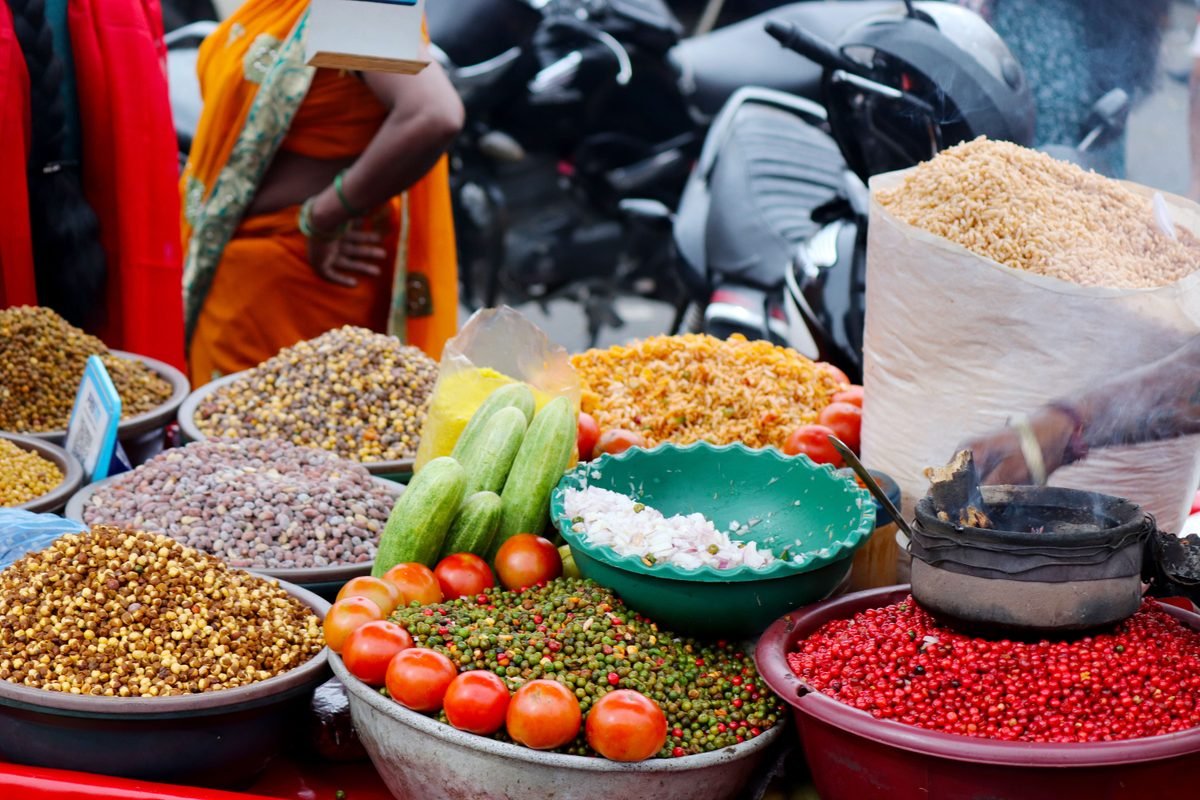
Just a few blocks away, Little India (centered around Lebuh Pasar and Lebuh Queen) offers a completely different sensory experience. The smell of soy sauce is replaced by cardamom, cumin, and frying onions. This area is the best place for a budget-friendly lunch. You can get a full vegetarian thali—a platter with rice, three types of vegetable curry, dal, and papadum—for about RM 10 (about $2.20). The atmosphere here is defined by loud Bollywood music and the rhythmic sound of ‘teh tarik’ (pulled tea) being poured between tin mugs. Order your drink immediately. A hot teh tarik is roughly RM 2.50 (about $0.55) and is the perfect accompaniment to a spicy samosa.
The choice between these two areas depends on your mood. Chulia Street is better for late-night grazing and people-watching. Little India is superior for a heavy, satisfying meal during the day. Both are essential parts of the George Town experience. If you are traveling with a group, Little India is often easier for seating, as many of the restaurants have large indoor dining rooms with air conditioning, whereas Chulia Street is almost entirely outdoor and communal. The prices in both areas remain very accessible for independent travelers.
Navigating Halal and Vegetarian Options
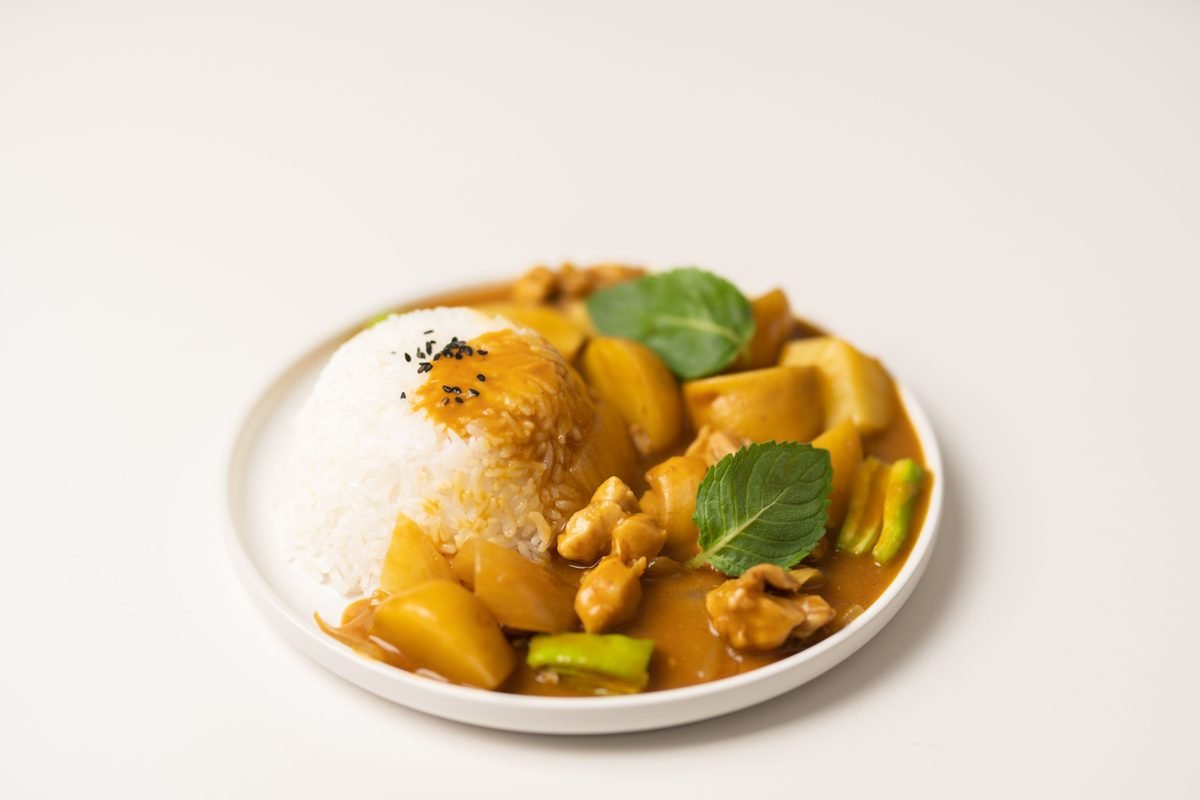
While Penang is famous for its pork-heavy Chinese dishes, it is also one of the easiest places in Southeast Asia to find halal and vegetarian food. For halal travelers, Nasi Kandar is the undisputed king. This dish originated in Penang and consists of steamed rice served with a variety of curries and side dishes. The oldest Nasi Kandar restaurant in Malaysia, Hameediyah, is located on Lebuh Campbell. When you order, ask for ‘kuah banjir’ (flooded gravy). The server will ladle a mixture of five or six different curry sauces over your rice, creating a complex, spicy mess that is incredibly flavorful. A standard plate with chicken and vegetables costs roughly RM 18 (about $4).
Vegetarian travelers will find plenty of options in both the Indian and Chinese communities. In the Chinese tradition, look for the ‘Su’ (素) or ‘Zhai’ (齋) character (in red or yellow) on stall signs, which indicates Buddhist vegetarian food. These stalls often use clever ‘mock meats’ made from soy or gluten. You can find these concentrated around the Goddess of Mercy Temple (Kong Hock Keong). For a more modern take, there are several vegan cafes in the heritage zone that serve plant-based versions of local classics. The prices at these specialty cafes are higher, usually around RM 25 (about $5.50) for a main course, but the quality is high and the environments are comfortable.
The Lebuh Aceh area is another great pocket for halal Malay food. Here you can find beef rendang and various ‘kuih’ (traditional sweet cakes) that are naturally halal. Many of these vendors are only active in the morning and early afternoon. If you are looking for vegetarian food in a hawker center, be aware that cross-contamination can occur. If you are a strict vegetarian, sticking to dedicated Indian vegetarian restaurants or Chinese Buddhist stalls is the safest bet. Look for the green sign. These dedicated spots are clearly marked to help diners make informed choices.
Heads up: Nasi Kandar Pricing
Nasi Kandar prices can escalate quickly because you pay per item. Always check the price of seafood like squid or large prawns before they are added to your plate.
The Logistics: Cash, Tables, and Ordering Rules
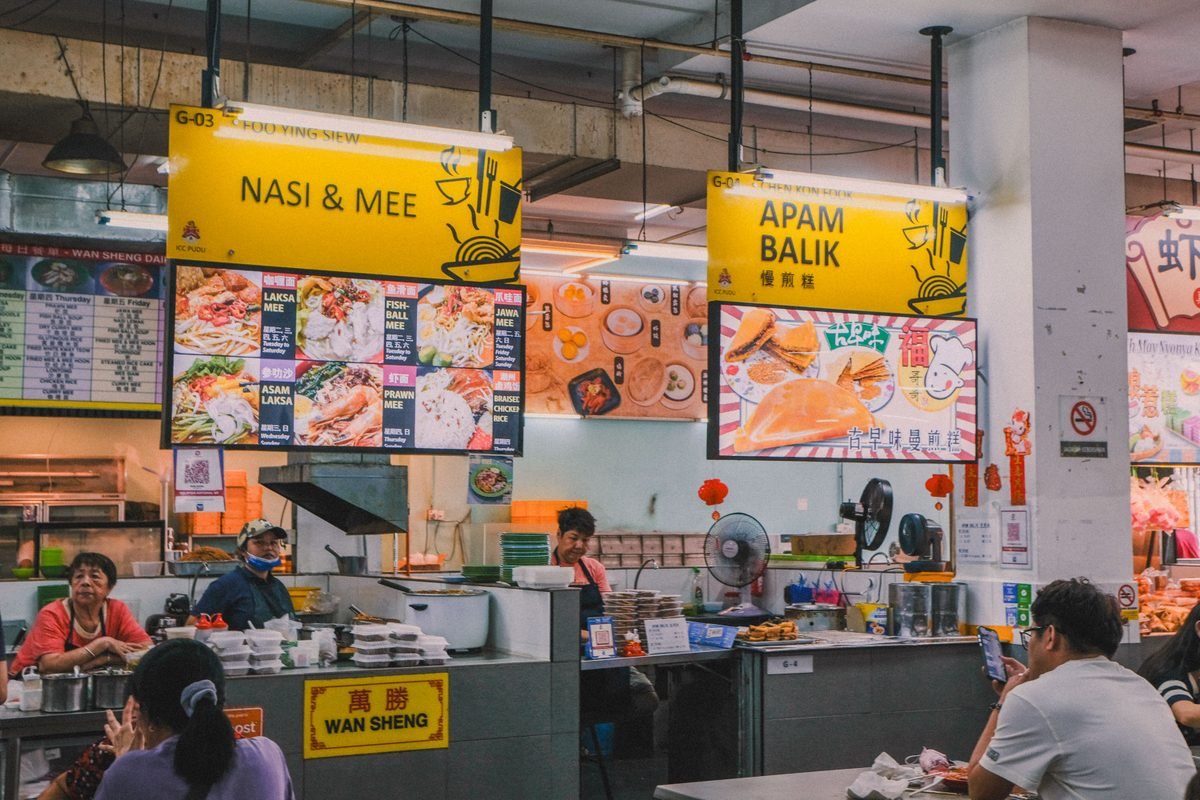
Eating at a hawker center in George Town follows a specific social contract. First, you must find a table. Once you have a table number, you go to the individual stalls to place your order. You do not pay at the stall; you tell them your table number, and they bring the food to you. You pay when the food arrives. This system relies on the hawkers’ incredible memory for faces and locations. If you move tables after ordering, you will cause confusion. Always stay put until your food has been delivered. Cash is king. Very few hawker stalls accept credit cards, though some may use local e-wallets like GrabPay or Touch ‘n Go.
There is also an unwritten ‘drink rule’ in most coffee shops (kopitiams) and hawker centers. The person who owns the building usually only makes money from the drinks, while the food stalls rent the space. Because of this, it is considered rude to sit at a table and not order a drink. If you try to opt out, the drink seller might charge you a small ‘sitting fee’ of about RM 1 or RM 2. A fresh lime juice or a glass of iced kopi (coffee) usually costs around RM 3 (about $0.65), so it is worth simply ordering something to stay in everyone’s good graces.
When it comes to utensils, most Chinese stalls provide chopsticks and a ceramic spoon. Indian and Malay stalls usually provide a fork and spoon. If you are eating in a traditional Malay or Indian spot, you might see locals eating with their right hand. While you are welcome to do the same, utensils are always available for visitors. Napkins are rarely provided for free. I recommend carrying a small pack of tissues in your pocket. The heat in these centers can be intense, so look for tables near the large industrial fans if they are available. Most stalls close by midnight, so do not wait too late to start your dinner circuit.
Book ahead: Popular Stalls
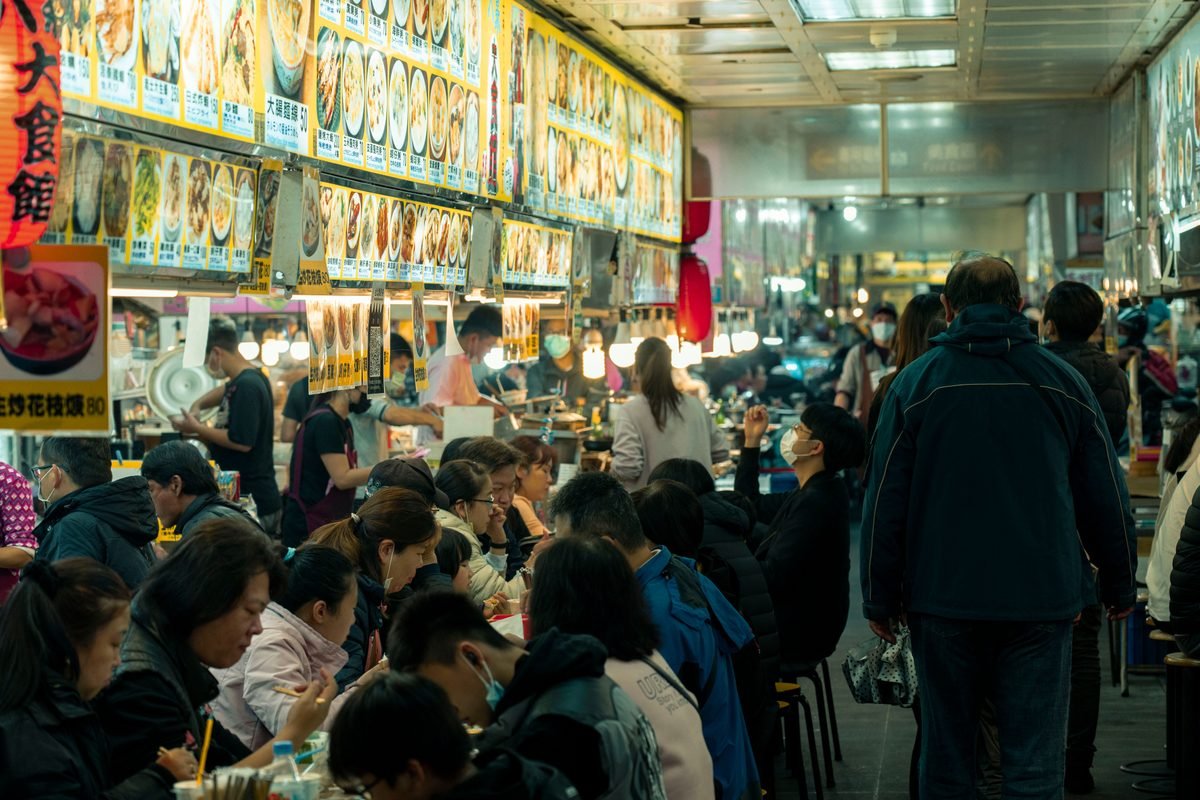
For the most famous stalls, like the Siam Road Char Kway Teow, expect wait times of 45 to 60 minutes. Arrive 15 minutes before they open to secure a spot at the front of the queue.
Breakfast Rituals and Late Night Snacks
Breakfast in George Town is a serious affair. One of the most iconic experiences is visiting Toh Soon Cafe, located in a narrow alleyway off Lebuh Campbell. They are famous for charcoal-toasted bread served with kaya (coconut jam) and soft-boiled eggs. A full set with coffee costs about RM 10 (about $2.20). The wait can be long, so arrive before 8:30 AM. Alternatively, head to Transfer Road for roti canai. This is a flaky, buttery flatbread served with a side of spicy chicken or mutton curry. It is a heavy way to start the day, but it is a local favorite that will keep you full until mid-afternoon.
If you prefer a lighter start, seek out a dim sum house like Tai Tong on Lebuh Cintra. They use traditional trolleys pushed between tables, allowing you to point at what you want. Each basket costs between RM 5 and RM 10 (about $1.10 to $2.20). It is a noisy, lively environment that captures the old-world charm of George Town. For late-night cravings, the Mamak stalls (Indian-Muslim eateries) are open 24 hours. These are the best spots for a ‘Maggi Goreng’ (fried instant noodles) or a ‘Roti Tissue’ (an incredibly thin, tall, crispy flatbread dusted with sugar). These snacks are rarely more than RM 12 (about $2.65).
Don’t forget dessert. The famous Teochew Chendul on Penang Road is a must-try. It is a bowl of shaved ice, coconut milk, palm sugar (gula melaka), and green rice-flour jelly noodles. It costs about RM 4.50 (about $1) and is the ultimate way to cool down after a day of walking. There are two competing stalls on the same street; the one with the longest line is usually the original, but both are excellent. These morning and late-night rituals provide a complete picture of the island’s culinary diversity. By exploring these fringes of the day, you see a side of George Town that most tourists miss by sticking to standard lunch and dinner times.
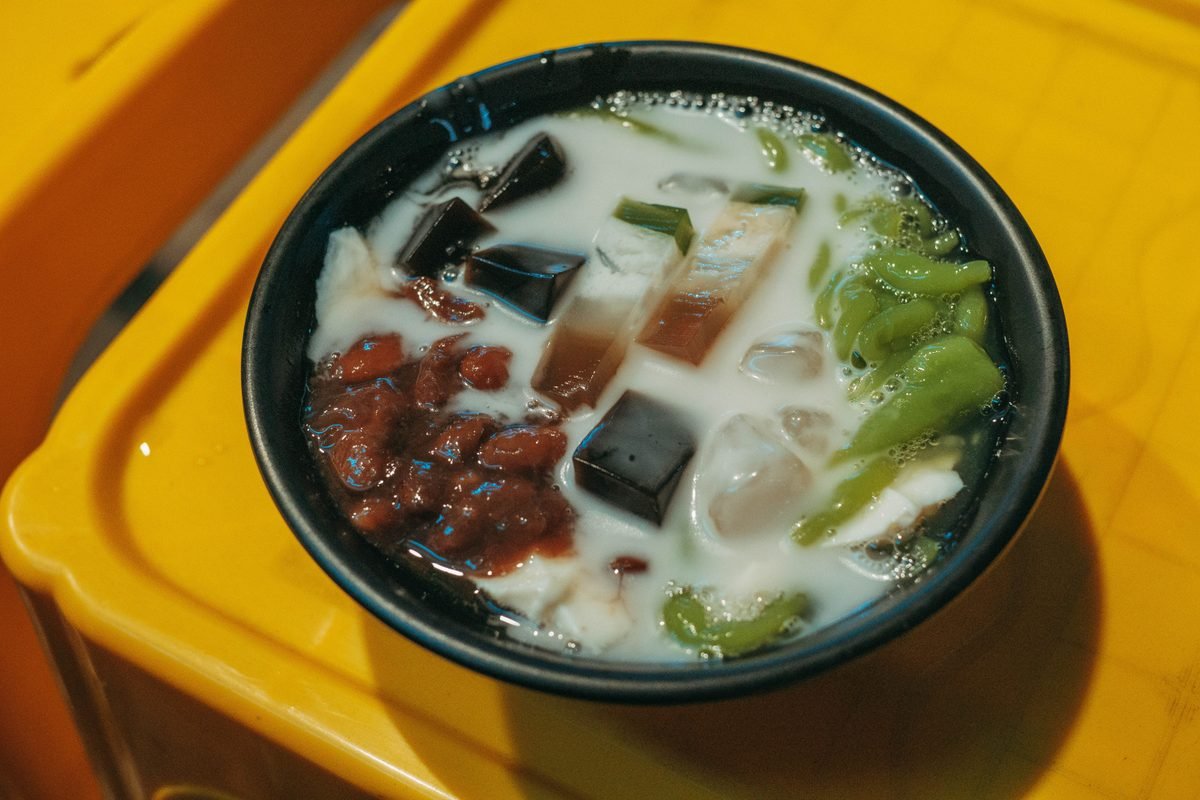
From a local: The Cendol Rivalry
The two cendol stalls on Lebuh Keng Kwee have been rivals for decades. Try a bowl from each to see which side of the street you prefer.
What it costs in George Town
| Item | Local price | USD |
|---|---|---|
| Char Kway Teow (with duck egg) | RM 11 | $2.40 |
| Assam Laksa | RM 7 | $1.50 |
| Nasi Kandar (chicken + veg) | RM 18 | $4.00 |
| Teh Tarik (pulled tea) | RM 2.50 | $0.55 |
| Roti Canai Set | RM 9 | $2.00 |
| Rapid Penang Bus (city zone) | RM 2 | $0.45 |
| Mid-range Heritage Hotel (per night) | RM 280 | $62.00 |
| Daily Food Total (approx) | RM 65 | $14.30 |
Prices checked October 2026. Always confirm with the provider before you book.
Where to stay in George Town
Budget
Chulia Street and Love Lane
This is the hub for hostels and budget guesthouses within walking distance of the best night stalls. Expect to pay RM 60 to RM 120 (about $13 to $26) for a basic room near the action.
Mid-range
Armenian Street and the Heritage Core
Stay here for beautifully restored boutique shophouses that put you in the center of the street art and cafe scene. Nightly rates typically range from RM 220 to RM 350 (about $48 to $77).
Splurge
Gurney Drive or the North Beach Waterfront
This area features high-end hotels with sea views and easy access to the Gurney Drive hawker center. Rooms in these premium properties usually start around RM 500 (about $110) per night.
Mistakes to avoid
- Assuming all hawker stalls are open every day of the week.
- Sitting at a hawker center table without ordering a drink from the proprietor.
- Using only Google Maps for stall locations, as many small vendors do not have a digital presence.
FAQ
Where is the best place to find a Penang George Town food guide for vegetarians?
Vegetarian diners should head to Little India for affordable thali sets or look for Chinese Buddhist stalls marked with the red ‘Su’ (素) or ‘Zhai’ (齋) character. Modern vegan cafes are also concentrated around Armenian Street and Lebuh Chulia.
Do I need to carry cash for street food in Penang?
Yes, cash is essential for almost all street food stalls and traditional hawker centers. While some larger restaurants and modern cafes accept cards or e-wallets, the smaller vendors rely entirely on Malaysian Ringgit.
What is the 'drink rule' at Penang hawker centers?
If you sit at a table in a hawker center or coffee shop, you are expected to order a drink from the house. This is how the building owner makes a profit, as the food stalls are independent tenants.
Is the street food in George Town safe to eat?
Generally, yes. George Town has a high turnover of ingredients due to the volume of customers. Look for stalls with long lines and avoid any pre-cooked food that has been sitting out in the sun for hours.
When do the night markets in George Town start?
Most evening street food stalls on Chulia Street and Kimberley Street begin setting up around 5:30 PM and are fully operational by 6:30 PM. They usually run until 11:00 PM or midnight.