
Bangkok Temple and River Boat Guide: Routes & Tips

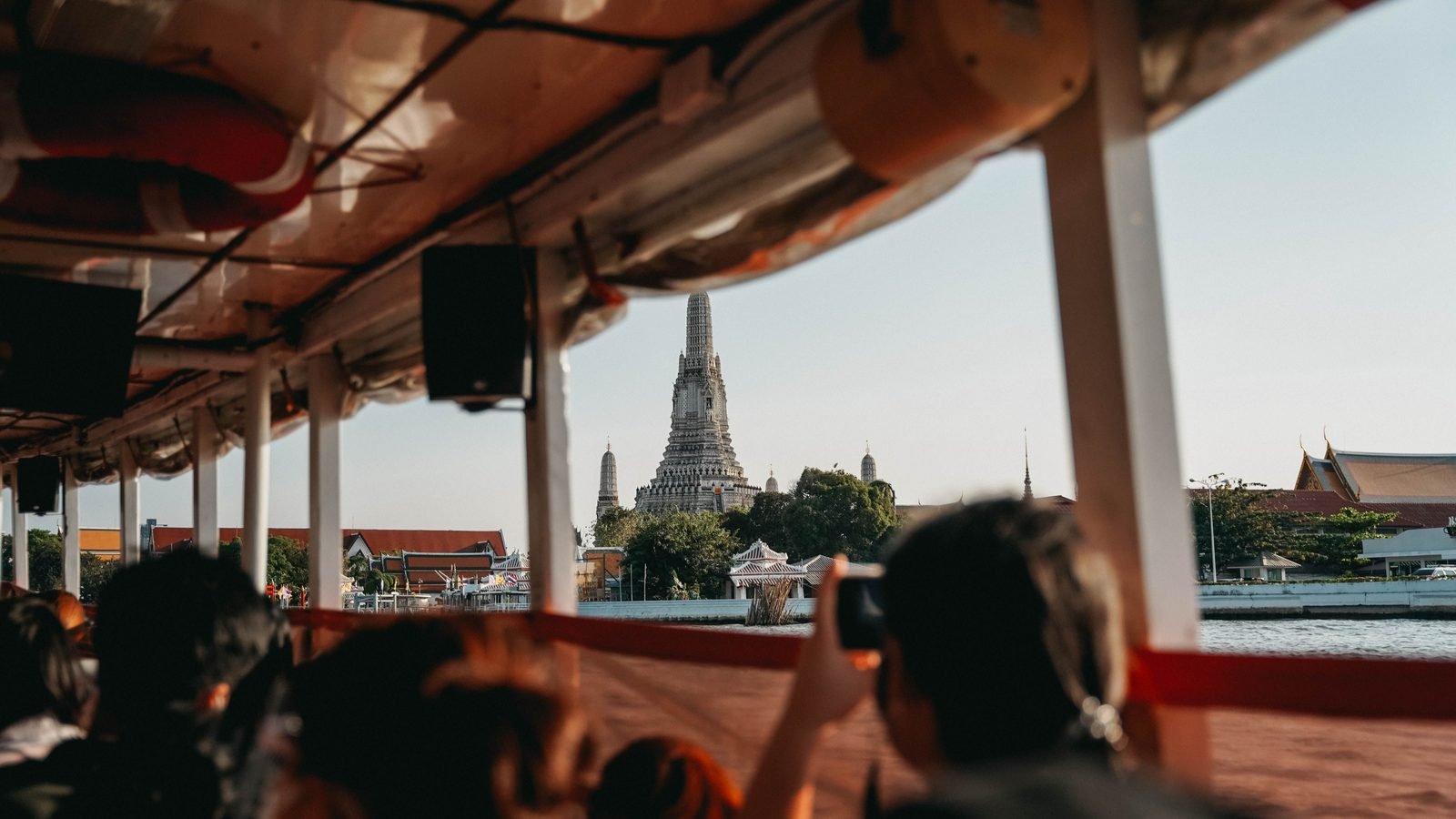
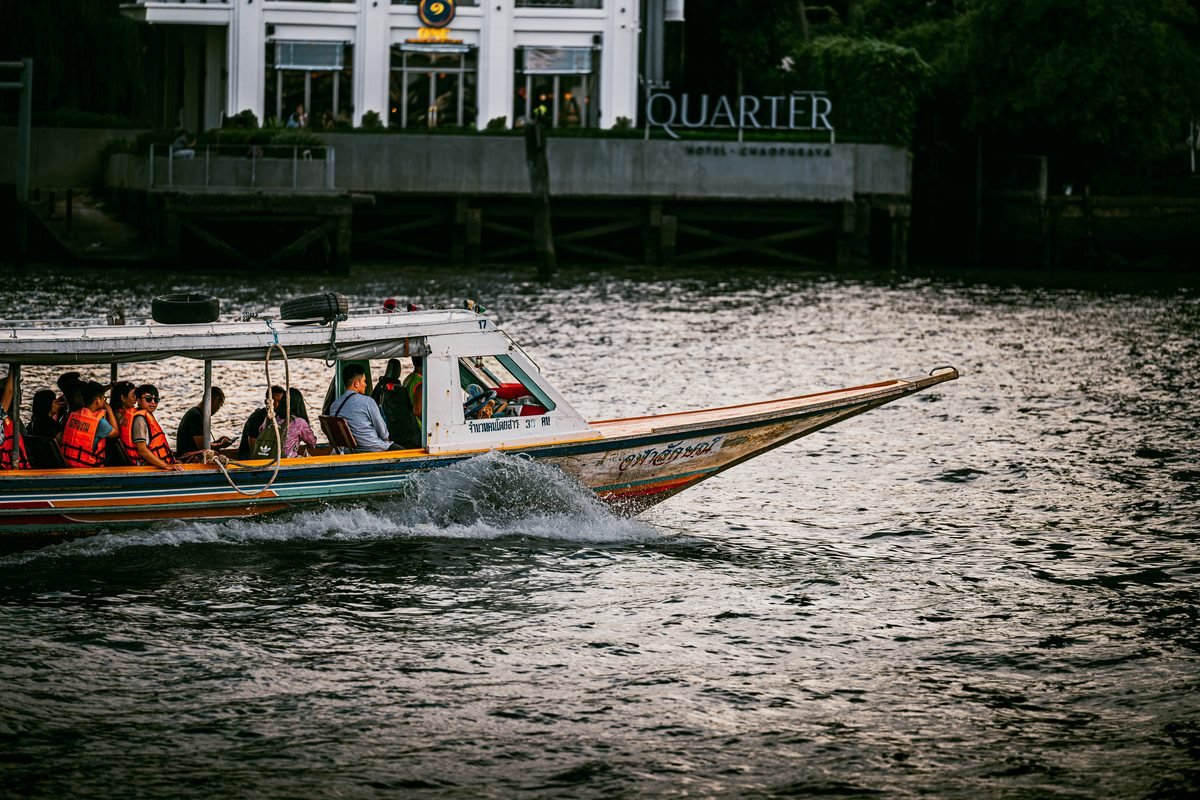
At Sathorn Pier, the heavy scent of diesel mixes with river water as a long wooden boat slams against the concrete tires. Commuters squeeze past each other, clutching orange plastic tokens while the ticket collector shakes a metal cylinder, her coins rattling in a steady rhythm. This is the Chao Phraya River, the moving highway of Bangkok, where avoiding the gridlocked roads is as simple as stepping onto a public ferry. Navigating this waterway is the cheapest and most satisfying way to explore the historic heart of the Thai capital.
This independent Bangkok temple and river boat guide is written for travelers who want to bypass expensive private tours and navigate the river like a local. We will cover how to decode the colored boat flags, how to plan your stops for Wat Pho and the Grand Palace, and how to avoid the common scams waiting for you at the piers.
How to use this Bangkok temple and river boat guide
To navigate the Chao Phraya River without overpaying, you must understand how the express boat system works. The main transit hub is Sathorn Pier, which sits directly beneath the Saphan Taksin BTS Skytrain station. From here, boats travel north toward Nonthaburi and south toward Rat Burana. The key to riding these boats lies in the colored flags flying from their sterns.
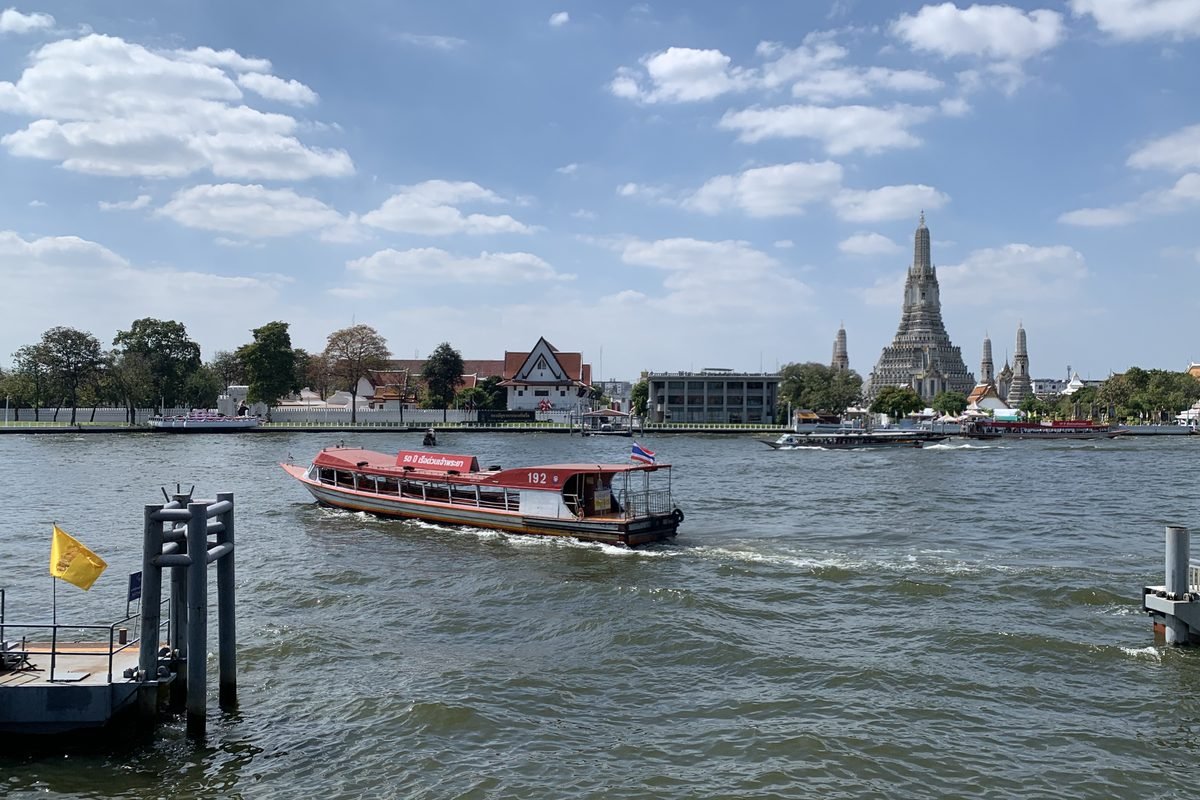
The orange flag boat is your best option. It runs every 15 to 20 minutes daily, stopping at all major tourist piers, and charges a flat rate of ฿16 (about $0.48). You can buy your ticket at the pier window or directly from the conductor on board. Take the orange boat. It is cheap and runs frequently.
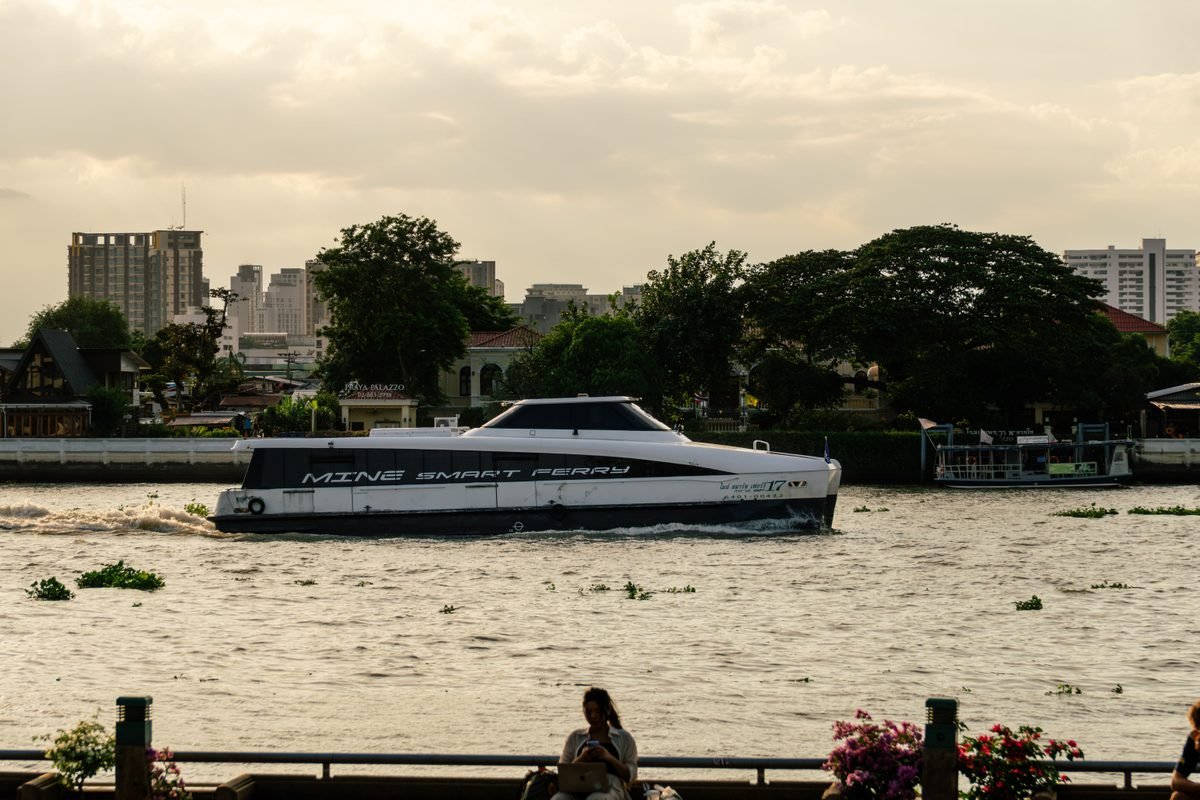
The blue flag boat is the official tourist vessel. It costs ฿30 (about $0.90) for a single ride or ฿150 (about $4.50) for an all-day pass. While it offers English commentary and slightly more breathing room, it is rarely worth the extra cost unless you plan to hop on and off more than nine times in a single day.
Green and yellow flag boats are express commuter services that run primarily during the morning and evening rush hours. They skip many of the central piers, so casual visitors should avoid them. If a boat has no flag at all, it is a local slow boat that stops at every single pier, but these only operate on weekday mornings and afternoons. When boarding, always look at the flag on the boat itself, not the signs on the pier, which can be misleading.
From a local: Keep Your Tickets
Always keep your paper ticket after boarding. The conductors walk through the boat shaking metal canisters and will ask to see your ticket to verify you paid.
How to get to the Grand Palace and Wat Pho
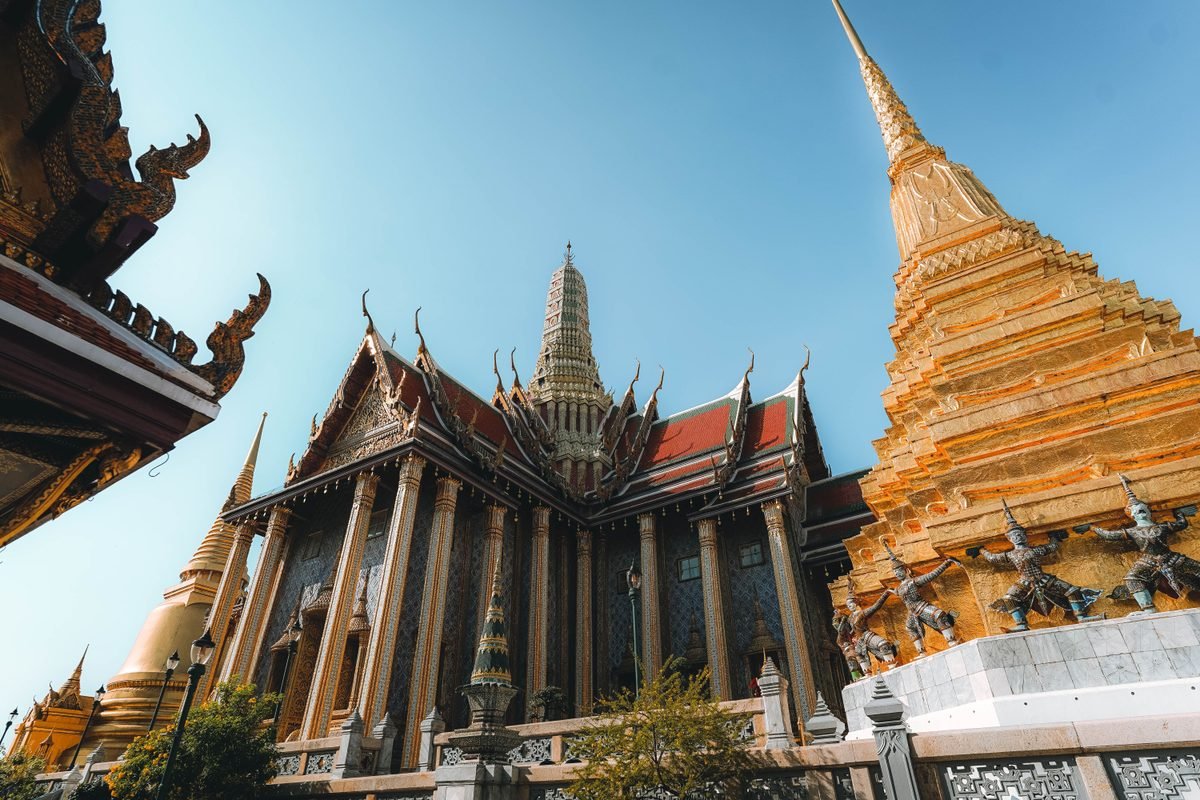
The two most famous historic sites in Bangkok sit on the east bank of the river, easily accessible by boat. To visit the Grand Palace, you need to disembark at Tha Chang Pier (N9). Once you exit the modern pier building, you will walk through a small market street filled with food stalls before reaching the whitewashed outer walls of the palace complex. The main entrance is on Na Phra Lan Road. The Grand Palace is open daily from 08:30 to 15:30, and entry costs ฿500 (about $15). This ticket also includes access to Wat Phra Kaew, the Temple of the Emerald Buddha, which sits inside the palace grounds.
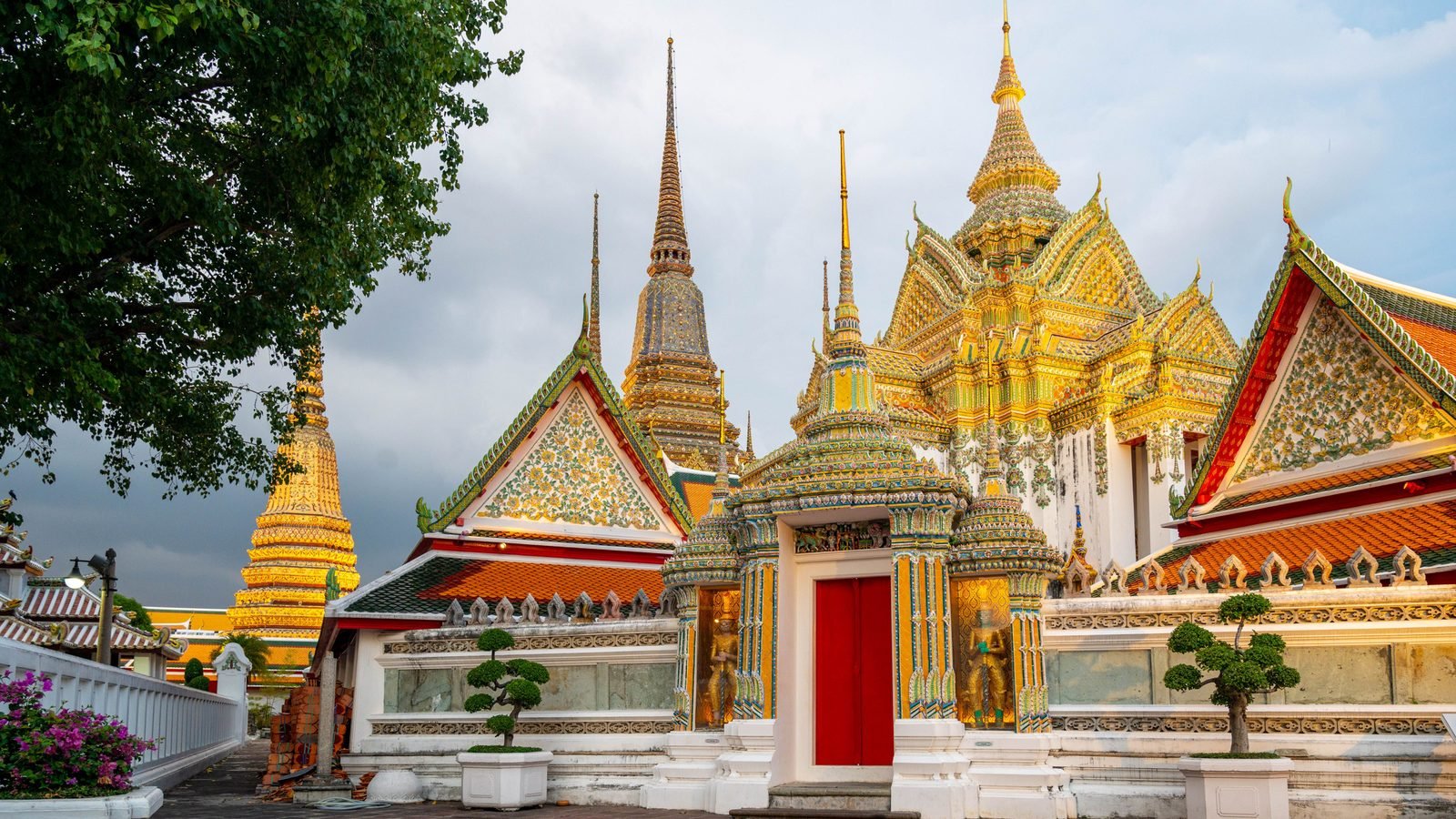
Directly south of the palace lies Wat Pho, the Temple of the Reclining Buddha. The easiest way to reach it is to walk fifteen minutes south along Maha Rat Road from the palace, or take the boat to Tha Tien Pier (N8). This pier was recently renovated and leads directly to the temple entrance. Entry to Wat Pho costs ฿300 (about $9) and includes a small bottle of drinking water. The temple is famous for its massive 46-meter-long gold-plated reclining Buddha and its traditional Thai massage school.
Visiting both sites takes at least four hours of walking on hot concrete. Start your journey early in the morning, around 08:30, to beat the midday heat and the tour buses. After exploring, you can refuel at the nearby alleys using our Bangkok street food guide to find the best local noodle shops.
Heads up: Ignore Palace Closed Scams
The Grand Palace ticket counter closes strictly at 15:30. Do not believe anyone outside who tells you the palace is closed for a holiday or ceremony; they are trying to steer you into a tuk-tuk scam.
How to cross the river to Wat Arun
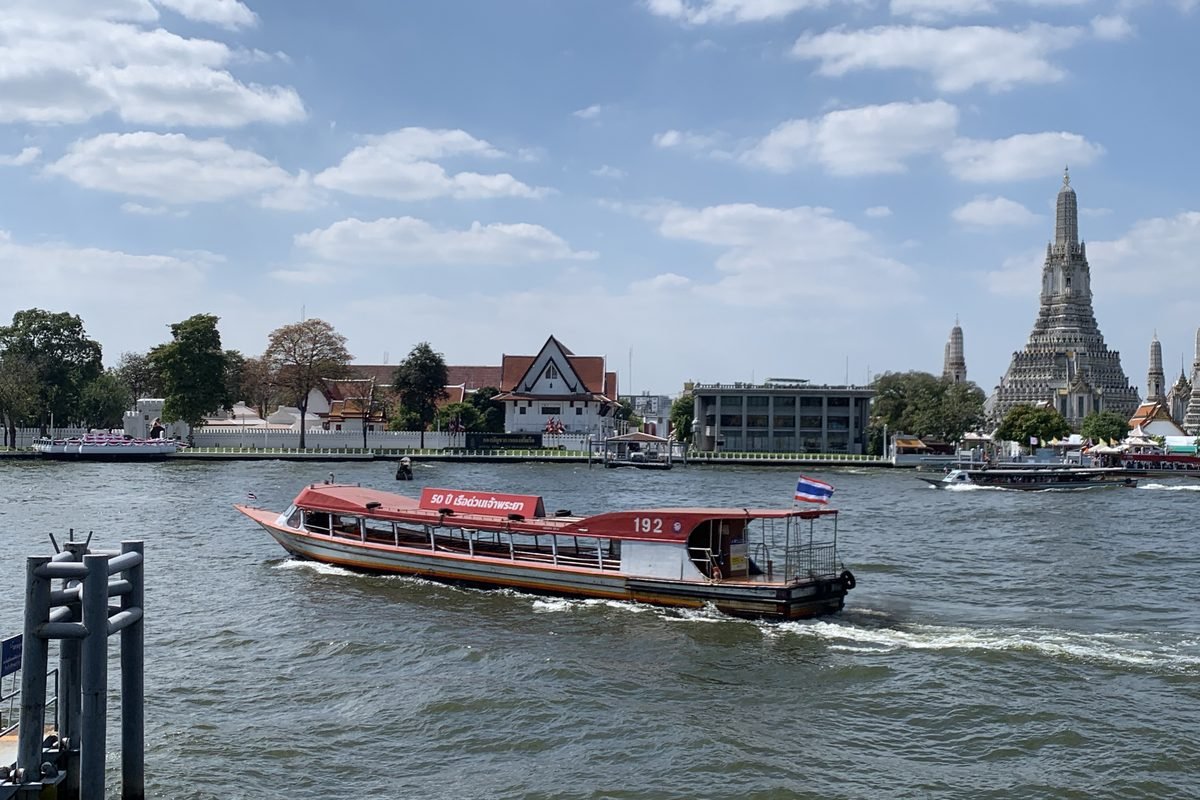
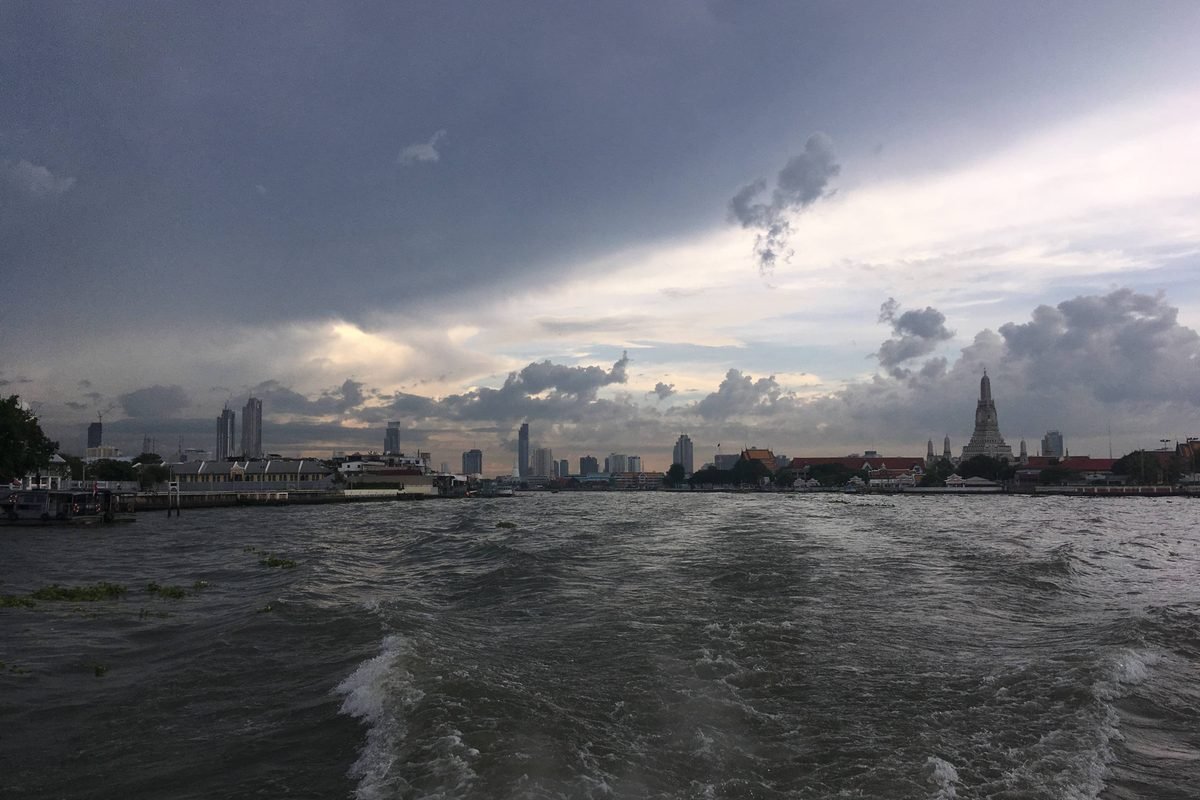
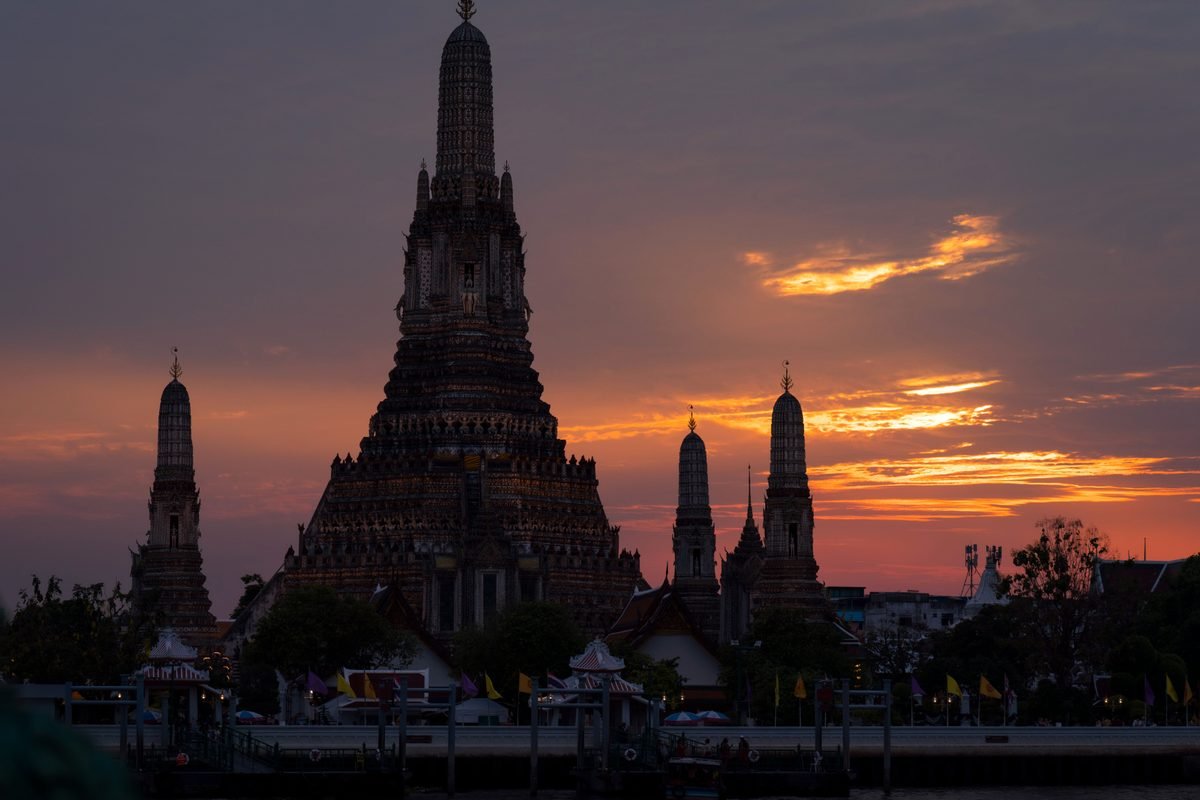
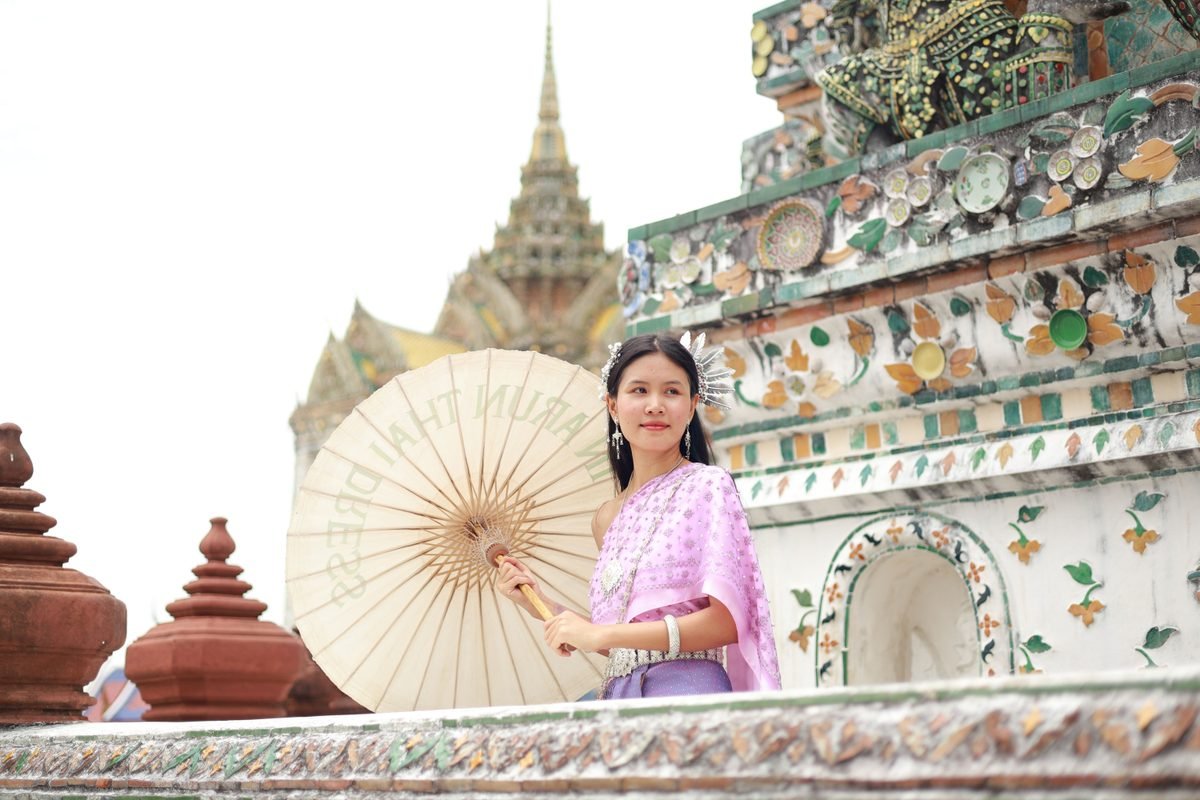
Wat Arun, the Temple of Dawn, sits directly opposite Wat Pho on the west bank of the Chao Phraya River. Its towering central prang, decorated with millions of pieces of colorful Chinese porcelain, is one of the most iconic sights in Thailand. Because it is on the opposite side of the river from the Grand Palace and Wat Pho, you must use the local cross-river shuttle boat.
This shuttle operates from Tha Tien Pier (N8). Do not get confused by the long-tail boat operators offering private rides at the pier entrance. Walk straight past them to the small ferry turnstiles at the back of the building. The crossing costs just ฿5 (about $0.15) each way. Pay at the gate. The ferry runs back and forth every few minutes from early morning until late evening. The water is choppy. Hold onto the handrails as you step aboard the flat-bottomed wooden barge.
Once you land on the west bank, you are directly at the entrance of Wat Arun. Admission to the temple grounds is ฿200 (about $6). While the temple is named after the dawn, it is actually most photogenic during sunset when the sun sinks behind the spires. You can climb the steep steps of the central prang for a view of the river and the old city skyline, though the highest levels are closed to the public for safety. The white stone steps are narrow, so take your time descending.
Tip: Rooftop Views
For the best photos of Wat Arun at night, cross back over to the east bank around Tha Tien Pier and find a rooftop bar. Watching the temple light up across the water is spectacular.
Understanding the strict temple dress codes
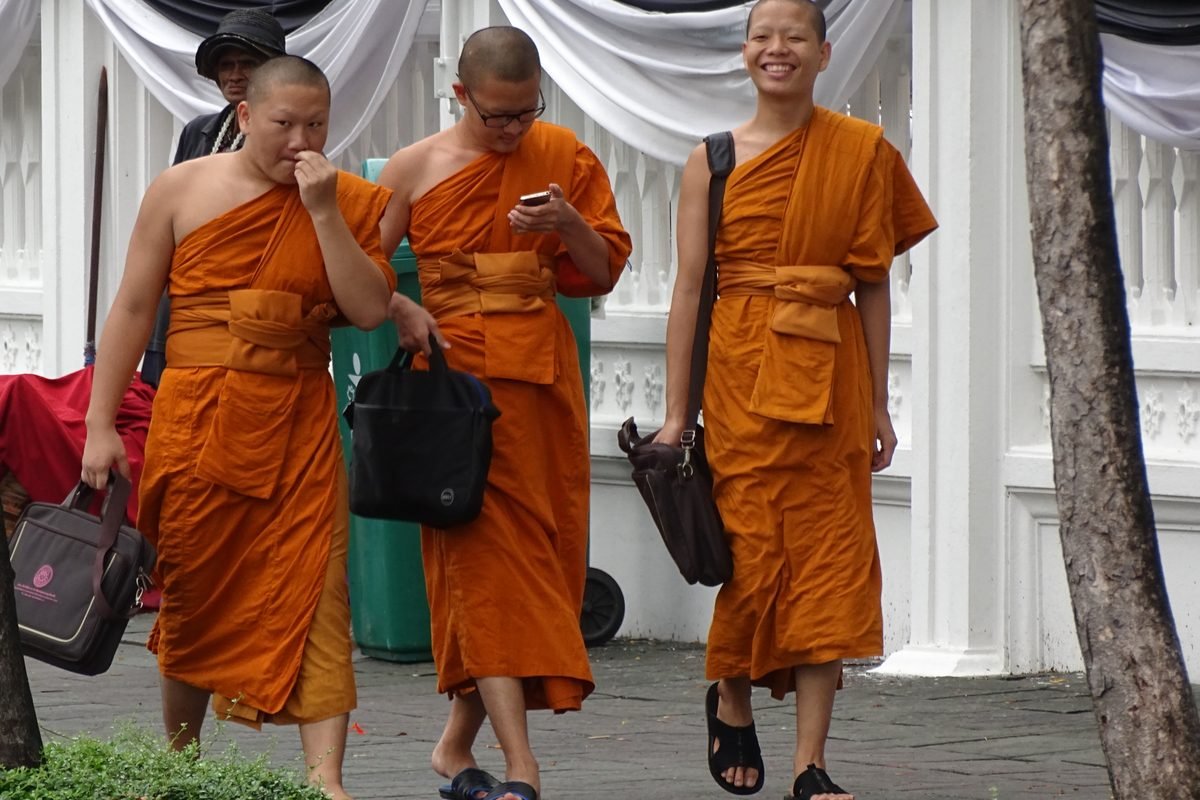
Bangkok temples are active places of worship, and the dress codes are strictly enforced by security guards at the gates. This is especially true at the Grand Palace, which has the most rigid rules in the country. If you are not dressed appropriately, you will be turned away at the entrance and forced to buy expensive clothing from the vendors outside.
Both men and women must cover their shoulders and knees. Wear long pants. T-shirts are perfectly acceptable, but sleeveless tops, tank tops, crop tops, and sheer fabrics are banned. Your pants or skirt must extend all the way to your ankles. Ripped jeans, tight leggings, and athletic shorts are not permitted inside the palace grounds. While Wat Pho and Wat Arun are slightly more relaxed, you should still follow these same guidelines to show respect and avoid any issues.
A common misconception is that you can simply wrap a sarong or scarf around your waist to cover shorts. While this is sometimes allowed at smaller temples in northern Thailand, like those in our Chiang Mai 3 day itinerary, the Grand Palace guards will not accept it. You must wear actual trousers or a full-length skirt. Shoes must be removed before entering any temple building housing an image of the Buddha. Wear shoes that are easy to slip on and off, and bring socks if you prefer not to walk barefoot on the hot stone floors.
Book ahead: Buy Directly at the Gates
There is no need to book temple tickets in advance through third-party agencies. Buy your tickets directly at the official counters inside the gates to avoid paying inflated agency fees.
How to avoid scams at the boat piers
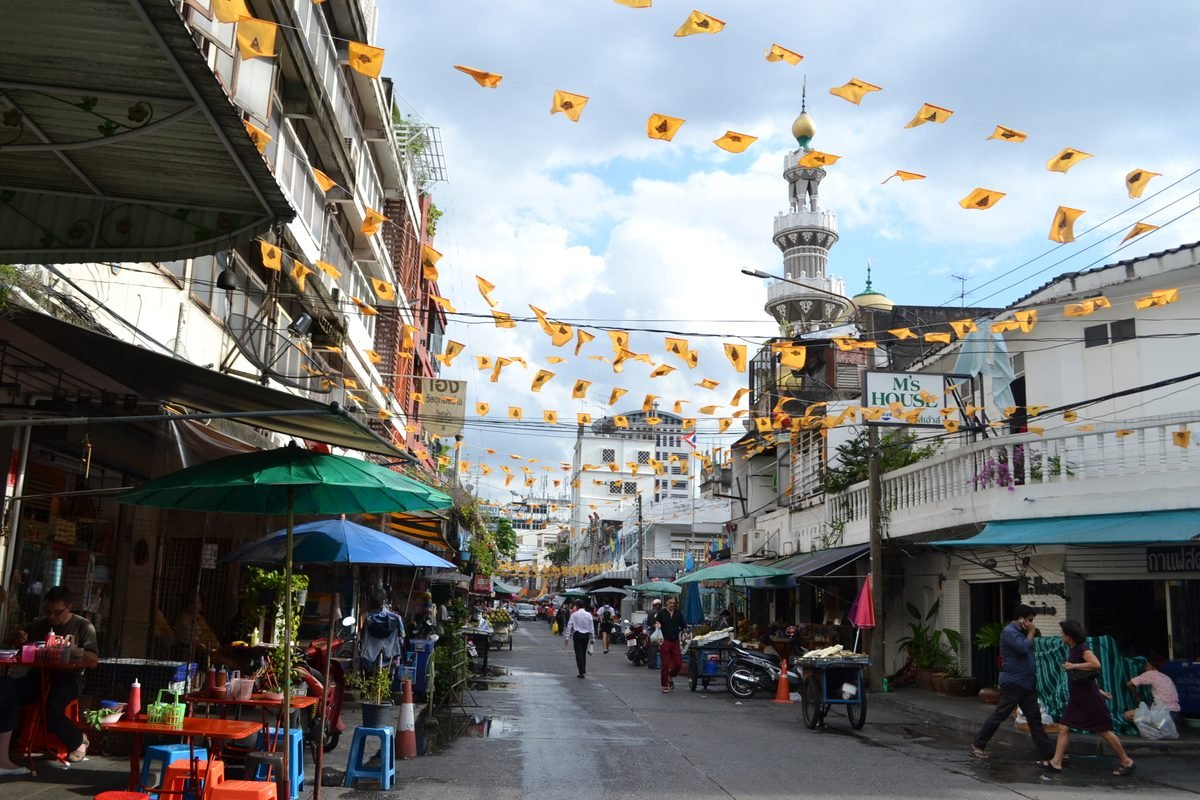
The areas surrounding the main river piers are prime territory for local scammers targeting first-time visitors. The most common scam involves unofficial guides or tuk-tuk drivers standing outside Sathorn, Tha Chang, or Tha Tien piers. They will approach you with a friendly smile and claim that the pier is closed for maintenance, or that the public boats are not running due to a holiday. Do not buy this. The public express boats run every day of the year. Simply ignore these individuals and walk directly to the water to see for yourself.
Another frequent issue is the aggressive selling of private long-tail boat tours. As you approach any major pier, people holding laminated maps will try to herd you toward private ticket booths. They will quote prices ranging from ฿1,000 (about $30) to ฿2,000 (about $60) for a private canal tour. While a long-tail boat ride is a fun experience, these pier-side sellers charge highly inflated rates. If you want the standard transit boat, look for the official Chao Phraya Express Boat ticket counter, where the fare is just ฿16 (about $0.48).
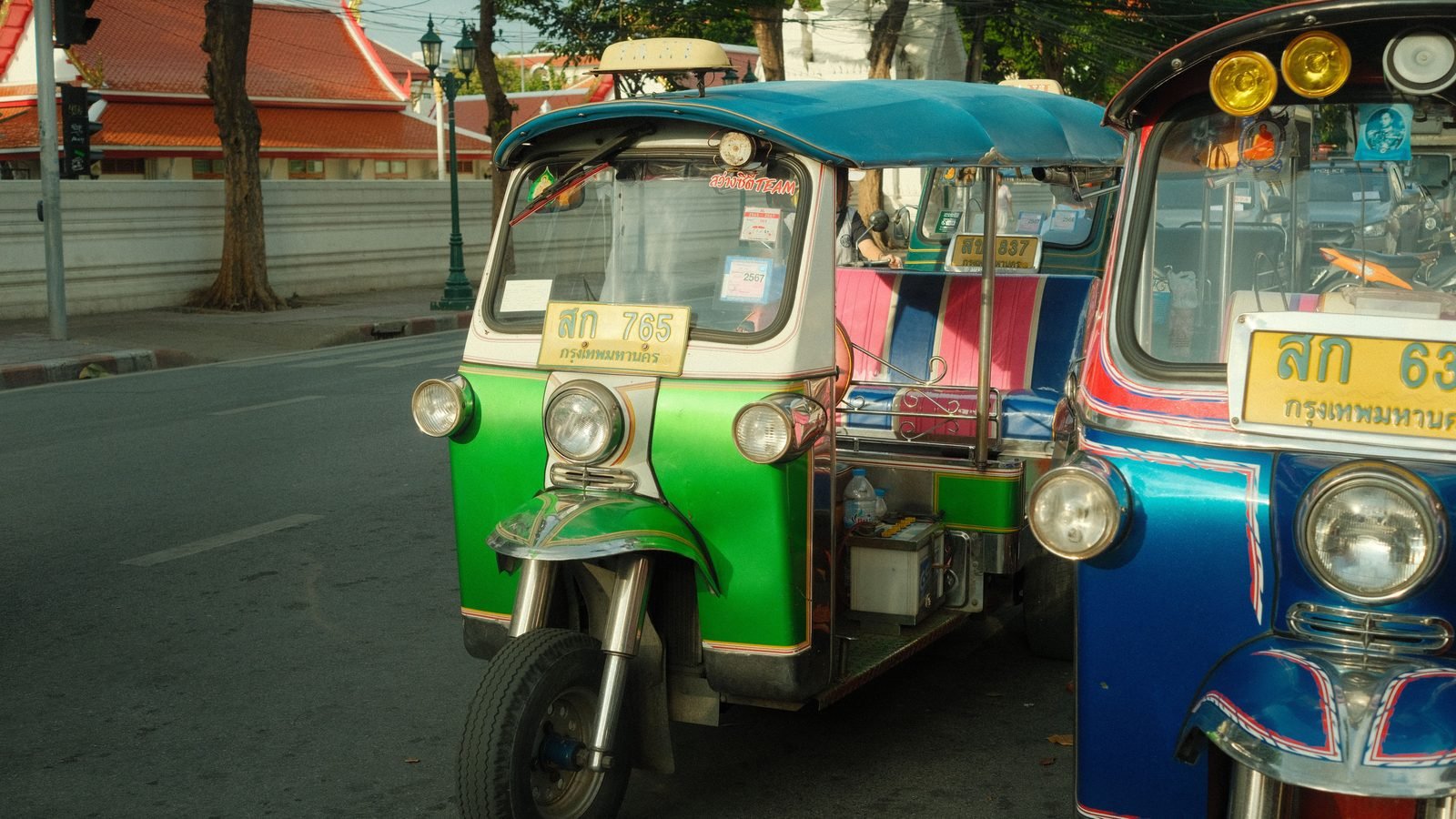
Additionally, when you step off the boat, avoid the drivers offering ฿20 (about $0.60) tuk-tuk rides to nearby sights. These rides almost always include unwanted stops at gem shops, tailors, or travel agencies where you will face high-pressure sales pitches. Stick to the river boats or use official ride-hailing apps to get around.
Heads up: Protect Your Wallet
Never show your money or wallet to anyone offering help near the piers. If you need directions, walk into a convenience store or ask a uniformed pier officer.
Where to eat along the Chao Phraya River
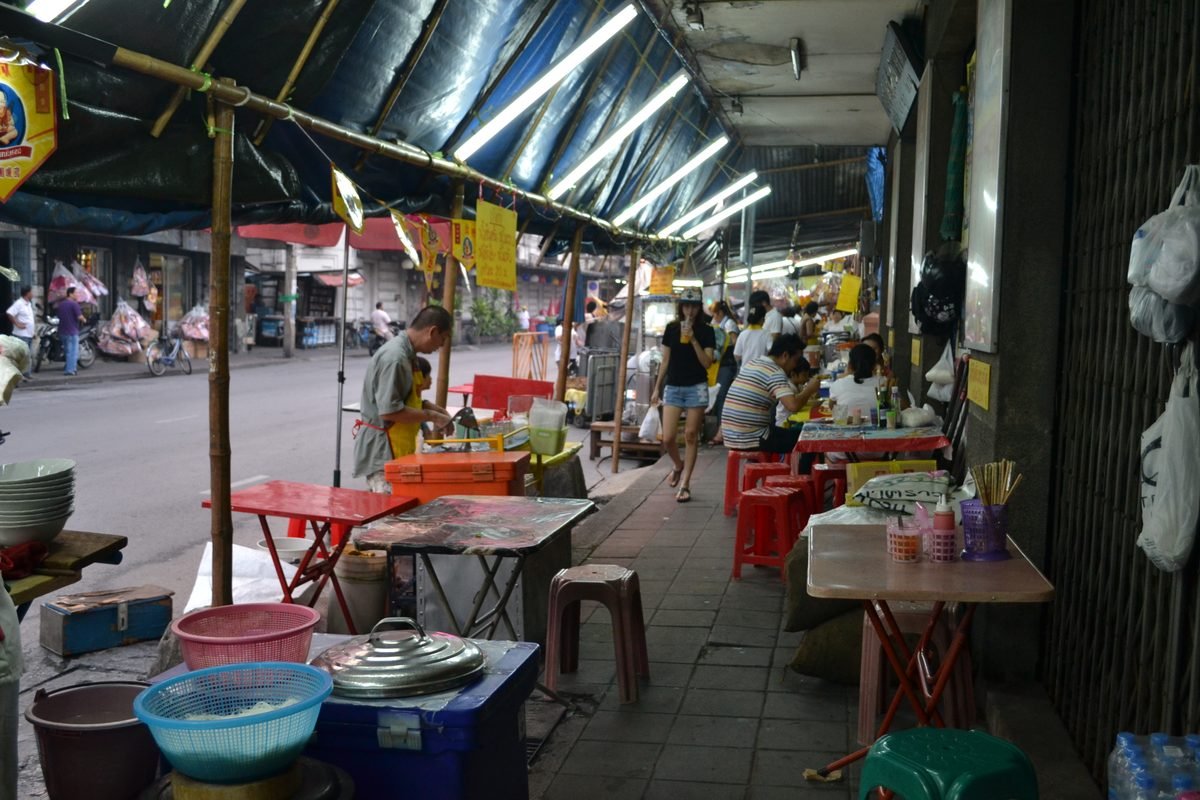
Exploring temples along the river works up a serious appetite, and fortunately, some of the city’s best food hubs sit right next to the piers. If you want an authentic local dining experience, take the boat to Wang Lang Pier (N10) on the west bank. This pier leads directly into Wang Lang Market, a dense maze of alleys famous among local university students and hospital workers. Here you can find incredible southern Thai curry shops, grilled pork skewers, and famous bakeries selling soft, shredded-pork bread for under ฿100 (about $3).
For a sit-down lunch with a view, the alleys around Tha Tien Pier (N8) are filled with renovated shophouses. Many of these contain trendy cafes and mid-range restaurants serving classic dishes like Pad Thai or green curry for around ฿150 (about $4.50) to ฿250 (about $7.50). These spots offer air conditioning, which is a lifesaver after walking through the humid temple grounds.
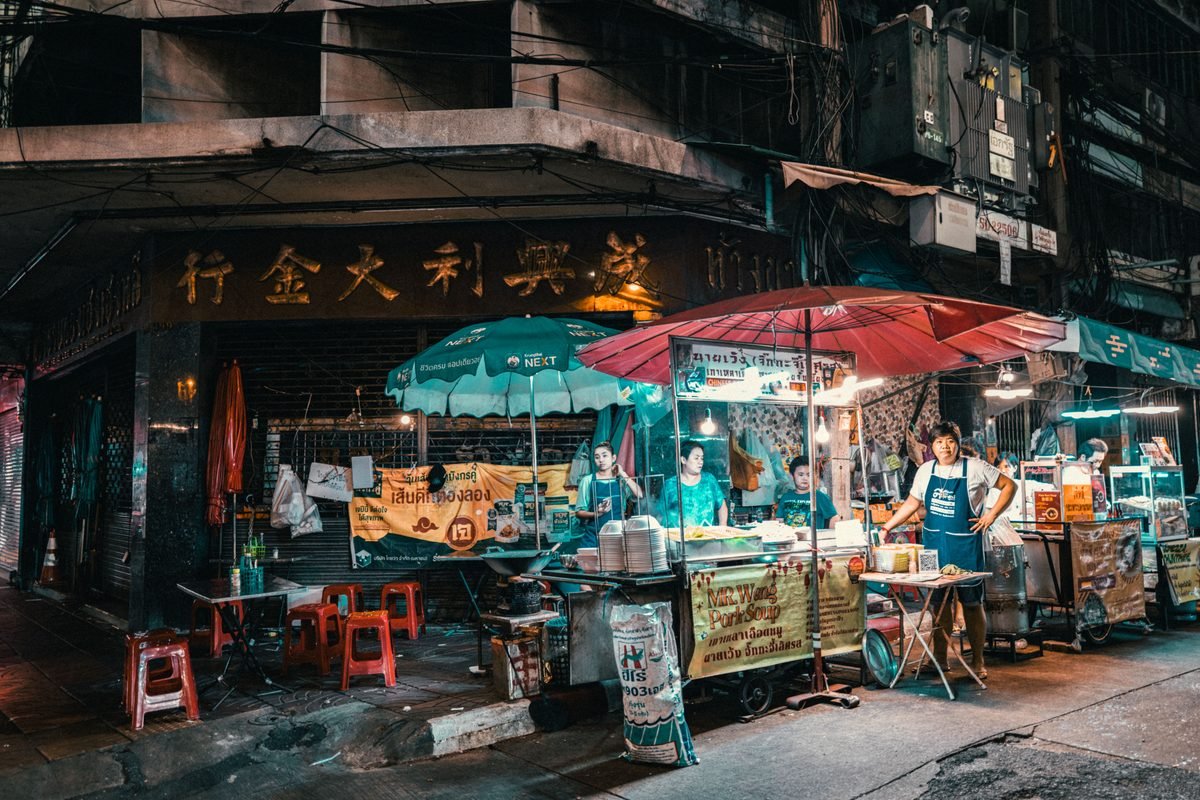
If you return to Sathorn Pier (CEN) at the end of the day, you are right next to the historic neighborhood of Bang Rak. Walk ten minutes up Charoen Krung Road to find legendary food stalls that have been operating for generations. You can try the famous roasted duck over rice at Prachak Pet Yang for ฿80 (about $2.40) or a comforting bowl of charcoal-smoked pork porridge at Jok Prince for ฿50 (about $1.50). If you need cash for these street stalls, make sure to read our guide on How to Avoid ATM Fees Abroad to save on local transaction costs.
From a local: Sunset Dining Rules
Many of the riverside restaurants with direct views of Wat Arun require dinner reservations weeks in advance, but you can usually get a walk-in spot for a late lunch or afternoon drink.
What it costs in Bangkok
| Item | Local price | USD |
|---|---|---|
| BTS Skytrain to Saphan Taksin (round trip) | ฿90 | ($2.70) |
| Chao Phraya Express Orange Boat (2 rides) | ฿32 | ($0.96) |
| Cross-river ferry to Wat Arun (round trip) | ฿10 | ($0.30) |
| Grand Palace & Wat Phra Kaew entry | ฿500 | ($15.00) |
| Wat Pho entry ticket | ฿300 | ($9.00) |
| Wat Arun entry ticket | ฿200 | ($6.00) |
| Street food lunch & drinks at Wang Lang | ฿150 | ($4.50) |
| Total day budget (excluding lodging) | ฿1,282 | ($38.46) |
Prices checked October 2026. Always confirm with the provider before you book.
Where to stay in Bangkok
Budget
Rattanakosin Old Town, near Khao San Road
This area is perfect for budget travelers who want to be within walking distance of the Grand Palace and Wat Pho. It lacks a BTS station but offers cheap hostel beds from ฿300 (about $9) to ฿600 (about $18) per night.
Mid-range
Silom or Sathon, close to Saphan Taksin BTS
Staying near the central pier gives you direct access to both the river boats and the Skytrain network. Mid-range hotels here range from ฿1,500 (about $45) to ฿3,000 (about $90) per night and put you close to great dining.
Splurge
Riverside, near Charoen Krung Road
This historic stretch features luxury hotels with private shuttle boats to Sathorn Pier and spectacular views of the Chao Phraya. Expect to pay between ฿6,000 (about $180) and ฿15,000 (about $450) per night for five-star comfort.
Mistakes to avoid
- Believing scammers outside the piers who claim the temples are closed for a holiday.
- Wearing shorts, sleeveless shirts, or ripped jeans and getting rejected at the Grand Palace gates.
- Paying ฿1,500 (about $45) for a private long-tail boat when the public orange boat costs only ฿16 (about $0.48).
- Not carrying physical Thai Baht cash, as boat conductors and small market stalls do not accept credit cards.
FAQ
How do I get to the temples from the BTS Skytrain?
Take the BTS Silom Line to Saphan Taksin station and take Exit 2. Walk directly to Sathorn Pier, where you can board the orange flag express boat heading north.
What is the best route for a Bangkok temple and river boat guide?
Start early at Sathorn Pier, take the orange boat to Tha Chang (N9) for the Grand Palace, walk south to Wat Pho, take the cross-river ferry to Wat Arun, and return by boat.
Can I wear sandals or flip-flops inside the temples?
Yes, sandals are allowed, but you must remove them before entering the main ordination halls. Slip-on shoes are highly recommended for convenience.



One Comment