A Complete Jjimjilbang Guide for Foreigners in Seoul

The smell of roasted grain and pine wood hits you the moment the elevator doors open. Inside, people in matching oversized t-shirts sprawl across a heated linoleum floor, some cracking brown-shelled eggs against their foreheads while others doze under the glow of a television. This is the jjimjilbang, a cornerstone of Korean social life that often feels like a confusing puzzle to those visiting for the first time. It is a bathhouse, a sauna, a restaurant, and a budget hotel all rolled into one massive, 24-hour complex.
This jjimjilbang guide for foreigners covers every step of the process, from the awkwardness of the naked bathhouse to the comfort of the heated salt rooms. I live in Seoul and have spent countless nights in these spas, and I want to make sure you feel like a regular rather than a confused tourist. We will walk through the entry process, explain the unwritten rules of the bathing area, and help you choose the best spots in the city for your first visit.
How to enter and use the lockers
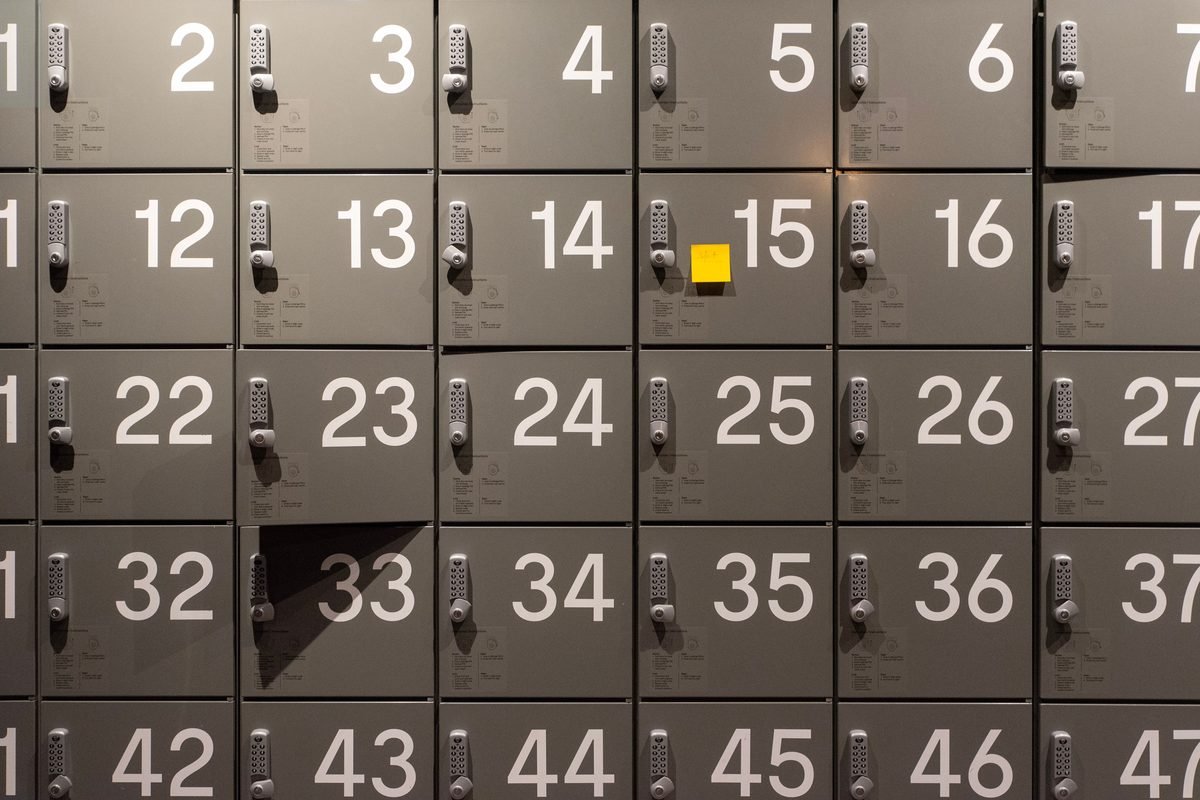
When you walk into a jjimjilbang, your first stop is the reception desk. Most places in Seoul charge between ₩15,000 (about $11) and ₩20,000 (about $15) for a daytime pass. If you plan to stay overnight, there is usually a small surcharge of ₩3,000 (about $2) added after 8:00 PM or 9:00 PM. After you pay, the staff will hand you a small towel, a set of pajamas (usually an orange or grey cotton t-shirt and shorts), and a plastic key or bracelet with a number on it. This key is your lifeline. It often acts as a digital wallet, allowing you to tap for food or services and pay the total balance when you leave.
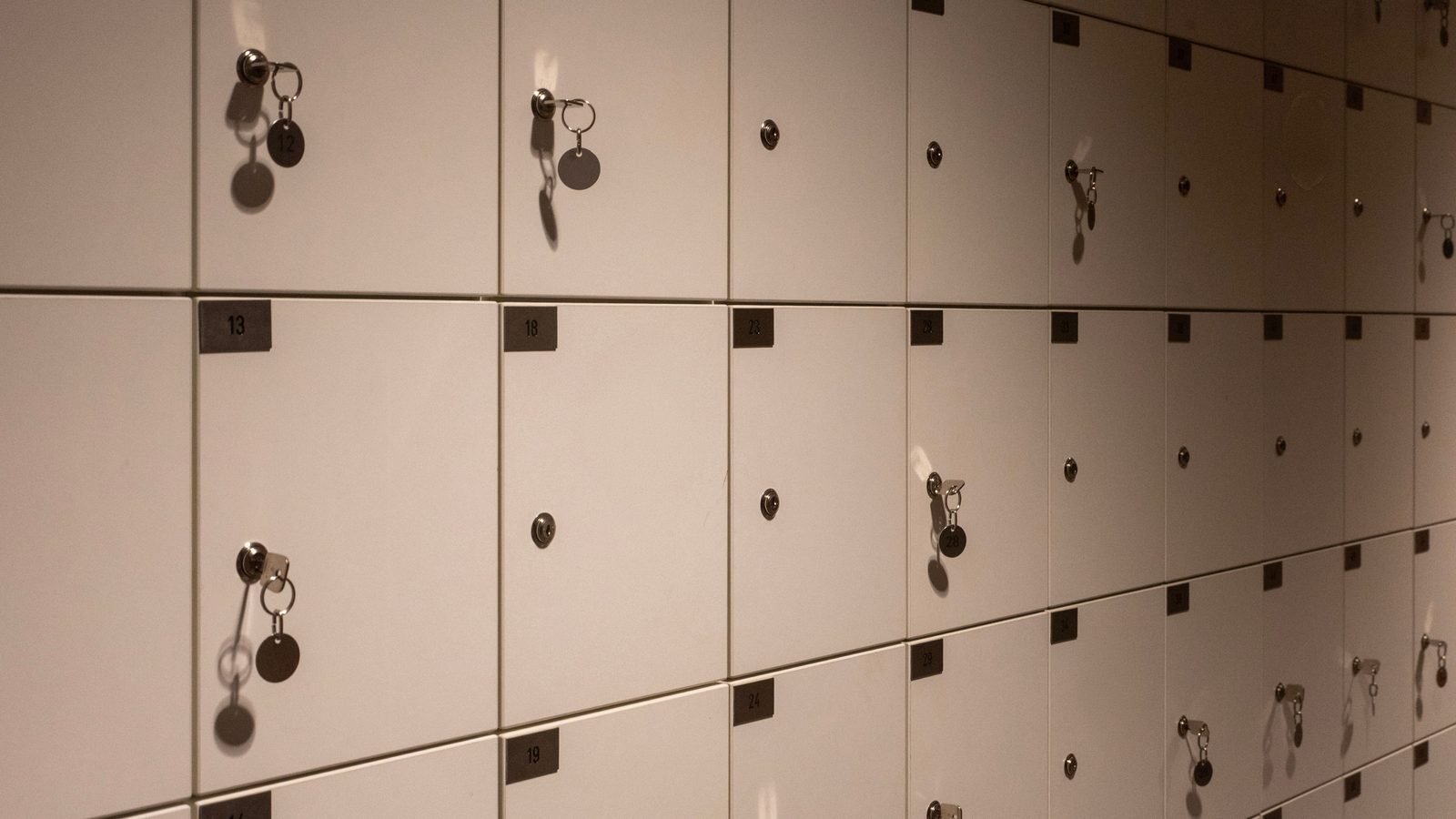
Before you move past the lobby, you must take off your shoes. Look for a wall of small lockers near the entrance that match the number on your key. Place your shoes inside and lock it. In many modern spas, the same key you used for your shoes will also open your larger clothes locker inside the changing rooms. You then head to the gender-segregated locker rooms: nam-tang for men and yeo-tang for women. This is where you strip down completely. Do not be shy. Everyone else is focused on their own routine. Place all your clothes and belongings in the large locker. You are now ready to head into the wet area for the first stage of the experience.
Managing your key and towels
Keep your locker key on your wrist or ankle at all times, even while soaking in the hot tubs. Most spas provide two small towels. These are much smaller than Western bath towels. Locals rarely use them to cover up; instead, they are used for scrubbing or for drying off before returning to the locker area. If you are worried about modesty, you can carry the small towel in front of you, but you will soon realize that nobody is looking. Just remember that the towels should never touch the water in the communal pools.
Tip: The Key is Cash
In most Seoul spas like Sparex, you do not need to carry your physical wallet inside. Just tap your wristband at the snack bar and pay the final bill at the front desk when you check out.
Bathing etiquette and the wet area
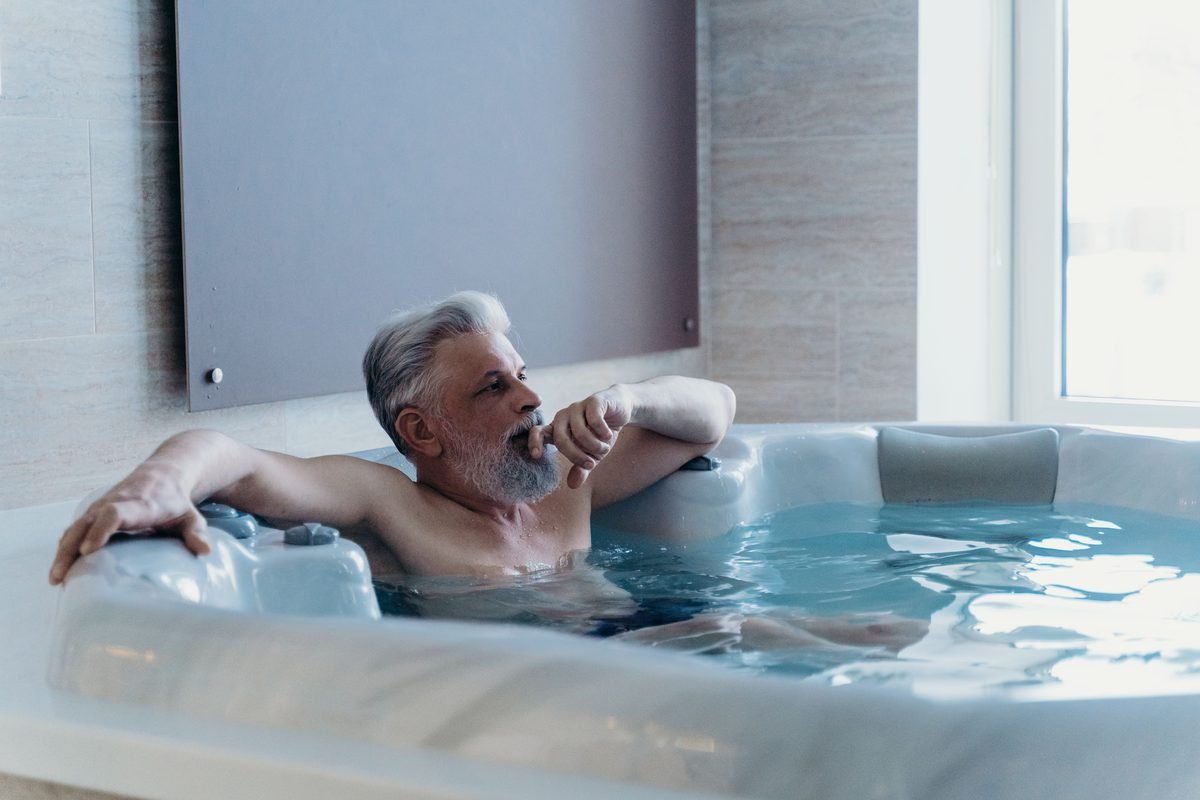
The wet area is where the actual cleaning happens. Before you even think about touching the communal hot tubs, you must shower. This is the most important rule in any jjimjilbang guide for foreigners. You will see rows of low plastic stools and handheld showerheads. Sit down and scrub your entire body with soap and water. If you skip this step, you will get frustrated looks from the locals. Most spas provide communal soap, but you should bring your own travel-sized shampoo and conditioner, or buy small packets at the counter for about ₩1,000 (about $0.75).
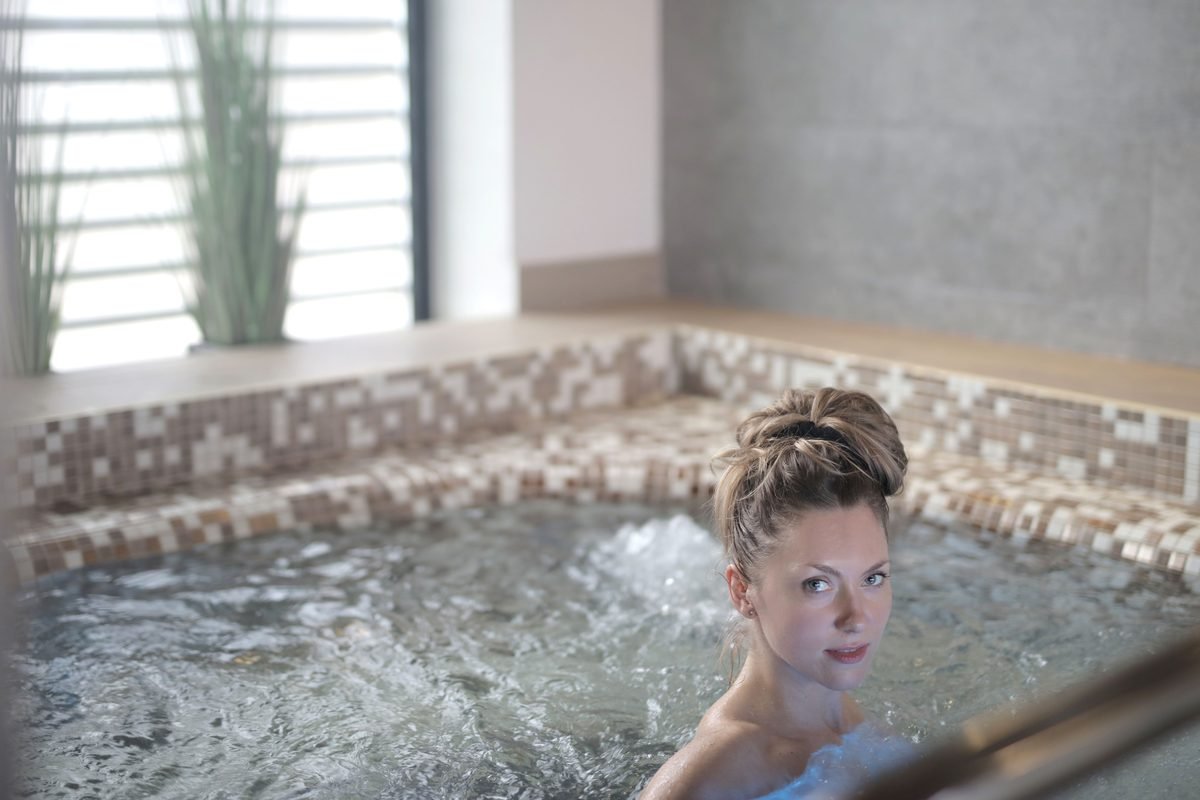
Once you are clean, you can explore the different pools. These usually range from a chilly 18°C (64°F) to a steaming 45°C (113°F). Start with the lukewarm pools to let your body adjust. You might also find specialized tubs infused with green tea, ginseng, or jasmine. If you have long hair, tie it up or wear a cap; hair should not float in the water. It is perfectly fine to move between the hot tubs and the cold plunge pool. In fact, many Koreans believe this temperature shock is great for circulation and skin health.
The traditional scrub service
If you want the full experience, look for the seshin or scrub station. This is usually a corner with plastic-covered tables where professional scrubbers (ajumma for women, ajusshi for men) wait. For roughly ₩30,000 (about $22), they will spend 30 minutes vigorously scrubbing every inch of your body with an exfoliating mitt. It can be a bit intense, and you will see rolls of grey skin coming off, but you will never feel cleaner. You usually pay for this service directly at the scrub station or at the main desk depending on the spa’s system. It is a local ritual that is worth the initial embarrassment.
Heads up: Wash First
Never enter the pools without a full soap-and-water scrub first. It is considered very unhygienic in Korean culture and is the quickest way to offend the regulars.
Exploring the jjimjilbang common area
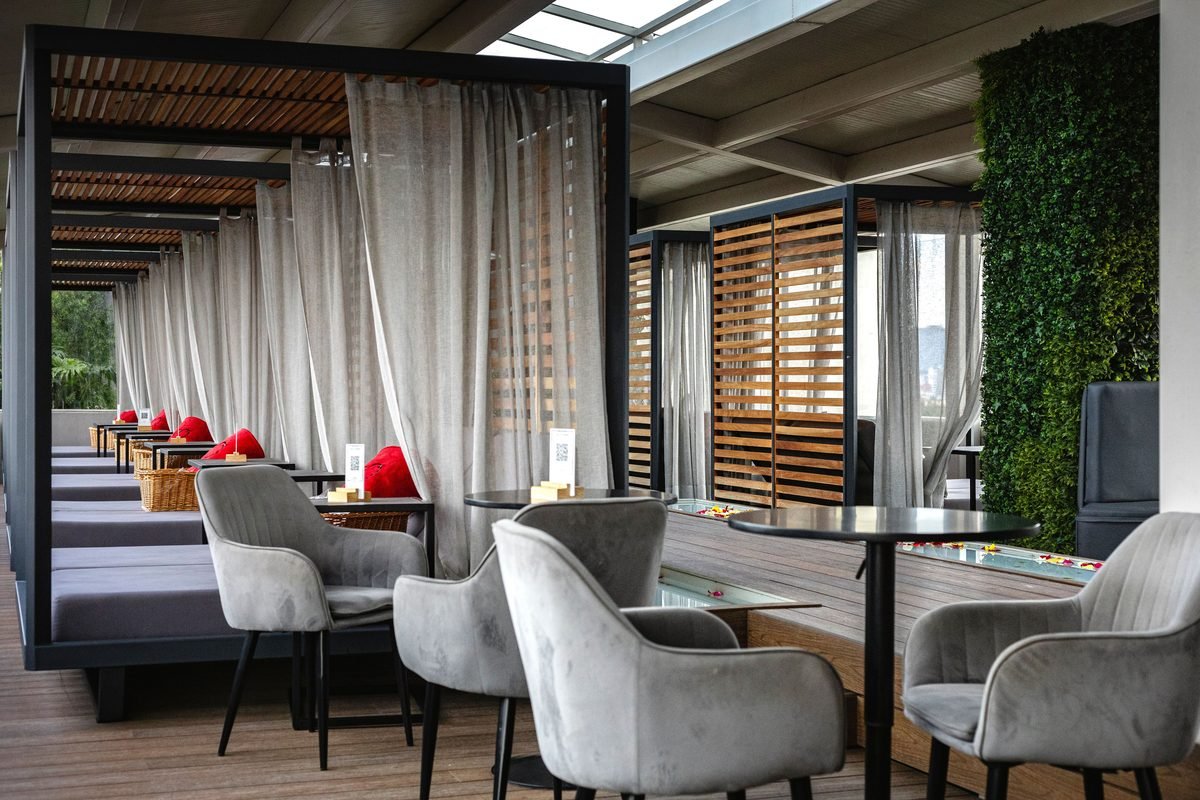
After you have finished bathing and dried off, put on the pajamas provided at the entrance. You can now enter the jjimjilbang area, which is a large, communal space where men and women hang out together. This is the heart of the facility. The floors are usually heated using traditional ondol technology, making them very comfortable for lounging. You will see people lying on thin mats, watching a large TV, or reading comic books. This area is designed for relaxation and socializing, so feel free to find a spot and make yourself at home.
The main attractions here are the various sauna rooms, known as kilns. Each room uses different materials to provide health benefits. You might find a Salt Room lined with glowing orange bricks, a Charcoal Room to detoxify, or a Clay Room that stays at a moderate heat. The hottest rooms are the bul-hanjeung-mak, which are traditional stone domes heated with wood fires. These can reach temperatures over 80°C (176°F). You usually leave your phone and glasses in small cubbies outside these rooms to prevent them from overheating. If you get too hot, look for the Ice Room, which is kept at freezing temperatures to close your pores and cool your core.
The atmosphere in the common area is generally relaxed. People speak in low voices, and it is a great place to people-watch. You will see families, couples on dates, and groups of friends all wearing the same uniform. There is no time limit on how long you can stay in these rooms, but it is wise to take breaks and stay hydrated. Most spas have water dispensers nearby, or you can head to the snack bar for a traditional treat.
What to eat at the snack bar
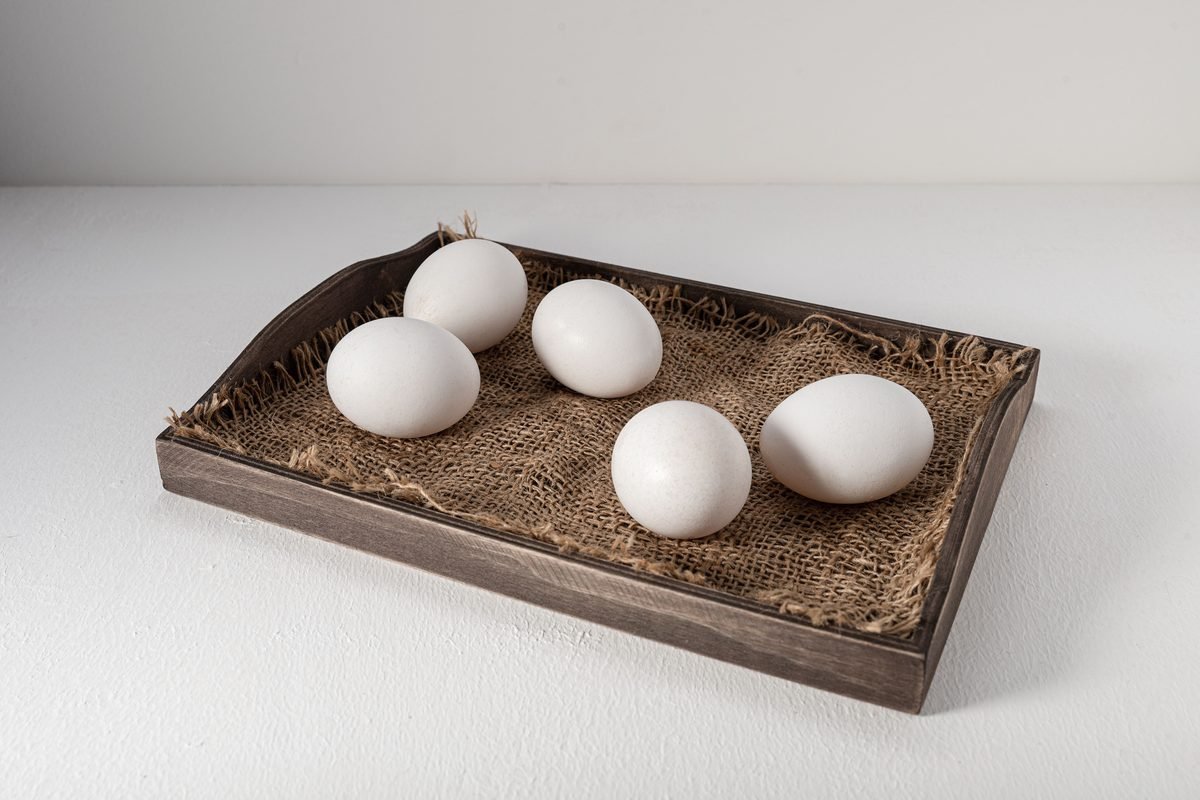
You cannot visit a Korean spa without eating. The food is a massive part of the experience. The most iconic snack is maekbanseok-gyeran, which are eggs slow-cooked in the sauna heat until the whites turn brown and the yolks become nutty. They usually cost about ₩3,000 (about $2) for a set of three and come with a small packet of salt. You will see locals cracking them against each other’s heads—it is a bit of a tradition, though doing it to yourself is safer if you are new to it.
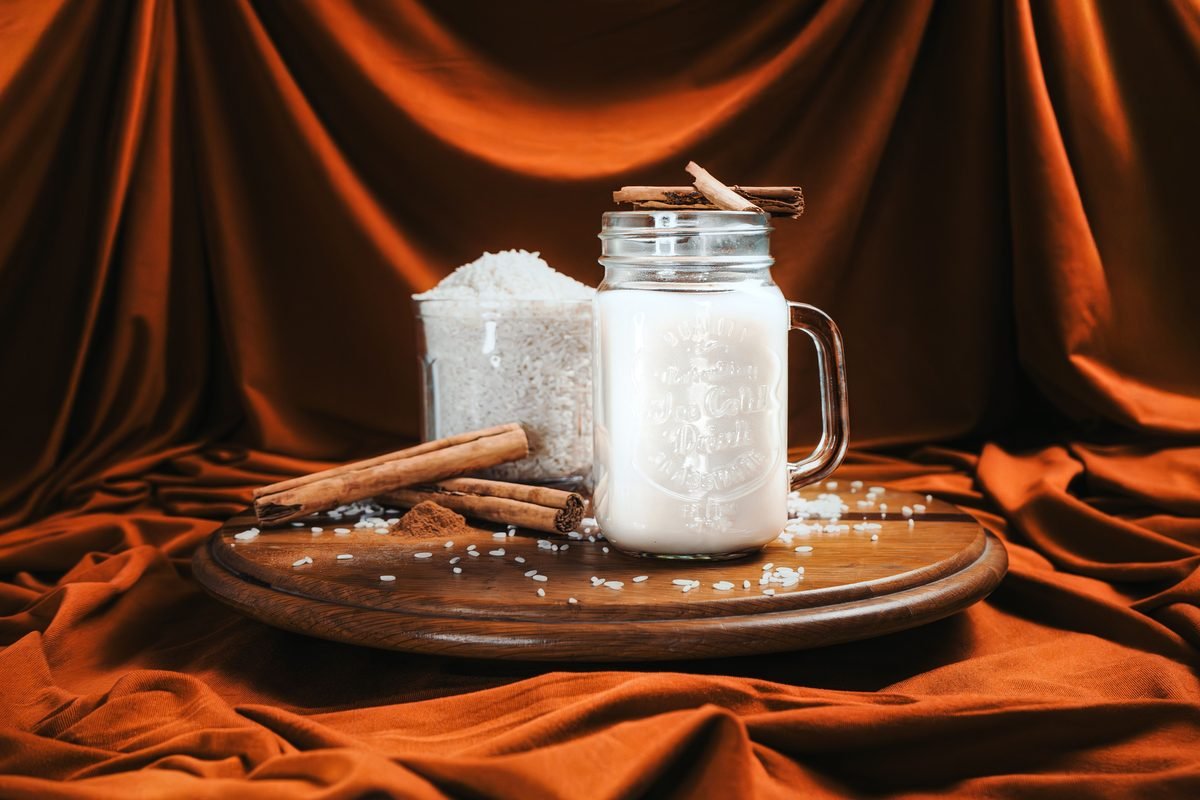
To wash down the eggs, you must order shikhye. This is a cold, sweet rice drink made from malt flour and cooked rice. It is incredibly refreshing after you have been sweating in a 70-degree salt room. It is usually served in a large plastic jar with a straw for about ₩4,000 (about $3). Another popular choice is sujeonggwa, a cinnamon and ginger punch that has a bit more of a spicy kick. If you are feeling more hungry, most jjimjilbangs have a full-service restaurant serving hearty Korean meals.
I highly recommend ordering miyeok-guk, or seaweed soup. In Korea, this is a traditional recovery food often given to women after childbirth because it is packed with iodine and calcium. In the context of a spa, it is the perfect way to replenish your body after losing fluids in the sauna. A bowl usually costs around ₩9,000 (about $7) and comes with rice and various side dishes (banchan). Eating a hot bowl of soup while sitting on the floor in your pajamas is one of the most local experiences you can have in Seoul.
From a local: The Egg Crack
The sauna eggs are much firmer than regular boiled eggs. If you want to crack one like a local, give it a quick, firm tap on the floor or a table before peeling.
How to sleep overnight at a spa
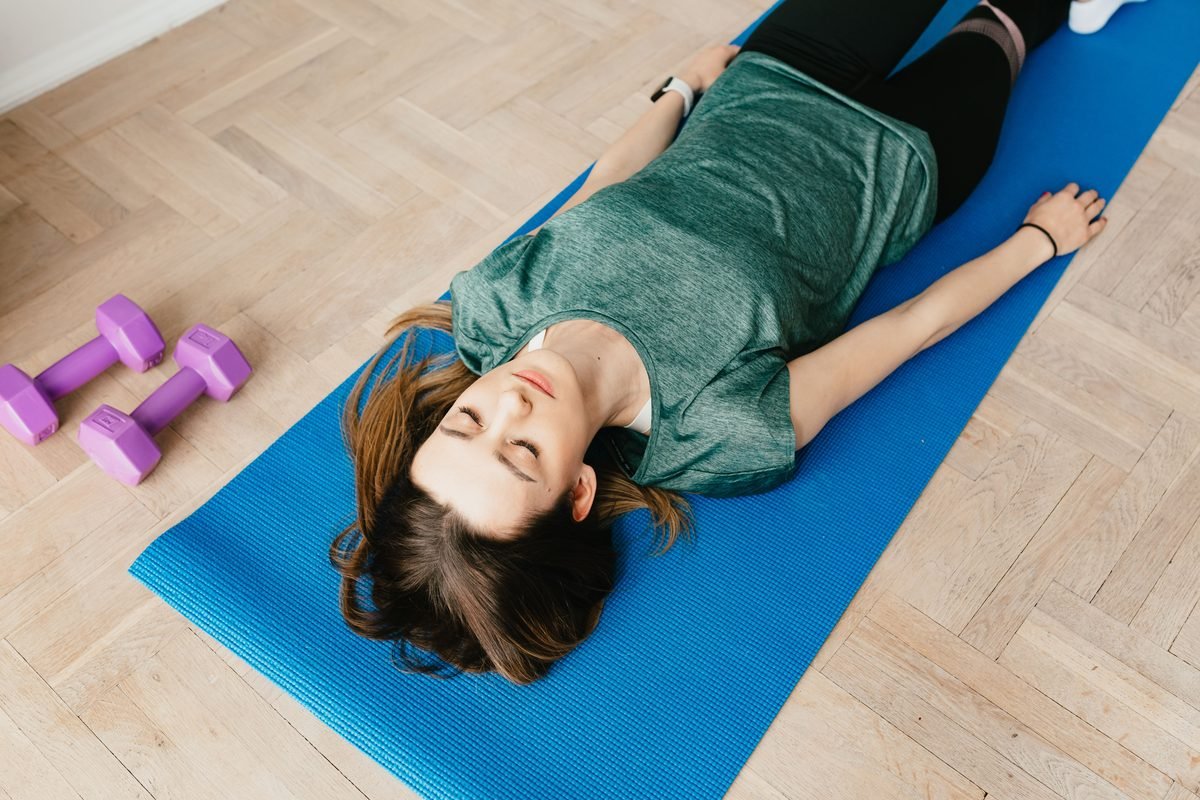
For budget travelers, a jjimjilbang is a fantastic alternative to a hostel. For less than $20, you get a place to wash, eat, and sleep. However, it is not a hotel. You will be sleeping on the floor in a shared space. Most spas provide thin plastic or faux-leather mats and hard blocks that serve as pillows. These pillows are often made of wood or foam and are designed to support your neck while keeping your head cool. It takes some getting used to, but after a long day of walking around Seoul, you might find yourself falling asleep faster than expected.
When choosing a spot to sleep, look for the designated sleeping rooms. These are often tucked away in quieter corners of the complex and are sometimes divided by gender. If you prefer to stay in the main hall, try to find a spot away from the TV or the main walkways. Keep in mind that people will be coming and going at all hours. Snoring is a common part of the jjimjilbang symphony, so if you are a light sleeper, I strongly suggest bringing a pair of earplugs and an eye mask.
Safety is generally not a major concern in Korean spas. Most people leave their phones and small items next to their mats while they sleep. However, you should always keep your locker key on your wrist. If you have large luggage, you can usually leave it at the front reception desk for a small fee or for free. While the floor is quite hard, the ondol heating makes it cozy in the winter. Just remember that you need to be out by a certain time the next morning—usually 12 to 24 hours after you checked in—or you will be charged for another day.
Book ahead: No Reservation Needed
You never need to book a spot at a jjimjilbang. They are designed for walk-ins and almost never reach full capacity, even on weekends.
Best Seoul spas for your first visit
If you are looking for a reliable first experience, Sparex at Dongdaemun is a great choice. It is located in the basement of the Goodmorning City shopping mall, right next to the subway station. It has a traditional wooden theme and is very accustomed to foreign tourists. The facility is large, clean, and the staff usually speak a bit of English. It is a perfect place to rest after a late-night shopping spree in the Dongdaemun market area. The entrance fee is standard for the city, and the snack bar has a wide variety of options.
If you want something high-end, head to Cimer at Paradise City near Incheon Airport. This is not a traditional jjimjilbang, but rather a luxury spa resort that combines Korean bathing culture with a European aesthetic. It is much more expensive—usually around ₩50,000 (about $37)—but it features infinity pools, virtual reality rooms, and incredible architecture. It is a great place to spend a half-day if you have a long layover or want a more “resort” feel. Note that Cimer often has stricter rules about tattoos and may require you to cover them with patches or rash guards.
Tattoos and other practical tips
A common concern for travelers is whether tattoos are allowed in Korean spas. In the past, tattoos were associated with gang activity and were often frowned upon. Today, things have changed significantly. In most neighborhood jjimjilbangs in Seoul, small to medium tattoos are perfectly fine and nobody will care. However, if you have full-body tattoos or very large pieces, you might occasionally get some stares from older patrons. Some high-end hotel spas or luxury spots like Cimer might ask you to cover them. If you are worried, you can buy waterproof skin-colored patches at a pharmacy (yak-guk) to cover smaller ink.
Another tip is to watch your noise level. While the common area is for socializing, the bathing area and the sleeping rooms are meant to be quiet. Avoid loud splashing in the pools and keep your voice down when talking to friends. If you are visiting with children, make sure they do not run around the wet tiles, as they can be very slippery. Also, be aware of the age rules for the gender-segregated baths. In Seoul, boys over the age of four or five are generally not allowed in the women’s bath, and vice versa. The exact age limit is usually posted at the counter.
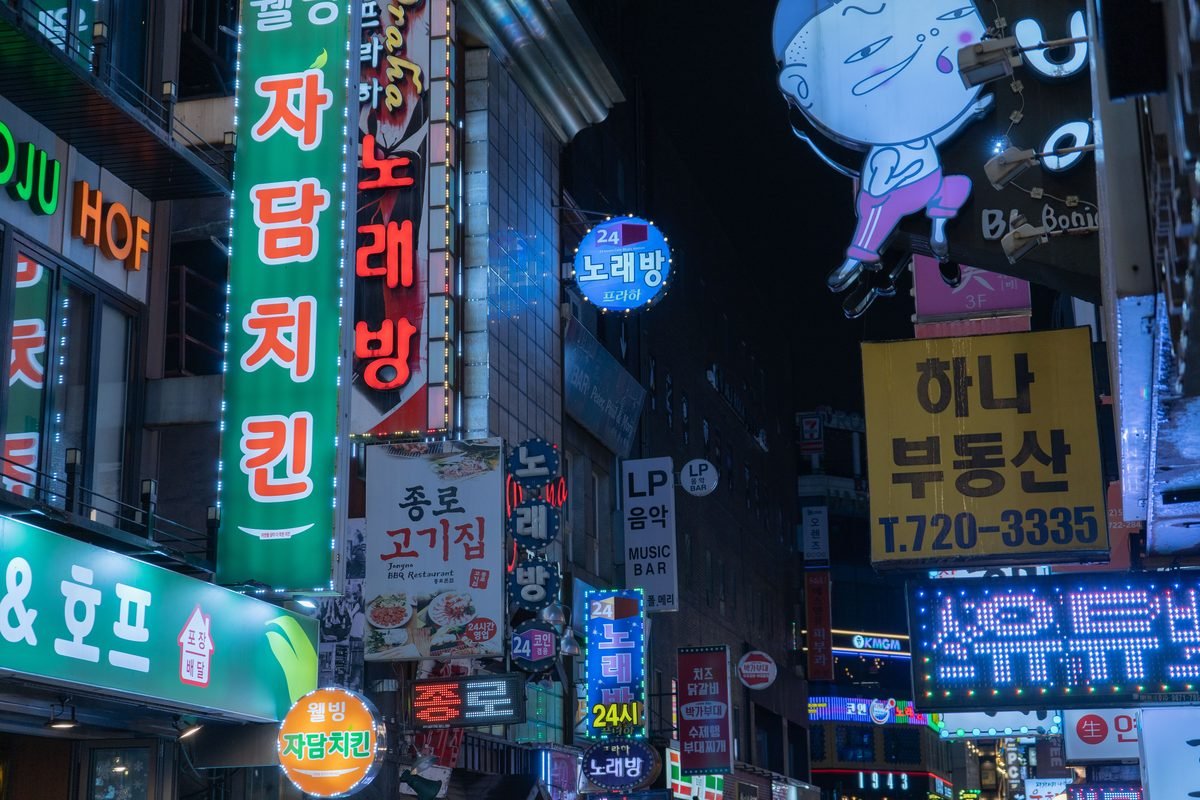
Finally, remember that Google Maps does not provide walking or transit directions in South Korea. Use Naver Map or KakaoMap to find the exact entrance of the spa, as many are located in the basements or upper floors of large commercial buildings. Look for the red symbol that looks like a steaming bowl—this is the universal sign for a sauna in Korea. Most spas are open 24/7, but some might close their wet areas for cleaning for a few hours in the middle of the night, usually between 2:00 AM and 4:00 AM. You can still stay in the common area during this time.
What it costs in Seoul
| Item | Local price | USD |
|---|---|---|
| Daytime Entrance Fee | ₩15,000 | $11 |
| Overnight Surcharge | ₩3,000 | $2 |
| Full Body Scrub (Seshin) | ₩30,000 | $22 |
| Sauna Eggs (3 pieces) | ₩3,000 | $2 |
| Shikhye (Rice Drink) | ₩4,000 | $3 |
| Seaweed Soup Meal | ₩9,000 | $7 |
| Travel-sized Toiletries | ₩1,000 | $1 |
| Total Budget Experience | ₩65,000 | $48 |
Prices checked September 2026. Always confirm with the provider before you book.
Mistakes to avoid
- Entering the communal hot tubs without showering with soap first.
- Bringing your phone or camera into the gender-segregated bathhouse area.
- Wearing your outside shoes past the lobby reception desk.
FAQ
Are tattoos allowed in a jjimjilbang?
Yes, most modern jjimjilbangs in Seoul allow guests with tattoos. While very large or full-body tattoos might get some looks from older locals, you will rarely be asked to leave unless it is a high-end luxury spa with specific policies.
Do I have to be naked in the bathhouse?
In the gender-segregated wet area (the pools and showers), nudity is mandatory. However, in the communal jjimjilbang areas where men and women mix, everyone wears the provided t-shirt and shorts uniform.
Can I stay at a jjimjilbang overnight?
Yes, most jjimjilbangs are open 24 hours and encourage overnight stays. You will sleep on a thin mat on a heated floor in a communal room, making it a very affordable alternative to a hotel.
What should I bring with me?
You only need to bring your own toothbrush and specialized skincare products. The spa provides a uniform, towels, and basic soap, though many people prefer to bring their own shampoo and conditioner.
Is a jjimjilbang guide for foreigners necessary for kids?
Spas are very family-friendly, but remember that children over a certain age (usually 4 or 5) must go to the bathhouse that matches their gender. The common areas are great for kids to lounge and eat snacks.