Jeju Black Pork Barbecue Local Guide: Grills and Customs

The first thing you notice when you walk into a Jeju barbecue house is the thick, heavy scent of rendered fat hitting hot wood. Unlike the standard pork found in Seoul, Jeju black pork, or heuk-dwaeji, is prized for a texture that is closer to steak than typical pork belly. It has a high concentration of unsaturated fat that melts at a lower temperature, resulting in a buttery mouthfeel that locals swear by. If you look closely at the rind, you might even see the tell-tale black follicles that prove you are getting the real thing.
This Jeju black pork barbecue local guide is for the independent traveler who wants to move beyond the basic tourist traps and eat like a local on the island. I have spent years exploring the backstreets of Jeju City and Seogwipo to understand why this specific meal is the island’s culinary pride. We will cover how to choose between wood-fired and charcoal grills, the proper way to use the pungent anchovy dipping sauce, and why your meal isn’t finished until the cold noodles arrive.
Understanding the Jeju Black Pork Difference
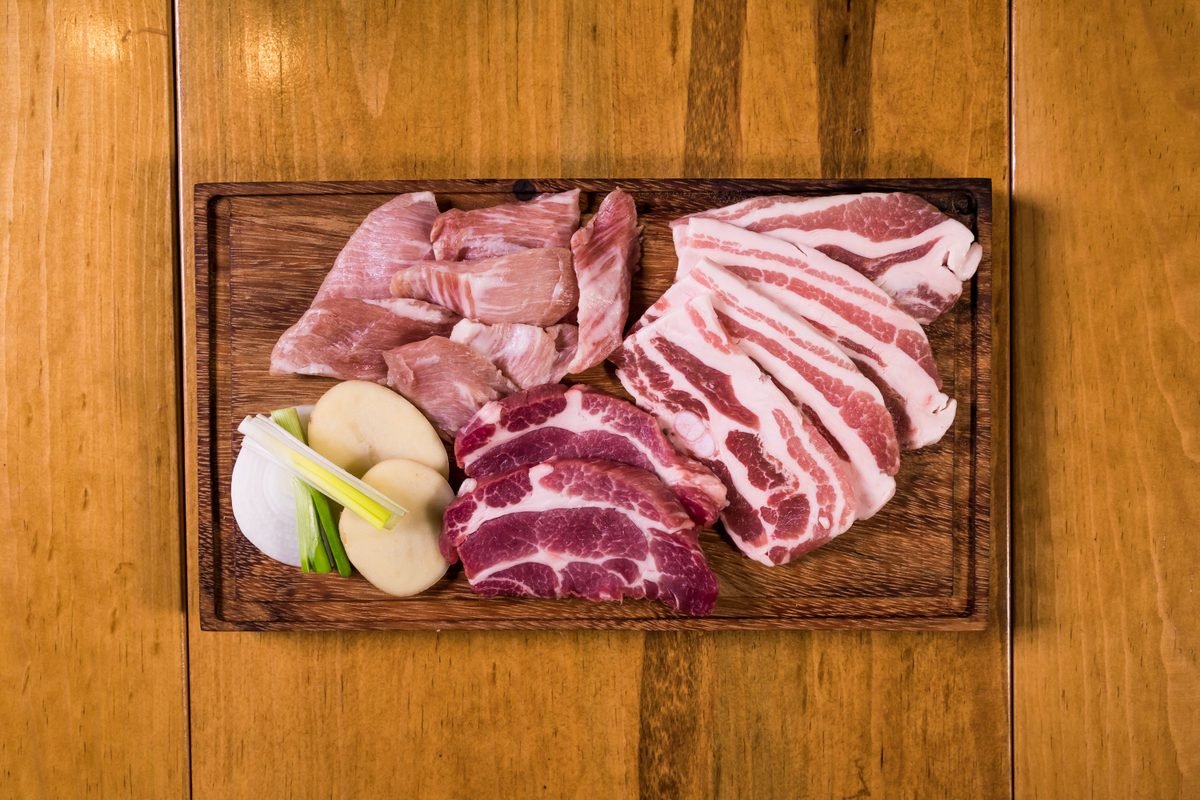
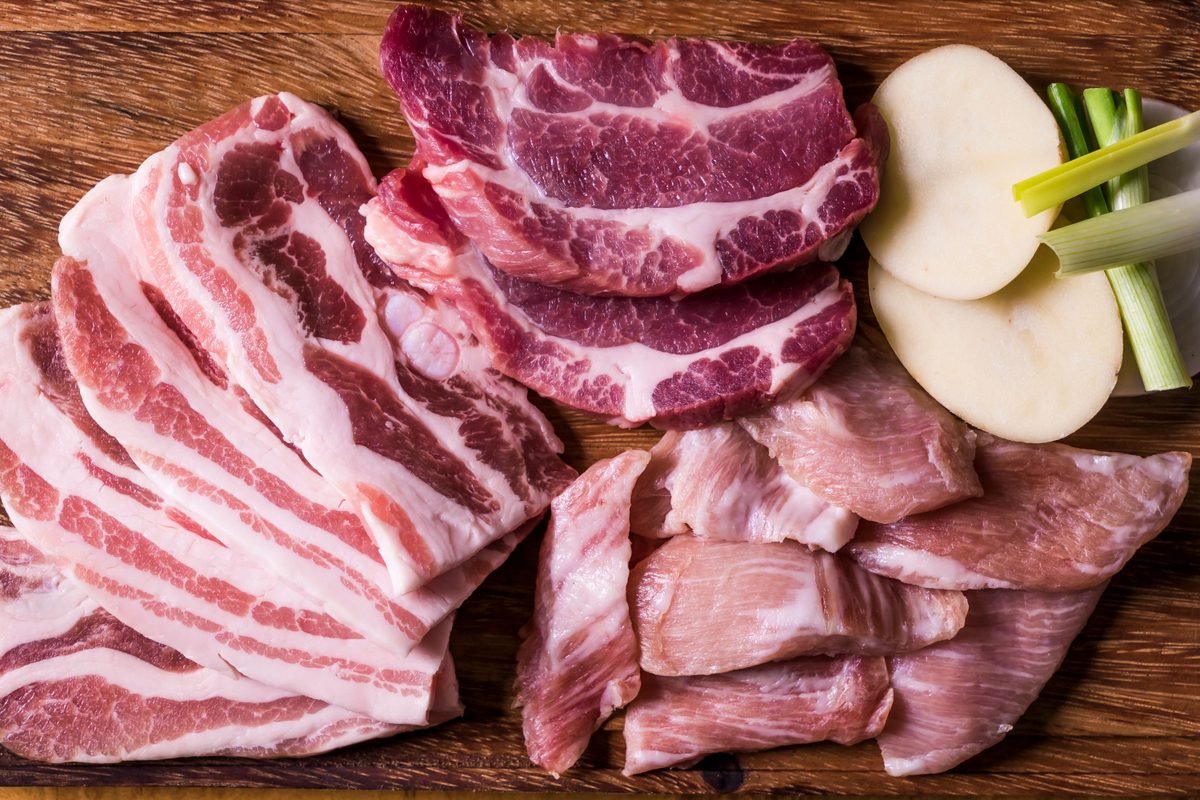
Jeju black pork is not just a marketing term; it refers to a specific breed of small, black-haired pigs native to the island. Historically, these animals were raised in a very different environment than mainland pigs, which led to a slower growth rate and more developed muscle fibers. When you order this meat, you aren’t just getting pork; you are getting a heritage product that has been a staple of island life for centuries. The fat is the star. It is firmer and whiter than standard pork fat, and when it hits the heat, it crisps up into something remarkably flavorful without feeling overly greasy.
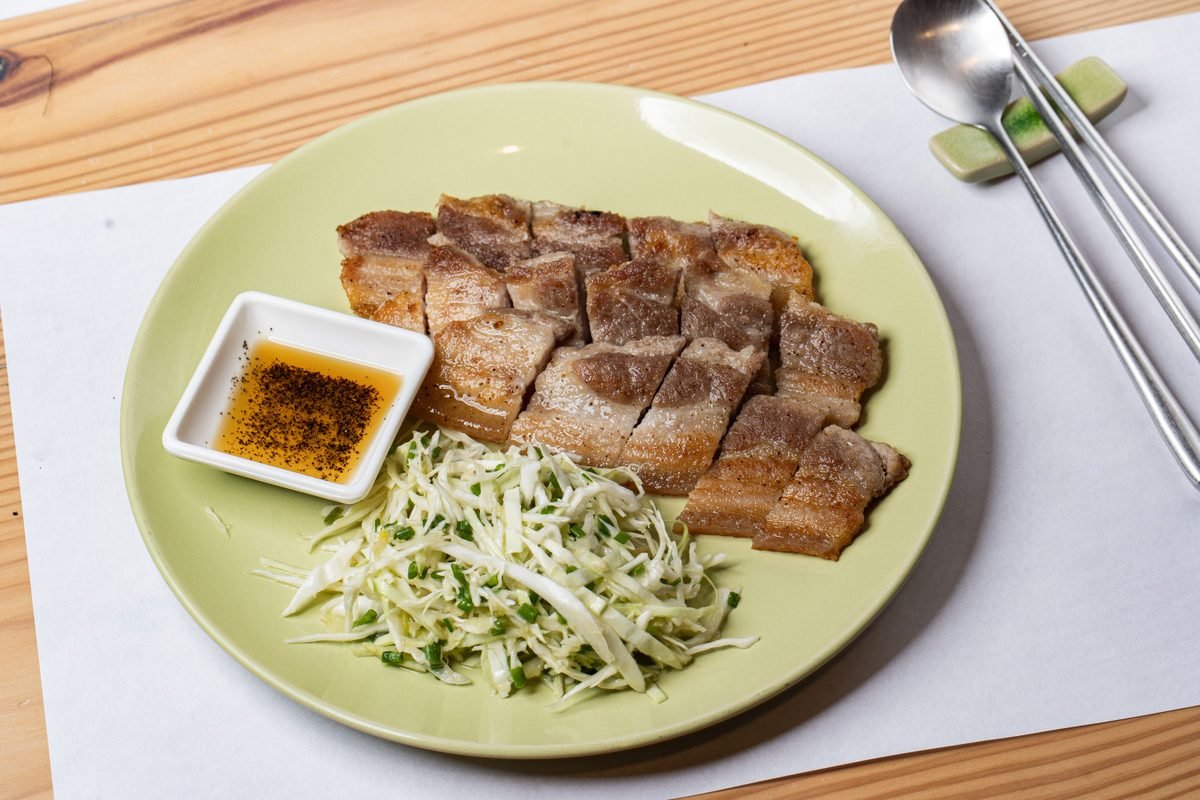
When you look at a menu, you will see two main cuts: Samgyeopsal (three-layer belly) and Ogyeopsal (five-layer belly). I always recommend the Ogyeopsal. The “five layers” include the skin, which provides a chewy, gelatinous crunch that you simply cannot find in standard cuts. If you are a first-timer, you might find the Korean BBQ guide for first timers helpful for understanding basic grill mechanics, but Jeju-style dining has its own specific rhythm. The meat is often served in thick chunks known as geun-gogi, which literally means “meat by the geun” (a traditional unit of weight equal to 600 grams). This thick-cut style allows the outside to sear deeply while the inside remains tender and juicy.
One thing that surprises many visitors is the presence of small black hairs on the skin. Do not be alarmed. This is the mark of authenticity. In Jeju, it is common practice to leave a tiny bit of the hair visible to prove the meat came from a genuine black pig. It is perfectly safe to eat and adds to the rustic texture of the meal. Eat it while it’s hot. The longer the meat sits on the grill after it’s done, the tougher that famous skin becomes.
Choosing Your Grill: Wood-fired vs Charcoal
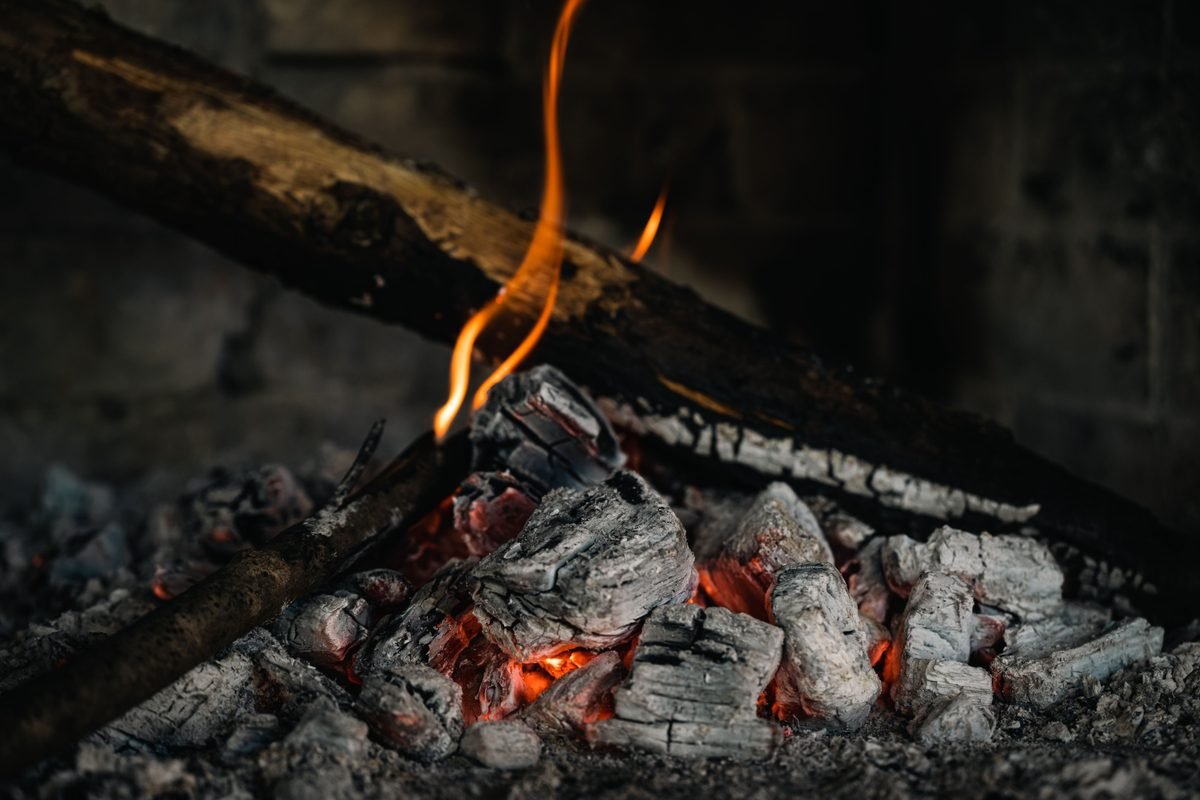
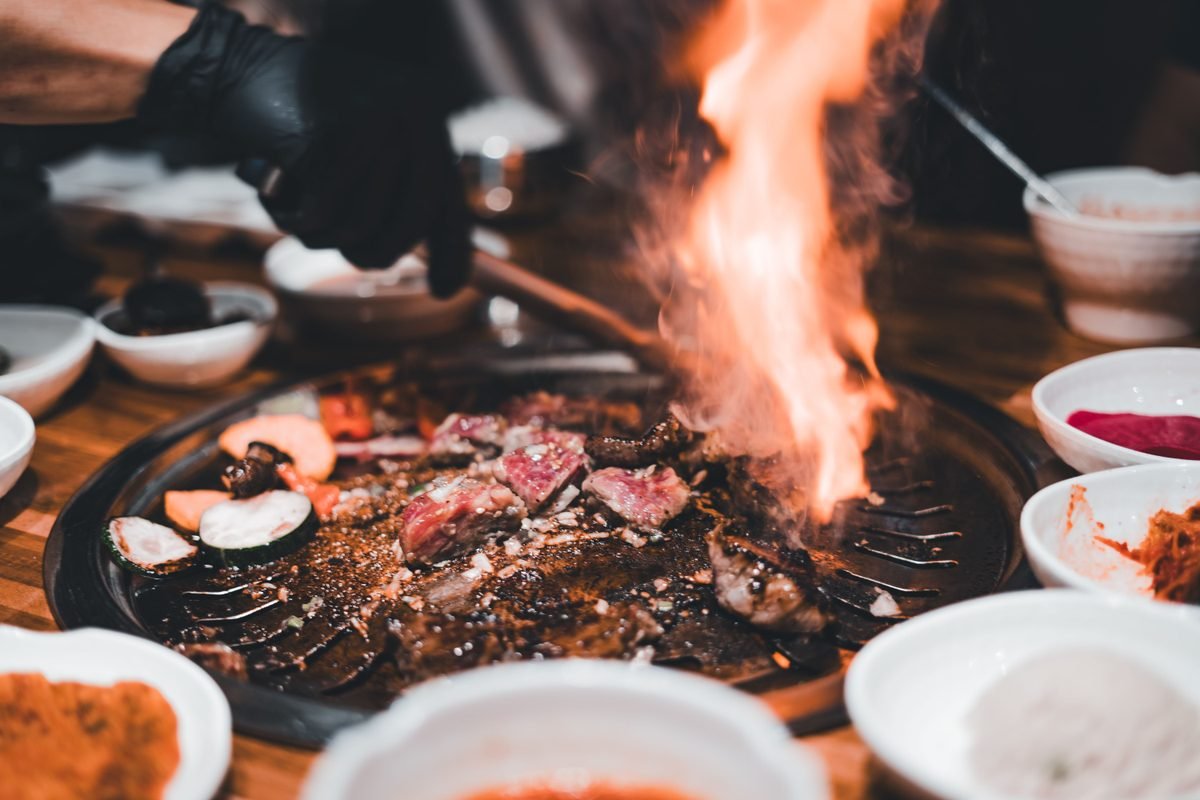
The heat source is just as important as the meat itself. In Jeju, you will generally find three types of grills: charcoal (yeontan or charcoal briquettes), gas, and wood-fired. If you want the most authentic experience, look for a place that uses tangerine wood (gyul-namu). Jeju is famous for its citrus, and the dried wood from these trees produces a soft, aromatic smoke that seasons the meat as it cooks. Wood-fired grills usually involve a large iron plate or a heavy grate that sits over a roaring fire. The flavor is earthy and slightly sweet, complementing the rich fat of the black pork perfectly.
Charcoal is the more common high-end option. It provides a more intense, direct heat that creates a superior crust. Many of the best shops in Jeju City use yeontan, which are cylindrical coal briquettes. While some modern diners prefer gas for its cleanliness, I find it lacks the character required for black pork. The charcoal smoke interacts with the dripping fat to create a complex flavor profile that gas simply cannot replicate. Do not flip it early. You want to wait for a deep golden-brown crust to form before turning the meat over. This seals in the moisture and ensures the fat is fully rendered.
Some specialized restaurants even use hay (bbu-daegi) to flash-sear the meat before it reaches your table. This gives it a distinct campfire aroma. Regardless of the heat source, the goal is always the same: a high-heat sear followed by a slower cook for the thicker parts. If you are following a Jeju 3 day itinerary without a car, you will find many of the best charcoal-based shops concentrated in the Yeon-dong district near the airport, making them easy to reach by bus or taxi. Always ask the server if they can help with the initial cut, as the thick slabs can be difficult to manage for beginners.
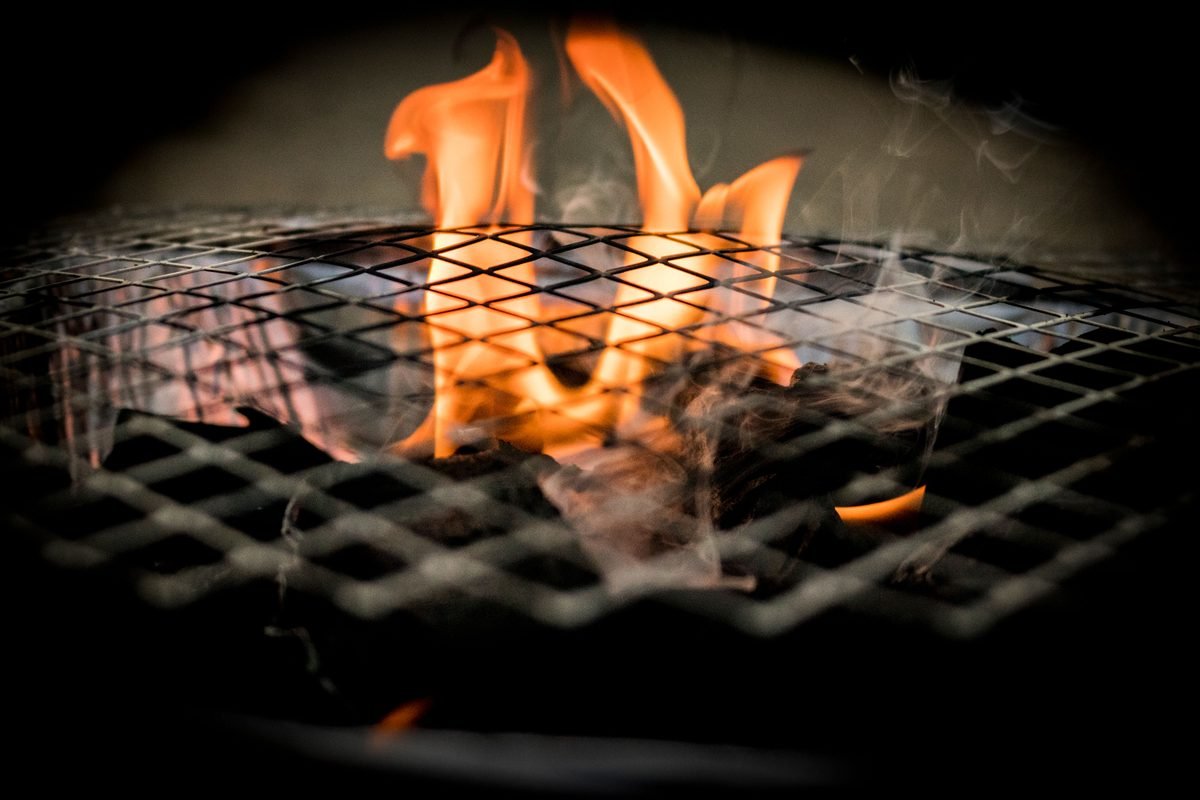
Tip: The Tangerine Wood Secret
If you see a sign mentioning ‘gyul-namu’ (귤나무), go inside. The smoke from tangerine wood is a Jeju specialty that you won’t find on the mainland.
The Meljeot Secret: How to Use the Dipping Sauce
While salt and ssamjang are standard at any Korean barbecue, Jeju has a secret weapon: meljeot. This is a pungent, salty sauce made from fermented anchovies caught off the island’s coast. When it first arrives at your table, it will be in a small stainless steel cup filled with a greyish-brown liquid, raw garlic slices, and chopped green chilies. Do not dip your meat in it yet. The sauce needs to be placed directly on the grill, often right in the center or even tucked under the grate near the coals, to come to a hard boil.
As the meljeot boils, the harsh fishy smell mellows out into a deep, savory umami. The liquid thickens, and the garlic softens. Once it is bubbling vigorously, move it to the edge of the grill. Dip a piece of grilled pork into the hot sauce, ensuring you catch a piece of chili or garlic on the meat. The saltiness of the anchovies cuts through the heavy fat of the black pork, creating a balanced bite that is uniquely Jeju. Some locals even add a splash of soju to the cup while it’s boiling to further refine the flavor and remove any lingering fishiness.
If the smell is too strong for you, try adding more sliced raw garlic from your side dish tray into the cup. The garlic absorbs the brine and becomes a delicious topping on its own. For those who find meljeot too intense, most restaurants also provide a simpler salt and sesame oil dip. However, to truly eat like a local, you must try at least one bite with the boiled anchovy sauce. It is the defining characteristic of the Jeju barbecue experience. It transforms a simple meal into something deeply rooted in the island’s maritime history.
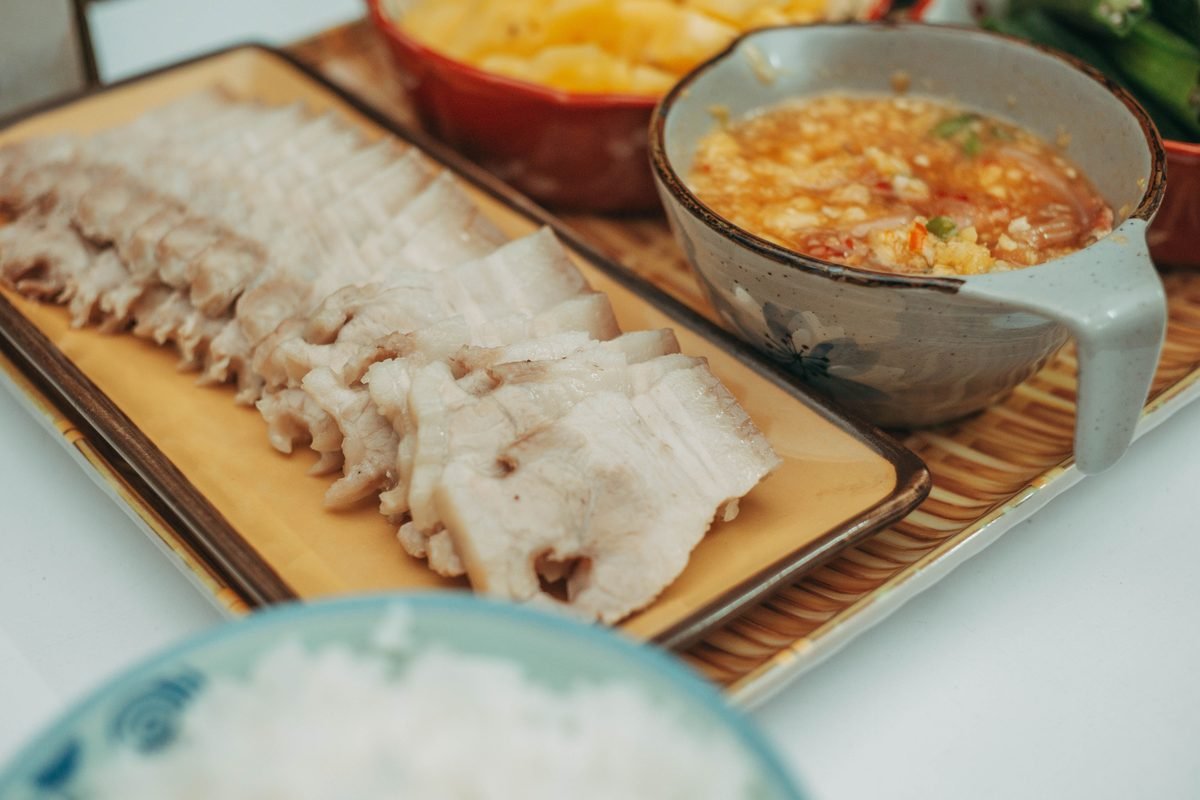
From a local: The Soju Splash
Pour a tiny bit of Hallasan soju into your meljeot as it boils. It burns off the fishy odor and leaves a cleaner, savory taste.
The Finishing Move: Cold Noodles and Fried Rice
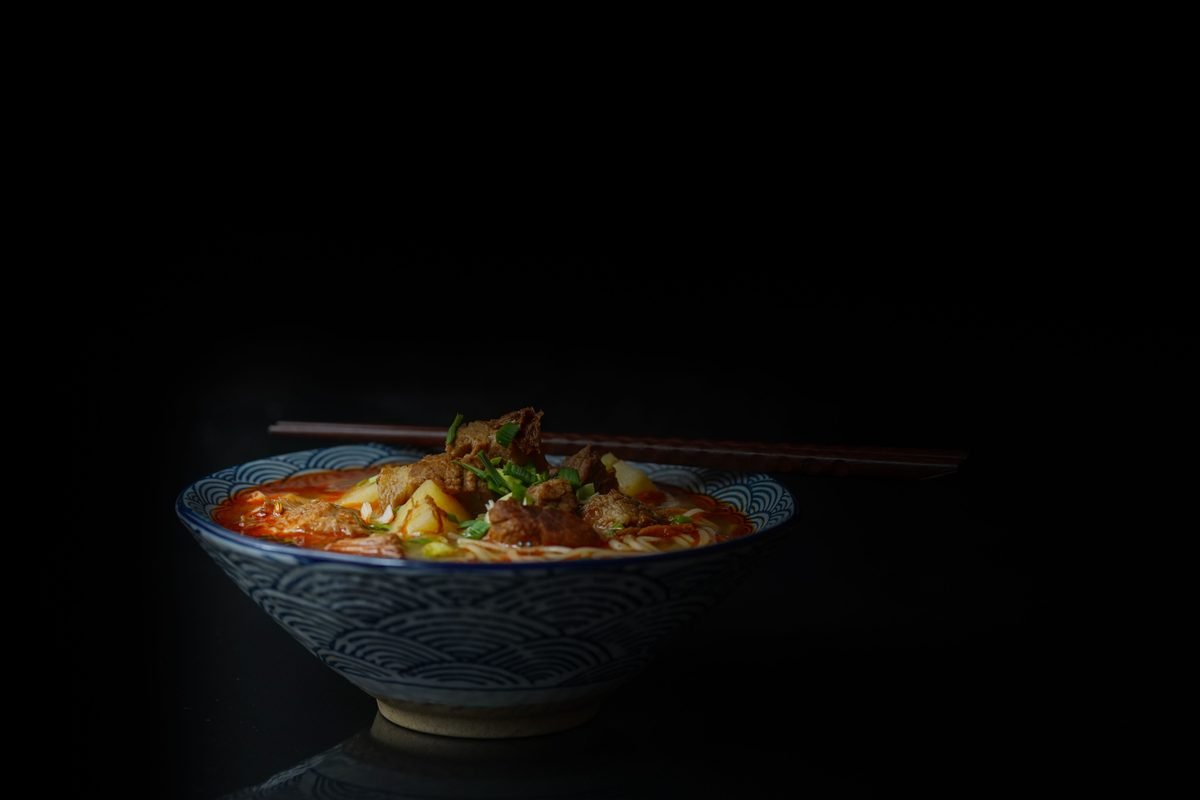
In the West, we often eat our starch alongside our meat. In Korea, and especially in Jeju, the meat is the main event, and the starch is the “finish.” Once you have finished the bulk of your pork, it is time to order naengmyeon (cold buckwheat noodles). There are two main types: mul-naengmyeon, which comes in a chilled, tangy beef broth with ice chips, and bibim-naengmyeon, which is served with a spicy red pepper paste. Order the noodles last. The icy broth serves as a palate cleanser, washing away the richness of the pork fat and cooling your mouth after the heat of the grill.
A popular local move is to save two or three pieces of grilled pork specifically to eat with the noodles. Wrap the cold, chewy noodles around the warm, crispy meat for a contrast in temperature and texture that is highly addictive. If you aren’t in the mood for noodles, look for kkok-degi (pork skin) or a kimchi jjigae (stew) made with the leftover scraps of black pork. Some places will even take your grill plate away and return it with bokkeumbap (fried rice) mixed with seaweed, leftover sprouts, and a little bit of the pork oil. It is the ultimate comfort food to end a long day of hiking.
If you are exploring the island, you might have consulted a Jeju Olle Trail walking guide to plan your routes. After walking 15 kilometers, a bowl of cold noodles followed by a hot stew is exactly what your body needs. Do not rush the process. Part of the joy of a Jeju barbecue dinner is the transition from the intense heat of the meat to the refreshing finish of the sides. It is a structured meal designed to leave you feeling satisfied but not weighed down by grease.
Heads up: Don't Fill Up on Rice
Avoid ordering rice at the start of the meal. Save your appetite for the cold noodles or the fried rice at the end to get the full experience.
Where to Find the Best Jeju Black Pork
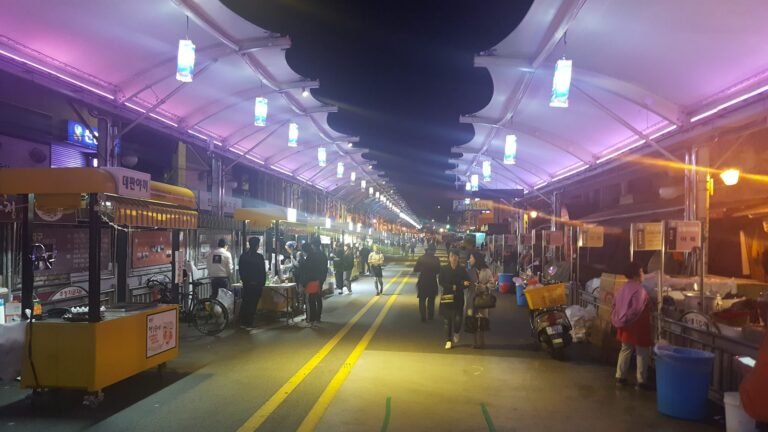
Jeju City is home to the famous Black Pork Street (Heuk-dwaeji Geori), located near the Tapdong waterfront. While it can feel a bit touristy, the quality remains high because the competition is so fierce. If you want a more neighborhood feel, head to the Yeon-dong or Nohyeong-dong districts. These areas are where the locals live and work, and the prices are often slightly better. In Seogwipo, the area around the Daily Olle Market has several excellent shops that use traditional charcoal grills. Look for places that are crowded with locals rather than those with the biggest English signs.
If you have a car, some of the best experiences are found in the countryside. There are restaurants located near the pig farms themselves in the western part of the island, particularly around Hallim. These spots often serve the freshest meat possible, sometimes butchered that very morning. The atmosphere is usually more basic—plastic stools and round metal tables—but the flavor is unbeatable. Drink your soju cold. In Jeju, the local brand is Hallasan, sold as Hallasan 21 at 21% alcohol and the milder Hallasan 17 at 17%. The higher-proof Hallasan 21 is the traditional choice to pair with heavy pork.
When searching for a spot, use Naver Map or KakaoMap rather than other international apps, which often have outdated listings for Jeju. You can search for “Heuk-dwaeji” (흑돼지) to see the top-rated spots nearby. For more on navigating the island’s tech, check out our The Best Travel Apps for Independent Trips in 2026. Most popular restaurants will have a waiting list system; you might need to enter your phone number into a tablet at the door. If you don’t have a Korean number, usually the staff will help you if you ask politely.
Local Dining Customs and Etiquette
Dining in a Jeju barbecue house is a communal, active experience. Usually, the server will bring the large chunks of meat and place them on the grill for you. In many high-end black pork shops, the staff will handle the entire cooking process, including the cutting. They use heavy-duty kitchen shears to snip the pork into bite-sized pieces. If the server is doing this, let them. They know exactly when the meat has reached the perfect temperature. If they leave the tongs with you, it is your responsibility to keep the meat moving so it doesn’t burn.
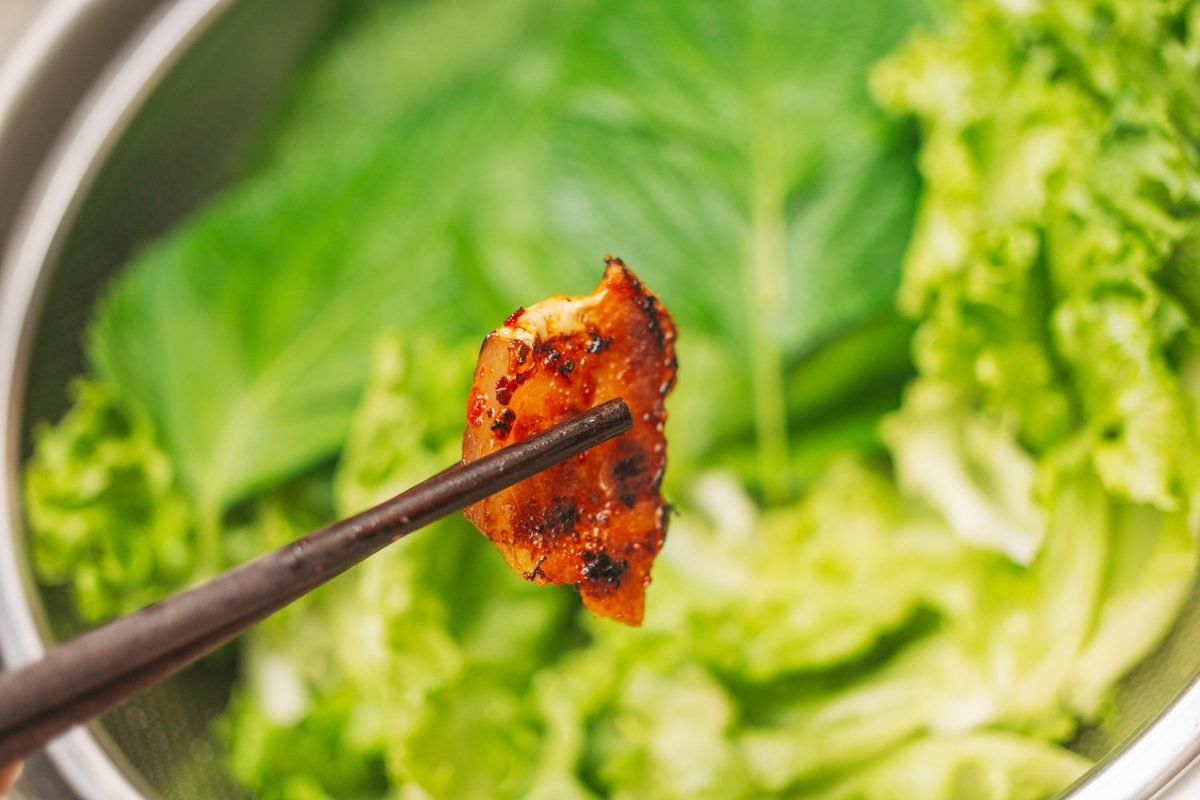
When the meat is ready, the server will often move a few pieces to the edge of the grill or onto a small metal rack. This is your signal to start eating. The proper way to eat a bite is to make a ssam (wrap). Take a lettuce leaf or a perilla leaf, add a piece of pork dipped in meljeot, a slice of raw or grilled garlic, a dab of ssamjang (soybean paste), and perhaps some pickled radish or scallion salad. Fold it into a single, compact ball and eat it in one go. Shoving a large wrap into your mouth is not considered rude; it is actually the intended way to enjoy the combination of flavors.
If you are drinking, remember the basics of Korean drinking culture guide. Never pour your own drink, and use two hands when receiving a glass from someone older. It is common to clink glasses and say “Gunbae!” before taking a sip. In Jeju, it is very common for groups to stay for a long time, slowly grilling meat and talking. Do not feel rushed. The staff expects you to take your time. If you need more side dishes (banchan), most modern shops have a self-service bar where you can refill your own lettuce, garlic, and kimchi.
Book ahead: Peak Hour Planning
The most famous shops like Sukseongdo or Donsadon often have 1-2 hour waits. Try to arrive by 5:00 PM or use the ‘CatchTable’ app to join a digital queue.
How to Order and What it Costs
Ordering black pork can be a bit confusing because of the weight system. Most restaurants have a minimum order, usually two portions or a “set” of 600 grams (one geun). For two people, 600 grams is the standard starting point. This usually costs between ₩60,000 and ₩72,000 (about $44 to $53). While this is significantly more expensive than regular pork, which might cost ₩15,000 per portion, the quality and the experience justify the price. The menu will usually list “Heuk-dwaeji” specifically; if it just says “Dwaeji-gogi,” it is likely standard mainland pork.
Beyond the meat, you should budget for the “finishers.” A bowl of naengmyeon is typically ₩7,000 to ₩9,000 (about $5 to $7), and a bottle of Hallasan soju is around ₩5,000 (about $4). Most side dishes are included for free and are refillable. If you order a large set of meat, many places will throw in a free kimchi jjigae or a steamed egg (gyeran-jjim). Check the menu for “gonggi-bap” if you want a simple bowl of white rice, which is usually ₩1,000.
When the bill arrives, it is usually paid at the counter near the exit. Tipping is not practiced in South Korea and can actually cause confusion, so just pay the amount on the receipt. Most places accept international credit cards without issue. If you are on a tight budget, look for “lunch specials” (jeomsim-teukseon) between 11:30 AM and 2:00 PM. These often include a smaller portion of pork, a stew, and rice for a fixed price of around ₩15,000 to ₩20,000 per person. It is a great way to taste the black pork without the full dinner price tag.
What it costs in Jeju
| Item | Local price | USD |
|---|---|---|
| Black Pork (600g set for 2) | ₩66,000 | $48.00 |
| Black Pork (200g single portion) | ₩22,000 | $16.00 |
| Cold Buckwheat Noodles (Naengmyeon) | ₩8,000 | $6.00 |
| Hallasan Soju | ₩5,000 | $3.70 |
| Kimchi Jjigae (Stew) | ₩7,000 | $5.20 |
| Bowl of White Rice | ₩1,000 | $0.75 |
| Total for Two People (Average) | ₩87,000 | $63.65 |
Prices checked October 2026. Always confirm with the provider before you book.
Where to stay in Jeju
Budget
Jeju City, near Dongmun Market
This area is perfect for those using public transport, with easy bus access to the airport and Black Pork Street. You can find clean guesthouses and business hotels for ₩50,000–₩80,000 per night.
Mid-range
Seogwipo City, near the Daily Olle Market
Staying here puts you within walking distance of some of the island's best traditional barbecue shops and the southern waterfalls. Expect to pay ₩90,000–₩150,000 for a modern hotel with a sea view.
Splurge
Jungmun Resort Area
This is the luxury hub of the island, home to five-star resorts and private villas. It is a 20-minute drive to some famous countryside pork farms, with nightly rates ranging from ₩300,000 to ₩600,000.
Mistakes to avoid
- Ordering standard pork by mistake because the menu wasn’t read carefully for the ‘Heuk’ (black) prefix.
- Dipping the meat in the meljeot before it has reached a full boil on the grill.
- Cutting the meat too early; thick-cut pork needs time to sear properly before being sliced.
- Skipping the cold noodles at the end, which are essential for balancing the heavy meal.
- Using Google Maps for navigation, which often lacks the most current local restaurant reviews and locations in Jeju.
FAQ
Is Jeju black pork worth the extra price compared to regular pork?
Yes, for most travelers it is. The texture is noticeably different, with a firmer, steak-like quality and a cleaner-tasting fat that doesn’t leave a heavy aftertaste. It is a unique regional specialty that uses a specific breed of pig you won’t easily find elsewhere.
Why is there hair on the pork skin in Jeju?
The tiny black hairs are left on the rind as a traditional mark of authenticity to prove the meat is from a genuine black pig. They are singed during the grilling process and are perfectly safe to eat, though you can always trim the skin off if the texture bothers you.
Can I eat Jeju black pork as a solo diner?
Solo dining for barbecue can be tricky because most places have a two-portion minimum. However, many shops will allow a solo diner if you agree to pay for two portions (usually 400g-600g), which is a manageable amount of meat if you skip the side dishes.