A Local Gangneung Chodang Tofu Village Guide

Steam rises from heavy iron pots before the sun fully clears the horizon in Chodang-dong. The air here smells of woodsmoke and the clean, briny scent of the East Sea. While most travelers head to the coast for raw fish, locals know that the real soul of this city is found in a bowl of soft, uncurdled tofu. This isn’t the bland block you find in a supermarket; it is rich, nutty, and seasoned naturally with seawater.
This Gangneung Chodang Tofu Village guide is for the independent traveler who wants to experience a 500-year-old culinary tradition without getting stuck in a two-hour tourist trap. I will show you how to choose the right restaurant, why the local history matters, and how to pair your meal with a walk through one of the most serene pine forests in Korea. Whether you are coming for a day trip or a weekend, this is how you eat well in Gangneung.
Getting to Chodang Tofu Village from Seoul
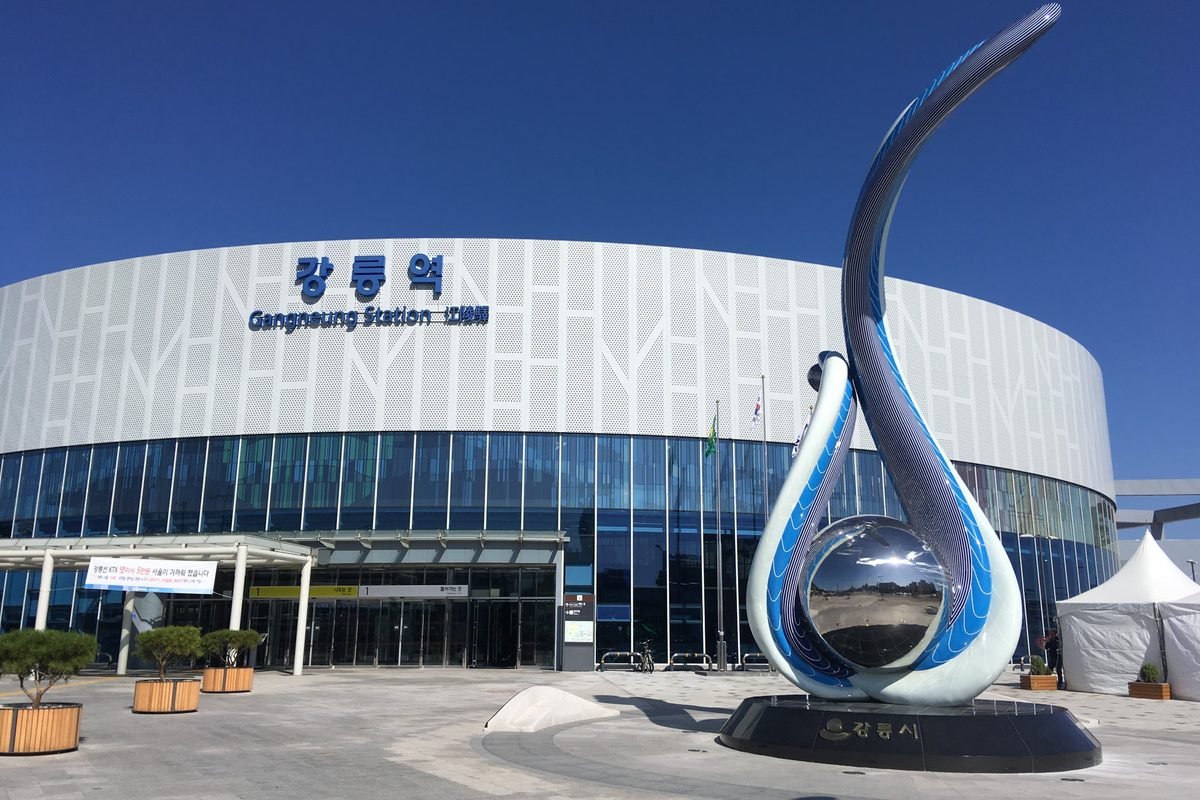
Reaching the village is straightforward if you start your journey at Seoul Station or Cheongnyangni Station. I always recommend taking the KTX-Eum. It is a sleek, modern train that gets you to Gangneung in about two hours. A standard seat from Seoul Station costs ₩27,600 (about $20), and ₩26,000 (about $19) from Cheongnyangni. The seats are comfortable and usually have wireless charging pads for your phone. If you are planning a larger trip, you might check my Seoul to Busan KTX Guide to get a feel for how the Korean rail system works. Once you arrive at Gangneung Station, do not stay in the terminal. Exit through Gate 1 and look for the taxi stand or the local bus stop.
A taxi from the station to Chodang Tofu Village takes about ten minutes and costs roughly ₩6,000 (about $4.50). This is the easiest option if you have bags. If you prefer the bus, look for number 230 or 230-1; both stop at Chodang Sundubu Village. Gangneung charges one flat fare whatever the distance, so a ride is ₩1,530 (about $1.13) with a transit card or ₩1,700 (about $1.26) in cash. Tap your card when you board, and tap it again as you step off only if you plan to transfer, which is free within the hour. The bus ride takes about twenty minutes, winding through the city before dropping you near the entrance of the village. The village itself is quite spread out. It is a residential neighborhood filled with low-slung traditional houses and modern glass cafes.
If you are driving, the village has several public parking lots, but they fill up fast on weekends. I suggest arriving before 10:00 AM to secure a spot. Most restaurants have their own small lots, but the narrow roads can be a headache to navigate. Walking is the best way to see the area. The distance between the main tofu cluster and the beach is only about fifteen minutes on foot. This makes it easy to combine a heavy lunch with a coastal stroll later in the day.
Tip: Use a Transit Card
Always use a T-money card for the bus to save ₩100 per ride and get free transfers. You can buy one for ₩4,000 (about $3) at any convenience store near the station.
The secret of seawater and Chodang history
The story of this village begins in the 16th century with a man named Heo Yeop. He was a high-ranking official and the father of the famous poet Heo Nanseolheon. According to local lore, Heo Yeop used the clean water from the East Sea to coagulate his soy milk instead of the usual chemical agents. The result was a tofu that was exceptionally soft and carried a subtle, natural saltiness. He was so proud of it that he used his pen name, Chodang, to name the village. Today, the tradition remains largely unchanged. The tofu is soft. It tastes like the sea. This is the hallmark of the region.
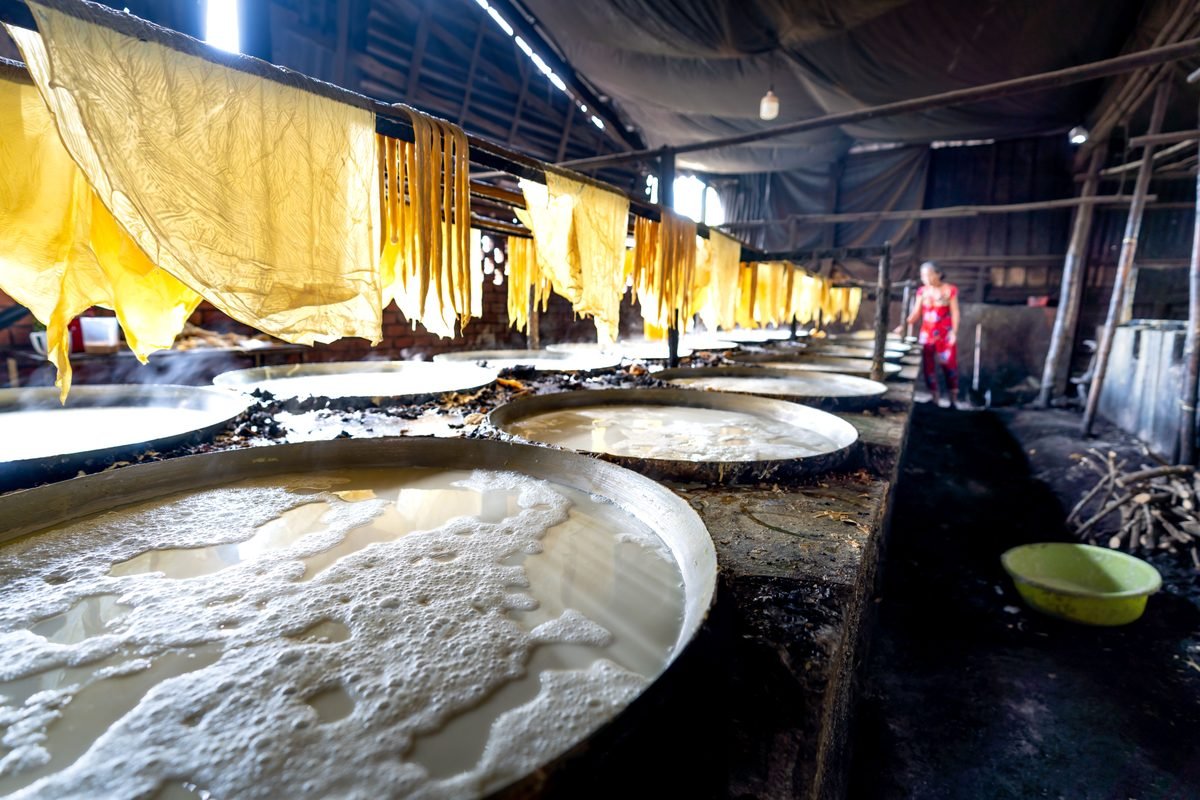
In most parts of the world, tofu is made using gypsum or nigari. Here, the mineral-rich seawater acts as the catalyst. This process requires precision. If the water is too cold or the soy milk is not the right temperature, the texture fails. You can often see the steam billowing from small shacks behind the restaurants where workers are still grinding soybeans at 5:00 AM. October is a great time to visit because the humidity drops, making the hot steam from the kitchens feel welcoming rather than stifling. The smell of boiling beans is thick in the air. It is a comforting, earthy aroma.
Understanding this history makes the meal better. You aren’t just eating a cheap protein; you are eating a piece of Gangneung identity. Many of the restaurant owners are third or fourth-generation tofu makers. They take immense pride in the clarity of their broth and the silkiness of the curd. When you sit down, you might notice the decor is simple. The focus is entirely on the product. Some places still use wood fires to heat the vats. This adds a faint smokiness that you won’t find in modern factories. It is slow food in the truest sense.
From a local: The Morning Batch
Locals eat tofu for breakfast. The first batch is usually ready by 7:00 AM and is the freshest you will ever taste. Most shops sell out of certain varieties by mid-afternoon.
What to order: Sundubu vs Jjamppong style
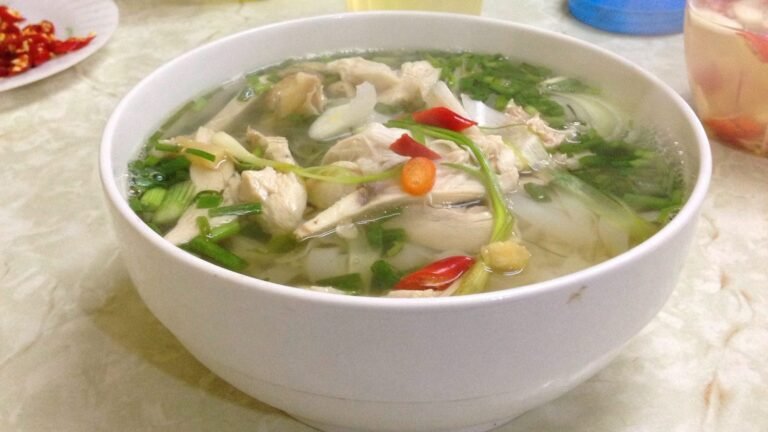
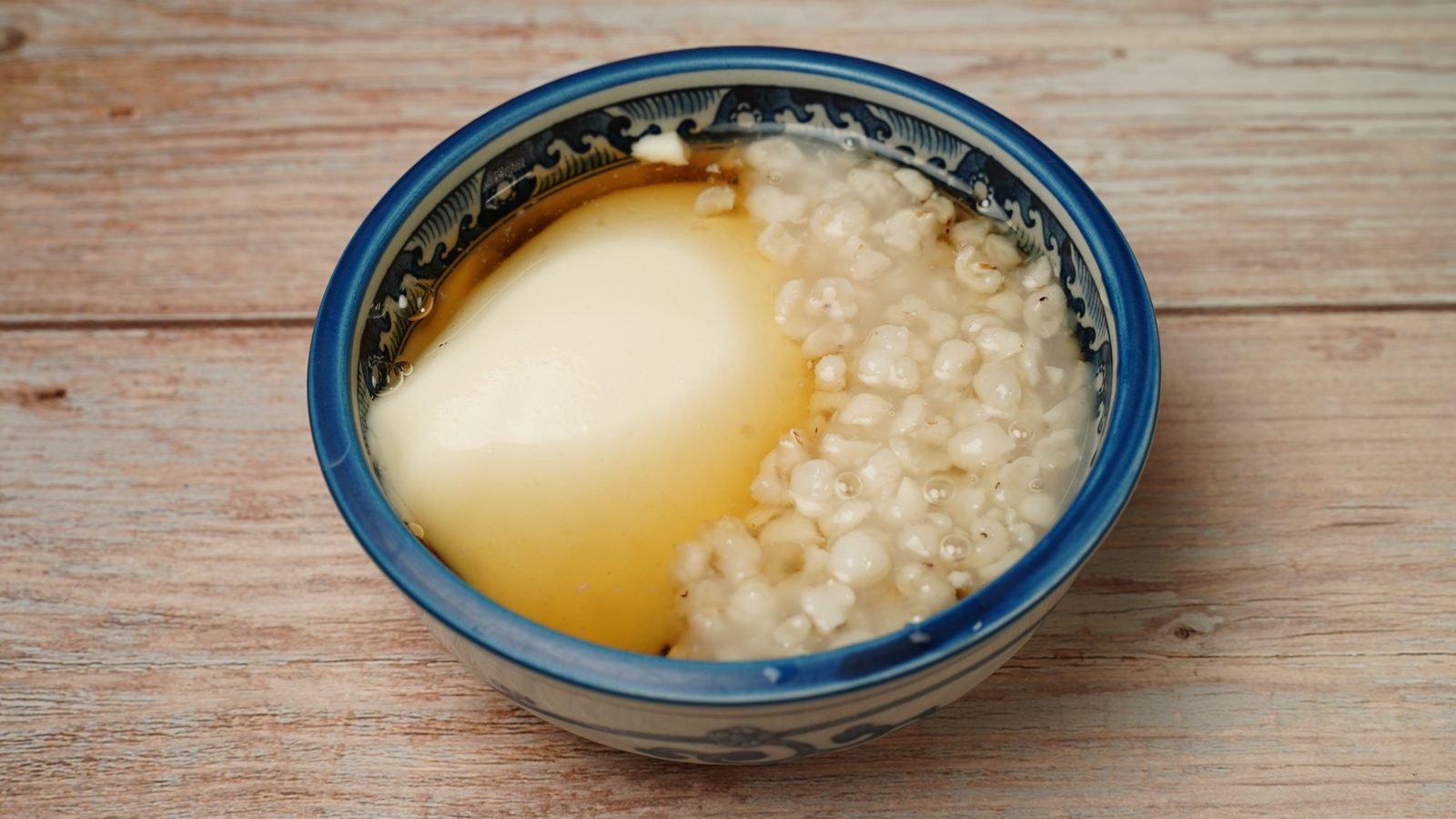
When you enter a restaurant in Chodang, you generally have two main choices. The first is the traditional Chodang Sundubu. This is served as a large bowl of white, unseasoned soft tofu floating in its own warm cooking liquid. It looks plain. Some might even say it looks boring. However, this is the purist’s choice. It allows you to taste the actual quality of the beans and the seawater. It usually comes with a small dish of soy sauce mixed with green onions and sesame oil. You can drizzle a little on top, but I recommend tasting a spoonful plain first. The texture is like a savory custard.
The second popular option is Sundubu Jjamppong. This is a modern evolution that has become a viral sensation. It combines the soft tofu with a spicy, seafood-based noodle soup broth. It is red, oily, and packed with smoky flavor. The tofu acts as a cooling agent against the heat of the chili. While traditionalists might scoff, it is undeniably delicious on a cold day. If you go to the most famous spot, Donghwa Garden, this is what everyone is waiting for. Expect a long line. Grab a ticket first. The wait can be over an hour on weekends.
Don’t ignore the side dishes. A proper tofu meal in Gangneung includes *biji-jjigae*, which is a thick stew made from the leftover ground soy pulp. It has a gritty, satisfying texture and is often seasoned with old kimchi. You will also get various seasonal vegetables and perhaps some salted fish. Some places also offer *modubu*, which is the firm version of the tofu pressed into squares. It is served warm and is meant to be eaten with a slice of spicy stir-fried kimchi. The combination of the cold kimchi and the hot, dense tofu is perfect. The meal is filling but light.
Heads up: Spice Level
The Jjamppong version is significantly spicier than standard Korean stews. If you have a low spice tolerance, stick to the white Chodang Sundubu and add your own soy sauce.
How to choose the best restaurant in the village
The village is home to dozens of eateries, and it can be overwhelming to pick one. The most famous is Donghwa Garden, recognizable by the massive crowd standing outside. They invented the Jjamppong version. If you want the “original” experience and have the patience, go there. However, I often find the smaller, less flashy houses provide a better atmosphere. Look for places that have “Halmoni” (Grandmother) in the name or those housed in older Hanok buildings. These spots tend to focus more on the traditional white tofu and offer a quieter dining experience.
Another excellent choice is Chodang Halmoni Sundubu. It is one of the oldest in the area and has a very straightforward menu. The service is fast. The lines are shorter. If you are following a Korea Travel Planning Checklist, you’ll know that sometimes the second-most famous place is actually the better deal. The quality of the tofu is remarkably consistent across the village because they all use the same seawater source. The difference usually lies in the quality of the kimchi and the richness of the side stews. I look for places where the floor is slightly worn and the menu is short. A short menu usually means they do one thing very well.
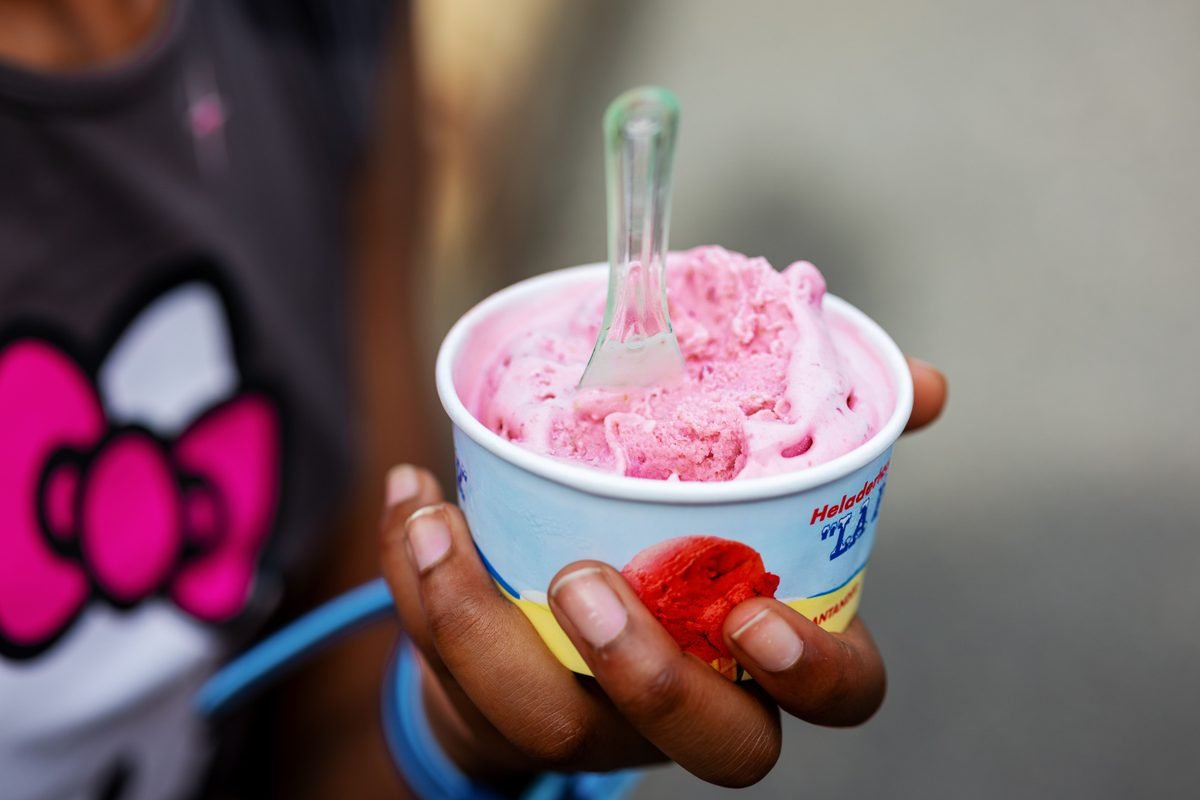
After your meal, you must try the tofu gelato. It sounds strange, but it is a local staple. There are several shops near the main intersection, like Soontofu Gelato. The flavor is subtle—creamy with a hint of roasted bean. They also offer flavors like black sesame, mugwort, and salted caramel. It is the perfect way to cleanse your palate after a spicy bowl of Jjamppong. Grab a cone and start walking toward the pine forest. The gelato melts quickly in the sun, so eat it fast. It is a unique Gangneung treat that you won’t find easily in Seoul.

Walking through the Heo Nanseolheon pine forest
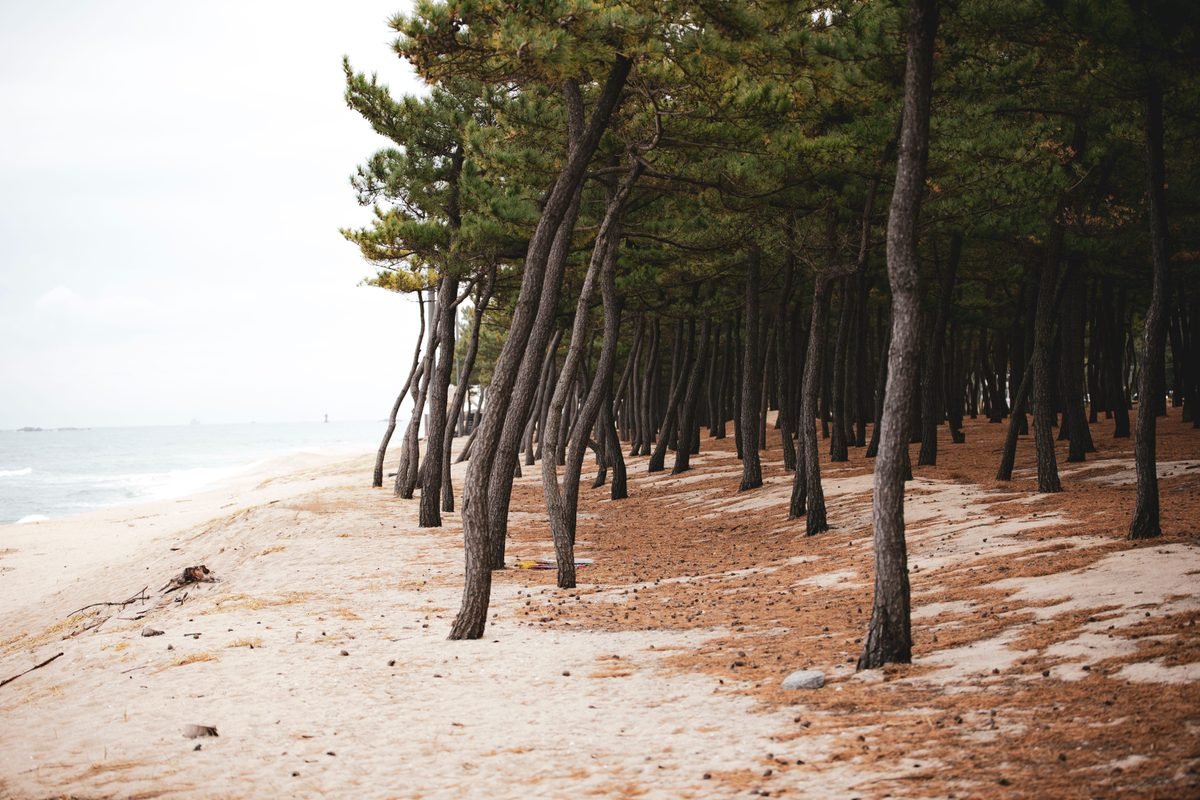
Just a five-minute walk from the main tofu restaurants lies the Heo Nanseolheon Memorial Park. This is the birthplace of the famous sibling poets Heo Gyun and Heo Nanseolheon. The site features a beautifully restored Hanok house, but the real draw is the surrounding pine forest. These are *Geumgangsong* pines, known for their tall, straight trunks and reddish bark. The forest is dense. The light filters through the needles in long, dusty beams. It is incredibly quiet here, even when the tofu village is packed with tourists. Walk toward the trees.
There is a well-maintained dirt path that circles the park and leads toward Gyeongpo Lake. The ground is covered in a soft carpet of fallen pine needles, which muffles the sound of your footsteps. It is a great place for a slow digestional stroll. I find that twenty minutes in these woods is enough to reset your energy. If you are interested in Korean literature, the small museum on-site tells the tragic story of Nanseolheon, who was a brilliant poet in an era that did not value female voices. Her house is a classic example of Joseon-style architecture, with open courtyards that stay cool in the summer heat.
If you keep walking east through the forest, you will eventually hit the shores of Gyeongpo Lake. From there, it is a short walk to the ocean. The transition from the earthy, woodsy scent of the pines to the sharp salt air of the beach is one of my favorite things about Gangneung. You can see why this area inspired so much poetry over the centuries. For more ideas on how to spend your time by the water, you can look at my guide to Gangneung coffee street and beaches. The connection between the village, the forest, and the sea is what makes this neighborhood feel like a complete destination rather than just a place to eat lunch.
From a local: Hidden Photo Spot
The back of the Heo Nanseolheon house has a small gate leading directly into the pine grove. It is much quieter than the main entrance and offers the best light for photos in the late afternoon.
Practical tips for your visit
Timing is everything in Chodang. Most restaurants open early, around 7:00 AM or 8:00 AM, and many close by 7:00 PM or 8:00 PM. However, some of the smaller, family-run places might close as early as 3:00 PM if they run out of tofu for the day. I recommend arriving for an early lunch around 11:00 AM to beat the noon rush. Rest days are set shop by shop rather than village-wide, so there is no single day to avoid; Donghwa Garden, the busiest of them, closes on Wednesdays. Always check the current status on Naver Map before you commit to a long walk. Do not rely on Google Maps here; it will not show you the correct walking paths or updated business hours.
In terms of payment, almost everywhere accepts international credit cards. However, if you go to a very small street stall for snacks or a tiny tofu workshop, having a bit of cash is helpful. A meal will typically cost between ₩10,000 and ₩15,000 (about $7 to $11) per person. This makes it one of the more affordable famous food destinations in Korea. If you are traveling as a group, ordering a mix of the white sundubu, the spicy jjamppong, and a side of modubu is the best way to see the full range of what they can do with a soybean.
Finally, consider the weather. October is peak season because of the autumn foliage. The colors in the pine forest and around Gyeongpo Lake are beautiful. If you come in winter, the hot tofu is even more satisfying, but the wind off the East Sea can be brutal. Dress in layers. Gangneung is always a few degrees cooler than Seoul because of the ocean breeze. Bring a light jacket even if the forecast looks warm. The village is very walkable, but the sidewalks can be uneven in the older sections, so wear comfortable shoes. This isn’t the place for heels or formal wear.
Book ahead: Weekend Reservations
Most tofu places do not take reservations. On Saturdays and Sundays, you must go to the restaurant and put your name on a physical waiting list or use a digital tablet at the door.
What it costs in Gangneung
| Item | Local price | USD |
|---|---|---|
| KTX Train (Seoul to Gangneung, one way) | ₩27,600 | $20 |
| Taxi (Station to Village) | ₩6,000 | $4.50 |
| Traditional White Sundubu Meal | ₩12,000 | $9 |
| Spicy Jjamppong Sundubu | ₩13,000 | $10 |
| Tofu Gelato | ₩4,500 | $3.50 |
| Local Bus Fare | ₩1,530 | $1.13 |
| Total estimated daily spend | ₩64,630 | $48 |
Prices checked October 2026. Always confirm with the provider before you book.
Where to stay in Gangneung
Budget
Gangneung Station area, for guesthouses and easy transit
Staying near the station is best if you have an early train. You can find clean, simple guesthouses for ₩50,000 to ₩70,000 (about $37-$52) within walking distance of the KTX tracks.
Mid-range
Chodang-dong, for quiet pensions near the tofu village
This puts you right in the heart of the food scene and the pine forest. Expect to pay ₩100,000 to ₩150,000 (about $74-$110) for a modern room with a kitchen.
Splurge
Gyeongpo Beach, for high-rise hotels with ocean views
The luxury hotels here offer sunrise views over the East Sea and are a 20-minute walk from the tofu village. Prices range from ₩250,000 to ₩400,000 (about $185-$295) per night.
Mistakes to avoid
- Waiting in the two-hour line at Donghwa Garden when the neighbor’s tofu is just as fresh.
- Only ordering the spicy version and missing the subtle seawater flavor of the white tofu.
- Assuming the whole village shares one rest day; each house picks its own, and Donghwa Garden closes on Wednesdays.
- Taking a taxi everywhere; the walk from the tofu village to the beach through the pines is the best part of the trip.
- Arriving after 4:00 PM and finding that the best traditional spots have already sold out for the day.
FAQ
Is the seawater used in Chodang tofu safe to eat?
Yes, the seawater used is deeply filtered and boiled during the tofu-making process. It has been the standard method in this village for centuries and is strictly regulated by local health authorities.
Can vegetarians eat at Chodang Tofu Village?
The white sundubu is perfectly vegetarian, as it is just soy and seawater. However, be careful with the side dishes and the red stews, as they often contain small amounts of pork, dried shrimp, or fish sauce for flavor.
How long do I need in the village?
I recommend about three to four hours. This gives you enough time for a leisurely meal, a stop for tofu gelato, and a walk through the Heo Nanseolheon pine forest.