Seoul Vinyl Record Bar and Music Lounge Guide

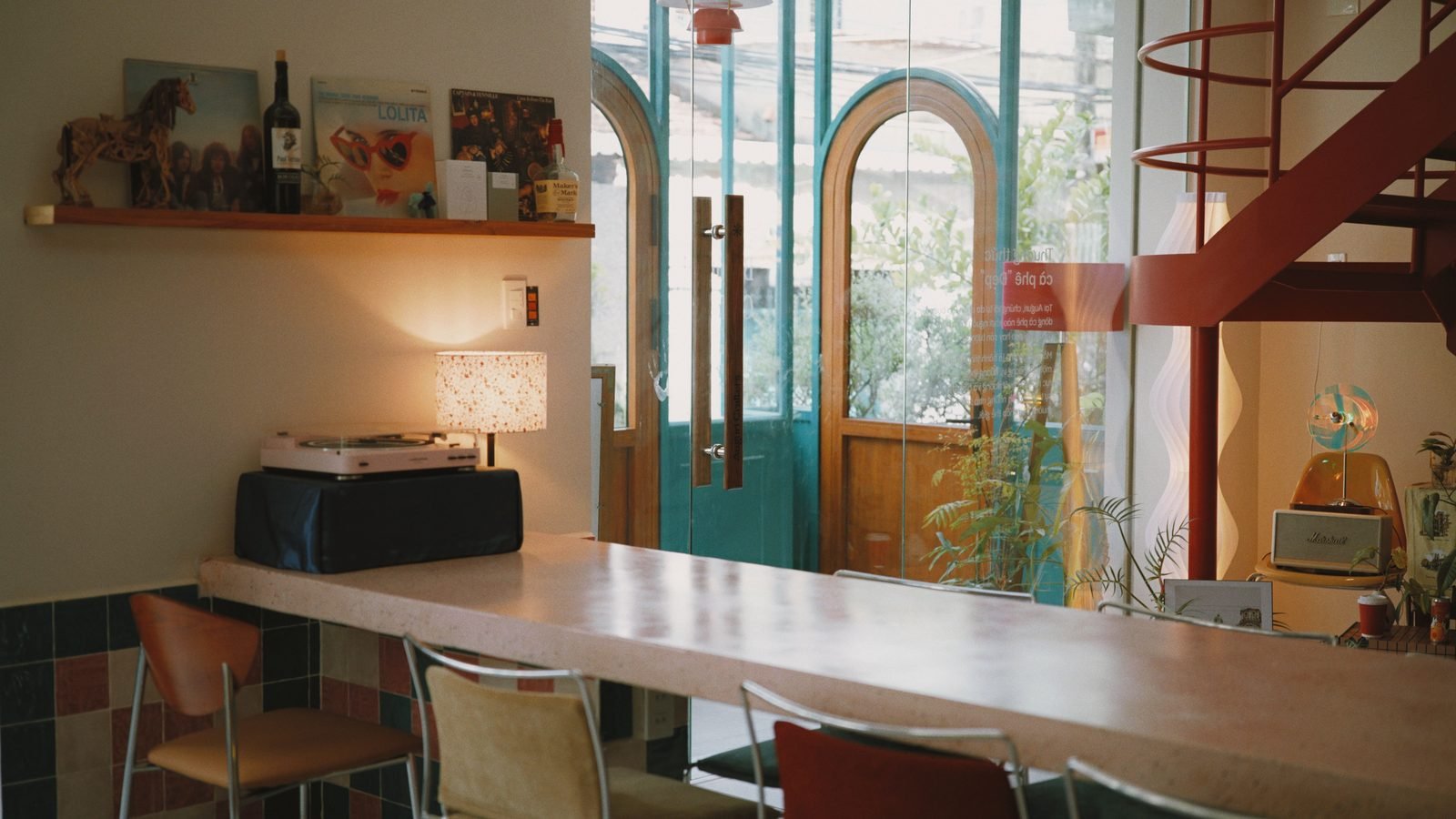
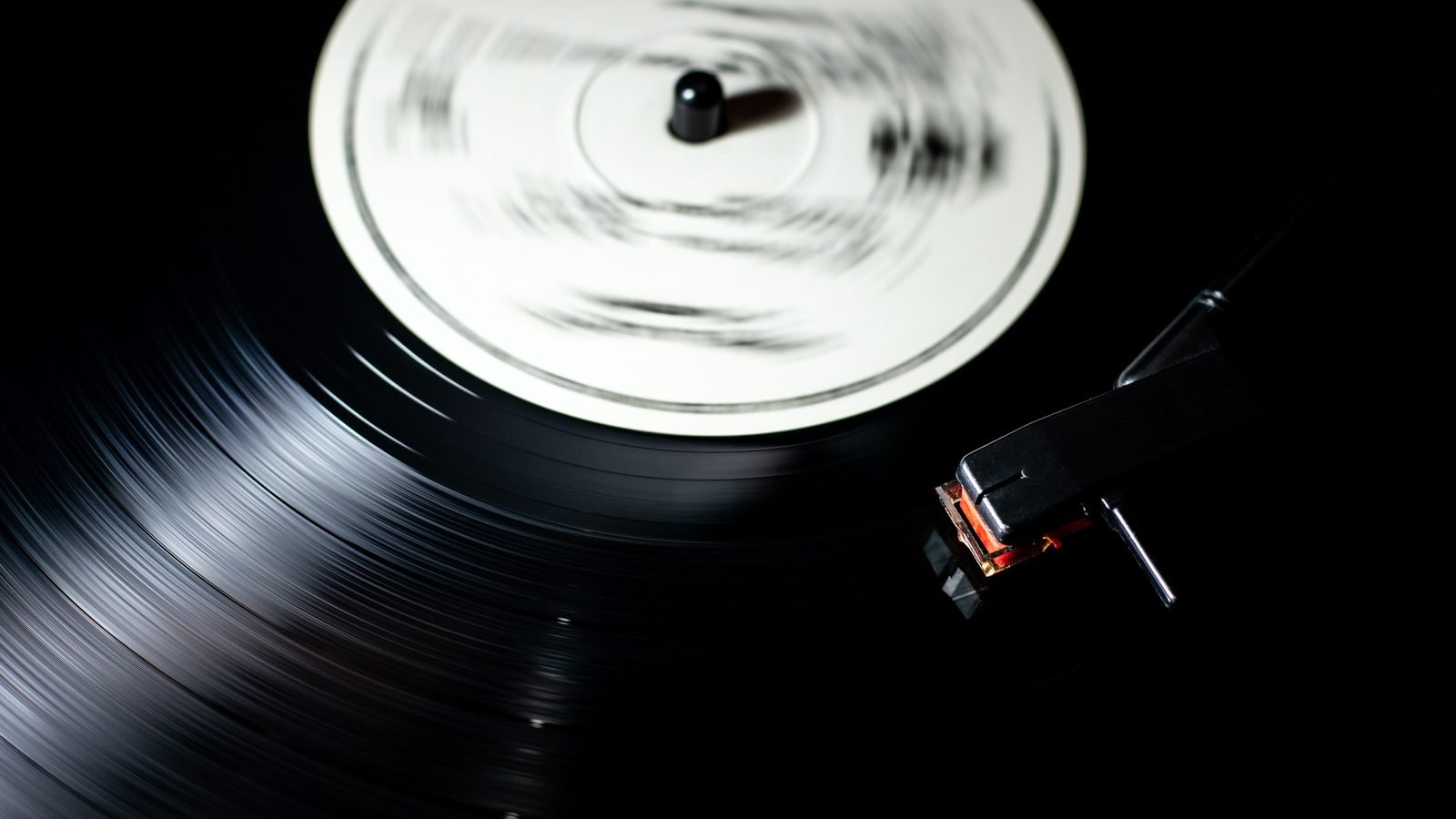
The crackle of a needle hitting a 1970s jazz record is the only sound in the room. I am sitting on a velvet chair in a dimly lit third-floor walk-up in Euljiro, surrounded by five thousand sleeves of vinyl. The air smells faintly of old paper and expensive whisky. In Seoul, the act of listening to music has become a dedicated evening activity rather than just background noise for a party. These spaces, often called LP bars or music lounges, offer a refuge from the neon-lit chaos of the streets below.
This Seoul vinyl record bar and music lounge guide covers the best spots to listen across the city, with a focus on the industrial alleys of Euljiro. I will explain how to request your favorite tracks, what you can expect to pay for a highball, and the specific etiquette required to fit in with the local audiophiles. Whether you are looking for a massive wall of vintage JBL speakers or a quiet corner to write in your journal while 1980s city pop plays, this guide has you covered.
Finding your rhythm with a Seoul vinyl record bar and music lounge guide
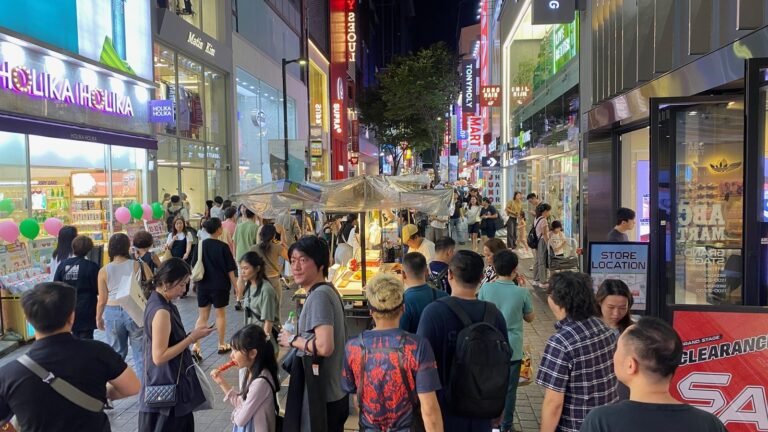
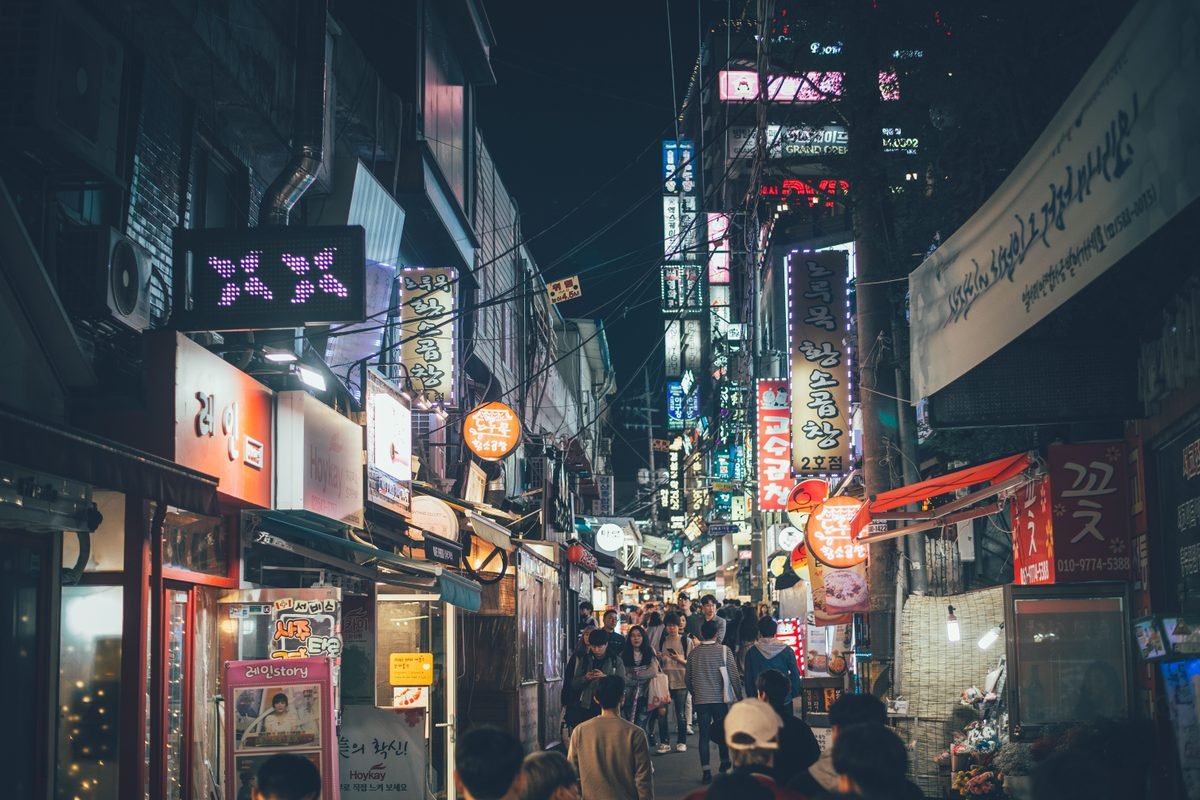
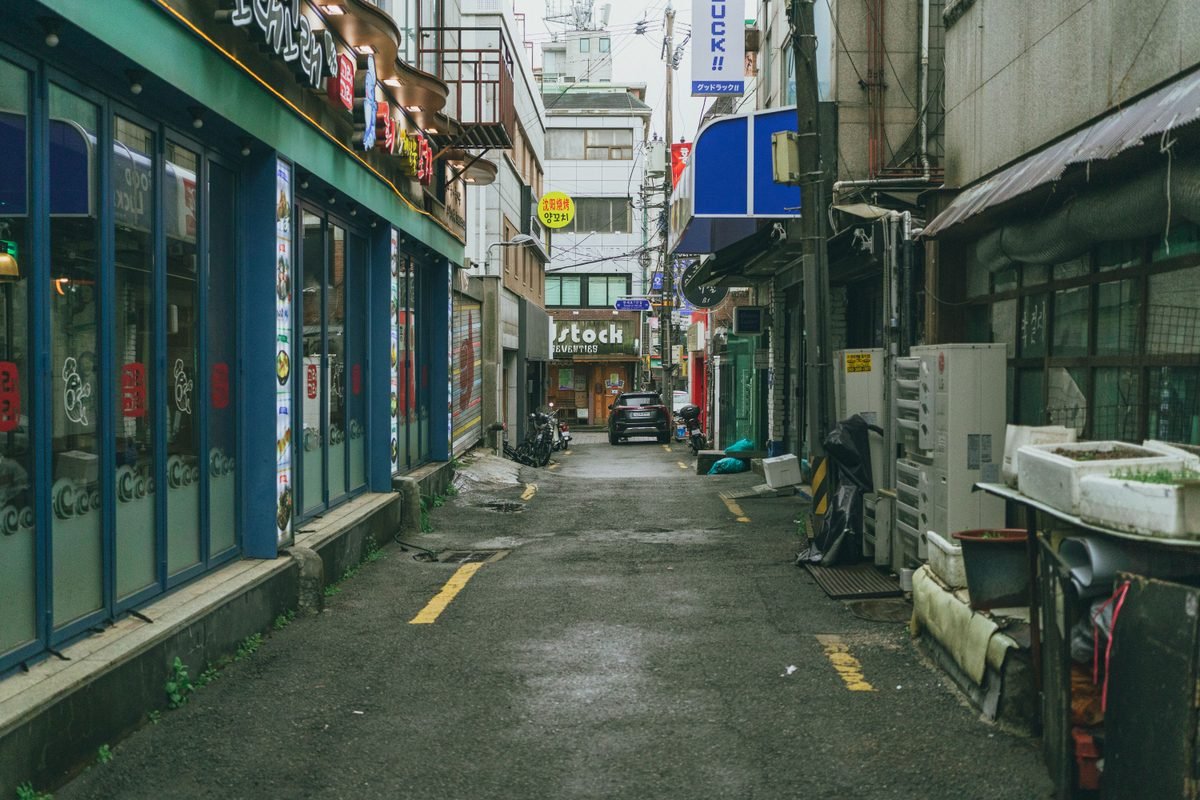
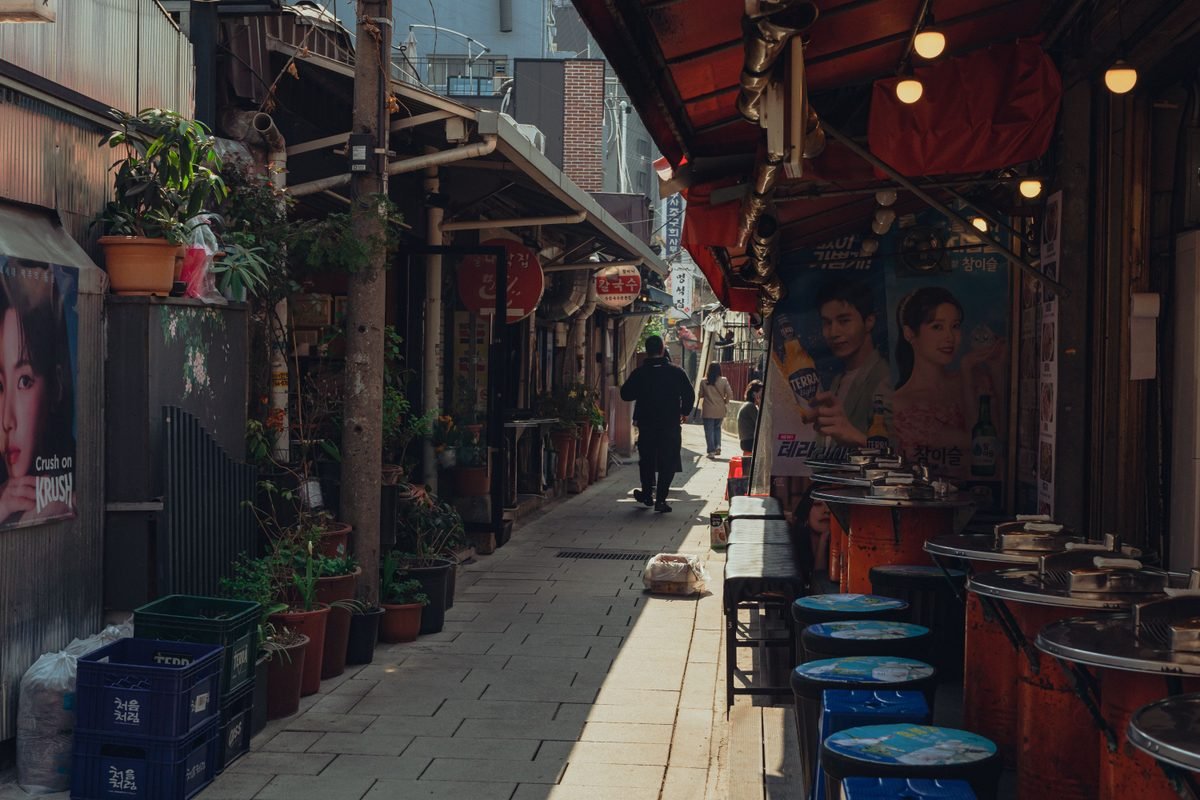
The listening bar culture in Seoul is part of a broader movement locals call “Newtro,” a blend of new and retro that has transformed old neighborhoods. While you can find these lounges in many districts, the heart of the scene remains in Euljiro. This area was once dominated by tool shops, printing presses, and acrylic manufacturers. Today, those same gray, industrial buildings house some of the most sophisticated audio systems in Asia. To find them, you must look up. Most of these bars are located on the second or third floors of buildings that look entirely abandoned from the street level. There are rarely large signs; you might only see a small sticker on a rusted metal door or a tiny wooden plaque at the base of a steep concrete staircase.
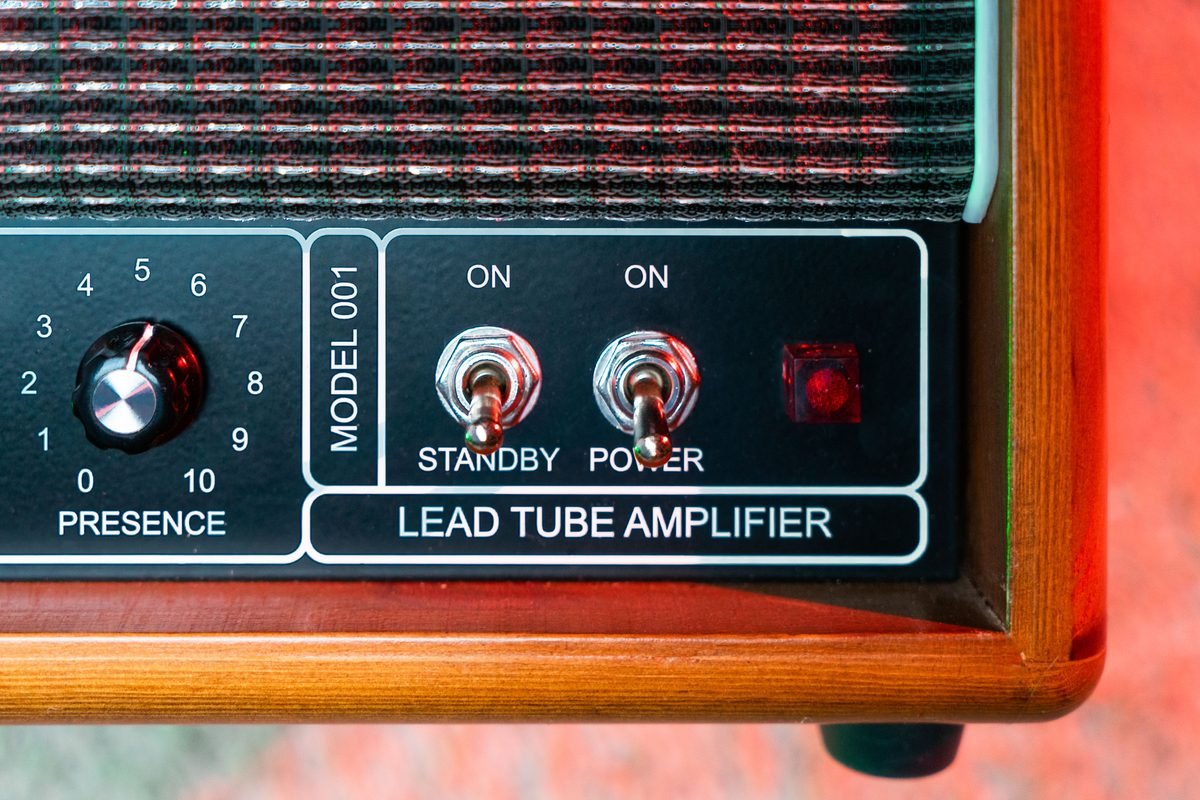
Inside, the atmosphere shifts instantly. The lighting is low, often relying on the warm glow of vacuum tube amplifiers and small desk lamps. The “Master,” which is what we call the DJ and owner, usually sits behind a massive wooden counter stacked with records. These collections are not for show. They often represent decades of hunting through crates in Tokyo, London, and Seoul’s own Hwanghak-dong flea market. The music selection varies by venue, but most lean toward jazz, 1970s rock, or Korean folk from the 1980s. The needle drops. Silence is expected here. You are not just there to drink; you are there to hear the texture of the music through speakers that often cost more than a luxury sedan. Because these spots are small, they fill up quickly after 8:00 PM on weekdays. On weekends, you may find a queue forming in a dark stairwell as early as 7:00 PM. Most spots lack signs. You will need to use Naver Map vs Kakao Map to find the exact entrance coordinates, as Google Maps often places the pin on the wrong side of the block.
From a local: The Third Floor Rule
In Euljiro, if a building looks like a derelict hardware store, the best music lounge is probably on the third floor. Look for a heavy steel door with a tiny sticker.
The art of requesting tracks and bar etiquette
One of the most satisfying parts of visiting a Seoul listening bar is the request system. In most venues, you will find a small stack of paper slips and a pencil on your table. This is for your “sincheong-gok,” or requested song. Pencils are usually provided. You write down the artist and the song title and hand it to the Master at the counter. However, there is an unwritten code of conduct. First, check the vibe of the room. If the shelves are filled with Blue Note jazz records and everyone is whispering, do not request a modern K-pop hit or a heavy metal track. It is considered polite to request something that fits the existing mood of the collection. The Master has the final say and will often skip requests that don’t match the evening’s flow.
Conversation volume is another critical factor. These are not places for rowdy drinking games or loud storytelling. In fact, some of the stricter lounges in Hannam-dong or Seongsu-dong have signs at the door asking guests to keep their voices at a whisper. The music is the main event. If you are with a large group, you might be turned away or asked to sit at separate tables to prevent loud chatter. This makes these bars perfect for solo travelers or couples. I often come here alone with a book, as the focused environment is incredibly grounding. When your song finally plays, it is customary to simply listen and enjoy. Don’t feel the need to record the whole thing on your phone; the locals appreciate it when you stay in the moment. If you want to learn more about how to behave in various social settings, my Korean drinking culture guide offers deeper insights into the nuances of sharing a table in Seoul.
Tip: Requesting Wisely
Limit yourself to one or two requests per hour. If the bar is busy, the Master may only play one of your songs to give everyone a turn.
Understanding audio setups and vintage gear
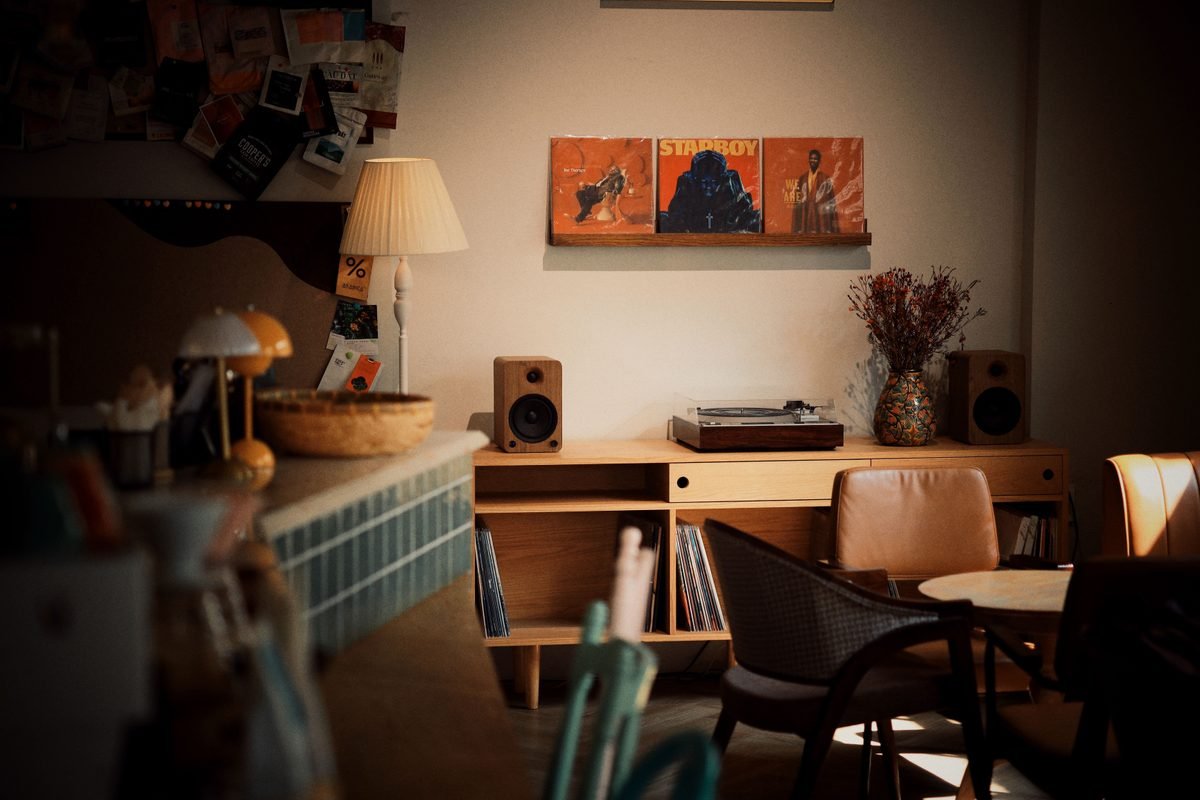
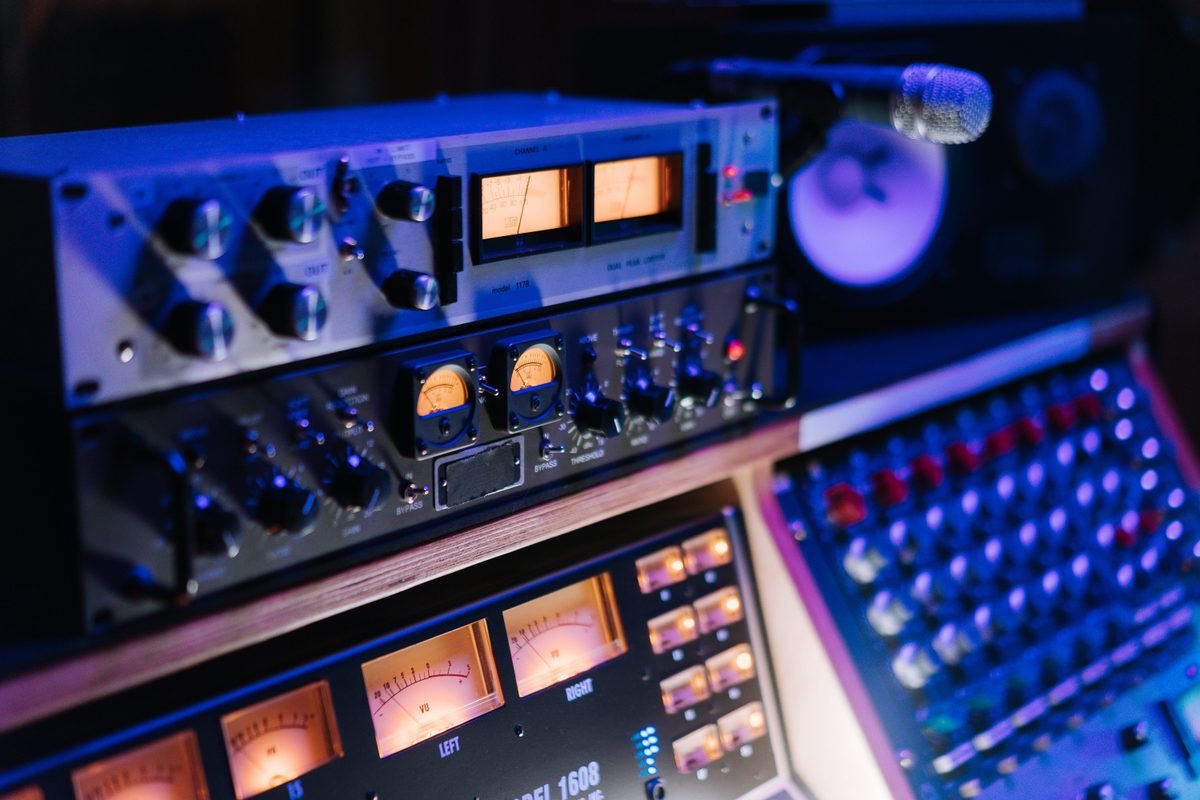
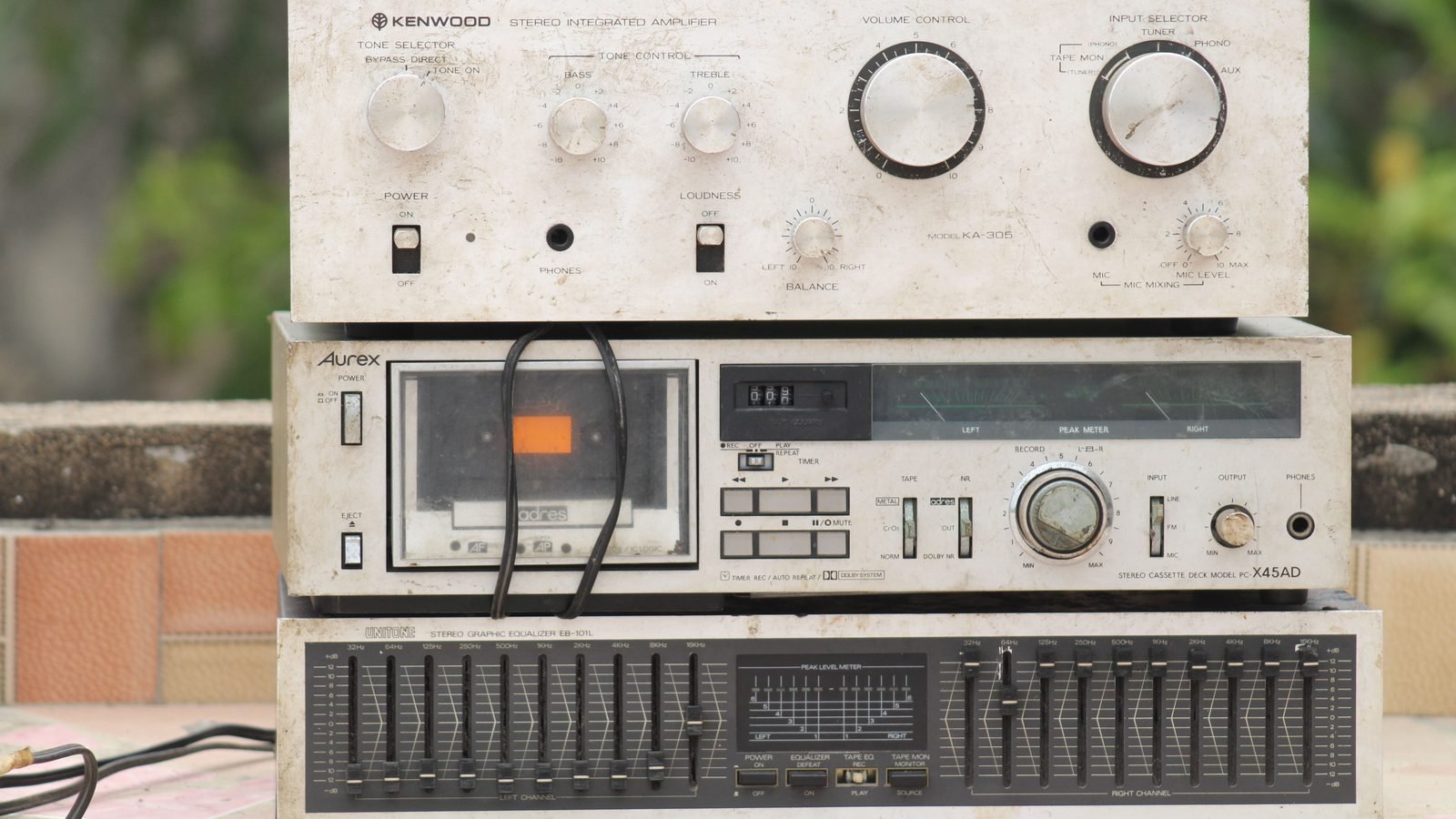
For audio enthusiasts, these bars are like living museums. The centerpieces are almost always the speakers. You will frequently see massive JBL 4344s or 4350s, which were the gold standard for studio monitors in the 1970s and 80s. Their blue baffles and walnut cabinets are iconic in the Seoul scene. Other owners prefer the British sound, opting for Tannoy speakers that provide a warmer, more classical tone. These are often paired with McIntosh amplifiers, recognizable by their signature blue power meters that dance to the rhythm of the bass. The bass feels heavy. You can actually feel the vibration in the floorboards when a particularly deep double bass solo begins.
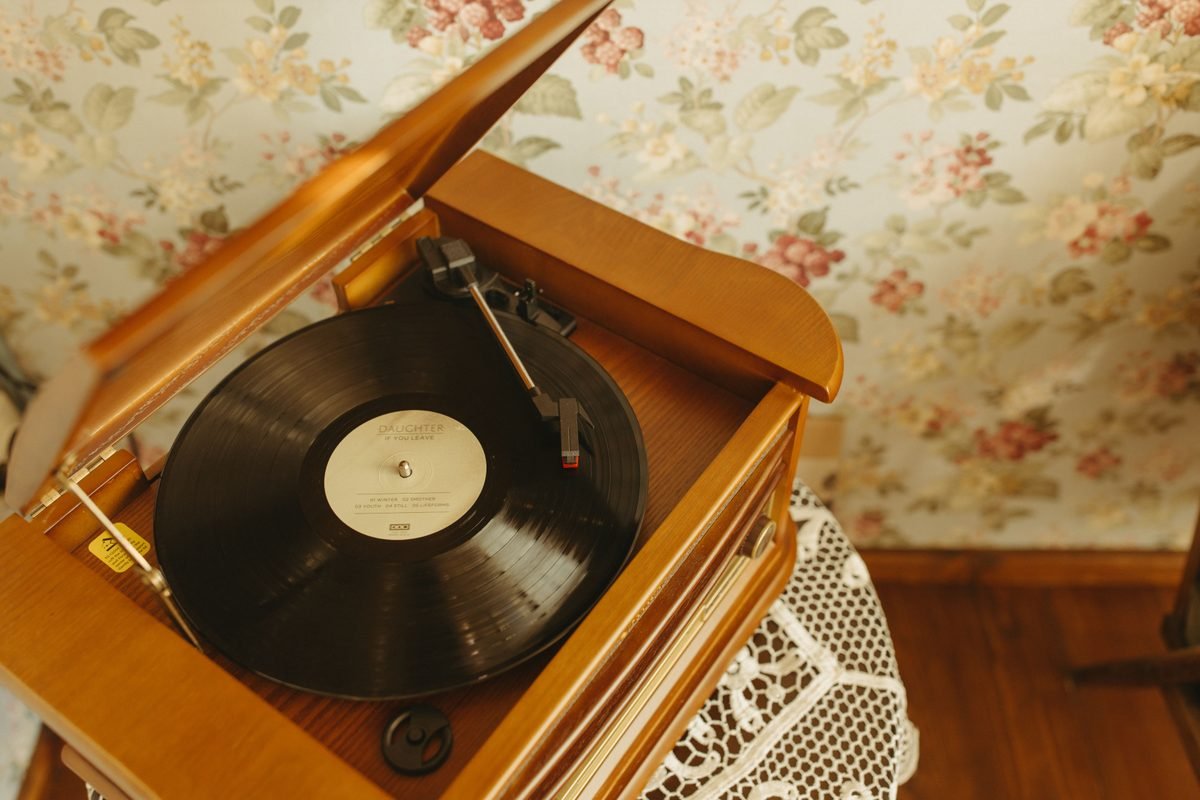
The turntables are equally impressive. You will see a mix of the legendary Technics SL-1200s and more high-end, belt-driven models like those from Thorens or Garrard. The Master spends a significant amount of time cleaning records and adjusting the tracking force of the needles to ensure the sound is crisp. This dedication to analog sound is why these bars exist. In a world of digital streaming, the physical act of flipping a record every twenty minutes adds a layer of intentionality to the experience. If you visit a bar like Micro Vinyl House or Fizz Social Club, you can spend an hour just staring at the glowing tubes of the amplifiers. The heat from the gear often keeps the small rooms cozy during the winter months. If you are planning a trip during the colder season, you might also want to check out my Seoul cafe hopping guide for daytime spots that offer a similar level of aesthetic detail and warmth.
Heads up: Speaker Distance
Never touch the audio equipment or stand too close to the speaker cones. These setups are extremely expensive and often fragile vintage pieces.
Costs and menu expectations at listening bars
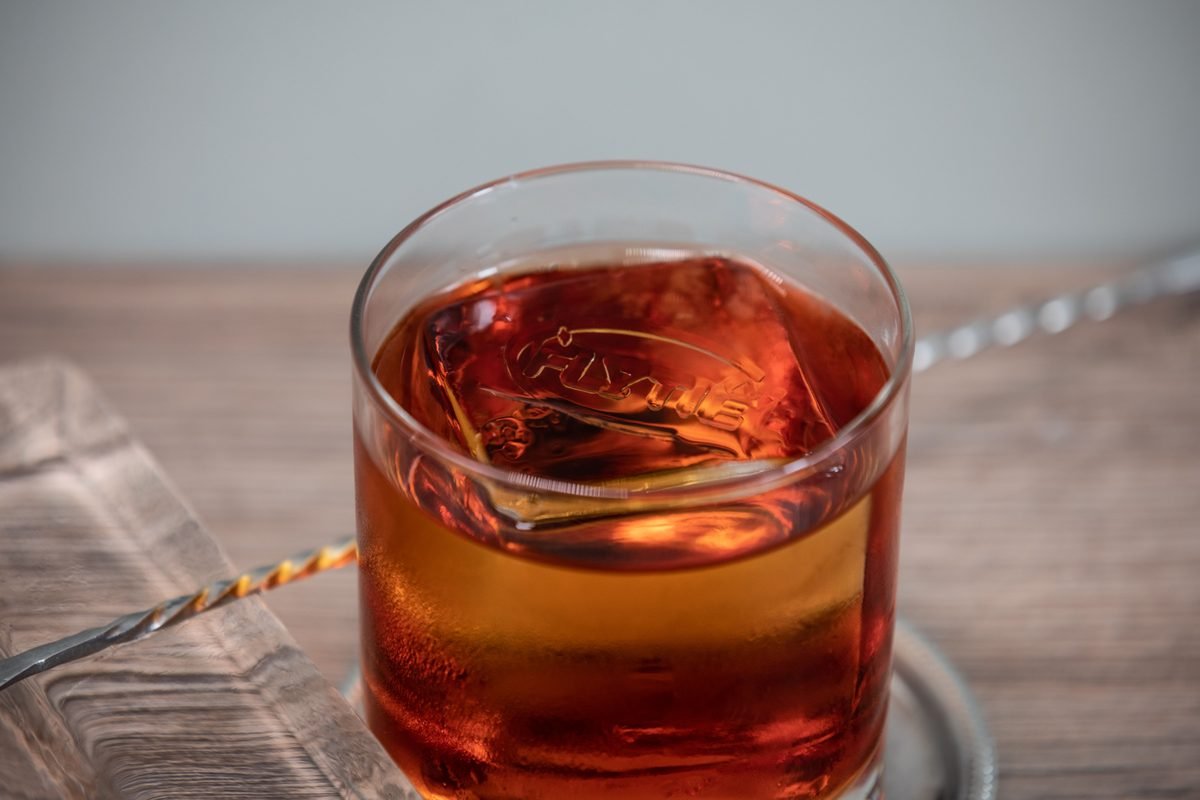
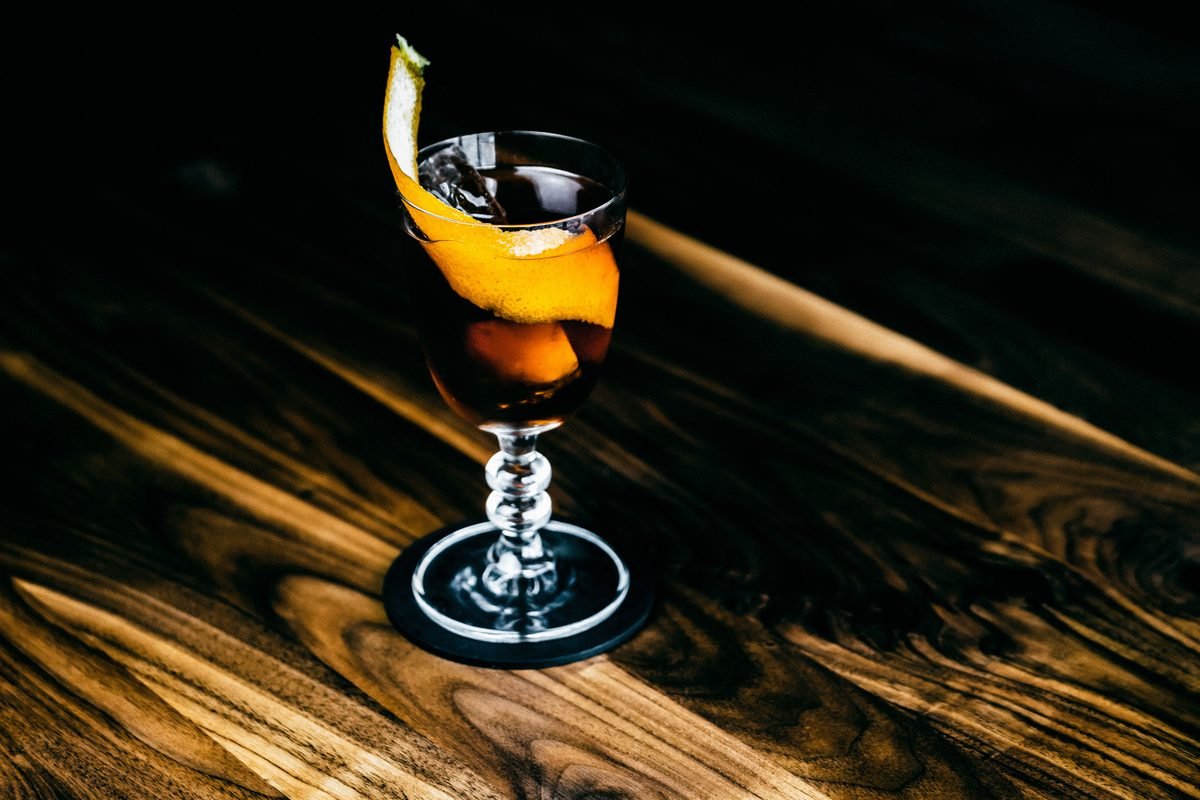
Visiting a high-end music lounge in Seoul is not a cheap night out. Most of these venues do not charge a formal entry fee or cover charge, but they compensate for it with higher drink prices. A standard highball or a glass of entry-level Scotch will typically cost between ₩15,000 and ₩22,000 (about $11 to $16). Highballs are the standard drink. They are usually made with Suntory or Jameson and served with a single, clear ice cube. Some of the more exclusive lounges in Hannam-dong may implement a cover charge of ₩10,000 (about $7) per person, which often includes a small serving of chocolates or nuts.
The food menu is usually limited to “anju,” or drinking snacks. Do not come here expecting a full dinner. Common options include dried snacks like pollack skin or nuts, cheese platters, and occasionally seasonal fruit. These plates usually range from ₩15,000 to ₩30,000 (about $11 to $22). It is standard practice for every person in your party to order at least one drink. If you stay for several hours, ordering a second round is expected. While some bars offer craft beer or wine, the focus is almost always on spirits that pair well with the slow, contemplative nature of the music. Payment is handled at the end of the night, and most places accept all major credit cards. If you are trying to keep your daily spending in check, remember that these bars are a splurge compared to a standard neighborhood pub. However, the cost of the drink covers the electricity for the massive amps and the years of curation that went into the record collection.
Finding bars in Seongsu and Hannam
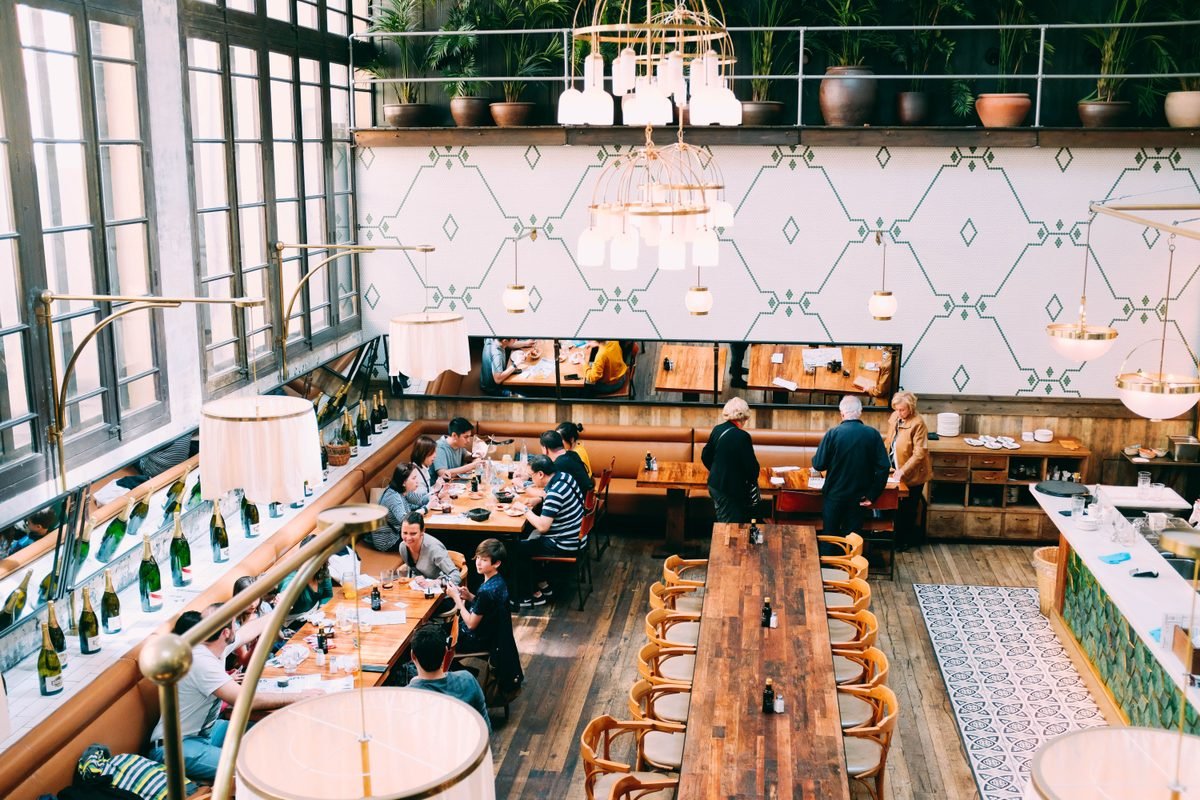
While Euljiro is the heart of the gritty, industrial vinyl scene, the neighborhoods of Seongsu-dong and Hannam-dong offer a more polished experience. Seongsu, often called the Brooklyn of Seoul, features larger spaces with high ceilings and a more modern aesthetic. Bars here often combine a record shop with a lounge, allowing you to browse the bins while you sip your coffee or cocktail. The audio setups in Seongsu tend to be more contemporary, focusing on clarity and wide soundstages that fill the large, airy rooms. It is a great place to visit in the late afternoon before the evening crowds arrive.
Hannam-dong, on the other hand, is where you go for luxury. The listening bars here are often tucked away in the basements of upscale apartment buildings or hidden behind unmarked doors in the hills near the Leeum Museum of Art. These lounges often feel like private libraries. The service is impeccable, and the whisky lists are extensive. You will find rare bottlings that are hard to track down elsewhere in the city. Because Hannam is a more affluent area, the atmosphere is generally quieter and more formal. It is the kind of place where you wear your best coat and speak in hushed tones. If you are staying in the southern part of the city or near Itaewon, Hannam is a short bus or taxi ride away. These districts provide a different perspective on Seoul’s music culture, proving that the love for analog sound transcends the industrial aesthetic of the northern alleys.
Book ahead: Weekend Planning
For popular spots in Seongsu or Hannam, arrive within 30 minutes of opening on Friday and Saturday. These venues rarely take reservations for small groups.
Practical tips for your vinyl bar crawl
To make the most of your evening, I recommend starting early. Many vinyl bars open around 6:00 PM or 7:00 PM. Arriving early gives you the best chance of snagging a seat directly in front of the speakers, which is the “sweet spot” for audio quality. It also allows you to have a few words with the Master before they get too busy with requests. If you are planning to visit multiple spots, Euljiro is the most walkable district. You can easily hit three or four different lounges within a few blocks of Euljiro 3-ga Station. Just be prepared for a lot of stairs; elevators are rare in these older buildings.
Check the operating days before you head out. A significant number of independent music lounges in Seoul are closed on Mondays or Tuesdays. I always double-check their official social media pages, as owners may close unexpectedly for a private event or a record-hunting trip. Also, keep in mind that the lighting is very dim, so if you have trouble seeing in the dark, bring your phone to use as a discreet flashlight for the menu. Finally, remember that these are small businesses. If a place is full, don’t crowd the entrance. There is likely another great spot just two alleys away. The joy of the Seoul vinyl record bar and music lounge guide is in the discovery of these quiet spaces amidst the noise of the city. Take your time, listen closely, and enjoy the warmth of the analog sound.
What it costs in Seoul
| Item | Local price | USD |
|---|---|---|
| Highball or Whisky | ₩18,000 | ($13) |
| Craft Beer | ₩12,000 | ($9) |
| Small Snack Plate (Anju) | ₩20,000 | ($15) |
| Cover Charge (Hannam area) | ₩10,000 | ($7) |
| Glass of House Wine | ₩15,000 | ($11) |
| Average total for one person | ₩48,000 | ($35) |
Prices checked October 2026. Always confirm with the provider before you book.
Where to stay in Seoul
Budget
Euljiro-3-ga, for industrial lofts and guesthouses
This area puts you within walking distance of dozens of hidden bars. You will be in the heart of the 'Hip-jiro' scene with nightly rates between ₩60,000 and ₩90,000.
Mid-range
Jongno-3-ga, for modern business hotels near Ikseon-dong
It is a ten-minute walk to the Euljiro bar district and offers more amenities. Expect to pay between ₩120,000 and ₩180,000 for a clean, quiet room.
Splurge
Hannam-dong, for boutique hotels near the luxury lounges
Perfect for those who want to visit the more exclusive listening rooms and high-end galleries. Nightly rates here typically range from ₩300,000 to ₩500,000.
Mistakes to avoid
- Talking loudly while music is playing.
- Requesting a song that doesn’t fit the bar’s genre (e.g., requesting techno in a jazz bar).
- Trying to find entrances using only Google Maps instead of Naver Map.
- Expecting a full meal; most spots only serve light snacks.
- Arriving in a large group; most bars are designed for 1-3 people.
FAQ
Which Seoul listening bar is best for first-timers?
The best place to start is the Euljiro 3-ga area, where you can find several listening rooms such as Micro Vinyl House and Fizz Social Club within a small radius. This guide recommends starting your evening around 7:00 PM to secure a seat near the speakers.
Can I request any song I want?
Technically yes, but it is better to request songs that match the bar’s specific collection. Most Masters will prioritize jazz, classic rock, or vintage Korean pop over modern Top 40 hits.
Is there a dress code for these bars?
There is no formal dress code, but most people dress in a ‘smart casual’ style. In more upscale areas like Hannam-dong, you might feel more comfortable in slightly dressier attire.